Attractions and Places To See in Yosemite Wilderness - Top 20
Best attractions and places to see in Yosemite Wilderness encompass nearly 95 percent of Yosemite National Park, offering a vast expanse of natural beauty and iconic landmarks. This federally protected area provides a raw experience, allowing nature to prevail through its dramatic landscapes shaped by glaciers. Visitors can explore granite cliffs, numerous waterfalls, clear streams, and ancient groves of giant sequoia trees, which are among the Yosemite Wilderness notable natural features. The region also holds significant cultural sites, reflecting thousands…
Last updated: September 26, 2026
Half Dome Summit
Highlight • Summit
Tip by

Vernal Fall
Highlight • Waterfall
Tip by

Sign up now to discover places like this
Get recommendations on the best single tracks, peaks, & plenty of other exciting outdoor places.
Nevada Fall
Highlight • Waterfall
Nevada Fall is a 594-foot (181 m) high waterfall on the Merced River in Yosemite National Park, California. …
Tip by

Mist Trail: Vernal & Nevada Falls, Yosemite
Highlight (Segment) • Waterfall
Tip by

Yosemite Falls Trail
Highlight (Segment) • Trail
Tip by
Sign up for free to discover even more attractions in Yosemite Wilderness.
Already have an account?
Start today with a free account
Your next adventure awaits.
Popular around Yosemite Wilderness
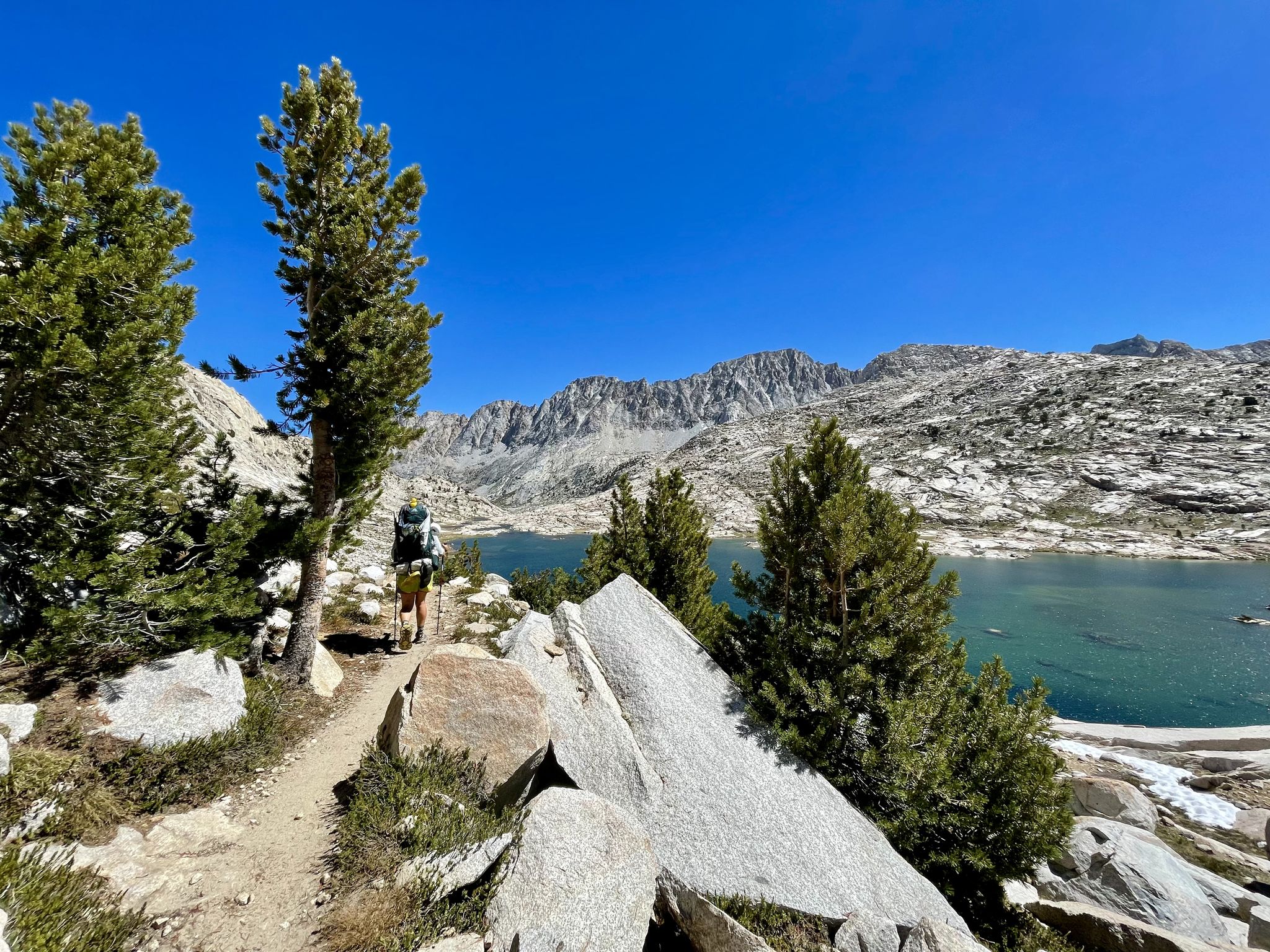
John Muir Trail – Along the legendary trail through the magical Sierra Nevada
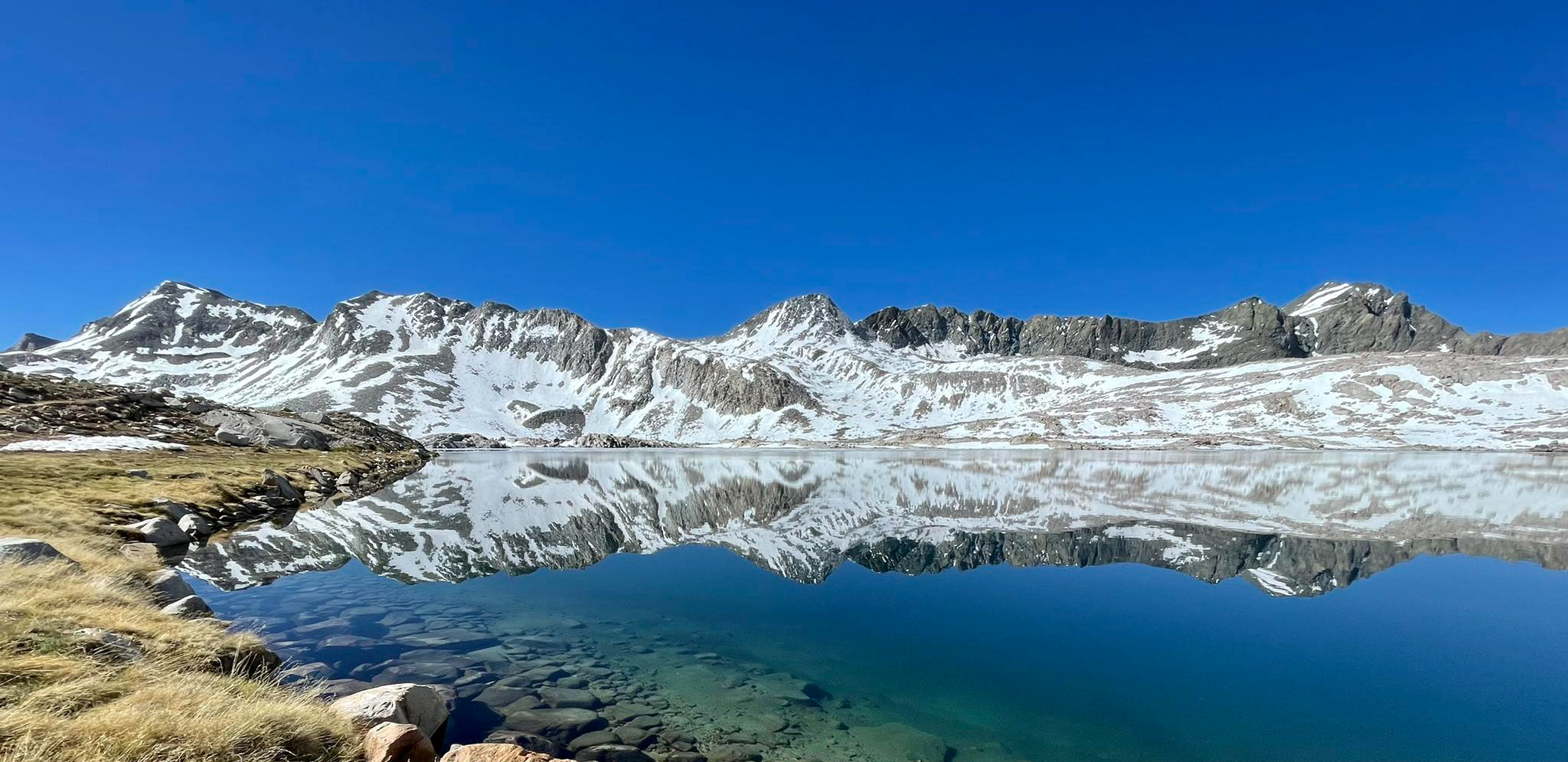
The Sierra High Route — Solitude in California's alpine country
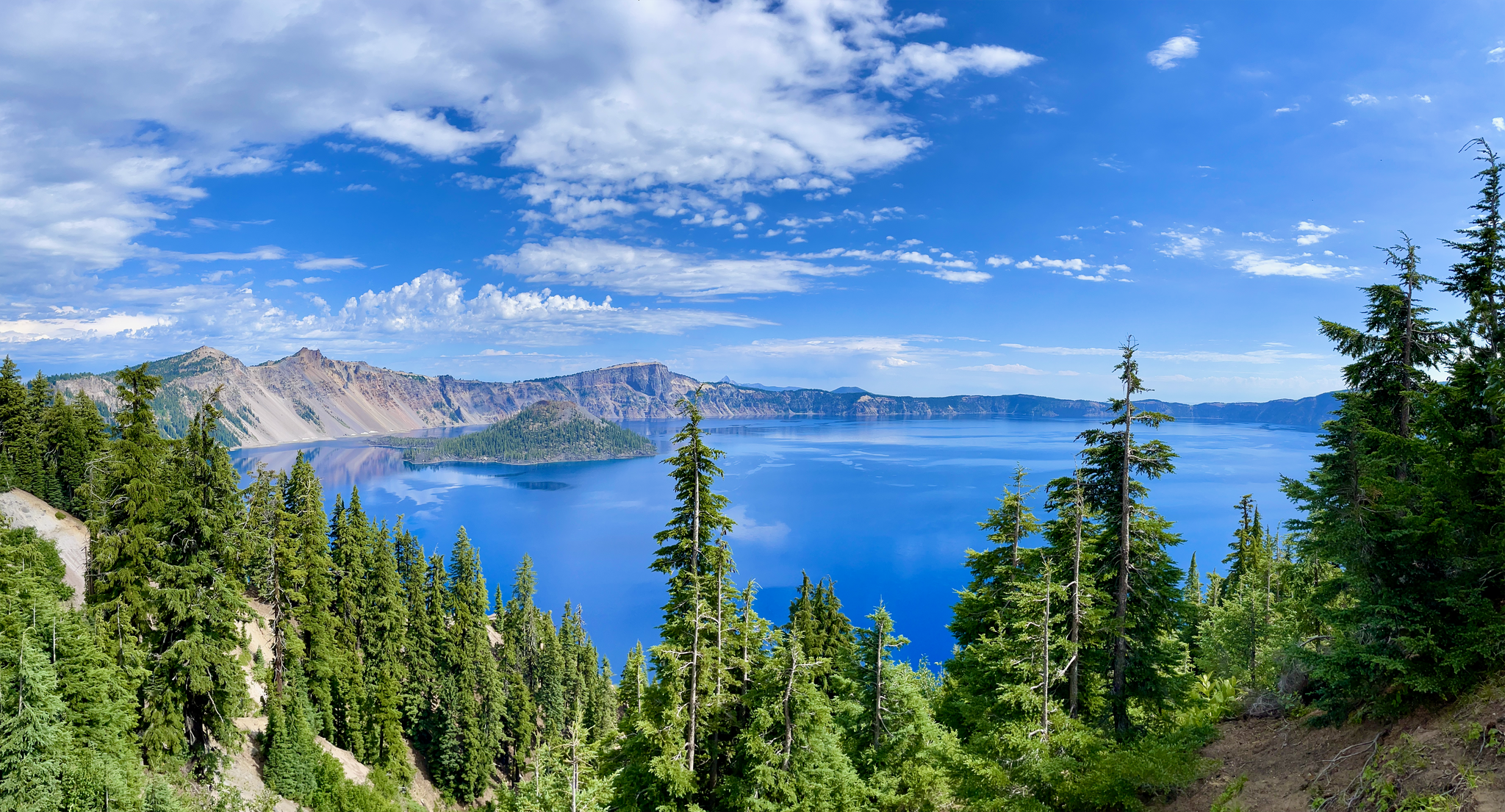
The pristine beauty of the US National Parks
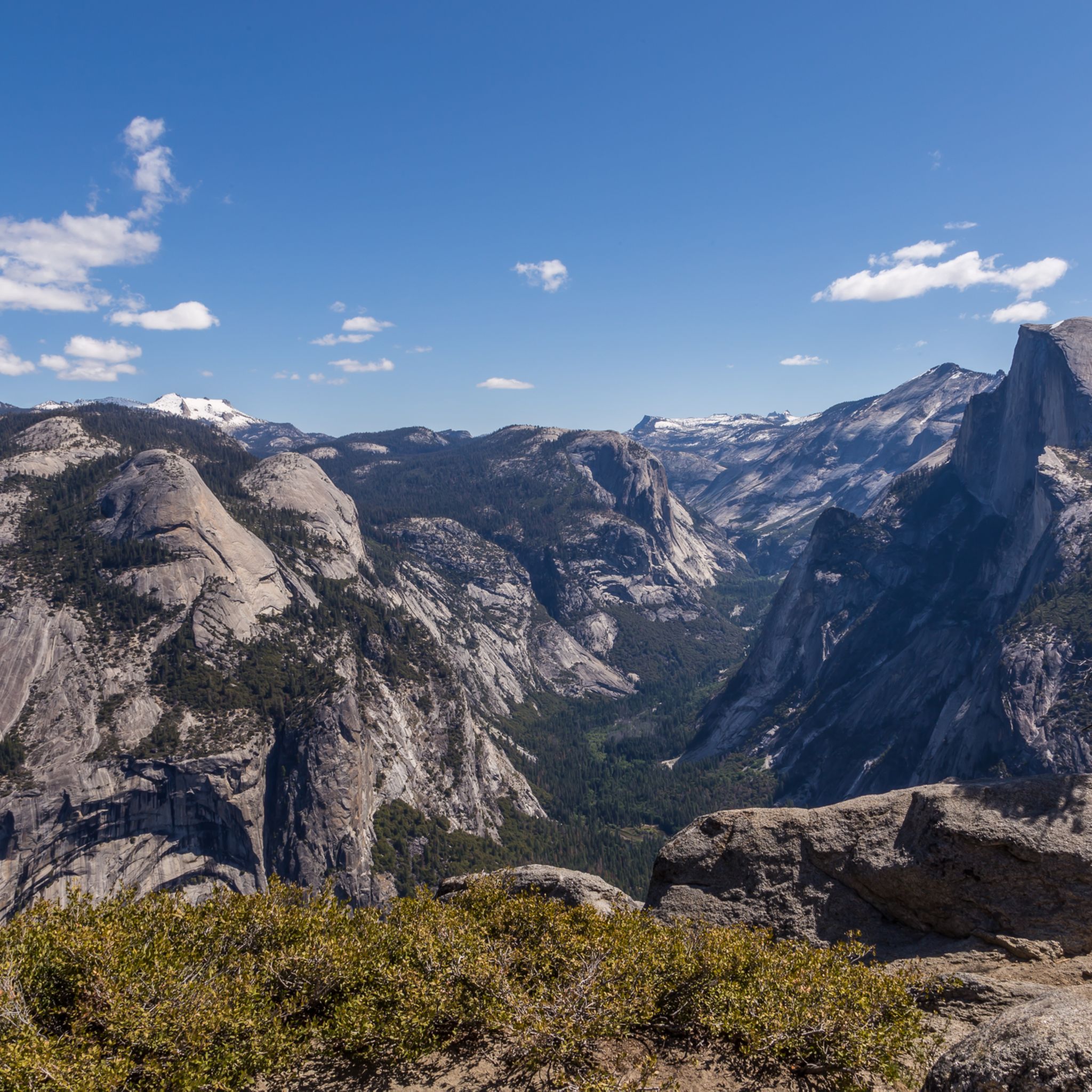
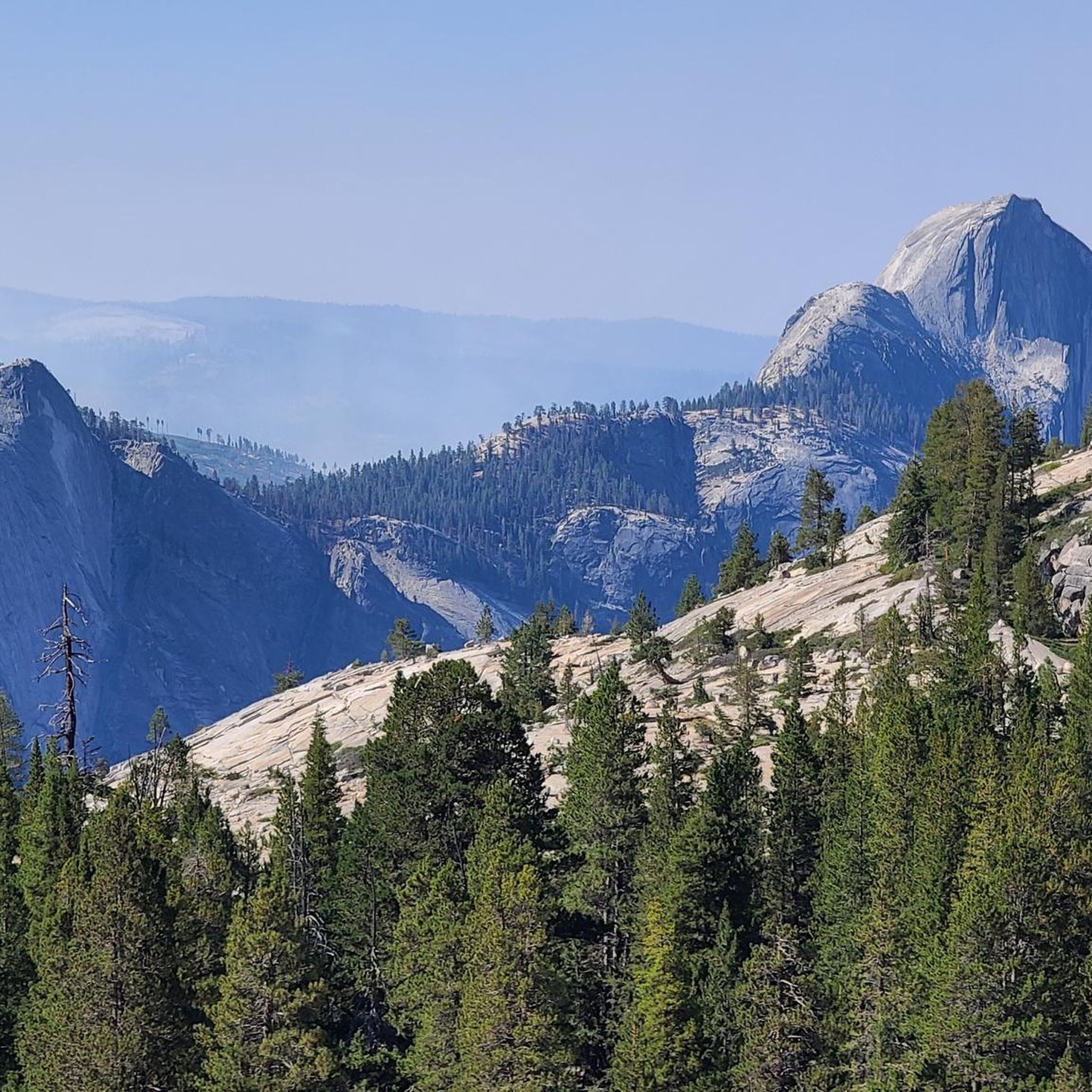
Hiking in Yosemite Wilderness
Cycling in Yosemite Wilderness
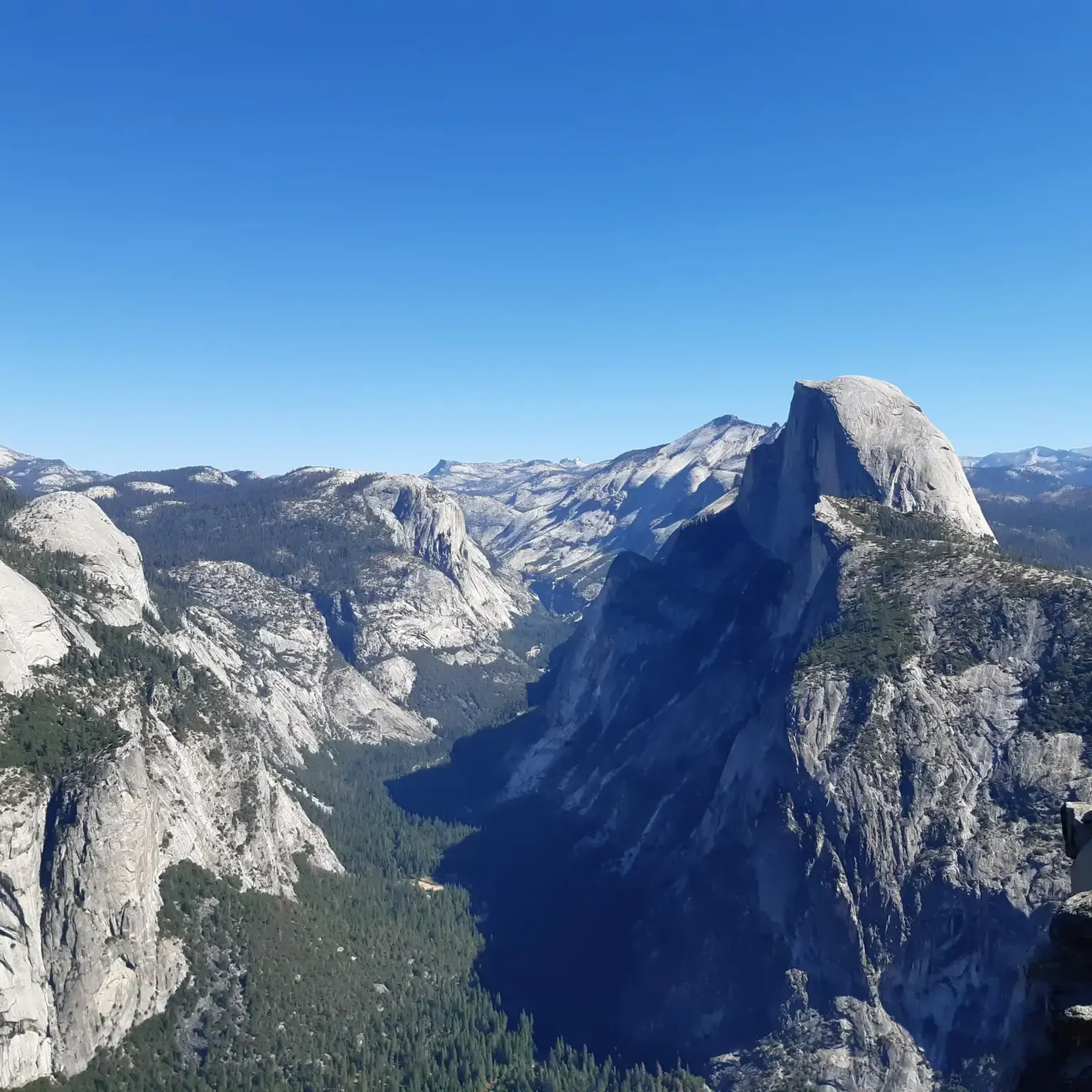
Road Cycling Routes in Yosemite Wilderness
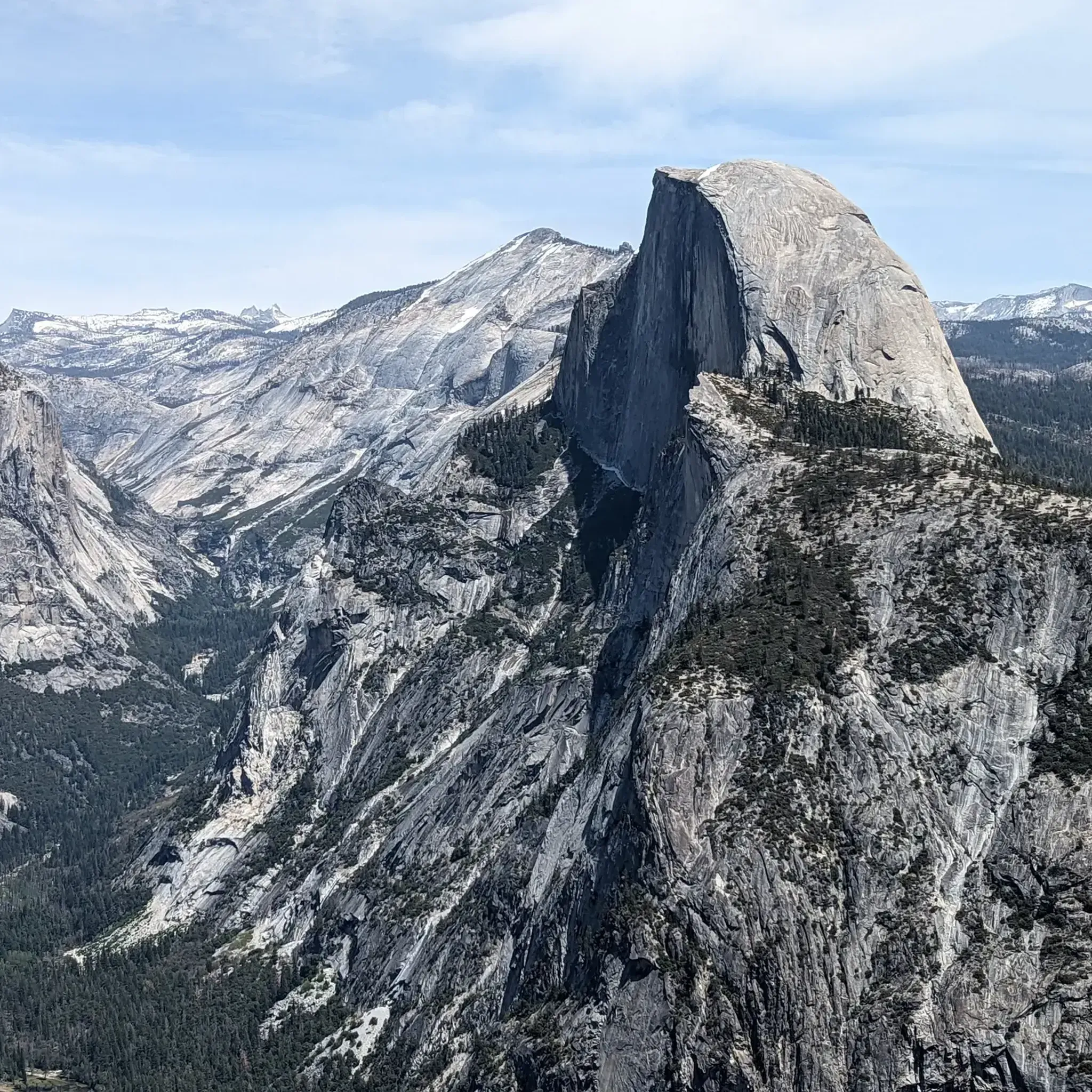
MTB Trails in Yosemite Wilderness
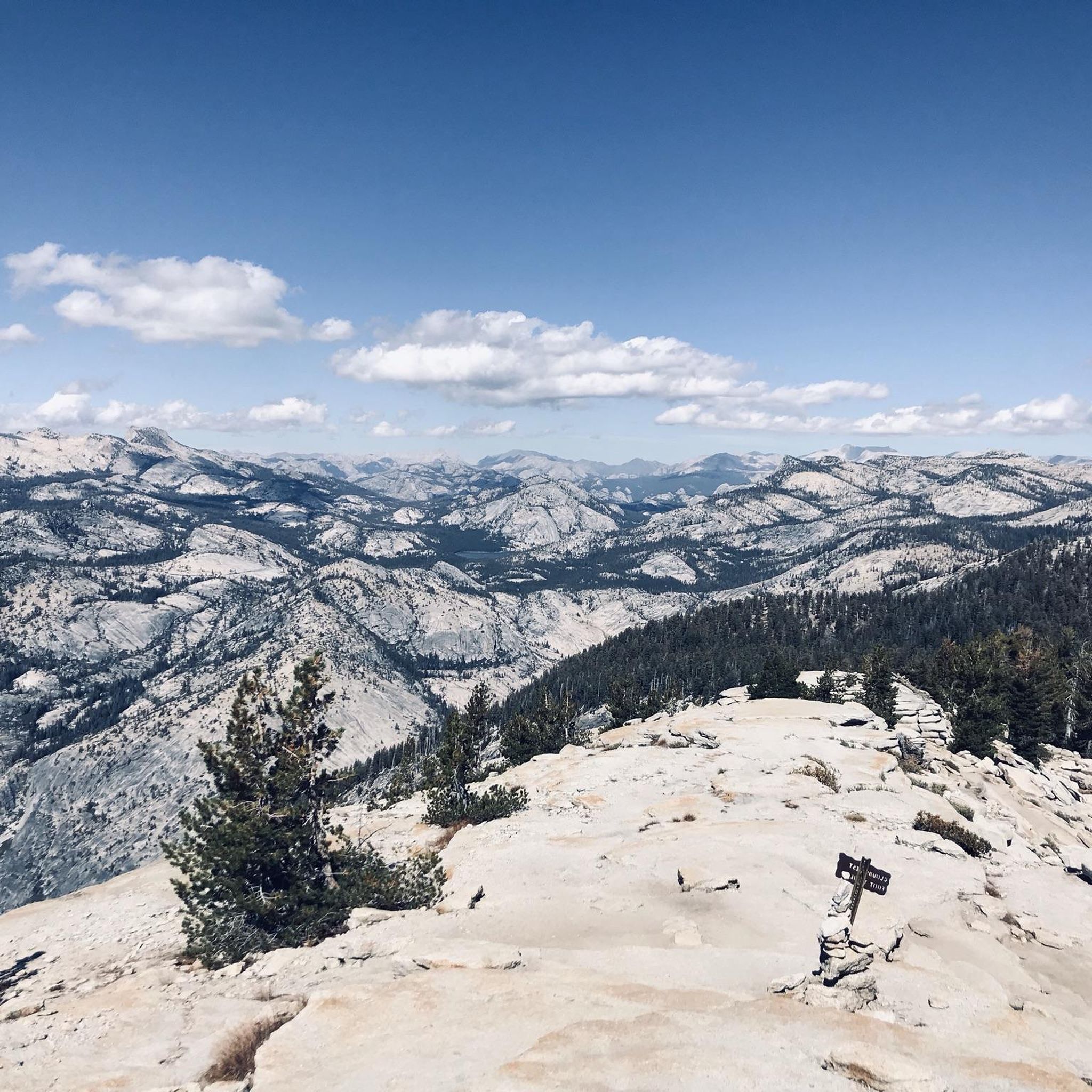
Running Trails in Yosemite Wilderness
Other adventures in Yosemite Wilderness


Tips from the Community

The Mist Trail is much easier to hike uphill in early summer (snowmelt) than downhill because it becomes very slippery. Instead of returning the same way, it's recommended to head a little further upstream, turning right, onto the John Muir Trail—not only because of the slippery descent, but also because this leads to the best vantage point for Vernal Falls (marked on the map). Especially when the Merced River is full, the view is spectacular. The descent on the John Muir Trail is then much easier. Warning for photographers: During snowmelt, only take photos in the "splash zone" with a truly waterproof (submersible!) camera—and pack any other camera in a completely waterproof bag beforehand and only unpack it again at the top. Several careless camera owners have destroyed their equipment on this trail. I once heard a man at the top complaining about a broken Hasselblad – it was in his backpack, but obviously not completely waterproof. The fine mist penetrates everywhere, and even with a rain jacket, you end up wet like you've just taken a shower. On warm summer days, the trail is extremely crowded, with several thousand visitors on just a few kilometers of trail.
0
1

You get really wet when you go up the steps at Verna Fall
0
0
If there is a lot of water in the Merced River (early summer), then it is definitely worth taking the path from Vernal Falls up to the John Muir Trail, as marked on my route: The photo of the waterfall from there is, in my opinion, one of the most beautiful photos in the entire park. This return route is also recommended for another reason, especially at this time of year: The Mist Trail leads steeply down slippery, wet steps up to half a meter high - and is not pleasant to walk downhill, especially not at this time of year with a lot of water on it. If you really want to do the fog/rain hike, it is better to go uphill. In terms of photo opportunities, early summer is the best time of year in the entire park. Important: Always pack a rain jacket if you are going on a long tour: The weather can change (even contrary to the weather forecast) faster than you can walk back. I have seen people walk the entire route from Half Dome to the valley (around 4 hours) in shorts and a t-shirt in pouring rain, you should avoid that. PS: I did this hike in 2004, back then there was no (affordable) GPS - so the tracking data is fake, the photos and the paths are not. Just in case someone stumbles across the GPS coordinates that correspond exactly to the Komoot map.
0
0


Long before you set foot in Yosemite National Park, you'll see the majestic Half Dome. Its silhouette, a striking peak that stretches 9,700 feet into the clear California sky, is not only the park's symbol, but has also found its way into pop culture and technology. Any Apple user with OS X Yosemite will recognize this symbol, and outdoor enthusiasts will recognize the shapes of this impressive mountain in The North Face logo. Viewed from the valley floor, Half Dome may seem unreachable, but it can be conquered - if you're willing to take on the challenge. It's a path that challenges both body and mind, taking you through an ever-changing landscape: from dense forests to bubbling streams to sheer rock faces. If you want to attempt the climb, note that a special permit is required, which is awarded annually in March. But even without a permit, Yosemite National Park, with its 3,000 square kilometers of untouched nature, offers an almost endless variety of hiking routes to explore. The final 120 meters of elevation of Half Dome pose a particular challenge: a steep, almost smooth piece of rock with an incline of up to 45 degrees. Here, wire ropes help to secure the way up. And even if the cables inspire respect in some people - they look worse than they are. With the right technique, gloves and a bit of courage, this section becomes an unforgettable experience. For those who prefer something a little more leisurely or are traveling in the company of family and friends, the park has a variety of less challenging routes. And after a long day of hiking, you can look forward to watching the picturesque sunset in one of the most breathtaking settings in the world before a shuttle bus takes you back to the starting point.
1
0

Nevada Falls is a highlight of Yosemite National Park! With a majestic 594-foot drop, it's a mesmerizing display of nature's raw power. The Mist Trail offers an up-close experience, letting you feel the refreshing spray as you ascend. Surrounded by lush forests and granite cliffs, the falls are a testament to Yosemite's untouched beauty. A visit here isn't just a sightseeing stop; it's an unforgettable experience. In a park full of wonders, Nevada Falls is an absolute must! Nevada Falls is a jewel in Yosemite's crown! With a majestic 594-foot drop, it's a mesmerizing display of nature's raw power. The Mist Trail offers an up-close experience, letting you feel the refreshing spray as you ascend. Surrounded by lush forests and granite cliffs, the falls are a testament to Yosemite's untouched beauty. A visit here isn't just a sightseeing stop; it's an unforgettable experience. In a park brimming with wonders, Nevada Falls is a must-see spectacle!
0
0


It is highly recommended to start early in the morning, especially in the main season. Many people use this trail even though it brings several hikers, who go there, to their physical limits.
1
0
Frequently Asked Questions
What are the most iconic natural features in Yosemite Wilderness?
Yosemite Wilderness is renowned for its dramatic landscapes. You can explore impressive granite formations like Half Dome, a famous icon and challenging destination, and El Capitan, a colossal monolith popular for rock climbing. The area also features numerous waterfalls, including the prominent Vernal Fall and Nevada Fall, both accessible via the popular Mist Trail, and the majestic Yosemite Falls, North America's tallest. Additionally, visitors can find ancient giant sequoia groves like Mariposa Grove, and serene high-country meadows such as Tuolumne Meadows.
Where can I find the best panoramic views in Yosemite Wilderness?
For breathtaking panoramic views, Glacier Point offers incredible vistas of Yosemite Valley, Half Dome, Yosemite Falls, and the surrounding Sierra Nevada, especially stunning at sunset. Another classic vista is Tunnel View, providing a comprehensive look at Yosemite Valley, El Capitan, and Bridalveil Fall. Half Dome Summit also provides unparalleled views for those who undertake the challenging climb.
Are there prominent waterfalls to visit in Yosemite Wilderness?
Yes, Yosemite Wilderness is famous for its waterfalls, particularly impressive during spring and early summer due to snowmelt. Key waterfalls include Vernal Fall and Nevada Fall, both accessible via the Mist Trail, offering close-up, misty experiences. Yosemite Falls, the fourth tallest in North America, is another must-see, with its Upper, Middle, and Lower sections. Bridalveil Fall is also a prominent feature in Yosemite Valley.
Can I see giant sequoia trees in Yosemite Wilderness?
Absolutely. Yosemite Wilderness is home to several groves of ancient giant sequoia trees. The largest and most famous is Mariposa Grove, which features over 500 mature sequoias, including the notable Grizzly Giant and California Tunnel Tree, with various trails for exploration. Other significant groves include Tuolumne Grove and Merced Grove.
What are some popular or challenging hiking trails in Yosemite Wilderness?
Yosemite Wilderness offers a variety of trails. The Yosemite Falls Trail is a challenging historical route leading to the top of North America’s tallest waterfall, offering breathtaking views of the valley and Half Dome. The Mist Trail is popular for accessing Vernal Fall and Nevada Fall. For more challenging mountain hikes, you can explore routes like the 'Mist Trail – Start of Mist Trail loop from Curry Village' or 'View On Half Dome – Upper Yosemite Fall loop from Yosemite Valley', which are detailed in the Mountain Hikes in Yosemite Wilderness guide.
How challenging is the hike to Half Dome Summit?
The hike to Half Dome Summit is considered very strenuous and a full-day adventure. The final 120 meters involve a steep, almost smooth rock face with an incline of up to 45 degrees, where wire ropes assist climbers. It requires a special permit, typically awarded annually in March. Hikers should bring extra water and be prepared for a significant physical challenge.
What cultural or historical sites can I explore in Yosemite Wilderness?
Yosemite Wilderness has a rich cultural history. You can visit the Yosemite Museum, founded in 1926, which showcases Native American traditional crafts and park history. The Pioneer Yosemite History Center in Wawona features historic buildings telling stories of the park's development. The Ansel Adams Gallery in Yosemite Valley offers a cultural touch for art enthusiasts, celebrating the photographer's iconic works of Yosemite.
Are there opportunities for cycling in Yosemite Wilderness?
Yes, there are several road cycling routes available. You can enjoy the 'Yosemite Valley Loop Trail' for an easier ride, or challenge yourself with routes like 'From the Yosemite Valley to Glacier Point and back' or 'Yosemite Valley to Mariposa Grove Out and Back'. More details on these and other cycling options can be found in the Road Cycling Routes in Yosemite Wilderness guide.
When is the best time to visit Yosemite Wilderness?
The best time to visit Yosemite Wilderness largely depends on your desired activities. Spring (April-May) offers spectacular waterfall flows due to snowmelt and blooming wildflowers. Summer (June-August) is ideal for high-country access and warmer weather, though it's also the busiest. Fall (September-October) brings pleasant temperatures, fewer crowds, and beautiful autumn colors. Winter (November-March) transforms the park into a snowy wonderland, suitable for winter sports, but many roads and services may be closed.
Are there less crowded areas to explore in Yosemite Wilderness?
While Yosemite Valley can be very popular, the vastness of Yosemite Wilderness offers quieter alternatives. Hetch Hetchy Valley, located in the park's peaceful northwest corner, boasts dramatic cliffs and domes similar to Yosemite Valley but often with significantly fewer crowds. Exploring the high country, such as Tuolumne Meadows, can also provide a more serene experience, especially outside of peak summer hours.
What do visitors enjoy most about the attractions in Yosemite Wilderness?
Visitors frequently praise the awe-inspiring natural beauty and the refreshing experiences. For instance, the Mist Trail is loved for the 'thunderous roar and rainbow in the spray of the waterfall,' allowing an almost 'up close' experience with nature's forces. The challenging Yosemite Falls Trail is highly regarded for its 'breathtaking views' and the rewarding feeling of reaching the top. The changing landscapes and the personal achievement of reaching the summit are often highlighted for adventures like Half Dome.
Most popular routes in Yosemite Wilderness
Most popular attractions in Yosemite Wilderness

Get inspired with the komoot mobile app


Explore more
Still not found the Highlight you’re looking for? See guides of the top attractions in other regions:
