The best cycling routes in Hawai'I Volcanoes Wilderness
88
riders
15
rides
Touring cycling routes in Hawai'I Volcanoes Wilderness traverse a landscape actively shaped by the Kīlauea and Mauna Loa volcanoes. The region features dramatic volcanic vistas, including craters, steaming vents, and extensive lava flows. Cyclists encounter diverse environments, from lush tropical rainforests to arid volcanic deserts, and rugged coastlines where ancient lava meets the Pacific.
Best touring cycling routes in Hawai'I Volcanoes Wilderness
- The most popular touring cycling route is Hilina Pali via Devil's Throat, a 17.3 miles (27.8 km)…
Last updated: June 29, 2026
1
riders
27.8km
01:51
380m
380m
Moderate bike ride. Good fitness required. Mostly paved surfaces. Suitable for all skill levels.
24.5km
02:16
670m
670m
Hard bike ride. Very good fitness required. Mostly paved surfaces. Suitable for all skill levels.

Sign up for free
31.7km
02:20
750m
750m
Hard bike ride. Very good fitness required. Mostly paved surfaces. Suitable for all skill levels.
10.7km
00:41
150m
150m
Easy bike ride. Great for any fitness level. Mostly paved surfaces. Suitable for all skill levels.
6
riders
67.2km
04:41
1,290m
1,280m
Hard bike ride. Very good fitness required. Mostly paved surfaces. Suitable for all skill levels.
Get access to more routes and recommendations from other explorers.
Sign up for free
Already have an account?
Our route recommendations are based on thousands of hikes, rides, and runs completed by other people on komoot.
Start today with a free account
Your next adventure awaits.
Login or Signup
Popular around Hawai'I Volcanoes Wilderness
Tips from the Community

Viewpoint with shelter and great view of the Pacific
3
0
The lava coast with the arch is a great photo opportunity
2
0

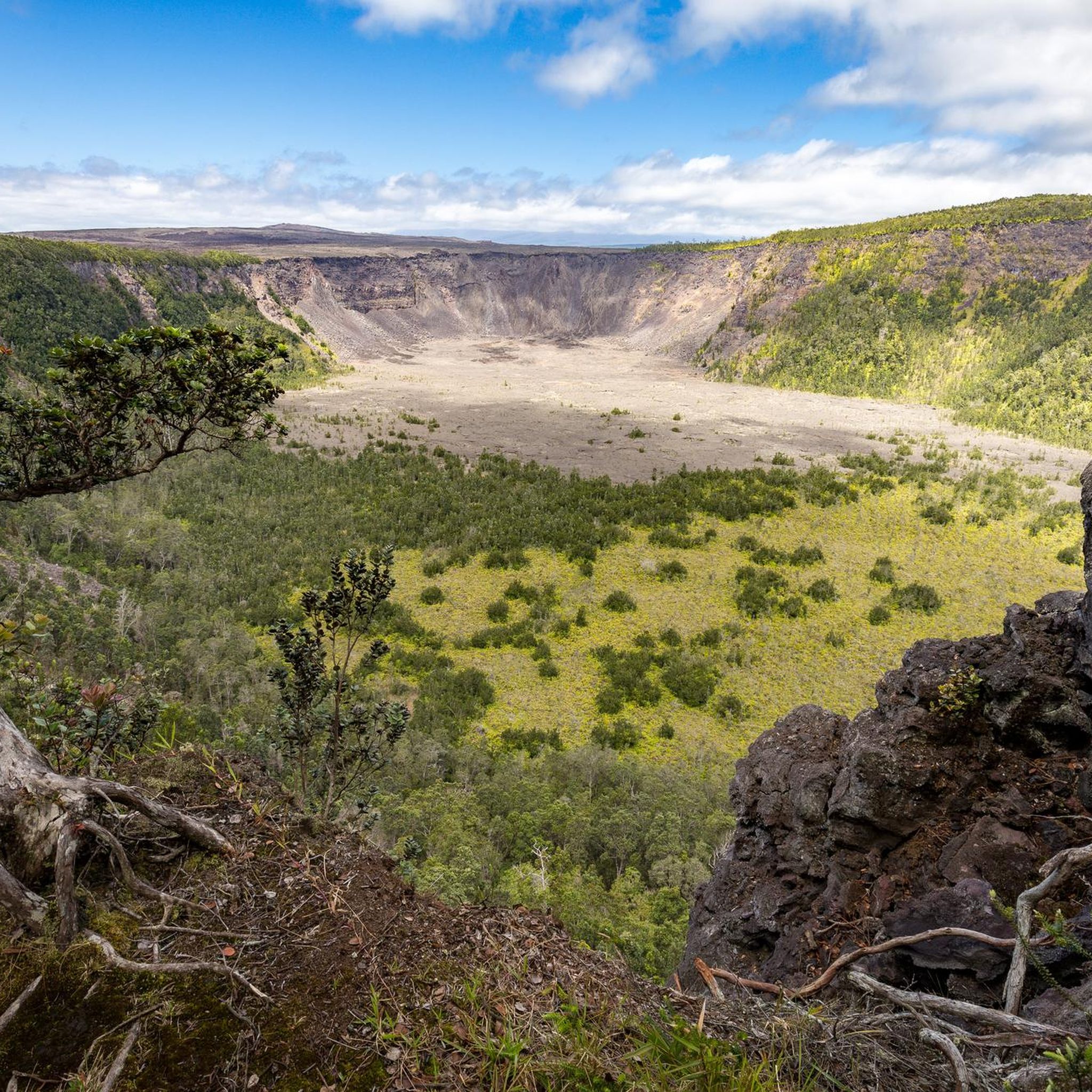
Pauahi is 360 feet deep and 1600 feet wide! This crater has had three recent eruptions (relatively), with two in 1973 and one in 1979. The 1979 event was the most dramatic and is what left the thin veneer currently seen on the crater floor. Pauahi Crater is culturally significant and religious to many of the Hawaiian people. You may see a hoʻokupu (offering), perhaps wrapped in leaves. These should not be touched or disturbed.
0
0
Hilina Pali Overlook provides visitors with a incredible view of the Hawaiian coastline and Pacific Ocean. There is a shelter and bathroom here to provide shelter from any storms, althought there is no potable water.
0
0
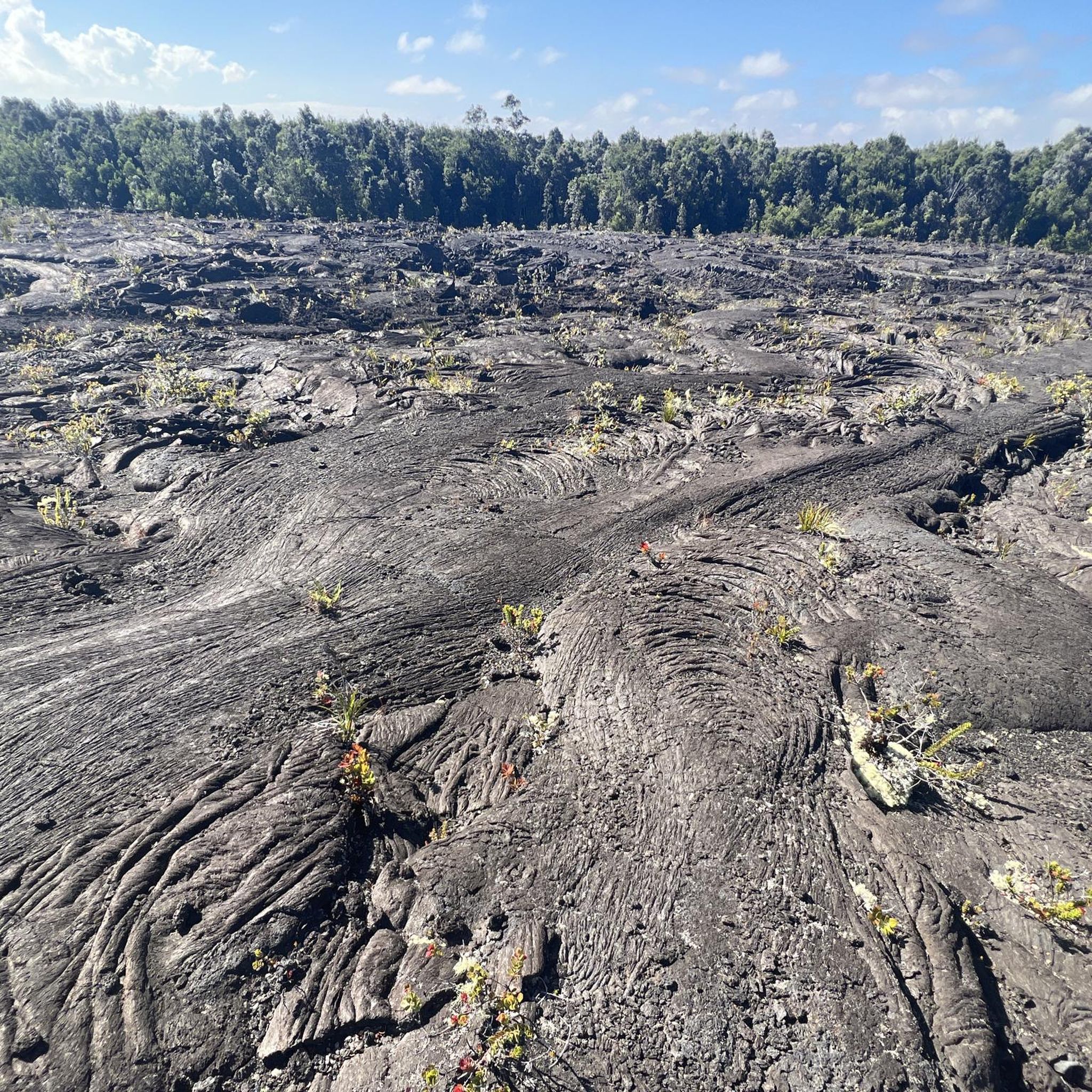
Kealakomo Overlook has panoramic views of the Pacific Ocean and lava fields. Kealakomo Overlook gets its name from the ancient village that once resided here and is now partially covered from the Maunaulu flows of 1969-1974. Don't tell real estate developers, but the Maunaulu flows created approximately 210 acres of new land.
0
0
At the bottom of the Chain of Craters Road you can see steep lava rock cliffs. Winds are known to be high here, so use caution if you have deep wheels! This is a unique view with the blue crashing waves on one side and the brown laval fields stretching up the side of the volcano.
0
0
Just off of the Chain of Craters Road you can see the Hõlei Sea Arch. This lava rock formation is 90-feet high and extends from the sea cliff. This structure is only temporary as the sea slowly erodes the land, so see it while you can! If you try to get a closer look, keep in mind that walking on flow fields can be hazardous due to deep earth cracks, uneven and unstable terrain, and razor-sharp lava.
0
0
Frequently Asked Questions
How many touring cycling routes are available in Hawai'i Volcanoes Wilderness?
There are 14 touring cycling routes available in Hawai'i Volcanoes Wilderness, offering a range of experiences from easy rides to challenging ascents.
What kind of terrain can I expect on touring cycling routes in Hawai'i Volcanoes Wilderness?
The terrain varies significantly, from smooth paved roads like sections of Crater Rim Drive to more challenging gravel and dirt paths. You'll encounter dramatic volcanic landscapes, hardened lava fields, and diverse ecosystems ranging from lush rainforests to arid volcanic deserts. Routes like Mauna Loa Road to Mauna Loa Lookout feature significant elevation gain, while others offer more gradual inclines.
Are there any easy touring cycling routes suitable for beginners or families?
Yes, there are 5 easy routes available. An example is Pauahi Crater via Devastation Trail, which offers a shorter distance and less elevation gain, making it suitable for those looking for a more relaxed ride. The paved roads in the Kīlauea District also provide accessible options.
What are some notable landmarks or natural features I can see while cycling?
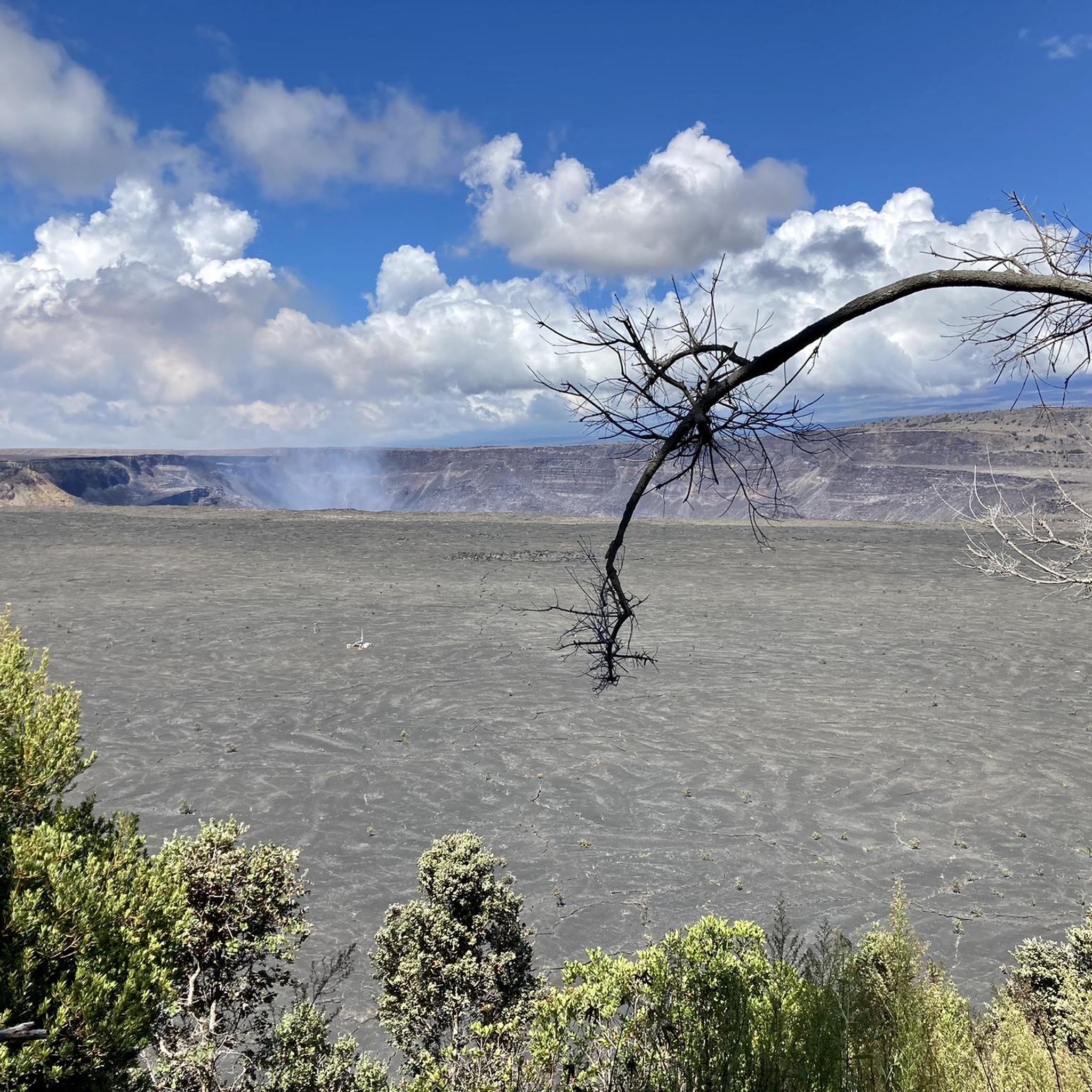
The region is rich with volcanic vistas and unique natural features. You can cycle past steaming vents, ancient craters like Pauahi Crater, and vast lava flows. The Chain of Craters Road via Muliwai a Pele offers views of numerous craters and leads to the rugged coastline with features like the Hōlei Sea Arch. Other highlights include the Mauna Loa Lookout and the otherworldly Mauna Iki.
Is public transport available to reach the cycling trailheads?
Public transport options directly to specific trailheads within Hawai'i Volcanoes National Park are limited. Most visitors rely on personal vehicles or shuttle services to access the park's various cycling routes. It's advisable to check the official National Park Service website for the most current transportation information.
Do I need a permit to go touring cycling in Hawai'i Volcanoes Wilderness?
While there isn't a specific cycling permit required for general touring cycling within Hawai'i Volcanoes National Park, standard park entrance fees apply. For detailed information on park access and any specific regulations, it's best to consult the official National Park Service website: nps.gov/havo/.
What is the best time of year to go touring cycling in Hawai'i Volcanoes Wilderness?
Hawai'i Volcanoes Wilderness offers cycling opportunities year-round due to its tropical climate. However, conditions can vary significantly with elevation. The coastal areas are generally warmer, while higher elevations on Mauna Loa can be cooler. It's always recommended to check the weather forecast before heading out, as rain can occur at any time, especially in rainforest sections.
Are there any loop cycling routes in the area?
Yes, some routes offer a loop experience. For example, the Hōlei Sea Arch – Kīlauea Iki East Overlook loop from Kīlauea Iki provides a comprehensive tour of diverse landscapes, including coastal views and volcanic features, returning to the starting point.
Can I bring my dog on the touring cycling routes?
Hawai'i Volcanoes National Park has specific regulations regarding pets to protect its unique ecosystems and wildlife. Generally, dogs are permitted only in certain developed areas, along paved roads, and in parking lots, but not on most trails or in wilderness areas. Always check the current pet policies on the official National Park Service website before bringing your dog: nps.gov/havo/.
Where can I find parking for touring cycling routes?
Designated parking areas are available at various points within Hawai'i Volcanoes National Park, including visitor centers and trailheads. For routes like Hilina Pali via Devil's Throat, parking is typically available near the start of the route. It's advisable to arrive early during peak seasons to secure a spot.
What are the average distances and durations for touring cycling routes here?
The routes vary in length and duration. For instance, Hilina Pali via Devil's Throat is about 17.3 miles (27.8 km) and takes approximately 1 hour 51 minutes, while the challenging Hōlei Sea Arch – Kīlauea Iki East Overlook loop from Kīlauea Iki spans 41.4 miles (66.7 km) and can take over 4 hours.
Are there any cafes or restaurants near the cycling routes?
Within Hawai'i Volcanoes National Park, dining options are limited but available at the Kīlauea Visitor Center area. The nearby town of Volcano also offers a selection of cafes and restaurants where you can refuel after your ride. It's always a good idea to carry sufficient water and snacks, especially on longer routes.
Most popular routes in Hawai'I Volcanoes Wilderness
Most popular attractions in Hawai'I Volcanoes Wilderness

Get inspired with the komoot mobile app


Explore more
Browse the best Cycling routes in other regions.
