Attractions and Places To See in Isle Royale Wilderness - Top 8
Best attractions and places to see in Isle Royale Wilderness encompass a remote and untamed experience, primarily within Isle Royale National Park. This region features over 450 islands, numerous inland lakes, and geological formations sculpted by glaciers into linear ridges and valleys. The area holds cultural significance, recognized as the Minong Traditional Cultural Property, acknowledging indigenous and historic copper mining. Visitors can explore diverse forests and observe wildlife such as moose and wolves in this pristine natural environment.
Best attractions…
Last updated: May 17, 2026
The Greenstone Ridge Trail
Highlight (Segment) • Trail
Tip by

Isle Royale National Park
Highlight • Forest
Tip by
Sign up now to discover places like this
Get recommendations on the best single tracks, peaks, & plenty of other exciting outdoor places.
Sign up for free
Ojibway Tower
Highlight • Monument
Built in 1934, the tower was originally used as a fire …
Tip by
Lake Desor
Highlight • Lake
Tip by
South Lake Desor Campground
Highlight • Rest Area
Tip by
Sign up for free to discover even more attractions in Isle Royale Wilderness.
Sign up for free
Already have an account?
Start today with a free account
Your next adventure awaits.
Login or Signup
Popular around Isle Royale Wilderness
Other adventures in Isle Royale Wilderness

Tips from the Community

South Lake Desor Campground is a back country campsite along the Greenstone Ridge Trail, offering a quiet stop for hikers. It has designated tent sites and a pit toilet, but no shelters or other amenities. Water is available from the lake and must be filtered or treated before drinking. There are no campfires allowed, so you'll need a backpacking stove for cooking. The campground is only accessible by foot, making it a useful overnight stop for those hiking the trail.
0
0
Ojibway Tower on Isle Royale is a historic landmark, offering breathtaking panoramic views of the island and surrounding waters. Built in 1934, the tower was originally used as a fire lookout. It stands at 65 feet tall and is located on the highest point of the island, allowing you to take in expansive vistas of the lush forests, crystal-clear lakes, and rugged shoreline. The tower’s upper platform, accessible via a sturdy metal staircase, provides a 360-degree view that stretches across the island’s wilderness, including the waters of Lake Superior. The experience not only gives a glimpse into the island’s raw beauty but also offers a window into its rich history as a remote outpost of the National Park Service.
0
0
Isle Royale National Park, encompassing the rugged expanse of Isle Royale itself, is one of the most remote National Parks in the United States. Isolated in the vast waters of Lake Superior, the island has no roads, no cell service, and limited facilities, making it a true backcountry experience. The park’s Greenstone Ridge Trail stretches across the island’s spine, offering a challenging yet rewarding trek through dense forests, past pristine inland lakes, and over high ridges with sweeping views. Wildlife thrives here, with moose, wolves, and loons among the many species that call the island home. Isle Royale is open to visitors seasonally, from April 17th to October 31st. A $7 per person daily entrance fee is required for those entering or staying within the park per calendar day
0
0
Lake Desor is the largest inland lake on Isle Royale, stretching over 2 miles long with a rugged shoreline. Unlike the cold, rocky waters of Lake Superior, Desor’s waters are often warmer and calmer, making it a great place for a refreshing swim after a long hike spruce and fir forest that surrounds it.
0
0
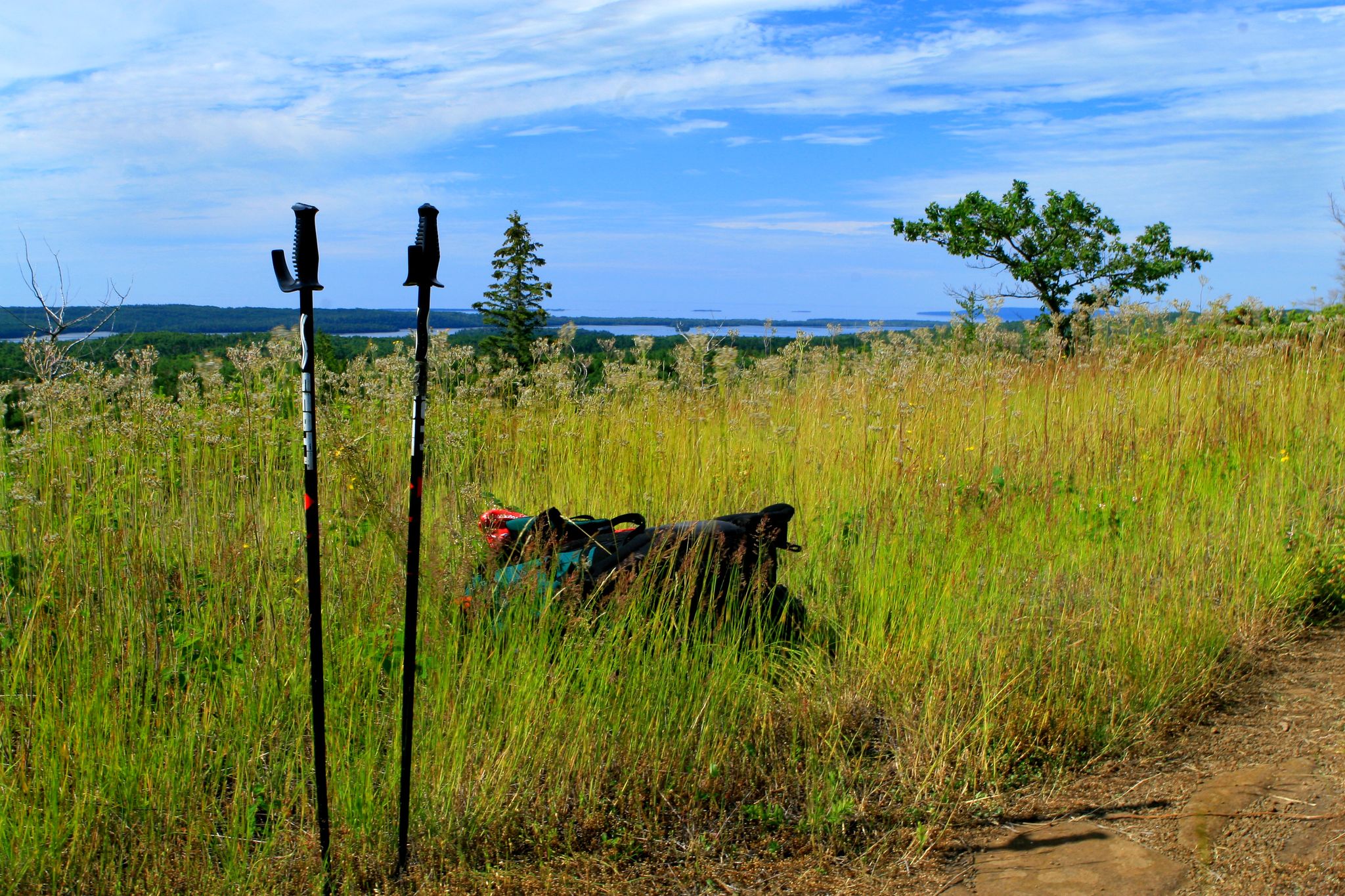
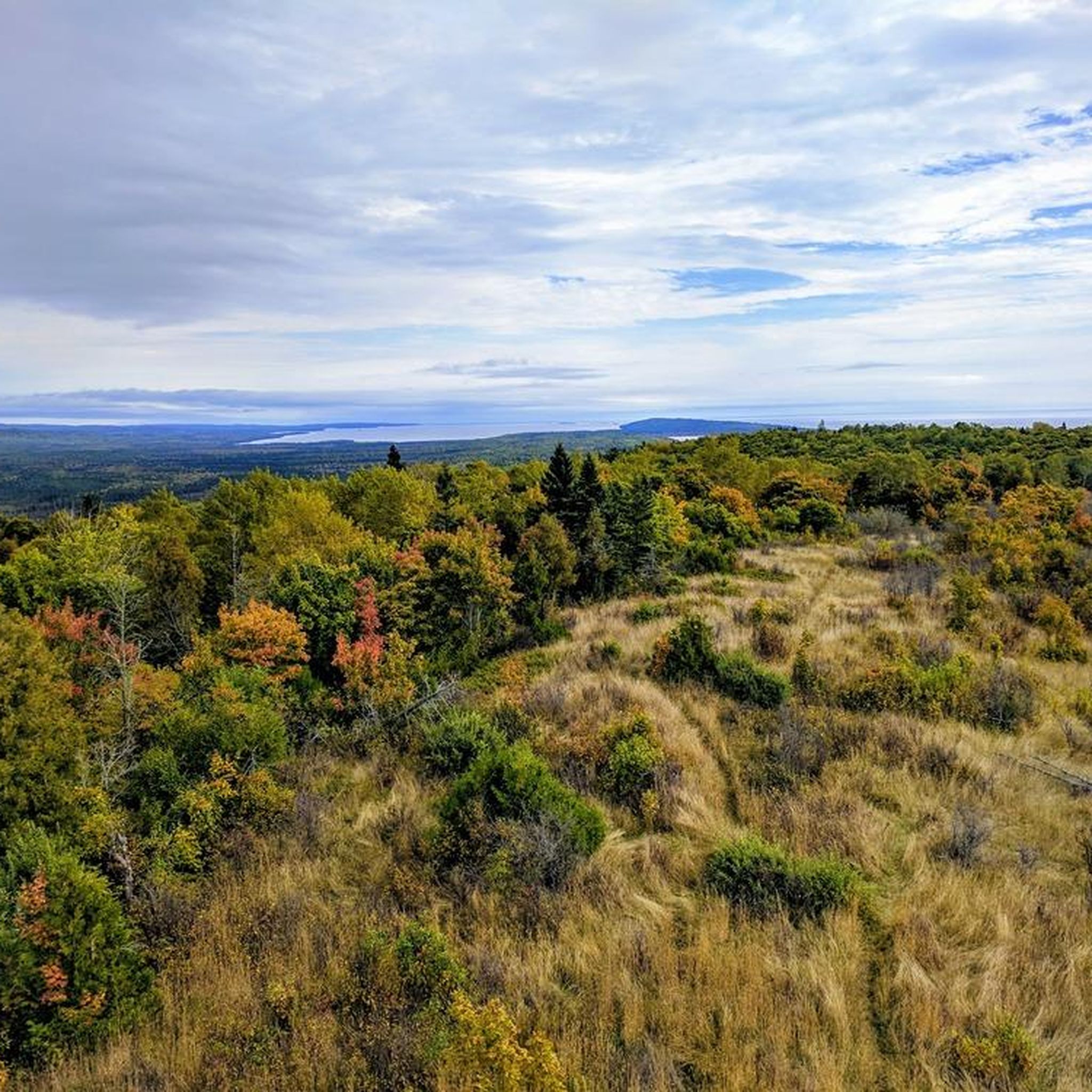
The Greenstone Ridge Trail offers a challenging yet rewarding hiking experience as you weave through the rugged terrain of Isle Royale National Park. Spanning approximately 40 miles, the trail follows the island’s spine, giving you stunning panoramic views of dense forests, tranquil lakes, and remote wilderness. You will encounter diverse landscapes, from lush woodlands to rocky ridges, with several steep ascents and descents that require a good level of fitness and experience. Known for its solitude, the trail allows you to immerse yourself in nature without the distraction of large crowds. Due to the island’s remote location, you will need to plan ahead, as the trail is best suited for those familiar with off-grid conditions and prepared for unpredictable weather. The trail is only accessible during the warmer months, from April to November, and you can reach it by ferry, water taxi, or seaplane from the mainland. Along the way, you will find a series of backcountry campsites, offering opportunities for multi-day treks and a deeper exploration of this pristine environment. The Greenstone Ridge Trail is a true adventure for those looking to disconnect and experience one of the most isolated and untouched natural settings in the United States.
0
0

A large inland lake with campgrounds on the north and south shores, as spurs from the Minong Ridge Trail and Greenstone Ridge Trail, respectively.
0
0
A retired fire lookout tower that visitors can partially scale to achieve views of the eastern end of Isle Royale National Park.
0
0
Frequently Asked Questions
What are some notable historic landmarks and points of interest on Isle Royale?
Isle Royale is rich in history, featuring several significant landmarks. You can explore historic lighthouses such as the Rock Harbor Lighthouse (circa 1855) and the Passage Island Light Station (circa 1882). The island also has historic fire towers like the Ojibway Tower, offering panoramic views. Additionally, the Edisen Fishery provides insight into the island's fishing traditions, and the Minong Mine Copper Mining District showcases ancient and historic copper mining.
What natural features can I explore in Isle Royale Wilderness?
The Isle Royale Wilderness is a haven for natural beauty. It encompasses Isle Royale and over 400 smaller islands within Lake Superior, along with numerous inland lakes like Lake Desor, the largest inland lake. You'll find unique geological formations, including layered basaltic and sedimentary rock sculpted by glaciers, and Suzy's Cave, an inland sea arch. The island also boasts diverse forests transitioning between boreal and temperate zones, home to over 600 species of lichen and flowering plants.
Are there challenging hiking trails for experienced trekkers?
Absolutely. The Isle Royale Wilderness is renowned for its challenging backcountry experience. The most prominent is The Greenstone Ridge Trail, which spans approximately 40 miles across the island's spine. This trail offers a demanding yet rewarding experience with panoramic views, steep ascents, and descents, ideal for multi-day treks. Other challenging routes include sections of the Minong Ridge Trail.
What kind of wildlife can I expect to see on Isle Royale?
Isle Royale is a unique ecosystem known for its abundant wildlife. You might encounter moose, gray wolves, beavers, red foxes, ermines, and mink. The island is also a significant bird-watching destination, with species like herring gulls, various warblers, and loons. Wildlife viewing is a core part of the wilderness experience here.
What are the best times to visit Isle Royale National Park?
Isle Royale National Park is open seasonally, typically from April 17th to October 31st. The warmer months, particularly late spring through early fall, offer the best conditions for hiking, paddling, and wildlife viewing. During this period, the ferries and seaplanes operate, and visitor services are available. Winter activities are not generally supported due to the park's remote and isolated nature.
Are there any family-friendly activities or accessible attractions on Isle Royale?
While Isle Royale is primarily a wilderness park known for its rugged terrain, there are some options. Shorter, easier trails can be found near visitor centers like Rock Harbor and Windigo. For example, the Stoll Trail to Scoville Point offers continuous views and is a popular choice. Sightseeing cruises, such as those offered by the MV Sandy, provide a more relaxed way to experience the shoreline and historic sites like the Edisen Fishery, which can be suitable for families. However, the park's overall remote nature means accessibility is limited, and there are no paved roads or extensive facilities for those with mobility challenges.
What outdoor activities can I do near the attractions in Isle Royale Wilderness?
Beyond exploring the attractions, Isle Royale Wilderness offers excellent opportunities for outdoor activities. Hiking is paramount, with numerous trails ranging from easy to challenging. You can find detailed routes and guides for hiking in Isle Royale Wilderness, including routes like Chickenbone Lake to Hatchet Lake or the West Huginnin Cove Trail. Canoeing and kayaking are popular in calmer waters like Tobin Harbor and Washington Harbor. Fishing is also a major draw, with over 40 fish species in Lake Superior and its inland waters.
Where can I find scenic viewpoints and overlooks on the island?
Isle Royale offers numerous breathtaking scenic viewpoints. Along the Greenstone Ridge Trail, you'll find overlooks like Mount Franklin and Lookout Louise, providing expansive vistas. The Ojibway Tower offers a 360-degree view of the island's eastern end. Other notable spots include Grace Creek Overlook along the Feldtmann Trail, Minong Ridge Overlook, and Scoville Point, which provides continuous views of the surrounding waters.
What are the permit and fee requirements for visiting Isle Royale National Park?
A $7 per person daily entrance fee is required for those entering or staying within Isle Royale National Park per calendar day. Additionally, backcountry permits are necessary for overnight stays in the wilderness. It's advisable to check the official National Park Service website for the most current information on fees and permit requirements before your visit.
Are there any unique geological formations to discover on Isle Royale?
Yes, Isle Royale's geology is quite distinctive. The island is composed of layered basaltic and sedimentary rock, which was dramatically sculpted by glaciers, resulting in its characteristic linear ridges and valleys. A particularly unique formation is Suzy's Cave, an inland sea arch that was created by ancient sea levels thousands of years ago, offering a glimpse into the island's geological past.
What are the main entry points and services available on Isle Royale?
The two main visitor portals are Rock Harbor and Windigo. Rock Harbor, on the northeast end, is more developed, offering a full-service marina, camper store, showers, gift shop, snack bar, and a visitor center with interpretive programs. Windigo, on the southwest end, provides more limited supplies and potable water refill stations. Both serve as crucial hubs for visitors arriving by ferry or seaplane.
Can I explore any cultural or historical sites related to indigenous heritage?
Isle Royale holds significant cultural importance, particularly regarding indigenous heritage. The island was added to the National Register of Historic Places in 2019 as the Minong Traditional Cultural Property, recognizing the long history of Native American presence. The Minong Mine Copper Mining District, a National Historic Landmark, highlights prehistoric copper mining pits dating back some 4,000 years, offering a profound connection to the island's past.
Most popular routes in Isle Royale Wilderness

Get inspired with the komoot mobile app


Explore more
Still not found the Highlight you’re looking for? See guides of the top attractions in other regions:
