Attractions and Places To See in Daniel J. Evans Wilderness - Top 20
Best attractions and places to see in Daniel J. Evans Wilderness encompass a vast and diverse natural area, covering 95% of Olympic National Park. This wilderness features rugged Olympic Mountains, extensive temperate rainforests like the Hoh, and a 48-mile wilderness coast with dramatic sea stacks. The region also holds cultural significance, having been stewarded by indigenous peoples for millennia. Visitors can explore a landscape rich in old-growth forests, scenic lakes, and valleys.
Best attractions and places to see in Daniel…
Last updated: June 23, 2026
Marymere Falls
Highlight • Waterfall
Tip by

Hole-in-the-Wall
Highlight • Natural Monument
Tip by

Sign up now to discover places like this
Get recommendations on the best single tracks, peaks, & plenty of other exciting outdoor places.
Sign up for free
Rialto Beach
Highlight • Beach
Tip by
Sol Duc Falls
Highlight • Waterfall
Tip by

Hurricane Hill
Highlight • Summit
Tip by

Sign up for free to discover even more attractions in Daniel J. Evans Wilderness.
Sign up for free
Already have an account?
Start today with a free account
Your next adventure awaits.
Login or Signup
Popular around Daniel J. Evans Wilderness
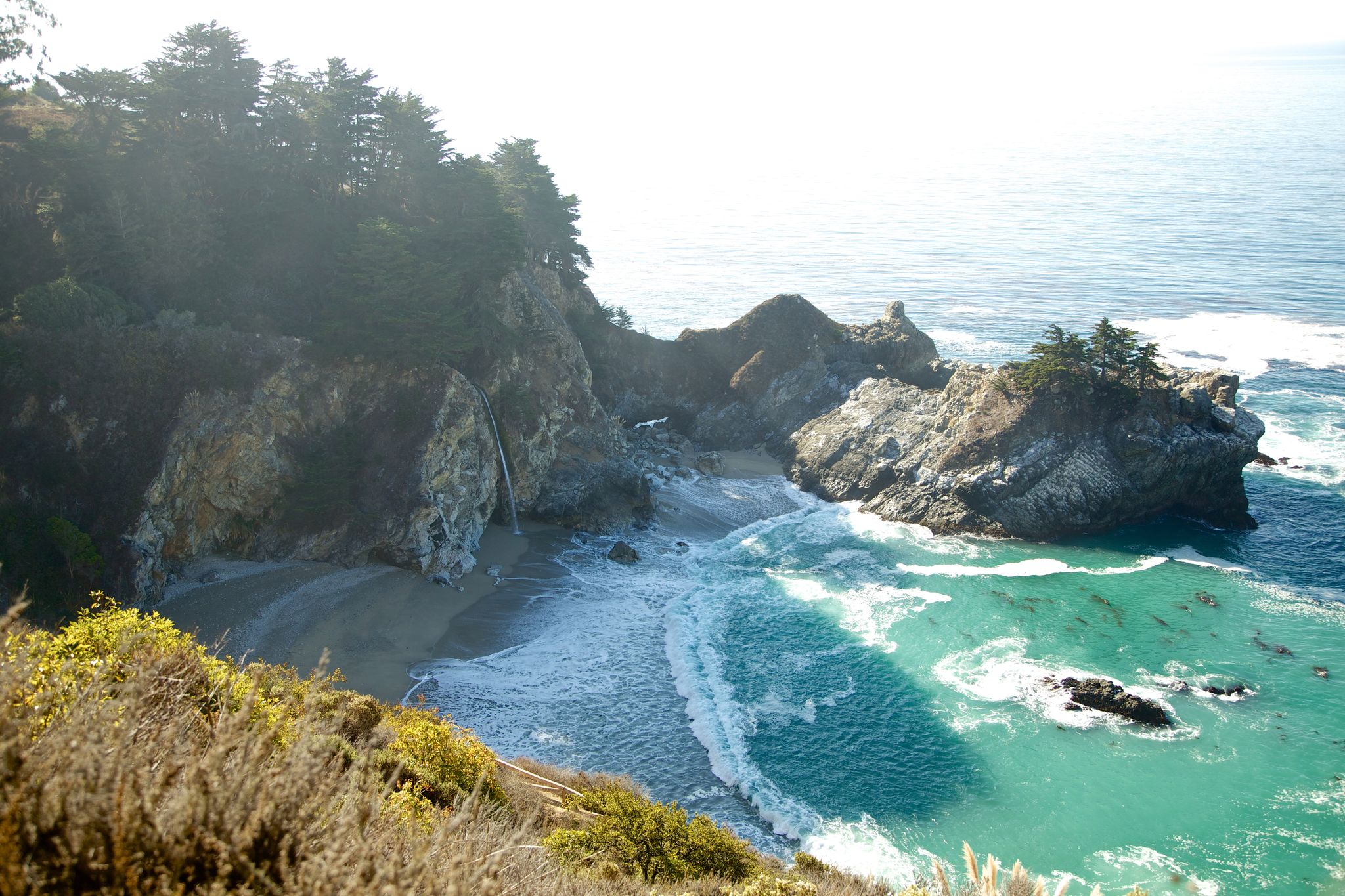
The tour of your life – music trails on the Pacific coast
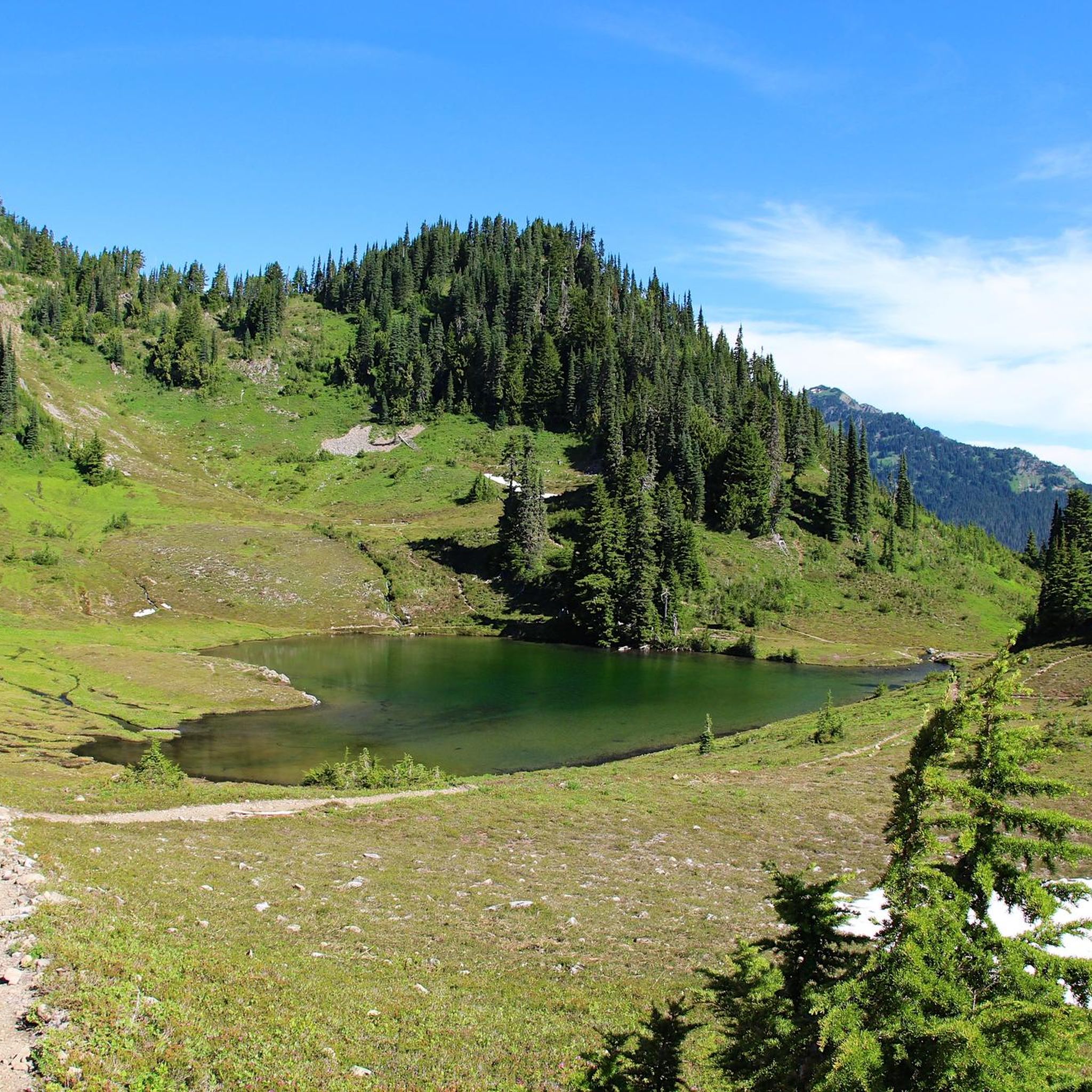
Hiking in Daniel J. Evans Wilderness
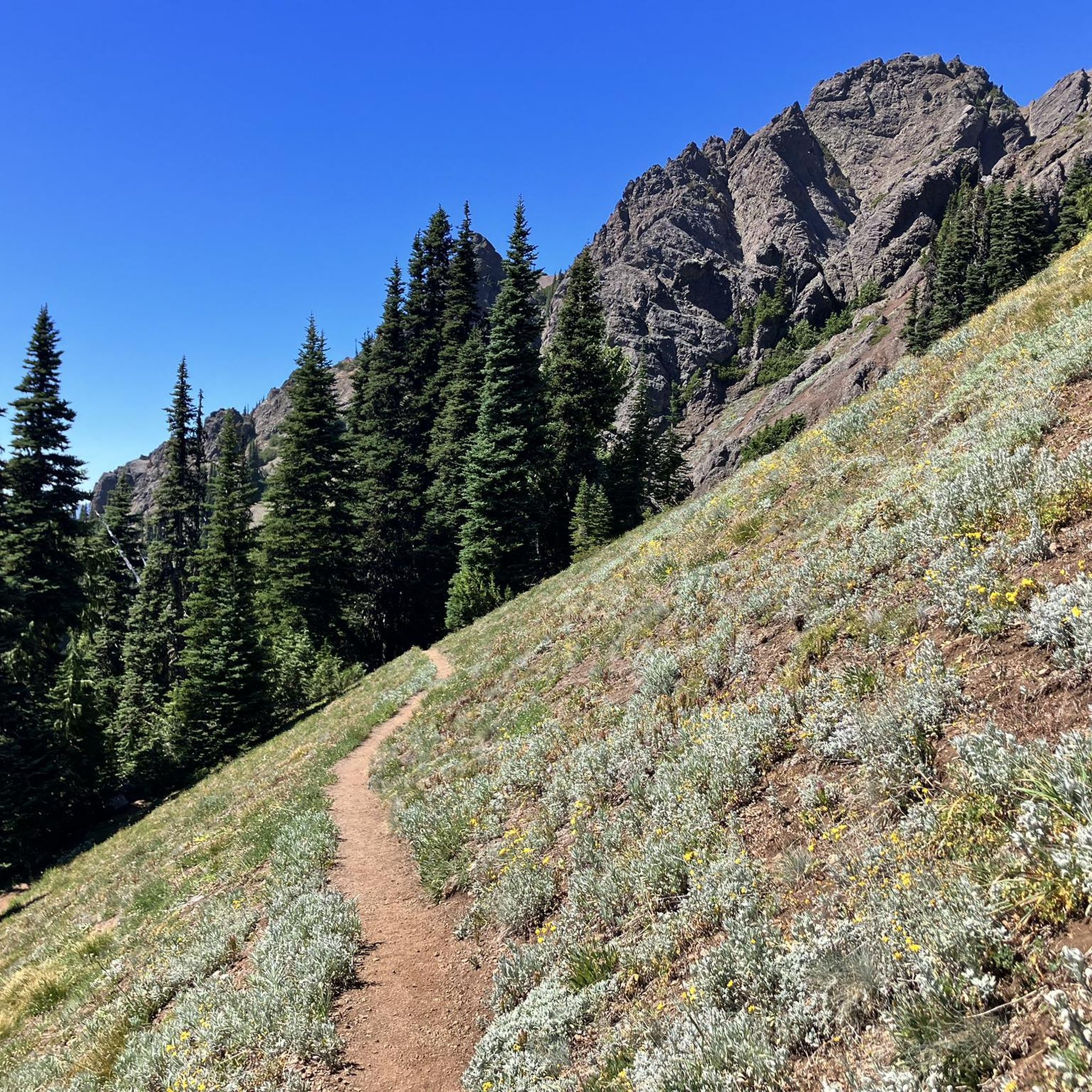
Running Trails in Daniel J. Evans Wilderness
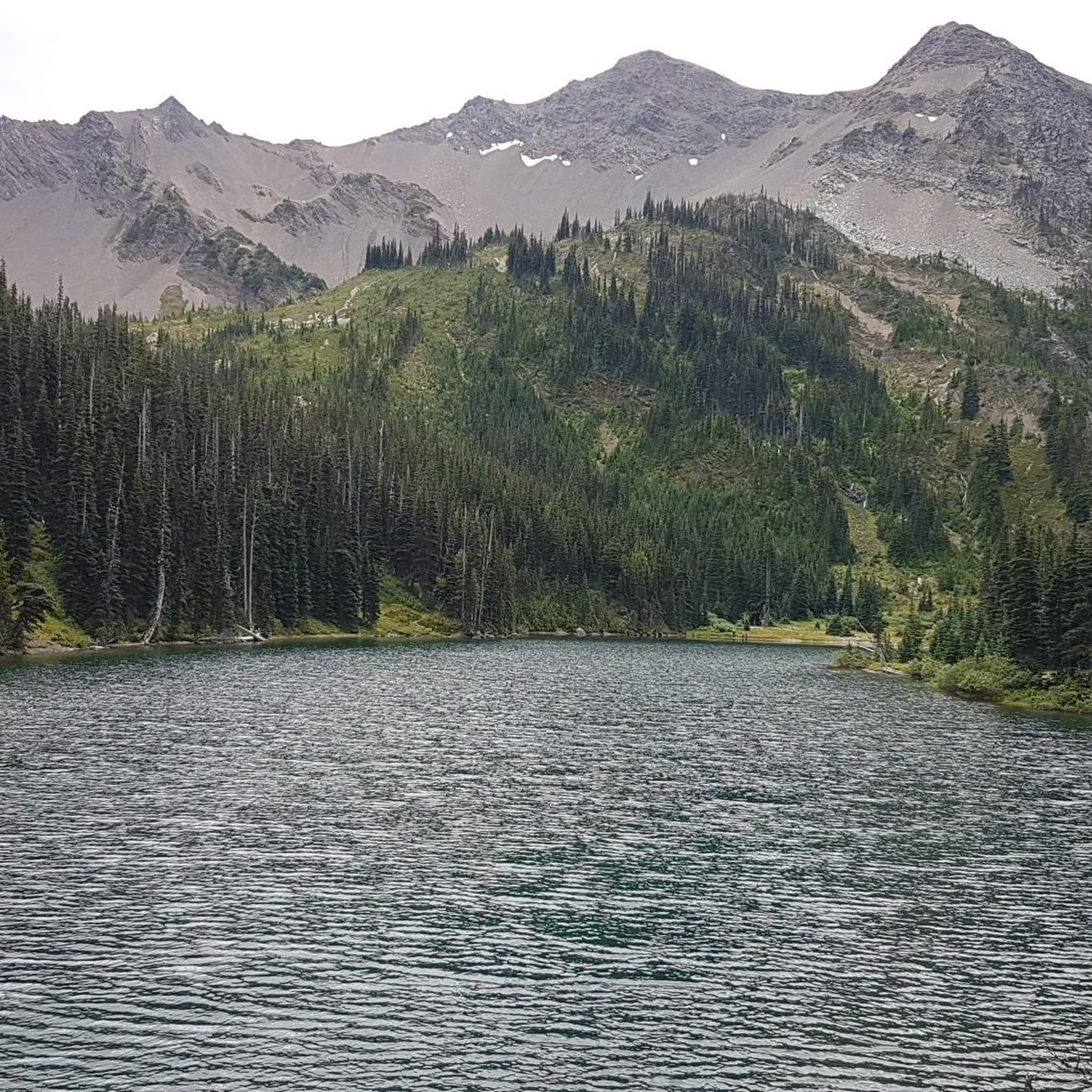
MTB Trails in Daniel J. Evans Wilderness
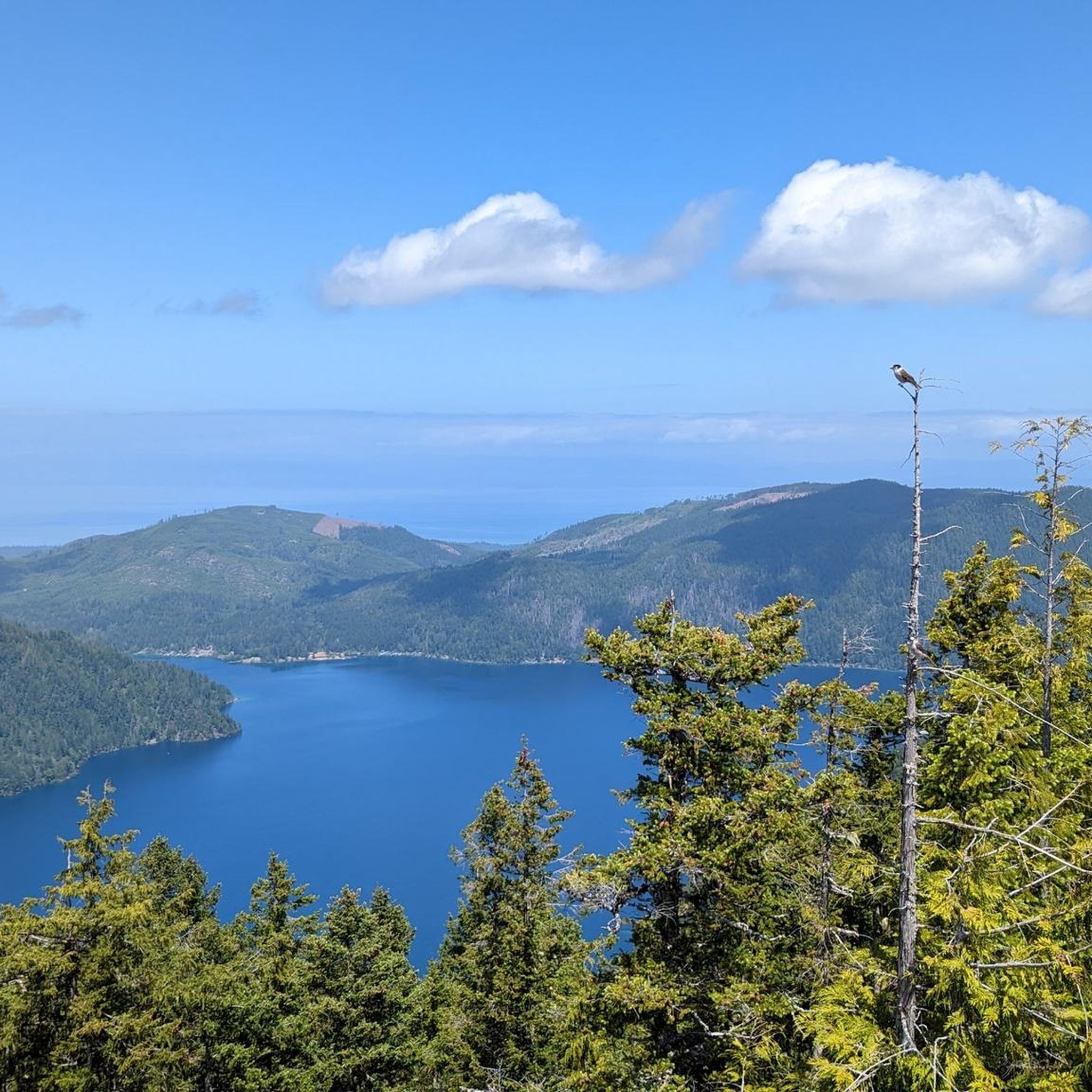
Road Cycling Routes in Daniel J. Evans Wilderness
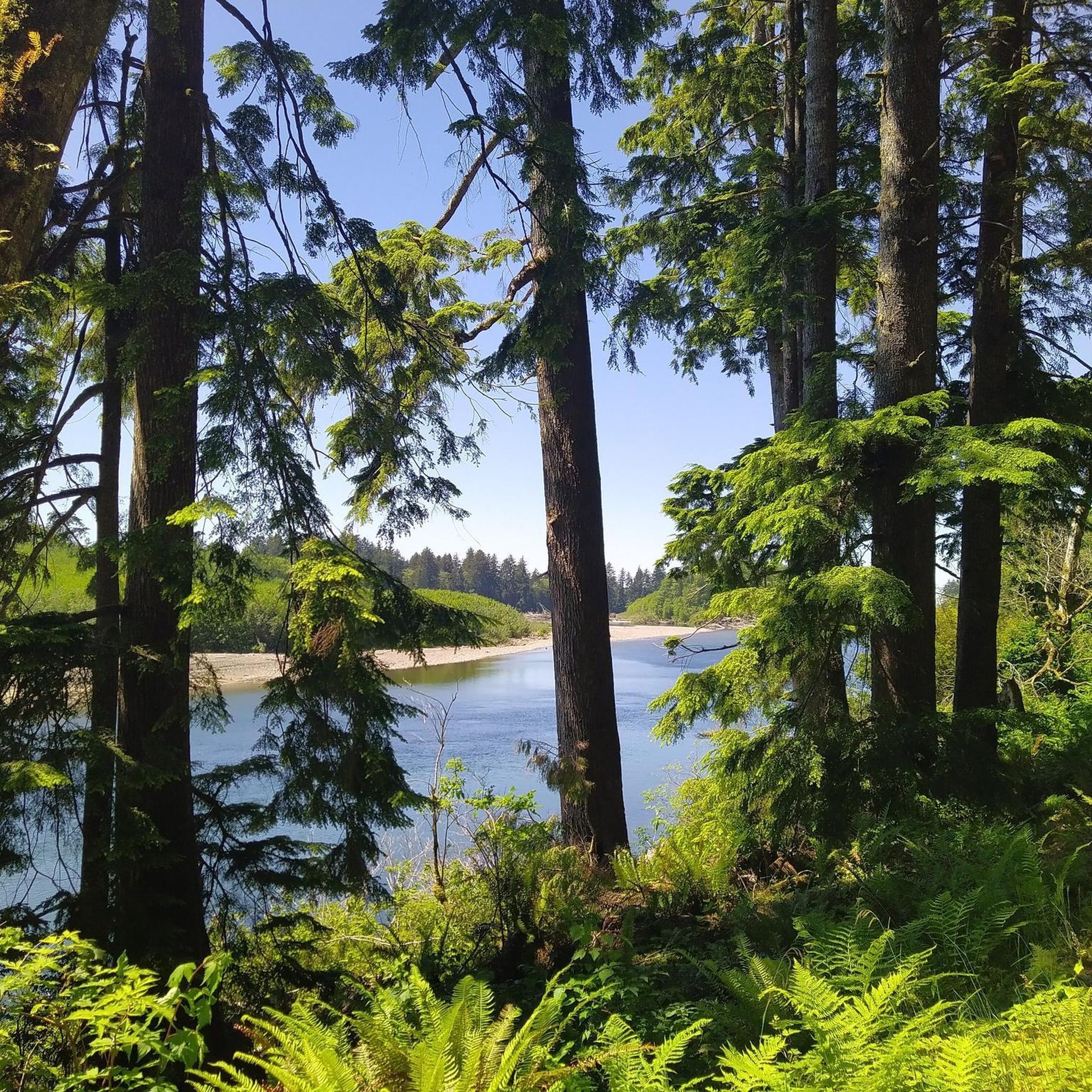
Cycling in Daniel J. Evans Wilderness

Gravel biking in Daniel J. Evans Wilderness
Other adventures in Daniel J. Evans Wilderness

Tips from the Community

Definitely go in September close to Golden hour to see the rainbow over the falls at the right angle.
0
0

Marymere Falls is a waterfall near Lake Crescent inside Olympic National Park. It is reached via a 0.9-mile dirt trail that meanders through an old-growth forest of fir, cedar, hemlock, and alder trees. The trail includes two wooden bridges and leads to the 90.5-foot falls, fed by Falls Creek. The creek flows into the beautiful, milky blue waters of Barnes Creek, its color milky due to glacial flour.
0
0

The trails around Sol Duc Falls are well-maintained and provide excellent viewing spots for this waterfall. Great stop for a break at the end of a run before you head back.
0
0

A unique arch with spectacular views set on a beach! The short run from Rialto Beach is absolutely worth it. Beware of the tides as the arch becomes covered in water when the tide comes in!
0
0
Hurricane Hill offers spectacular views of the Olympic Mountains, forest, and glaciers. This is a great summit to run if you're looking for a moderate outing on a well-maintained trail. Only downside is that the views along the way will make it tempting to stop to admire the surroundings!
0
0
A short run through the rainforest of Olympic National Park leads you to this mystical spot. Here you can admire the waterfall before turning back or continuing on via Barnes Creek Trail.
0
0

This gorgeous arch is a popular destination from the Rialto Beach trailhead. Just be sure to pay attention to the tides, as the south side of Hole in the Wall quickly gets covered in water as the tide comes in. There is an optional overland trail with ropes if the water is too deep, but this is a challenging option and you may need to wait out the tides.
1
0
A gorgeous beach near the mouth of the Quillayute River, Rialto Beach is both a perfect day destination or the launch point of an Olympic National Park backpacking adventure. Hike to Hole in the Wall for a short adventure, or secure a permit and head to destinations farther north. You'll need to have a tide table and understand how to use it in order to not get trapped by the tides in this area.
1
0
Frequently Asked Questions
What unique natural features define the Daniel J. Evans Wilderness?
The Daniel J. Evans Wilderness is characterized by its diverse natural features, including the rugged Olympic Mountains, extensive temperate rainforests such as the Hoh, Queets, Quinault, and Bogachiel valleys, and a dramatic 48-mile wilderness coast with sea stacks and tide pools. You'll also find pristine old-growth forests and scenic lakes like Lake Crescent and Lake Ozette.
Are there family-friendly hiking options in the Daniel J. Evans Wilderness?
Yes, several trails are suitable for families. For example, the hike to Marymere Falls is easy to follow and suitable for various hiker levels. Another great option is the Sol Duc Falls trail, which is well-maintained and offers excellent viewing spots. The Hurricane Hill trail is also noted as an easy, accessible path built by the NPS, offering spectacular views.
What kind of wildlife can I expect to see in the Daniel J. Evans Wilderness?
The Wilderness protects diverse wildlife, including diminishing herds of Roosevelt Elk. Visitors on trails like the Hoh River Trail might even encounter elk crossing their path. The coastal areas also teem with marine life in tide pools.
What are some popular hiking trails in the Daniel J. Evans Wilderness?
Beyond the well-known Marymere Falls and Sol Duc Falls, the Hoh River Trail is a classic hike leading deep into the backcountry. Other popular trails include the North Fork Quinault, Skyline, and Elwha River trails. For easy hikes, consider the Marymere Falls Nature Trail or the Hurricane Hill Trail, which you can find more about in our Easy Hikes in Daniel J. Evans Wilderness guide.
Are permits required for hiking or backpacking in the Daniel J. Evans Wilderness?
Yes, backpacking permits are required year-round for overnight stays in the Daniel J. Evans Wilderness. It's advisable to plan ahead and secure your permits, especially for popular routes. You can find more information on wilderness permits and planning your trip on the official NPS website.
What coastal attractions are there in the Daniel J. Evans Wilderness?
The Wilderness coast stretches for 48 miles, featuring rugged headlands, expansive beaches, and dramatic sea stacks. Rialto Beach is a popular destination, perfect for a day trip or as a starting point for backpacking adventures. Other notable coastal areas include Kalaloch & Ruby Beach and Mora & Rialto Beach, offering opportunities for tide pooling and exploring.
What cycling opportunities are available near the attractions?
There are several cycling routes near the attractions in Daniel J. Evans Wilderness. You can explore options like the Lake Crescent – Daley Rankin Tunnel loop or various bike loops from Madison Falls or Carlsborg. For more details on routes and difficulties, check out our Cycling in Daniel J. Evans Wilderness guide.
What is the best time of year to visit the Daniel J. Evans Wilderness?
The diverse landscape offers experiences year-round. Summer and early fall are ideal for hiking and backpacking in the mountains, while the temperate rainforests are lush and vibrant in spring and fall. Winter offers unique activities, though some areas may have limited access due to snow. Always check weather conditions and trail status before your visit.
Are there any cultural or historical sites to explore in the area?
While specific designated cultural sites within the wilderness are not extensively detailed, the land holds deep historical and ongoing significance for indigenous peoples such as the Skokomish, Quinault, Hoh, and Makah. The broader Olympic National Park, established in 1938, also has a rich history, including the significant Elwha River Restoration project, which involved dam removal to restore salmon runs.
What are some activities to do in the Daniel J. Evans Wilderness besides hiking?
Beyond hiking, visitors can enjoy a variety of activities. Water activities like boating, fishing, and exploring tide pools are popular. The rugged terrain of the Olympic Mountains offers opportunities for climbing. During colder months, the Wilderness provides various winter activities. The diverse landscapes also make it an exceptional location for photography.
Where can I find information about accessible trails in the Daniel J. Evans Wilderness?
The Hurricane Hill trail is an example of an accessible path built by the National Park Service, designed to be very accessible to all visitors. For more detailed information on accessible trails and facilities, it's recommended to consult the official Olympic National Park website.
Most popular routes in Daniel J. Evans Wilderness
Most popular attractions in Daniel J. Evans Wilderness

Get inspired with the komoot mobile app


Explore more
Still not found the Highlight you’re looking for? See guides of the top attractions in other regions:
