Congaree National Park Wilderness
Congaree National Park Wilderness
Attractions and Places To See in Congaree National Park Wilderness - Top 5
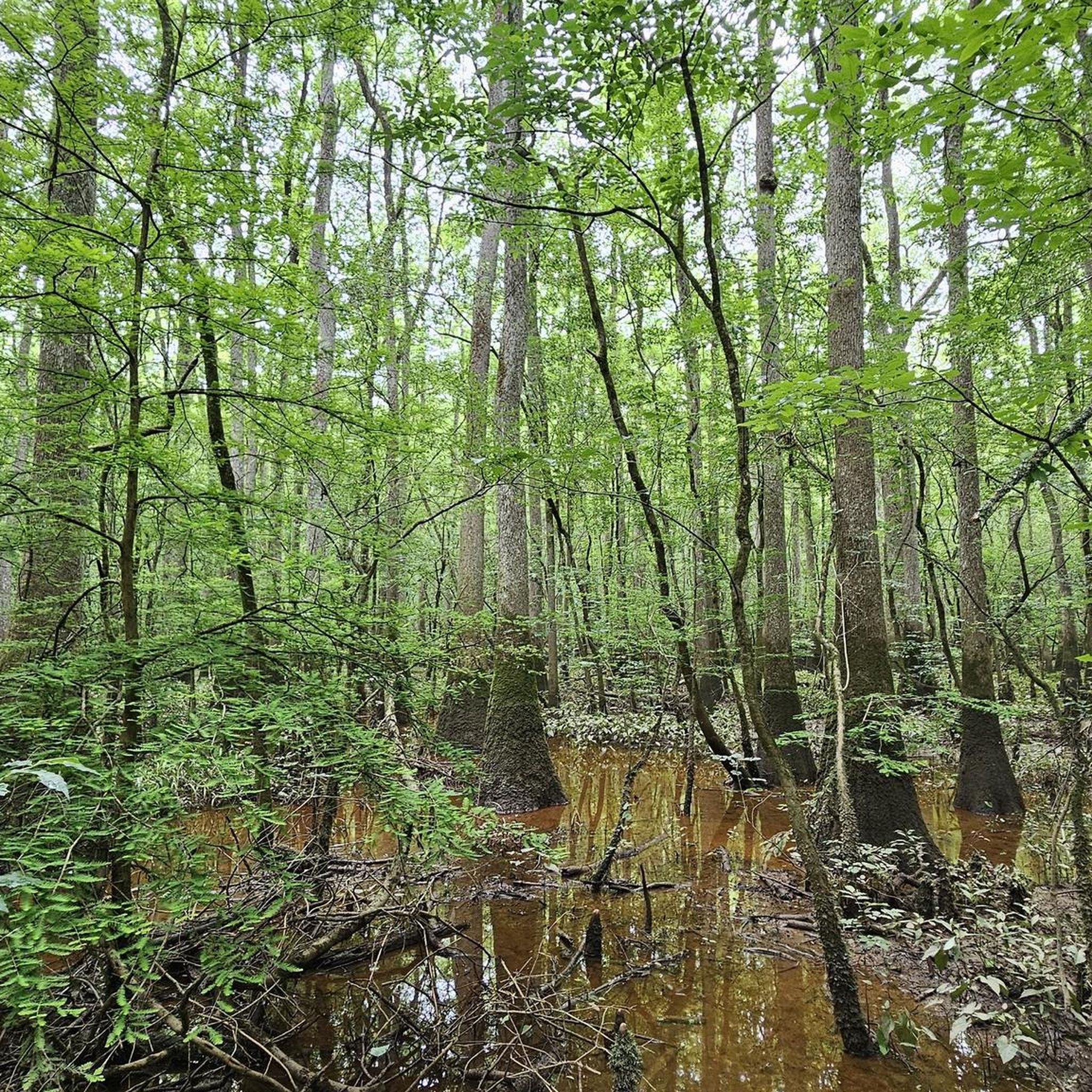
Best attractions and places to see in Congaree National Park Wilderness include the largest tract of old-growth bottomland hardwood forest in the United States. This biodiverse area, encompassing approximately 15,000 acres, is renowned for its towering trees, including some of the tallest in the eastern U.S. The park features a floodplain ecosystem shaped by the Congaree River and Cedar Creek, offering diverse natural landscapes. Visitors can explore a variety of trails and waterways that showcase its unique ecological significance.
Best…
Last updated: July 2, 2026
Congaree National Park Boardwalk
Highlight (Segment) • Trail
Tip by

Weston Lake
Highlight • Lake
Tip by

Sign up now to discover places like this
Get recommendations on the best single tracks, peaks, & plenty of other exciting outdoor places.
Sign up for free
Sims Trail
Highlight (Segment) • Trail
Tip by

Oakridge Trail
Highlight (Segment) • Trail
It is best to check in advance at the visitor center whether the trail is open.
Tip by

Kingsnake Trail
Highlight (Segment) • Trail
Tip by

Sign up for free to discover even more attractions in Congaree National Park Wilderness.
Sign up for free
Already have an account?
Start today with a free account
Your next adventure awaits.
Login or Signup
Popular around Congaree National Park Wilderness
Other adventures in Congaree National Park Wilderness

Tips from the Community

The Sims Trail in Congaree National Park is an easy, 3.2-mile round-trip hike that follows an old gravel road through a lush floodplain forest. It connects the Bluff Trail to Cedar Creek, intersecting with the Boardwalk Trail and providing access to longer routes like the Weston Lake and Oakridge Trails . Along the way, hikers can enjoy scenic views of towering hardwoods and may encounter wildlife such as deer, fox squirrels, and various bird species.
0
0

Weston Lake is situated within Congaree National Park. There is a loop trail (primarily on an elevated boardwalk) that passes by the lake and through the wetland areas surrounding the water. The reservoir is home to a bunch of different plants and animals, and there are several areas with great views of the water.
0
0

The Kingsnake Trail is located in the Congaree National Park and offers a nice hike through diverse ecosystems, including old-growth floodplain forest and open marsh areas. The trail is great for birdwatching and showcases the park's rich biodiversity.
0
0
Weston Lake is situated within Congaree National Park. There is a loop trail (primarily on an elevated boardwalk) that passes by the lake and through the wetland areas surrounding the water. The reservoir is home to a bunch of different plants and animals, and there are several areas with great views of the water.
1
0

The Boardwalk is a great place to see some of the giant trees that put this park on the map, as well as habitat for the rare Carolina bogmint. There are numbered markers along the boardwalk that corresponds with the current park visitor's guide and provides information on the history of the park.
0
0

Beautiful trail through an impressive stretch of towering trees. It is best to check in advance at the visitor center whether the trail is open.
1
0


About 20 miles southwest of Columbia, the capital of South Carolina, the last large and old hardwood forests of the United States can be found on the Congaree River. In a vast swamp area - the national park covers 67 square miles - the trees form one of the highest natural roof areas in the world. A hike through the park's rustic swamp landscape is impressive, mystical and enchanting. Various circular hiking trails, some of which lead over a raised wooden plank path, open up the north-western area of the park area. The approx. 4.5 mile long Weston Lake Loop Trail leads past the lake of the same name. The visitor center provides information about nature and settlement history. The national park's website provides up-to-date information and a wealth of information about the history and features of the park: nps.gov/cong/index.htm
1
0
Frequently Asked Questions
What are the most popular trails in Congaree National Park Wilderness?
The most popular trail is the Congaree National Park Boardwalk, an elevated 2.4-mile walkway that allows visitors to experience the swampy environment and old-growth forest. Another popular option is the Weston Lake Loop Trail, which passes by Weston Lake and through surrounding wetland areas.
Are there family-friendly activities in Congaree National Park Wilderness?
Yes, several attractions are suitable for families. The Congaree National Park Boardwalk is an excellent choice, being an elevated, easy-to-navigate path. The Sims Trail is also an easy 3.2-mile round-trip hike, following an old gravel road through the forest, perfect for a leisurely family walk.
What unique natural features can I see in the park?
Congaree National Park Wilderness is renowned for its old-growth bottomland hardwood forest, featuring some of the tallest trees in the eastern U.S., including champion loblolly pines and bald cypress trees, some over 500 years old. You can also observe oxbow lakes like Weston Lake, which are former bends in the Congaree River.
What is the best time to visit Congaree National Park Wilderness?
The park is beautiful year-round, but many visitors prefer the cooler, drier months from late fall to early spring (October to April) to avoid summer heat, humidity, and mosquitoes. This period also offers clearer views of the forest and better conditions for hiking. Summer evenings are popular for viewing synchronous firefly displays.
What are the options for hiking trails beyond the boardwalk?
Beyond the popular boardwalk, you can explore trails like the Oakridge Trail, a 7.5-mile path through towering trees, or the Kingsnake Trail, an 11.1-mile route popular for birdwatching through diverse ecosystems. The Sims Trail offers an easy 3.2-mile round-trip experience.
Can I go canoeing or kayaking in Congaree National Park Wilderness?
Yes, the Cedar Creek Canoe Trail provides an immersive experience, allowing paddlers to navigate among bald cypress trees and explore the forest from the water. It's a 20-mile marked trail offering a unique perspective of the park's ecosystem.
Are there any historical or cultural sites within the park?
While primarily a natural preserve, the park does have historical significance. The Bates Ferry Trail follows a historic road that may predate European settlement and was witness to events like Hernando de Soto's expedition in 1540 and a Civil War skirmish in 1865. The Sims Trail crosses the site of a former hunt club associated with Harry Hampton, a key figure in the park's preservation.
What do visitors enjoy most about Congaree National Park Wilderness?
Visitors frequently praise the park's unique old-growth forest and the opportunity to see giant trees. The elevated Congaree National Park Boardwalk is particularly appreciated for making the swamp environment accessible. Many also enjoy the tranquility, wildlife spotting opportunities, and the chance to experience a truly ancient ecosystem.
What outdoor activities can I do near these attractions?
Beyond exploring the attractions, the region offers excellent hiking opportunities. You can find various routes for hiking in Congaree National Park Wilderness, including easy options like the Boardwalk Loop and Weston Lake Loop, as well as moderate trails such as the Oakridge Trail and River Trail. There are also specific guides for easy hikes in Congaree National Park Wilderness.
Do I need a permit for camping in Congaree National Park Wilderness?
Yes, primitive and backcountry camping options are available, with designated sites at Bluff Campground and Longleaf Campground. You will need to obtain permits for backcountry camping. The Harry Hampton Visitor Center can provide information on trail conditions and permits.
What kind of wildlife can I expect to see?
The park's diverse ecosystems support a variety of wildlife. Hikers on trails like the Sims Trail or Oakridge Trail may spot deer, fox squirrels, and numerous bird species. The wetland areas around Weston Lake are home to diverse plant and animal life, and the Kingsnake Trail is particularly good for birdwatching.
Is the Congaree National Park Boardwalk accessible for wheelchairs or strollers?
Yes, the Congaree National Park Boardwalk is an elevated, paved walkway designed to be accessible, making it suitable for wheelchairs and strollers. This allows a wide range of visitors to experience the unique swamp environment.
Most popular routes in Congaree National Park Wilderness

Get inspired with the komoot mobile app


Explore more
Still not found the Highlight you’re looking for? See guides of the top attractions in other regions:
