Top 20 Castles around Maria Enzersdorf
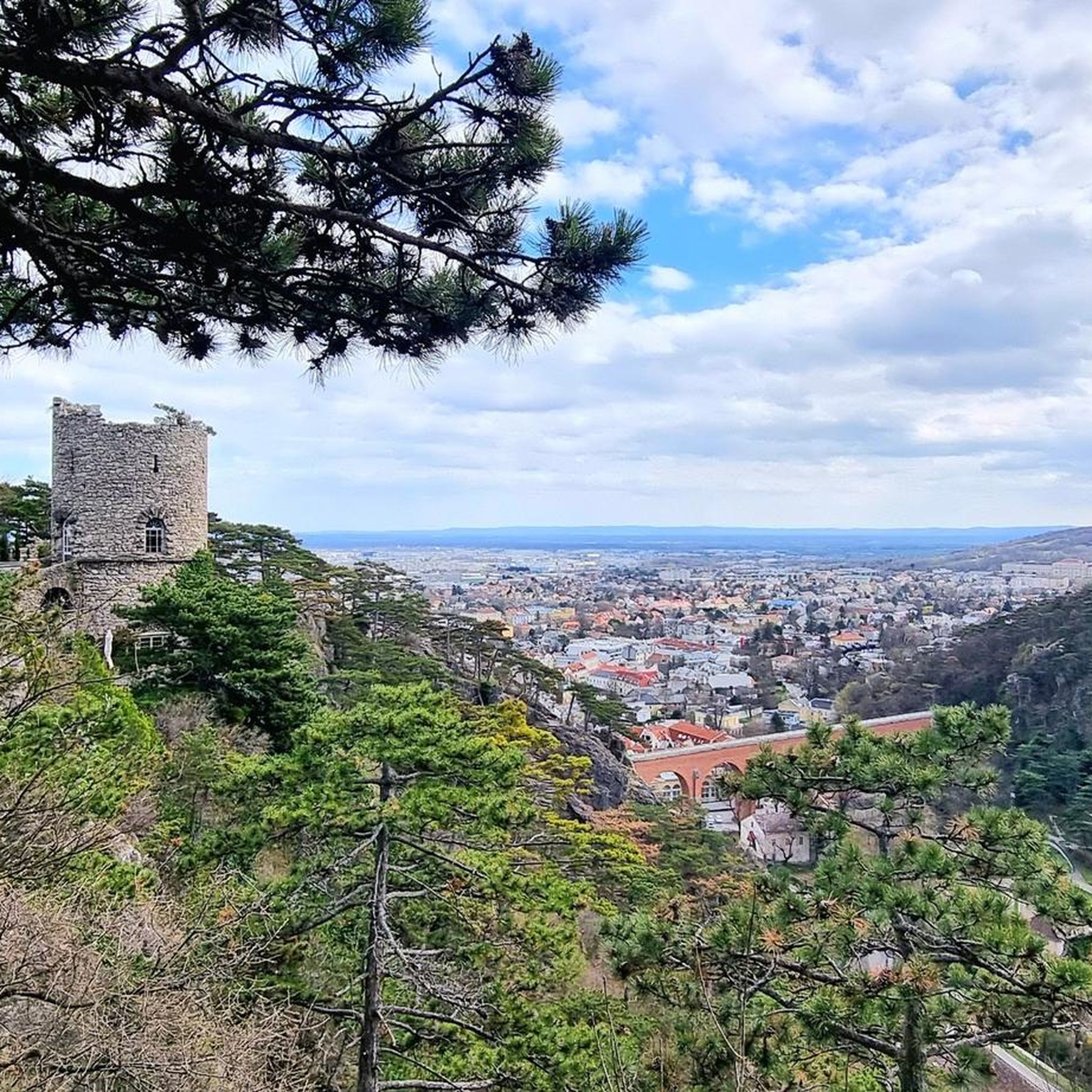
Best castles around Maria Enzersdorf are situated in a region known for its historical significance and natural landscapes, bordering the Vienna Woods. This area in Austria features a mix of medieval ruins and neoclassical palaces, reflecting centuries of architectural evolution. The diverse historical sites provide insights into the region's past, from ancestral seats of princely houses to imperial summer residences. Visitors can explore various types of castles, often integrated into scenic surroundings.
Best castles around Maria Enzersdorf
- The most popular…
Last updated: July 6, 2026
Schönbrunn Palace
Highlight • Castle
Translated by Google •
Tip by

Hermes Villa
Highlight • Castle
Translated by Google •
Tip by

Sign up now to discover places like this
Get recommendations on the best single tracks, peaks, & plenty of other exciting outdoor places.
Sign up for free
Schönbrunn Palace
Highlight • Castle
Translated by Google •
Tip by

Liechtenstein Castle
Highlight • Castle
Translated by Google •
Tip by

Perchtoldsdorf Castle, Parish Church, and Watchtower
Highlight • Castle
Translated by Google •
Tip by

Sign up for free to discover even more castles around Maria Enzersdorf.
Sign up for free
Already have an account?
Start today with a free account
Your next adventure awaits.
Login or Signup
Tips from the Community

The Neptune Fountain in Schönbrunn Palace Gardens was built between 1776 and 1780 based on designs by Johann Ferdinand Hetzendorf von Hohenberg and executed by the sculptor Wilhelm Beyer. As a monumental culmination of the main avenue, its rich figuration of Neptune, Tritons, Nereids, and seahorses forms a central showpiece of the Baroque gardens. In addition to its decorative effect, the fountain also embodies a symbol of power: Neptune, ruler of the seas, reflects the power claims of the House of Habsburg, making the fountain one of the most significant focal points of Schönbrunn Park to this day.
2
1

The Hermesvilla in the Lainz Tiergarten is an elegant, historic palace that once served as a summer residence for Empress Elisabeth. Surrounded by expansive parkland and idyllic forest paths, the villa combines cultural history with a natural experience. Today, it houses a museum offering fascinating insights into the life of the Empress and the history of the Vienna Woods. A visit to the Hermesvilla is a perfect stopover for anyone who wants to combine history, art, and nature on their tour of the Tiergarten.
6
1

The imperial rulers of the Habsburg Dual Monarchy of Austria-Hungary also welcomed the use of figures from Roman and Greek mythology, popular in art history, for the artistic decoration of palaces and parks – whether as paintings or, as here, as statues. From the rich world of gods, Neptune was often depicted – especially in connection with springs, ponds, fountains, and other bodies of water. After all, mythology assigned him the status of god of the sea, which, incidentally, corresponds to Poseidon in Greek mythology.
2
1

A beautiful castle You must visit the inside!!!
10
1

Famous Viennese castle where the Habsburgs used to reside. The magnificent castle and the extensive park are definitely worth a visit, but unfortunately the bike has to stay outside.
2
1
The palace has been located in Vienna's 13th district, which has been called Hietzing since 1892. The name Schönbrunn refers to a saying attributed to Emperor Matthias. He is said to have discovered an artesian spring here while hunting in 1619 and exclaimed with delight: "What a beautiful spring!" The baroque complex with its extensive gardens is one of Austria's most important cultural monuments and a UNESCO World Heritage Site.
13
1
Frequently Asked Questions
Are there family-friendly castles to visit around Maria Enzersdorf?
Yes, several castles in the area are great for families. Schönbrunn Palace offers extensive parkland and a zoo, making it a full day out. The Hermes Villa, located within the Lainzer Tiergarten nature reserve, has animal enclosures, a playground, and a nature trail that children enjoy. Liechtenstein Castle also welcomes families and offers guided tours.
What kind of historical sites can I explore near Maria Enzersdorf's castles?
Beyond the castles themselves, the region is rich in history. The Ruins of Mödling Castle provide insight into medieval history, while Liechtenstein Castle showcases Romanesque architecture and 900 years of family history. The neoclassical Schloss Liechtenstein offers a glimpse into 19th-century aristocratic life. Additionally, the nearby Seegrotte Hinterbrühl, Europe's largest underground lake, has a unique history as a former gypsum mine and a wartime factory.
Can I go hiking or walking near the castles?
Absolutely. The castles are often integrated into scenic natural surroundings. For example, the Ruins of Mödling Castle are located in the Föhrenberge Nature Park, offering popular trails. Liechtenstein Castle is situated on the edge of the Vienna Woods, providing picturesque routes. You can find various hiking options, including easy circular walks, by exploring the easy hikes around Maria Enzersdorf guide.
Are there cycling routes that incorporate the castles?
Yes, the region offers several cycling routes that pass by or near historical sites. For instance, you can find touring bicycle routes that explore the wider area, including paths like the Helenental Cycle Path or routes around Laxenburg. Check out the Cycling around Maria Enzersdorf guide for detailed routes and difficulty levels.
What is the best time of year to visit the castles around Maria Enzersdorf?
The castles are generally enjoyable year-round. Spring and autumn offer pleasant weather for exploring the outdoor grounds and nearby trails. Summer is ideal for longer days and events, though some sites like Liechtenstein Castle offer special themed tours, including night tours. Winter visits can be charming, especially if you enjoy the quiet atmosphere, but always check specific castle opening hours as some may have reduced schedules.
How long does a typical visit to <a href="https://www.komoot.com/highlight/167137" target="_blank" rel="noopener">Liechtenstein Castle</a> take?
A guided tour of Liechtenstein Castle typically lasts about 45-60 minutes. However, to fully appreciate the castle's history, explore its surroundings, and enjoy the scenic views towards Vienna, you should plan for at least 1.5 to 2 hours. This allows time for arrival, departure, and perhaps a short walk in the Vienna Woods.
Are there cafes or restaurants near the castles?
Yes, some castles offer amenities. The Hermes Villa, for example, has a good place to stop for refreshments. For other castles, you might find cafes in nearby towns or villages. It's always a good idea to check the specific castle's website for on-site facilities or plan to visit a nearby eatery before or after your tour.
What are some scenic viewpoints near the castles?
Many castles in the region offer excellent views. From the Ruins of Mödling Castle, you can enjoy breathtaking panoramas of Mödling and the surrounding area. Liechtenstein Castle provides fantastic views stretching all the way to Vienna from its balconies and tower. The extensive parkland of Schönbrunn Palace also features several viewpoints, including the Gloriette.
What should I bring for a castle tour in Maria Enzersdorf?
For castle tours, especially those involving walks around the grounds or nearby trails, comfortable walking shoes are highly recommended. If visiting in cooler months or exploring underground attractions like Seegrotte Hinterbrühl, warm clothing is advisable as temperatures can be constant and cool. A camera is a must for capturing the historical architecture and scenic views.
Are there any less crowded historical sites to visit besides the main castles?
While Schönbrunn Palace can be very popular, you might find the Hermes Villa or the Ruins of Mödling Castle to be less crowded, especially during off-peak hours. The neoclassical Schloss Liechtenstein, which functions as a senior residence, also offers a different, quieter experience, though public access is limited to occasional events. The Seegrotte Hinterbrühl, while popular, provides a unique underground experience away from traditional castle crowds.
What do visitors enjoy most about the castles around Maria Enzersdorf?
Visitors frequently praise the blend of historical significance and natural beauty. The well-preserved Romanesque masonry of Liechtenstein Castle and its active use as a family museum are highlights. The extensive parkland and Baroque splendor of Schönbrunn Palace are also highly rated. Many appreciate the opportunity to combine castle visits with hiking or walking in the surrounding Vienna Woods and nature parks.
Is public transport available to reach the castles?
Public transport options vary by castle. Schönbrunn Palace is easily accessible by Vienna's public transport system. For castles like Liechtenstein Castle or the Ruins of Mödling Castle, you might need to combine train or bus travel with a walk, as they are often situated in more natural, less urbanized areas. It's best to check specific travel routes for each destination.
Most popular routes around Maria Enzersdorf
Most popular attractions around Maria Enzersdorf

Get inspired with the komoot mobile app


Explore more
Looking for the best castles somewhere else? Discover other guides around Maria Enzersdorf:
