Top 20 Caves around Willendorf
Best caves around Willendorf are found within the broader Lower Austria region, as Willendorf itself is primarily recognized for its archaeological significance, notably the discovery of the Venus of Willendorf. The area is situated in the Wachau valley, characterized by the Danube river and surrounding natural landscapes. While extensive natural cave systems are not directly within Willendorf, the wider region offers various geological formations and underground experiences.
Best caves around Willendorf
- The most popular caves is Steinerner Stadl, a…
Last updated: August 16, 2026
Einhornhöhle (Unicorn Cave)
Highlight • Cave
More information is available at wieneralpen.at/urlaubszielen-in-den-wiener-alpen-discoveren/a-einhorn-tropfsteinhoehle.
Translated by Google •
Tip by

Eisenstein Cave
Highlight • Cave
Translated by Google •
Tip by
Sign up now to discover places like this
Get recommendations on the best single tracks, peaks, & plenty of other exciting outdoor places.
Sign up for free
Steinerner Stadl
Highlight • Natural Monument
Translated by Google •
Tip by
Frauenluckensteig (Hohe Wand)
Highlight • Climb
Translated by Google •
Tip by
Trümmer Cave
Highlight • Cave
Showing Translation
Tip by

Sign up for free to discover even more caves around Willendorf.
Sign up for free
Already have an account?
Start today with a free account
Your next adventure awaits.
Login or Signup

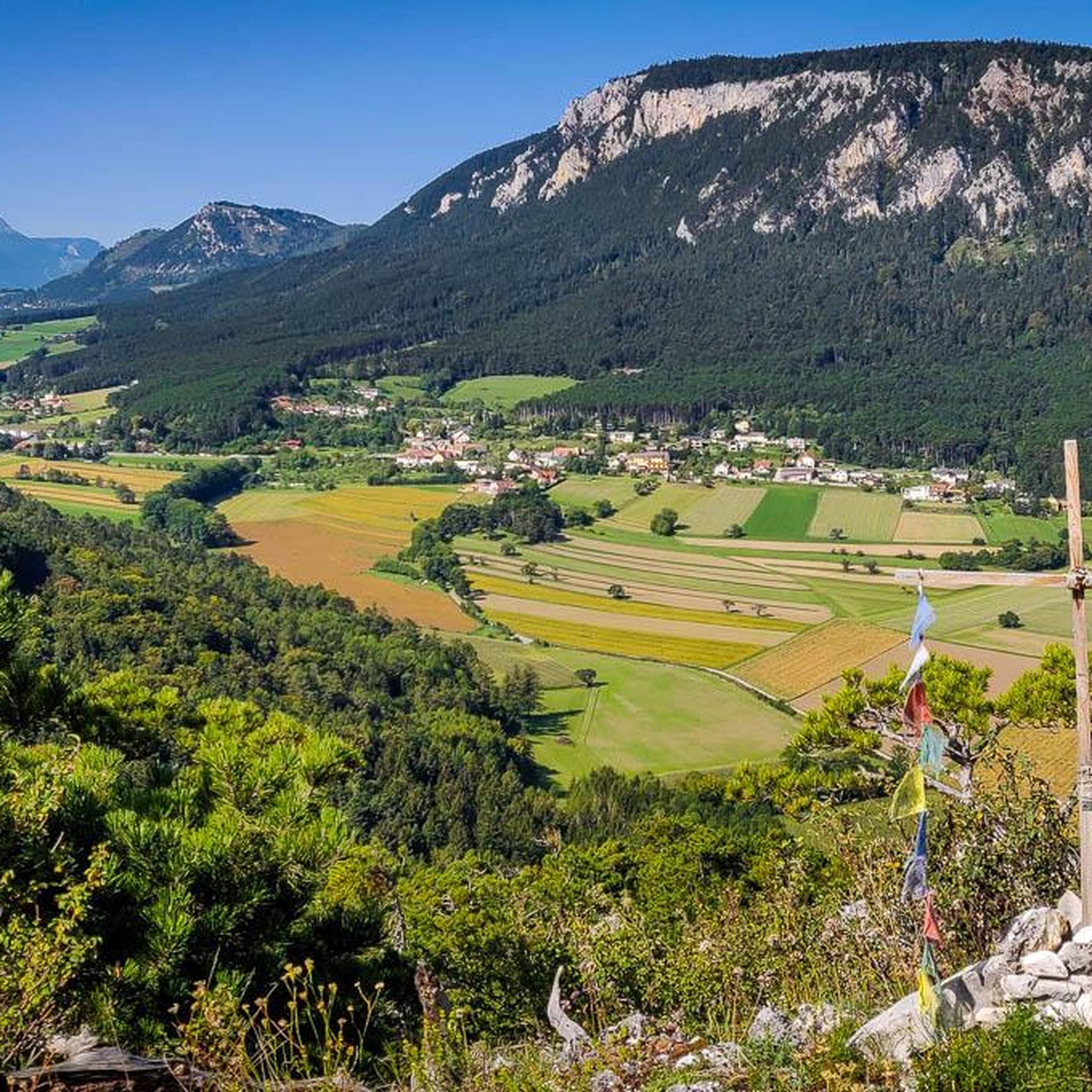
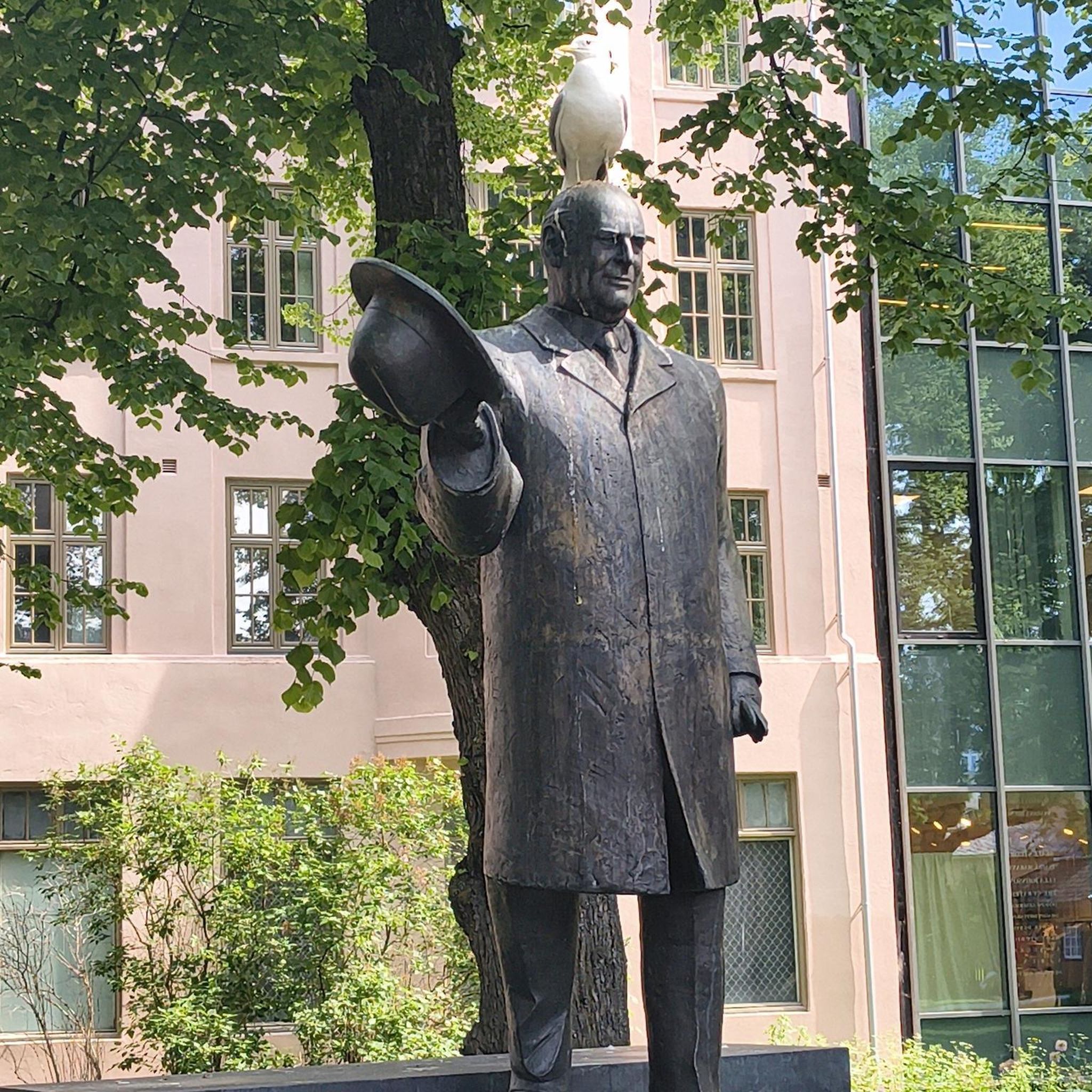
Tips from the Community

A bouldering paradise Among climbers (especially boulderers), the Steinerne Stadl is known far beyond the region and is considered one of the most extreme bouldering sites in Lower Austria. Since you climb almost exclusively under the horizontal rock roof of the stone bridge, the area demands extremely athletic moves. The showpiece of the around 30 routes is the boulder diagonal "Outer Limits" (difficulty grade 7c+/8a trav.), which leads completely through the roof.
1
0

Inside the stone barn, remains of stone tools and ceramics have been found, and it is now assumed that this cave also served as a cult room from the Neolithic to the Iron Age (and possibly later). Its proximity to the Hoffmannshöhle suggests a resonance/connection.
2
0
The cave was discovered in 1927 by Otto Langer sen. and opened as a show cave in 1930. During World War II, the cave served as a place of refuge. In 1958, it was accessible again as a show cave. In 1964, the installations were modernized by Otto Langer jun.
1
0
In the cave there is a thermal spring, whose water temperature is indicated to be between 13 and 16.5 degrees Celsius.[1][2] The Eisensteinhöhle is located in a fault zone striking NNE-SSW and dipping at an average of 47°, directly at the edge of the Eastern Alps against the Vienna Basin and shows up to 5 superimposed gangways; its maximum horizontal extent is 147 m.
1
0
Access: It is accessible via various hiking trails, often as part of a circular hike on the Hohe Wand. Character: It is a rock formation that, as the name suggests, was formed by fallen rock fragments.
1
0

A super great place that you should see
0
0

More of a shelter than a cave. The Trümmerhöhle (Rubble Cave) is located at about 811 meters above sea level in the Hohe Wand area and is an interesting natural intermediate point along the hiking trails. The rocky cave entrance is somewhat hidden in the wooded surroundings and gives the section of the trail an original character. A short detour is especially worthwhile as a change from the viewpoints and wider paths on the plateau.
4
0
The Unicorn Cave was closed and locked with a gate.
4
0
Frequently Asked Questions
What kind of caves can I explore around Willendorf?
The region around Willendorf offers a variety of underground experiences, including natural rock bridges, challenging thermal caves, and impressive dripstone caves. While Willendorf itself is known for its archaeological significance, the broader Lower Austria region provides diverse geological formations.
Are there any archaeological sites related to caves near Willendorf?
Willendorf is primarily famous for its archaeological significance, particularly as the discovery site of the iconic Venus of Willendorf figurine. The 'findspot' was an archaeological excavation site, Willendorf II, which revealed multiple cultural layers from various Paleolithic periods. You can learn more about this history at the Venusium in Willendorf.
Which caves are suitable for families or beginners?
For a more accessible experience, the Einhornhöhle (Unicorn Cave) is an intermediate dripstone cave that offers guided tours to view stalactites and stalagmites. The Steinerner Stadl, a natural rock bridge, is also a fascinating and less strenuous site to visit.
What are some challenging cave experiences in the region?
For those seeking a more adventurous experience, the Eisenstein Cave offers a challenging one-hour guided tour. Visitors are equipped with helmets, overalls, and boots, and must navigate over loamy steps and four iron ladders. This cave is not recommended for children under 10 or individuals with heart or circulatory problems. Additionally, the Frauenluckensteig (Hohe Wand) and Wildenauersteig, Hohe Wand offer challenging via ferrata routes that incorporate cave sections.
What is the best time to visit the caves around Willendorf?
Many of the natural caves, like the Einhornhöhle (Unicorn Cave), are open seasonally, typically from Easter to the end of September. It's always best to check the specific opening hours and tour availability for each cave before planning your visit, as some may have limited operating days or require advance booking.
Are there any caves with unique geological features or underground lakes?
Yes, the wider Lower Austria region boasts unique cave experiences. The Seegrotte Hinterbrühl is home to Europe's largest underground lake, offering boat rides through its subterranean waters. The Ötscher Dripstone Cave features impressive dripstone formations, some dating back millions of years, creating a mysterious underground world.
What should I wear or bring when visiting caves in the Willendorf area?
For caves like the Eisenstein Cave, specific gear such as helmets, overalls, and boots are provided and required for the tour. Generally, caves maintain a constant cool temperature (e.g., +13°C in Eisenstein Cave, 9°C in Seegrotte Hinterbrühl) and high humidity, so warm clothing is advisable, even if not explicitly required for a specific tour. Sturdy, non-slip footwear is always recommended.
What outdoor activities can I do near the caves around Willendorf?
The area around Willendorf offers various outdoor activities. You can find numerous running trails, including routes through the Johannesbachklamm Gorge. For cycling enthusiasts, there are gravel biking routes like the Haselrast Crucifix and Cave loop, and challenging MTB trails such as the Marchgraben Valley Trail. You can explore more options on the Running Trails around Willendorf, Gravel biking around Willendorf, and MTB Trails around Willendorf guide pages.
Are there any caves that are particularly known for their natural beauty or formations?
The Einhornhöhle (Unicorn Cave) is well-regarded for its beautiful dripstone formations, including stalactites and stalagmites. Further afield, the Dachstein Giant Ice Cave in Styria features impressive ice sculptures, while the Mammoth Cave showcases extraordinary natural rock formations like the 'Cave Venus'.
What do visitors enjoy most about the caves in this region?
Visitors appreciate the diverse experiences offered, from the historical and geological insights of the Eisenstein Cave to the natural beauty of the Einhornhöhle. The unique challenge of the via ferrata routes that incorporate cave sections, like the Frauenluckensteig, also receives positive feedback. The region's blend of natural wonders and archaeological significance makes it a captivating destination.
Can I find any natural rock formations that are not traditional caves?
Yes, the Steinerner Stadl is a notable natural monument in the area. It is a natural rock bridge formed from a collapsed cave, also known as a passage cave. This site is not only geologically interesting but also has archaeological significance, with evidence suggesting its use as a cult room from the Neolithic period to the Iron Age.
Most popular routes around Willendorf
Most popular attractions around Willendorf

Get inspired with the komoot mobile app


Explore more
Extend your search for the best caves by checking out these guides of the top ones around Willendorf:
