Top 7 Caves around Lichtenwörth
Best caves around Lichtenwörth are found in the surrounding region of Lower Austria, offering a range of experiences from thermal caves to natural rock formations. This area, situated on the western edge of the southern Vienna Basin, features diverse underground landscapes. Visitors can explore significant geological features and historically notable grottoes, providing insights into the region's natural and cultural heritage.
Best caves around Lichtenwörth
- The most popular caves is Höhlturm, a historical site and cave near Wöllersdorf. With a…
Last updated: June 24, 2026
Höhlturm
Highlight • Historical Site
Translated by Google •
Tip by

Eisenstein Cave
Highlight • Cave
Translated by Google •
Tip by

Sign up now to discover places like this
Get recommendations on the best single tracks, peaks, & plenty of other exciting outdoor places.
Sign up for free
Steinerner Stadl
Highlight • Natural Monument
Translated by Google •
Tip by
Finkenhaus Cave (1864/42)
Highlight • Cave
Translated by Google •
Tip by

Forest Shrine, Bad Fischau
Highlight • Religious Site
Translated by Google •
Tip by
Sign up for free to discover even more caves around Lichtenwörth.
Sign up for free
Already have an account?
Start today with a free account
Your next adventure awaits.
Login or Signup



Tips from the Community

Inside the stone barn, remains of stone tools and ceramics have been found, and it is now assumed that this cave also served as a cult room from the Neolithic to the Iron Age (and possibly later). Its proximity to the Hoffmannshöhle suggests a resonance/connection.
1
0
In the cave there is a thermal spring, whose water temperature is indicated to be between 13 and 16.5 degrees Celsius.[1][2] The Eisensteinhöhle is located in a fault zone striking NNE-SSW and dipping at an average of 47°, directly at the edge of the Eastern Alps against the Vienna Basin and shows up to 5 superimposed gangways; its maximum horizontal extent is 147 m.
1
0
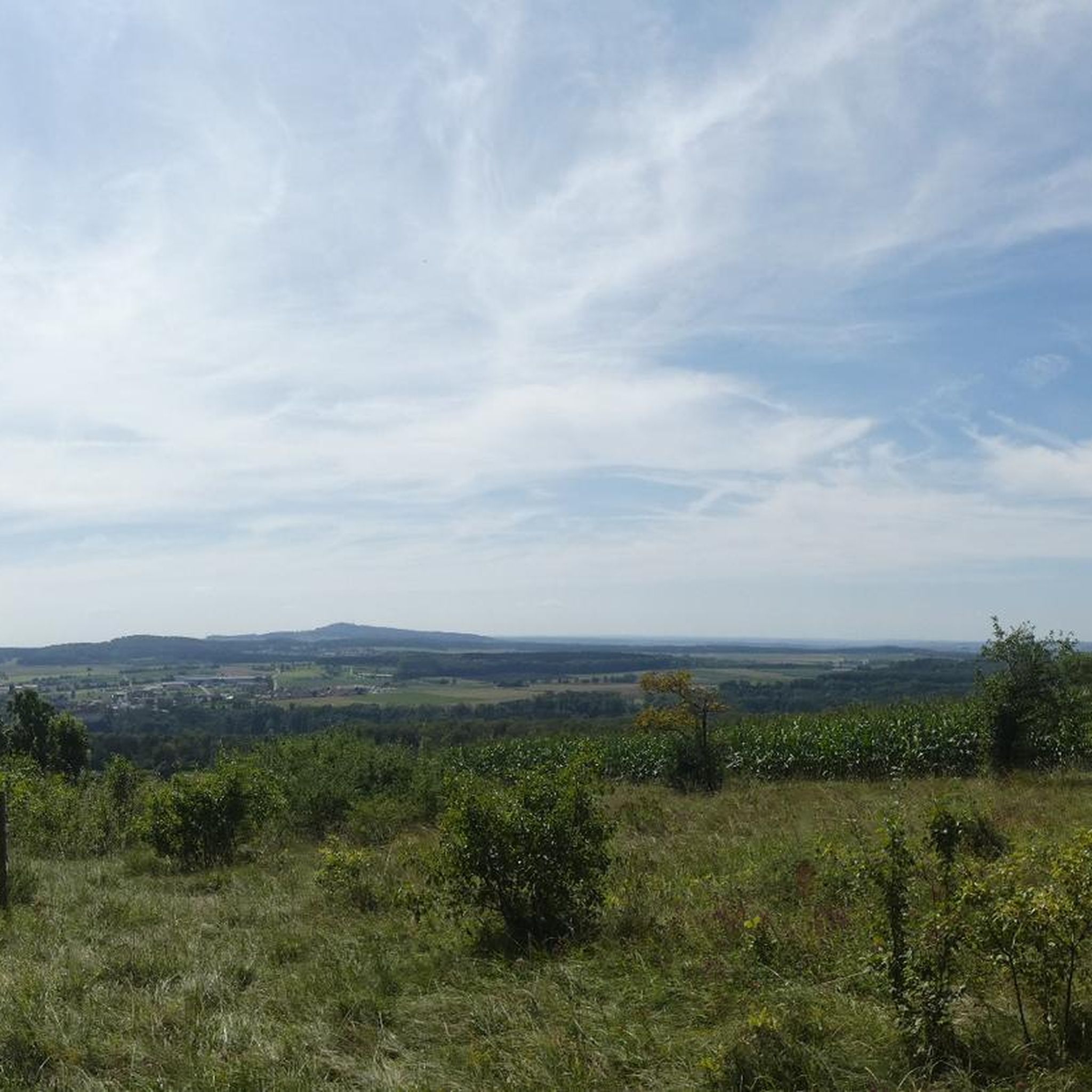
The panoramic trail with a beautiful circular view over the market town and magnificent views into the valley begins at the Höhlturm (a small ruin that served as an observation post for the Starhemberg ruin) and, after a steep, sweaty climb on beautiful forest paths, leads to Henninger, which is not directly on the hiking trail.
1
0

A super great place that you should see
0
0
Beautiful little cave to see
0
0

The Steinerne Stadl is a natural rock bridge that originates from a collapsed cave. This is also called a passage cave. Remains of stone tools and ceramics have been found inside the Steinerne Stadel and it is now assumed that this cave also served as a cult room from the Neolithic period to the Iron Age (and possibly later). Its proximity to the Hoffmannshöhle indicates a resonance/connection. In front of the cave you can find a free-standing stone with two deep, artificially created stone bowls. The position and arrangement of the bowls (at the top, in a free-standing stone, so very impractical for grinding grain - without protection from rainwater ...) and their shape give rise to mystical speculations about their use. Source: https://kultkraftplatz.com/steinerne-stadl-malleiten/
5
1
The Eisenstein Cave, whose entrances are located at 380 m above sea level, is the most important thermal cave on the western edge of the southern Vienna Basin (Fischau Mountains). The 73 m deep and around 2 km long, shaft-like cave is located on a fracture zone parallel to the slope (thermal line) in young tertiary breccia (sausage marble). The thermal spring at the deepest point of the cave has a temperature of around 15.5 °C. Collapsed blocks and corrosion forms characterize the fissures richly decorated with coral and popcorn sinter. Source: www.eisensteinhoehle.at/index.htm
7
0

Yes is nice place
0
0
Frequently Asked Questions
What types of caves can I explore near Lichtenwörth?
The region around Lichtenwörth offers a diverse range of underground experiences. You can find significant thermal caves like the Eisenstein Cave, natural rock bridges formed from collapsed caves such as the Steinerner Stadl, and smaller, more secluded natural openings like the Finkenhaus Cave. There are also rock grottoes with cultural significance, like the Forest Shrine in Bad Fischau.
Are there any challenging cave experiences for adventurous visitors?
Yes, the Eisenstein Cave offers a unique and adventurous tour. Visitors are equipped with a helmet, overalls, boots, and a carbide lamp, and should be prepared to navigate loamy steps and four iron ladders. The tour takes about an hour and guides you through a significant thermal cave.
Which caves are suitable for families with children?
While the Eisenstein Cave is not recommended for children under 10 due to its adventurous nature, the Forest Shrine in Bad Fischau offers a more gentle experience. It's a rock grotto adorned with pictures, serving as a peaceful resting and memorial place, which can be a pleasant stop for families.
What historical or cultural significance do the caves in this region hold?
Some caves near Lichtenwörth have notable historical significance. The Steinerner Stadl, a natural rock bridge, has yielded remains of stone tools and ceramics, suggesting its use as a cult room from the Neolithic period to the Iron Age. The Höhlturm is also recognized as a historical site.
What are the geological features of the caves around Lichtenwörth?
The caves in the region showcase interesting geological formations. The Eisenstein Cave, a thermal cave, is characterized by collapsed blocks and corrosion forms, with fissure spaces richly decorated with coral and popcorn sinter. It also features a thermal spring at its deepest point. The Steinerner Stadl is a natural rock bridge that originated from a collapsed cave.
Are there guided tours available for any of the caves?
Yes, the Eisenstein Cave offers guided tours. These tours last about an hour and provide visitors with necessary equipment like helmets and lamps to explore the cave's unique features.
What outdoor activities can I do near these caves?
The area around Lichtenwörth offers various outdoor activities. You can find numerous hiking trails, with options like the 'Hubertus Chapel – Snack Station Zur Ulme loop from Lichtenwörth' or the 'Picnic Area Near Wetterkreuz loop from Neudörfl'. For cycling enthusiasts, there are gravel biking routes such as the 'Sigleß Octahedra – Oktaeder Sigleß loop from Neudörfl' and MTB trails like the 'Gespitzter Riegel (594 m) – Mitterriegel loop from Neudörfl'. You can find more details on these activities in the Hiking around Lichtenwörth, Gravel biking around Lichtenwörth, and MTB Trails around Lichtenwörth guides.
What should I wear when visiting the caves?
For caves like the Eisenstein Cave, warm clothing is not strictly required as the temperature is a constant +13°C with 100% humidity. However, you will be provided with specific gear including a helmet, overalls, and boots for the tour, and should be prepared for navigating loamy steps and ladders.
Are there any caves that are less developed or more 'hidden'?
Yes, the Finkenhaus Cave (1864/42) is described as hidden in the forest, a little off the path, between the Andreasstein and the Pfaffenkogel. Its description suggests a more secluded, undeveloped natural cave experience for those seeking intimate exploration.
What do visitors appreciate most about the caves around Lichtenwörth?
Visitors frequently appreciate the unique experiences offered by the region's caves. The Eisenstein Cave is valued for its rarity as a thermal cave that can be visited. The Höhlturm is enjoyed for its size and even features a picnic area inside. The Steinerner Stadl is seen as a hidden gem, and the Forest Shrine in Bad Fischau is cherished as an idyllic, peaceful spot.
Are there any other significant caves in Lower Austria worth visiting, even if further away?
Yes, Lower Austria boasts other impressive cave systems. The Ötscher Dripstone Cave in the Ötscher-Tormäuer Nature Park is known for its mystical landscape of stalagmites and stalactites and an underground lake. Another notable site is Seegrotte Hinterbrühl, famous for housing Europe's largest underground lake within a former gypsum mine, where visitors can take a captivating boat ride.
Most popular routes around Lichtenwörth
Most popular attractions around Lichtenwörth

Get inspired with the komoot mobile app


Explore more
Extend your search for the best caves by checking out these guides of the top ones around Lichtenwörth:
