Top 20 Caves around Wöllersdorf-Steinabrückl
Best caves around Wöllersdorf-Steinabrückl are found in a region on the edge of the Vienna Woods, featuring green hills, dense forests, and striking rock formations. This area is known for its diverse natural landscape, which includes a variety of caves. Some caves hold historical significance, while others present notable geological features. The region offers opportunities for exploring these underground formations.
Best caves around Wöllersdorf-Steinabrückl
- The most popular caves is Höhlturm, a historical site that includes the Höhlturmhöhle, a cave…
Last updated: August 16, 2026
Einhornhöhle (Unicorn Cave)
Highlight • Cave
More information is available at wieneralpen.at/urlaubszielen-in-den-wiener-alpen-discoveren/a-einhorn-tropfsteinhoehle.
Translated by Google •
Tip by

Eisenstein Cave
Highlight • Cave
Translated by Google •
Tip by
Sign up now to discover places like this
Get recommendations on the best single tracks, peaks, & plenty of other exciting outdoor places.
Sign up for free
Höhlturm
Highlight • Historical Site
Translated by Google •
Tip by

Steinerner Stadl
Highlight • Natural Monument
Translated by Google •
Tip by
Frauenluckensteig (Hohe Wand)
Highlight • Climb
Translated by Google •
Tip by
Sign up for free to discover even more caves around Wöllersdorf-Steinabrückl.
Sign up for free
Already have an account?
Start today with a free account
Your next adventure awaits.
Login or Signup
Popular around Wöllersdorf-Steinabrückl
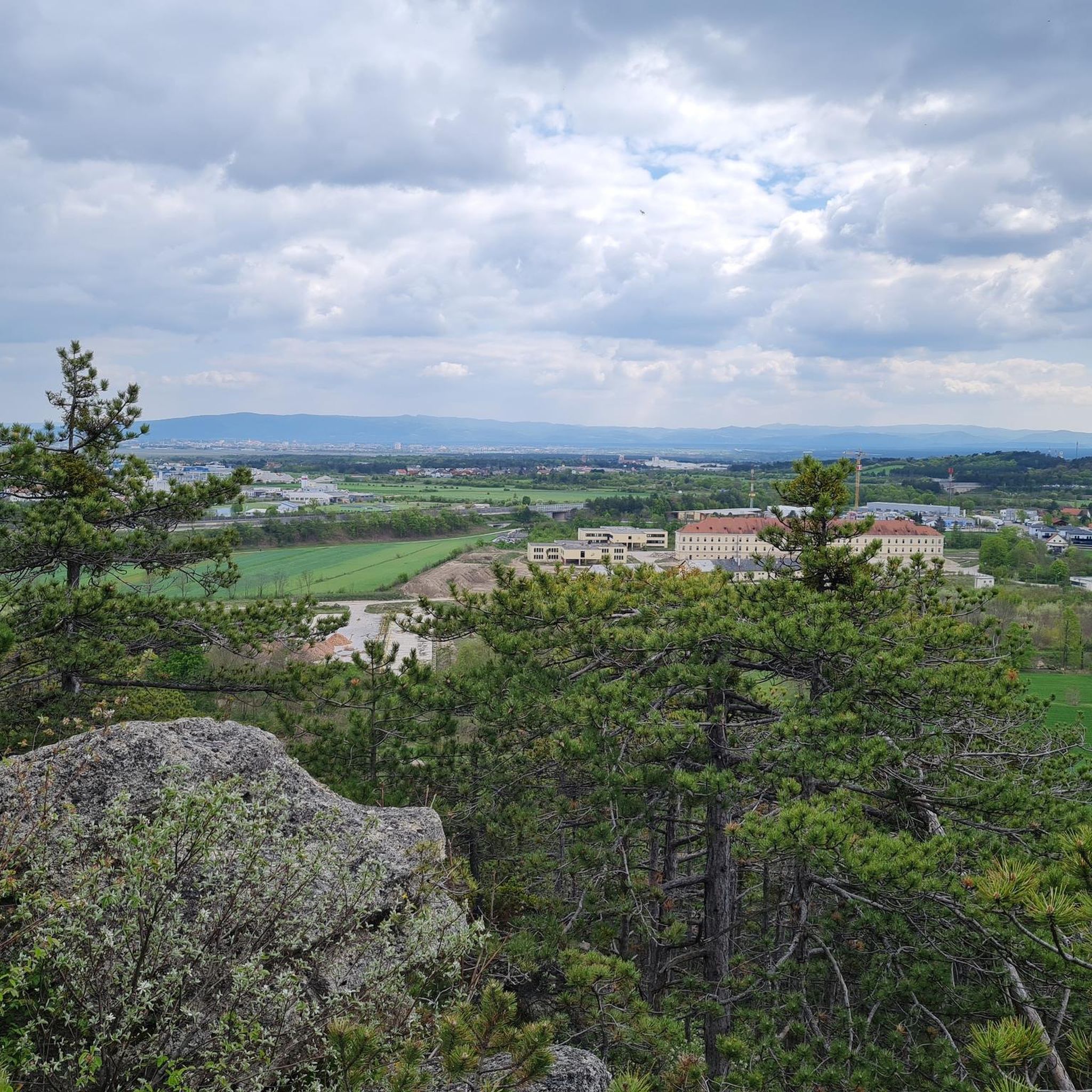
Hiking around Wöllersdorf-Steinabrückl
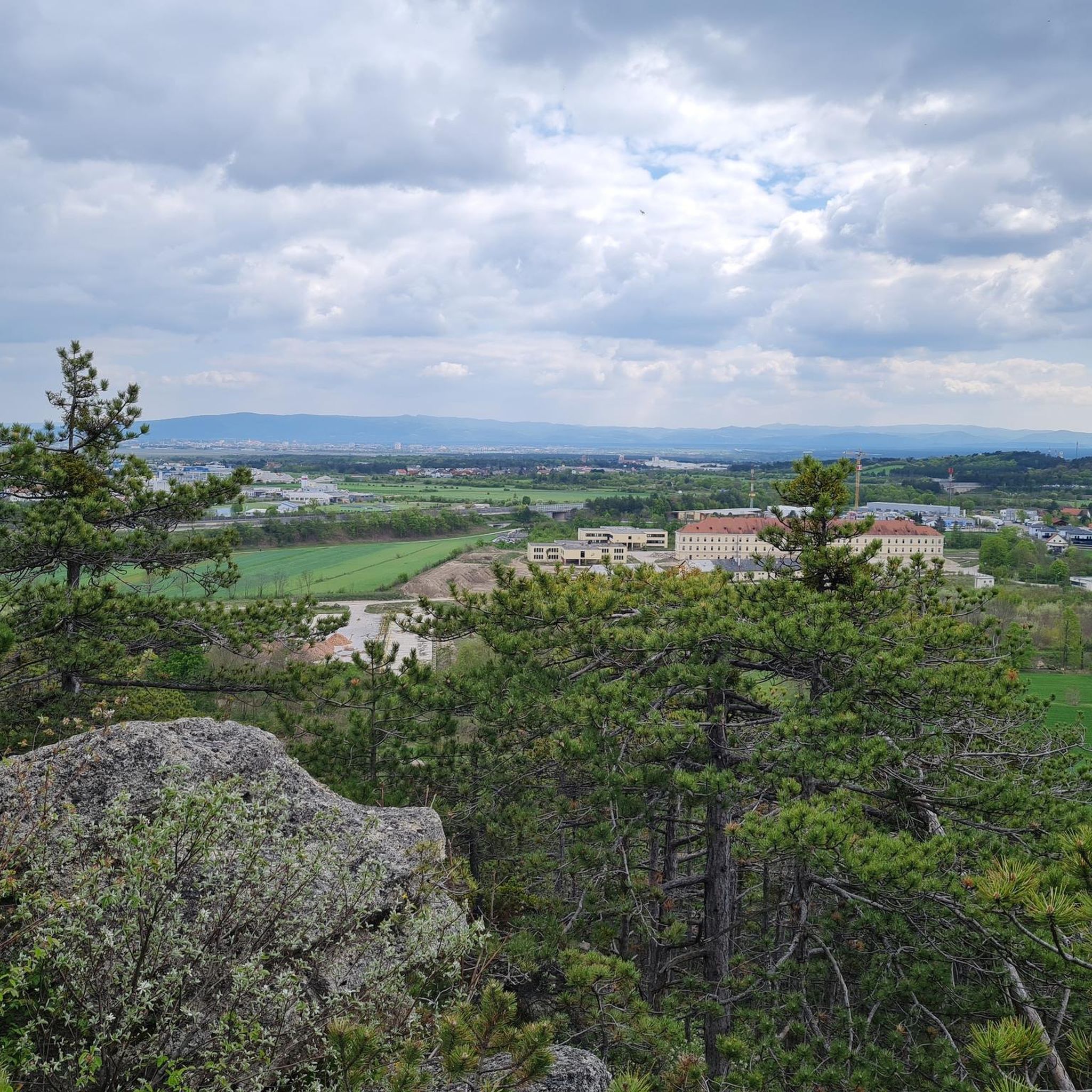
Cycling around Wöllersdorf-Steinabrückl
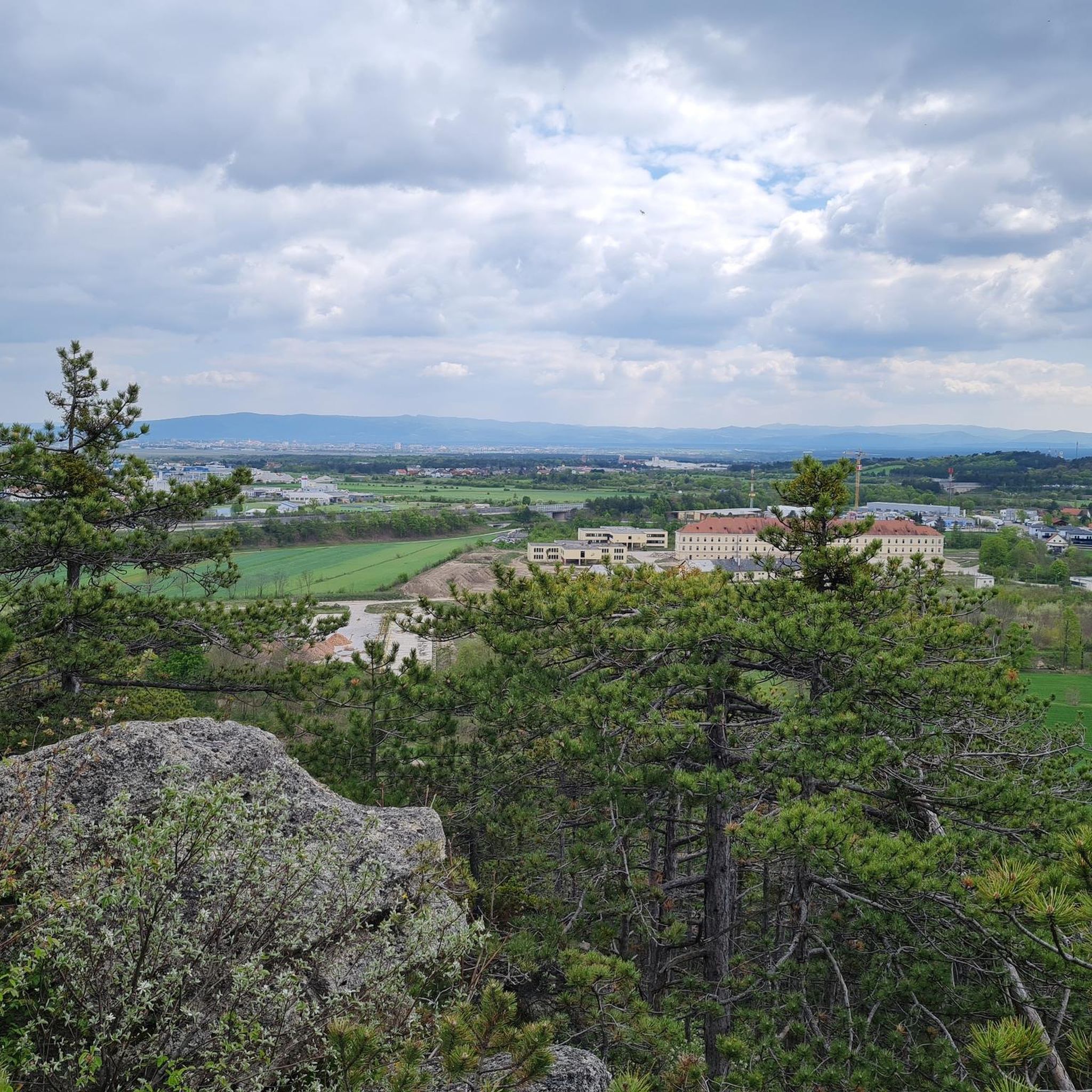
MTB Trails around Wöllersdorf-Steinabrückl
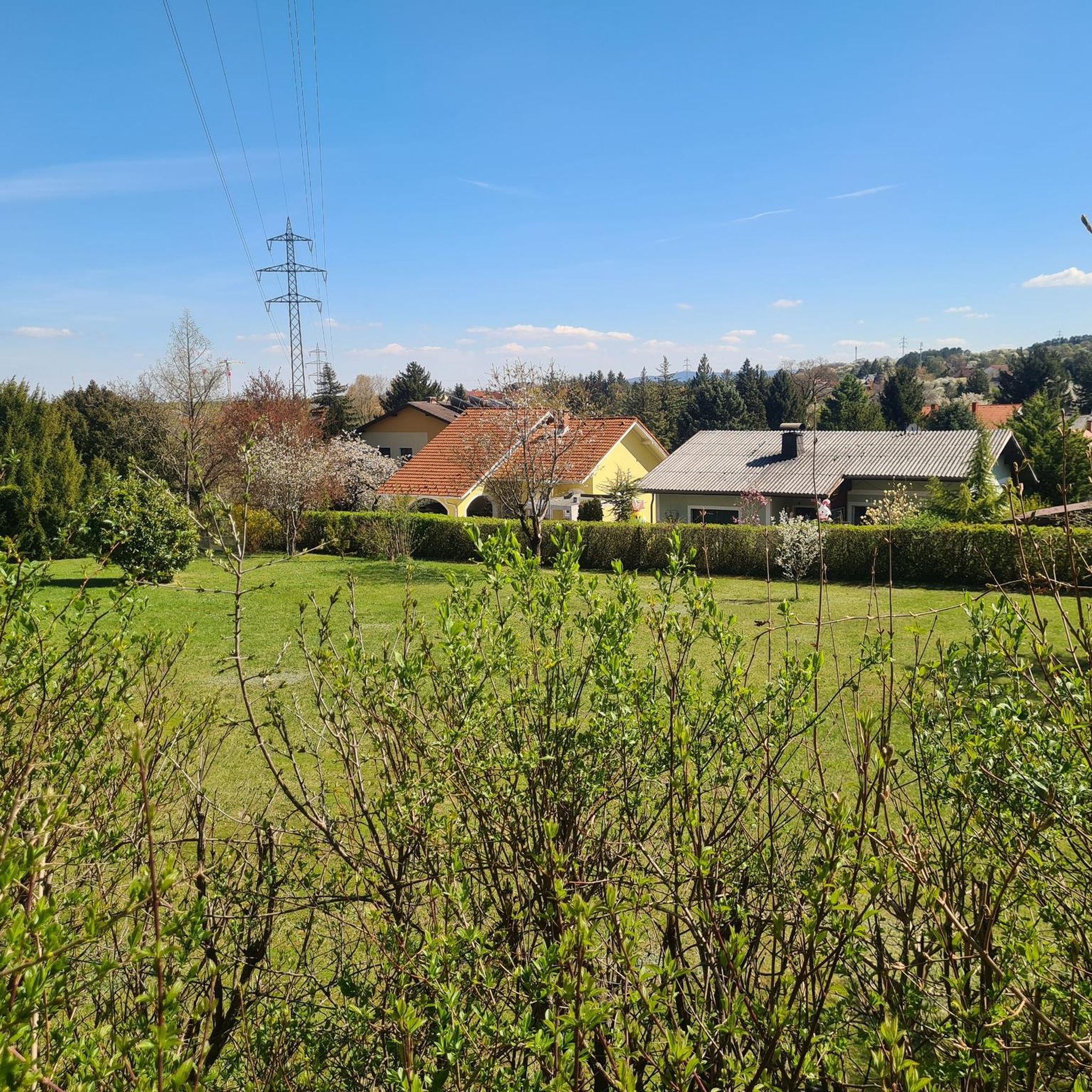
Road Cycling Routes around Wöllersdorf-Steinabrückl
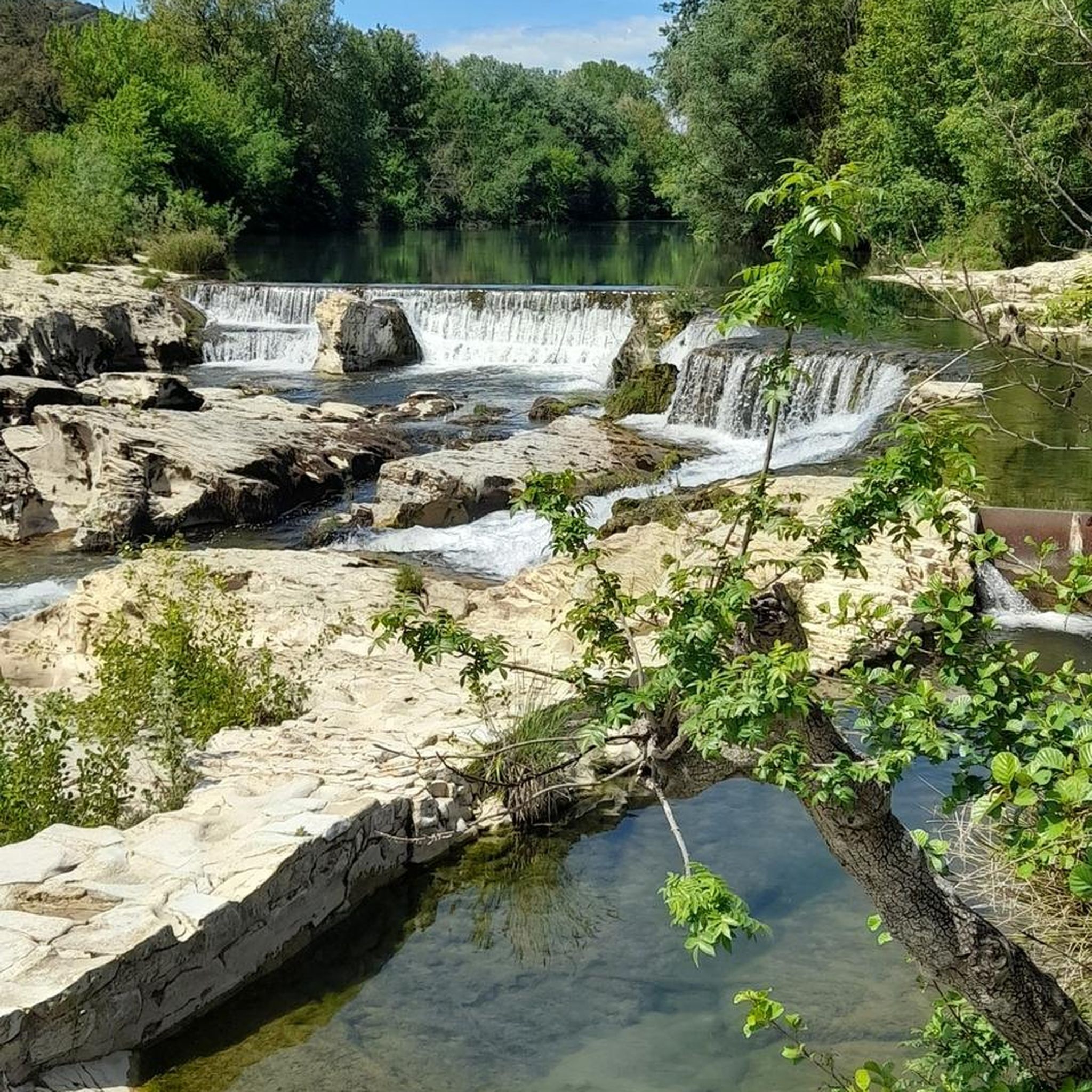
Mountain Hikes around Wöllersdorf-Steinabrückl
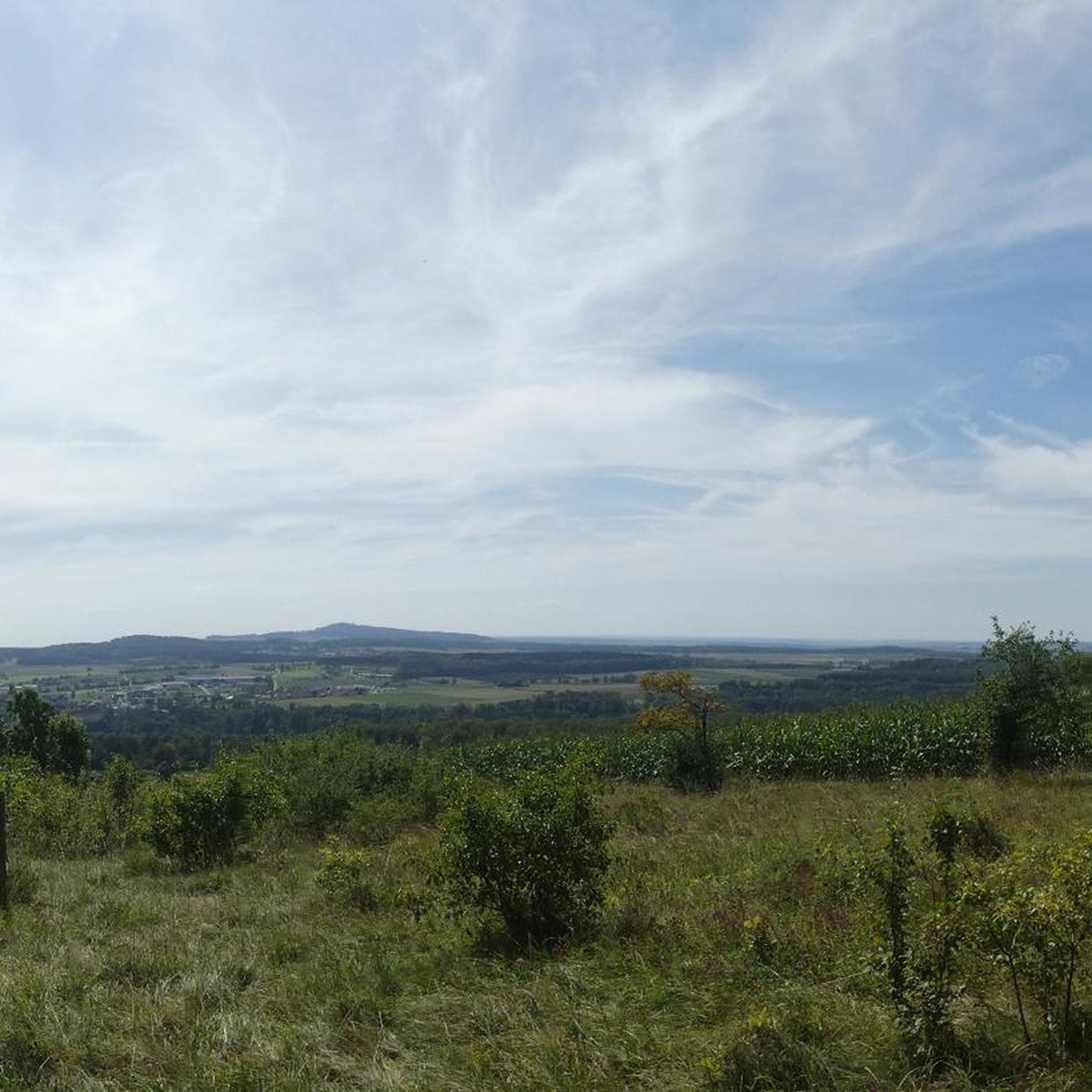
Gravel biking around Wöllersdorf-Steinabrückl
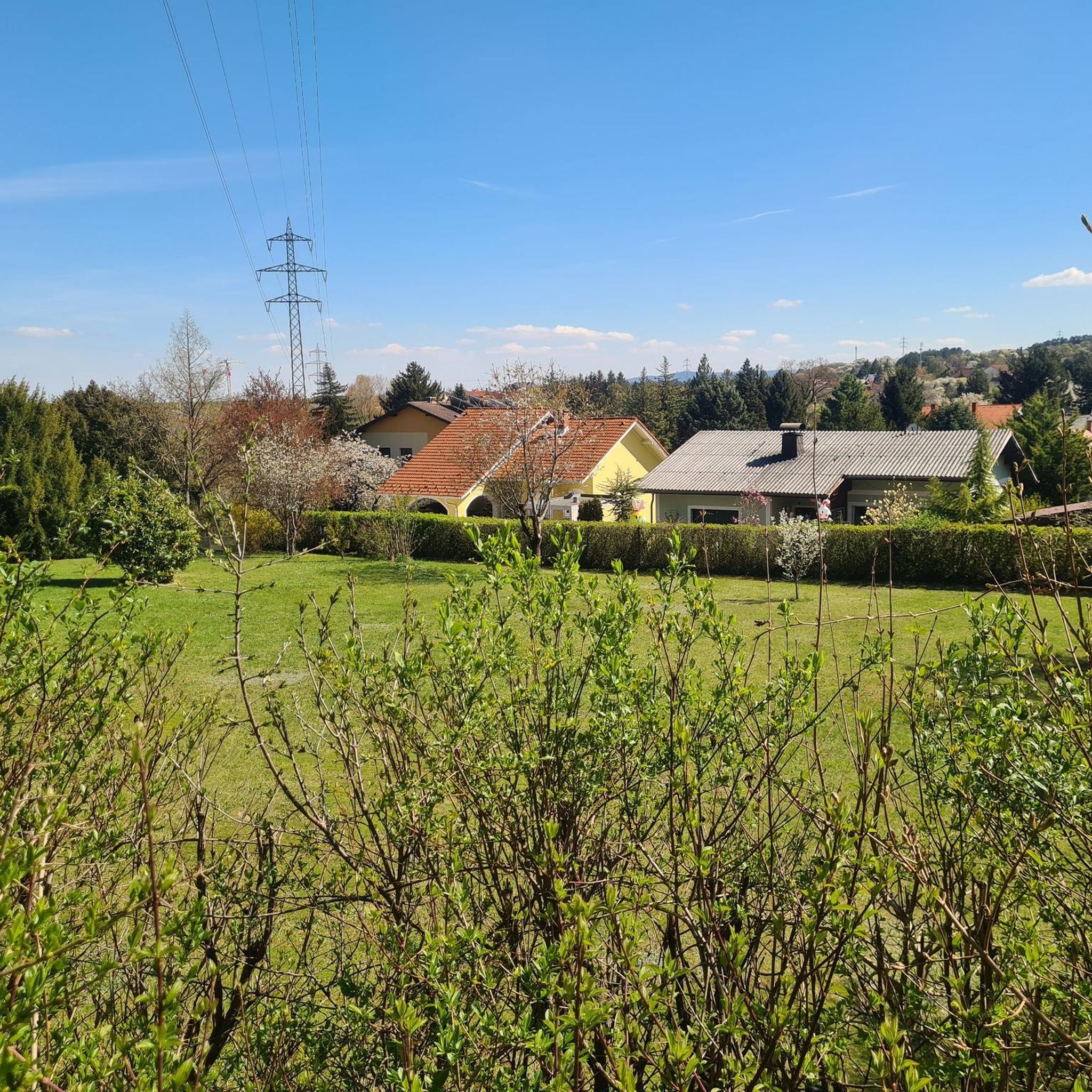
Running Trails around Wöllersdorf-Steinabrückl
Tips from the Community

A bouldering paradise Among climbers (especially boulderers), the Steinerne Stadl is known far beyond the region and is considered one of the most extreme bouldering sites in Lower Austria. Since you climb almost exclusively under the horizontal rock roof of the stone bridge, the area demands extremely athletic moves. The showpiece of the around 30 routes is the boulder diagonal "Outer Limits" (difficulty grade 7c+/8a trav.), which leads completely through the roof.
1
0

Inside the stone barn, remains of stone tools and ceramics have been found, and it is now assumed that this cave also served as a cult room from the Neolithic to the Iron Age (and possibly later). Its proximity to the Hoffmannshöhle suggests a resonance/connection.
2
0
The cave was discovered in 1927 by Otto Langer sen. and opened as a show cave in 1930. During World War II, the cave served as a place of refuge. In 1958, it was accessible again as a show cave. In 1964, the installations were modernized by Otto Langer jun.
1
0
In the cave there is a thermal spring, whose water temperature is indicated to be between 13 and 16.5 degrees Celsius.[1][2] The Eisensteinhöhle is located in a fault zone striking NNE-SSW and dipping at an average of 47°, directly at the edge of the Eastern Alps against the Vienna Basin and shows up to 5 superimposed gangways; its maximum horizontal extent is 147 m.
1
0
The panoramic trail with a beautiful circular view over the market town and magnificent views into the valley begins at the Höhlturm (a small ruin that served as an observation post for the Starhemberg ruin) and, after a steep, sweaty climb on beautiful forest paths, leads to Henninger, which is not directly on the hiking trail.
1
0

A super great place that you should see
0
0

The Unicorn Cave was closed and locked with a gate.
4
0

The Steinerne Stadl is a natural rock bridge that originates from a collapsed cave. This is also called a passage cave. Remains of stone tools and ceramics have been found inside the Steinerne Stadel and it is now assumed that this cave also served as a cult room from the Neolithic period to the Iron Age (and possibly later). Its proximity to the Hoffmannshöhle indicates a resonance/connection. In front of the cave you can find a free-standing stone with two deep, artificially created stone bowls. The position and arrangement of the bowls (at the top, in a free-standing stone, so very impractical for grinding grain - without protection from rainwater ...) and their shape give rise to mystical speculations about their use. Source: https://kultkraftplatz.com/steinerne-stadl-malleiten/
5
1
Frequently Asked Questions
What types of caves can I explore around Wöllersdorf-Steinabrückl?
The region offers a diverse range of caves, including dripstone caves like the Einhornhöhle (Unicorn Cave), thermal caves such as the Eisenstein Cave, and historically significant sites like the Höhlturmhöhle and Steinerner Stadl. Some caves are also integrated into climbing routes, offering unique challenges.
Are there any family-friendly caves in the Wöllersdorf-Steinabrückl area?
Yes, the Einhornhöhle (Unicorn Cave) is a popular dripstone cave that is generally accessible for families. It offers guided tours to explore its formations. In contrast, the Eisenstein Cave is not recommended for children under 10 due to its adventurous nature involving ladders and specific equipment.
When is the best time to visit the caves around Wöllersdorf-Steinabrückl?
The Einhornhöhle (Unicorn Cave) is typically open from Easter to the end of September on Sundays and public holidays, from 9 AM to 5 PM. For other caves, especially those requiring guided tours or specific equipment like the Eisenstein Cave, it's advisable to check their specific operating hours and tour availability before planning your visit.
What kind of historical significance do the caves in this region hold?
Several caves in the Malleiten area, including the Steinerner Stadl, Zigeunhöhle, Hoffmannshöhle, and Zwerglhöhlen, served as accommodation for early ancestors since the Stone Age. The Steinerner Stadl is also believed to have been a cult room from the Neolithic period to the Iron Age.
What unique geological features can be found in the Wöllersdorf-Steinabrückl caves?
The Eisenstein Cave is a notable thermal cave with a thermal spring at its deepest point, featuring impressive coral and popcorn sinter formations. The Einhornhöhle is renowned for its dripstone formations, including stalactites and stalagmites.
Are there any challenging cave experiences for adventurous visitors?
Yes, the Eisenstein Cave offers an adventurous one-hour guided tour through loamy steps and four iron ladders, requiring visitors to be equipped with a helmet, overalls, boots, and a carbide lamp. Additionally, the Frauenluckensteig via ferrata on the Hohe Wand features a challenging 15-meter-high vertical cave shaft, the Frauenlucke, ascended via an iron ladder.
What should I wear or bring for a cave tour in Wöllersdorf-Steinabrückl?
For adventurous tours like the Eisenstein Cave, you will need a helmet, overalls, boots, and a carbide lamp. Even in thermal caves, temperatures can be cool (around 13°C), so comfortable clothing is recommended. For dripstone caves like Einhornhöhle, sturdy shoes and a light jacket are advisable.
Can I combine a cave visit with hiking in the region?
Absolutely. Many caves, such as the Höhlturmhöhle, are part of popular hiking routes. The Einhornhöhle is also a popular destination for hikers coming from the Dreistetten castle ruins. You can find various hiking trails in the area, including those listed in the Running Trails around Wöllersdorf-Steinabrückl guide.
Are there other outdoor activities available near the caves?
Yes, the Wöllersdorf-Steinabrückl region offers a variety of outdoor activities. You can explore cycling routes, including those in the Cycling around Wöllersdorf-Steinabrückl guide, or try gravel biking with options found in the Gravel biking around Wöllersdorf-Steinabrückl guide. The area's green hills and forests are ideal for various outdoor pursuits.
What do visitors enjoy most about the caves around Wöllersdorf-Steinabrückl?
Visitors frequently appreciate the diverse experiences offered, from the historical insights of sites like the Höhlturmhöhle to the unique geological formations in the Eisenstein Cave. The accessibility of the Einhornhöhle and the adventurous nature of the Frauenluckensteig are also highly valued.
How long does a typical cave tour last?
A guided tour through the Eisenstein Cave typically takes about one hour. For the Einhornhöhle (Unicorn Cave), guided tours for small groups usually last around 15 minutes.
Most popular routes around Wöllersdorf-Steinabrückl
Most popular attractions around Wöllersdorf-Steinabrückl

Get inspired with the komoot mobile app


Explore more
Extend your search for the best caves by checking out these guides of the top ones around Wöllersdorf-Steinabrückl:
