Top 12 Castles around Felixdorf
Best castles around Felixdorf are found within a reasonable distance, as Felixdorf itself does not host prominent castles. The region's proximity to Vienna and other historical areas in Austria provides access to numerous historical sites. These include palaces and castles showcasing diverse architectural styles, from Baroque to Gothic. The landscape around Felixdorf features wooded slopes and historical settings, offering varied exploration opportunities.
Best castles around Felixdorf
- The most popular castles is Kottingbrunn Castle, a castle that features a moated…
Last updated: July 8, 2026
Kottingbrunn Castle
Highlight • Castle
Translated by Google •
Tip by

Theresian Military Academy, Wiener Neustadt
Highlight • Castle
Translated by Google •
Tip by

Sign up now to discover places like this
Get recommendations on the best single tracks, peaks, & plenty of other exciting outdoor places.
Sign up for free
Starhemberg Castle Ruins
Highlight • Castle
Driveway from the parking …
Translated by Google •
Tip by

Hernstein Castle
Highlight • Castle
Translated by Google •
Tip by

Enzesfeld Castle
Highlight • Castle
Translated by Google •
Tip by
Sign up for free to discover even more castles around Felixdorf.
Sign up for free
Already have an account?
Start today with a free account
Your next adventure awaits.
Login or Signup

Tips from the Community

An actually very interesting ruin with an intact round chapel in the gate tower and an intact smoke kitchen. Unfortunately, the ruin has been closed for some time and left to further decay.
1
0
The castle was built about 50 years after the founding of the city in 1192 as a military base for the last Babenberg, Frederick II the Quarrelsome. Over the centuries, it was continuously expanded and used for new purposes. Emperor Frederick III had the castle fundamentally rebuilt, giving it its present appearance for the most part. For Emperor Frederick III and his son Maximilian I, Wiener Neustadt was an important imperial residence. Emperor Maximilian I was born and baptized in the castle in Wiener Neustadt and spent his youth years here. From here, the Holy Roman Empire was expanded. It reached such great dimensions that "the sun never set". After the death of Maximilian I.
1
0
The castle was owned from the beginning of the 12th century until the second quarter of the 14th century by the Engelschalksfelders, until 1460 by the Wallseers and Pettauers, until 1505 by the Spaurs, in the 16th century by the sovereign and Tobar, in the 17th century by Concin, Abensperg-Traun, Brandis, Hoyos, in the 18th century by Colloredo, Montecuccoli, Zinzendorf, Khevenhüller. In the 19th century there were frequent changes of ownership, from 1880 to 1963 it was owned by the Rothschild family.
1
0
The name Starhemberg is derived from the original name 'starker Berg' or 'Starkenberg'. The castle is not to be confused with castles of the same name in Upper Austria, Schloss Starhemberg (Haag am Hausruck), the namesake seat of the Starhemberg princely house, and its current seat Schloss Starhemberg (Eferding). The castle ruin discussed here had no connection with the well-known family of apostles.
1
0
The castle dates back to a manor house from 1125, which was converted into an originally moated castle at the beginning of the 12th century, serving to secure the eastern border as part of the Babenberg castle belt and to protect the important road through the Triesting valley.
1
0

Kottingbrunn Castle is an impressive moated castle located in the market town of Kottingbrunn, in the Baden district of Lower Austria. Here are some interesting facts about the castle: 1. History: - The oldest known structural finds of the castle date back to the first half of the 13th century. - It has a rich history and has been an important building in the region over the centuries. 2. Architecture: - The castle is known for its architectural details and picturesque location, making it a popular destination for visitors. - It is surrounded by a beautiful castle park, which forms the heart of the market town. 3. Castle Museum: - On the first floor of the castle, there is a museum housed in the state rooms. - The rooms are decorated with remarkable stucco work and frescoes that reflect the history of the castle and the region. 4. **Events**: - The castle also offers the opportunity to host weddings and other events, making it a romantic venue for celebrations. 5. **Location**: - The castle is located only 25 km from Vienna, in the heart of the Vienna Woods, making it easily accessible. Kottingbrunn Castle is therefore not only a historical building, but also a cultural center that attracts many visitors.
1
0

07/18/2024 — Clear view of the walls of the Starhemberg castle ruins. The clearing of the area in Markt Piesting brought many new discoveries. However, there is currently still a ban on entry. The renovation of the Starhemberg castle ruins is scheduled to start next year. The preparatory work for this is underway...... Source: www.noen.at/wr-neustadt/piestingtal-freier-blick-auf-die-mauern-der-burgruine-starhemberg-431389601
2
2

The Starhemberg castle ruins, once a significant site north of Dreistetten, have an eventful history. Originally a Styrian fortress, it fell to the Babenbergs in 1192 and was expanded into a palace under Frederick the Quarrelsome. After his death, the Teutonic Order administered it for a short time before it passed into Habsburg ownership in 1278. In 1482, the castle was captured by King Matthias Corvinus. From 1590, it belonged to the Counts of Heussenstein for over 200 years and survived the Turkish onslaught in 1683. Around 1800, it was covered over to avoid taxes and has remained in ruins ever since. Today, it is owned by the Salvator Habsburg-Lothringen family. Officially, access is prohibited, but the imposing walls and the view make it a popular destination for hikers.
4
2
Frequently Asked Questions
What are some notable castles and palaces in the wider region around Felixdorf?
While Felixdorf itself doesn't host prominent castles, its proximity to Vienna and other historical areas means several magnificent sites are within reach. These include the opulent Schönbrunn Palace, the historic Hofburg Palace, and the art-filled Belvedere Palace in Vienna. Further out, you can find the medieval Liechtenstein Castle and the fairytale-like Kreuzenstein Castle in the Vienna Woods.
Are there any castle ruins to explore near Felixdorf?
Yes, the Starhemberg Castle Ruins offer a glimpse into Austria's medieval past. Built from 1140, this extensive ruin once guarded the border between Styria and Ostmark. It's a challenging but rewarding visit, offering beautiful views of the Piestingtal.
Are there family-friendly castles around Felixdorf?
Several castles in the area offer family-friendly experiences. Kottingbrunn Castle, with its moated design and small museum, is a great option. The grounds of the Theresian Military Academy, Wiener Neustadt, also provide space for cycling, running, and even an outdoor pool, making it suitable for families.
What kind of historical architecture can I expect to see at castles near Felixdorf?
The castles and palaces in the region showcase a diverse range of architectural styles. You can find Baroque grandeur at Schönbrunn and Belvedere Palaces, a blend of Gothic, Renaissance, Baroque, and Rococo at Hofburg Palace, and medieval structures like Liechtenstein Castle. Closer to Felixdorf, Hernstein Castle is a significant historicist building with an English Gothic appearance, while Kottingbrunn Castle is a classic moated castle.
What outdoor activities can I do near these castles?
The region around Felixdorf offers various outdoor activities. You can find numerous routes for gravel biking, hiking, and road cycling. For example, the Gravel biking around Felixdorf guide features routes like the Triestingau Cycle Path. For hikers, the Hiking around Felixdorf guide includes trails like the Piesting Flood Relief Channel loop. Road cyclists can explore routes in the Road Cycling Routes around Felixdorf guide.
Can I visit castles that are now used for other purposes?
Yes, some historical castles have found new life. Hernstein Castle, for instance, is now used as a seminar hotel and for events, while the Theresian Military Academy, Wiener Neustadt, continues its historical role as a military academy, with its grounds accessible for recreation.
What do visitors enjoy most about the castles around Felixdorf?
Visitors appreciate the diverse experiences offered. Many enjoy the historical insights and architectural beauty, such as the moated design of Kottingbrunn Castle. The extensive grounds of the Theresian Military Academy are popular for cycling and running. The romantic appearance of Hernstein Castle and the scenic views from Starhemberg Castle Ruins are also highly rated.
Are there any castles near Felixdorf that are privately owned and not fully accessible?
Yes, Enzesfeld Castle is privately owned and not generally accessible to the public. While you can admire its exterior from a distance, direct access to the castle and its grounds is restricted. It's known for its historicist and neo-baroque redesigns.
What is the best time to visit the castles and palaces in the region?
The best time to visit largely depends on your preference. Spring and autumn offer pleasant weather for exploring castle grounds and gardens, such as those at Schönbrunn and Belvedere. Summer allows for full enjoyment of outdoor activities and events. Winter visits can be magical, especially for palaces like Schönbrunn and Hofburg, which often host festive markets and offer a different, quieter atmosphere for indoor tours.
How long should I plan for a visit to a castle or palace?
The duration of your visit can vary significantly. For larger palaces like Schönbrunn or Hofburg, you might easily spend half a day or even a full day exploring the interiors, gardens, and associated museums. Smaller castles or ruins, such as Kottingbrunn Castle or Starhemberg Castle Ruins, might require 1-3 hours, depending on your interest in detailed exploration or combining it with a hike.
Are there opportunities for guided tours at castles near Felixdorf?
Many of the larger palaces, especially those in Vienna like Schönbrunn, Hofburg, and Belvedere, offer various guided tours to enhance your visit. For some local castles, like the Theresian Military Academy, special events or children's parties might include guided tours, as noted by visitors.
What natural features can I see near the castles in the Felixdorf region?
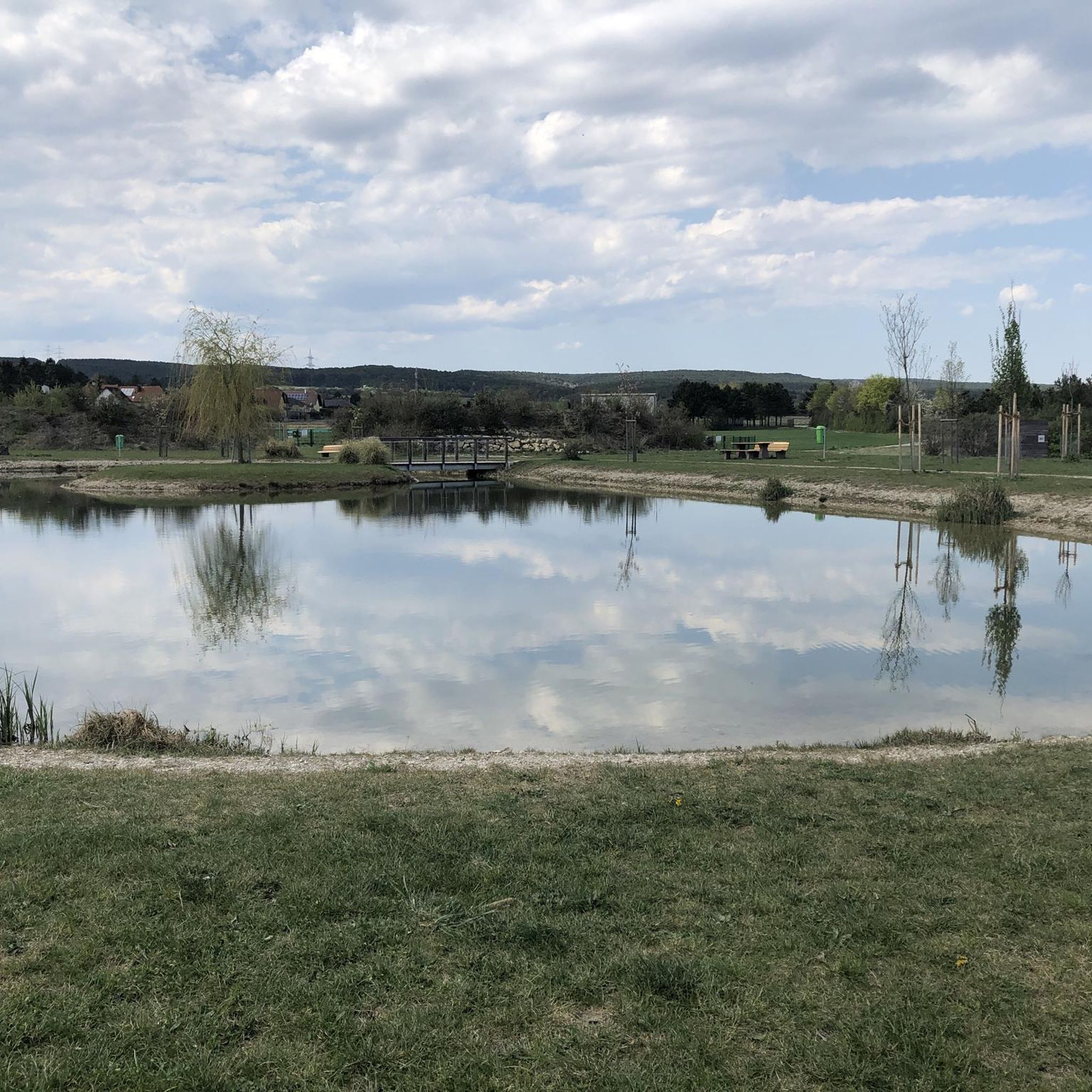
The region offers a mix of historical sites and natural beauty. Hernstein Castle is located at the foot of a steep, wooded slope and features an artificially dammed pond. The Starhemberg Castle Ruins provide views of the Piestingtal, and the wider area includes wooded slopes and scenic landscapes, particularly around castles in the Vienna Woods.
Most popular routes around Felixdorf
Most popular attractions around Felixdorf

Get inspired with the komoot mobile app


Explore more
Looking for the best castles somewhere else? Discover other guides around Felixdorf:
