Top 18 Castles around Lichtenegg
Castles around Lichtenegg offer a rich historical landscape, with 18 castles to explore. This region features a mix of medieval ruins and historically significant structures, often situated amidst scenic natural surroundings. Visitors can discover sites with origins dating back centuries, providing insights into the area's past. The area provides opportunities for exploring historical landmarks and enjoying panoramic views.
Best castles around Lichtenegg
- The most popular castles is Türkensturz Ruins, a castle that is a designed system from the Romantic…
Last updated: September 27, 2026
Türkensturz Ruins
Highlight • Castle
Translated by Google •
Tip by

Seebenstein Castle
Highlight • Castle
Translated by Google •
Tip by

Sign up now to discover places like this
Get recommendations on the best single tracks, peaks, & plenty of other exciting outdoor places.
Grimmenstein Castle
Highlight • Castle
Translated by Google •
Tip by
Krumbach Castle
Highlight • Castle
Translated by Google •
Tip by

Feistritz Castle
Highlight • Castle
Translated by Google •
Tip by

Sign up for free to discover even more castles around Lichtenegg.
Already have an account?
Start today with a free account
Your next adventure awaits.
Tips from the Community

The first castle was built in the 13th century as a reaction to the Hungarian invasions at the end of the early Middle Ages. It was largely destroyed during the Hungarian invasions in 1246 and 1260. The reconstruction partly has a castle character. In 1394, the lordship with all its accessories was bequeathed by the last Krumbacher, Hans von Krumbach, to Pilgrim III. von Puchheim, a maternal uncle of his, and his brothers, and remained in the possession of the Puchheims for over 200 years. In 1629, the lordship came into the possession of the Counts of Pálffy-Erdöd family. During the Second Siege of Vienna in 1683, Krumbach was besieged in vain by the Turks. After the revolutionary year of 1848, the serfdom relationship was abolished, thus the "Herrschaft Krumbach" came to an end. In 1875, the estates were sold by the Palffy family to the Wiener Neustadt lawyer Anton Riehl, after which there were frequent changes of ownership.
0
0
The Feistritz Castle was probably built in the second quarter of the 12th century by ministeriales. The castle was owned by the Pottendorfers from the 14th century until 1488 and by the Zinzendorfers until 1537.
1
0
In September 1532, a Turkish army was decisively defeated near Enzesfeld-Fischau. Light Turkish horsemen (Akıncıs) were scattered into the Pittental valley. They are said to have been chased by enraged peasants over the rocks near Gleißenfeld and driven to their deaths - the "Türkensturz" (Turk's Fall). To commemorate this, Prince von und zu Liechtenstein had an artificial ruin erected here in 1824/25.
3
0
The castle, sometimes called Burg Vordergrimmenstein since the 19th century, while the former castle on the summit of the 758 m high Kulmriegel was also called Burg Hochgrimmenstein and a former castle southwest of the Kulmriegel at the end of the Kunzgraben were designated as Hintergrimmenstein.
2
0

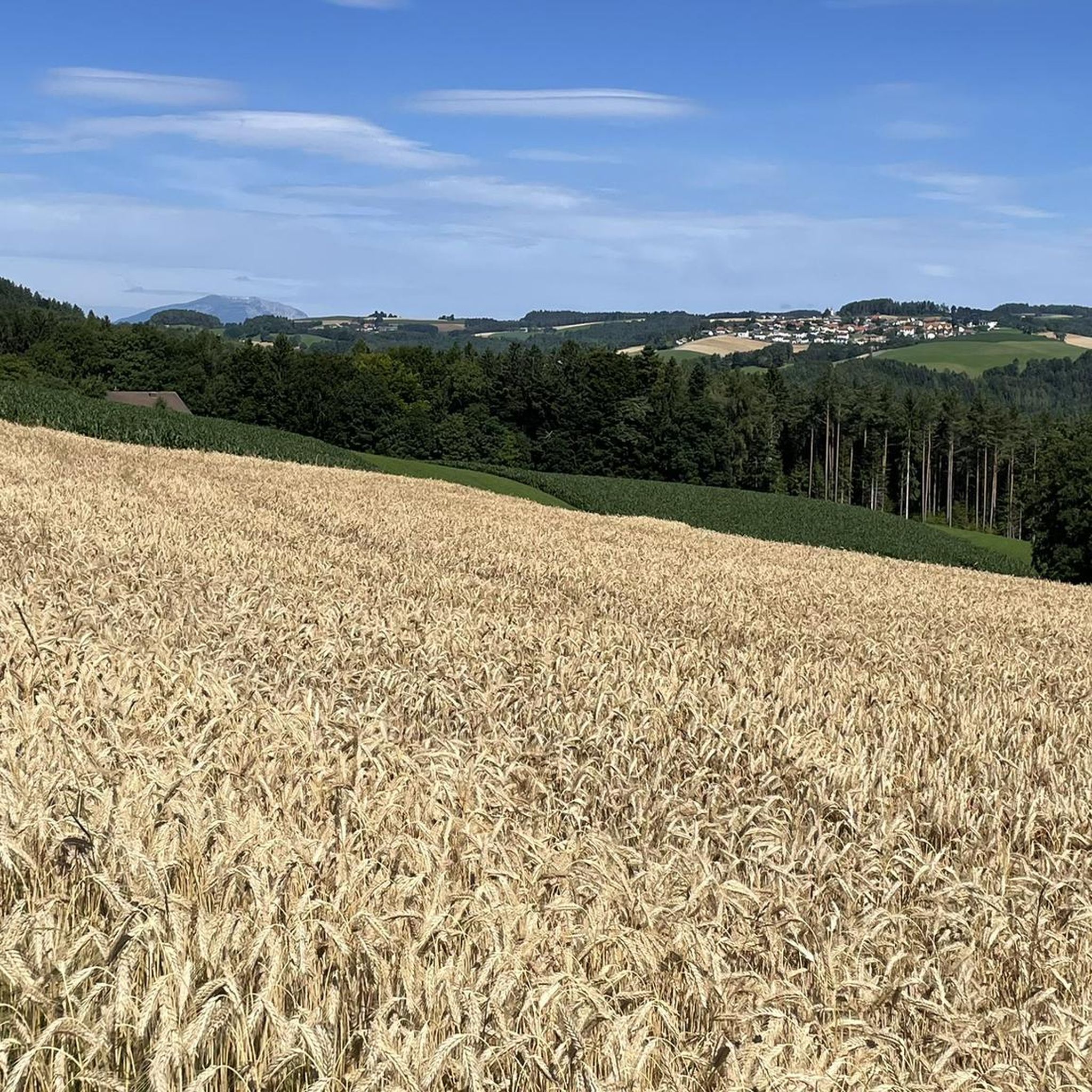
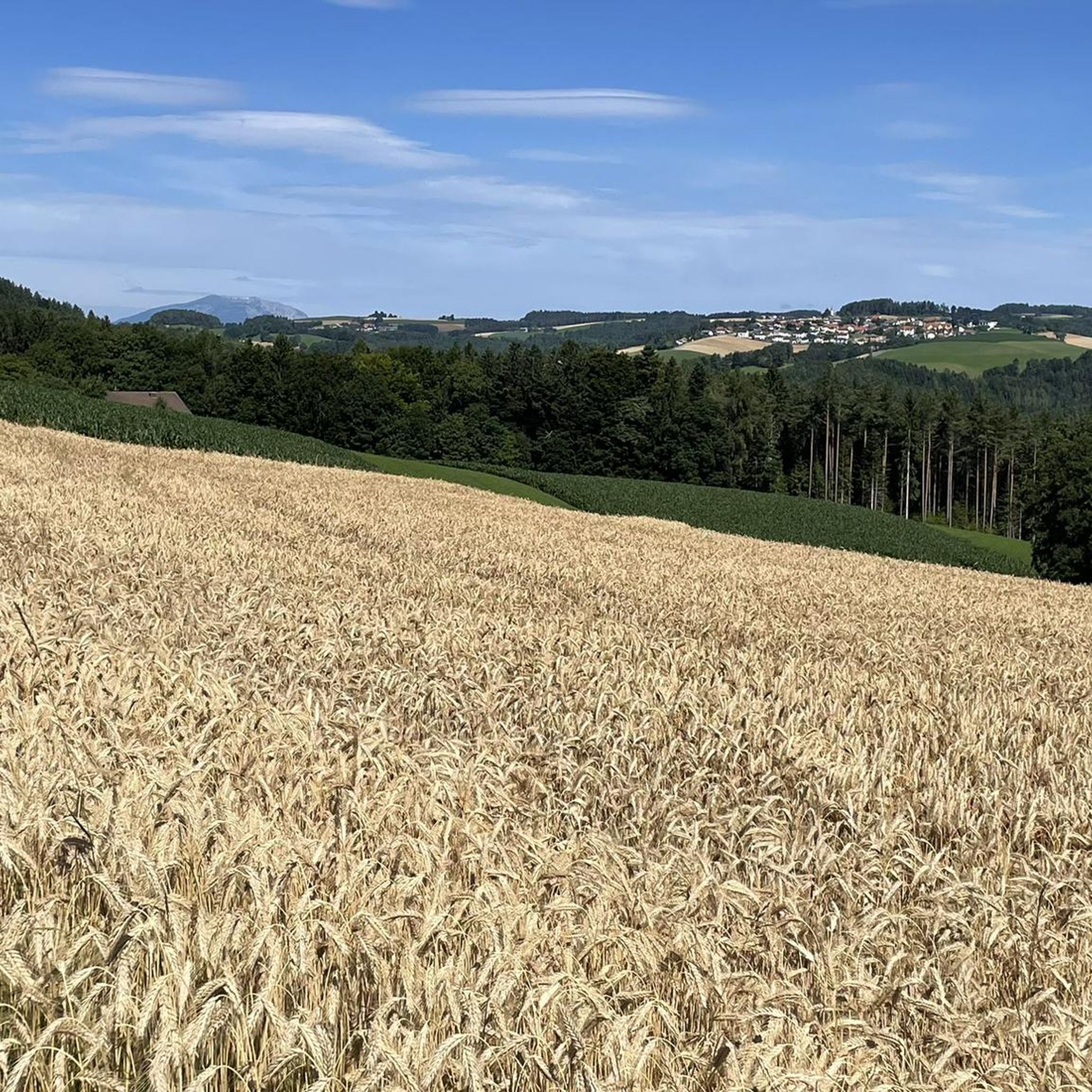
18 km cycle path towards Styria
0
0

Since 2020, it has been a private elite school (https://krumbach.school/de/). The annual tuition fee is at least €40,000.
0
0

Feistritz Castle rises proudly and mightily between the green hills of the Wechselland region. While in the Middle Ages it primarily offered protection against the onslaught of foreign troops, today it opens its doors for group events and peaceful art lovers.
1
0

The imposing castle high above the Feistritz valley was probably built in the 12th century. Between 1922 and 1924, the complex was extensively renovated and an army museum was set up, which no longer exists. Today, the castle houses an event center with rooms. You can find more information at https://www.burgfeistritz.com/.
2
0
Frequently Asked Questions
What are some of the most notable castles to visit around Lichtenegg?
The region offers a variety of impressive castles. Among the most popular are Türkensturz Ruins, known for its romantic design and panoramic views, and Seebenstein Castle, an impressive historical site with well-appointed interiors that can be explored during guided tours.
Are there any family-friendly castles or activities near Lichtenegg?
Yes, several castles offer family-friendly experiences. For instance, the Ruins of Landsee Castle, one of Central Europe's largest castle ruins, provides an engaging historical exploration for children and parents alike, with impressive fortifications and panoramic views from the keep. Guided tours at Seebenstein Castle can also be a great family activity.
What kind of historical insights can I gain from visiting castles in the Lichtenegg area?
The castles around Lichtenegg offer a deep dive into centuries of history. For example, Grimmenstein Castle features foundation walls dating back to the 13th century, showcasing medieval architecture. The Ruins of Landsee Castle, first mentioned in 1158, tells tales of changing hands, robber knights, and its eventual desolation after a major fire in 1772. Many sites reflect various periods of reconstruction and ownership by noble families.
Are there opportunities for hiking or outdoor activities near the castles?
Absolutely. The castles are often situated amidst scenic natural surroundings, making them ideal starting points or destinations for outdoor activities. For example, the Türkensturz Ruins offer a steep ascent rewarded with excellent views, popular with hikers. You can find numerous hiking routes around the region, including easy trails like the 'Forest Playground – Pilgrimage Church of Our Lady of the Snows loop from Lichtenegg', or more challenging road cycling routes such as the 'Climb to St. Corona am Wechsel – View of Feistritz Castle loop from Krumbach'. Explore more options in the easy hikes around Lichtenegg guide or the road cycling routes around Lichtenegg guide.
What is the best time of year to visit the castles around Lichtenegg?
The castles are generally accessible year-round. However, for hiking and enjoying the panoramic views, spring, summer, and early autumn offer the most pleasant weather conditions. During these seasons, you can fully appreciate the surrounding forests and landscapes. Some castles, like Grimmenstein Castle, offer guided tours and special events primarily from March to October on weekends.
Can I find food and accommodation near the castles?
Yes, you can. For instance, directly below the Lichtenegg Castle Ruins in Bavaria, there is an inn, the 'Alter Schloss-Wirt Lichtenegg,' offering regional specialties and a beer garden. In the broader Lichtenegg area, you'll find cafes, pubs, and accommodation options, especially in nearby villages and towns, providing places to relax and refuel after your explorations.
What makes the <a href="https://en.wikipedia.org/wiki/Burg_Lichtenegg" target="_blank" rel="noopener">Lichtenegg Castle Ruins (Bavaria)</a> unique?
The Lichtenegg Castle Ruins in Bavaria, Germany, are notable for their strategic position atop a 585-meter hill, offering panoramic views across the Oberpfälzer Jura to the Fichtelgebirge. Its origins date back to the 12th century, and while largely reflecting a 1562 reconstruction, it provides a tangible connection to centuries past with its upper and lower castle remnants.
What is the current status of Schloss Lichtenegg in Wels, Upper Austria?
Schloss Lichtenegg in Wels, Upper Austria, originally a 16th-century water castle, has undergone significant architectural changes, notably in 1726. While it has a rich history, including a period of residence by Sissi's daughter Archduke Valerie, it has reportedly been converted into residential units. Public access for visitors is generally limited.
What kind of views can I expect from the castles?
Many castles in the region offer stunning panoramic views. For example, the Türkensturz Ruins are described as a wonderful vantage point. From the keep of the Ruins of Landsee Castle, visitors can enjoy a magnificent panoramic view over the Mittelburgenland to the Bucklige Welt.
Are there any castles that host events or have special facilities today?
Yes, some castles have been repurposed or restored to host events. Feistritz Castle, for instance, now houses an event center with rooms, opening its doors for group events and art lovers. Grimmenstein Castle, a partially restored hilltop castle, offers delicious toasts and Belgian beer on weekends.
What do visitors enjoy most about the castles around Lichtenegg?
Visitors frequently praise the rich historical atmosphere and the stunning natural settings. Many appreciate the opportunity to explore ancient ruins and well-preserved interiors, often combined with rewarding hikes and panoramic views. The community has shown its appreciation with over 400 upvotes and more than 600 photos for the highlights in this guide, indicating a strong positive experience.
Most popular routes around Lichtenegg
Most popular attractions around Lichtenegg

Get inspired with the komoot mobile app


Explore more
Looking for the best castles somewhere else? Discover other guides around Lichtenegg:
