The best road cycling routes around Flaurling
4.5
(204)
9,085
riders
59
rides
Road cycling routes around Flaurling traverse the Inn Valley and the foothills of the Tux Alps, offering diverse terrain. The region features well-maintained roads suitable for scenic drives, ranging from gentle valley paths to more challenging ascents. Cyclists can expect varied landscapes, including river views and mountainous backdrops. This area provides options for different skill levels, from leisurely rides to routes with significant elevation gain.
Best road cycling routes around Flaurling
- The most popular road cycling route is Inn Valley…
Last updated: September 30, 2026
4.4
(26)
1,614
riders
43.9km
01:56
260m
260m
Moderate road ride. Great for any fitness level. Some segments of this route may be unpaved and difficult to ride.
4.5
(11)
412
riders
Easy road ride. Great for any fitness level. Mostly well-paved surfaces and easy to ride.

180
riders
83.6km
03:51
890m
890m
Moderate road ride. Good fitness required. Mostly well-paved surfaces and easy to ride.
5.0
(1)
101
riders
81.2km
03:54
910m
910m
Hard road ride. Very good fitness required. Some segments of this route may be unpaved and difficult to ride.
5.0
(1)
101
riders
21.3km
01:12
80m
80m
Moderate road ride. Great for any fitness level. Some segments of this route may be unpaved and difficult to ride.
Get access to more routes and recommendations from other explorers.
Already have an account?
Our route recommendations are based on thousands of hikes, rides, and runs completed by other people on komoot.
Start today with a free account
Your next adventure awaits.

Tips from the Community

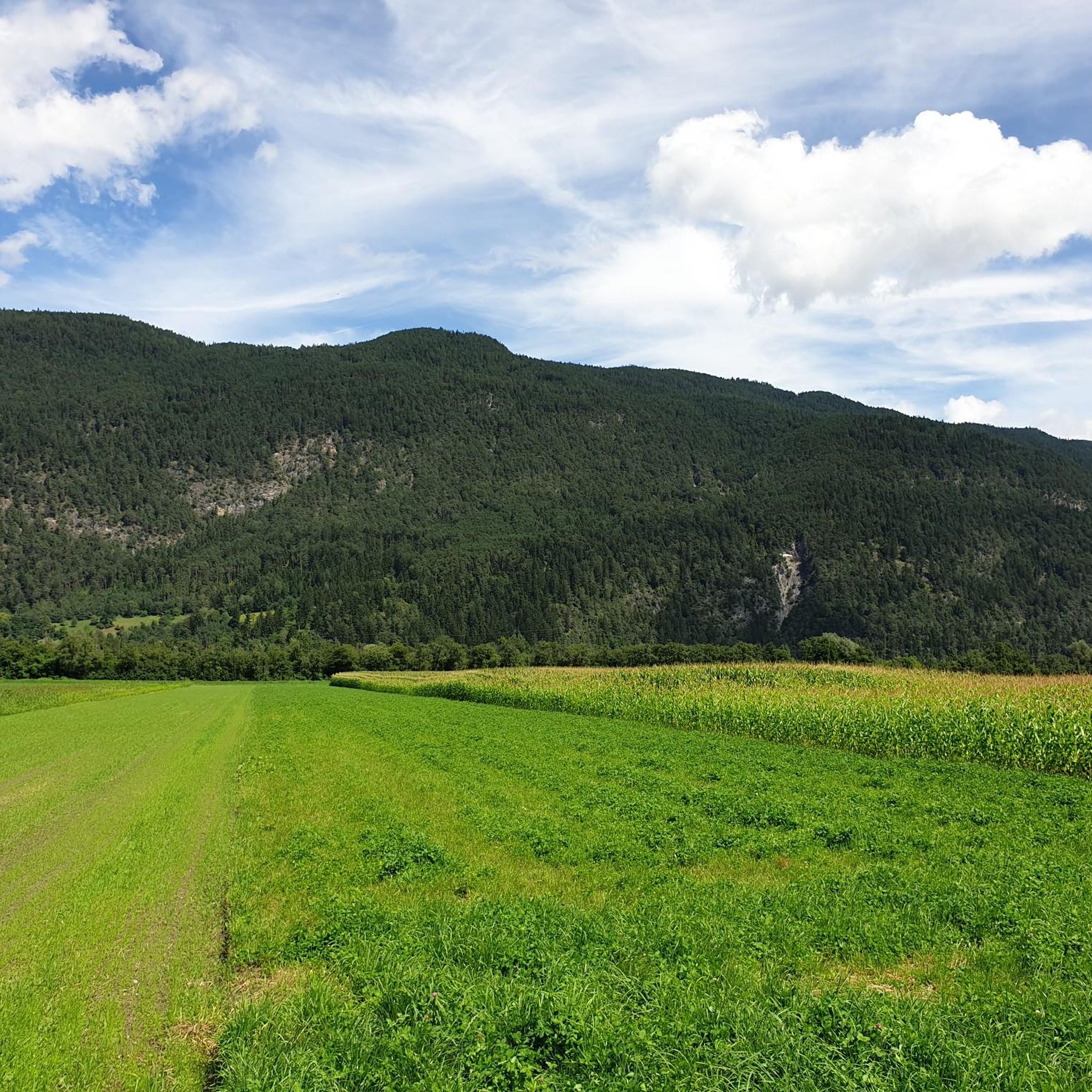
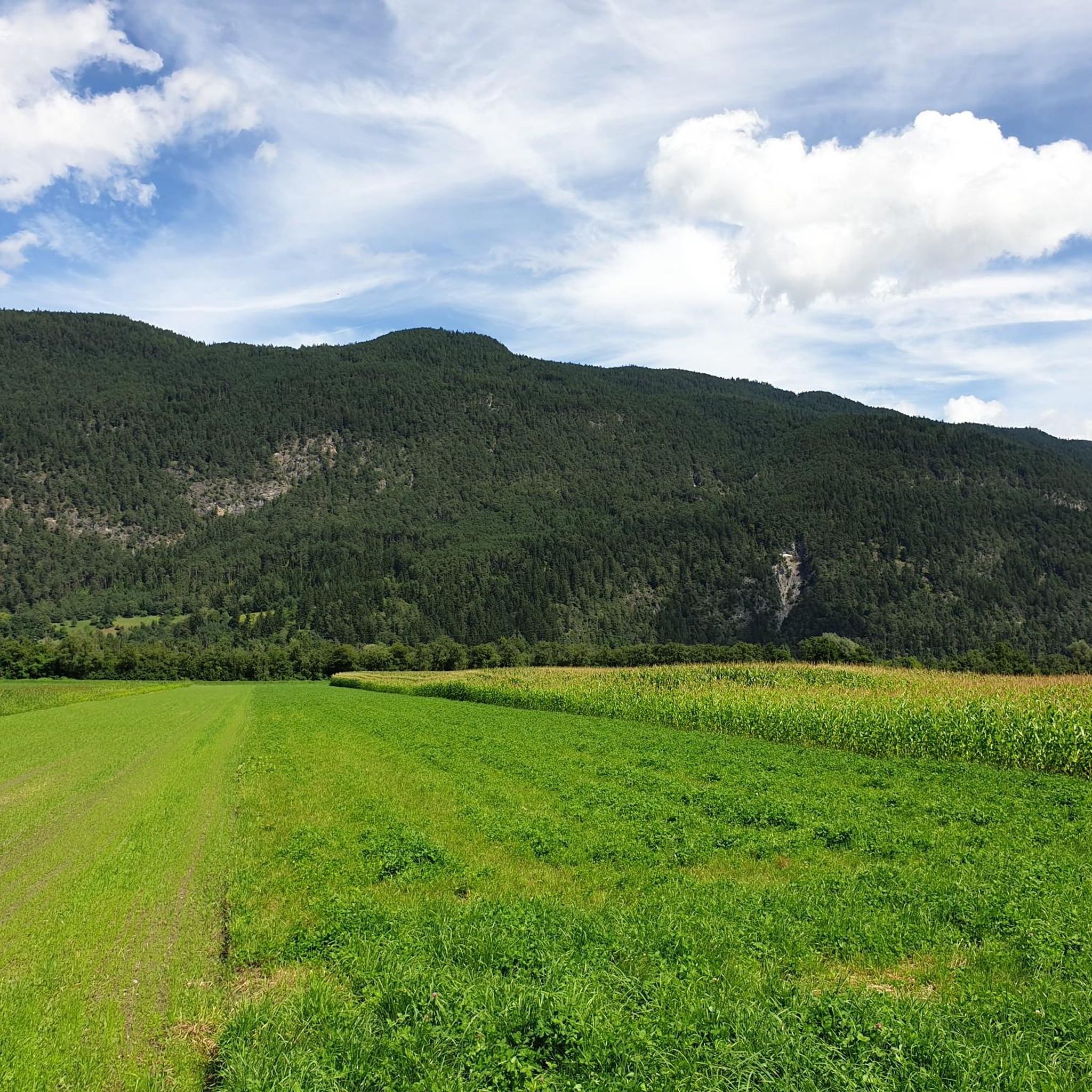
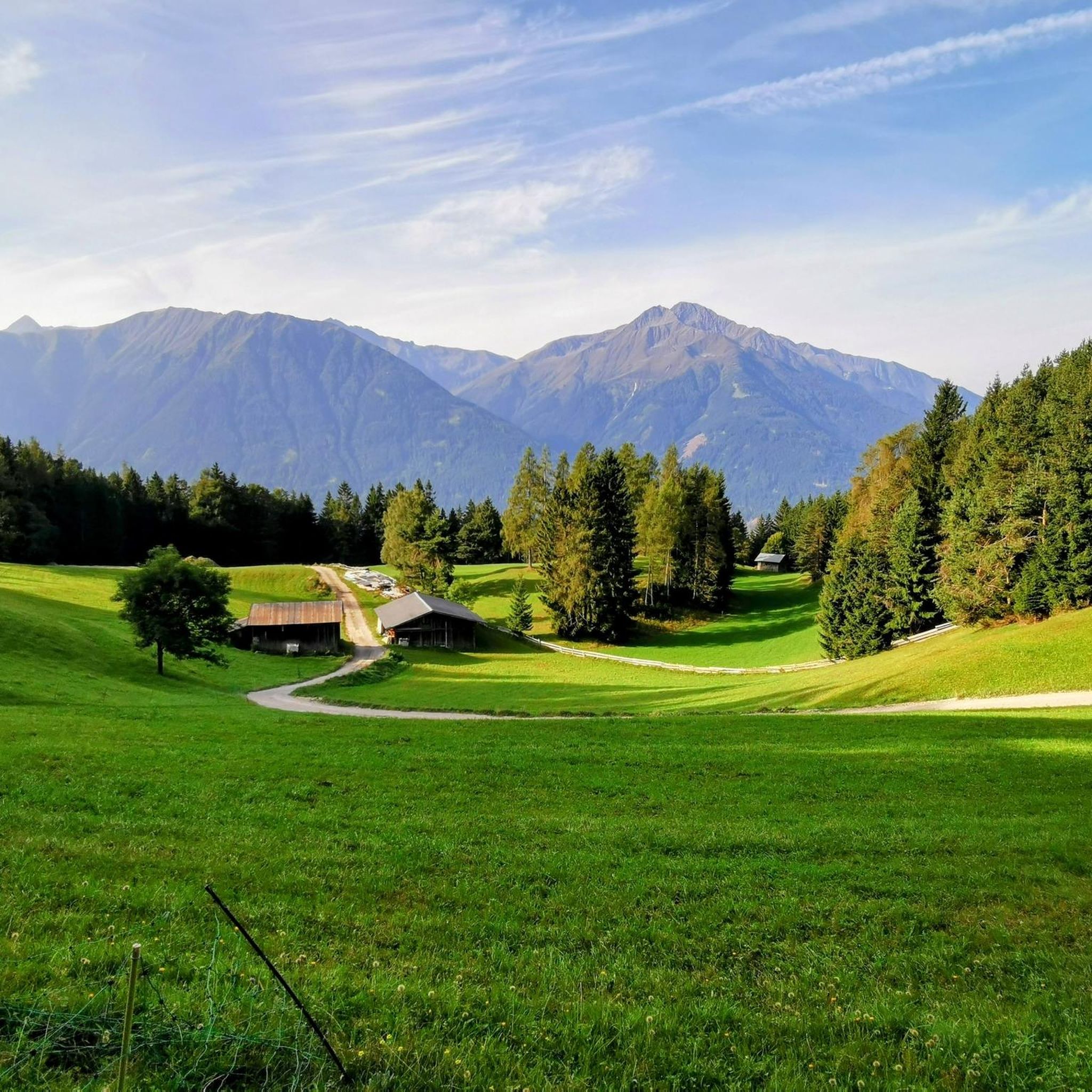
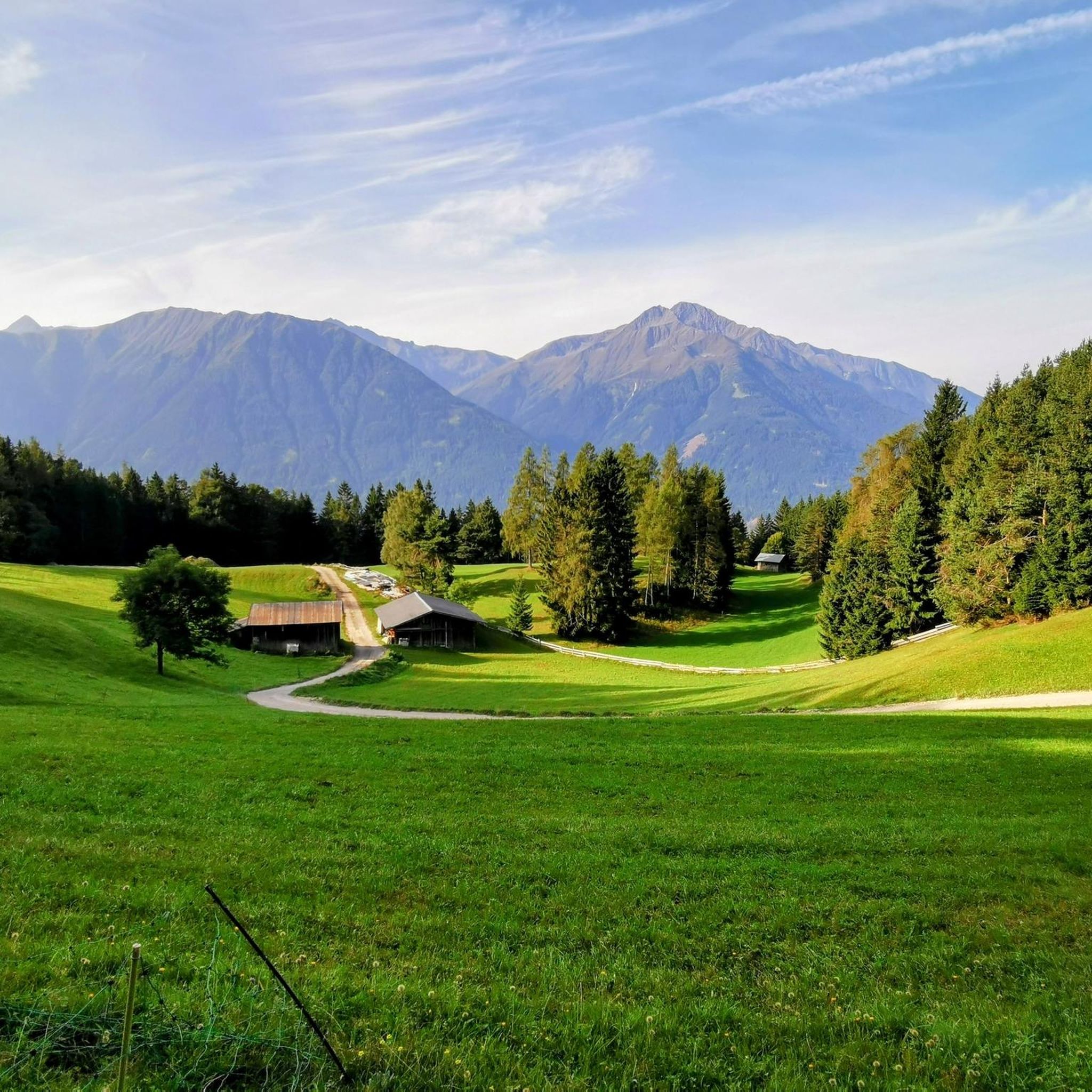
In the morning or evening hours when the sun is low and the mountains cascade with shadows, a dream on the bike. Provided there is little traffic, which is usually the case.
0
0

Cafés invite you to linger
0
0

Perfect if you feel like blasting
0
0


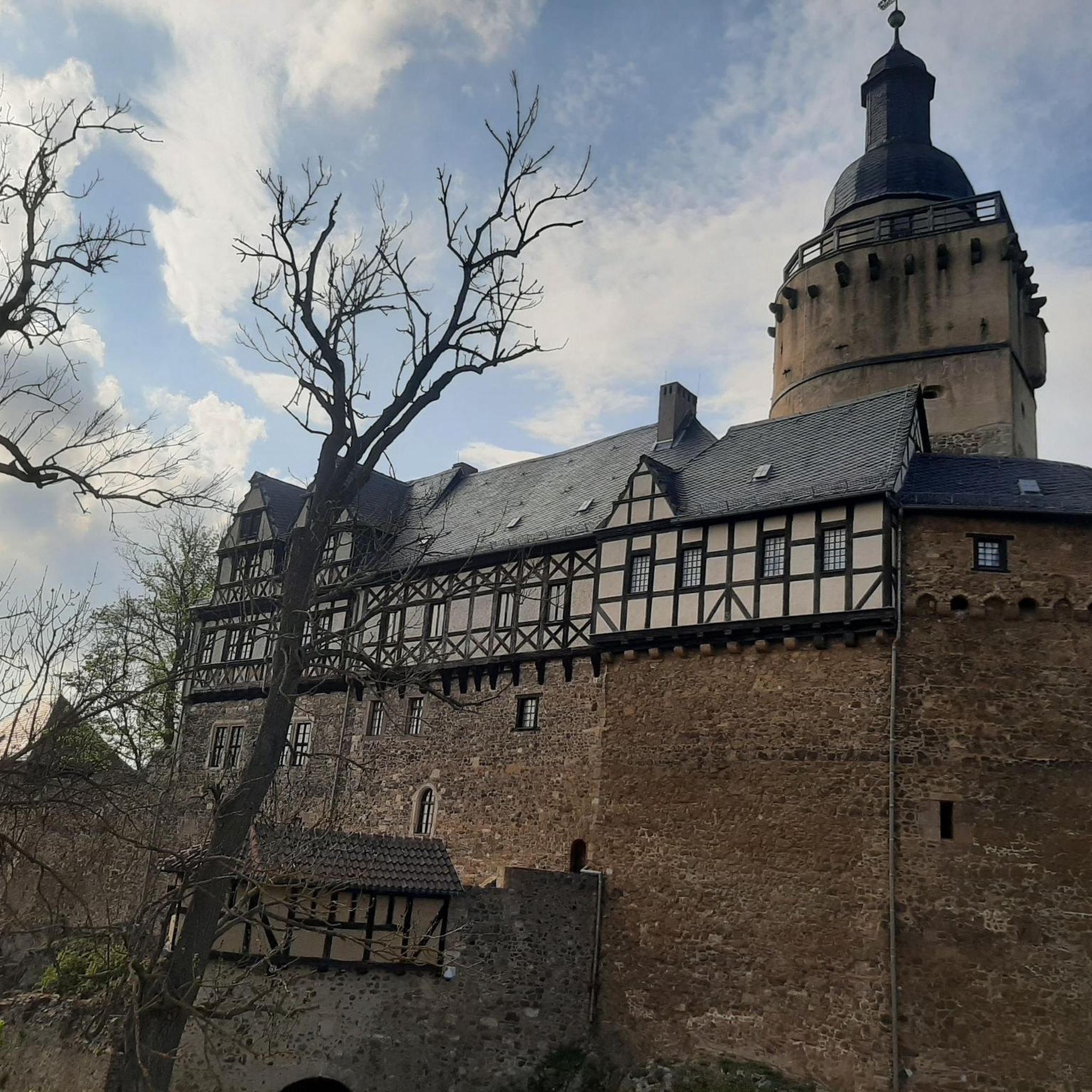
Stift Stams – Baroque gem on the Inntal Cycle Path - is a magnificent Cistercian monastery in the Tyrolean Inntal valley, founded in 1273. It is particularly known for its baroque collegiate church with twin towers, the richly decorated high altar, the princely crypt, and the atmospheric Bernardi Hall. Today, the monastery is not only a spiritual center but also a place of education (with its own grammar school) and culture. Due to its location directly on the Inntal Cycle Path, the monastery is ideally suited as a stage destination or stopover for cyclists. The tranquil monastery courtyard, the café in the monastery grounds, and the option for a guided tour offer cycle tourists a relaxing and culturally enriching break. The view of the surrounding Tyrolean mountains also makes the visit worthwhile.
5
1


History of the Cistercian Monastery of Stams The Cistercian Monastery of Stams was founded in 1272 by Count Meinhard II of Gorizia-Tyrol as a burial place for the Tyrolean princes in memory of the last Hohenstaufen dynasty, Conradin, and settled a year later. The monastery's Baroque and Rococo furnishings date from between 1650 and 1750. A monastery school has been documented since the 17th century. The monastery was dissolved in 1807 and re-established in 1816 under Emperor Francis I. In 1938, the foundation was dissolved again by the Nazi regime. A new beginning was made in 1945. Monks from the Cistercian monastery of Stična (Parakeet) in Slovenia made a significant contribution to the abbey's revival. Text / Source: MEDIA OFFICE OF THE RELIGIOUS ORDER ORDERS AUSTRIA, Vienna https://www.ordensgemeinschaften.at/portal/ordensgemeinschaften/ordenswiki/address/589.html#:~:text=The Cistercian monastery of Stams was founded in 1272 by Count Meinhard and dates back to the period between 1650 and 1750.
18
1
Frequently Asked Questions
What types of road cycling routes can I find around Flaurling?
Flaurling offers a diverse range of road cycling routes, from leisurely rides along the Inn Valley Cycle Path to challenging ascents in the foothills of the Tux Alps. You'll find routes with varying elevation gains and distances, catering to different fitness levels.
Are there easy road cycling routes suitable for beginners or families in Flaurling?
Yes, Flaurling has several easy road cycling routes. The Inn Valley Cycle Path, for instance, provides mostly well-paved surfaces and relatively flat terrain, making it ideal for leisurely rides. One such route is the Schlierenzau Suspension Bridge – Stams Abbey loop from Oberhofen im Inntal, which is an easy 30.1-mile path.
Where can I find challenging road cycling routes with significant climbs?
For more challenging rides, the mountainous terrain towards the Tux Alps offers routes with significant elevation gain. An example is the Hasegg Castle – Axamer Plateau loop from Flaurling, which is a difficult 51-mile route with over 900 meters of ascent. The region's proximity to the Tux Alps ensures rigorous experiences for experienced cyclists.
What scenic viewpoints or natural features can I expect along the routes?
Road cycling routes around Flaurling offer stunning views of the Inn Valley and the surrounding mountains. You can expect picturesque river views, especially along the Inn Valley Cycle Path. The region also boasts numerous viewpoints, such as the View of Telfs and the Inn Valley, and the majestic Seefelder Joch Summit & Panoramic Viewpoint, which can be incorporated into longer rides.
Are there any notable landmarks or attractions to see while road cycling in Flaurling?
Absolutely. Many routes pass by or near interesting landmarks. For instance, the Schlierenzau Suspension Bridge – Stams Abbey loop from Oberhofen im Inntal takes you past the historic Stams Abbey. Other attractions include the Kühtai Pass and Seefeld Pass, which are popular destinations for cyclists seeking mountain challenges.
What do other road cyclists think about the routes in Flaurling?
The road cycling routes in Flaurling are highly rated by the komoot community, with an average score of 4.6 stars from over 140 reviews. Cyclists often praise the varied terrain, from the serene valley paths to the challenging mountain climbs, and the well-maintained roads that make for enjoyable scenic rides.
Can I find loop routes for road cycling in Flaurling?
Yes, many of the road cycling routes around Flaurling are designed as loops, allowing you to start and end in the same location. Examples include the popular Inn Valley Cycle Path – View of the Martinswand loop from Flaurling and the more demanding View of the Martinswand – Gnadenwald Plateau loop from Flaurling.
What is the best time of year for road cycling in Flaurling?
The region is generally excellent for road cycling during the warmer months, typically from spring through autumn. The Inn Valley offers wind-sheltered conditions, making it pleasant for riding. For higher mountain passes, late spring to early autumn is usually best to avoid snow and ice.
Are there options for food and drink along the road cycling routes?
While specific cafes and pubs directly on every route are not detailed, the villages along the Inn Valley Cycle Path and in the wider Flaurling area, such as Zirl, Völs, and Innsbruck, offer various amenities including cafes, restaurants, and pubs where cyclists can refuel and rest.
Is parking available for cyclists in Flaurling?
Yes, Flaurling and its surrounding villages typically offer parking options. While specific designated cyclist parking areas are not detailed, you can usually find public parking in the town centers or near popular starting points for routes.
How many road cycling routes are available in the Flaurling area?
There are over 50 road cycling routes available around Flaurling, offering a wide selection for all skill levels. This includes 13 easy routes, 30 moderate routes, and 16 difficult routes, ensuring there's something for every cyclist.
Most popular attractions around Flaurling

Get inspired with the komoot mobile app


Explore more
Browse the best Road cycling routes in other regions.
