Top 17 Castles around Stronsdorf
Castles around Stronsdorf offer a journey through the historical landscape of Lower Austria's Weinviertel region. The area features sites ranging from ancient settlements and transformed aristocratic residences to the remnants of medieval strongholds. This region provides insights into centuries of aristocratic life and defensive architecture. Visitors can explore both well-preserved structures and significant ruins, reflecting the area's rich past.
Best castles around Stronsdorf
- The most popular castles is Jaroslavice Castle, a historical site that features a Renaissance chateau with…
Last updated: May 11, 2026
Jaroslavice Castle
Highlight • Castle
Translated by Google •
Tip by

Hanselburg Ruins
Highlight • Castle
Translated by Google •
Tip by

Sign up now to discover places like this
Get recommendations on the best single tracks, peaks, & plenty of other exciting outdoor places.
Sign up for free
Laa Castle
Highlight • Castle
Translated by Google •
Tip by

Hanslburg Ruins
Highlight • Castle
The Hanselburg is the artificial ruin of a hilltop castle in a wooded area in Lower Austria's Loosdorf in the Weinviertel.
The Hanslburger …
Translated by Google •
Tip by

Seefeld Castle
Highlight • Castle
Translated by Google •
Tip by

Sign up for free to discover even more castles around Stronsdorf.
Sign up for free
Already have an account?
Start today with a free account
Your next adventure awaits.
Login or Signup
Tips from the Community

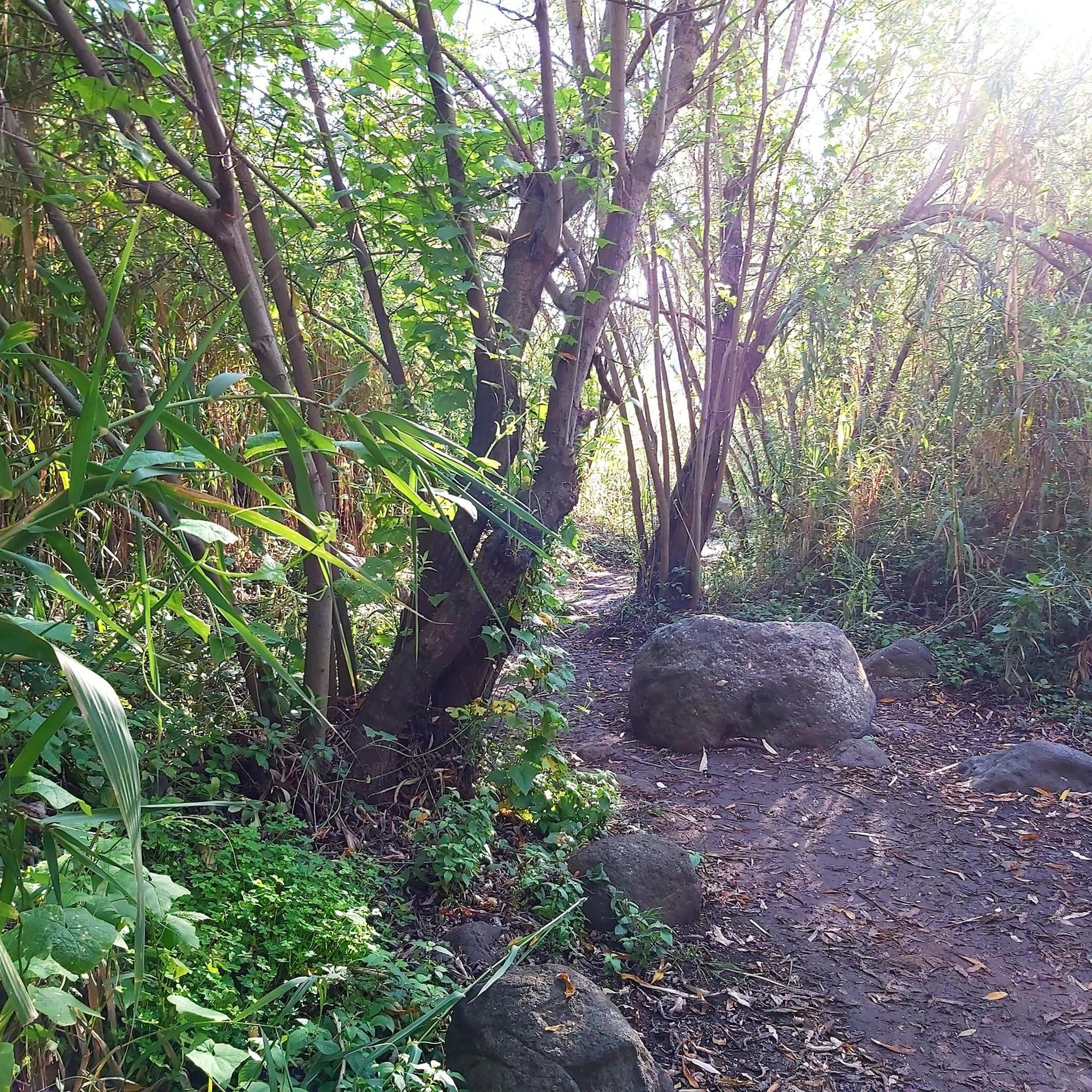
Beautiful castle ruins, which were supposedly built as ruins from the start.
0
0

Admission to the courtyard is free, entry to the observation tower is €2 per person.
0
0

The Hanselburg is the artificial ruin of a hilltop castle. In 1800, Prince Johann I of Liechtenstein had the romantic artificial ruin built on the remains of an old local mountain complex as a hunting pavilion and snack bar.
0
0

Built by Prince Lichtenstein in the 18th century.
2
1

Laa Castle stands in the northeast corner of Burgplatz. An imposing building made of stone walls with a butter churn tower and a low square battle tower was mainly used to supply and secure the weir. The castle was built in the 13th century. In 1564 almost the entire town and parts of the fortifications and the castle were burnt down by a conflagration. Around 1786 the castle went into private ownership. In 2007, Laa Castle was bought by the municipality of Laa. The castle has been renovated in recent years and since 2018 the butter churn tower and the inner courtyard of the castle have been open to the public daily from 10 a.m. to 6 p.m.
0
0
Laa Castle stands in the northeast corner of Burgplatz. An imposing building made of stone walls with a butter churn tower and a low square battle tower was mainly used to supply and secure the weir. The castle was built in the 13th century. In 1564 almost the entire town and parts of the fortifications and the castle were burnt down by a conflagration. Around 1786 the castle went into private ownership. In 2007, Laa Castle was bought by the municipality of Laa. The castle has been renovated in recent years and since 2018 the butter churn tower and the inner courtyard of the castle have been open to the public every day from 10 a.m. to 6 p.m. In November 2019, the castle hall and the toilet facilities were also presented to the public. The Laaer beer museum can be visited in the south wing.
0
0

Probably the most beautiful forgotten ruin - the Jaroslavice castle, unfortunately the architectural gem is the victim of a dispute between the Austrian owner and the descendants of the last owners, so it is still dilapidated but still worth a visit.
2
0

Beautiful castle complex, but privately owned. Therefore, visits are normally not possible. Unfortunately, the property is also very overgrown in summer, so you can hardly catch a glimpse of it from the outside.
0
0
Frequently Asked Questions
What are some of the most historically significant castles in the immediate Stronsdorf area?
While Stronsdorf itself features Schloss Stronsdorf, which evolved from an earlier manor, and the site of the destroyed Burg Stronegg, the broader region of Lower Austria offers more prominent historical sites. Schloss Stronsdorf provides insight into regional aristocratic life, while Burg Stronegg's site marks a medieval defensive structure destroyed in 1444.
Are there any castles near Stronsdorf that are family-friendly?
Yes, Laa Castle is noted as family-friendly. It houses a beer museum, and for a small fee, you can climb its tower when open, offering an engaging experience for all ages. Seefeld Castle is also categorized as family-friendly, though it can only be viewed from the outside as it is a private residence.
What kind of outdoor activities can I do near the castles around Stronsdorf?
The area around Stronsdorf is excellent for various outdoor activities. You can find numerous routes for easy hikes, such as the 'Oberleis Observation Tower – Au Chapel loop' or the 'Hiking loop from Unterstinkenbrunn'. For more challenging adventures, there are MTB trails and gravel biking routes, including the 'Leiser Hill Tour Forest Trail' and routes incorporating castles like 'Weyerburg Castle'.
Which castles near Stronsdorf offer the best views?
While not directly in Stronsdorf, the broader Lower Austria region boasts castles with spectacular views. Aggstein Castle Ruins, perched 300 meters above the Danube, offers phenomenal panoramic views of the Wachau. Similarly, Dürnstein Castle Ruins, famous for its historical significance, also provides breathtaking vistas from its elevated position.
Are there any unique or 'hidden gem' castles to visit near Stronsdorf?
The Hanselburg Ruins (also known as Hanslburg) is a unique artificial ruin built in 1800 by Prince Johann I of Liechtenstein. It served as a romantic hunting pavilion and snack station. It's hidden in a wooded area near Loosdorf, offering a different kind of castle experience compared to traditional fortresses.
What is the best time of year to visit castles around Stronsdorf?
The best time to visit castles in the Lower Austria region, including those accessible from Stronsdorf, is generally during the spring (April-May) and autumn (September-October). During these seasons, the weather is pleasant for exploring, and the natural scenery, especially in areas like the Wachau, is particularly beautiful. Summer (June-August) is also popular, though it can be warmer.
Can I find cafes or restaurants near the castles in the Stronsdorf area?
In Stronsdorf itself, Schloss Stronsdorf has a high-class 'Heurigenlokal' (traditional Austrian wine tavern) in an annex, offering local cuisine and wine in a historical setting. For other castles, amenities vary, but many towns in the broader Weinviertel region will have cafes and restaurants.
Are there any castles near Stronsdorf that are well-preserved or restored?
While Jaroslavice Castle is currently in need of renovation, other castles in Lower Austria are well-preserved. Rosenburg Castle, for instance, is a magnificent Renaissance castle overlooking the Kamp Valley, showcasing impressive fortifications and state rooms. Grafenegg Castle is another example, known for its beautiful architecture and as a venue for concerts.
What historical periods do the castles around Stronsdorf represent?
The castles in and around Stronsdorf represent a broad spectrum of history. Sites like Burg Stronegg date back to medieval times (destroyed 1444), while Laa Castle was built in the 13th century. Jaroslavice Castle evolved into a Renaissance chateau with Baroque modifications. Hanselburg Ruins is a 19th-century romantic artificial ruin, and Kreuzenstein Castle is a 19th-century Gothic revival reconstruction, blending various medieval and Renaissance elements.
Are there any castles near Stronsdorf with unique features or collections?
Yes, several castles offer unique features. Laa Castle houses a beer museum. Kreuzenstein Castle, north of Vienna, is known for its collection of medieval torture instruments and extensive art and weaponry. Rosenburg Castle features an impressive tournament courtyard and arcades.
What do visitors enjoy most about the castles around Stronsdorf?
Visitors appreciate the historical depth and variety of the castles. For example, Jaroslavice Castle is admired from afar for its historical architecture, even in its current state. The Hanselburg Ruins are enjoyed for their romantic setting and unique history as a hunting pavilion. Laa Castle is popular for its climbable tower and beer museum. The komoot community has shared 124 photos and given 146 upvotes, indicating a strong appreciation for the region's historical sites.
Are there any castles near Stronsdorf that are accessible by public transport?
While direct public transport to every castle ruin might be limited, larger towns in the Weinviertel region, such as Laa an der Thaya (home to Laa Castle), are generally well-connected by regional buses or trains. From these towns, local transport or a short taxi ride might be necessary to reach specific castle sites. For detailed public transport information, it's best to check local schedules for your specific destination.
Most popular attractions around Stronsdorf

Get inspired with the komoot mobile app


Explore more
Looking for the best castles somewhere else? Discover other guides around Stronsdorf:
