Attractions and Places To See around Quilcene - Top 11
Best attractions and places to see around Quilcene include a diverse array of natural features and historical sites. Located on the Olympic Peninsula, this area is characterized by its extensive forests, mountain peaks, and bays. Visitors can explore significant landmarks and enjoy the natural landscapes of the Olympic National Forest. The region offers opportunities to experience both cultural history and outdoor activities.
Best attractions and places to see around Quilcene
- The most popular attractions is Mount Walker North Viewpoint, a viewpoint that offers 360-degree views including Mount Jupiter, Mount Constance, and Mount Baker on clear days. The climb to this viewpoint is challenging but provides extensive panoramic vistas.
- Another must-see spot is Mount Townsend, an alpine summit. This destination provides panoramic views of the San Juan Islands, the Olympic Mountains, and the Cascades, with rhododendrons and wildflowers blooming in spring.
- Visitors also love Forest Road 2730, a trail that winds around the northern portion of Mount Walker. This road leads to a summit with two viewpoints, offering panoramic views and amenities like benches and restrooms.
- Quilcene is known for its historical landmarks, diverse natural features, and numerous mountain summits. The area offers a variety of attractions to see and explore, from museums to extensive forest trails.
- The attractions around Quilcene are appreciated by the komoot community, with 4 photos and 2 upvotes.
Last updated: October 1, 2026
Mount Walker North Viewpoint
Highlight • Viewpoint
On exceptionally clear days, you'll even spot Mt. Baker to the northeast, the state's fourth-highest peak with a remarkable glacial system.
Tip by

Mount Zion
Highlight • Summit
Tip by

Sign up now to discover places like this
Get recommendations on the best single tracks, peaks, & plenty of other exciting outdoor places.
Mt. Zion Trail #836
Highlight (Segment) • Trail
Tip by
Mount Townsend
Highlight • Summit
Tip by
Lower Big Quilcene Trail
Highlight (Segment) • Trail
Tip by
Sign up for free to discover even more attractions around Quilcene.
Already have an account?
Start today with a free account
Your next adventure awaits.
Popular around Quilcene
Tips from the Community

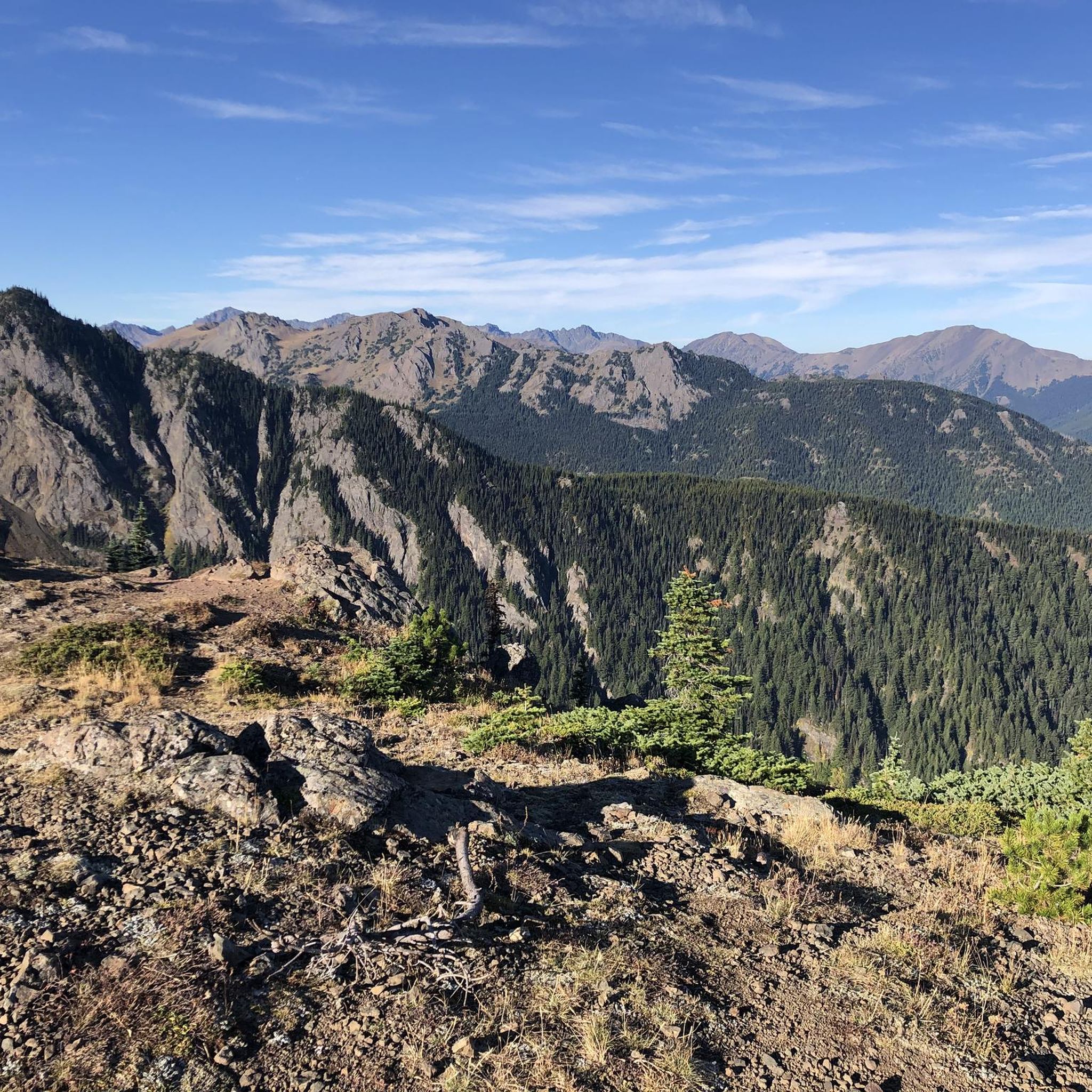
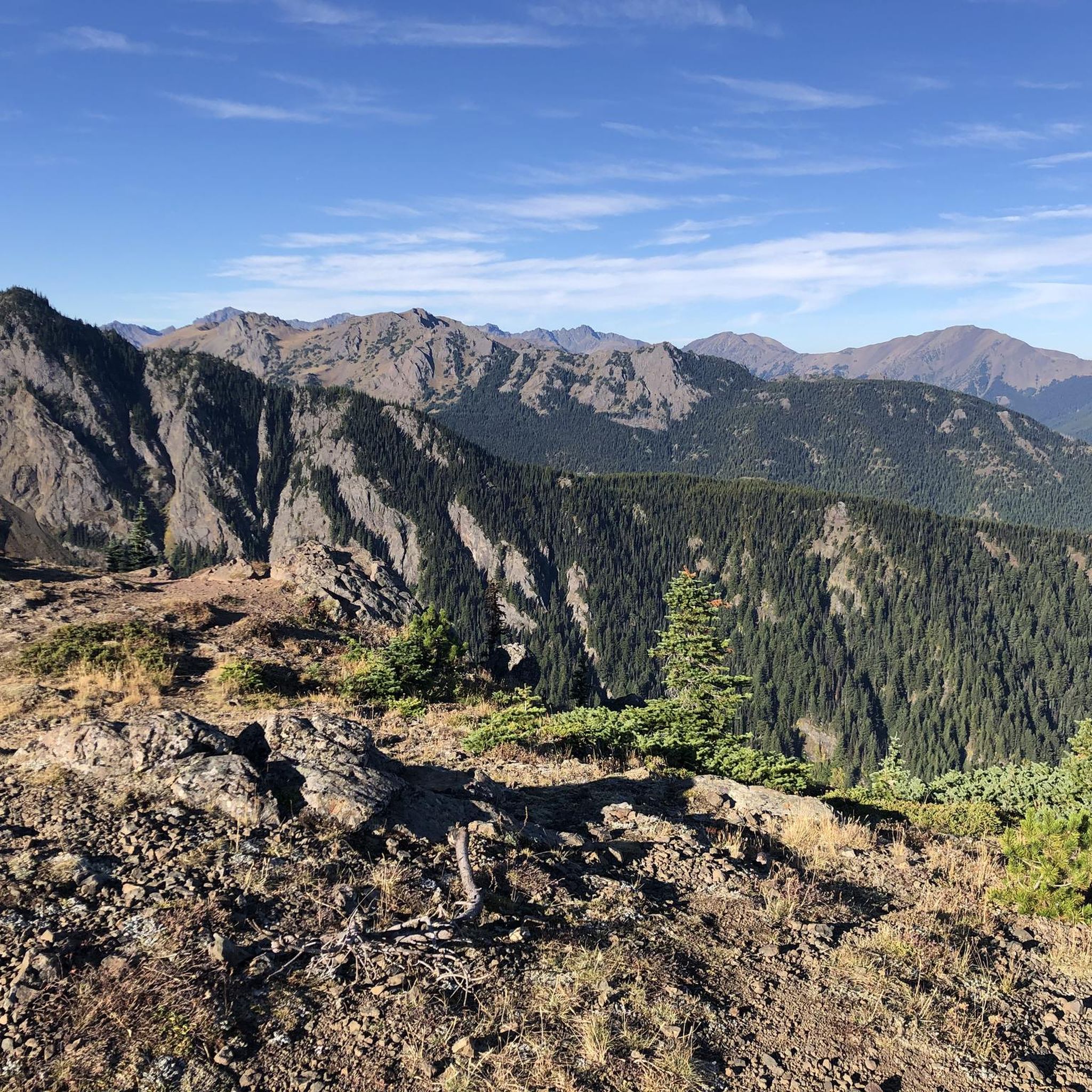
The climb up can be a challenge, but the rewards are well worth it. From this viewpoint, you're treated to stunning 360 views. To the west, you'll catch a glimpse of Mt. Jupiter, the nearest high peak to Hood Canal. Further on, Mt. Constance stands as the third-highest peak in the Olympics, with its awe-inspiring rock faces. On exceptionally clear days, you'll even spot Mt. Baker to the northeast, the state's fourth-highest peak with a remarkable glacial system.
0
0

This multi-use trail is an easy lowland forested route that is excellent for a run in spring, summer and fall. The moss-lined path is beautiful, running through a young forest before winding past majestic giant old-growth cedars. In spring and summer, rhododendrons are in full bloom, adding a splash of color along the way, and there are plenty of trees to provide shelter from precipitation in the fall.
0
0
Mount Townsend is a widely popular destination for good reason. This beautiful alpine turtleback summit surrounded by the Welch Peaks offers panoramic views of the San Juans to the north across the Straight, the Olympics to the west, and east across the Sound to the Cascades. In the spring, there are lots of rhododendrons and wildflowers in bloom. You can even see a few waterfalls tucked away in the old-growth forest.
0
0
Mount Zion is among the most northeastern peaks in the Olympic National Forest, where you can catch glimpses of Mt. Baker, Mt. Shuksan and Mt. Rainier through the trees. There is a rocky ridge a tenth of a mile northwest from the summit that is worthy of a photo. The ridge drops off to the southwest, where you can see evidence that it was once a popular rock climbing destination by a few old bolts scattered around. The views from here are somewhat limited; however, the Snow Creek Trail connects to the Mt. Zion Trail, and if you follow it for about a half mile, you can see fantastic views of Mt. Townsend, the Olympic Mountains and Gray Wolf Ridge.
0
0
This trail takes you on a relatively steady climb to the top of Mount Zion. When you reach the last .08 miles of the route, the path levels off before increasing in elevation, similar to stairs, for a nice challenge. Along the way, there are a few side trails with beautiful viewpoints. If you explore these during your run, be cautious, as these spots have drop-offs. Once you reach the summit, this trail connects to the Snow Creek Trail, where you can catch some fantastic views of Mt. Townsend on a clear day.
0
0
The climb up can be a challenge, but the rewards are well worth it. From this viewpoint, you're treated to stunning 360 views. To the west, you'll catch a glimpse of Mt. Jupiter, the nearest high peak to Hood Canal. Further on, Mt. Constance stands as the third-highest peak in the Olympics, with its awe-inspiring rock faces. On exceptionally clear days, you'll even spot Mt. Baker to the northeast, the state's fourth-highest peak with a remarkable glacial system.
0
0
Frequently Asked Questions
What natural attractions can I explore in the Quilcene area?
Quilcene offers a rich variety of natural features. You can visit Mount Townsend for panoramic views and wildflowers, or the Mount Walker North Viewpoint for stunning 360-degree vistas. The Olympic National Forest, including areas like the Lower Big Quilcene Trail and Dabob Bay Natural Area, provides extensive opportunities for hiking and enjoying diverse ecosystems. Quilcene Bay is also known for its oyster culture.
Are there any historical or cultural sites to visit in Quilcene?
Yes, Quilcene has several significant historical and cultural sites. The Quilcene Historical Museum at Worthington Park preserves the unique history of the North Hood Canal area, featuring rotating exhibits and the historic Worthington House. Other notable sites include the Hamilton-Worthington House, the Oatman House, and the Quilcene Ranger Station, one of the oldest in the Olympic National Forest.
What are some popular hiking trails near Quilcene?
The Quilcene area is excellent for hiking. Popular options include the challenging climb to Mount Walker North Viewpoint, the scenic trails leading to Mount Townsend, and the Mt. Zion Trail #836. The Lower Big Quilcene Trail is also a multi-use route winding through young and old-growth forests. For more options, you can explore the various routes listed in the Hiking around Quilcene guide.
Where can I find panoramic views around Quilcene?
For breathtaking panoramic views, head to Mount Walker North Viewpoint, which offers 360-degree vistas of Mount Jupiter, Mount Constance, Mount Baker, and Puget Sound on clear days. Mount Townsend also provides extensive views of the San Juan Islands, the Olympic Mountains, and the Cascades. Additionally, Forest Road 2730 leads to a summit with two viewpoints on Mount Walker.
Are there family-friendly activities or trails in Quilcene?
Yes, Quilcene offers several family-friendly options. Worthington Park, home to the Quilcene Historical Museum, has a walking trail along the Little Quilcene River, a picnic area, and benches by Hamilton Pond for birdwatching. The Dabob Bay Natural Area also provides diverse trails suitable for various skill levels, perfect for family walks. The Lower Big Quilcene Trail is another accessible lowland forest route that families can enjoy.
What kind of wildlife can I expect to see in the Quilcene area?
The natural areas around Quilcene are home to various wildlife. In places like the Dabob Bay Natural Area, you might encounter deer, raccoons, and bald eagles. The region's forests and bays provide habitats for a diverse range of birds and mammals, making it a great spot for wildlife viewing.
What is the best time to visit Quilcene for outdoor activities?
Spring, summer, and fall are generally excellent times to visit Quilcene for outdoor activities. In spring, you'll find rhododendrons and wildflowers in bloom, particularly on trails like Mount Townsend. The warmer months are ideal for hiking and exploring the numerous trails in the Olympic National Forest. Always check local weather forecasts before heading out.
Are there any trails suitable for running near Quilcene?
Absolutely! The Quilcene area has several trails popular with runners. The Lower Big Quilcene Trail is an accessible lowland forest route perfect for a run. You can also find more challenging running routes like the Mount Townsend Trail and the Mount Walker Trail loop. For a comprehensive list, check out the Running Trails around Quilcene guide.
Can I bring my dog on trails in the Quilcene area?
Many trails in the Olympic National Forest and surrounding areas are dog-friendly, but it's always best to check specific regulations for each trail or park. Generally, dogs are welcome on leash on most national forest trails. Always practice Leave No Trace principles and clean up after your pet.
Are there any hidden gems or less-known spots worth visiting in Quilcene?
While popular spots like Mount Townsend and Mount Walker are well-loved, exploring the quieter sections of the Dabob Bay Natural Area can feel like a hidden gem, offering serene landscapes and wildlife viewing away from crowds. The Quilcene National Fish Hatchery, operating since 1911, also offers a unique glimpse into local conservation efforts at the confluence of the Big Quilcene River and Penny Creek.
What are the difficulty levels of hiking trails around Quilcene?
Hiking trails around Quilcene range from moderate to difficult. For instance, the Mt. Zion Trail #836 offers a relatively steady climb with some challenging sections. The climb to Mount Walker North Viewpoint is considered challenging, while the Lower Big Quilcene Trail is generally moderate. Always review trail descriptions and prepare accordingly for your chosen route.
Are there any lakes or water bodies for recreation near Quilcene?
Yes, Quilcene is close to several beautiful water bodies. Quilcene Bay is renowned for its oyster culture and offers scenic views. Further afield, Lakes Leland and Crocker provide additional opportunities to explore the outdoors, whether for fishing, kayaking, or simply enjoying the lakeside scenery.
Most popular routes around Quilcene
Most popular attractions around Quilcene

Get inspired with the komoot mobile app


Explore more
Still not found the Highlight you’re looking for? See guides of the top attractions in other regions:
