Attractions and Places To See around Spannberg - Top 20
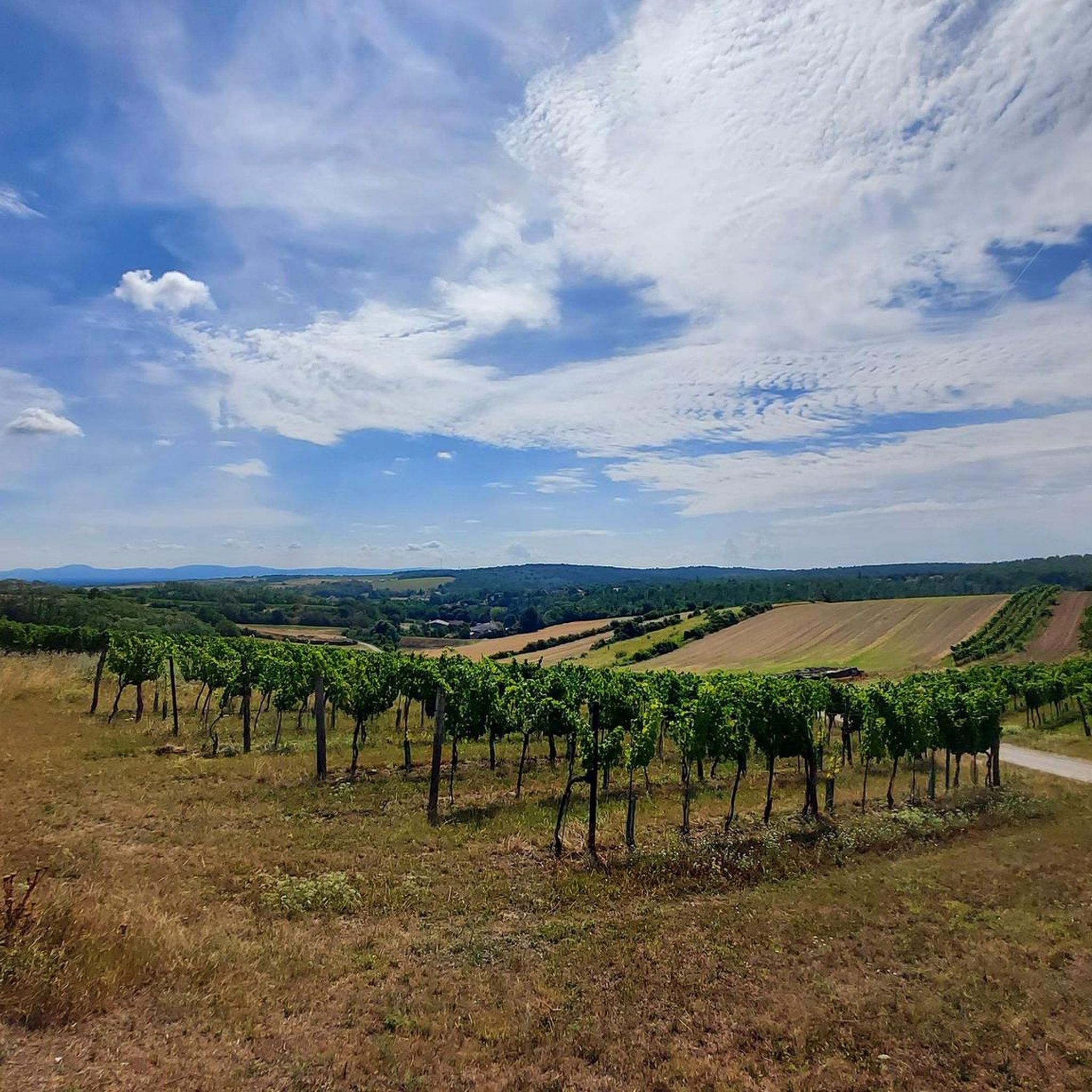
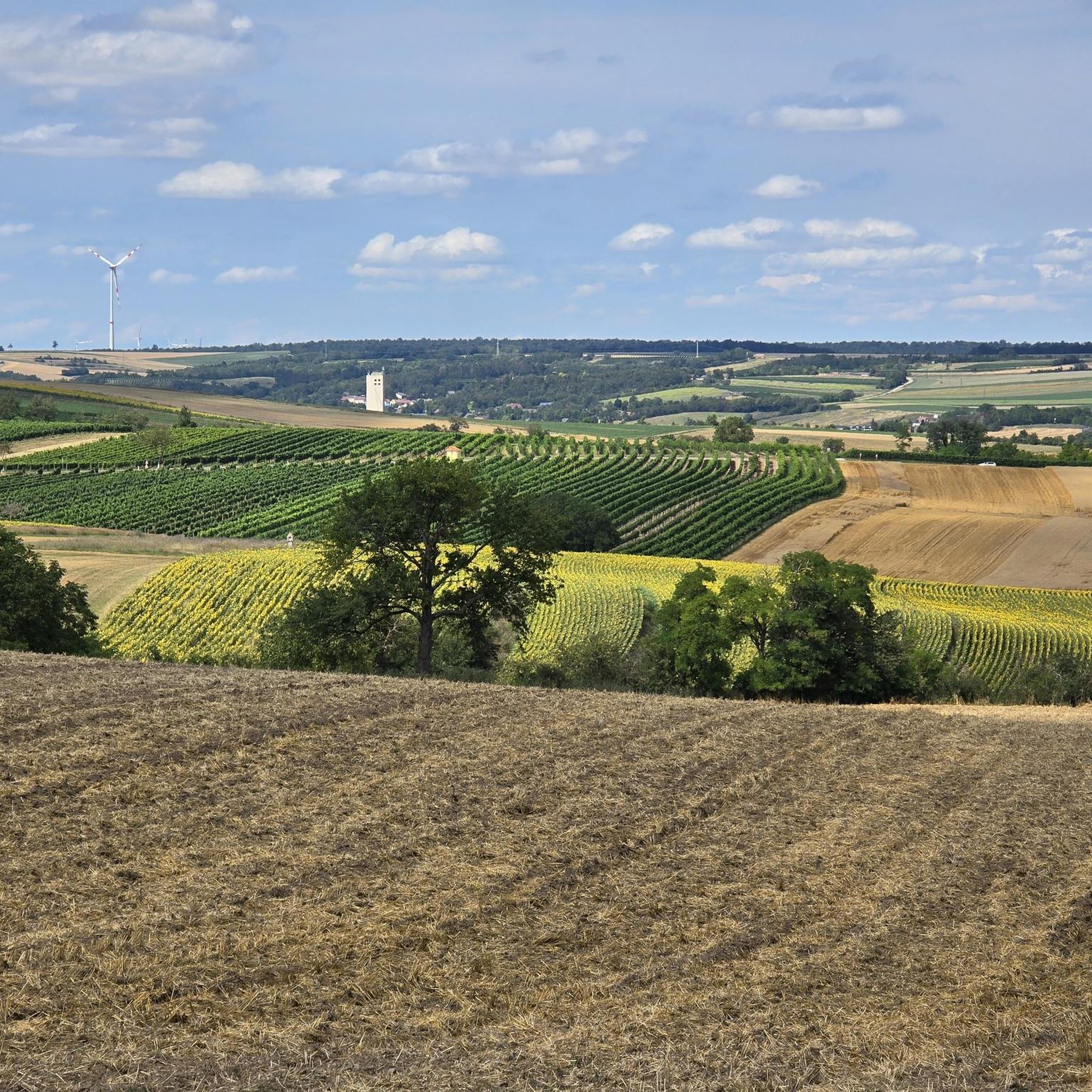
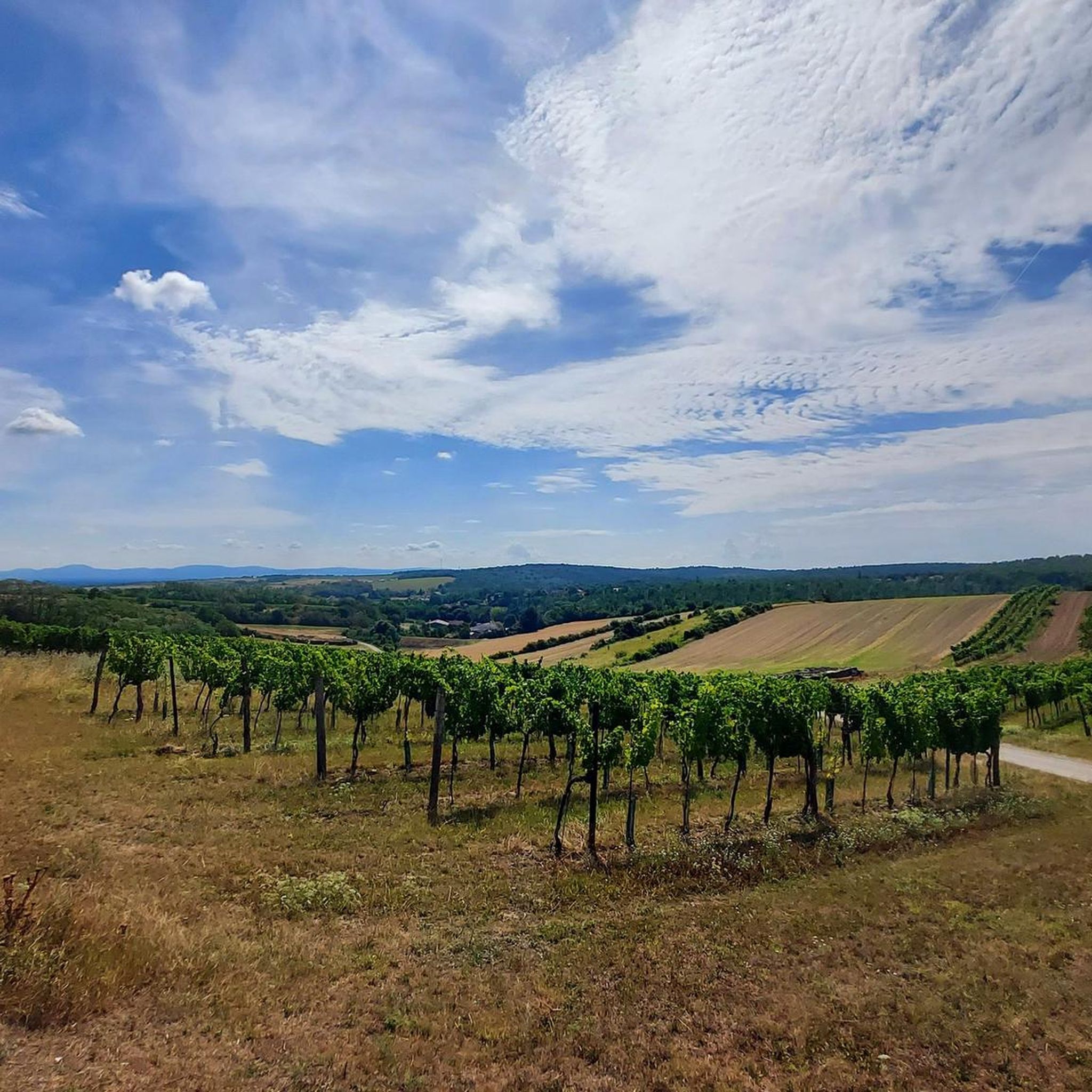
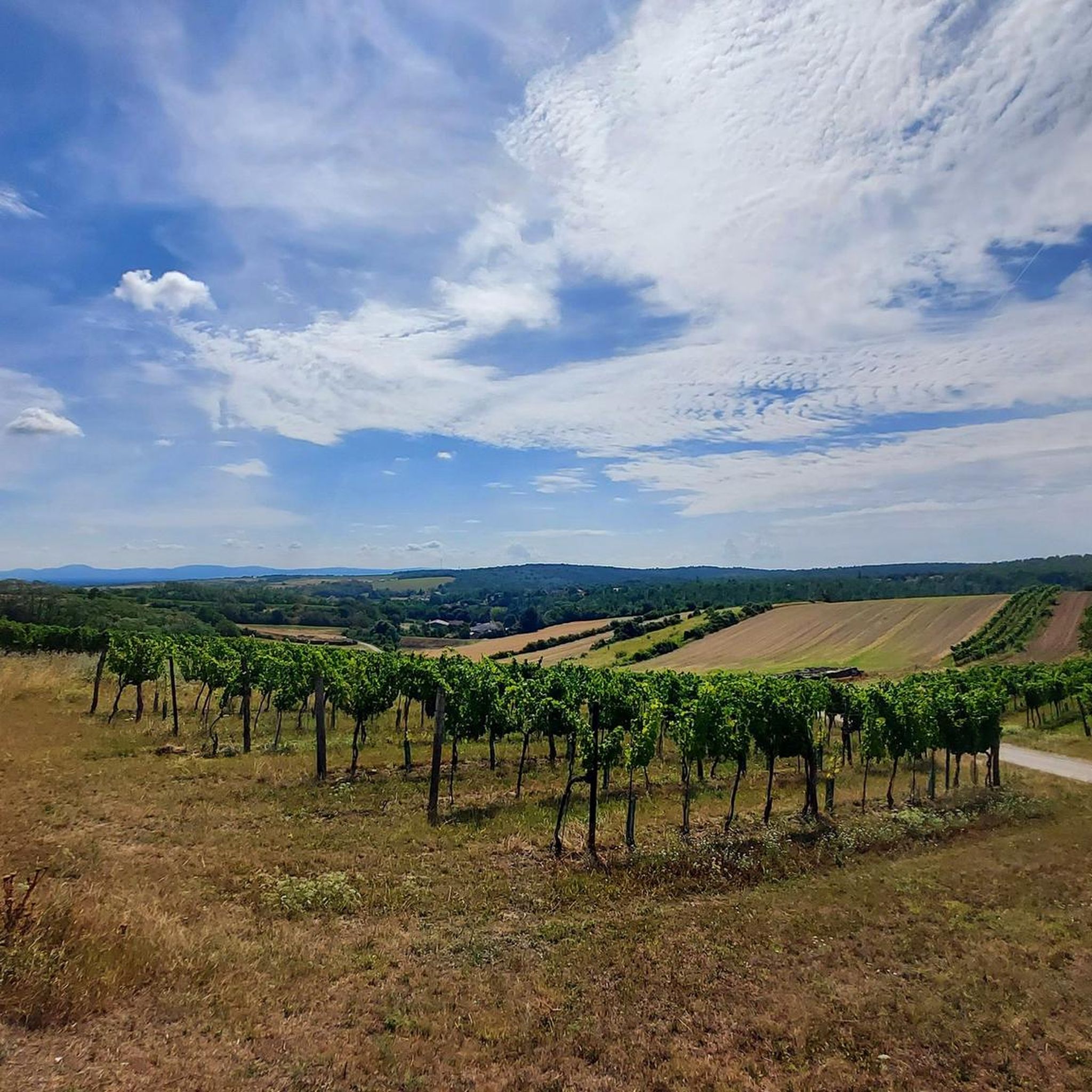
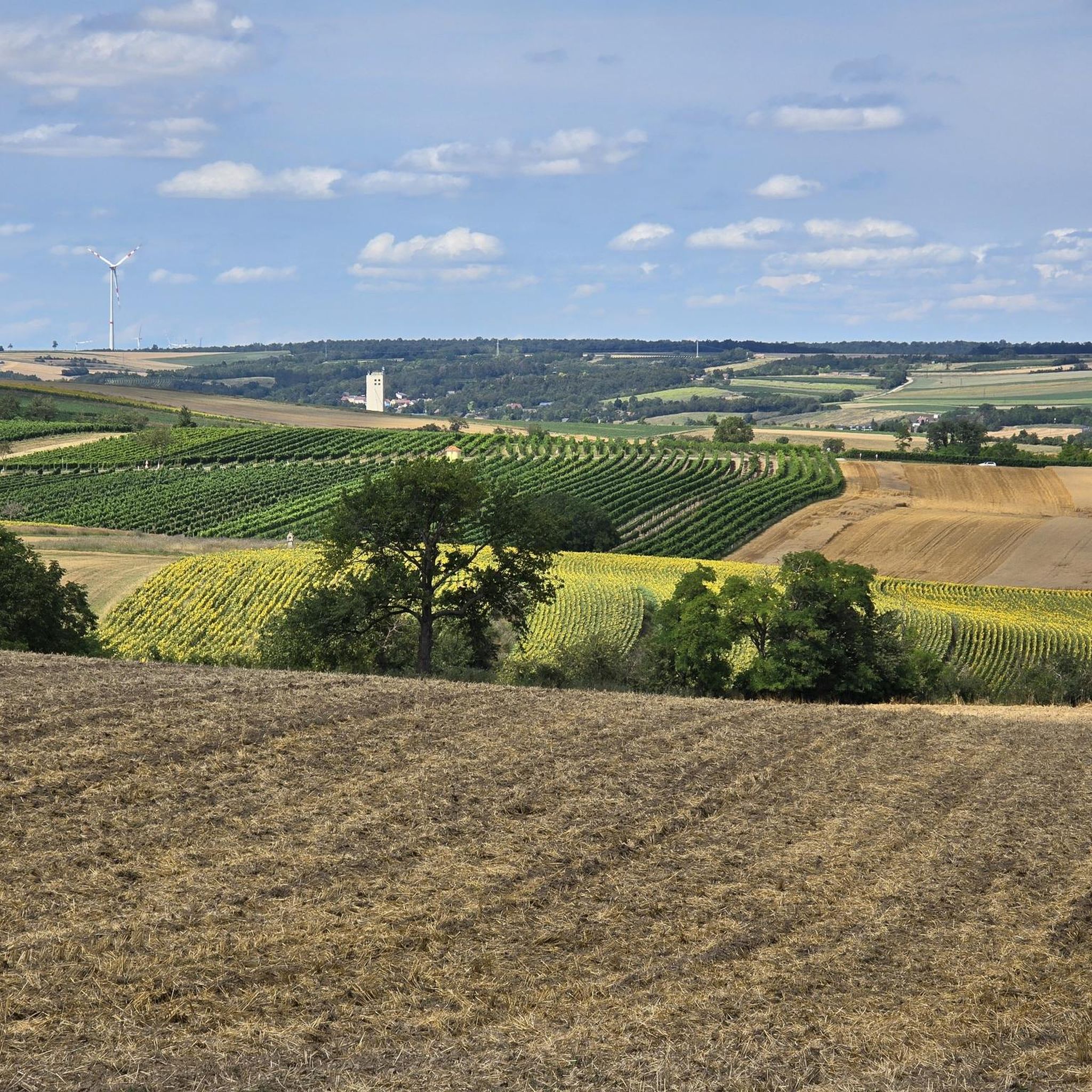
Best attractions and places to see around Spannberg include historical sites, viticultural points of interest, and natural landscapes. This market town in the Weinviertel region of Lower Austria is known for its wine culture and historical landmarks, first mentioned in 1205. The area features approximately 80 hectares of vineyards and is situated on several cycling routes, offering diverse outdoor exploration. Forested areas also contribute to the natural appeal of the municipality.
Best attractions and places to see around Spannberg
- The…
Last updated: July 6, 2026
Angern an der March–Záhorská Ves Ferry
Highlight • Bridge
Translated by Google •
Tip by

Dürnkrut Castle
Highlight • Castle
Translated by Google •
Tip by

Sign up now to discover places like this
Get recommendations on the best single tracks, peaks, & plenty of other exciting outdoor places.
Sign up for free
Devil's Bridge
Highlight • Bridge
Translated by Google •
Tip by

Museumsdorf Niedersulz
Highlight • Historical Site
Translated by Google •
Tip by

Hohenruppersdorf Wine and Cellar Lane Circular Trail
Highlight • Trail
Translated by Google •
Tip by
Sign up for free to discover even more attractions around Spannberg.
Sign up for free
Already have an account?
Start today with a free account
Your next adventure awaits.
Login or Signup

Tips from the Community

This has a capacity of 40 tons (6 cars and 30 pedestrians).
1
0


Renaissance castle with diorama of the battle of King Ottokar of Bohemia and Rudolf of Habsburg (1278), remarkable castle chapel and Sala Terrena; castle museum with a focus on "archaeology and paleontology".
2
0


A nice place for a little break
0
0

Nicely located rest area with a view of the Morava ferry
0
0

The museum village is always worth a visit. But now the entrance is on the other side of the village.
0
0

The ferry to Zahorska Ves in Slovakia is one of the few ways to cross the border. There used to be a ferry in Drösing, but it disappeared with the Iron Curtain and was later no longer activated. Angern remained and is often used by cyclists. Because the EV13 also leads south on the Slovakian side.
4
0
Frequently Asked Questions
What historical sites can I explore in Spannberg?
Spannberg, one of the oldest market towns in the Weinviertel, offers several historical sites. You can visit the 12th-century Church of St. Martin, built on the site of a medieval fortification. There's also a tumulus with a peace chapel, which historically served as a defensive structure. Nearby, you can discover the legendary Devil's Bridge, a historical site with local legends, or take a journey back in time at Museumsdorf Niedersulz, an open-air museum showcasing historical buildings from the region.
Where can I learn about Spannberg's wine culture?
Spannberg is deeply rooted in viticulture. You can explore its history and wine culture through guided tours of the two wine cellar lanes, "Eselgrund" and "Am Quent." The Educational Wine Trail (Weinlehrpfad) provides insights into local grape varieties and wines, featuring an 18th-century tree press. For tastings, visit the Vinotheque in the vaults of the vicarage. You can also experience the region's viticulture on the Hohenruppersdorf Wine and Cellar Lane Circular Trail or the Hohenruppersdorf Adventure Vineyard.
Are there unique cultural experiences in Spannberg?
Beyond wine tastings, you can observe traditional barrel-making by craftsman Stefan Wiesinger. The Pfarrstadl also hosts various cultural events, contributing to the town's vibrant community life. Exploring the historic wine cellar lanes offers a glimpse into local traditions.
What outdoor activities are available around Spannberg?
The picturesque Weinviertel landscape around Spannberg is ideal for outdoor activities. You can explore approximately 80 hectares of vineyards, cycle along dedicated routes, or enjoy walking through idyllic cellar lanes and scenic vineyards. The area also features forested regions for exploration. For more structured routes, you can find numerous options for road cycling, running, and gravel biking.
Are there cycling routes near Spannberg?
Yes, Spannberg is situated on several cycling routes, including paths no. 7, 91, and 947, as well as the themed cycling paths "Traminer" and "Muskateller." These routes allow you to explore the vineyards and the broader Weinviertel landscape. For specific tours, komoot offers various road cycling routes and gravel biking routes around Spannberg, ranging from easy to moderate difficulty.
Can I go hiking or walking in the vineyards?
Absolutely. The Weinviertel region offers over 80 km of signposted routes for walking through idyllic cellar lanes and scenic vineyards. These paths often pass by wine taverns and inns along the Weinstrasse Weinviertel. The Hohenruppersdorf Wine and Cellar Lane Circular Trail is a great option to combine walking with insights into viticulture.
What natural landmarks can I visit around Spannberg?
The primary natural landmarks are the extensive vineyards that define the Weinviertel landscape, particularly in the south at the foothills of the Matzner Wald forest. These areas offer picturesque views and are ideal for walks. You can also find viewpoints along trails like the Devil's Bridge trail or the Hohenruppersdorf Adventure Vineyard.
Are there family-friendly attractions in Spannberg?
Many attractions around Spannberg are suitable for families. The Angern an der March–Záhorská Ves Ferry offers a unique and inexpensive border crossing experience. Children might enjoy the legends surrounding the Devil's Bridge. The Hohenruppersdorf Wine and Cellar Lane Circular Trail and the Hohenruppersdorf Adventure Vineyard provide engaging walks with information boards. A visit to Museumsdorf Niedersulz is also a fascinating journey back in time for all ages.
What is the Angern an der March–Záhorská Ves Ferry?
The Angern an der March–Záhorská Ves Ferry is a charming and practical way to cross the March river, connecting Austria and Slovakia. It operates from early morning to late evening and is known for being a cost-effective way to cross the border, often departing as soon as it's full. It's a popular choice for cyclists and offers a unique experience.
What is the Hohenruppersdorf Wine and Cellar Lane Circular Trail?
The Hohenruppersdorf Wine and Cellar Lane Circular Trail is a popular trail that showcases a large cellar lane, providing insights into the region's viticulture. It features information boards along the route, making it an educational and scenic walk through the wine-growing landscape.
Are there any running trails around Spannberg?
Yes, there are several running trails in the vicinity of Spannberg. You can find various running routes that allow you to explore the local landscape, including loops from Erdpreß, Bezirk Gänserndorf, and routes connecting Museumsdorf Niedersulz with the Nexinger Fish Ponds.
What are the soil conditions like in Spannberg's vineyards?
Spannberg's vineyards are known for their medium-heavy soils of loess and loam. These soil conditions are ideal for cultivating grape varieties such as Grüner Veltliner, Pinot Blanc, Riesling, and Zweigelt, contributing to the distinctive character of the local wines.
Most popular attractions around Spannberg

Get inspired with the komoot mobile app


Explore more
Still not found the Highlight you’re looking for? See guides of the top attractions in other regions:
