Attractions and Places To See around Göllersdorf - Top 20
Best attractions and places to see around Göllersdorf include a blend of historical landmarks, cultural sites, and natural features within the Weinviertel region of Lower Austria. The area is characterized by rolling hills, vineyards, and the Göllersbach valley, with approximately a third of its land covered by forest. Visitors can explore ancient burial mounds, historic churches, and unique local attractions.
Best attractions and places to see around Göllersdorf
- The most popular attractions is Großwetzdorf Wine Fountain, an other man-made…
Last updated: July 6, 2026
Leeberg Burial Mound, Niederhollabrunn
Highlight • Historical Site
Translated by Google •
Tip by

Parish Church of St. Agatha Hausleiten
Highlight • Religious Site
Translated by Google •
Tip by

Sign up now to discover places like this
Get recommendations on the best single tracks, peaks, & plenty of other exciting outdoor places.
Sign up for free
Parish Church of Wullersdorf
Highlight • Religious Site
Translated by Google •
Tip by

Großwetzdorf Wine Fountain
Highlight • Structure
Translated by Google •
Tip by

Parish Church of the Visitation of Mary, Breitenwaida
Highlight • Religious Site
Translated by Google •
Tip by

Sign up for free to discover even more attractions around Göllersdorf.
Sign up for free
Already have an account?
Start today with a free account
Your next adventure awaits.
Login or Signup
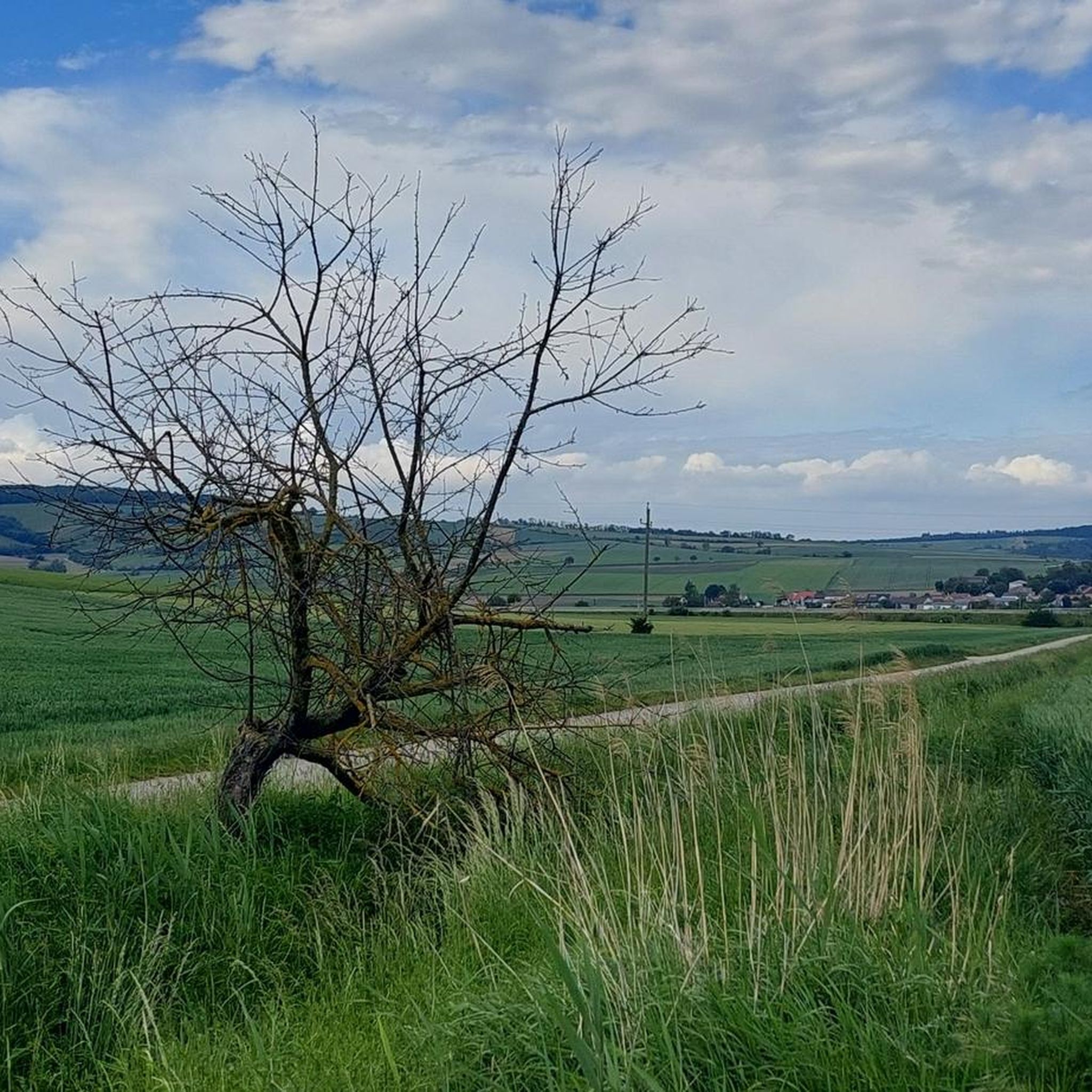
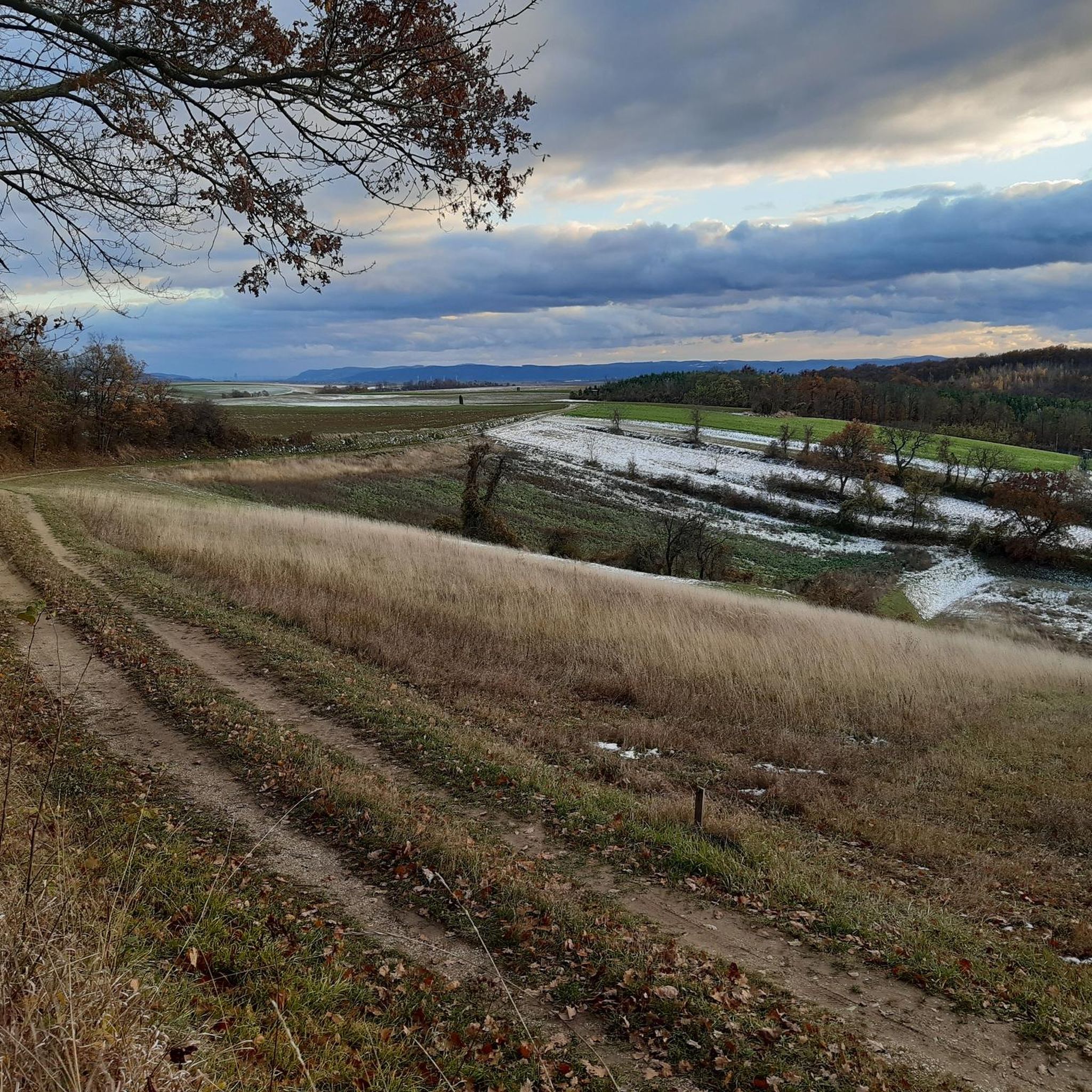
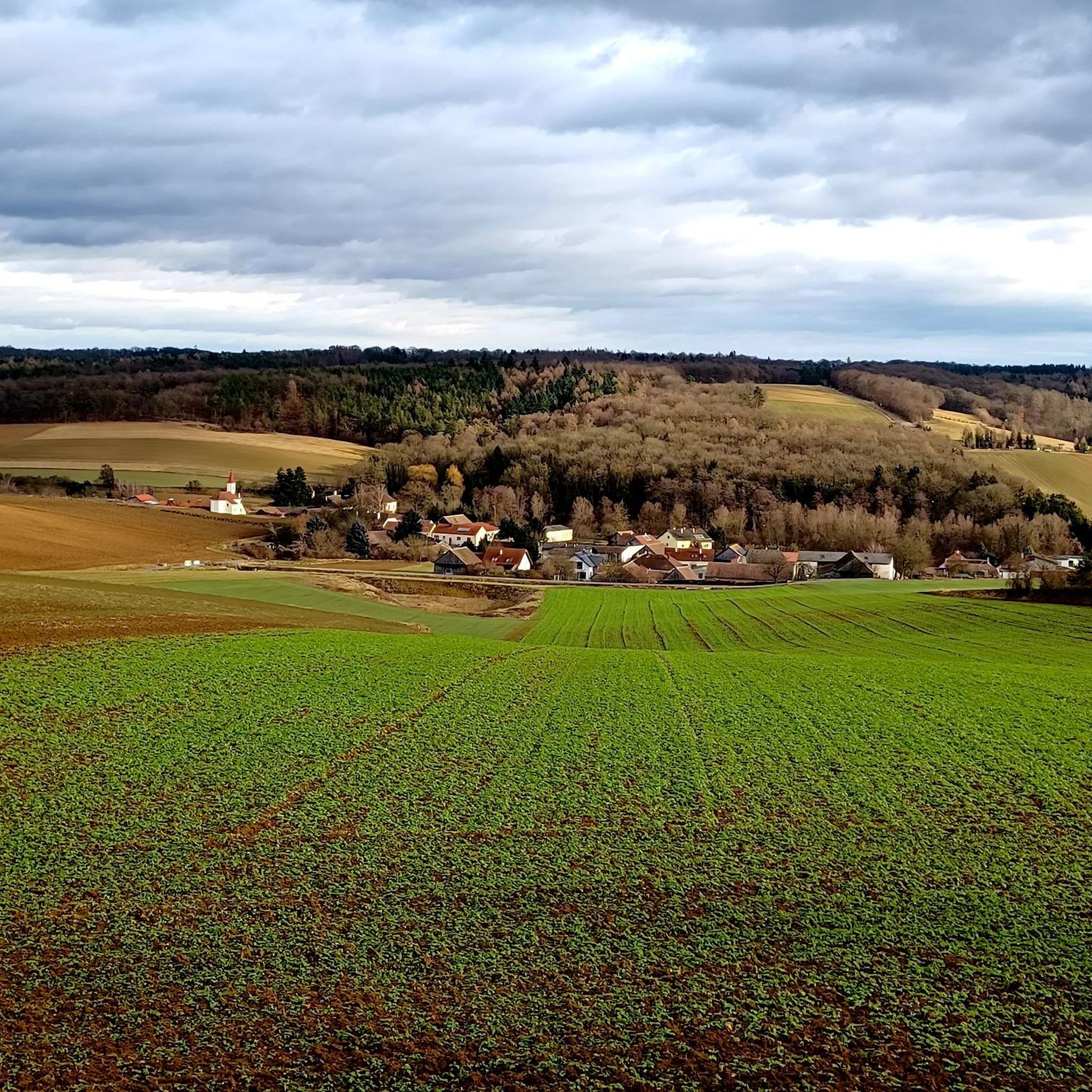
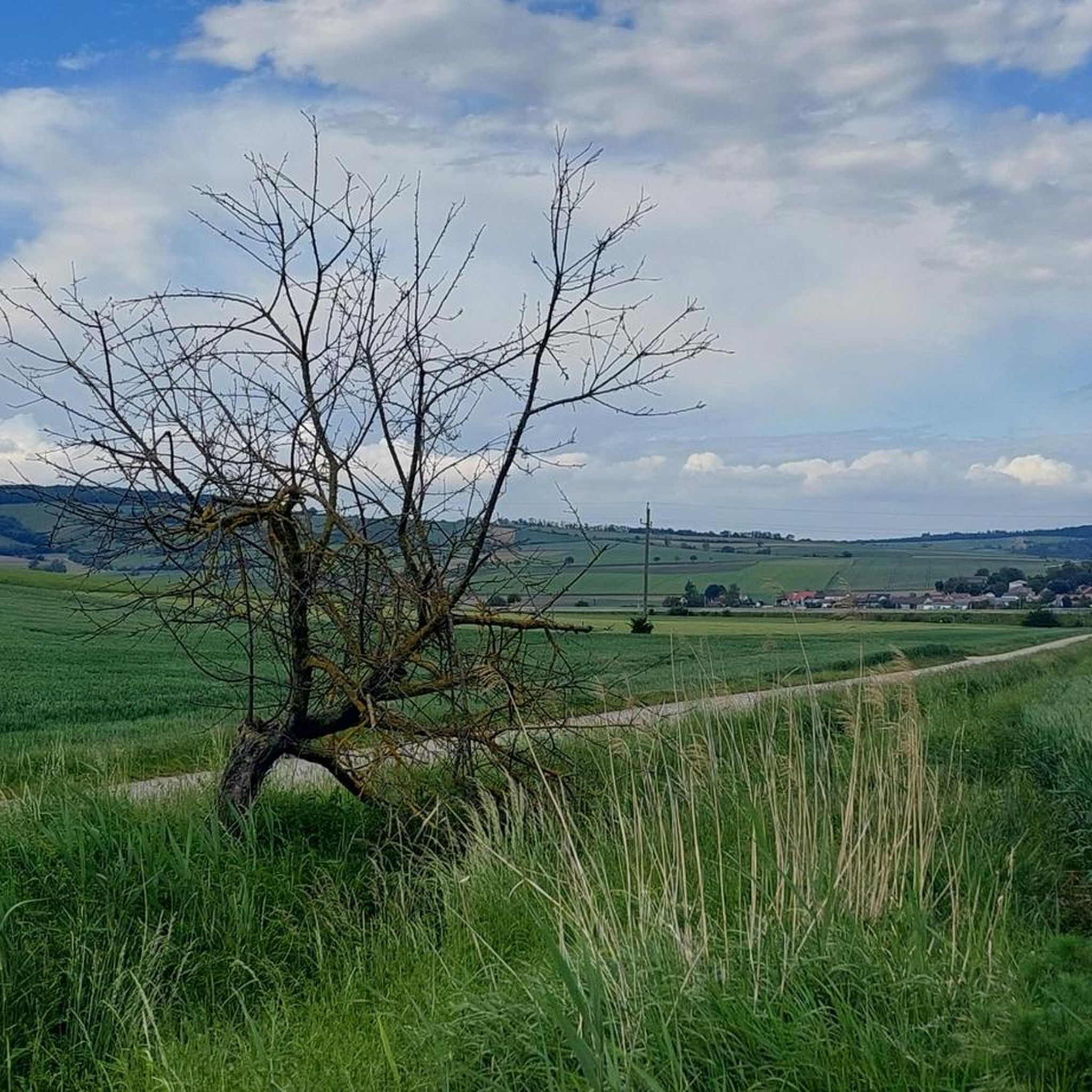

Tips from the Community

The secrets under the church are served during a cultural walk organized by Club Hausleiten.
0
0

The patronage "Maria (or in another spelling: Mariä) Heimsuchung" of this church refers to one of the many memorial or feast days in honor of the Mother of God, Mary. However, the term "Heimsuchung" – which has negative connotations in our modern way of expression or thinking – refers in the Bible to Mary's visit to her relative Elizabeth. This woman is married to Zechariah, and their marriage remained childless, which was a social stigma at the time. Now, however, she became pregnant – despite her advanced age – which the Archangel Gabriel informed Mary of when he brought her the message that she herself was to give birth to the Son of God, Jesus. The son of Elizabeth and Zechariah is John, with the epithet "the Baptist"; he is considered the forerunner / herald of Jesus Christ.
0
0

This church with the wall and the tunnel is one of my personal highlights on the Great Tullnerfeld circular hiking trail 475/675.
2
0

On a stone base, high octagonal shaft with baroque vase crowning. On the east side, in the middle of the shaft, a stone ball is attached with a chain. On the shaft is a ring and clasp. The pillory originally stood on the edge of a sunken path, near the church steps. When the square was redesigned in 1866, it was moved to its current location. https://www.marterl.at/suche/detail?oid=5066&cHash=4d74a93a0ab154005a2fff035e117d60
0
0
The Roman Catholic parish church of Breitenwaida was built in 1822/1823 according to the plans of the master builder Josef Reiminger in the classicist style as a hall church and is dedicated to the Feast of the Visitation of the Virgin Mary. https://breitenwaida.at/infrastruktur/sehenswert/
0
0

A beautifully designed church.
0
0

There is also a drinking fountain!
1
0

Storing the drinks in the fountain is a great idea.
2
1
Frequently Asked Questions
What unique cultural experiences can I find around Göllersdorf?
You can visit the Großwetzdorf Wine Fountain, where you can hand-crank up homemade wine, grape juice, or mineral water. Nearby, there's also a wildlife enclosure with red deer, fallow deer, and bison. The region also features historical markers like wayside shrines and crucifixes, and archaeological sites such as the Kreisgrabenanlage Gfletzgraben and Befestigte Siedlung Schüttfeld, which provide insights into Neolithic settlement.
What historical sites are there to explore in the Göllersdorf region?
The region is rich in history. You can visit the Leeberg Burial Mound, Niederhollabrunn, a prehistoric tumulus that is both a protected monument and a nature reserve. Other historical points include the 16th-century Schloss Göllersdorf, the Loretokirche, and various ancient archaeological sites like the Kreisgrabenanlage Gfletzgraben and Befestigte Siedlung Schüttfeld, which date back to the Neolithic period.
What natural landmarks and scenic views can I discover near Göllersdorf?
Göllersdorf is situated in the picturesque Weinviertel, known for its rolling hills and vineyards, offering scenic views, especially in autumn. The municipality lies in the Göllersbach Valley, with approximately a third of its area forested. The Leeberg Burial Mound also features valuable Pannonian dry grasslands. For panoramic views, consider the Dr. Rudolf Kolisko Observation Tower, which offers beautiful vistas of Hollabrunn and the surrounding forest.
What do visitors particularly enjoy about the attractions around Göllersdorf?
Visitors appreciate the blend of historical and natural sites. The Großwetzdorf Wine Fountain is popular for its unique experience and the nearby wildlife. The Leeberg Burial Mound is valued for its historical significance and natural beauty. Many also enjoy the mild climate and beautiful sunsets, especially around the Wagram area near the Parish Church of St. Agatha Hausleiten.
Are there family-friendly activities or attractions in Göllersdorf?
Yes, the Großwetzdorf Wine Fountain is a fun experience for all ages, with a nearby wildlife enclosure where children can observe red deer, fallow deer, and bison. The Hollabrunner Waldgeheimnisse Nature Trail is also designed to engage children with explanations about the natural environment. The Leeberg Burial Mound (Großmugl) is also considered family-friendly.
Are there hiking opportunities around Göllersdorf?
The region around Göllersdorf offers numerous hiking trails. You can find easy hikes like the Brunnboden loop from Hollabrunner Wald or the 🚂 Göllersdorf Station – Schönborn Palace loop. For more options, explore the Easy hikes around Göllersdorf guide.
Can I go cycling or gravel biking near Göllersdorf?
Yes, the area is well-suited for cycling and gravel biking. There are moderate cycling routes such as the Johannes Nepomuk Chapel – Schönborn Palace loop. For gravel biking, you can find routes like the Kühberg Chapel – Kleinstetteldorf Cellar Lane loop. More routes are available in the Cycling around Göllersdorf and Gravel biking around Göllersdorf guides.
Where can I learn about the region's ancient history?
To delve into the region's ancient past, visit the Leeberg Burial Mound, Niederhollabrunn, which dates back to the Hallstatt culture. Additionally, archaeological sites like the Kreisgrabenanlage Gfletzgraben and Befestigte Siedlung Schüttfeld provide evidence of Neolithic settlement, including the discovery of the "Venus vom Schüttfeld" statuette.
Are there any notable churches or religious buildings to visit?
Yes, the Parish Church of St. Agatha Hausleiten is a notable Baroque three-aisled basilica and a listed building. Another significant religious site is the Parish Church of Wullersdorf, dedicated to Saint George, which stands on a hill and is also under monument protection. The Loretokirche in Göllersdorf also serves as a historical burial church.
What is the Schloss Göllersdorf, and can I visit it?
Schloss Göllersdorf is a Renaissance castle dating back to the 16th century. It has a varied history, having served different purposes over time. Since 1985, it has housed a special institution for mentally abnormal offenders. Due to its current use, public access for tourism is generally not available.
What is the best time of year to visit Göllersdorf for outdoor activities?
The Weinviertel landscape, with its rolling hills and vineyards, is particularly scenic in autumn when the grapes are ripe. The Pulkau River Path is especially recommended during spring or summer for idyllic walks through green meadows. Generally, spring, summer, and early autumn offer the most pleasant weather for hiking and cycling.
Are there any hidden gems or lesser-known spots worth exploring?
Beyond the main attractions, you might discover the Rebensäule (Vine Column) from 1764 with a statue of Maria Immaculata, or the late Gothic Tabernakelbildstock from 1541. Southeast of town, a 3.7-meter-high late Baroque Tabernacle Pillar from 1729 commemorates the 1713 plague epidemic, offering a glimpse into local history.
Most popular routes around Göllersdorf
Most popular attractions around Göllersdorf

Get inspired with the komoot mobile app


Explore more
Still not found the Highlight you’re looking for? See guides of the top attractions in other regions:
