The best walks and hikes around Ferschnitz
4.4
(563)
4,046
hikers
263
hikes
Hiking around Ferschnitz offers a network of trails through the rolling hills and scenic landscapes of Lower Austria's Mostviertel region. The area is characterized by a mix of forests, open fields, and fruit orchards, providing varied terrain for outdoor activities. Hikers can expect gentle ascents and descents across well-maintained paths, suitable for different fitness levels. This natural environment supports a range of hiking experiences, from leisurely strolls to longer excursions.
Best hiking trails around Ferschnitz
- The most popular hiking route…
Last updated: November 14, 2026
5.0
(4)
16
hikers
12.8km
03:33
230m
230m
Moderate hike. Good fitness required. Easily walkable paths.
4.2
(5)
17
hikers
Moderate hike. Good fitness required. Easily walkable paths.

4.0
(4)
7
hikers
11.5km
03:09
180m
180m
Moderate hike. Good fitness required. Easily walkable paths.
9
hikers
Easy hike. Easily walkable paths.
4.0
(1)
8
hikers
7.17km
02:04
170m
170m
Moderate hike. Good fitness required. Easily walkable paths.
Get access to more routes and recommendations from other explorers.
Already have an account?
Our route recommendations are based on thousands of hikes, rides, and runs completed by other people on komoot.
Start today with a free account
Your next adventure awaits.
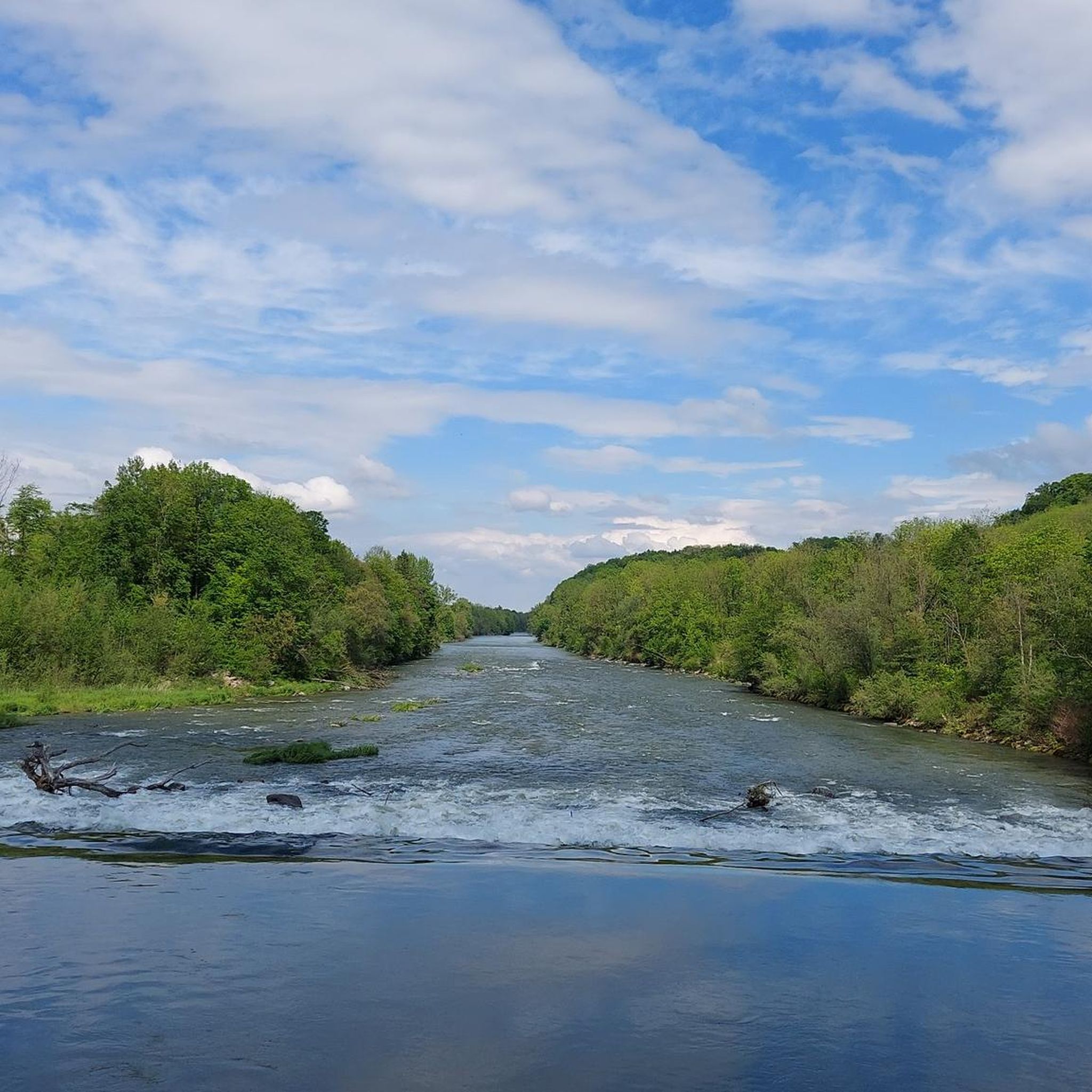
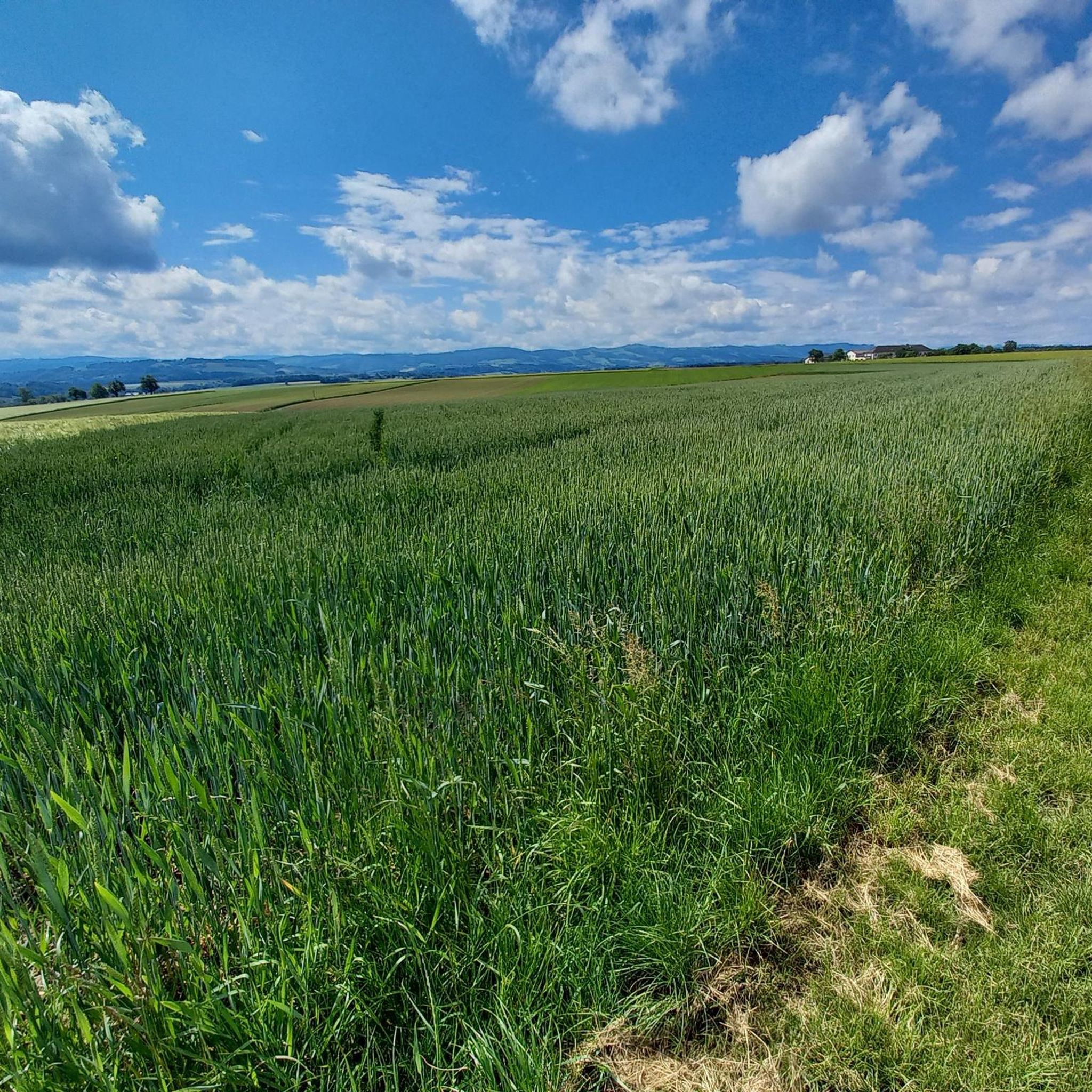
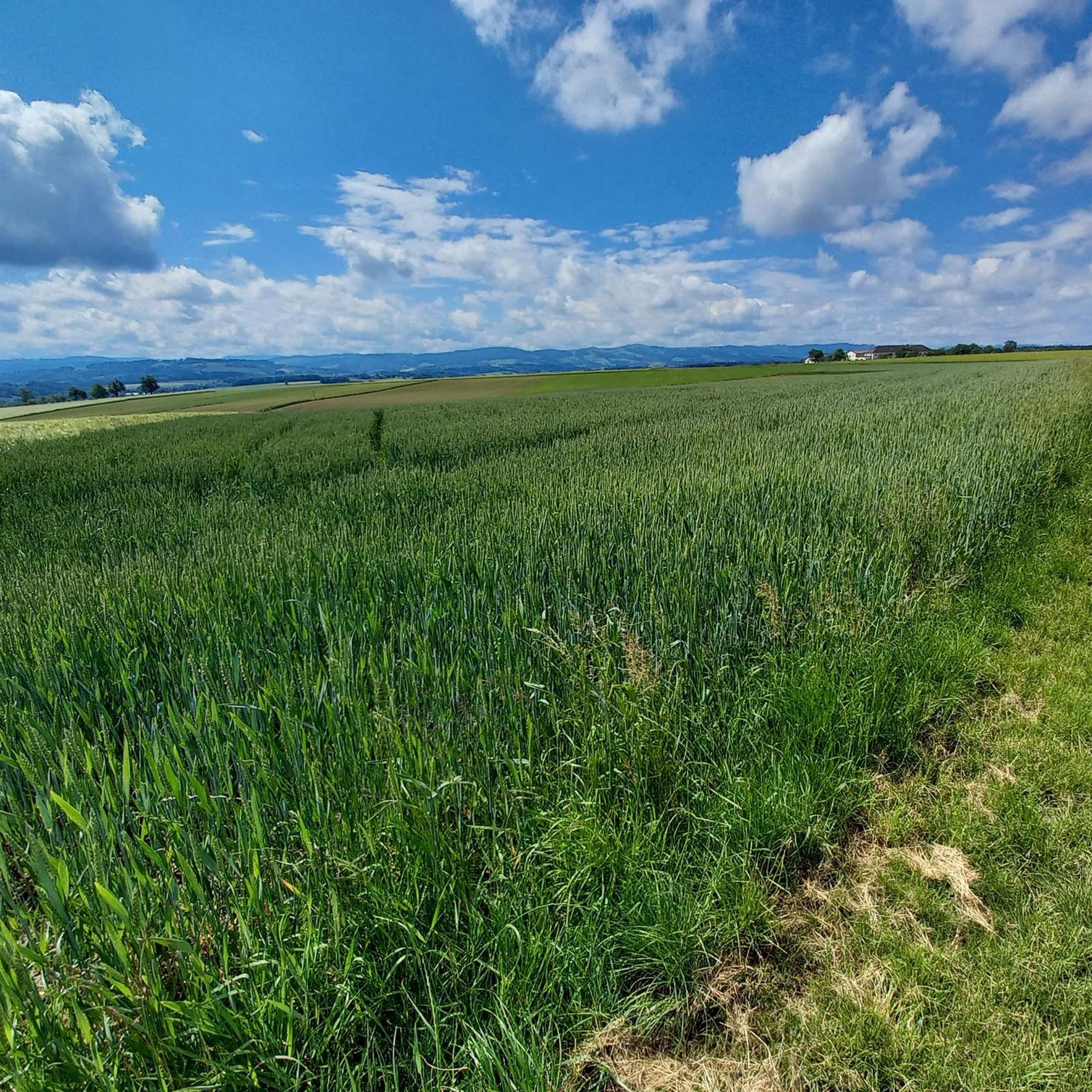
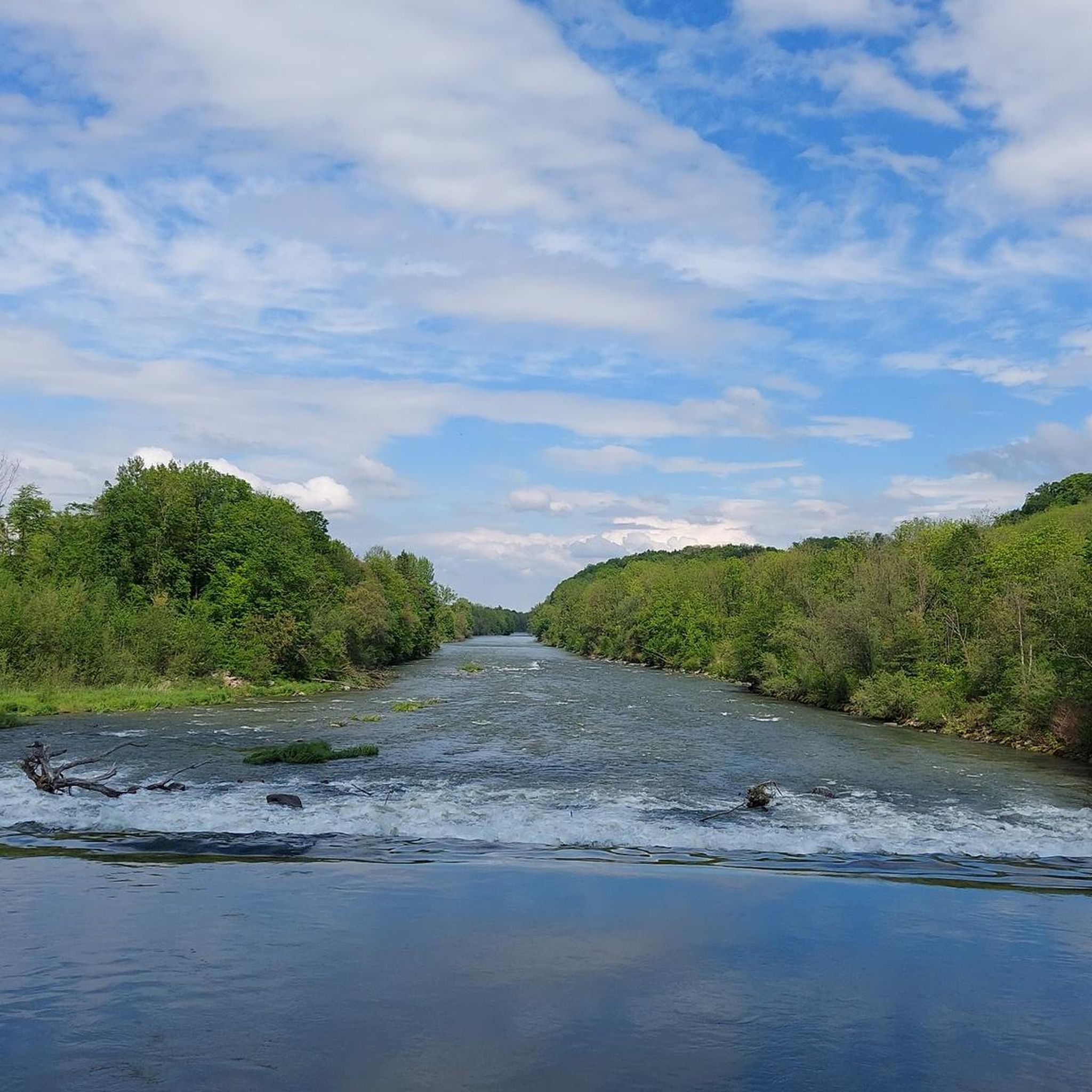

Tips from the Community

The branch church of St. Martin in Innerochsenbach became part of the Ferschnitz parish in 1757. The origins of the church, built with quarry stones, are largely unknown, although it is one of the interesting sights in Lower Austria. The first construction phase of the branch church (chancel) may have been before the 14th century, followed 100 years later by the extension of the transverse nave. The two choir windows with Gothic figural glass paintings from around 1400 are famous in this church. The accompanying coats of arms of the Puchheim and Zelking families point to the founder Elisabeth Pucheim, who was married to Otto Zelking zu Schönegg (+ 1394).
0
0

Giant chestnut trees can be admired in front of the castle. If you're looking for an alternative to the fast road, a beautiful gravel path leads uphill parallel to the entrance on the right.
0
0
In front of the castle you can admire huge chestnut trees, at the entrance on the right there is a nice gravel alternative to the fast road below
0
0

The castle is privately owned and can therefore only be viewed from the outside. The first documented mention was in 1367. The regular four-sided, two-storey complex was built in the second half of the 16th century. In 1738, Wolf Maximilian Count Auersperg was the lord of Senftenegg. In 1792 the rule was sold to Paul von Strohmayer. In 1797, Georg Adam Prince Starhemberg won the estate, which remained in the family until 1932. This was followed by Karl Friedrich von Frank and today the Schuch family.
0
0


Such a vending machine is a hit in summer! You can rest well in the shade before continuing with vigor ;-)
0
0
Originally the building was a meierhof of a hunting lodge, which was first mentioned in a document in 1396. The castle was built in the 16th and 17th centuries and its core has been preserved. Conversions and additions took place in the late 18th century and in the 1960s. Since 1994 the castle has belonged to the Order of the Servants of Jesus and Mary (SJM - Servi Jesu et Mariae). In 1996 the first members moved into what is now the Auhof Monastery. In the following years, extensive reconstruction and renovation work was carried out. In 2018 the novitiate of the order left the Auhof and moved to Haus Assen in Germany.
0
1
Senftenegg was first mentioned in a document in 1367 with a Hans Häusler, who was then followed in the order of ownership by the Zelking and the Puchheim. This is followed by a rapid and numerous change of ownership. From 1795 to 1934 the plant was then owned by Starhemberg. Dr. Karl Friedrich Freiherr von Frank, the father of the current owner Karl Frank, was a well-known genealogist and heraldry. The main entrance of the castle was secured by a once very deep moat, over which a movable bridge led. The main entrance was flanked by two side round towers, which can still be seen today. The castle courtyard is accessed through a gate tower, which is noticeable through its high pyramid roof. In the inner courtyard there is a portico with arcades above, which Dr. Karl Friedrich Freiherr von Frank were adorned with the coats of arms of the former castle owners. Senftenegg was famous for its extensive library. The castle is surrounded by an English garden in which the greenhouse and the orangery are still preserved, in addition to an old population of trees.
0
1
Frequently Asked Questions
How many hiking trails are available around Ferschnitz?
Ferschnitz offers a comprehensive network of over 270 hiking trails, catering to various preferences and fitness levels. These routes traverse the scenic landscapes of Lower Austria's Mostviertel region.
What kind of terrain can I expect on hikes in Ferschnitz?
The hiking trails in Ferschnitz are characterized by rolling hills, dense woodlands, and picturesque fruit orchards. You can expect gentle ascents and descents across well-maintained paths, providing varied terrain suitable for different abilities.
What do other hikers say about the trails in Ferschnitz?
The komoot community highly rates the trails in Ferschnitz, with an average score of 4.5 stars from over 450 reviews. Hikers often praise the varied landscapes, well-maintained paths, and the overall peaceful atmosphere of the region.
Are there easy hiking options suitable for beginners in Ferschnitz?
Yes, Ferschnitz has plenty of easy hiking options. There are over 120 easy routes available, perfect for beginners or those looking for a leisurely stroll. An example is the Auhof Castle – Ausee 1 and Ausee 2 loop from Katastralgemeinde Blindenmarkt, which is just over 4 km long.
Are there longer, more challenging hikes for experienced hikers?
While Ferschnitz is known for its rolling hills and moderate trails, there are options for longer excursions. The region connects to ambitious long-distance routes like the Mostviertler Rundwanderweg (135 km) and the Erlauftaler Rundwanderweg (160 km) for those seeking multi-day adventures.
Are there any circular hiking routes in Ferschnitz?
Yes, many trails in Ferschnitz are designed as circular routes, allowing you to start and end at the same point. For instance, the Auhof Castle loop from Katastralgemeinde Blindenmarkt is a moderate 11.2 km circular path that passes by the historic Auhof Castle.
Can I bring my dog on the hiking trails in Ferschnitz?
Generally, dogs are welcome on hiking trails in Ferschnitz. However, it's always advisable to keep them on a leash, especially in agricultural areas, near livestock, or in nature protection zones. Please ensure you carry waste bags and respect local regulations.
Are there family-friendly hiking trails in Ferschnitz?
Ferschnitz offers several family-friendly hiking trails, particularly among its easy routes. These trails often feature gentle gradients and scenic surroundings suitable for all ages. The local 'tut gut' Schritteweg (5.5 km) is a good example of a route designed for accessible enjoyment.
Is public transport available to reach hiking trailheads in Ferschnitz?
Information on specific public transport connections directly to all trailheads in Ferschnitz is best obtained from local transport providers. However, Ferschnitz is a municipality in Lower Austria, and regional bus services typically connect such areas. Hiking maps available at the municipal office can also provide guidance on access.
Where can I find parking for hiking trails in Ferschnitz?
Parking is generally available in and around the village centers of Ferschnitz and nearby communities. Many trailheads, especially for popular routes, will have designated parking areas. It's recommended to check local signage or inquire at the municipal office for specific parking information.
What natural features or landmarks can I see along the hiking trails?
While hiking in Ferschnitz, you can encounter various points of interest. The Sonnwendkreis Sundial Monument loop from Ferschnitz leads past a unique sundial monument. You can also explore nearby natural monuments like the Erlauf Gorge or the Jakobsbrunnen.
Are there any castles or historic sites to visit near the hiking routes?
Yes, the Ferschnitz area is rich in history. The Auhof Castle loop from Katastralgemeinde Blindenmarkt passes by the historic Auhof Castle. Other notable castles in the wider region include Persenbeug Castle and Schloss Weinzierl, which can be combined with hiking excursions.
What is the best time of year to hike in Ferschnitz?
The Mostviertel region, where Ferschnitz is located, is beautiful throughout the warmer months. Spring offers blooming orchards, while summer provides lush green landscapes. Autumn is particularly scenic with vibrant fall foliage. While winter hiking is possible, conditions can vary, so checking local weather and trail status is recommended.
Most popular routes around Ferschnitz
Most popular attractions around Ferschnitz

Get inspired with the komoot mobile app


Explore more
Browse the best Hikes in other regions.
