Top 12 Castles around Terfens
Castles around Terfens offer a glimpse into the rich history and architectural heritage of the Tyrol region in Austria. While Terfens itself is a municipality nestled within the Inn Valley, the surrounding area is home to numerous historical fortresses and palaces. These landmarks provide insights into centuries of Tyrolean culture and strategic importance. The region combines natural landscapes with significant historical sites, making it a destination for exploration.
Best castles around Terfens
- The most popular castles is Tratzberg Castle,…
Last updated: May 11, 2026
View of St. Georgenberg Monastery
Highlight • Religious Site
Translated by Google •
Tip by

Tratzberg Castle
Highlight • Castle
Translated by Google •
Tip by

Sign up now to discover places like this
Get recommendations on the best single tracks, peaks, & plenty of other exciting outdoor places.
Sign up for free
Freundsberg Castle
Highlight • Castle
Translated by Google •
Tip by

Hasegg Castle
Highlight • Castle
The old town of Hall is the largest preserved medieval old town in North Tyrol: its landmark is the mint tower of …
Translated by Google •
Tip by
Water Wheels at Hasegg Castle (Hall Mint)
Highlight • Monument
The water-powered drive for the cylindrical stamping machine, which was a technical leader …
Tip by

Sign up for free to discover even more castles around Terfens.
Sign up for free
Already have an account?
Start today with a free account
Your next adventure awaits.
Login or Signup
Popular around Terfens
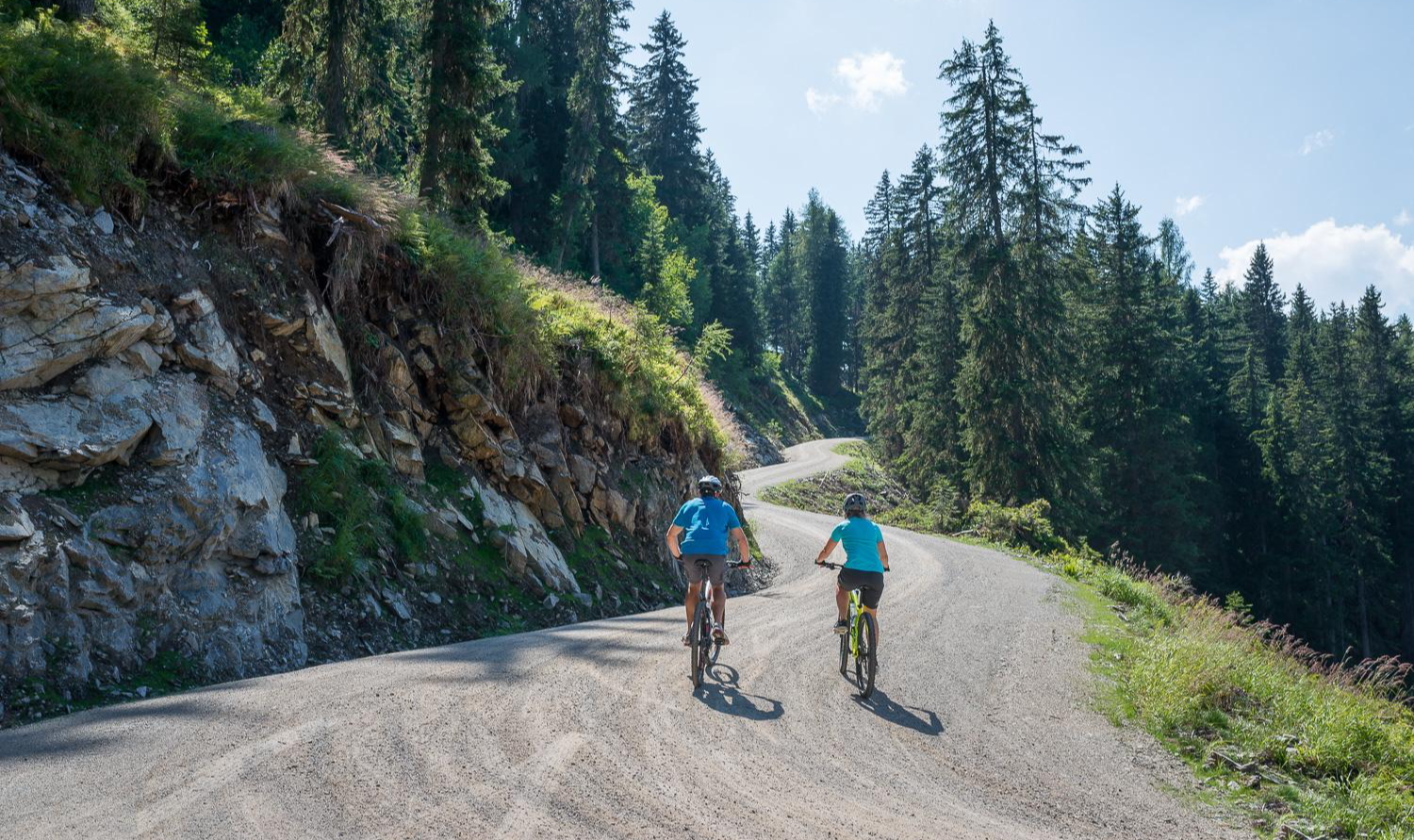
MTB in the Silberregion Karwendel
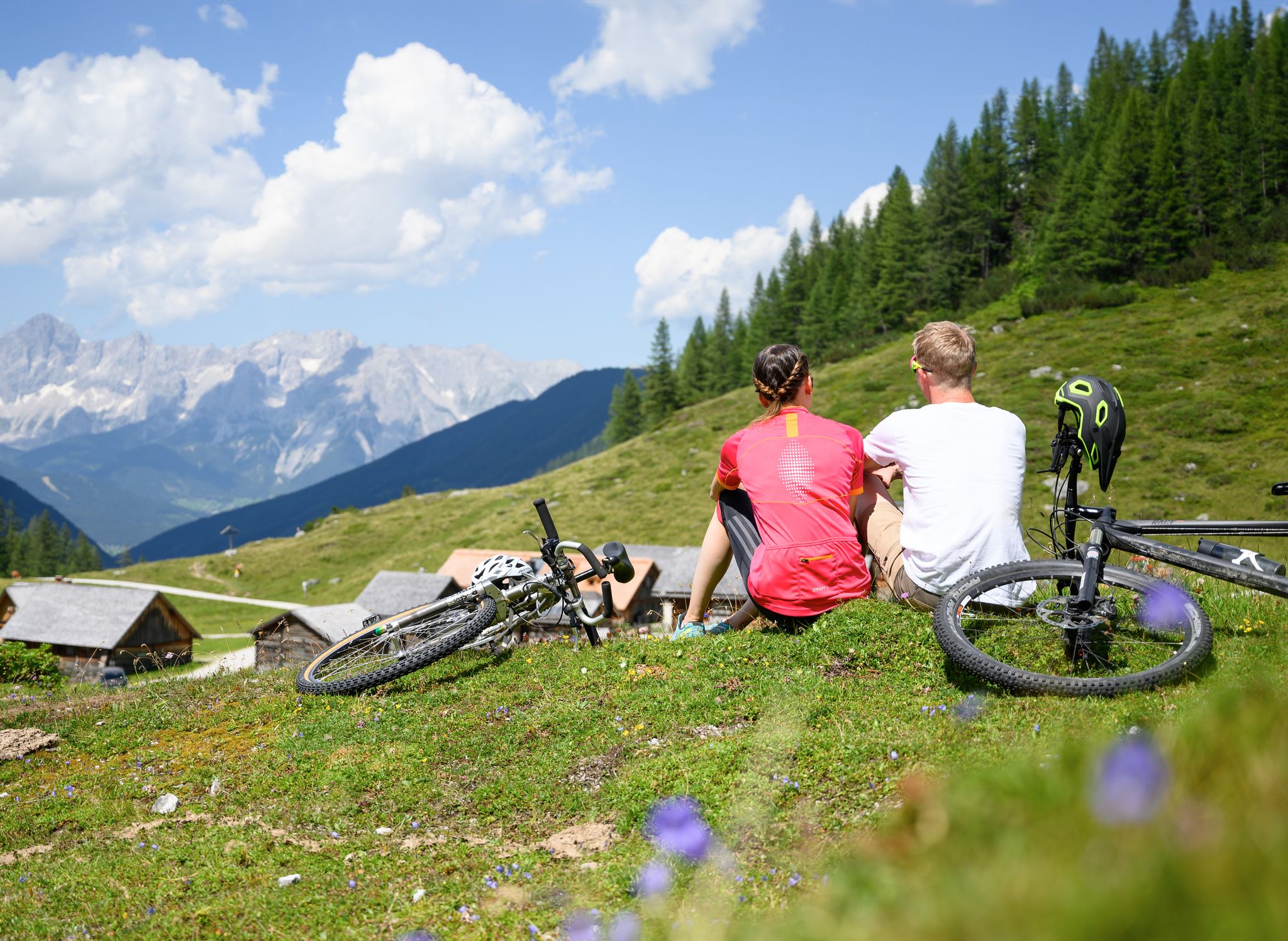
Magnificent mountain biking on Austria's alpine pastures
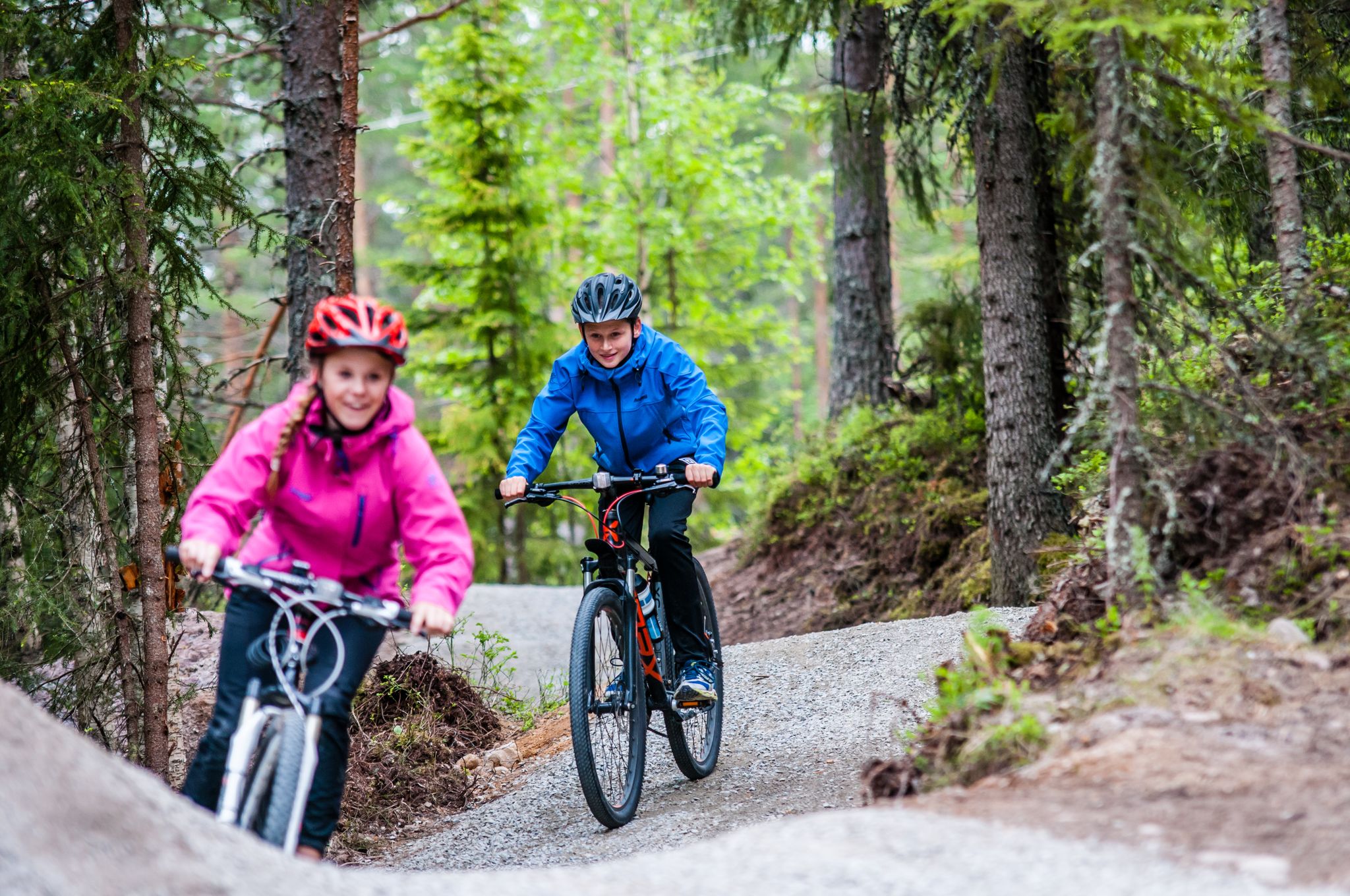
Mountainbiking the alps with the kids
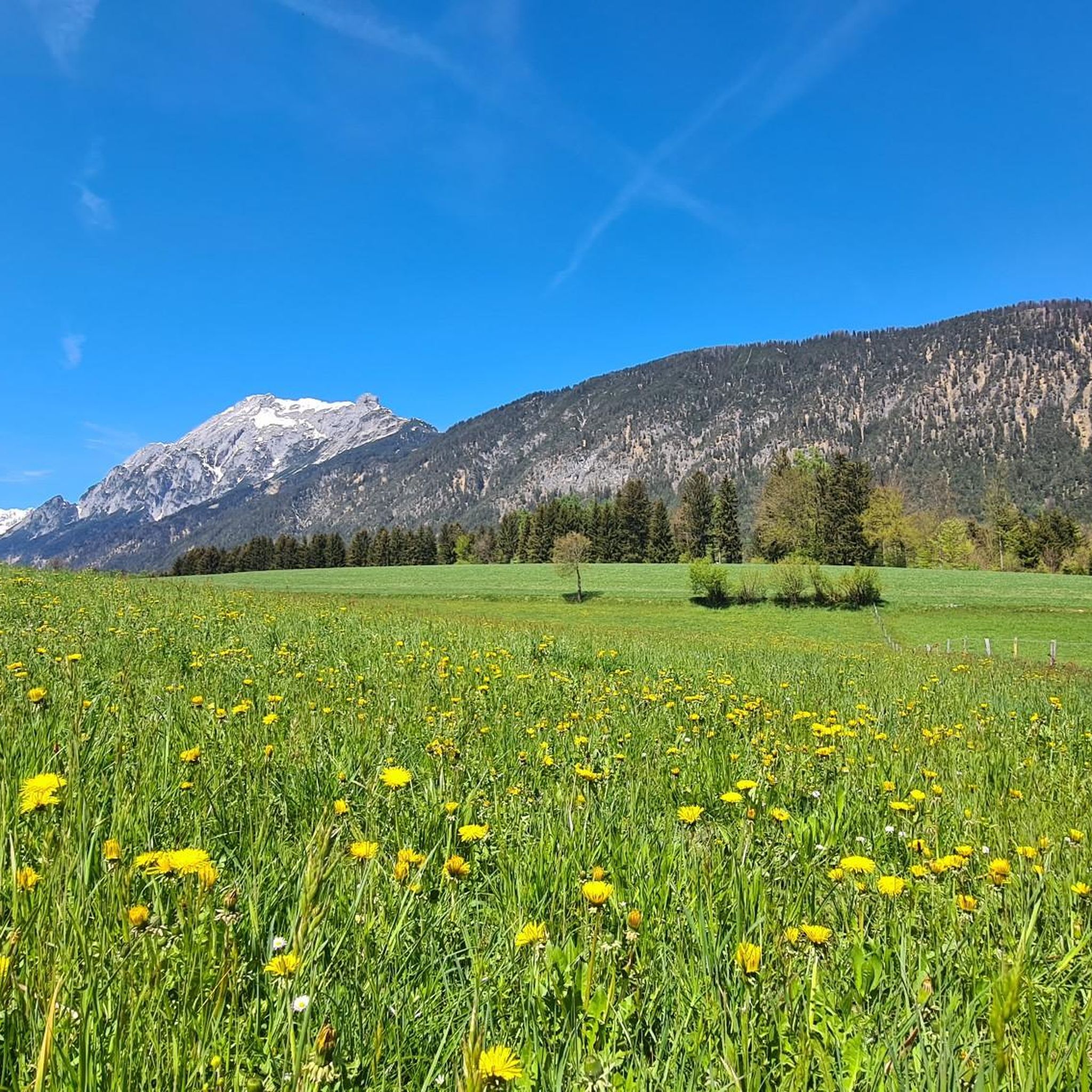
MTB Trails around Terfens
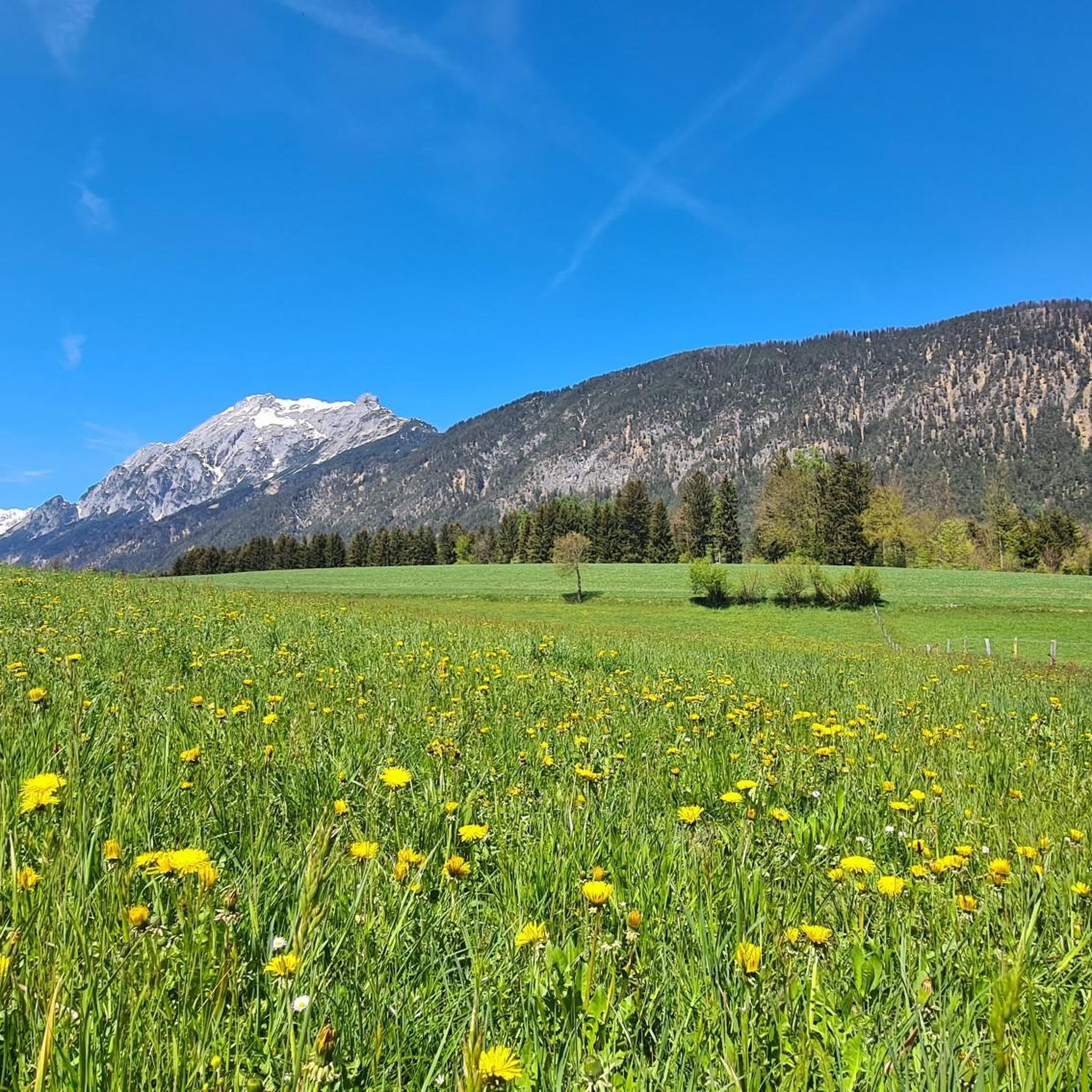
Cycling around Terfens
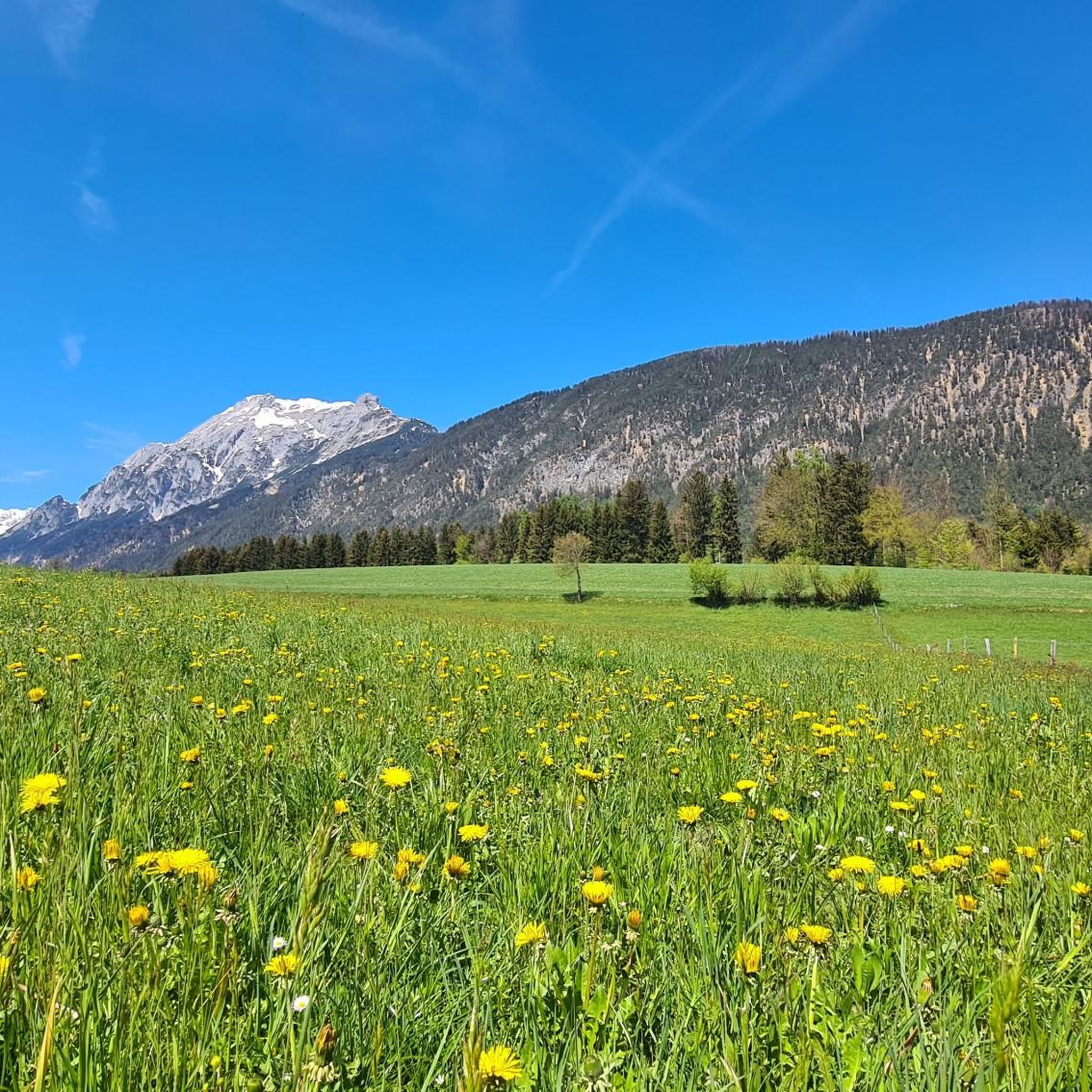
Hiking around Terfens
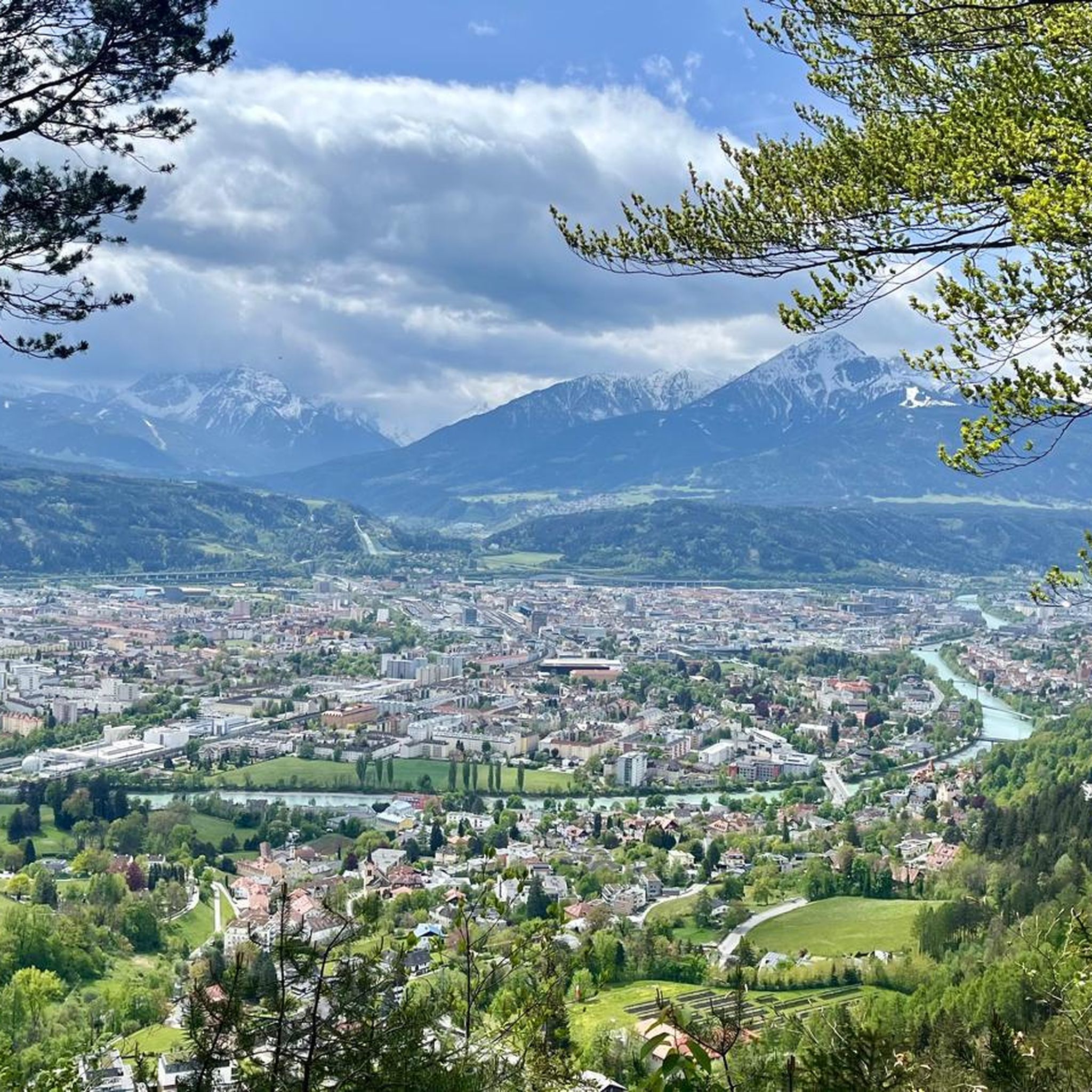
Road Cycling Routes around Terfens
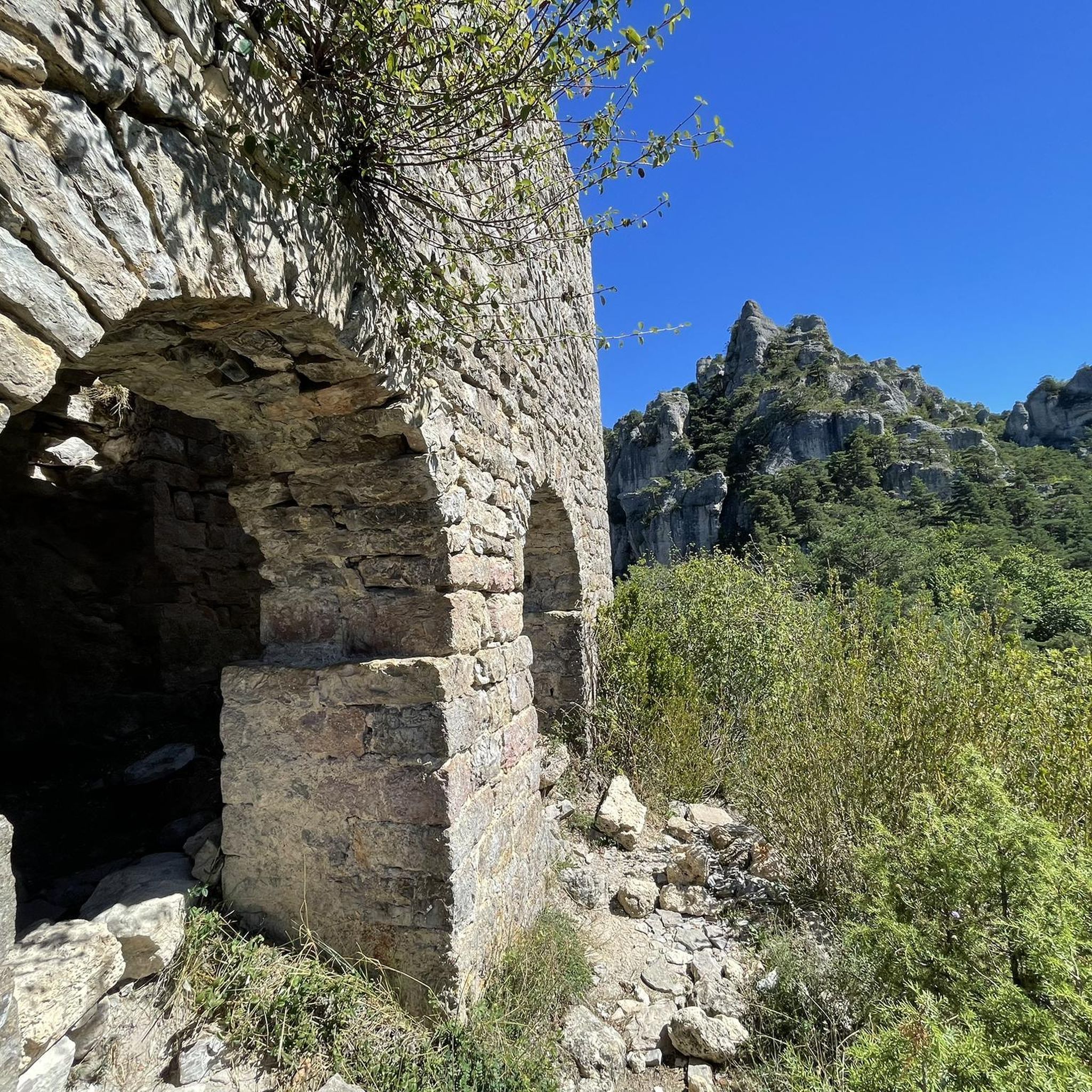
Mountain Hikes around Terfens
Running Trails around Terfens

Gravel biking around Terfens


Tips from the Community


The castle is open from Tuesday to Sunday, 10:00 AM to 4:00 PM. The castle cannot be visited freely; it can only be visited as part of a guided tour.
0
0

The Renaissance Jewel Among Austria's Castles and Fortresses Tratzberg Castle was first documented in the 13th century and served as a former border fortress against Bavaria. Emperor Maximilian used Tratzberg as a hunting lodge, but the original fortified castle was completely destroyed by fire in 1492. The emperor did not rebuild Tratzberg but instead exchanged the ruins for a castle belonging to the wealthy silver mine owners, the Tänzel family. In 1500, they erected the first late Gothic section of the present-day Tratzberg Castle in an unusually magnificent and lavish manner, furnishing it with extraordinarily artistic marble, wood, and ironwork. In 1554, the wealthy Augsburg merchant Georg Ritter von Ilsung acquired the castle, expanding and altering it in the spirit of the Renaissance. Through inheritance, Tratzberg became the property of the well-known and wealthy Fugger merchant family, who further embellished the castle. The magnificently painted inner courtyard and most of the furnishings still preserved today, as well as the exquisite Renaissance rooms, date from this period. After several changes of ownership, Tratzberg remained uninhabited for almost 150 years. Through the marriage of Count Franz Enzenberg to Countess Ottilie Tannenberg, the by then almost derelict castle passed into the possession of the Counts Enzenberg in 1847, and it has remained their private residence ever since. To this day, it is only thanks to the great dedication of the family that the approximately 6,800 square meter Tratzberg, with its 5,000 square meter shingle roof, has once again become the epitome of a 16th-century Tyrolean castle and thus one of the most important artistic and cultural monuments in the region, open to the public. Text / Source: Tratzberg Castle, Tratzberg 1, A-6200 Jenbach https://www.schloss-tratzberg.at/geschichte/
17
0
The eventful history of Tratzberg Castle: What began more than 500 years ago as a small fortified settlement has developed into one of the most beautiful and best-preserved Renaissance castles in Austria. Tratzberg Castle frequently changed hands, suffered many setbacks, and was continually expanded. Today, Tratzberg Castle is one of the few castles still privately owned and even serves as the residence of the Count Goëss-Enzenberg family. Text / Source: Tratzberg Castle, Tratzberg 1, A-6200 Jenbach https://www.schloss-tratzberg.at/geschichte/
17
0
Tratzberg Castle Tratzberg Castle, perched high above the Inn Valley, is a true Renaissance gem. Located between Jenbach and Schwaz, Tratzberg Castle was first documented in the 13th century. It is one of the most beautiful buildings in the Alpine region from the transitional period between Gothic and Renaissance architecture and impresses visitors with its magnificently painted inner courtyard and various Renaissance rooms. The castle changed hands several times over the centuries and was used as a hunting lodge by Emperor Maximilian I and the Fugger family. When it was completely destroyed by fire in 1492, Maximilian I exchanged it for a castle belonging to the Tänzl brothers. Veitjakob and Simon Tänzl then had the first part of Tratzberg Castle—as it can be seen today—built around the year 1500. This section was constructed in an extremely opulent late Gothic style. Since the 19th century, this magnificent building has been owned by the Counts of Enzenberg, who also use it as their private residence. The 6,800 m² castle is a true gem. An audio guide allows you to embark on an exciting 360° virtual reality journey through time. The centerpiece is the Habsburg Hall, featuring a painted Habsburg family tree with 148 half-life-size portrait figures. Other rooms to see include the Queen's Room with its secret door, a hunting hall, and the armory. There's a special tour for children where they can meet a real knight. The journey there is also unique: the "Tratzberg Express" miniature train takes you from the castle inn up to the castle. Incidentally, the castle was featured in an article in the British magazine "World of Interiors" in autumn 2024. Text / Source: tirol.tl https://www.tirol.tl/de/highlights/burgen-schloesser/schloss-tratzberg/
17
1
Hasegg Castle, Hall in Tirol First mentioned in documents in the 13th century, the castle was built to protect the saltworks, shipping, the bridge over the Inn and to monitor the old salt road. The name comes from the Pfannhäuser, in which brine was evaporated and on whose "Egg" (corner) the castle was located. In the 15th century, the castle was expanded into a princely residence. In 1567, Archduke Ferdinand II had the mint moved here. Text / Source: Hall-Wattens Tourism, Unterer Stadtplatz 19, 6060 Hall in Tirol https://www.hall-wattens.at/de/burg-hasegg.html
16
0
Mint tower of Hasegg Castle, Hall in Tirol The old town of Hall is the largest preserved medieval old town in North Tyrol: its landmark is the mint tower of Hasegg Castle. Two special features of this charming little town are its old town and the mint with the mint tower. In 1477, Archduke Sigmund of Tyrol moved the princely mint from Merano to Hall, probably because of its proximity to the silver mines of Schwaz. In 1748, the Maria Theresa thaler was minted over 17 million times here and used as a means of payment all over the world. Today, the coin museum at Hasegg Castle tells of these times, and the associated mint tower offers you a wonderful view of the city. Text / Source: Tirol.tl https://www.tirol.tl/de/tirol/innsbruck-und-umgebung/hall-in-tirol/
16
0

The Münzerturm, the legendary landmark of the city of Hall, can also be visited. There are individual tickets for the museum and tower, as well as a combined ticket for both. Personal tours or tours with audio guides are available in various languages.
1
0
Frequently Asked Questions
What are the historical highlights of castles near Terfens?
The region around Terfens is rich in history. Tratzberg Castle is a remarkable Renaissance castle with over 500 years of history, once a border fortress and later owned by the Fugger family. Freundsberg Castle, built around 1150 AD, served as the ancestral home of the Knights of Freundsberg and later a hunting lodge, now housing a local museum. Hasegg Castle in Hall in Tirol is known for its mint tower, where the famous Haller Taler coins were minted, reflecting its importance in protecting saltworks and trade routes.
Are there family-friendly castles to visit around Terfens?
Yes, several castles offer family-friendly experiences. Tratzberg Castle provides a unique 'high-tech museum' experience with virtual reality journeys and a special tour for children where they can meet a knight. Hasegg Castle, with its mint museum and the impressive water wheels at the Hall Mint, also offers engaging activities for families.
Can I bring my dog to castles or nearby trails in the Terfens area?
While specific castle policies for dogs inside may vary and should be checked directly with each castle, the surrounding natural areas offer many dog-friendly walking and hiking opportunities. For instance, the park around Schloss Matzen in Reith im Alpbachtal is ideal for walks and is generally dog-friendly. Always keep dogs on a leash and be mindful of local regulations.
Are any castles near Terfens accessible for visitors with wheelchairs?
Accessibility can vary significantly between historical sites. Many older castles, due to their medieval construction, may have limited accessibility for wheelchairs, especially in upper floors or certain historical sections. It is highly recommended to contact individual castles like Tratzberg Castle or Hasegg Castle directly to inquire about their specific accessibility features and facilities for wheelchair users before planning your visit.
What is the best time of year to visit the castles around Terfens?
The best time to visit the castles around Terfens is generally from spring to autumn (April to October). During these months, the weather is pleasant for exploring, and most castles and their surrounding parks are fully open. Autumn, in particular, offers beautiful foliage, making the landscapes around castles like Schloss Matzen especially scenic. Visiting in winter might offer a unique, quieter experience, but some attractions or parts of the castles might have reduced opening hours or be closed.
Are there hiking opportunities near the castles around Terfens?
Yes, the region offers excellent hiking opportunities that can be combined with castle visits. For example, Freundsberg Castle is accessible via a short, scenic climb, offering wonderful views of the Inn Valley. The park surrounding Schloss Matzen is also ideal for walks. You can find various hiking routes in the broader Terfens area, ranging from easy to difficult, by exploring the Hiking around Terfens guide.
How can I get to Tratzberg Castle from Terfens using public transport?
Tratzberg Castle is located near Jenbach, a short distance from Terfens. You can typically reach Jenbach by local bus or train from Terfens. From Jenbach, there might be local bus connections or the 'Tratzberg Express' miniature train that takes you from the castle inn up to the castle itself. It's advisable to check current public transport schedules and castle access details before your trip.
Are there parking options available when visiting castles like Freundsberg Castle?
For castles like Freundsberg Castle, which is located on a steep hill above Schwaz, parking is usually available at the base or in designated areas within Schwaz, requiring a walk up to the castle. For other castles like Tratzberg Castle, there is typically parking available near the castle inn, from where you can take a shuttle or walk to the castle entrance. Always look for official parking signs.
Do the castles near Terfens offer guided tours?
Yes, many castles in the region offer guided tours to enhance the visitor experience. Tratzberg Castle, for instance, offers a unique audio guide experience that includes a 360° virtual reality journey through time. Hasegg Castle, with its mint museum, also provides insights into its history and the minting process. It's best to check the specific castle's website for tour availability and booking information.
What kind of natural features can I expect to see around the castles?
The castles around Terfens are set within the beautiful Tyrolean landscape, offering a blend of historical sites and natural beauty. You can expect views of the Inn Valley from castles like Freundsberg Castle. Schloss Matzen is particularly notable for its magnificent English-style park with two artificial ponds, the Lion Pond and the Carp Pond, making it a valuable cultural landscape for walks and enjoying nature.
Where can I find refreshments or dining options near Tratzberg Castle?
Near Tratzberg Castle, you will find a castle inn (Schlosswirt Tratzberg) which offers dining options. This is conveniently located near the starting point for the 'Tratzberg Express' miniature train that takes visitors up to the castle. It's a good spot for a meal or a drink before or after your castle tour.
What makes Hasegg Castle unique among the castles in the region?
Hasegg Castle in Hall in Tirol stands out due to its distinctive mint tower and its historical role as a mint. It was here that the famous 'Haller Taler' coins, which gained worldwide fame and were a precursor to the dollar, were minted. The castle's museum and the reconstructed water-powered drive for the cylindrical stamping machine offer a unique glimpse into medieval industrial innovation.
Are there any castle ruins to explore near Terfens?
Yes, beyond well-preserved castles, the area also features castle ruins. The Neurettenberg Castle Ruins are an example, having been the starting point for hunting expeditions by Emperor Maximilian I. Exploring ruins offers a different perspective on the region's history and often provides scenic viewpoints.
Most popular routes around Terfens
Most popular attractions around Terfens

Get inspired with the komoot mobile app


Explore more
Looking for the best castles somewhere else? Discover other guides around Terfens:
