Top 19 Waterfalls around Schönwies
Waterfalls around Schönwies are found within the scenic Tyrolean mountains, an alpine region known for its diverse natural landscapes. This area provides a base for exploring various outdoor activities, including trails that lead to impressive natural spectacles. While Schönwies itself does not host prominent named waterfalls, its location offers access to significant cascades in the wider Tyrol region. The terrain features gorges, rivers, and mountain paths, making it a destination for those seeking natural exploration.
Best waterfalls around Schönwies
- The…
Last updated: July 1, 2026
Rosengarten Gorge
Highlight (Segment) • Gorge
Translated by Google •
Tip by

Stuibenfall Waterfall
Highlight • Waterfall
Translated by Google •
Tip by

Sign up now to discover places like this
Get recommendations on the best single tracks, peaks, & plenty of other exciting outdoor places.
Sign up for free
Ascent to the Memminger Hut
Highlight (Segment) • Trail
Translated by Google •
Tip by

Salvesen Gorge
Highlight (Segment) • Gorge
Translated by Google •
Tip by

Stuiben Waterfall
Highlight • Waterfall
Translated by Google •
Tip by

Sign up for free to discover even more waterfalls around Schönwies.
Sign up for free
Already have an account?
Start today with a free account
Your next adventure awaits.
Login or Signup
Popular around Schönwies
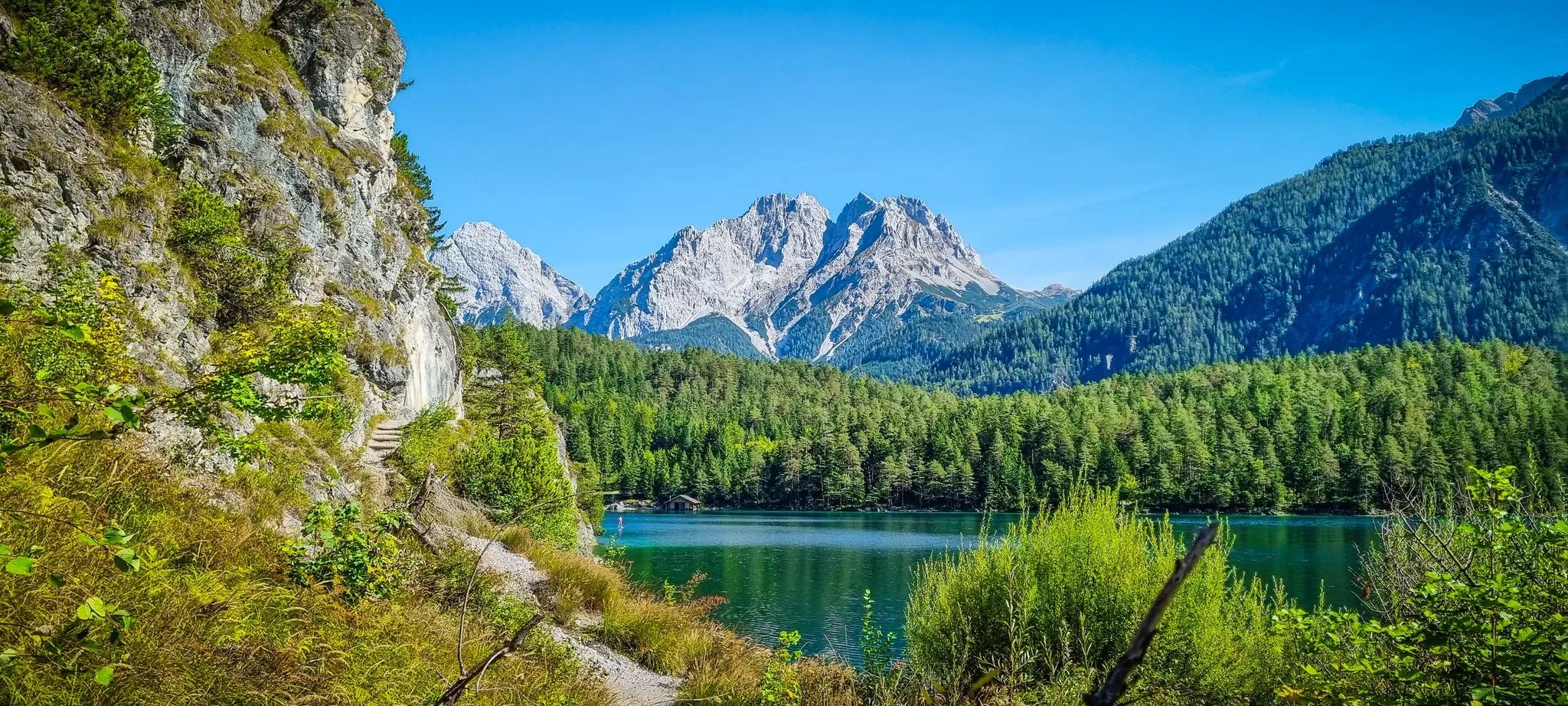
Starkenberg Panorama Trail – Lakes, gorges and noble paths
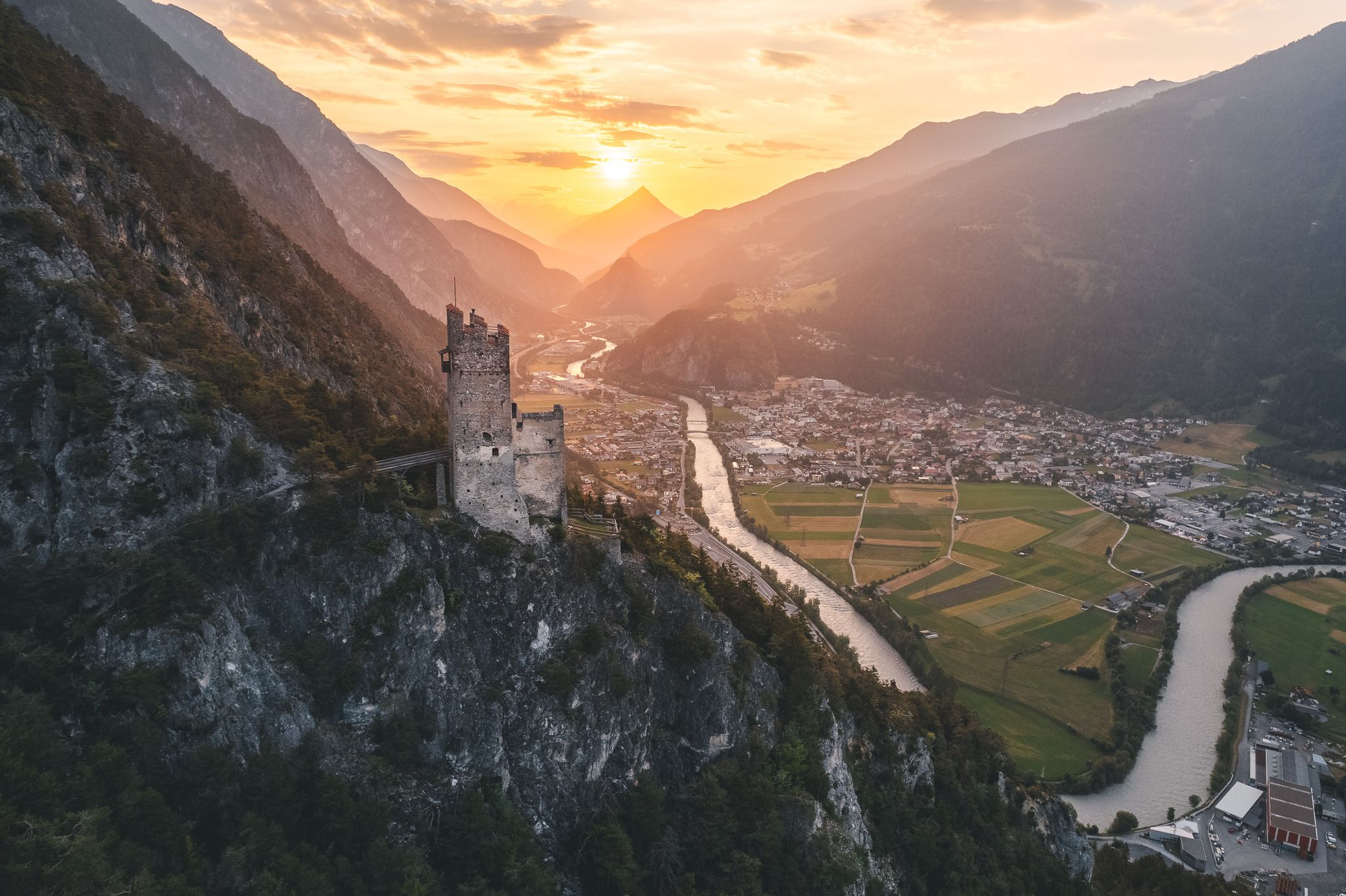
Tyrolean Castle Trail – a journey back to the Middle Ages
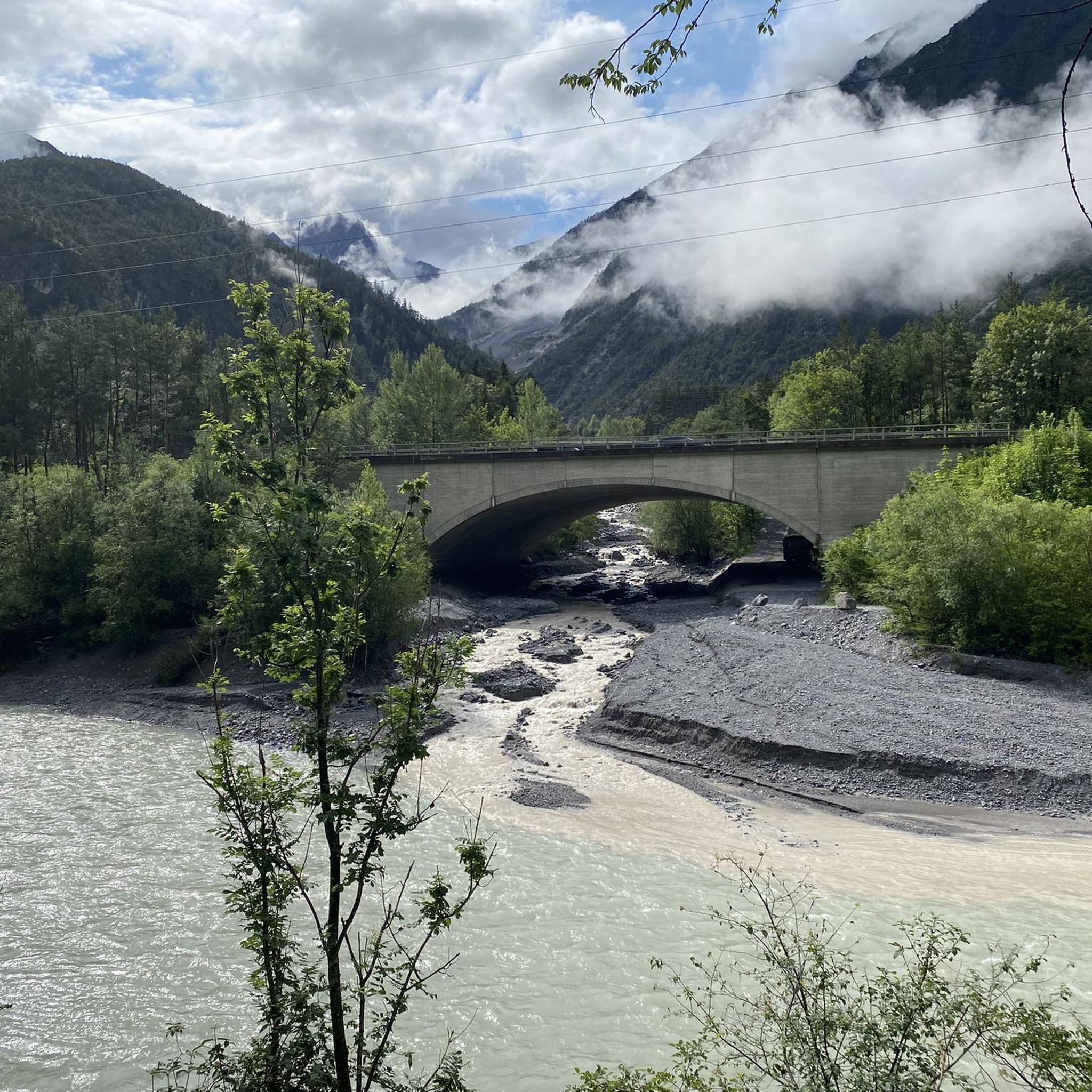
Road Cycling Routes around Schönwies
Mountain Hikes around Schönwies

Gravel biking around Schönwies
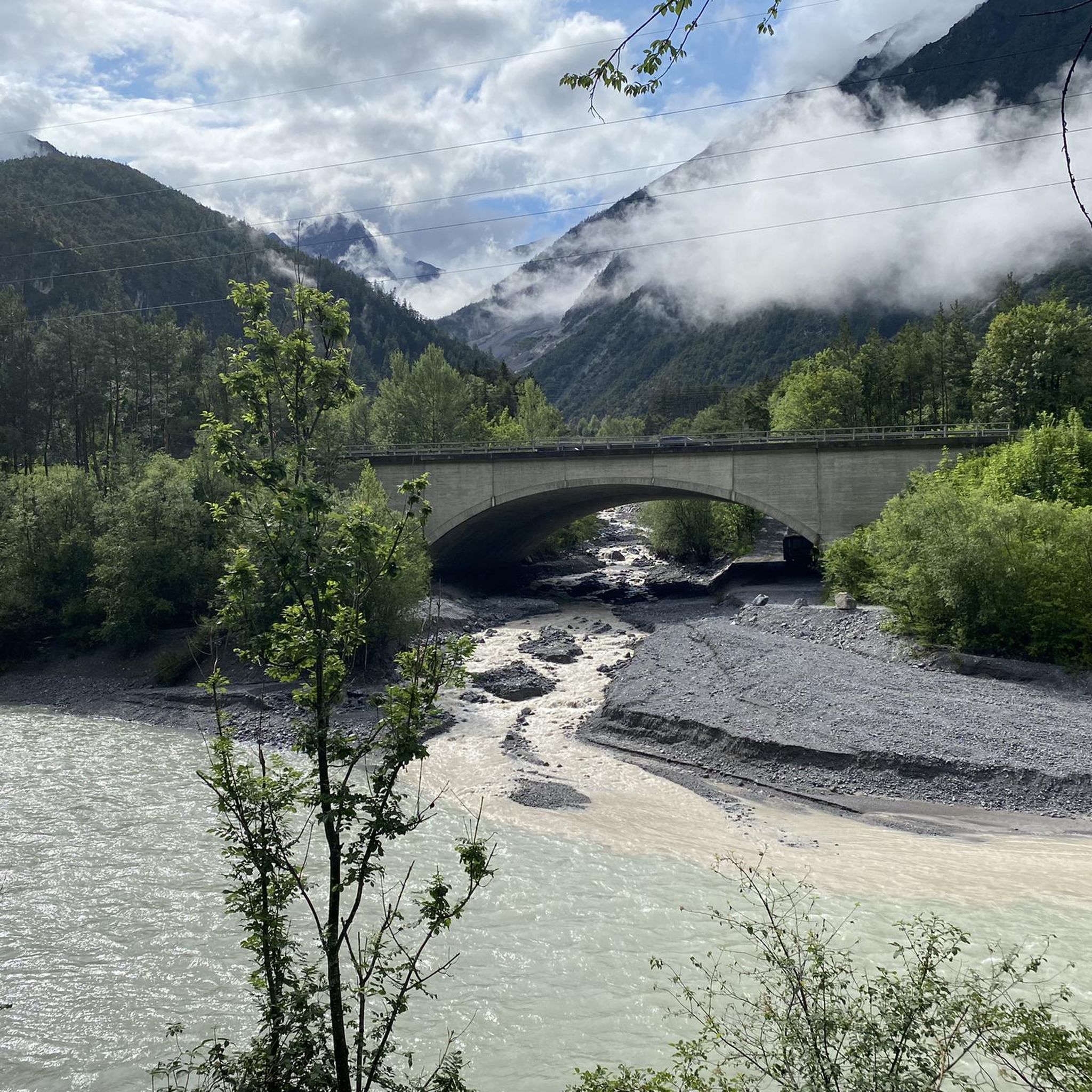
Running Trails around Schönwies
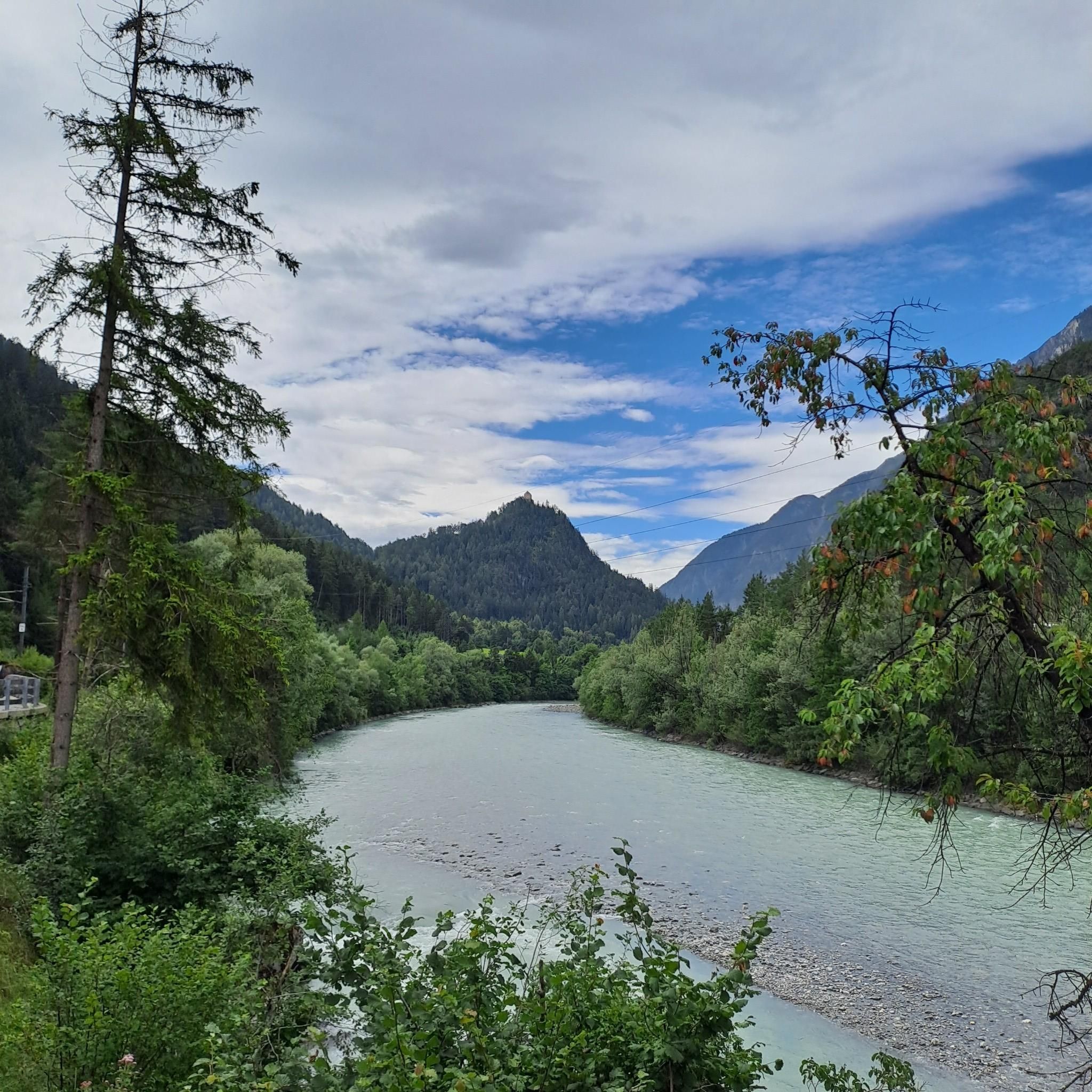
Hiking around Schönwies
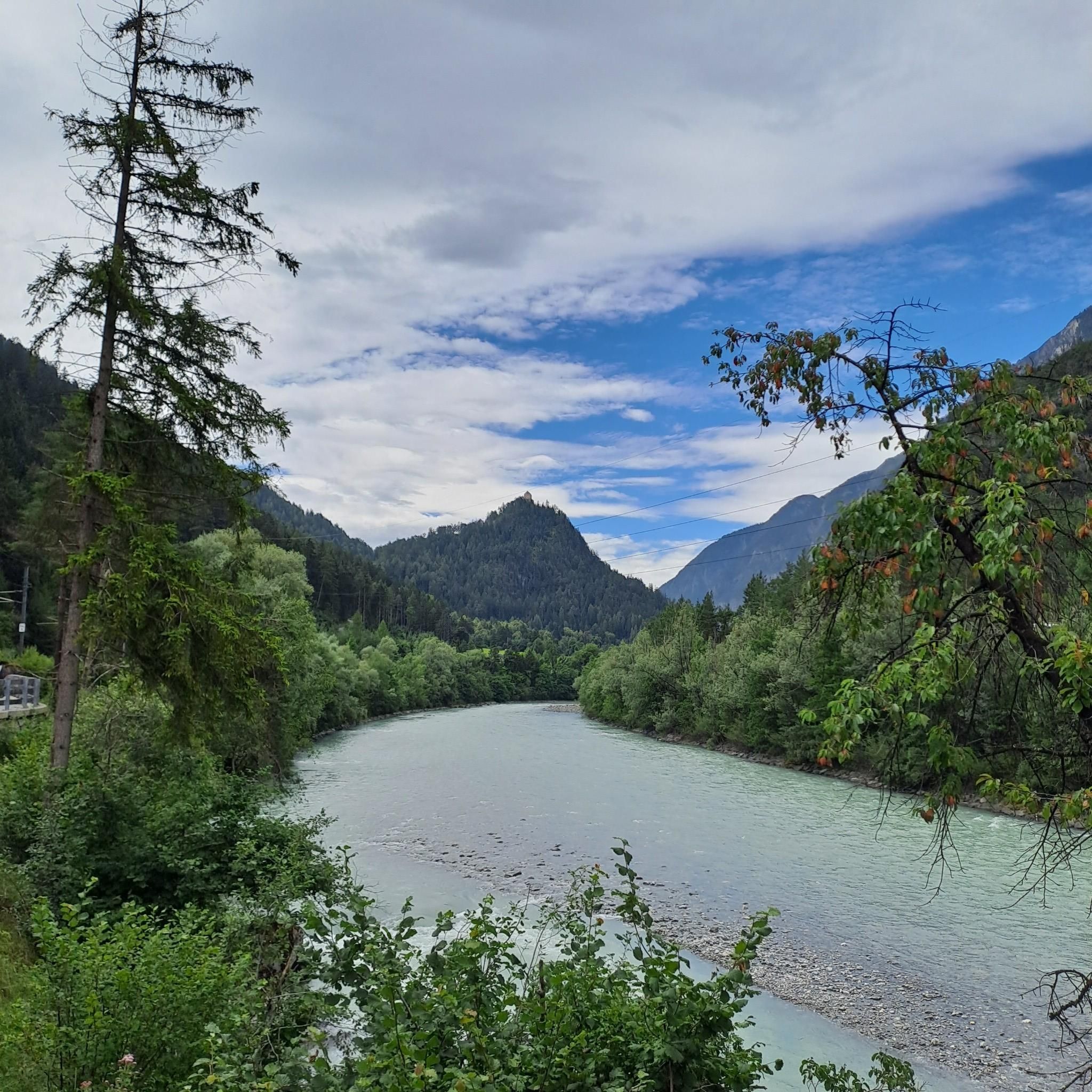
MTB Trails around Schönwies
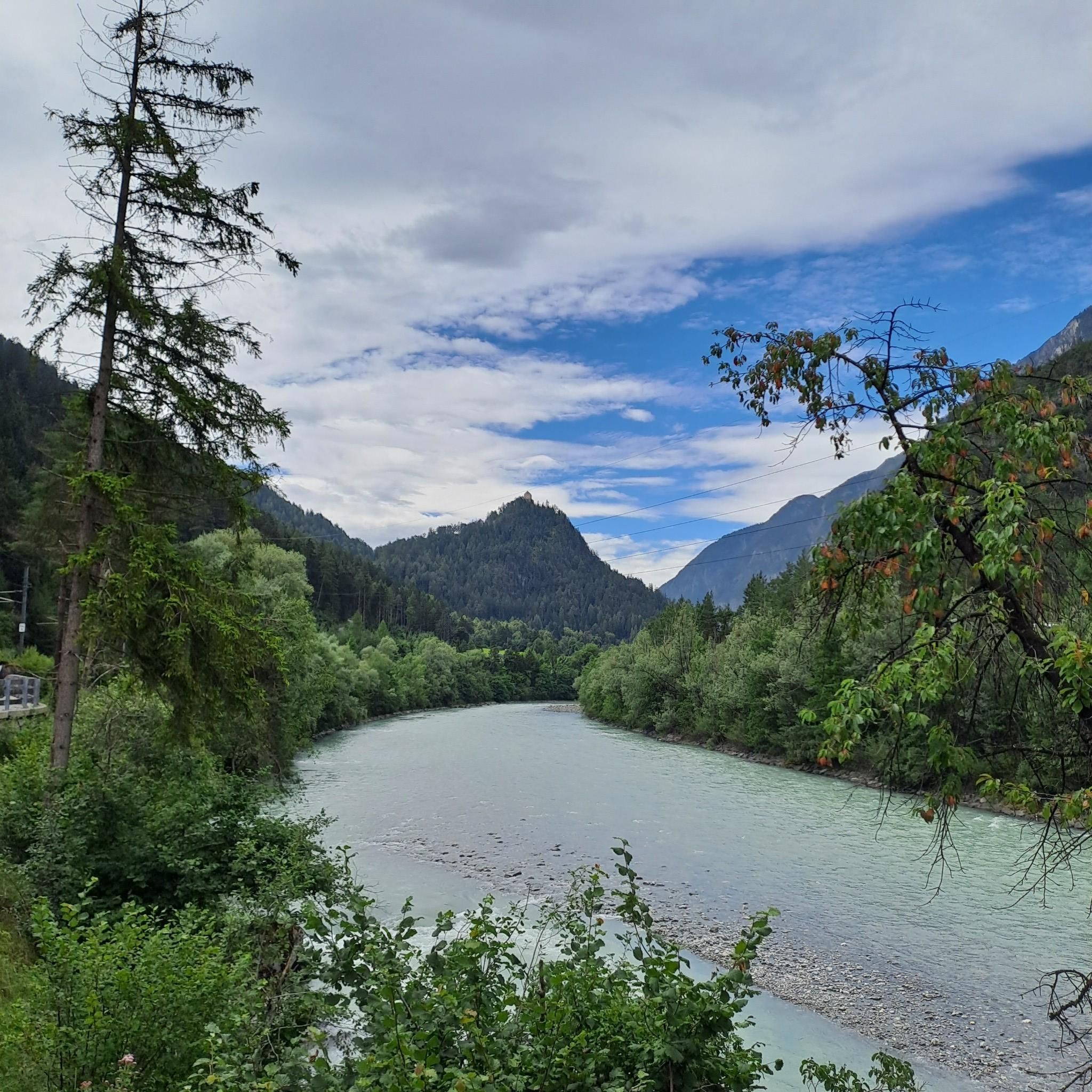
Cycling around Schönwies


Tips from the Community

An absolute highlight. Start at the parking lot in Schön
1
0

The visit is absolutely worth seeing, even in winter absolutely fantastic when the water is frozen 👍👍👍🥾🥾
1
0

Winter activities at the Stuibenfall Even in winter, the Stuibenfall shapes the landscape of Umhausen and Niederthai. Embedded in the snowy landscape, Tyrol's largest waterfall seems almost mystical in the cold season. Curious? Hike to see the view of the Stuibenfall during the day or in the evening with lighting.
0
0
After a rockslide with fatal consequences, the original hiking route had to be closed to the public. After two years of construction, a steel structure with 728 steps and an 80-meter-long suspension bridge now leads to the viewing platforms and to Niederthai. The official opening took place on May 21, 2016. At least the upper information board still showed the old route in summer 2017 (as shown here).
0
0
The waterfall is well developed as a tourist attraction with hiking trails and restaurants, and since 2007 there has also been a suspension bridge at the top and five viewing platforms spread out. Some of the platforms are in such exposed places that the "Stuiben" (dusting) can be experienced directly. Since 2008 there has also been a 450-meter-long, family-friendly via ferrata that crosses the waterfall in the last section. During the summer months the waterfall is illuminated one evening a week.
0
0
When the mountain massif near Köfels collapsed around 7000 BC, the present-day Tauferberg was formed on the opposite side. This dammed the Horlachbach and a large lake was formed. The water ate away at the rock from which the current Stuibenfall falls; a small remnant of the eroded massif has been preserved as a natural bridge. The remains of the lake can also still be seen as shore terraces in Niederthai.
0
0
With a drop of 159 meters (in two stages), the Stuibenfall is the highest waterfall in Tyrol. On average, 610 liters of water per second, with a maximum of 2,000 liters per second, flow over the edge of the rock into the depths. As the stream is largely fed by meltwater from the Zwieselbach and Grastalferner, it has the highest water flow in summer.
0
0
The Stuiben Falls were created in 7,000 BC, when the kilometer-high glaciers of the Ice Age retreated from the valley and the permafrost thawed. This resulted in a massive landslide and blocked the mountain stream from the Horlachtal valley. As it searched for a new path into the valley, Tyrol's largest waterfall was created.
0
0
Frequently Asked Questions
Where can I find notable waterfalls near Schönwies?
While Schönwies itself doesn't host prominent named waterfalls, its location in Tyrol provides access to several impressive cascades. You can explore the Rosengarten Gorge in Imst, which features a path through vertically rising rock walls and roaring water. Further afield, the Stuibenfall Waterfall in the Ötztal Valley is Tyrol's highest, offering a powerful spectacle with viewing platforms.
Are there any family-friendly waterfall experiences near Schönwies?
Yes, several options are suitable for families. The Salvesen Gorge is perfect for a family outing, featuring an educational trail, a sculpture trail, and an observation deck with views of the surrounding mountains. The Stuibenfall Waterfall is also categorized as family-friendly, with well-maintained paths and viewing platforms.
What kind of natural features can I expect to see at these waterfall locations?
You'll encounter diverse natural features. The gorges, like Rosengarten Gorge and Salvesen Gorge, showcase deep ravines carved by rushing water, high rock walls, and lush vegetation. Waterfalls like the Stuibenfall Waterfall offer dramatic cascades, often with panoramic viewpoints and the powerful sound of falling water. You might also find rivers and natural monuments.
What is the best time to visit the waterfalls in the Tyrol region?
The best time to visit waterfalls in Tyrol is typically during late spring and early summer (May to July). This is when snowmelt from the mountains contributes to the highest water volume, making the cascades particularly powerful and impressive. Autumn can also be beautiful with vibrant foliage, though water levels might be lower.
Are there hiking trails associated with these waterfalls?
Absolutely. Most waterfall attractions in the region are integrated into hiking trails. For instance, the Rosengarten Gorge features a path leading through its impressive landscape. The Stuibenfall Waterfall is accessible via hiking trails that include viewing steps and a suspension bridge. For more hiking options, you can explore easy hikes around Schönwies.
What are the difficulty levels of the trails leading to these waterfalls?
The difficulty varies. The paths through Rosengarten Gorge and Stuibenfall Waterfall are generally considered intermediate, requiring sturdy shoes and surefootedness. Some sections, like the Ascent to the Memminger Hut, can be challenging but offer rewarding views along waterfalls.
Is parking available near the waterfalls?
Yes, parking is generally available. For example, the entrance to the Rosengarten Gorge is right in the center of Imst, making it easily accessible. For the Stuibenfall Waterfall, there are designated parking areas from which you can start your walk to the falls.
What other outdoor activities can I do near Schönwies?
Beyond waterfall visits, the Schönwies area offers a variety of outdoor activities. You can find numerous running trails, easy hikes, and cycling routes suitable for different fitness levels, exploring the scenic Tyrolean landscape.
What do visitors enjoy most about the gorges and waterfalls in this region?
Visitors frequently praise the powerful natural spectacles, such as the roaring water in the Rosengarten Gorge and the gigantic cascades of the Stuibenfall Waterfall. The well-secured paths, viewing platforms, and the opportunity for family outings, especially at Salvesen Gorge, are also highly appreciated.
Are dogs allowed on the trails to the waterfalls?
Yes, dogs are generally welcome on many trails, but it's important to be prepared. For instance, the Rosengarten Gorge is considered suitable for dogs, but sturdy shoes and good condition are required for both humans and their canine companions due to the terrain. Always keep dogs on a leash and be mindful of other visitors.
How far is the Stuibenfall Waterfall from Schönwies?
The Stuibenfall Waterfall, located in Umhausen in the Ötztal Valley, is a bit further from Schönwies. It requires a drive, but it is well worth the journey as it is Tyrol's highest waterfall and a significant natural attraction.
Are there any other notable waterfalls in the wider Tyrol region I should consider visiting?
Beyond those mentioned, Tyrol is home to other impressive waterfalls. The Grawa Waterfall in the Stubai Valley is known for being the widest in the Eastern Alps, and the Krimml Waterfalls, though further afield in Hohe Tauern National Park, are Austria's tallest and most powerful.
Most popular routes around Schönwies
Most popular attractions around Schönwies

Get inspired with the komoot mobile app


Explore more
Happy to travel a little further afield? Then browse these guides for the best waterfalls around Schönwies:
