Top 16 Castles around Patsch
Best castles around Patsch are found in a mountain village in Austria, offering historical elements within a natural landscape. The area features historical sites that provide insight into its past. These include remnants of castles and an abbey, showcasing the region's history. Visitors interested in history, architecture, and scenic views will find these locations relevant.
Best castles around Patsch
- The most popular castles is Thaur Castle Ruins, a castle that dates back to the 12th century. It offers panoramic…
Last updated: July 1, 2026
Hofburg, Innsbruck (Imperial Palace)
Highlight • Castle
In 1500 the Hofburg Innsbruck was completed under Emperor Maximilian I (1459-1519). It already had the same dimensions as today and was captured by Albrecht Dürer as a …
Translated by Google •
Tip by

Ottoburg, Innsbruck
Highlight • Castle
Translated by Google •
Tip by

Sign up now to discover places like this
Get recommendations on the best single tracks, peaks, & plenty of other exciting outdoor places.
Sign up for free
Thaur Castle Ruins
Highlight • Castle
Translated by Google •
Tip by

Ambras Castle, Innsbruck
Highlight • Castle
Ambras Castle, Innsbruck, is one of Austria's most important sights and the top day trip destination in Tyrol.
Visit the world's first museum preserved in its original …
Translated by Google •
Tip by
Hasegg Castle
Highlight • Castle
The old town of Hall is the largest preserved medieval old town in North Tyrol: its landmark is the mint tower of …
Translated by Google •
Tip by
Sign up for free to discover even more castles around Patsch.
Sign up for free
Already have an account?
Start today with a free account
Your next adventure awaits.
Login or Signup
Popular around Patsch
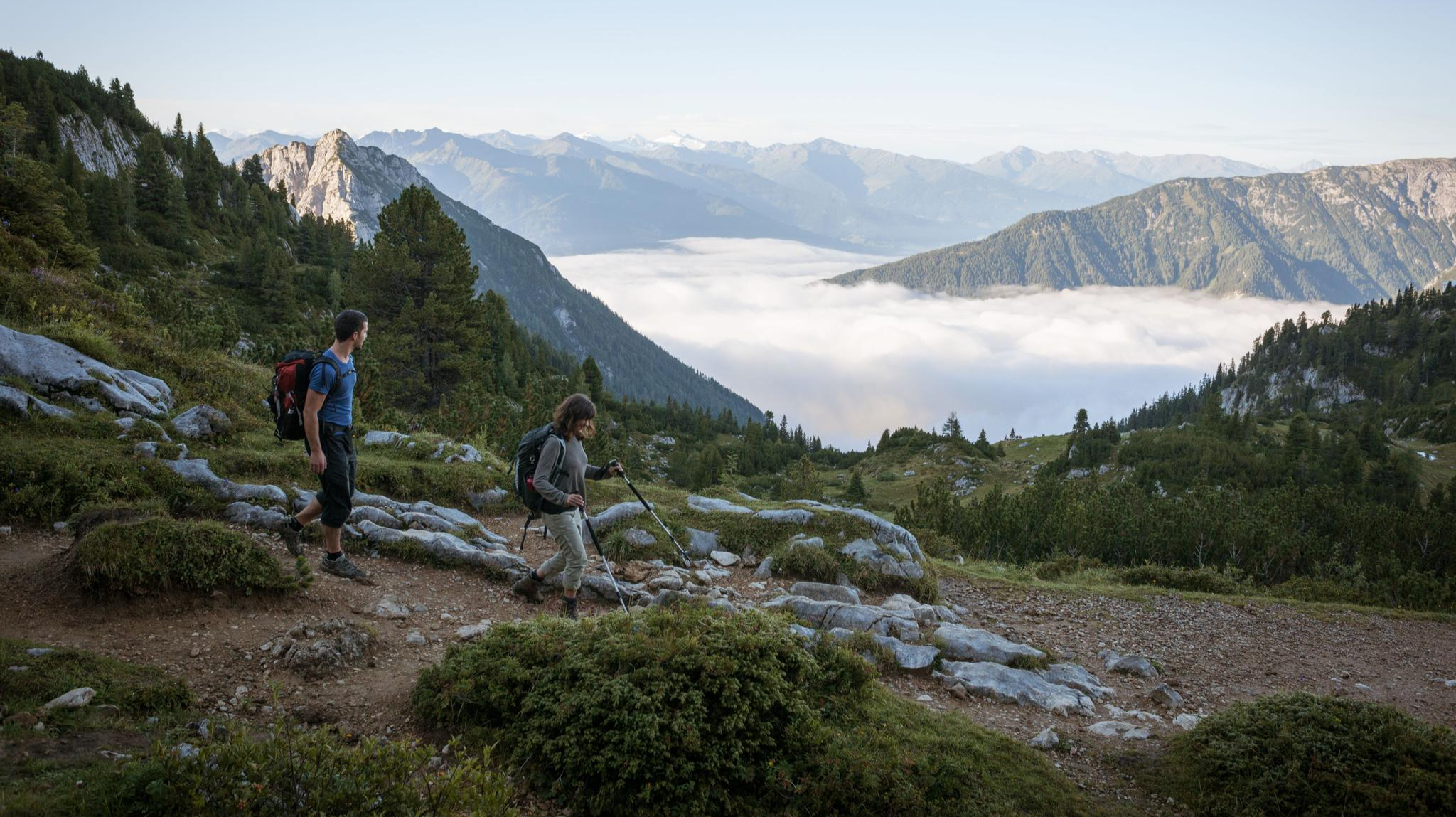
Eagle Walk – Majestic hiking along Tirol's trail

The most beautiful autumn hikes in Hall-Wattens
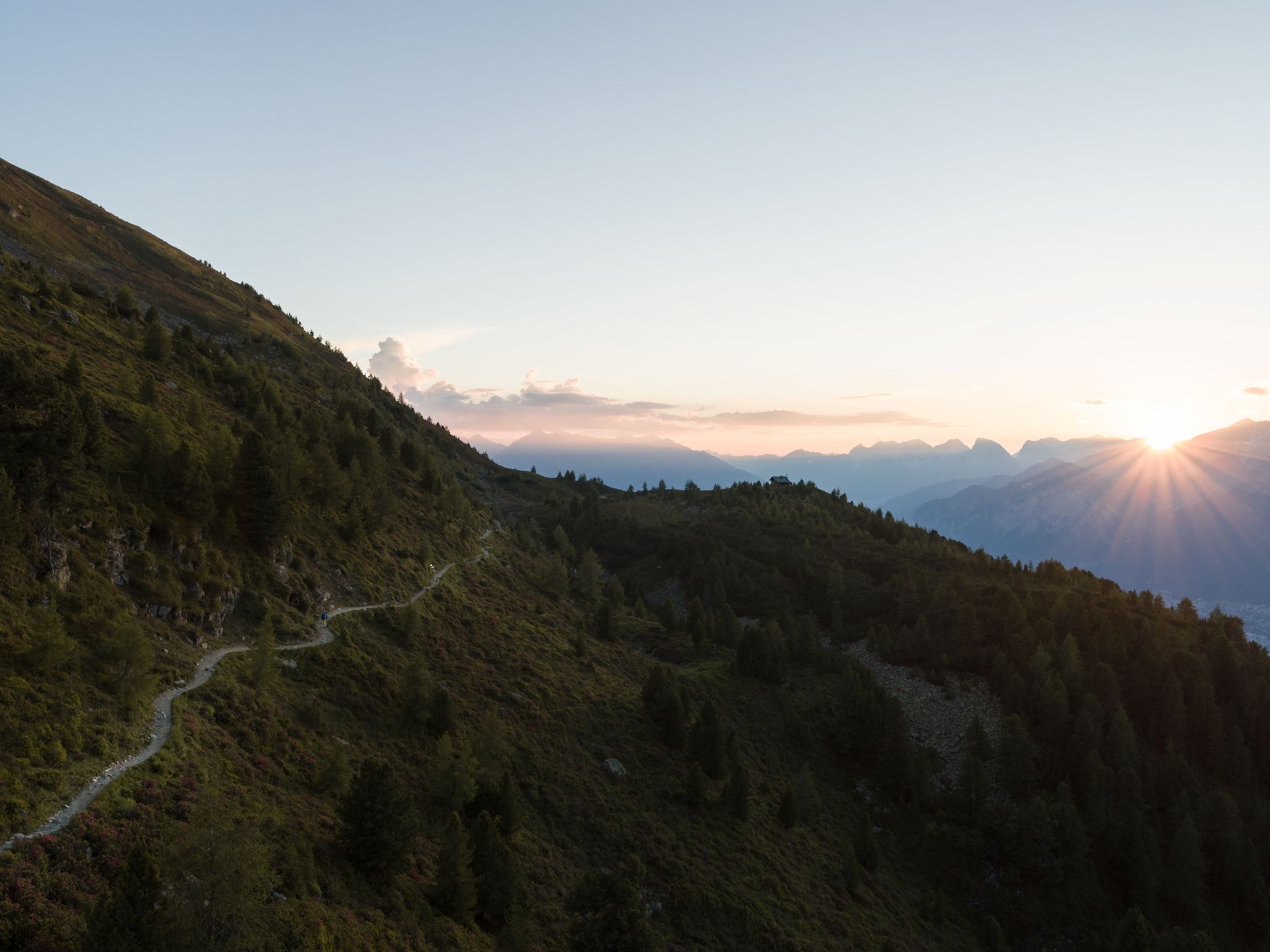
Six stages on the Inntaler High Trail – Great Walks
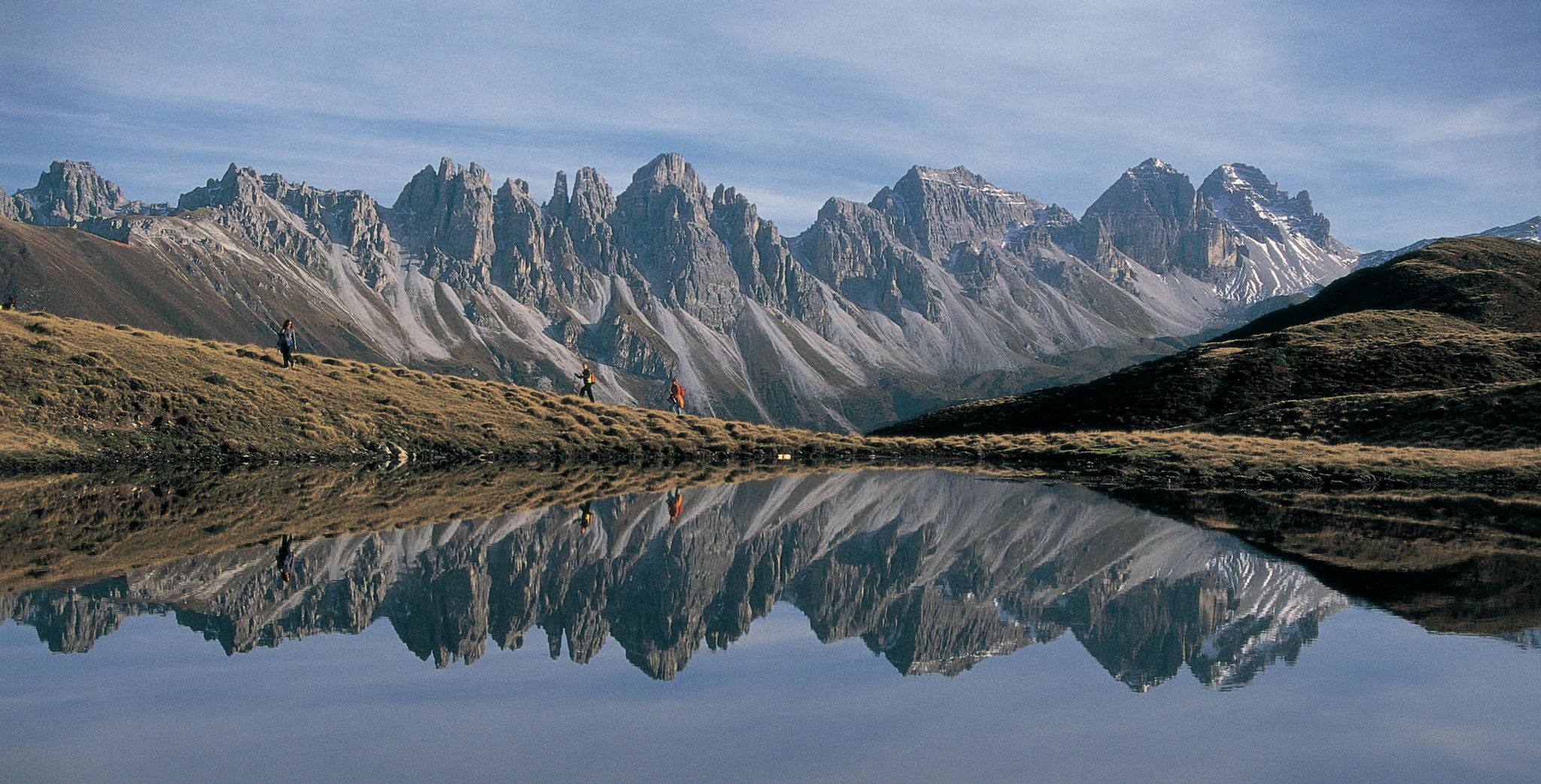
Leaving the city & up into the mountains – hiking around Innsbruck
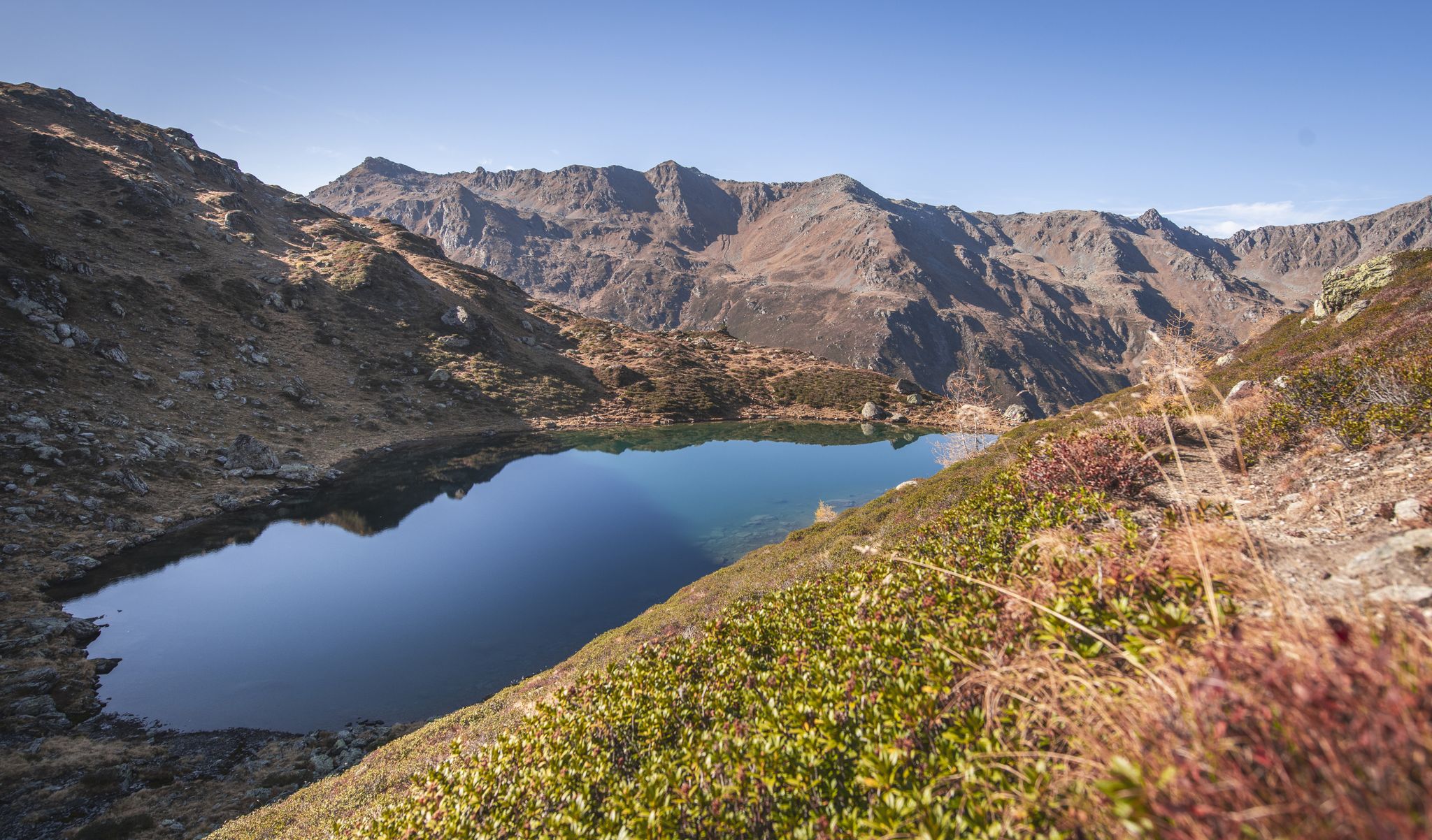
Hikes in Austria’s Hall-Wattens region – discover powerful places

Mountain pastures and local dishes — hiking to the Tyrolean alpine huts
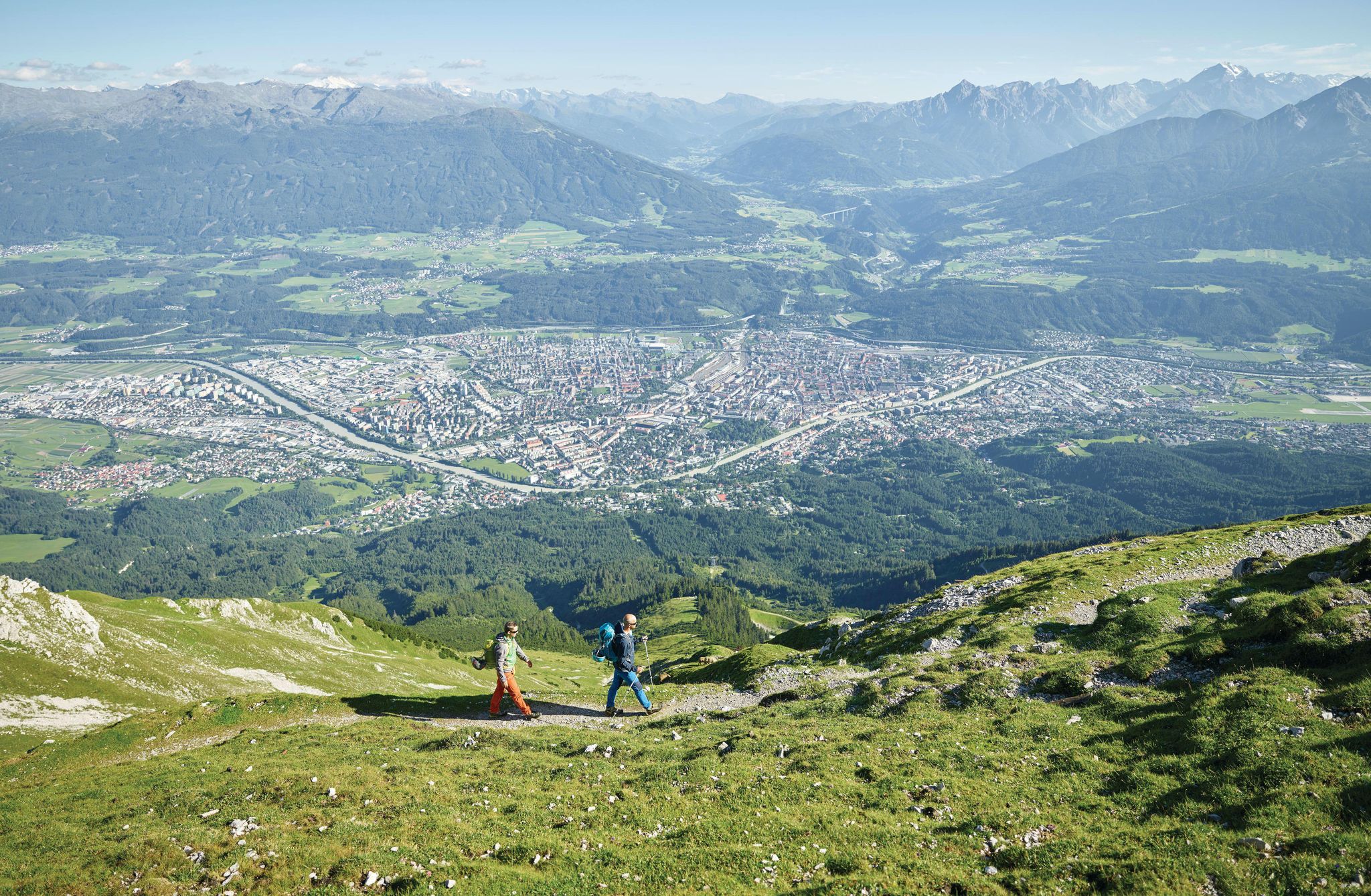
High mountains and city life – unique hiking experiences around Innsbruck
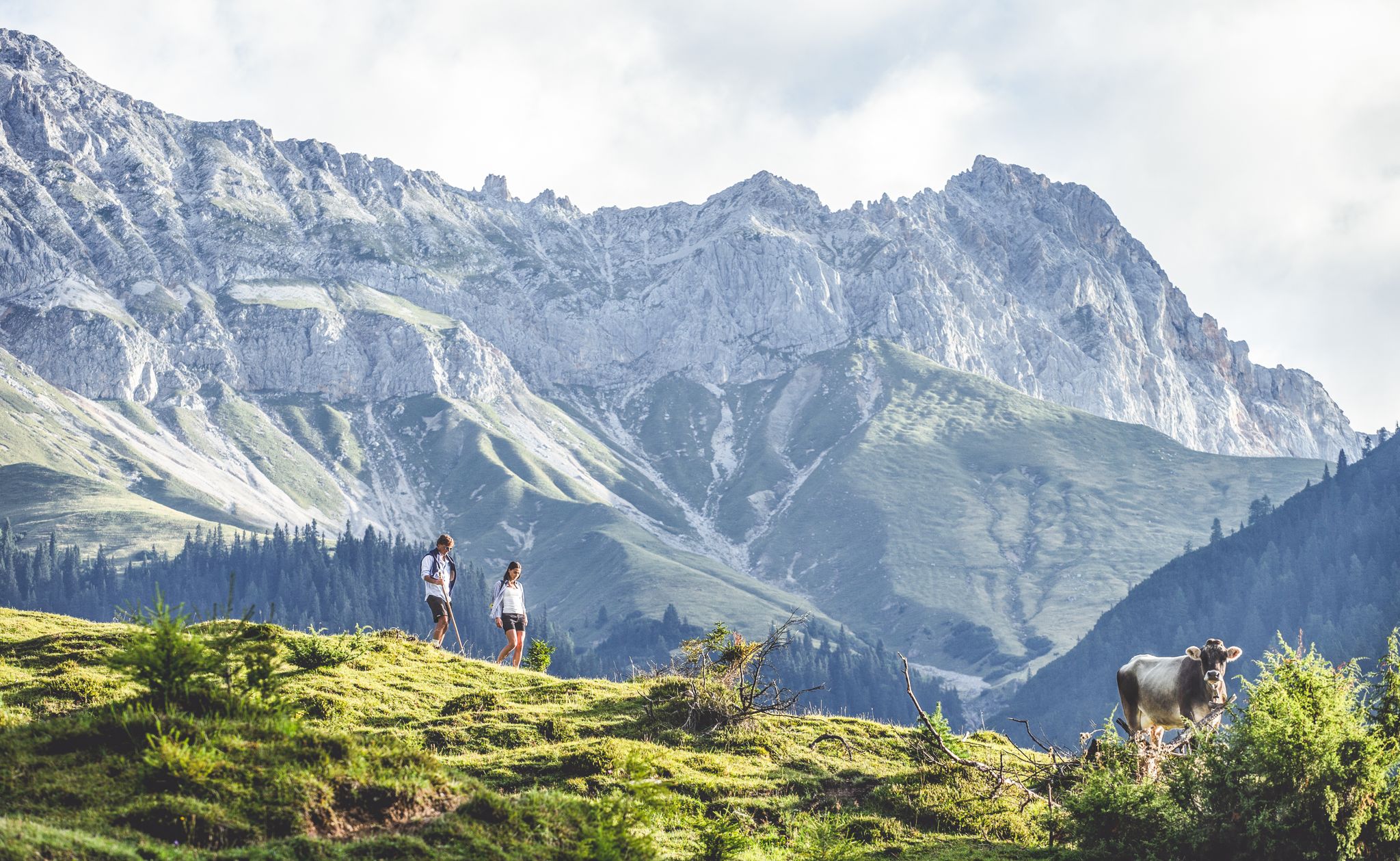
Alpine idyll & summit adventures – hiking holidays in Tyrol
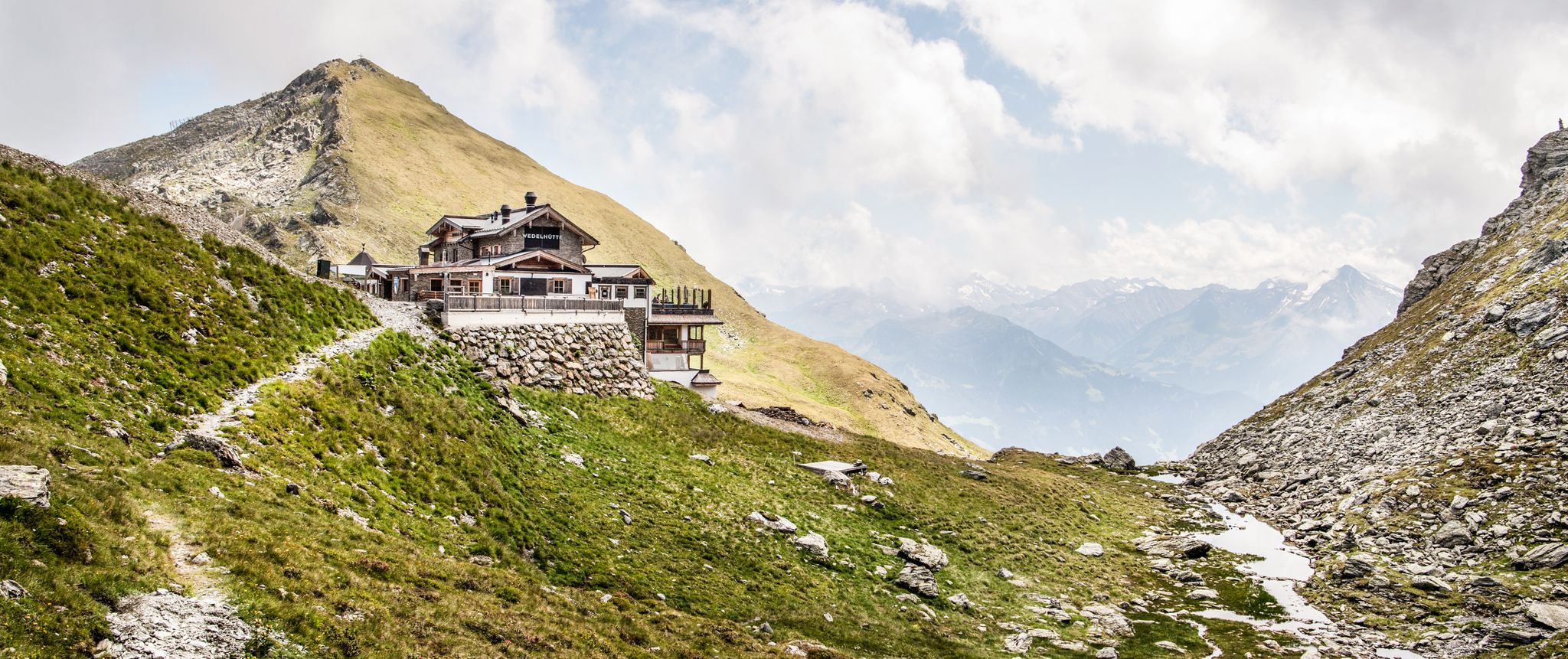
Amazing hiking & gourmet feasts – Taste of Place tours in Tyrol
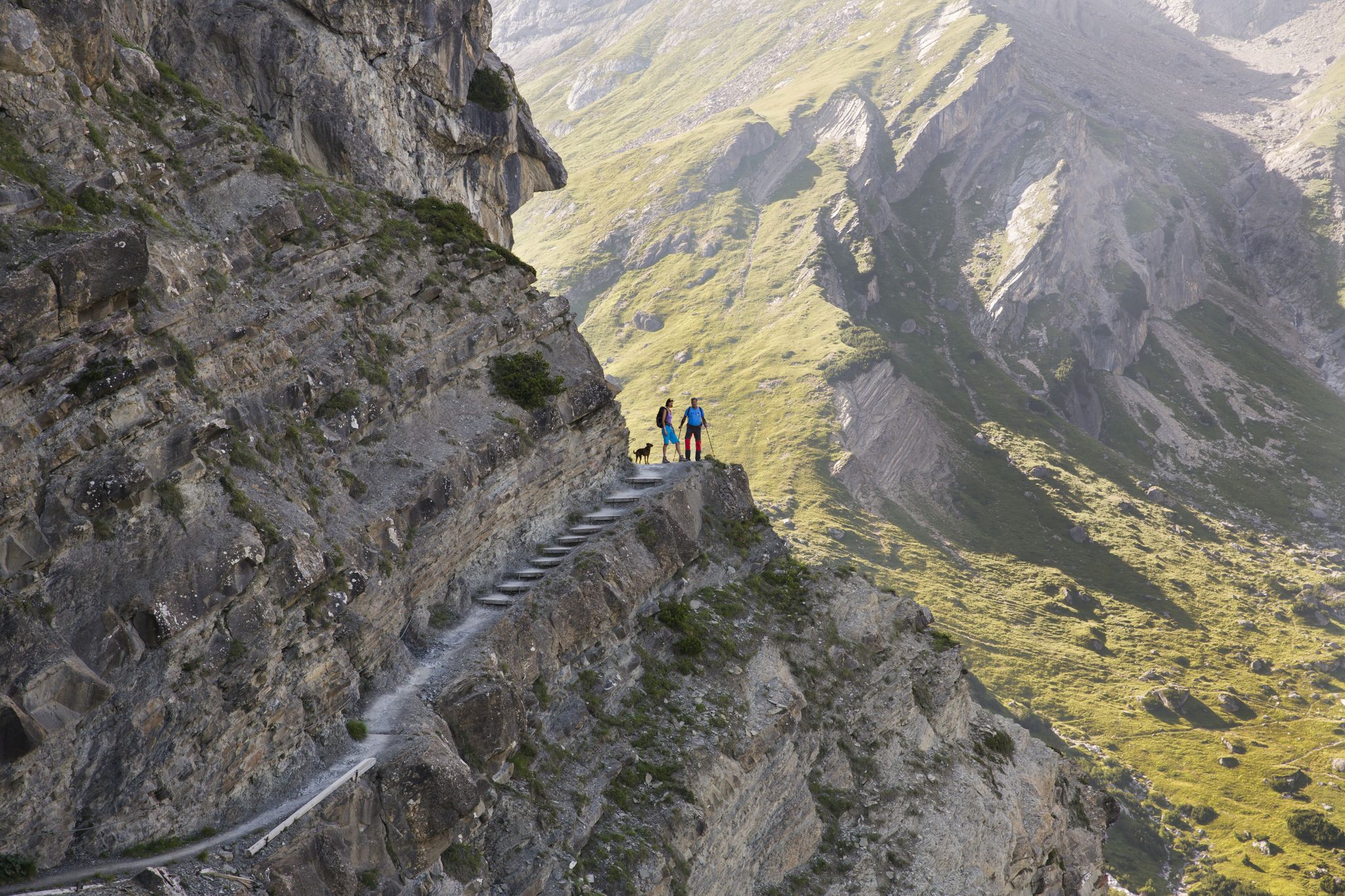
Big and small adventures in the mountains of Tyrol
Other adventures around Patsch


Tips from the Community

Closed to visitors from November
2
0

The World's First Museum / The History of Ambras Castle Ambras Castle is located on the southern outskirts of Innsbruck, the Tyrolean capital. Records of Ambras date back to the 10th century, spelled "Amras" or "Omras." In the High Middle Ages, it was the seat of the Upper Bavarian Counts of Andechs. The property then passed into the possession of the Tyrolean sovereigns through inheritance. The medieval character of the castle is still clearly evident in the structure of the upper castle. In 1564, Ambras Castle became the residence of the Tyrolean sovereign, Archduke Ferdinand II, who moved there with his young family, his wife Philippine, and their two sons, Andreas and Karl. The so-called upper castle was converted and expanded into a residential building in the Renaissance style. The impressive Spanish Hall and extensive gardens were created below the residential building as new buildings. Text / Source: Ambras Castle Innsbruck, Schlossstraße 20, 6020 Innsbruck https://www.schlossambras-innsbruck.at/das-schloss-entdecken/das-schloss#:~:text=Schloss%20Ambras%20liegt%20am%20s%C3%BCdlichen%20Stadtrand%20der%20Tiroler
16
0


Innsbruck's Hofburg, often referred to as the Tyrolean sister of Vienna's magnificent House of Habsburg, is a fascinating piece of history. The era of Maria Theresa, in particular, left its mark here and should not be ignored by anyone interested. Those familiar with the history of the dynasty can better understand the significance of this place. Admittedly, there are palaces in Austria that exude more glamour. But the Hofburg has its own special charm. The magnificent halls, large-format paintings, and breathtaking frescoes tell stories from times long past and invite you to immerse yourself deeply in history. The private chambers of Empress Elisabeth and Emperor Franz Joseph are particularly fascinating. Although the Empress rarely stayed here, her name still attracts many visitors. And the Hofburg's location is simply impressive – located in the heart of Innsbruck, it blends harmoniously into the cityscape. The exhibition can be explored at a leisurely pace without a guided tour, offering the opportunity to linger in the historic setting and absorb the atmosphere. A visit that brings history to life!
5
1

Castle ruins above Thaur with beautiful views
1
0
The World's First Museum / The History of Ambras Castle Ambras Castle is located on the southern outskirts of Innsbruck, the Tyrolean capital. Records of Ambras date back to the 10th century, spelled "Amras" or "Omras." In the High Middle Ages, it was the seat of the Upper Bavarian Counts of Andechs. The property then passed into the possession of the Tyrolean sovereigns through inheritance. The medieval character of the castle is still clearly evident today in the fabric of the upper castle. In 1564, Ambras Castle became the residence of the Tyrolean sovereign, Archduke Ferdinand II, who moved in with his young family, his wife Philippine, and their two sons, Andreas and Karl. The so-called upper castle was converted and expanded in the Renaissance style to create a residential area. The impressive Spanish Hall and extensive gardens were created below the residential building as new buildings. Text / Source: Ambras Castle Innsbruck, Schlossstraße 20, 6020 Innsbruck https://www.schlossambras-innsbruck.at/das-schloss-entdecken/das-schloss#:~:text=Ambras Castle is located on the southern outskirts of the Tyrolean town, and is the seat of the Upper Bavarian Counts of Andechs.
17
0
Ambras Castle, Innsbruck Ambras Castle, Innsbruck, is one of Austria's most important sights and the top day trip destination in Tyrol. Visit the world's first museum preserved in its original location and embark on a journey back 450 years. Text / Source: Ambras Castle, Innsbruck, Schlossstraße 20, 6020 Innsbruck https://www.schlossambras-innsbruck.at/
17
0
Hasegg Castle, Hall in Tirol First mentioned in documents in the 13th century, the castle was built to protect the saltworks, shipping, the bridge over the Inn and to monitor the old salt road. The name comes from the Pfannhäuser, in which brine was evaporated and on whose "Egg" (corner) the castle was located. In the 15th century, the castle was expanded into a princely residence. In 1567, Archduke Ferdinand II had the mint moved here. Text / Source: Hall-Wattens Tourism, Unterer Stadtplatz 19, 6060 Hall in Tirol https://www.hall-wattens.at/de/burg-hasegg.html
16
0
Frequently Asked Questions
What are some of the most notable castles to visit near Patsch?
Among the significant castles in the area, you can explore Thaur Castle Ruins, which dates back to the 12th century and offers panoramic views of the Inn Valley. Another must-see is Hasegg Castle with its famous mint tower, known for its history as a princely residence and its role in coin minting. Büchsenhausen Castle also offers a rich past, having served various purposes from a casting hut to a residence with architectural expansions from different centuries.
Are there any family-friendly castles or historical sites around Patsch?
Yes, several sites are suitable for families. Thaur Castle Ruins is considered family-friendly, offering an engaging historical experience. Hasegg Castle, particularly with its mint museum and the Water Wheels at Hasegg Castle (Hall Mint), provides an educational and interactive visit for all ages.
What kind of historical insights do the castles near Patsch offer?
The castles around Patsch provide a deep dive into the region's past. Hasegg Castle, for instance, showcases the history of coin minting and its significance as a princely residence. Thaur Castle Ruins highlights medieval defensive architecture and its strategic importance in the Inn Valley. The region itself, including the Patsch Castle Ruins, reflects a history of defensive structures and strategic locations.
Can I find good viewpoints or scenic spots at these castles?
Absolutely. Thaur Castle Ruins offers panoramic views of the Inn Valley. Hasegg Castle's mint tower provides a wonderful view of the historic town of Hall in Tirol. The Patsch Castle Ruins are also noted as an excellent spot for photography, suggesting picturesque scenery.
Are there hiking trails near the castles around Patsch?
Yes, the region offers various hiking opportunities. While not directly adjacent to every castle, you can find numerous routes in the broader area. For example, there are easy hikes like the Heiligwasser Panoramic View loop or more challenging mountain hikes such as the Patscherkofel Hut – Patscherkofel Summit loop. You can explore these and more on the Mountain Hikes around Patsch or Easy hikes around Patsch guide pages.
What is unique about Hasegg Castle and its mint tower?
Hasegg Castle is particularly unique for its mint tower, which housed the princely mint. It was here that the Maria Theresa thaler was minted, and the 'Guldiner' (the origin of the name 'dollar') was invented. The castle also features the Water Wheels at Hasegg Castle (Hall Mint), a reconstruction of the historic waterworks that powered the world's first industrial-scale roller minting machine.
What can I expect to see at Thaur Castle Ruins?
Thaur Castle Ruins, dating back to the 12th century, offers remnants of a significant medieval fortress. Visitors can explore the secured wall remains and enjoy panoramic views of the Inn Valley. The castle grounds also host an open-air theater, adding a cultural dimension to the historical site.
Are there any castles that were significantly impacted by historical events?
Yes, Matrei Trautson Castle, originally built in 1221 to protect the Brennerstrasse, suffered major damage during the construction of the Brennerbahn in 1868 and was almost completely destroyed by aerial bombs in World War II. It has since been restored, standing as a testament to its turbulent past.
What kind of outdoor activities can I combine with a castle visit?
The area around Patsch is excellent for combining castle visits with outdoor activities. You can find various road cycling routes, such as the 'Triumphal Arch, Innsbruck – Natters loop', or mountain hikes like the 'Lanser Alm – Patscherkofel Hut loop'. For more details, check the Road Cycling Routes around Patsch and Mountain Hikes around Patsch guide pages.
What do visitors particularly enjoy about the castles around Patsch?
Visitors appreciate the historical depth and the stunning natural surroundings. Many enjoy the panoramic views from sites like Thaur Castle Ruins and the unique historical experience at Hasegg Castle, especially its minting history. The blend of ancient architecture with the picturesque Inn Valley landscape is a recurring highlight.
Are there any castles that were once a Habsburg seat?
While not listed in the komoot highlights for the immediate area, the Castle of Neustift im Bogen, located within the broader Patsch region, has a rich history spanning over 800 years and once served as a seat for the prestigious Habsburg dynasty. Its imposing presence offers breathtaking views.
What is the significance of the Patsch Castle Ruins?
The Patsch Castle Ruins, though not extensively preserved, provide insight into Patsch's defensive past. They highlight the strategic importance of the area in earlier times and offer a picturesque setting, making them a good spot for photography enthusiasts interested in historical remnants.
Most popular routes around Patsch
Most popular attractions around Patsch

Get inspired with the komoot mobile app


Explore more
Looking for the best castles somewhere else? Discover other guides around Patsch:
