Top 20 Mountain Passes around Flirsch
Best mountain passes around Flirsch are found in a mountainous region of the Stanzertal valley in Austria, offering access to alpine landscapes. Flirsch serves as a base for exploring surrounding high-altitude areas, including the prominent Arlberg Mountain Pass. The area is situated at the foot of the Lechtaler Alps and the Verwall group. Historically, the region was a significant connection point, with its role expanding in the late Middle Ages.
Best mountain passes around Flirsch
- The most popular mountain passes…
Last updated: May 13, 2026
Kaiserjochhaus
Highlight • Mountain Hut
Translated by Google •
Tip by

Seescharte (2,599 m)
Highlight • Mountain Pass
Translated by Google •
Tip by

Sign up now to discover places like this
Get recommendations on the best single tracks, peaks, & plenty of other exciting outdoor places.
Sign up for free
St. Anton am Arlberg Entrance
Highlight • Settlement
Translated by Google •
Tip by

Schmalzgrubenscharte
Highlight • Mountain Pass
Translated by Google •
Tip by

Hahnleskopf summit cross
Highlight • Summit
Translated by Google •
Tip by

Sign up for free to discover even more mountain passes around Flirsch.
Sign up for free
Already have an account?
Start today with a free account
Your next adventure awaits.
Login or Signup
Popular around Flirsch
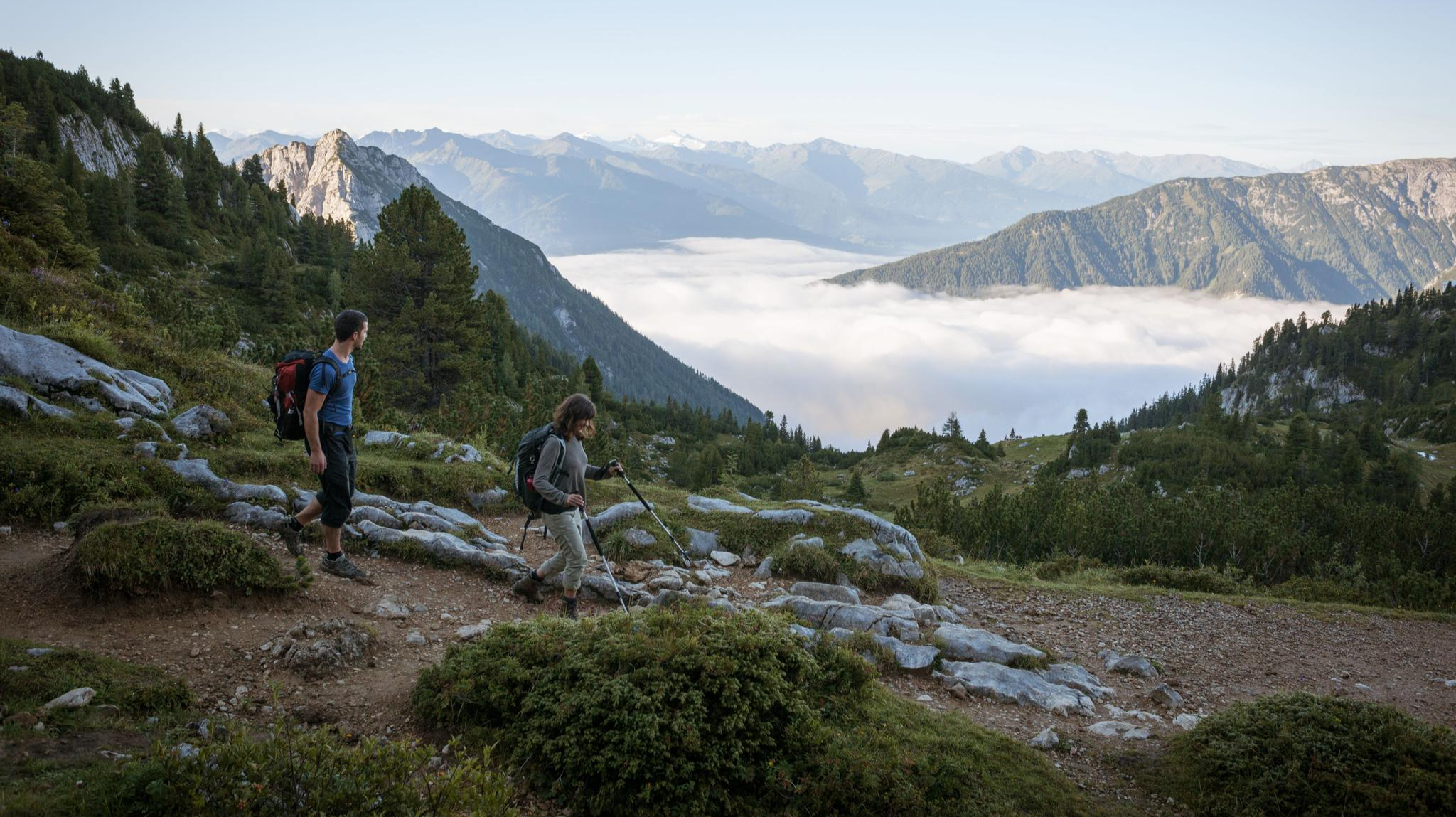
Eagle Walk – Majestic hiking along Tirol's trail
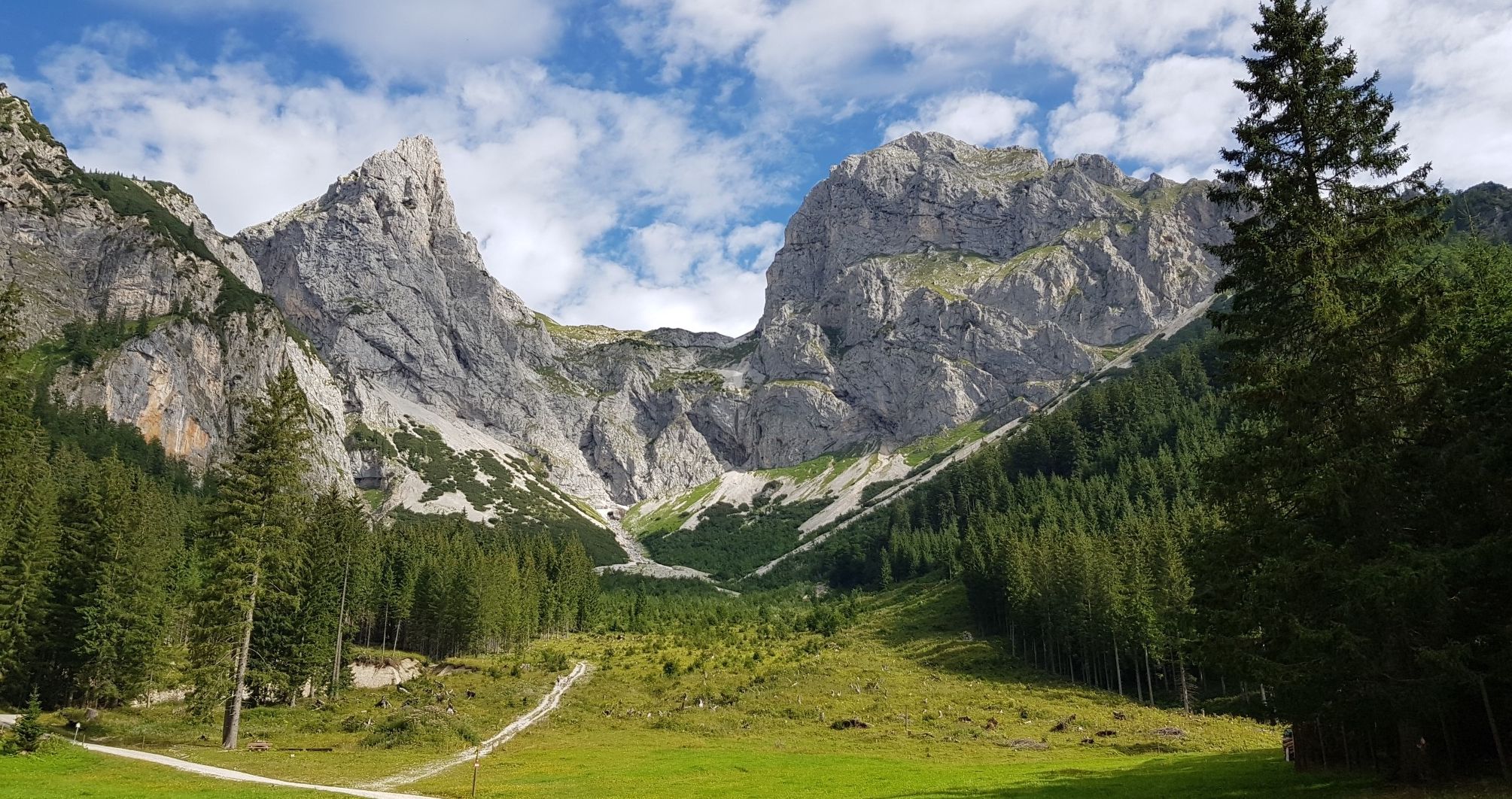
North Alpine Trail 01 – Hike across Austria in 49 days
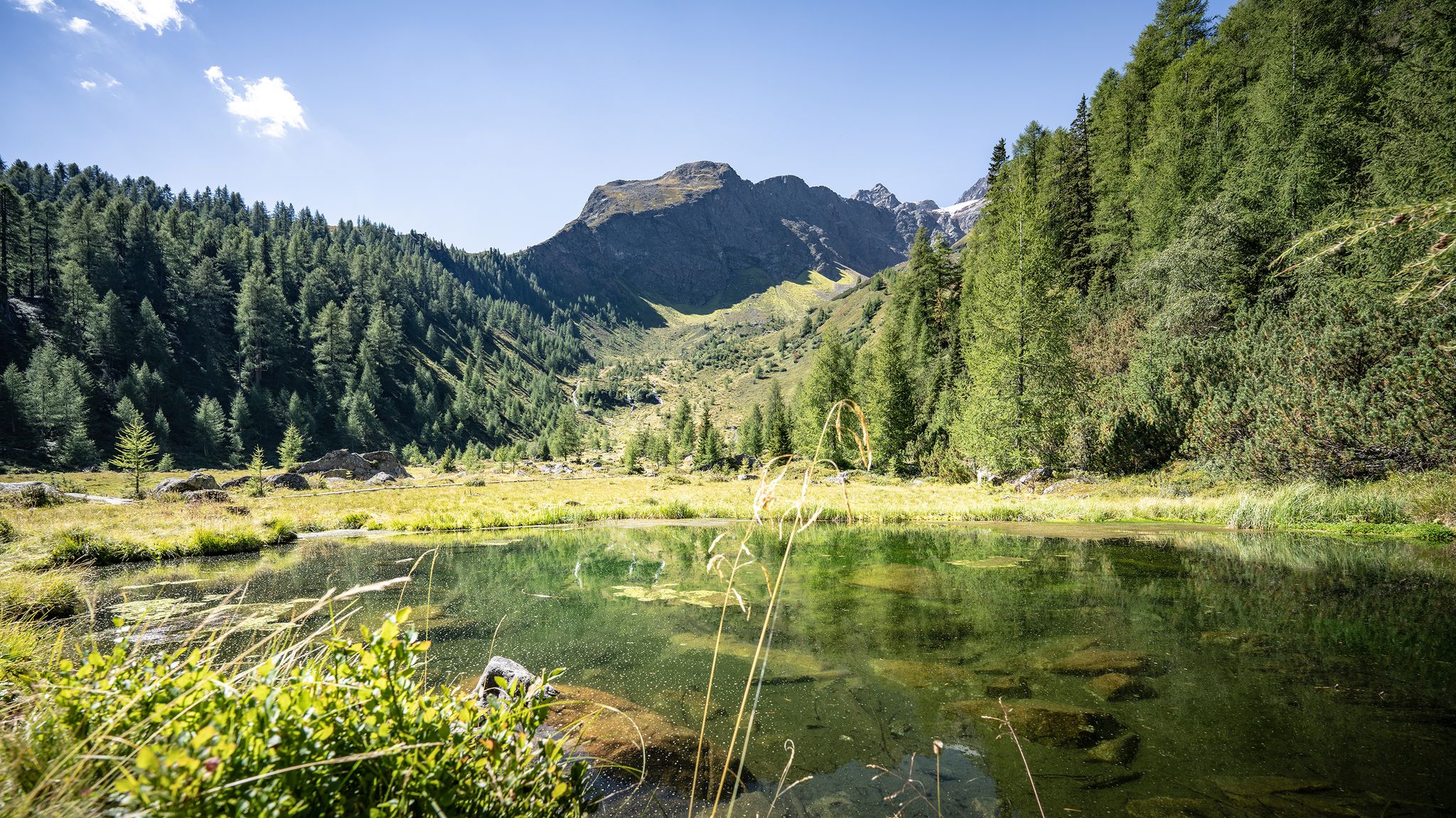
Wild water, light blue – mountain lake Tours in St. Anton am Arlberg
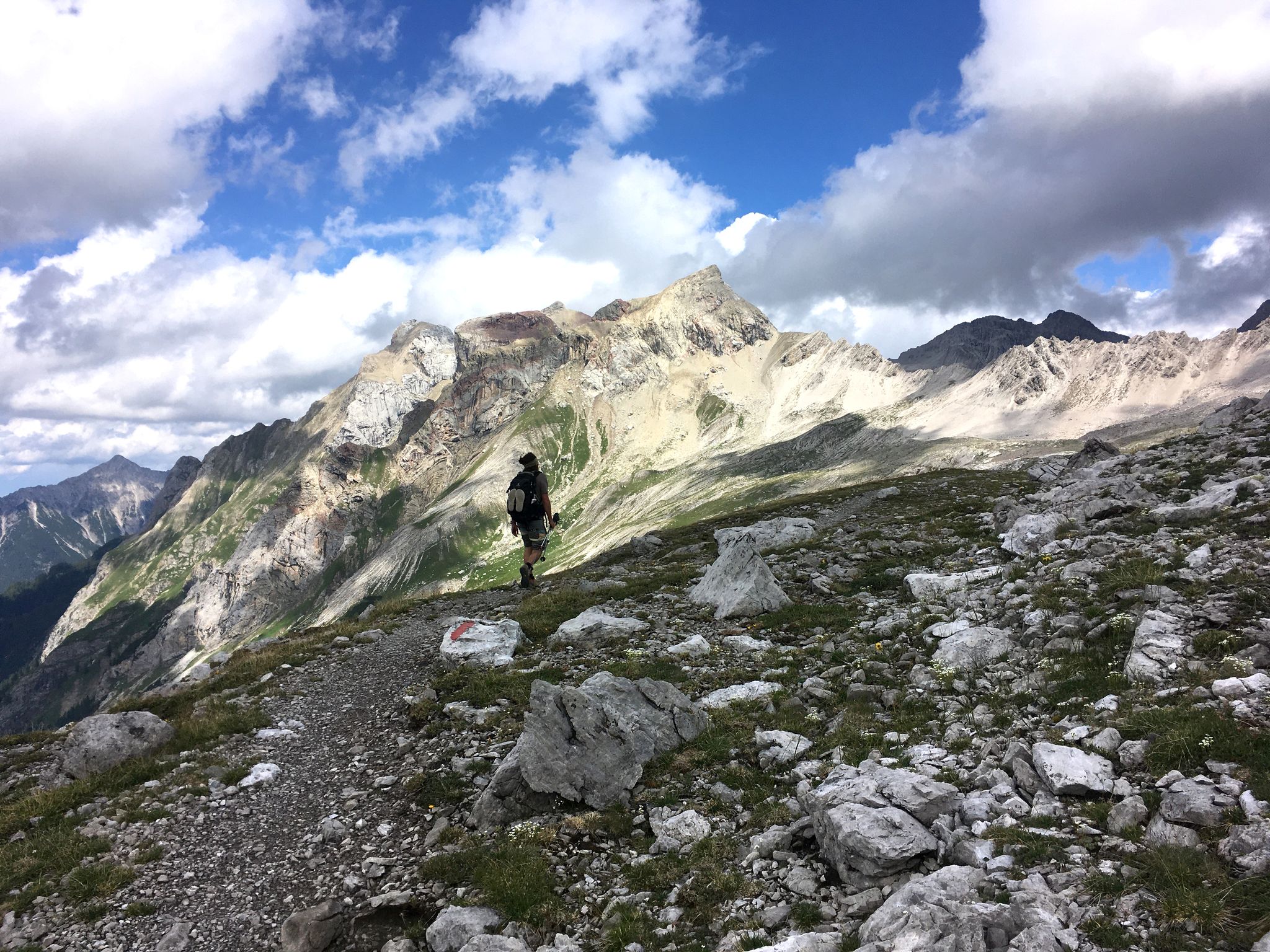
A little scree underfoot — Lechtaler High Trail in Austria
Hiking for human dynamos on the Lechtal Mountain Trail – Great Walks
Enjoy the beauty around St. Anton am Arlberg - 12 day hikes
Running Trails around Flirsch
Hiking around Flirsch
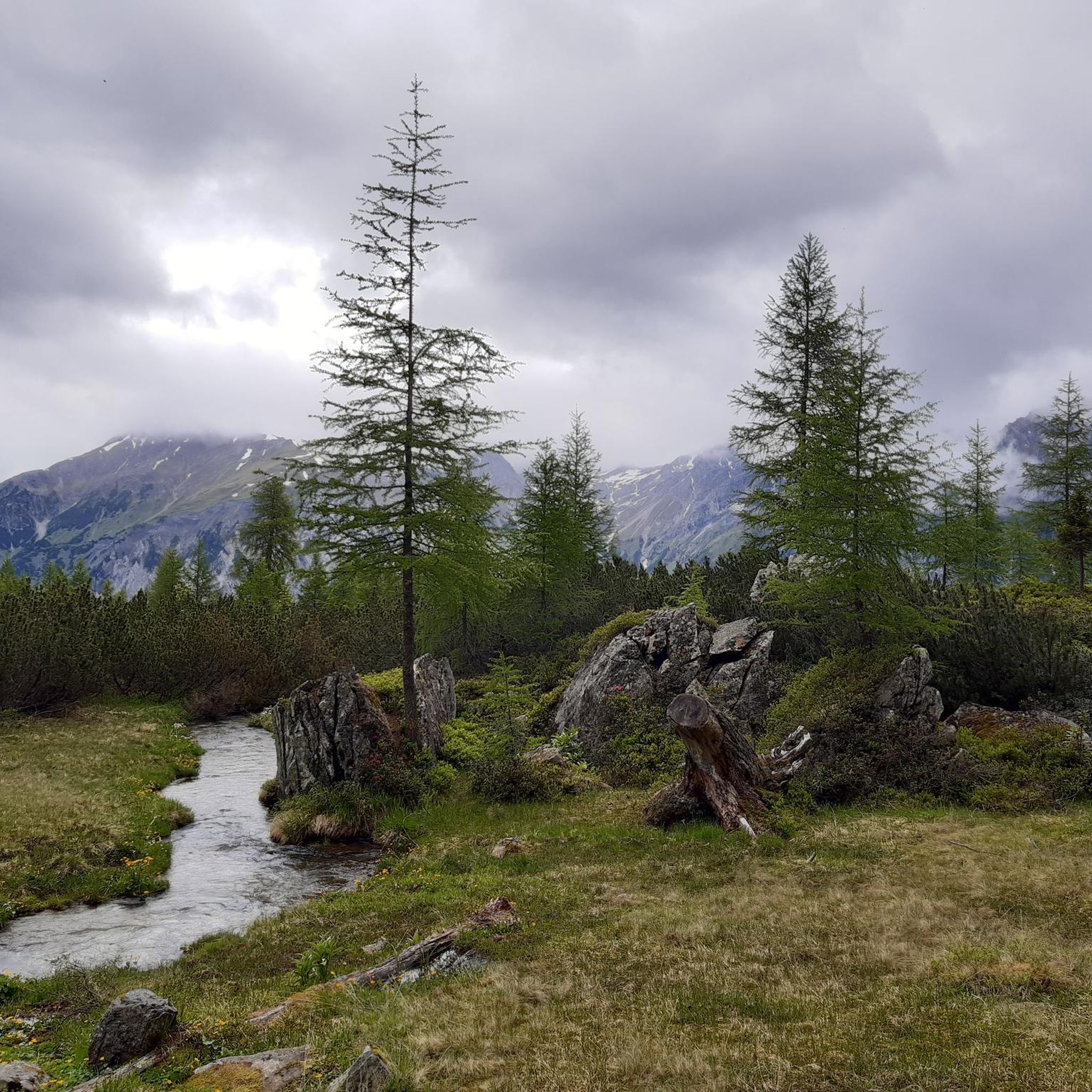
MTB Trails around Flirsch
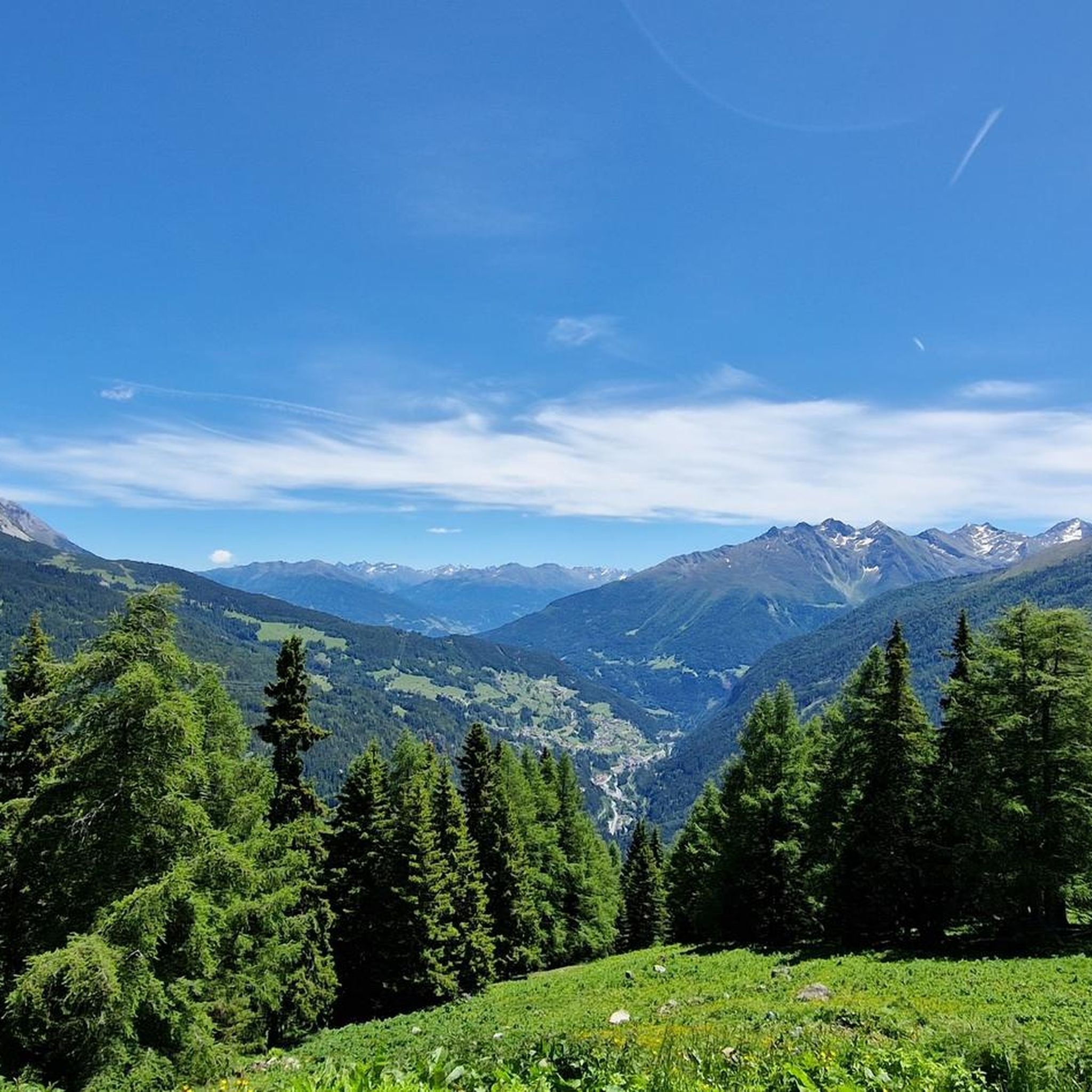
Road Cycling Routes around Flirsch
Other adventures around Flirsch


Tips from the Community

The hut is maintained by the German Alpine Club (DAV) Leutkirch section, as is the nearby Leutkircher Hut. Given increasing hygiene and environmental requirements, which normally require significant investments, this is a great honor.
0
0


No closure from 2025 onwards, provided there are no new storms.
0
0

Beautiful view from up here and a well-maintained summit cross with summit book (since 2023) 📘
0
0

The Kaiserjochhaus (2,310 m) is located directly on the main ridge of the Lechtal Alps in the Northern Limestone Alps. Located between Kaisers in the Lechtal and Pettneu in the Stanzertal on the Arlberg, on the meadows of the Kaiserjoch, it offers an impressive panorama with peaks such as the Grieskopf or the Malatschkopf. The diverse types of rock and the varied flora and fauna make the Kaiserjochhaus in Tyrol particularly attractive for nature lovers, connoisseurs and explorers.
3
0

The Schmalzgrubenscharte, located at an altitude of 2,697 m, is a pass from the Stanzer Valley to the Paznaun. It can be reached from the Edmund-Graf-Hütte or from the Diasbahn. The view is phenomenal.
1
0
The Kaiserjochhaus is located at an altitude of 2,310 meters on the Kaiserjoch, a pass between the Lechtal and Stanzer Tal in the Lechtal Alps. The hut is very cozy, there is a warming tiled stove in the middle of the dining room. The food is very tasty. 😋
9
1
The Kaiserjochhaus is located at an altitude of 2,310 m on the Kaiserjoch, a pass between the Lechtal and Stanzer Tal in the Lechtal Alps. The hut is very cozy, there is a warming tiled stove in the middle of the dining room. The food is very tasty. 😋
8
0
Frequently Asked Questions
What are some of the most notable mountain passes around Flirsch?
The region around Flirsch offers several impressive mountain passes. Among them, Seescharte (2,599 m) is highly popular, known for its stunning views of a lake and wildlife from Memminger Hütte. Another significant pass is the Kaiserjoch, home to the Kaiserjochhaus, a cozy hut at 2,310 meters. The Schmalzgrubenscharte, at 2,697 meters, features impressive rock formations and panoramic views.
What kind of terrain and elevation can I expect on mountain passes near Flirsch?
The mountain passes around Flirsch are situated in a mountainous region at the foot of the Lechtaler Alps and the Verwall group. You can expect diverse alpine terrain, ranging from rocky paths, as seen on the ascent to Schmalzgrubenscharte, to wider, easier-to-walk trails on plateaus like the Almajurjoch. Elevations vary significantly, with passes reaching over 2,500 meters, such as Seescharte (2,599 m).
Are there opportunities for hiking and other outdoor activities near these mountain passes?
Absolutely. Flirsch serves as an excellent base for numerous mountain and hiking tours of varying difficulty. Beyond the passes themselves, you can explore popular hiking routes like 'Flirsch and the Mösli Landscape Conservation Area' or 'Flirsch to the Eggerweiher Pond'. For more options, check out the Hiking around Flirsch guide. The region also offers extensive opportunities for gravel biking and road cycling, with routes like the 'Lech Cycle Path' and tours around the Verwall Valley. Discover more in the Gravel biking around Flirsch and Road Cycling Routes around Flirsch guides.
What is the best time to visit the mountain passes around Flirsch?
For hiking and exploring the mountain passes, the best time to visit is generally during the warmer months, from late spring to early autumn (June to September), when trails are clear of snow and weather conditions are more stable. However, the Arlberg region is also famous for its extensive ski network, Ski Arlberg, which offers reliable snow conditions throughout the winter season for skiing and snowboarding.
Are there any huts or places to rest and eat near the mountain passes?
Yes, there are. For instance, the Kaiserjochhaus, located at 2,310 meters on the Kaiserjoch, is a very cozy hut known for its tasty food and a warming tiled stove. The nearby Leutkircher hut is also a great spot for a well-deserved rest, especially after visiting the Almajurjoch.
What kind of views and natural features can I expect to see?
The mountain passes around Flirsch offer breathtaking mountain scenery, lush alpine meadows, and clear mountain springs. From passes like Seescharte (2,599 m), you can enjoy views of alpine lakes and observe wildlife. The Schmalzgrubenscharte provides magnificent views alongside impressive rock formations. The region is nestled between the Lechtaler Alps and the Verwall group, ensuring stunning panoramas at every turn.
What do visitors enjoy most about the mountain passes near Flirsch?
Visitors frequently praise the spectacular views and the challenging yet rewarding trails. Many appreciate the diverse experiences, from the panoramic vistas at Seescharte (2,599 m) to the cozy atmosphere and delicious food at the Kaiserjochhaus. The sense of achievement after conquering a steep ascent, like the one to Schmalzgrubenscharte, is also a common highlight.
Are there historical aspects to the mountain passes around Flirsch?
Yes, the Arlberg region, including the area around Flirsch, has significant historical importance. It was historically a crucial connection point, with the ancient 'Römerweg' (Roman Way) passing through. Its strategic role grew further in the late Middle Ages as a link to the Lake Constance area, and an extensive expansion by Emperor Josef II in the late 18th century solidified its importance as a trade and travel route.
What is the difficulty level of the mountain passes and trails?
The mountain passes and trails around Flirsch offer a range of difficulty levels. Some passes, like Seescharte (2,599 m) and Schmalzgrubenscharte, are considered challenging and best suited for experienced hikers due to steep and rocky sections. However, there are also intermediate options, such as the Almajurjoch, and easier routes for those seeking a less strenuous experience, especially among the general hiking trails in the valley.
Can I find circular routes or loops around Flirsch's mountain passes?
Yes, the region offers several circular routes. For example, the Hahnleskopf summit can be walked as a circular route from Kaisers. Many hiking and cycling tours in the area are designed as loops, allowing you to start and end in the same location. You can find detailed circular routes in the Hiking around Flirsch guide and other activity guides.
What should I wear when hiking the mountain passes?
Given the alpine environment and varying weather conditions, it's essential to wear appropriate gear. Layered clothing is recommended, including moisture-wicking base layers, insulating mid-layers, and a waterproof and windproof outer shell. Sturdy hiking boots with good ankle support are crucial for the rocky and uneven terrain. Always carry sun protection, a hat, gloves, and plenty of water.
Most popular routes around Flirsch
Most popular attractions around Flirsch

Get inspired with the komoot mobile app


Explore more
See even more epic mountain passes by checking out these guides around Flirsch:
