Top 20 Castles around Fußach
Best castles around Fußach are found in a region historically connected to fortifications, situated near Lake Constance. While Fußach itself features the remnants of Burg Fußach, a former lowland castle and customs post dating back to the 12th or 13th century, the surrounding area offers a variety of historical sites. This includes romantic ruins with panoramic views and significant residences. The landscape provides a backdrop for exploring these historical structures.
Best castles around Fußach
- The most popular castles is Grimmenstein…
Last updated: July 6, 2026
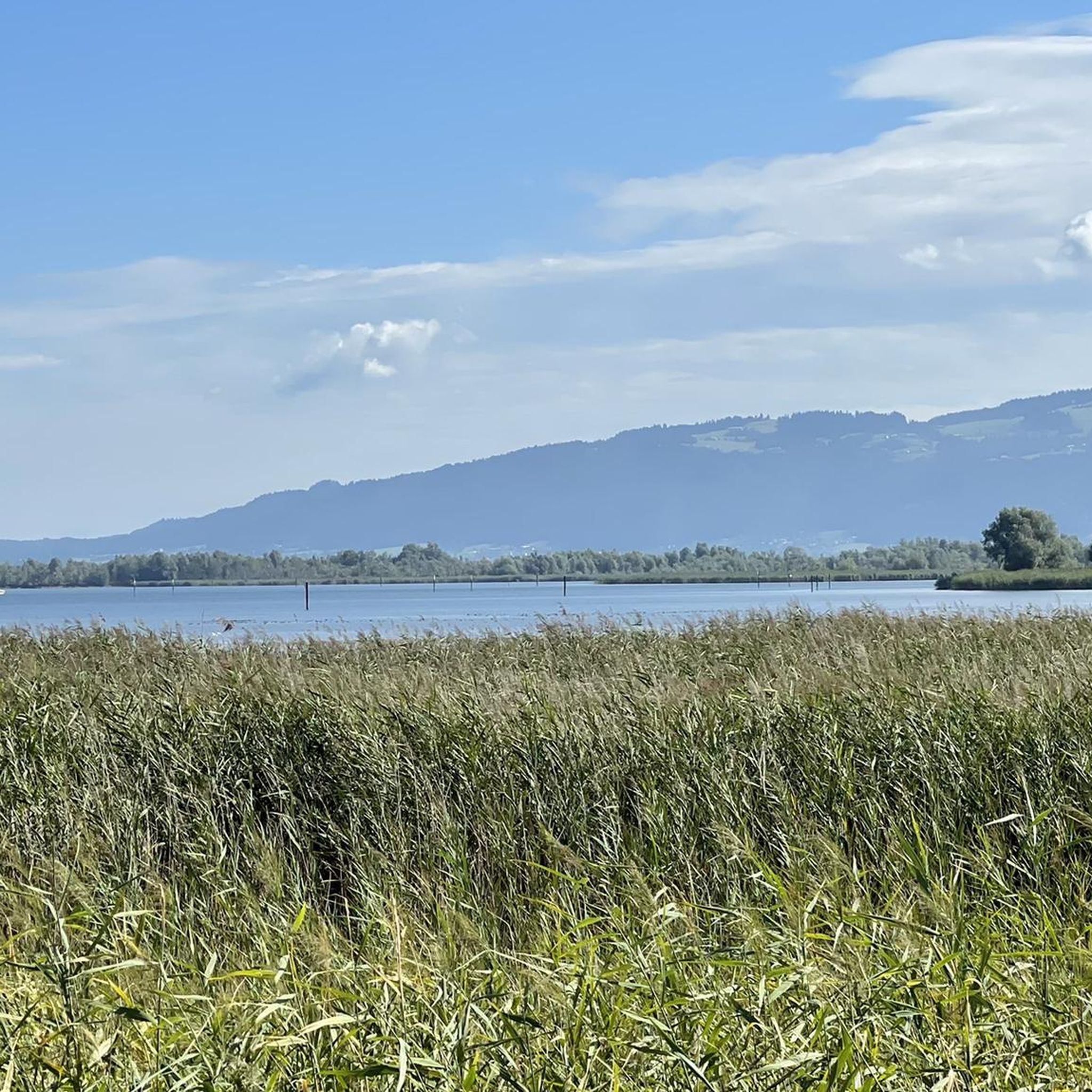
View of Schloss Montfort, Lake Constance, and the Alps from Langenargen
Highlight • Viewpoint
Translated by Google •
Tip by

Montfort Castle
Highlight • Castle
Showing Translation
Tip by

Sign up now to discover places like this
Get recommendations on the best single tracks, peaks, & plenty of other exciting outdoor places.
Sign up for free
Deuringschlössle
Highlight • Castle
Translated by Google •
Tip by

Gebhardsberg Castle Ruins
Highlight • Castle
The castle was built in the last quarter of the 11th century (before 1097) by the Counts of Bregenz (Ulriche). The castle was first mentioned in a document in 1209.
Translated by Google •
Tip by

Grimmenstein Castle Ruins
Highlight • Castle
Translated by Google •
Tip by

Sign up for free to discover even more castles around Fußach.
Sign up for free
Already have an account?
Start today with a free account
Your next adventure awaits.
Login or Signup


Tips from the Community

The Deuringschlössle (also Deuringschlößle) is a former residence in the upper town of Bregenz. The core of the three-story manor house dates back to the 14th/15th century and is located in the southwest corner of Bregenz's upper town, a short distance from the city wall. In 1539, the small manor house belonged to Hans von Wolfurt. In 1647, it was damaged by the Swedes during the capture of Bregenz. Johann Albert von Deuring acquired the manor house in 1660 and had it significantly enlarged by 1702, building up the open space between the manor house and the city wall. The gun tower at the southwest corner of the city wall was raised, given an onion dome, and incorporated into the building. An extension was added to the southeast side in 1698, and the "Torkel" (wine cellar) was built to the east in 1702. Michael and Johann Georg Kuen may have significantly influenced this structural redesign. The Deuring family were wealthy timber merchants from Bregenz who were raised to the knightly nobility in 1621. The Deuringschlössle remained in the family's possession until 1801. The next owners were the governor and district captain Johann Jakob von Vicari, and twenty years later, the Imperial and Royal Rent Master Christoph Anton Kayser, who established the Rent Office here. After his death, the building was inherited by the Swiss architect Johann Anton von Tscharner-Merhart, who commissioned an interior renovation in the historicist style in 1915. In 1927, the upper floor of the former wine press was converted into an artist's studio, the so-called Knight's Hall. From 1989 to 2015, the Deuringschlössle was used as a gourmet hotel.
1
0

Around 1100, the Count of Bregenz built the castle on a rocky outcrop of the Gebhardsberg, high above the city. "Sunken in holy enthusiasm..." begins a poem inspired by Hohen Bregenz Castle. In 1143, the castle passed to the Counts of Pulllendorf, and shortly thereafter, around 1170, to Count Palatine Hugo II of Tübingen (father of Hugo I, Count of Montfort). The upper part of the castle was sold to the Habsburgs in 1451, and the lower part in 1523, and the castle became the seat of Austrian bailiffs. Converted into a fortress at the beginning of the 17th century, the Swedes blew up large sections of the castle during the Thirty Years' War. The circular wall and parts of the palace survived. The attached church became a popular place of pilgrimage in honor of Saint Gebhard. The old sacristan's house, which has since been converted into a restaurant, looks forward to your visit. Even today, the fantastic view over the Rhine Valley and Lake Constance attracts numerous visitors.
1
0

A manor house was built here between the 14th and 15th centuries. Around 1700, the gaps between the house and the city wall were closed.
0
0

Well-preserved old buildings, the likes of which are no longer found in the lower town.
0
0

The Deuringschlössle and the Martinsturm dominate the silhouette of Bregenz's upper town. The mighty bastions of the city wall and the round corner tower still show the original defensive strength. The former gun tower was extended to an octagonal shape in the 17th century and given a slightly oversized onion dome, in keeping with the spirit of the Baroque era.
6
0

Beautiful castle in the old town, very nicely located. Beautiful old houses 👍
2
0

History of Hohenbregenz Castle. The castle was built in the last quarter of the 11th century (before 1097) by the Counts of Bregenz (Ulriche). The castle was first mentioned in a document in 1209. In 1143 the castle passed to the Counts of Pfullendorf, but only remained in their possession for a short time. Just a few years later (1170) it came to Count Palatine Hugo of Tübingen (father of Hugo I, Count of Montfort). The upper part of the castle was sold in 1451 and the lower part of the castle in 1523 to the Habsburgs, who made the castle the seat of Austrian bailiffs. At the beginning of the 17th century the castle was expanded into a fortress. In 1647, towards the end of the Thirty Years' War, they were able to capture Swedish troops without a fight. They blew up the fortress in the same year by setting off five mines (see Naval War on Lake Constance 1632–1648). Source: Wikipedia
3
0

The Deuringschlössle is a former residence in the upper town of Bregenz. The building is a listed building.
6
0
Frequently Asked Questions
Are there any castles directly in Fußach?
While there are no grand, fully-preserved castles standing prominently in Fußach today, the area has a historical connection to a former castle. Burg Fußach was a lowland or moated castle dating back to the 12th or 13th century, serving as a customs post. Today, primarily the castle mound and foundation walls remain, uncovered during excavations in 1968. Its historical significance makes it notable for those interested in local history.
Which castles around Fußach offer the best views?
Several castles and viewpoints in the region provide excellent vistas. For a wonderful view of Lake Constance and the surrounding states after a climb through the forest, visit Grimmenstein Castle Ruins. The View of Schloss Montfort, Lake Constance, and the Alps from Langenargen offers a beautiful panorama. Additionally, Gebhardsberg Castle Ruins, high above Bregenz, provides scenic viewpoints.
What outdoor activities can I do near these castles?
The region around Fußach offers various outdoor activities. You can find numerous running trails, such as the 'Dornbirner Ache – Rhine mouth near Hard loop' or 'Eselschwanz Trail loop'. For hiking, explore easy routes like the 'Rohrspitz Marina – Fußach Pumping Station loop'. Cycling is also popular, with routes like the 'Old Rhine – Old Rhine recreation area loop'. You can find more details on these activities in the Running Trails around Fußach, Easy hikes around Fußach, and Cycling around Fußach guides.
Are there family-friendly castles to visit near Fußach?
Yes, several castles and related sites are suitable for families. Grimmenstein Castle Ruins is an 800-year-old ruin with barbecue areas, making it a nice experience for the whole family, especially children. Montfort Castle in Langenargen features a very nice park, perfect for a family break. The View of Schloss Montfort is also considered family-friendly.
What is the best time to visit castles in the Fußach region?
The best time to visit castles in the Fußach region generally depends on your preferred activities. Spring and autumn offer pleasant temperatures for hiking and cycling to castle ruins like Grimmenstein or Gebhardsberg. Summer is ideal for enjoying the views from lakeside castles like Montfort Castle and combining your visit with activities on Lake Constance. While some sites are accessible year-round, check specific opening hours for indoor attractions during winter.
Can I reach these castles by public transport?
Public transport options vary for each castle. For Gebhardsberg Castle Ruins, you can typically reach Bregenz by public transport, and then it's often a hike or a short taxi ride up to the ruins. For Montfort Castle in Langenargen, which is across Lake Constance in Germany, you might use a combination of local buses or trains to Langenargen, or even a ferry across the lake, depending on your starting point in Fußach.
Are there cafes or restaurants near the castles?
Yes, some castles offer amenities. Gebhardsberg Castle Ruins is primarily known as a gastronomic spot today, featuring a restaurant with scenic views. Near Montfort Castle, there is a charming Kavalierhaus with a restaurant, bar, and lounge in the castle park, and you can even have brunch there.
What is the historical significance of Deuringschlössle?
The Deuringschlössle is a former residence in the upper town of Bregenz with a core dating back to the 14th/15th century. It was significantly enlarged and modified in the late 17th and early 18th centuries by the wealthy Deuring family. The building is listed and has a rich history, having been damaged by the Swedes in 1647 and later used as a gourmet hotel. It, along with the Martinsturm, dominates the silhouette of Bregenz's upper town.
Can I visit these castles with my dog?
Many outdoor castle ruins and their surrounding trails, like Grimmenstein Castle Ruins and Gebhardsberg Castle Ruins, are generally dog-friendly, especially if you are hiking to them. However, if a castle has indoor areas or specific park regulations, it's always best to check their individual policies beforehand. Dogs are usually welcome on leashes in outdoor public spaces and parks.
What kind of natural features can I expect to see around the castles?
The castles in the Fußach region are often set amidst beautiful natural landscapes. You can expect to see stunning views of Lake Constance and the Alps from locations like View of Schloss Montfort. Many castle ruins, such as Grimmenstein Castle Ruins, are nestled within forests, offering cool climbs and natural surroundings. The region also features lake shores and beaches, especially around Montfort Castle.
What do visitors enjoy most about the castles around Fußach?
Visitors particularly enjoy the panoramic views, the historical significance, and the opportunity for outdoor activities. The community appreciates the wonderful views of Lake Constance and the surrounding states from places like Grimmenstein Castle Ruins. The beautiful parks, like the one at Montfort Castle, are also highly rated for relaxation and scenic beauty. The combination of history and nature makes these sites popular.
Most popular routes around Fußach
Most popular attractions around Fußach

Get inspired with the komoot mobile app


Explore more
Looking for the best castles somewhere else? Discover other guides around Fußach:
