Top 20 Castles around Koblach
Best castles around Koblach are found in a region rich with historical fortifications. The area is situated in the Rhine Valley, offering views of the surrounding landscape. This location features significant historical sites, including medieval castles that once controlled strategic trade routes. These sites provide a tangible connection to the region's past, with evidence of ancient settlements.
Best castles around Koblach
- The most popular castles is Alt-Ems Castle Ruins, a castle that is the longest medieval castle in Austria,…
Last updated: September 26, 2026
Alt-Ems Castle Ruins
Highlight • Castle
Translated by Google •
Tip by

Schattenburg Castle
Highlight • Castle
The Schattenburg towers over the city and was the seat of the Counts of Montfort until the end of the 14th century. The keep, the highest part …
Translated by Google •
Tip by

Sign up now to discover places like this
Get recommendations on the best single tracks, peaks, & plenty of other exciting outdoor places.
Grünenstein Castle
Highlight • Castle
Translated by Google •
Tip by

Tosters Castle Ruins
Highlight • Castle
There is a very interesting assumption about Tostner Castle that it was a large, unfinished castle complex, of which only the ring wall, dating …
Translated by Google •
Tip by
Obere Burg Schellenberg
Highlight • Castle
There are two castle ruins in Schellenberg, the so-called Upper Castle being a very popular tourist destination and accessible after a short …
Translated by Google •
Tip by
Sign up for free to discover even more castles around Koblach.
Already have an account?
Start today with a free account
Your next adventure awaits.
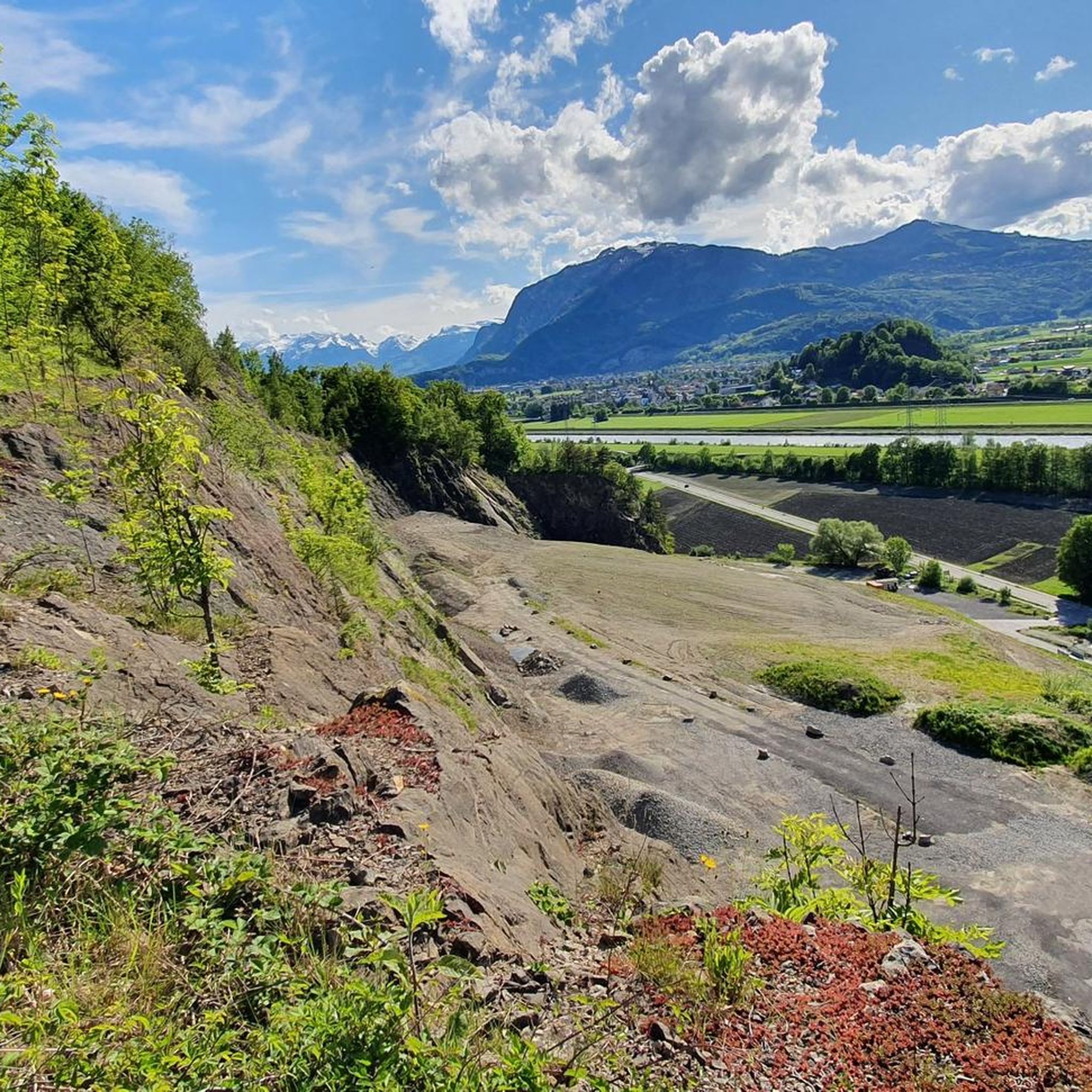
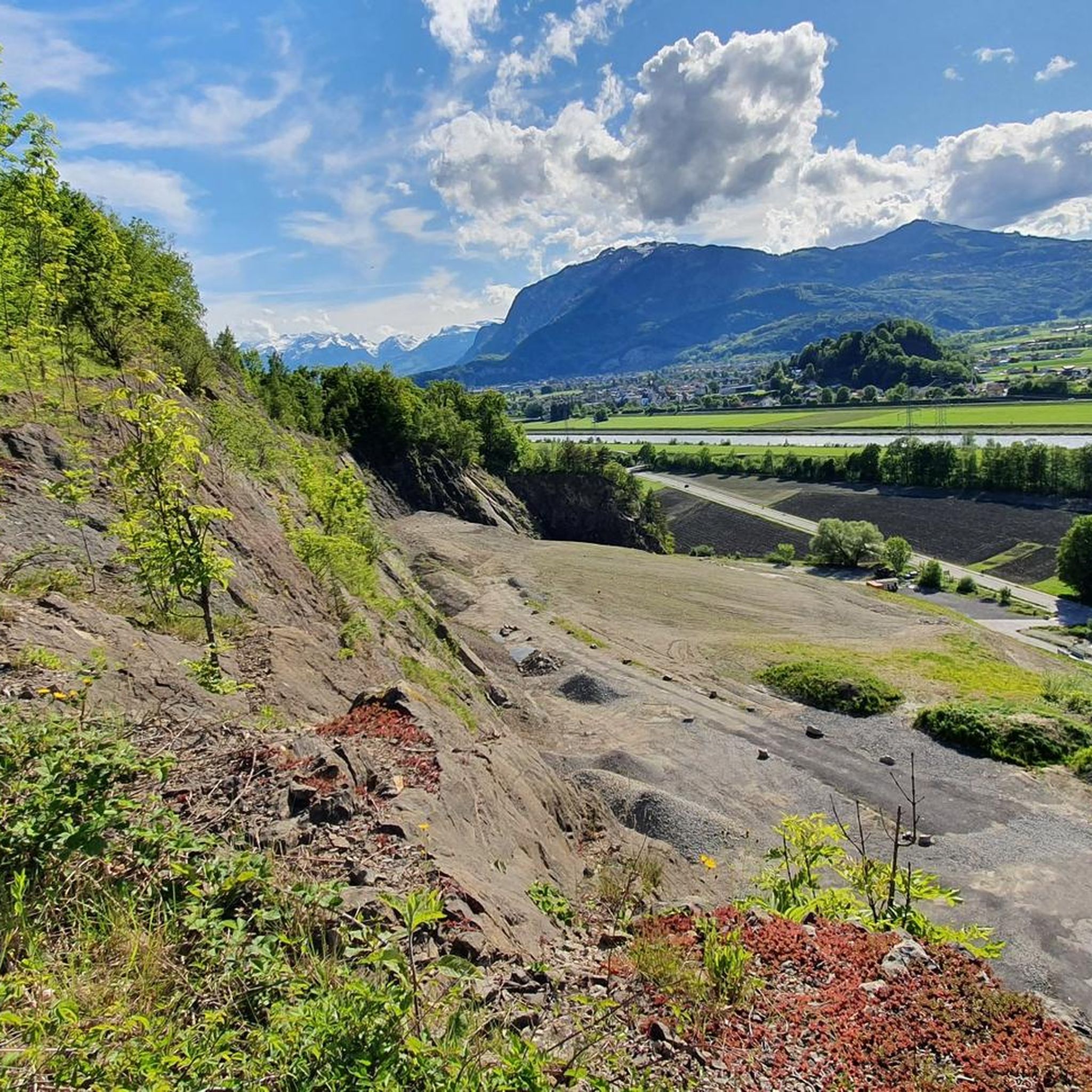
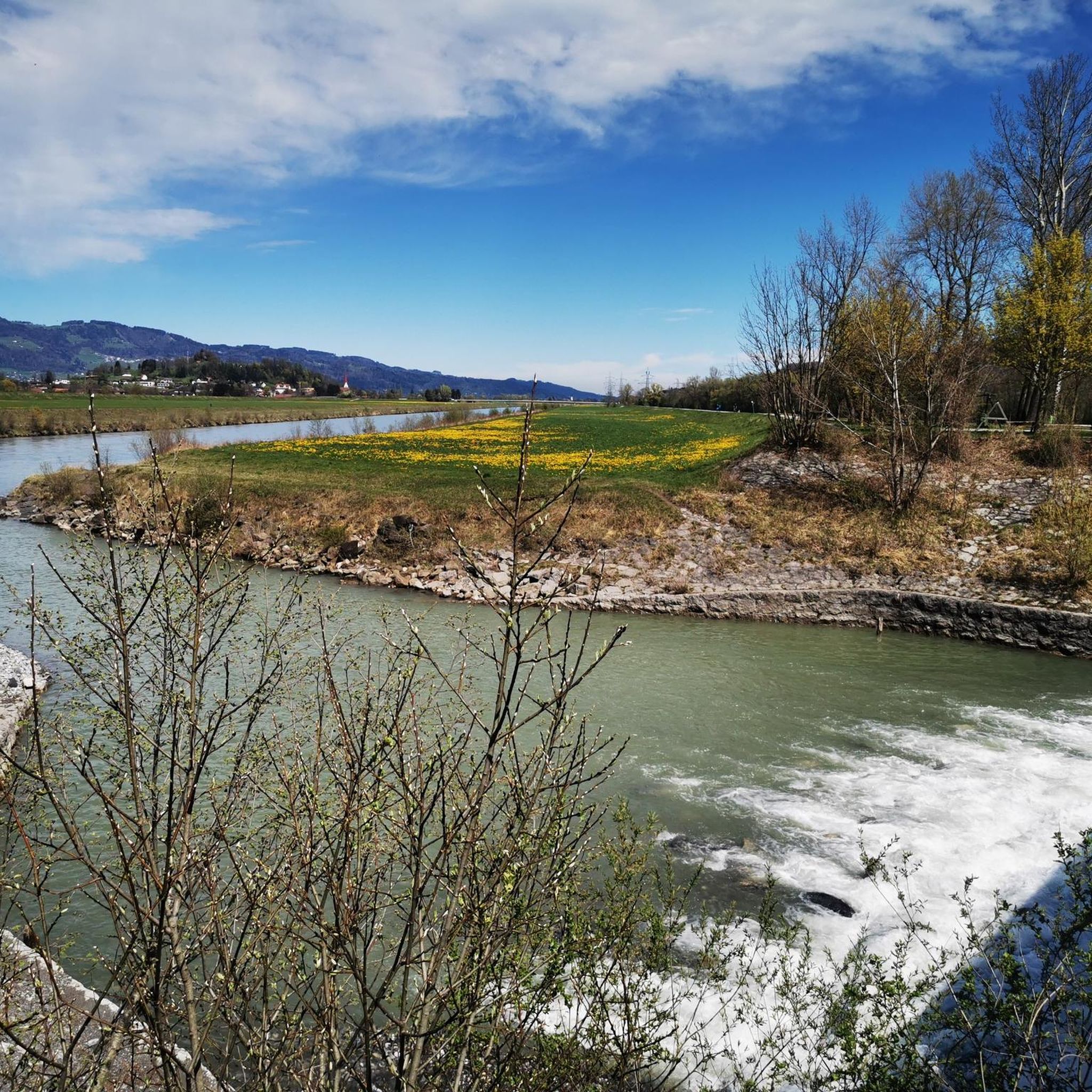
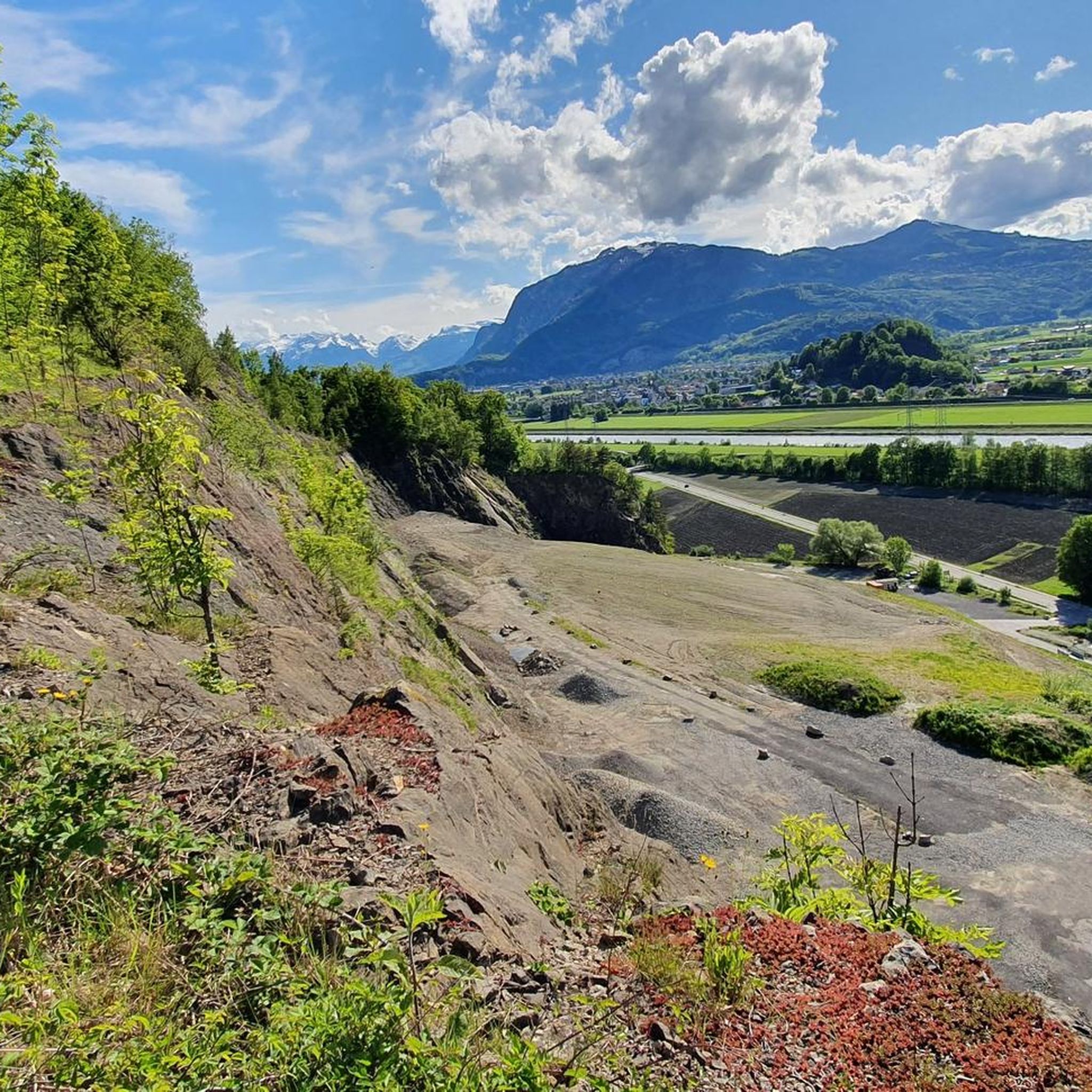
Tips from the Community

Upper Castle, Schellenberg / Castle Ruins in Schellenberg There are two castle ruins in Schellenberg, the so-called Upper Castle being a very popular tourist destination and accessible after a short walk. The upper and larger complex in the Hinterschloss district of Schellenberg was built from 1200 onwards and already possessed all the important elements of a medieval castle. The Upper Castle was first mentioned in a document dated January 10, 1348. The Lower Castle was built around 1250 as a smaller complex and only reached its final form and size after 1350. The first documented mention of this castle dates back to 1317. Presumably, both castles had been uninhabited since the 16th century and gradually fell into disrepair. Prince Franz Josef II donated the heavily overgrown ruins to the Historical Society in 1956, which subsequently had them researched and preserved. Text / Source: Liechtenstein Marketing / Official Tourism Website of the Principality of Liechtenstein https://tourismus.li/lie/ort/Burgruinen%20in%20Schellenberg/
14
0
The Construction History of Tostner Castle There is a very interesting assumption about Tostner Castle that it was a large, unfinished castle complex, of which only the ring wall, dating from the end of the 12th century/beginning of the 13th century, was built. The present keep, gatehouse, and palace (possibly also outbuildings) were built into these in the second half of the 13th century. This theory is supported primarily by the truly remarkable placement of the palace, which was placed right above the ring wall and occupies a remarkable position within the castle complex. During the Appenzell Wars, which raged heavily in this region, Tostner Castle was also severely damaged in 1405, but was rebuilt after 1408. The very spacious, yet sparsely built castle complex, was abandoned before 1616 and has since fallen into disrepair. The keep was restored in 1938/39, and extensive renovations followed in 1974 and 1980. Text / Source: Tosters Castle Ruins Tourist Information, Schlossergasse 8, A-6800 Feldkirch http://www.burgenkunde.at/vorarlberg/vbg_Burgruine_Tosters/vbg_Burgruine_Tosters.htm
13
0


Well preserved and worth a visit, from here the rock band path is also recommended.
8
1

Great castle ruins with a tower visible from far away.
3
1

Beautiful, well-kept castle ruins on the rocky path. The ideal place for a relaxing break. 🥰
9
2


You can visit the Schattenburg, also with a guide: You can see a "Gothic room", spinning and weaving room (only with a guide), a weapons collection, bailiwick, treasury (only with a guide) and the Palas (small hall).
2
0
Frequently Asked Questions
What is the historical significance of Neuburg Castle Ruins in Koblach?
The Neuburg Castle Ruins are Koblach's landmark and a significant historical site in Vorarlberg. Built around the 12th century, it was once one of the most powerful and largest castle complexes in the region, strategically controlling the Rhine Valley's transport routes. The site also holds prehistoric significance, with evidence of Stone and Bronze Age settlements.
Are there any family-friendly castles to visit around Koblach?
Yes, several castles offer family-friendly experiences. Schattenburg Castle in Feldkirch features a museum and an inn famous for its 'giant schnitzel'. The Tosters Castle Ruins and Blatten Castle Ruins are also noted as family-friendly, offering historical exploration in an outdoor setting.
What kind of views can I expect from the castles in the region?
Many castles offer impressive panoramic views. From the Alt-Ems Castle Ruins, you can enjoy rewarding views over the Rhine Valley. The Neuburg Castle Ruins also provide scenic vistas of the surrounding landscape from its location in the Rhine Valley near the Kummenberg. The keep of Schattenburg Castle serves as a viewing platform with views over Feldkirch.
Are there hiking opportunities near the castles around Koblach?
Absolutely. The castles are often integrated into hiking trails. For instance, the Alt-Ems Castle Ruins are a true highlight at 740m above sea level, rewarding the ascent with great views. The Neuburg Castle Ruins are also a popular destination for outings with maintained paths. You can find various routes, including those for gravel biking, running, and cycling, in the area. Explore options like the 'Neuburg Castle Ruins (Koblach) – Netschelweg Trail loop' for cycling, or 'Schloßhügel loop' for running, by checking the Cycling around Koblach or Running Trails around Koblach guides.
What is the best time of year to visit the castles in Koblach and Vorarlberg?
While specific seasonal tips for Koblach castles are not detailed, generally, spring and autumn offer pleasant temperatures for exploring outdoor ruins and hiking. Summer is also suitable, though it can be warmer. Some castle restaurants, like the one at Blatten Castle Ruins, operate from April to September, suggesting these months are popular for visitors.
Can I visit a castle that is still well-preserved or has a museum?
Yes, Schattenburg Castle in Feldkirch is an excellent example of a well-preserved castle. It was once the seat of the Counts of Montfort and houses a museum, allowing visitors to delve deeper into the region's history. The complex has been preserved almost unchanged despite some extensions.
Are there any castles near Koblach that are privately owned or have unique architectural features?
Grünenstein Castle is a private castle situated on a vineyard. Originally medieval, it was converted into a large estate with late baroque and rococo architecture, making it a unique architectural example in the region. It is easily accessible via road and hiking trail.
What are the origins of the castles in the wider Vorarlberg region?
The castles in the Vorarlberg region have deep historical roots. For example, the Neuburg Castle Ruins date back to the 12th century, and the hill it stands on was inhabited as early as the Stone and Bronze Ages. Tosters Castle Ruins were constructed around 1260 by the Counts of Montfort, while Blatten Castle Ruins were built shortly before 1270 by the Abbot of St. Gallen.
Are there any facilities or amenities near the Neuburg Castle Ruins?
The Neuburg Castle Ruins are maintained by the municipality of Koblach and a volunteer initiative, ensuring visitor paths and information boards are available. For further historical context, the nearby Museum für Urgeschichte (Museum of Prehistory) in Koblach showcases artifacts from the early settlements found on the castle hill.
Can I find any lesser-known or hidden castle ruins in the area?
While the Neuburg Castle Ruins are prominent, the wider Vorarlberg region also features lesser-known sites like the Welsch-Ramschwag Castle Ruins, built between 1270 and 1290 by the Knights of Ramschwag. These offer a glimpse into the region's medieval past away from the more frequented locations.
What kind of outdoor activities can I do near the castles around Koblach?
Besides exploring the castles themselves, the area offers various outdoor activities. You can find numerous routes for gravel biking, running, and cycling. For instance, the 'Illspitz mouth of the Rhine – Rhine Embankment Cycle Path loop' is a moderate gravel biking route, and the 'Rhine River loop' is a moderate running trail. More options are available in the Gravel biking around Koblach, Running Trails around Koblach, and Cycling around Koblach guides.
Most popular routes around Koblach
Most popular attractions around Koblach

Get inspired with the komoot mobile app


Explore more
Looking for the best castles somewhere else? Discover other guides around Koblach:
