Attractions and Places To See in the Dominican Republic - Top 20
Attractions and places to see in the Dominican Republic feature a diverse landscape, ranging from historical colonial architecture to natural features like mountains, beaches, and waterfalls. This Caribbean nation is characterized by varied ecosystems, including rainforests, pine forests, and coastal areas. Visitors can explore ancient settlements, significant cultural sites, and numerous natural monuments across the island.
Best attractions and places to see in the Dominican Republic
- The most popular attractions is El Limón Waterfall, a waterfall that is over 50 meters high and surrounded by lush jungle. It offers a refreshing pool at its base.
- Another must-see spot is Alcázar de Colón, a historical site located in the Colonial Zone of Santo Domingo. This museum is housed in the historic Governor's Palace, where Christopher Columbus is said to have resided.
- Visitors also love National Pantheon of the Dominican Republic, a historical site that was originally a Jesuit church built between 1714 and 1746. Today, it serves as the final resting place for over 40 national heroes and important figures.
- Dominican Republic is known for its historical sites, natural monuments, and diverse beaches. The region offers a variety of attractions to explore, from ancient colonial cities to challenging mountain treks and serene coastal areas.
- The attractions in the Dominican Republic are appreciated by the komoot community, with 143 highlights and 58 photos shared by visitors.
Last updated: July 6, 2026
Alcázar de Colón
Highlight • Historical Site
Translated by Google •
Tip by

National Pantheon of the Dominican Republic
Highlight • Historical Site
Source: en.m.wikipedia.org/wiki/National_Pantheon_of_the_Dominican_Republic
Translated by Google •
Tip by

Sign up now to discover places like this
Get recommendations on the best single tracks, peaks, & plenty of other exciting outdoor places.
Sign up for free
Parque Colón (Columbus Park)
Highlight • Historical Site
Translated by Google •
Tip by

Chicho II Cave
Highlight • Cave
Translated by Google •
Tip by

Museo de las Casas Reales
Highlight • Historical Site
Today it is a museum that covers the history between 1492 and 1821. This period corresponds to the colonial period of Spain on the island of Hispaniola. It is a cultural monument. It was placed under protection as part of the UNESCO World Heritage Site Zona Colonial of Santo Domingo.
Source: de.m.wikipedia.org/wiki/Museo_de_las_Casas_Reales
Translated by Google •
Tip by
Cathedral of Santa María la Menor
Highlight • Religious Site
Translated by Google •
Tip by

Fortaleza San Felipe
Highlight • Historical Site
Translated by Google •
Tip by

La Romana Cruise Terminal & Lighthouse
Highlight • Monument
Otherwise, the grounds are beautiful, and you can use the internet for free for 30 minutes.
Translated by Google •
Tip by

El Limón Waterfall
Highlight • Waterfall
Translated by Google •
Tip by

Madame Beach
Highlight • Beach
Translated by Google •
Tip by

Sign up for free to discover even more attractions in the Dominican Republic.
Sign up for free
Already have an account?
Start today with a free account
Your next adventure awaits.
Login or Signup
Tips from the Community

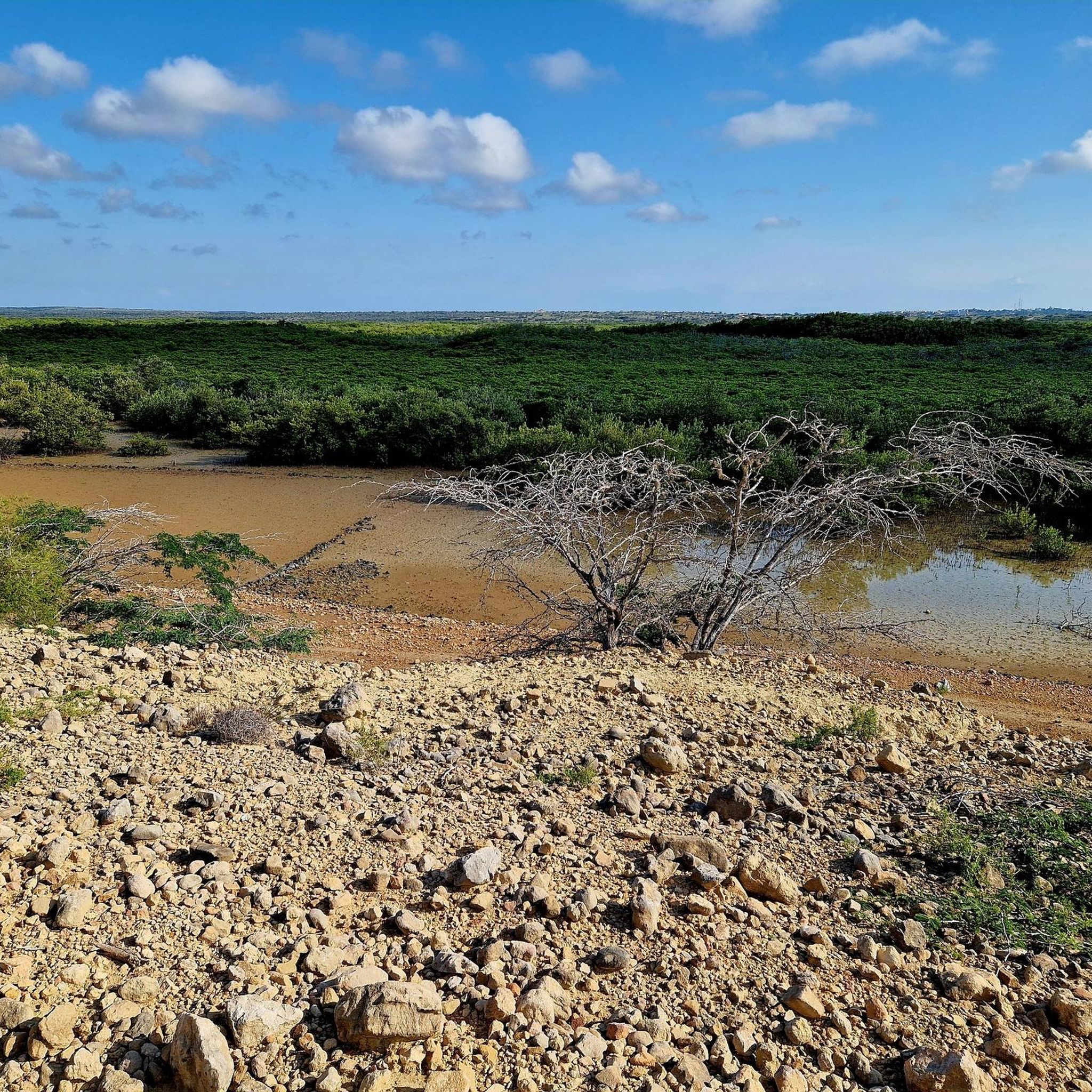
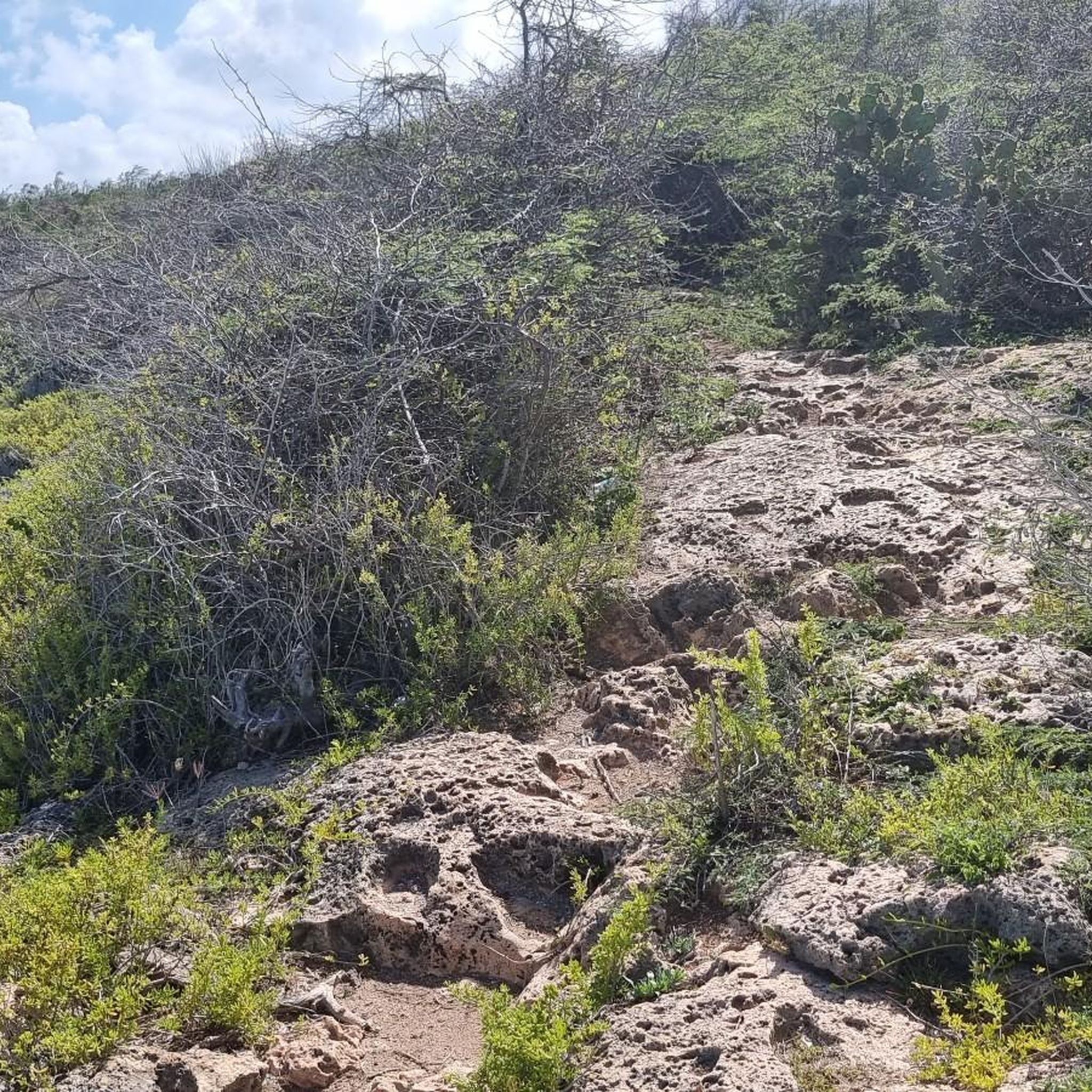
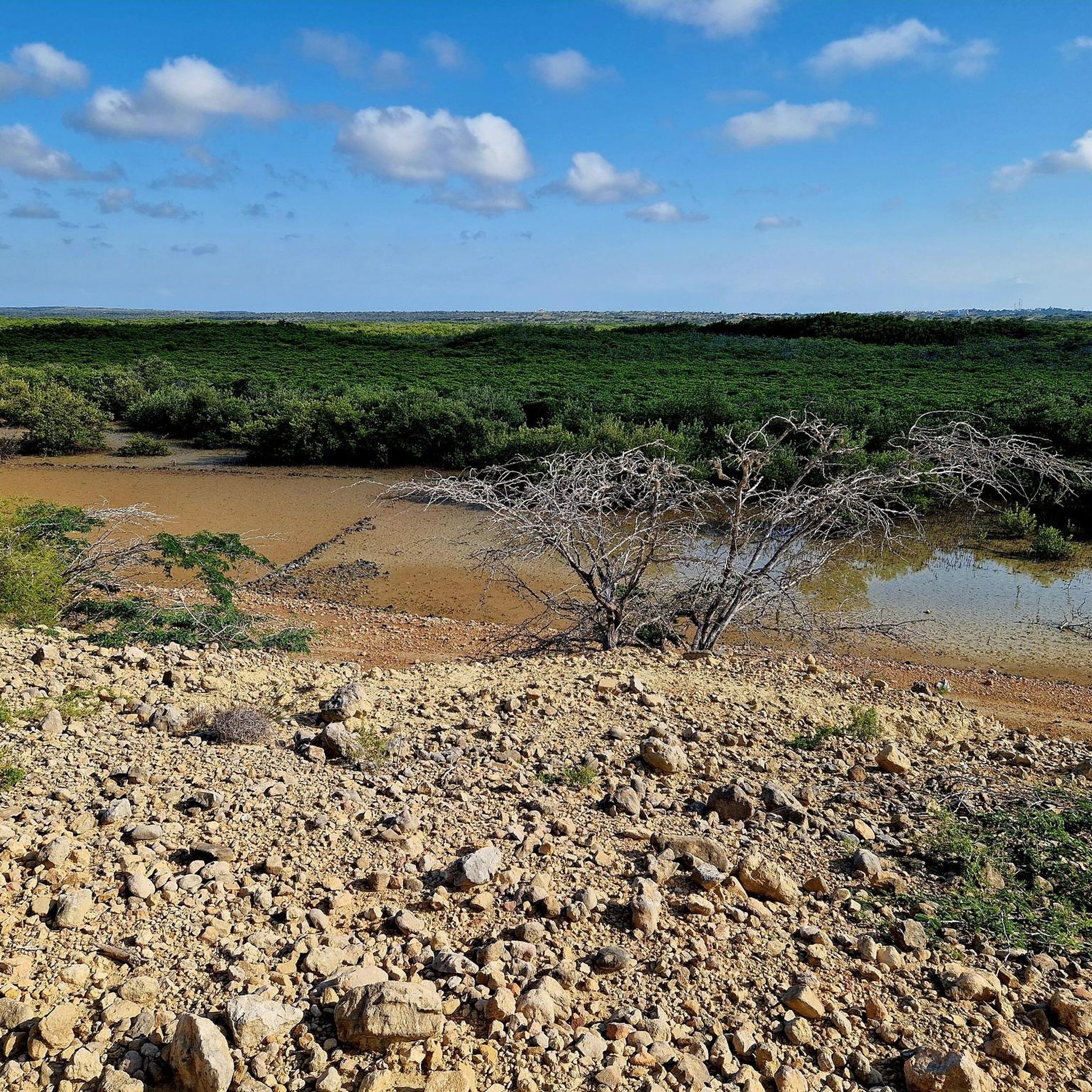
Super route. Breathtaking views. Impossible to do without an app though as it's difficult to find your way. Access to the banana plantation is blocked by a barrier, so we went under the barrier to continue. Then a technical section in the rocks, but it's worth the detour. Algae on the beach prevented us from swimming.
0
0

The La Romana Cruise Terminal is certainly one of the most attractive cruise ports in the Caribbean. The modern terminal complex stretches over a large area at the mouth of the Riu Dulce and has a berth for a large cruise ship. Occasionally, a second cruise ship moors on the other side of the Riu Dulce. If you want to go to the lighthouse, you have to pay an entrance fee.
2
0

Really cool hike. Especially if you take the footpath from the end of the first parking space (there are two large signs)
0
0

Description of the Cathedral of Santo Domingo The Cathedral of Santo Domingo, officially known as Santa María la Menor, is an outstanding historical and architectural landmark in Santo Domingo, the capital of the Dominican Republic. It is considered the first church in the New World and has been a UNESCO World Heritage Site since 1990, as it is located in the city's historic colonial quarter. Architecture and Building Style The cathedral combines various architectural styles, most notably: Gothic elements: These are visible in the structure and the pointed arch windows. Renaissance and Baroque elements: Particularly evident in the decorations and details of the facade and interiors. The building material consists primarily of golden coral limestone, which gives the cathedral its distinctive appearance. Historical Significance The cathedral was originally built as a Catholic church for the Spanish colonists. It symbolizes the beginning of Christian architecture in the Americas and is a significant testament to the Spanish colonial era. The cathedral also houses the tomb of Christopher Columbus, further emphasizing its historical significance. Location and Surroundings The cathedral is located in the heart of Santo Domingo's historic center, considered the first European settlement in the New World. It is surrounded by other historical buildings, museums, and Columbus Park, making a visit a truly cultural experience. Conclusion The Cathedral of Santo Domingo is not only an architectural masterpiece that harmoniously blends Gothic and Baroque styles, but also a significant symbol of the history and culture of the Dominican Republic and of the entire colonial history of the Americas.
0
0
Description of the Alcázar de Colón The Alcázar de Colón is a historic palace in Santo Domingo, the capital of the Dominican Republic. Built between 1510 and 1514, it served as the residence of Diego Columbus, son of Christopher Columbus, who was then viceroy of the Spanish colony. Architecture and Significance The palace is an outstanding example of early 16th-century colonial architecture and is considered one of the oldest surviving palaces in the New World. It is located on Plaza de Colón in Santo Domingo's historic colonial district, now a UNESCO World Heritage Site. Interiors and Museum The Alcázar de Colón comprises 22 rooms on two floors, which have been restored and now serve as a museum. Visitors can explore opulent rooms furnished with colonial-era furniture, artwork, and household items. The atmosphere provides a glimpse into the life of the Spanish nobility in the 16th century. Historical Significance The palace was not only a residence but also the political center of the colony. It symbolizes the power and influence of the colonial administration in the New World and is a significant testament to Spanish colonial history. The Alcázar de Colón is thus a culturally and historically valuable building that offers visitors a profound insight into the beginnings of European colonization of the Americas.
0
0
The Museo de las Casas Reales is a historical museum in Santo Domingo (Distrito Nacional), housed in a former administrative building. Originally, the structure contained the Royal Audiencia and the palace of the Governor or Captain-General. Today, the museum is dedicated to the colonial history of Hispaniola and displays materials from the period 1492–1821, the Spanish colonial era. The building itself is a listed historical monument and part of the UNESCO World Heritage Site Colonial Zone of Santo Domingo. Conveniently, the museum is centrally located in the old town and can easily be combined with walks to attractions such as Parque Colón, the Alcázar de Colón, the Catedral Primada de América, and the Fortaleza Ozama.
0
0
Description of Parque Colón in the Dominican Republic Parque Colón, also known as Columbus Park, is the central plaza in the historic Ciudad Colonial district of Santo Domingo, the capital of the Dominican Republic. This park is a vibrant and historically significant public space that forms the heart of the colonial old town. Location and Significance The park is located in the middle of the Colonial Zone, a UNESCO World Heritage Site known for its well-preserved Spanish colonial architecture. It is a popular meeting place for locals and tourists alike and serves as a starting point for walking tours of the historic center. Design and Landmarks At the center of the park stands a statue of Christopher Columbus, which gives the plaza its name. The park is surrounded by historic buildings, including the impressive Cathedral of Santo Domingo, the first cathedral in the Americas, as well as other colonial structures that reflect the city's history and culture. Parque Colón is furnished with benches, shady trees, and well-maintained green spaces, inviting visitors to linger. Cultural events, street performers, and markets are frequently held here, giving the square a vibrant atmosphere. Atmosphere During the day, the park is a lively place, with nearby cafes and restaurants offering local specialties. In the evenings, the square is often romantically illuminated, providing a pleasant backdrop for strolls. Conclusion Parque Colón is not only a historical monument but also a vibrant social and cultural hub in Santo Domingo. It uniquely blends history, architecture, and the daily lives of the city's residents and is a must-see for every visitor to the Dominican Republic.
0
0
The National Pantheon of the Dominican Republic is a historically significant building in the Zona Colonial of Santo Domingo, located on Las Damas (The Ladies) Street. History and Origin The building was constructed between 1714 and 1746 by the Spaniard Jerónimo Quezada y Garcón. It originally served as a church for the Jesuit order. It was one of the last buildings erected by the Spanish on Dominican soil. Transformation into a National Memorial In 1958, the then-dictator Rafael Trujillo transformed the building into the National Pantheon of the Dominican Republic. Since then, it has served as the final resting place for over 40 national heroes and important figures in Dominican history. Architecture and Significance The Pantheon is an outstanding example of colonial architecture and reflects 18th-century Spanish building styles. It is a symbol of national identity and honor, housing the remains of important statesmen, military leaders, and cultural figures. Location and Visit The National Pantheon is located in the historic center of Santo Domingo, a UNESCO World Heritage Site. It is a major cultural and tourist attraction, offering visitors insights into the history and heroes of the Dominican Republic.
0
0
Frequently Asked Questions
What historical sites can I visit in the Dominican Republic?
The Dominican Republic is rich in history, particularly in Santo Domingo. You can explore the Alcázar de Colón, a historic Governor's Palace where Christopher Columbus is said to have resided. Nearby, the National Pantheon of the Dominican Republic, originally a Jesuit church, now serves as the final resting place for national heroes. Don't miss the Museo de las Casas Reales, which covers the colonial history of Hispaniola, and the Cathedral of Santa María la Menor, the first cathedral in the Americas. Outside Santo Domingo, Fortaleza San Felipe in Puerto Plata offers historical insights and views.
Where can I experience the Dominican Republic's natural beauty?
The Dominican Republic offers diverse natural landscapes. The El Limón Waterfall is a stunning cascade over 50 meters high, surrounded by lush jungle, with a refreshing pool at its base. You can also find beautiful beaches like Madame Beach, and unique geological formations such as the Chicho II Cave. Beyond these, the country boasts world-class beaches like those in Punta Cana and Bávaro, the challenging Pico Duarte (the Caribbean's highest peak), and the wildlife-rich Lake Enriquillo.
Are there family-friendly attractions in the Dominican Republic?
Yes, many attractions are suitable for families. Historical sites like the Alcázar de Colón, the National Pantheon of the Dominican Republic, and Parque Colón in Santo Domingo's Colonial Zone are marked as family-friendly. Beaches, such as those near the La Romana Cruise Terminal & Lighthouse, also provide great options for family outings. Additionally, natural parks like Los Tres Ojos National Park and the Damajagua Waterfalls offer engaging experiences for all ages.
What kind of outdoor activities can I do near these attractions?
The Dominican Republic provides numerous opportunities for outdoor activities. Near many attractions, you can find excellent routes for running and hiking. For instance, there are several moderate running trails, including loops around Playa Magallanes and Parque Mirador Sur. If you're interested in waterfalls, there are easy to moderate hikes to El Limón Waterfall. For general exploration, you can find various easy hikes, such as those around Bayahibe and Samaná.
Where can I find impressive waterfalls in the Dominican Republic?
The most popular waterfall is El Limón Waterfall, located in the Samaná Peninsula. It's over 50 meters high and surrounded by lush jungle, offering a refreshing pool at its base. Other notable waterfalls include the Damajagua Waterfalls (27 Charcos) near Puerto Plata, which offer thrilling opportunities for canyoning, and Salto de Jimenoa Uno in Jarabacoa.
What are the best places to experience Dominican culture and heritage?
To immerse yourself in Dominican culture and heritage, the Colonial Zone of Santo Domingo is a must-visit. This UNESCO World Heritage site features well-preserved colonial architecture, including the Alcázar de Colón, National Pantheon, and Museo de las Casas Reales. Altos de Chavón, a replica 16th-century Mediterranean village, also offers cultural experiences with artisan workshops and an archaeological museum.
What are some unique natural features to visit?
Beyond beaches and waterfalls, the Dominican Republic offers unique natural features. Lake Enriquillo, a saltwater lake below sea level, is home to American crocodiles and pink flamingos. Los Tres Ojos National Park in Santo Domingo features three crystal-clear underground lakes within interconnected caves. The Dudu Lagoon Cenote on the North Coast provides a unique swimming experience in a natural sinkhole.
Can I go hiking in the Dominican Republic?
Absolutely! The Dominican Republic offers diverse hiking opportunities. Pico Duarte, the highest mountain in the Caribbean, provides a challenging trekking experience. For a more accessible option, the hike to El Limón Waterfall is popular. You can find various easy hikes and waterfall hikes across the region, catering to different fitness levels.
What do visitors enjoy most about the attractions in the Dominican Republic?
Visitors frequently appreciate the blend of historical significance and natural beauty. For historical sites like the Alcázar de Colón, the rich history and well-preserved architecture are highlights. At natural wonders like El Limón Waterfall, the stunning scenery and refreshing experience are often praised. The vibrant atmosphere of places like Parque Colón, with its music and local life, also leaves a lasting impression.
Are there any coastal attractions or beaches worth visiting?
The Dominican Republic is renowned for its stunning coastline. While Madame Beach is a local favorite, the country is famous for its world-class beaches like those in Punta Cana and Bávaro, known for white sands and clear waters. Playa Rincón on the Samaná Peninsula is often considered one of the most beautiful, and Bahía de las Águilas is celebrated for its unspoiled beauty. The La Romana Cruise Terminal & Lighthouse area also offers coastal views and access to beaches.
What are some adventure activities available in the Dominican Republic?
For adventure seekers, the Dominican Republic offers a range of activities. Jarabacoa, known as the 'Dominican Alps,' is a hub for hiking, river rafting, tubing, and canyoning. The Damajagua Waterfalls (27 Charcos) near Puerto Plata provide thrilling opportunities to slide and jump down natural cascades. Cabarete on the north coast is famous for windsurfing and other watersports.
Can I see wildlife in the Dominican Republic?
Yes, the Dominican Republic offers several opportunities for wildlife spotting. From January to March, Samaná Bay is a prime location for whale watching, as thousands of humpback whales migrate there. Lake Enriquillo is known for its diverse wildlife, including pink flamingos and American crocodiles. Los Haitises National Park features lush mangroves and unique wildlife, while Parque Nacional del Este is home to diverse ecosystems and protected species.
Most popular routes in the Dominican Republic
Most popular attractions in the Dominican Republic

Get inspired with the komoot mobile app


Didn’t find what you were looking for?
Are you keen on exploring more awesome places nearby? Browse our guides:
Explore more
Still not found the Highlight you’re looking for? See guides of the top attractions in other regions:
