Attractions and Places To See in Moldova - Top 20
Best attractions and places to see in Moldova include a blend of historical landmarks, natural landscapes, and cultural sites. Situated between Romania and Ukraine, Moldova offers diverse points of interest for exploration. The country features ancient monasteries, extensive underground wine cellars, and tranquil natural reserves. Visitors can explore archaeological complexes, medieval fortresses, and significant religious sites.
Best attractions and places to see in Moldova
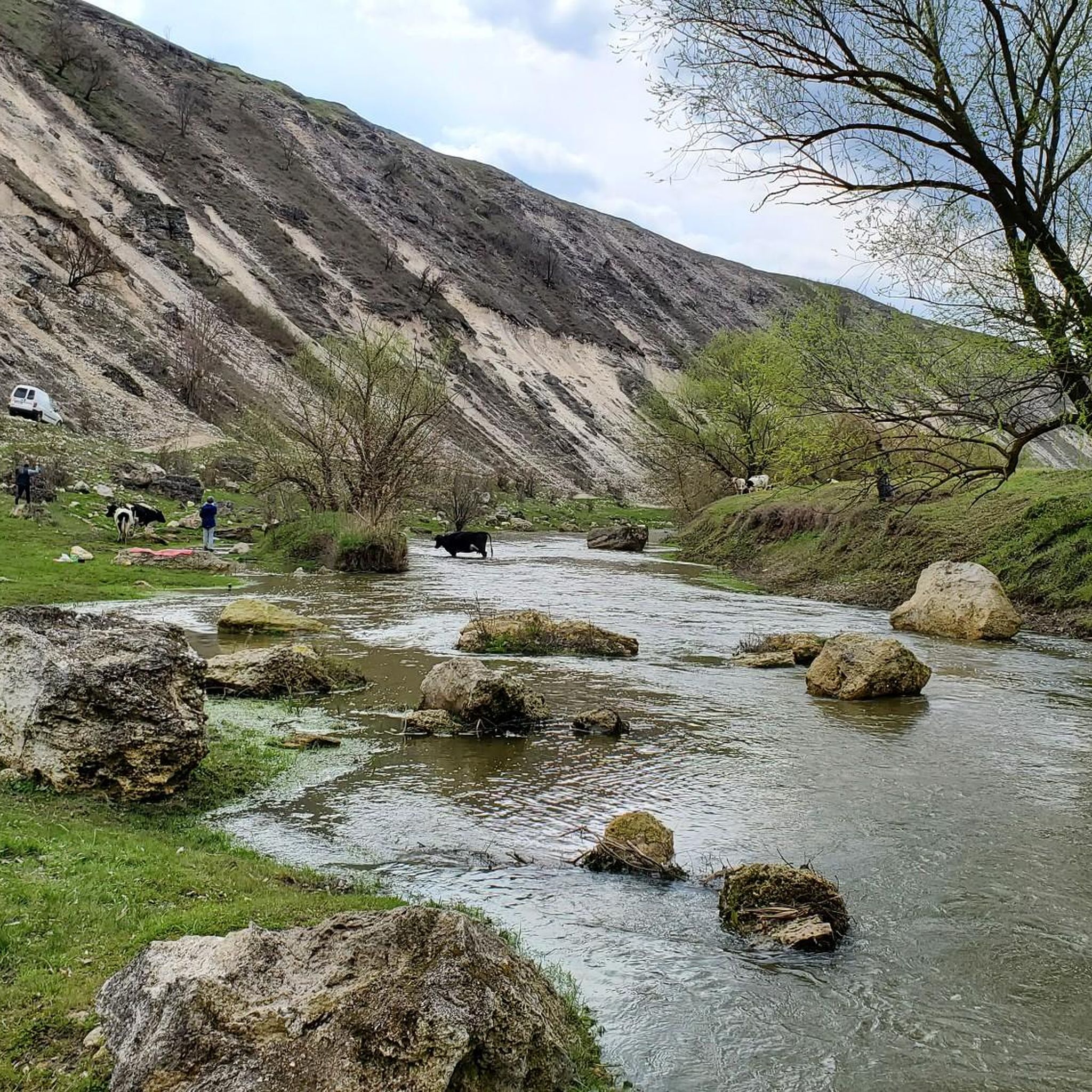
- The most popular attractions is Orheiul Vechi Cave Monastery, a cave and religious building that is part of a unique natural and historical complex. This site features ancient cave monasteries carved into limestone cliffs, dating back to the 13th century.
- Another must-see spot is Chișinău City Hall, a historical site and man-made monument. Built in 1901 in the Italian Gothic style, it stands in the heart of the capital.
- Visitors also love Monument to Stephen the Great, a man-made monument honoring Moldova's national hero. This monument commemorates Stephen the Great's leadership and defense against the Ottoman Empire in the 15th century.
- Moldova is known for its historical sites, natural features, and cultural sites. The country offers a variety of attractions, including ancient monasteries, vast underground wine cellars, and significant historical monuments.
- The attractions in Moldova are appreciated by the komoot community, with 23 upvotes and 47 photos shared by visitors.
Last updated: August 30, 2026
Chișinău City Hall
Highlight • Historical Site
Translated by Google •
Tip by

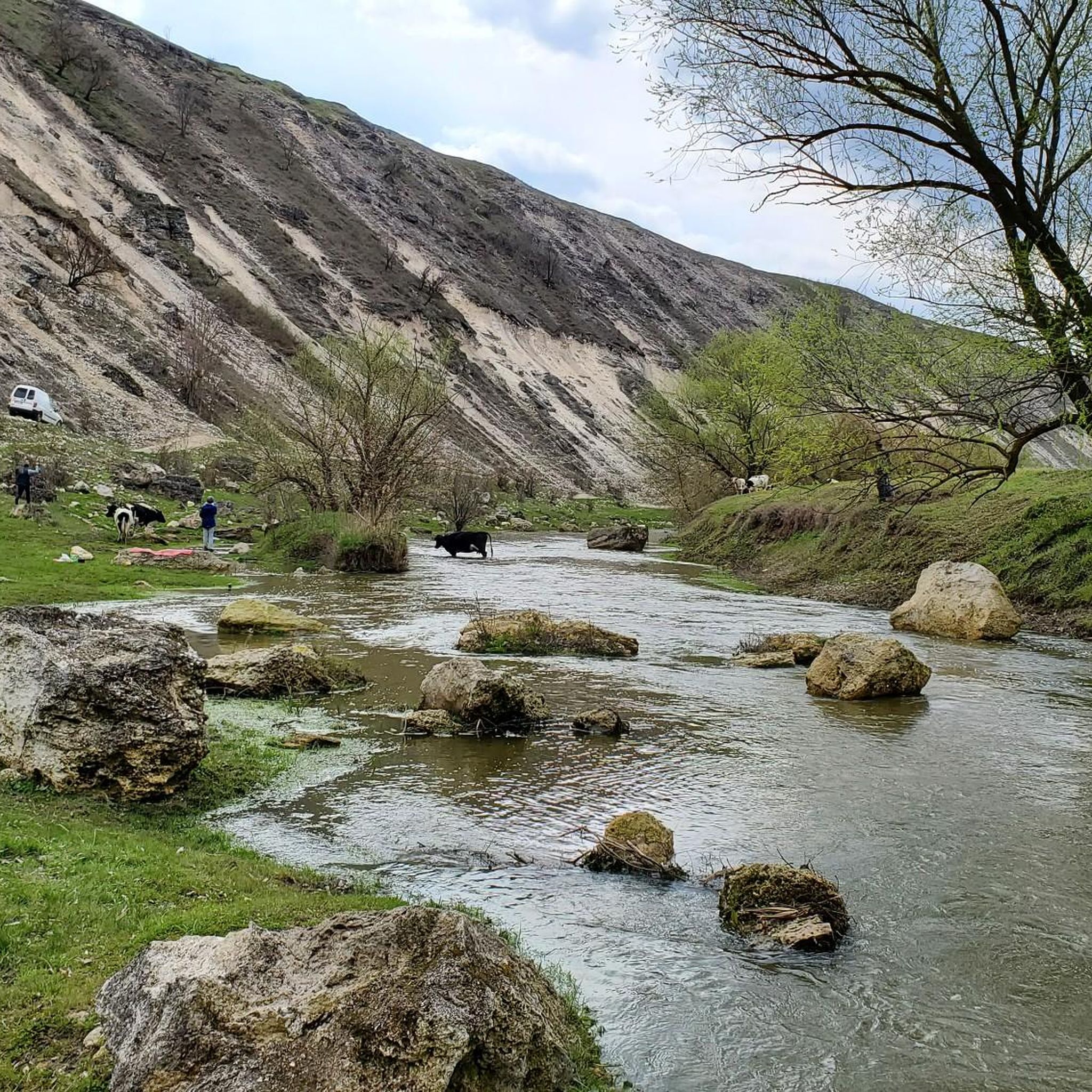
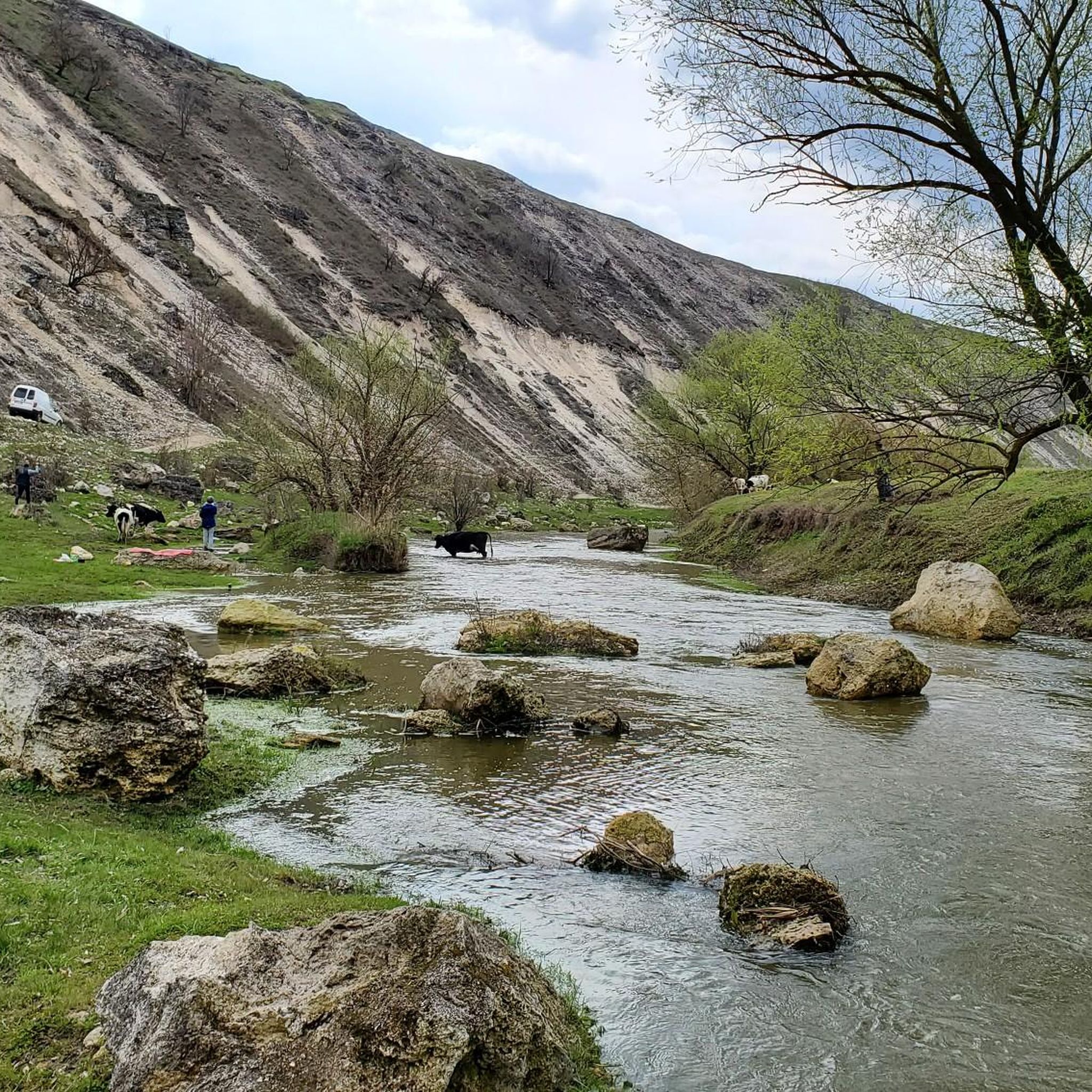
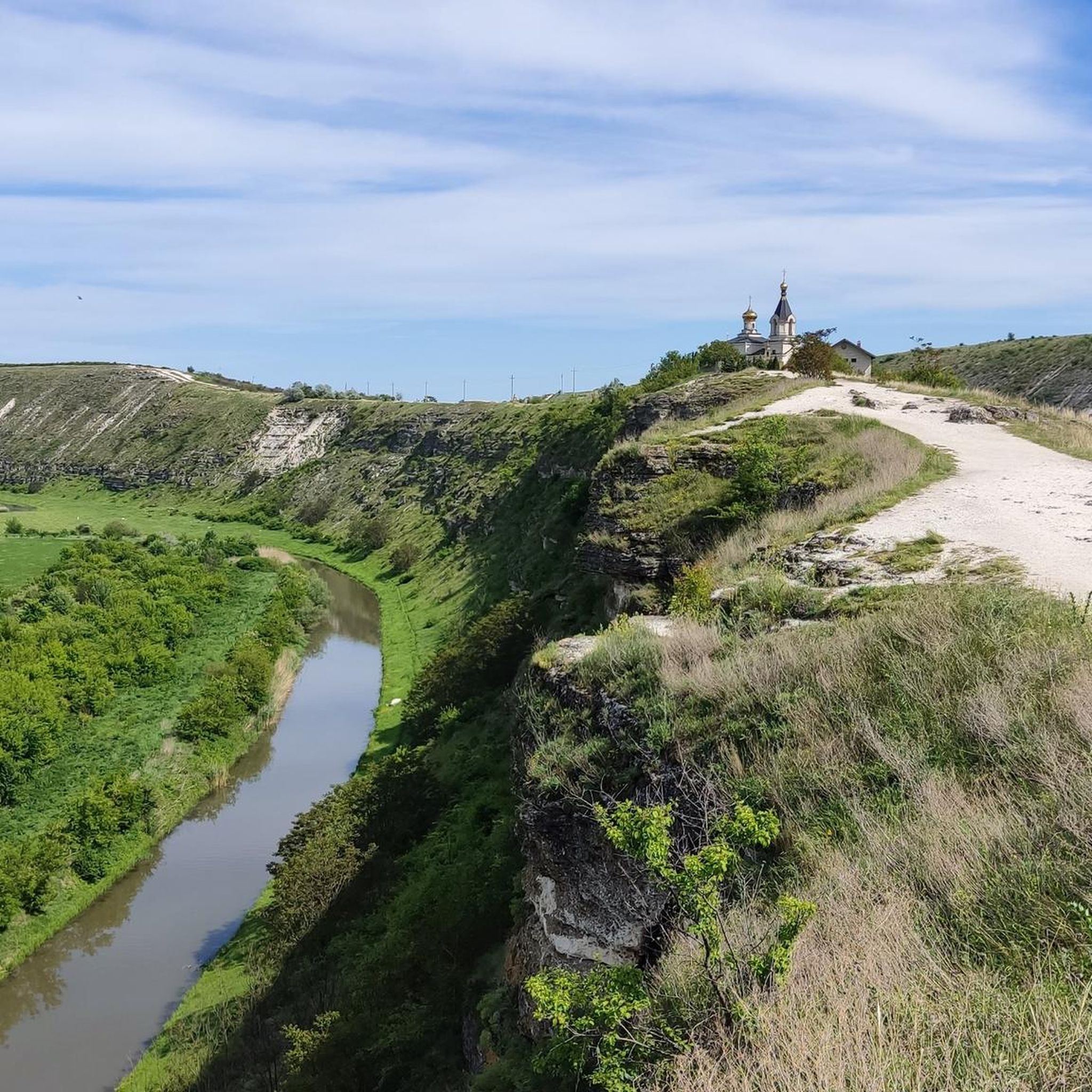
Orheiul Vechi Cave Monastery
Highlight • Cave
Old Orhei contains traces of different civilizations, including the rests of earthen and wooden fortresses of Geto-Dacian fortress (6th-1st centuries. BC. Oe.), Golden Horde fort Shehr al-Jedid (or Yangi-Shehr) (14th century.), Moldavian fort (14th-16th centuries), Orthodox monasteries (c 14th century.), and the Moldavian town Orheiul Vechi (Old Orhei) (14th-16th centuries).
(source wikipedia)
Tip by

Sign up now to discover places like this
Get recommendations on the best single tracks, peaks, & plenty of other exciting outdoor places.
Sign up for free
Triumphal Arch of Chișinău
Highlight • Monument
(source wikipedia)
Tip by
Valea Morilor Park
Highlight • Rest Area
If you are in Moldova and then also live in Chisinau, you should definitely visit Valea Morilor park, as well as the other seven parks.
Translated by Google •
Tip by

Historic Cobblestone Pavement on 31 August Street (1868–1870)
Highlight • Historical Site
Translated by Google •
Tip by
Ștefan cel Mare Central Park
Highlight • Natural
Translated by Google •
Tip by

Monument to Stephen the Great
Highlight • Monument
Translated by Google •
Tip by
Nativity of Christ Cathedral
Highlight • Religious Site
Translated by Google •
Tip by

Chișinău Water Tower
Highlight • Monument
A small brass street map is embedded in the sidewalk in front of the entrance to the water tower. Here you can see which other sights are nearby.
Translated by Google •
Tip by
Valea Trandafirilor Park
Highlight • Rest Area
On the lakes you can enjoy the sun with one of the many pedal boats in the summer months and then enjoy a short break with a cool drink. Finally, the rich nature also offers many opportunities for relaxation.
The park is definitely worth a visit for hikers and tourists in Chisinau.
Translated by Google •
Tip by
Sign up for free to discover even more attractions in Moldova.
Sign up for free
Already have an account?
Start today with a free account
Your next adventure awaits.
Login or Signup
Tips from the Community

Beautiful cathedral to visit and not to be missed.
0
0

A park built in 1950 at the instigation of Leonid Brezhnev. It can be reached via 218 steps. This is more than the 200 steps in Odessa, where parts of the film "Battleship Potemkin" were shot.
1
2

Nice place to visit once. This is the city center part of the city. There is a public bathroom and benches nearby to sit on.
1
1
Translated, the park means Valley of Roses or Rose Valley.
0
0

During my wanderings through the vibrant streets of Chișinău, surrounded by the lively atmosphere of a city rich in culture and history, I found myself in front of the impressive City Hall. A masterpiece in the Italian Gothic style, this building stands proudly in the heart of the Moldovan capital, telling a story of destruction and rebirth embedded deep within its walls. Built in 1901, originally as a seat for the City Duma, the town hall experienced the turmoil of World War II, which almost reduced it to rubble. But like a phoenix rising from the ashes, the town hall was rebuilt after the war, a testament to indomitability and reconstruction, guided by surviving images and building plans. Looking at this majestic building, one cannot help but marvel at the deep scars it has endured while admiring its regained splendor. Directly at the town hall there is a signpost showing the distances to Chișinău's twin cities, a small but meaningful detail that symbolizes solidarity and friendship across borders. Stating that Odessa is only 184 kilometers away is a reminder of the close interconnectedness of the regions and the common stories they share.
2
0
The monument of Ștefan cel Mare, also known as Stefan the Great, stands in a park that tells its own story in every season, but especially in spring and autumn, when nature is in all its splendour, it seems as if history is changing lively. As I strolled through the park, surrounded by the soft palette of autumn, I found myself in front of this impressive monument. Built in honor of Ștefan cel Mare, the Moldovan ruler who ruled from 1433 to 1504 and whose life and reign were marked by the tireless struggle to preserve Moldova's independence from the Ottoman Empire. The monument, erected in 1927, has survived the turmoil of history and today stands as a proud symbol of Moldovan identity and resilience.
3
0
Frequently Asked Questions
What historical sites can I visit in Moldova?
Moldova is rich in history. You can explore the ancient cave monasteries and medieval ruins at Orheiul Vechi Cave Monastery, a unique natural and historical complex. Other significant historical sites include the 15th-century Soroca Fortress, the Curchi and Capriana Monasteries, and the Triumphal Arch of Chișinău.
Are there any significant monasteries to explore in Moldova?
Yes, Moldova is home to several historically important monasteries. The Orheiul Vechi Cave Monastery, carved into limestone cliffs, dates back to the 13th century. Other notable monasteries include Curchi Monastery, known for its Baroque style, and Capriana Monastery, one of Moldova's oldest religious sites. Tipova Monastery also offers impressive cliffside architecture along the Dniester River.
What natural attractions does Moldova offer?
Beyond its historical sites, Moldova boasts beautiful natural features. The Codrii Forest (Codru Reserve) is a vast woodland ideal for hiking and birdwatching. The Dniester River offers picturesque landscapes and opportunities for boating. You can also visit Saharna for its waterfalls, Beleu Lake for birdwatching, or the Tsaul Nature Reserve, often called 'Moldova's Grand Canyon,' with its unique limestone formations.
Are there opportunities for hiking or other outdoor activities near these attractions?
Many attractions are surrounded by natural beauty, offering opportunities for outdoor activities. The area around Orheiul Vechi is excellent for hiking. For more structured outdoor activities, you can find various routes for cycling and running across Moldova. For example, there are several cycling routes and running trails available, including those around Chișinău's parks like Valea Morilor Park.
What are the best wineries to visit in Moldova?
Moldova is renowned for its wine. Cricova Winery is famous for its vast underground cellars and offers guided tours and tastings. Mileștii Mici Winery holds one of the world's largest wine collections in underground tunnels stretching over 200 km, making it a UNESCO-listed site and a must-visit for wine enthusiasts.
Are there family-friendly attractions in Moldova?
Yes, many attractions in Moldova are suitable for families. In Chișinău, Valea Morilor Park and Ștefan cel Mare Central Park offer green spaces for relaxation and activities. Historical sites like the Triumphal Arch of Chișinău and the Monument to Stephen the Great are also considered family-friendly.
What can I see and do in Chișinău, the capital city?
Chișinău offers a blend of history and modern life. You can visit the Chișinău City Hall, the Triumphal Arch, and the Nativity of Christ Cathedral. Explore green spaces like Ștefan cel Mare Central Park and Valea Morilor Park. The city also hosts museums like the National Museum of History of Moldova and the National Museum of Ethnography & Natural History.
How long does it take to tour Old Orhei?
Touring the Orheiul Vechi Cave Monastery complex can take several hours, depending on your interest in exploring the cave monasteries, ancient ruins, and enjoying the scenic views of the Răut River. Many visitors spend half a day to a full day to fully appreciate the historical and natural beauty of the area.
What is the best time of year to visit Moldova?
The best time to visit Moldova is typically during the spring (April-May) and autumn (September-October) months. During these periods, the weather is pleasant for exploring historical sites and natural landscapes, and the vineyards are particularly beautiful in autumn during the harvest season.
Are there any wheelchair-accessible attractions in Chișinău?
Yes, some attractions in Chișinău are considered wheelchair-accessible. The Triumphal Arch of Chișinău is generally accessible. Many of the city's parks and main boulevards also offer relatively flat surfaces for easier navigation.
Where can I learn about Moldova's history and heritage?
To delve into Moldova's past, visit the National Museum of History of Moldova in Chișinău, which showcases archaeological treasures and exhibits tracing the country's heritage. The National Museum of Ethnography & Natural History also provides insights into Moldova's culture and natural environment. Additionally, historical sites like Orheiul Vechi offer a direct experience of ancient civilizations.
What are some unique cultural experiences in Moldova?
Beyond the major attractions, you can experience Moldova's unique culture by visiting the Transnistrian Region for a glimpse into a self-proclaimed independent state with a distinct Soviet-era feel, or explore Gagauzia, an autonomous region offering a culturally diverse experience. Wine tours at Cricova or Mileștii Mici also provide a deep dive into Moldova's winemaking traditions.
Most popular attractions in Moldova

Get inspired with the komoot mobile app


Didn’t find what you were looking for?
Are you keen on exploring more awesome places nearby? Browse our guides:
Explore more
Still not found the Highlight you’re looking for? See guides of the top attractions in other regions:
