Top 20 Mountain Passes around Appenzell
Best mountain passes around Appenzell are found within a region characterized by the dramatic Alpstein massif and verdant landscapes. This area in Switzerland offers numerous elevated points and passes that connect valleys and cantons. The terrain features a mix of high alpine routes and more accessible saddles, providing diverse experiences for outdoor enthusiasts. Appenzell's mountain passes are integral to its natural and cultural landscape.
Best mountain passes around Appenzell
- The most popular mountain passes is Saxer Lücke, a mountain…
Last updated: September 29, 2026
Saxer Lücke
Highlight • Mountain Pass
Translated by Google •
Tip by

Schwägalp
Highlight • Rest Area
Translated by Google •
Tip by

Sign up now to discover places like this
Get recommendations on the best single tracks, peaks, & plenty of other exciting outdoor places.
Rotstein Pass
Highlight • Mountain Pass
Translated by Google •
Tip by

Ress Pass
Highlight • Mountain Pass
Translated by Google •
Tip by

Mutschen Saddle (2,070 m)
Highlight • Mountain Pass
Translated by Google •
Tip by

Sign up for free to discover even more mountain passes around Appenzell.
Already have an account?
Start today with a free account
Your next adventure awaits.
Popular around Appenzell
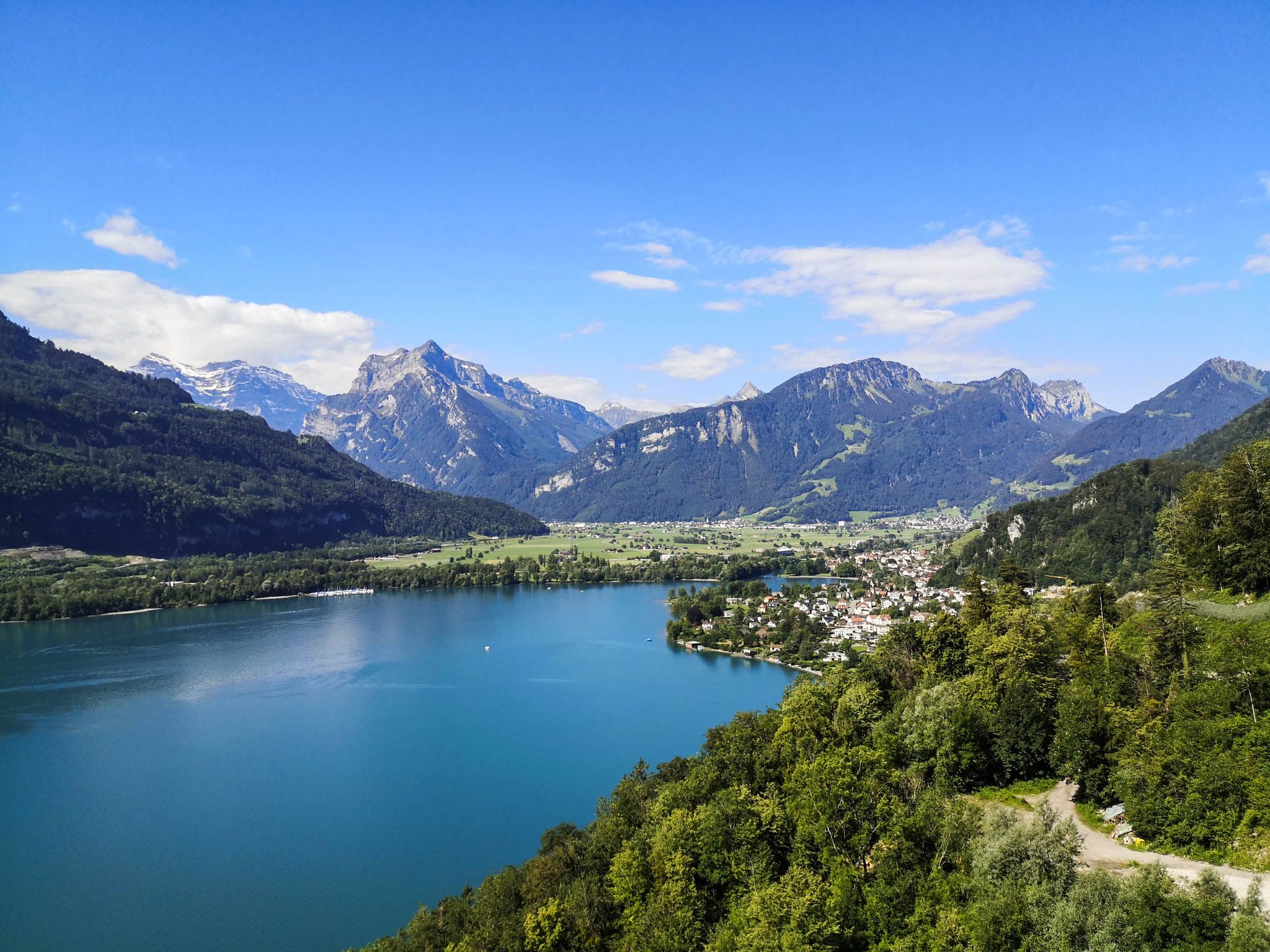
Alpine Panorama Trail in Switzerland – Keep your eyes on the mountains
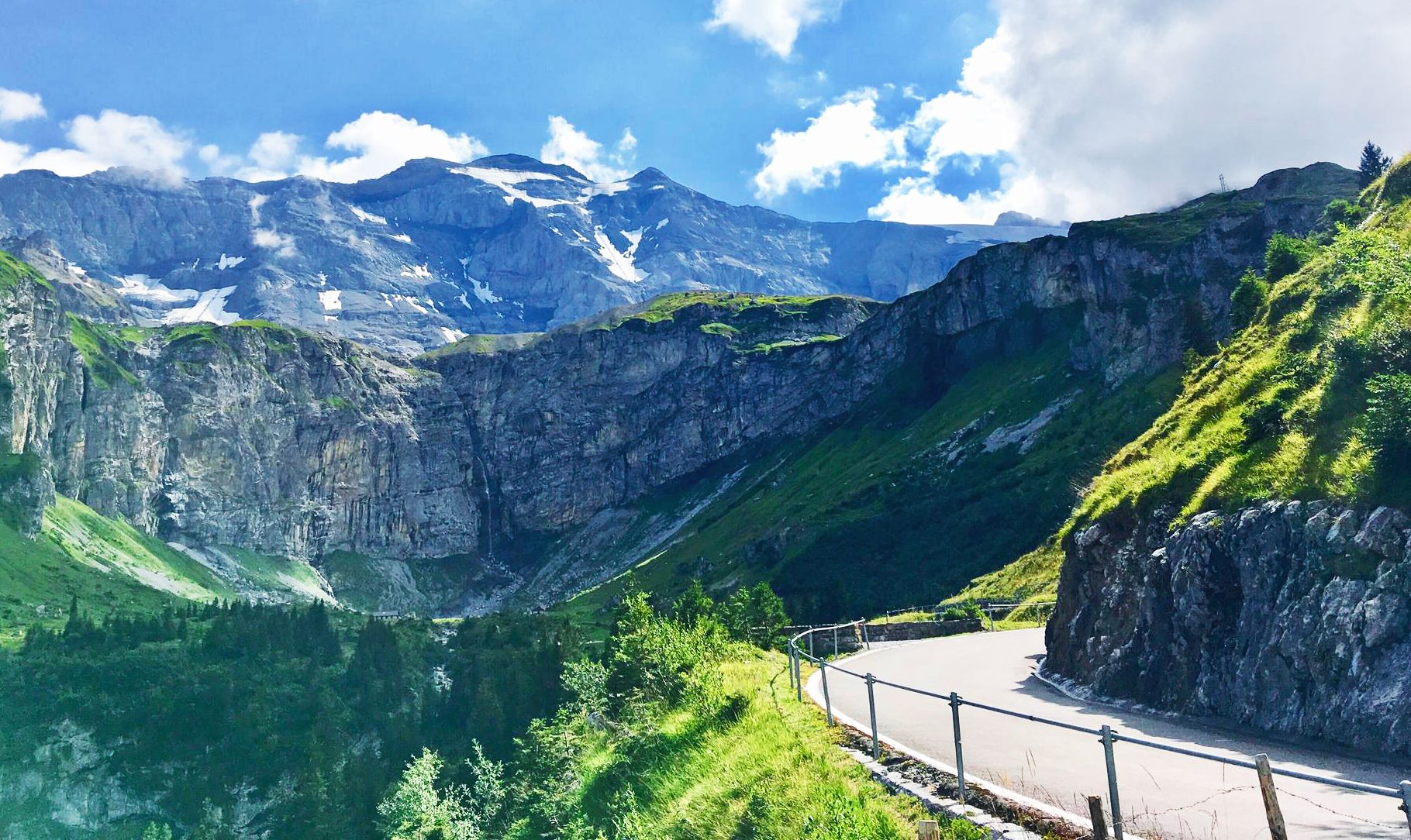
Alpine Panorama Route — 8 stages through the foothills of the Alps
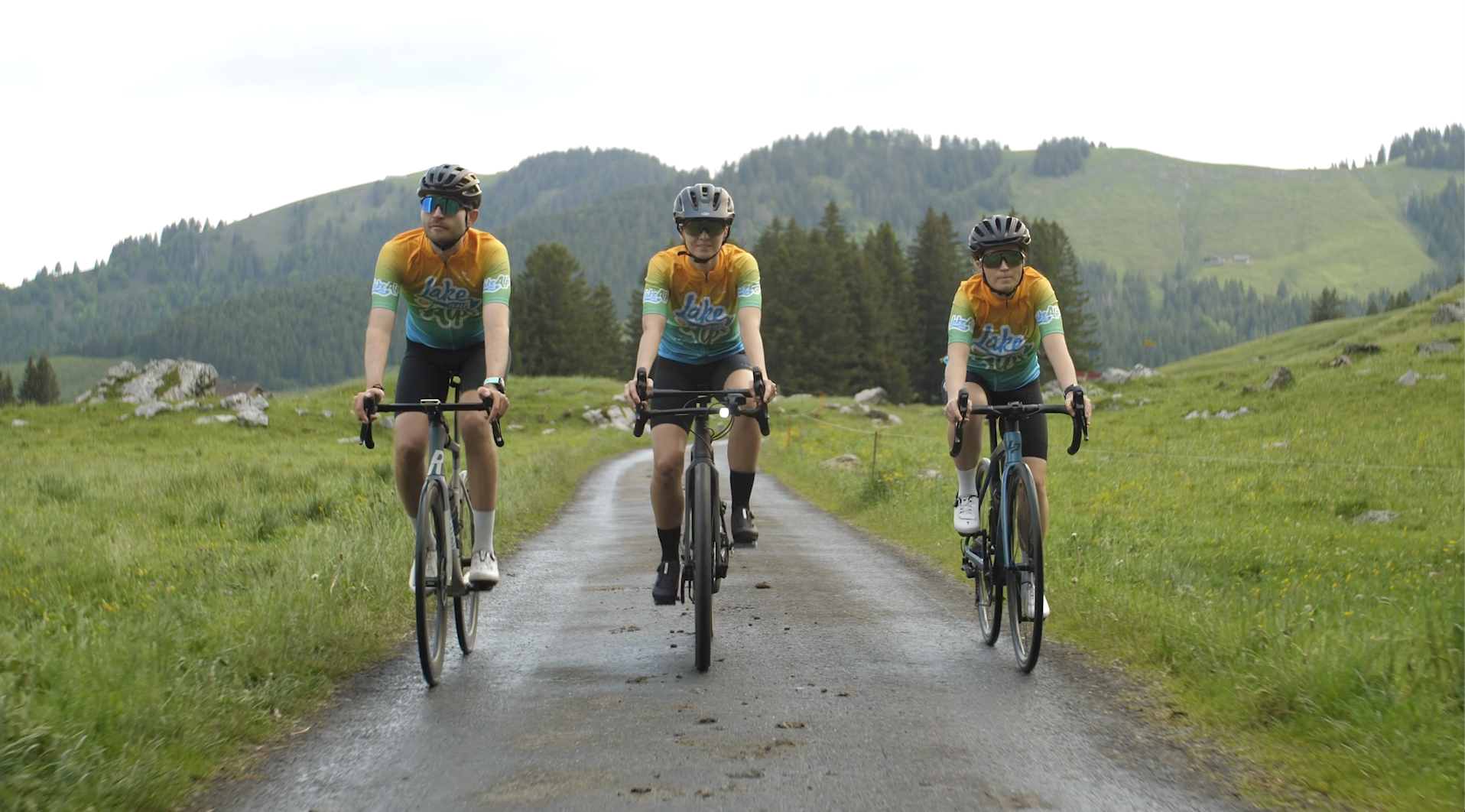
Lake and Alps Adventure – explore 100 dreamy places in our cycling region!
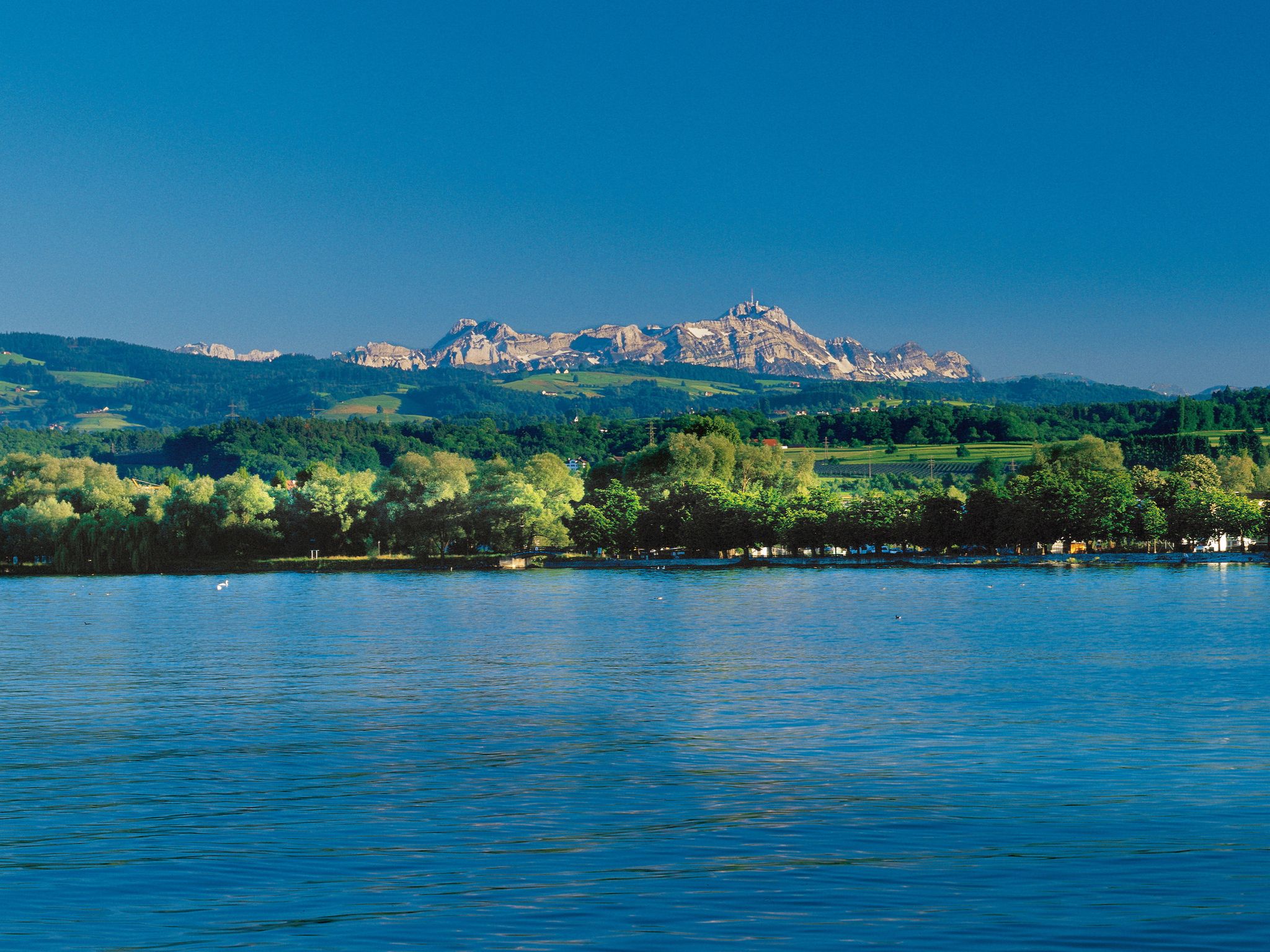
Lake and Alps Route – Cycling between Lake Constance and the Appenzell Alps
From Lake Constance to Lake Geneva
Appenzeller Weg – pilgrimage routes from Austria to Switzerland
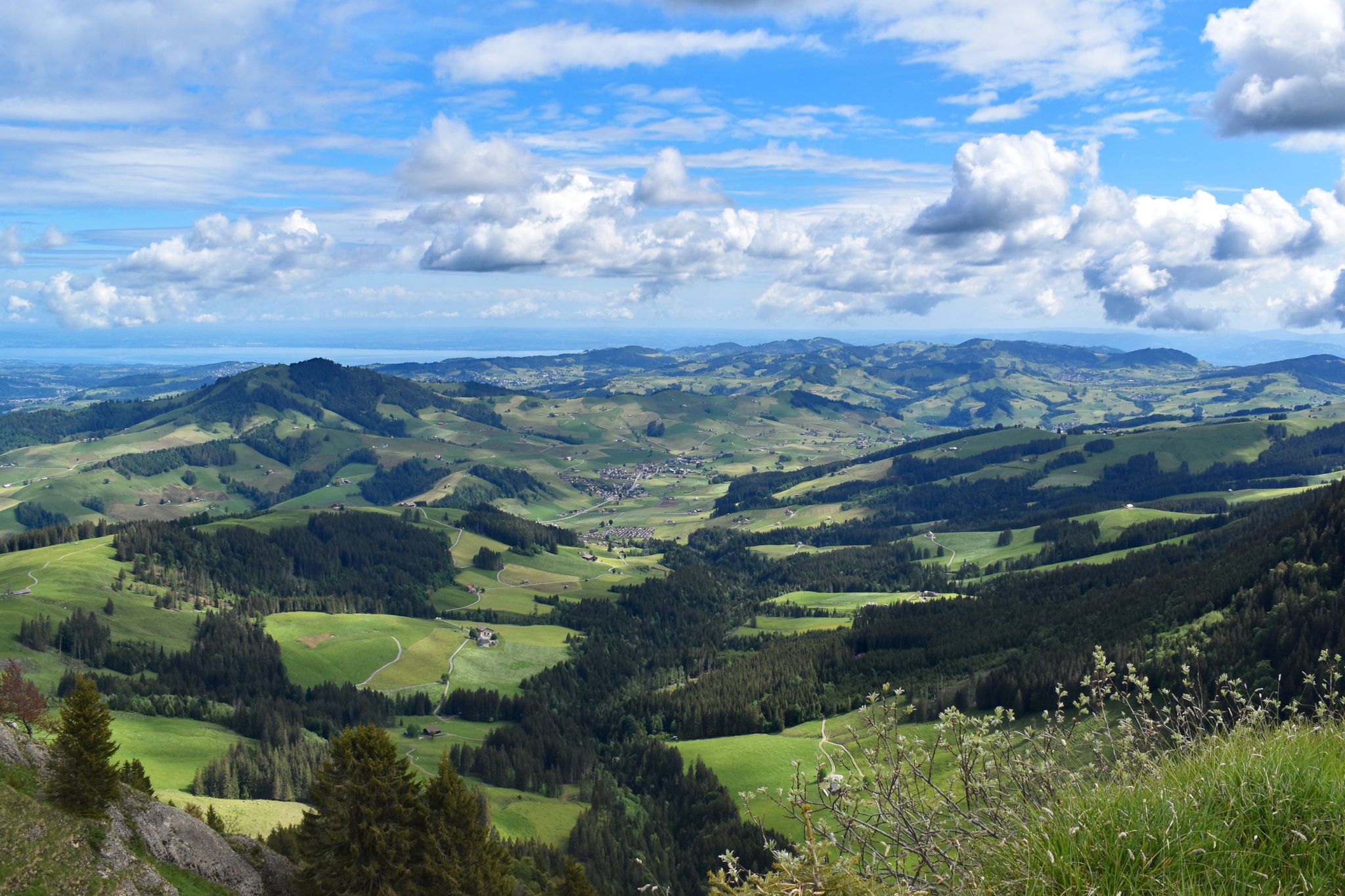
Hiking around Appenzell
MTB Trails around Appenzell
Cycling around Appenzell
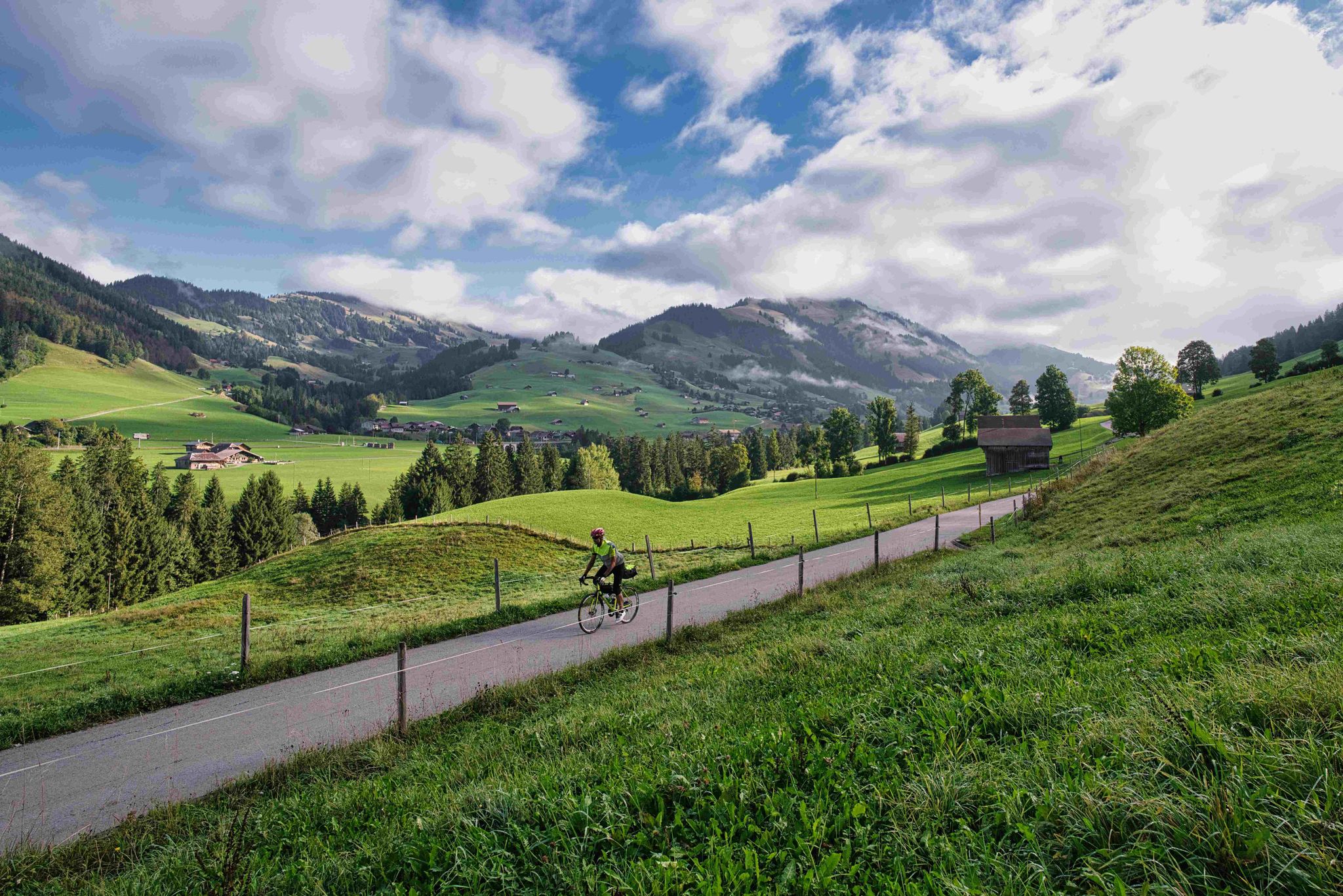
Road Cycling Routes around Appenzell
Other adventures around Appenzell


Tips from the Community

The Saxer Lücke (approx. 1,670 m above sea level) is a striking rocky notch in the Alpstein between the cantons of Appenzell Innerrhoden and St. Gallen. It is one of the best-known viewpoints in Eastern Switzerland and offers a spectacular view of the jagged rock peaks, the Rhine Valley, and the Vorarlberg Alps. The Saxer Lücke is accessible via well-maintained mountain hiking trails, including from the Staubern mountain inn or from Frümsel. The traverse between Staubern and Hohen Kasten is particularly popular. In summer, the impressive landscape and alpine flora are a draw, while in autumn, seas of fog in the Rhine Valley often create unforgettable panoramas.
6
1

The Mutschen saddle is at 2069m and from here it is just under 10 minutes to the Mutschen summit.
7
0

Beautiful snowshoe hike with a great view 😍.
2
0
We passed by here on the way from Forstseeli to Fähnerenspitze. 🥰
3
0

The Resspass 1,309 m is a drivable crossing between Brülisau (Alpstein) and the Forstseeli (Rheintal).
1
0

I was there at the beginning of September and there was still a bit of snow. However, it was safe and the climb up the Mutschen was definitely worth it.
2
0
The Rotstein Pass, located at an altitude of 2119 m above sea level[1], is an Alpine pass on the border between the Swiss cantons of Appenzell Innerrhoden and St. Gallen in the Appenzell Alps. https://de.m.wikipedia.org/wiki/Rotsteinpass
1
0
Frequently Asked Questions
What are some of the most scenic viewpoints among the Appenzell mountain passes?
The Appenzell region offers numerous breathtaking viewpoints. For panoramic vistas, consider visiting Schwägalp, which is the starting point for the aerial tramway to Säntis, offering 360-degree views across six countries on a clear day. Another highly recommended spot is Saxer Lücke, known for its dramatic geological formations and stunning views of the Alpstein range and Fälensee Lake. The Rotstein Pass also provides excellent views for hikers.
Are there family-friendly mountain passes or activities in the Appenzell region?
Yes, the Appenzell region has options suitable for families. Schwägalp features a NaturErlebnispark, showcasing local flora and fauna, and offers a demonstration dairy where visitors can learn about traditional cheese-making. Kronberg Mountain, while not a pass, is very family-friendly, accessible by cable car and offering a toboggan run, a zipline park, and a fairy tale world at its valley station.
What kind of natural features can I expect to see around the Appenzell mountain passes?
The Appenzell mountain passes are set within the dramatic Alpstein massif, offering diverse natural beauty. You'll encounter jagged peaks and distinctive geological formations, particularly at Saxer Lücke. Alpine lakes like Fälensee are nestled among the mountains. The region is also home to diverse wildlife, including ibex, which can often be spotted around the Rotstein Pass.
What are the best times to visit the Appenzell mountain passes for hiking?
The best time for hiking the Appenzell mountain passes is generally from late spring to early autumn (May to October), when trails are mostly clear of snow and weather conditions are more stable. However, areas like Schwägalp offer year-round activities, including snowshoe trekking and a romantic lantern trail in winter. For higher alpine passes like Rotstein Pass or Mutschen Saddle, summer is ideal due to challenging conditions in other seasons.
Are there challenging hiking routes for experienced hikers among the Appenzell mountain passes?
Absolutely. The Rotstein Pass is a popular destination for experienced hikers, serving as a starting point for the challenging Lisengrat Ridge Trail, which connects Säntis with Altmann. The Mutschen Saddle also offers demanding routes, especially in winter, requiring experience in alpine snowshoeing and awareness of avalanche conditions.
Which mountain passes are accessible by public transport in Appenzell?
Many mountain passes in Appenzell are well-connected. Schwägalp Pass is easily reachable and serves as the base for the Säntis aerial tramway. For other passes, public transport often gets you to nearby villages like Brülisau or Jakobsbad, from where cable cars or hiking trails lead to the passes. For example, Hoher Kasten, near Kastensattel, is accessible by cable car from Brülisau.
What outdoor activities can I do near the Appenzell mountain passes?
Beyond hiking, the Appenzell region offers a variety of outdoor activities. You can explore numerous running trails, such as the 'Hüslibrugg Sitter – Trinity Chapel Rapisau loop from Appenzell', or challenging routes like the 'Appenzell Village – Appenzell railway station loop'. For cyclists, there are scenic road cycling routes like the 'View of Säntis – View of the Alpstein loop from Appenzell'. Find more options on our dedicated guides for Running Trails around Appenzell, Hiking around Appenzell, and Road Cycling Routes around Appenzell.
Are there mountain inns or accommodation options directly on the passes?
Yes, some passes offer mountain inns for accommodation and dining. The Rotstein Pass features the Berggasthaus Rotsteinpass, which provides simple yet beautiful accommodation and warm hospitality. Additionally, the Berghotel Schwägalp offers dining and lodging with a large sunny terrace at Schwägalp.
What do visitors enjoy most about the mountain passes in Appenzell?
Visitors frequently praise the stunning panoramic views, the unique geological formations, and the diverse hiking opportunities. Many appreciate the chance to spot local wildlife, such as ibex near the Rotstein Pass. The hospitality of mountain inns and the family-friendly attractions, like those at Schwägalp and Kronberg, also receive high marks from the komoot community.
Which mountain passes are good for a less crowded experience?
While popular spots like Schwägalp and Saxer Lücke can attract crowds, especially on weekends, exploring passes like Nusshalde or Kamorsattel might offer a more tranquil experience. These saddles are often part of longer hiking routes, such as the Appenzeller Höhenweg, and provide scenic beauty away from the main tourist hubs.
Can I find information about the geology of the Appenzell mountain passes?
Yes, the Appenzell region is geologically fascinating. Saxer Lücke, for instance, is a key point on the Geological Panorama Trail, known for its distinctive jagged peaks and thin rock wall. Information boards in the area often explain how these unique formations came to be, offering insights into the region's geological history.
Most popular routes around Appenzell
Most popular attractions around Appenzell

Get inspired with the komoot mobile app


Explore more
See even more epic mountain passes by checking out these guides around Appenzell:
