Top 20 Mountain Passes around Elm
Best mountain passes around Elm provide access to the Swiss Alps, offering a network of hiking trails. The region features significant geological formations, including the Glarus Thrust and the UNESCO World Heritage Swiss Tectonic Arena Sardona. These passes are integral to the area's natural landscape and connect various valleys and cantons. Elm serves as a starting point for exploring these alpine routes.
Best mountain passes around Elm
- The most popular mountain passes is Foopass, a mountain pass that forms…
Last updated: August 20, 2026
Richetli Pass
Highlight • Mountain Pass
Translated by Google •
Tip by

Segnes Pass
Highlight • Mountain Pass
Translated by Google •
Tip by

Sign up now to discover places like this
Get recommendations on the best single tracks, peaks, & plenty of other exciting outdoor places.
Sign up for free
Foopass
Highlight • Mountain Pass
Translated by Google •
Tip by

Glarus–Uri Boundary Stone
Highlight • Monument
The most important basis for reconstructing historical traffic routes in Switzerland is the Siegfried map, which has been published in countless (new) editions since 1870. The surprise …
Translated by Google •
Tip by

Täli Pass
Highlight • Mountain Pass
Translated by Google •
Tip by

Sign up for free to discover even more mountain passes around Elm.
Sign up for free
Already have an account?
Start today with a free account
Your next adventure awaits.
Login or Signup
Popular around Elm
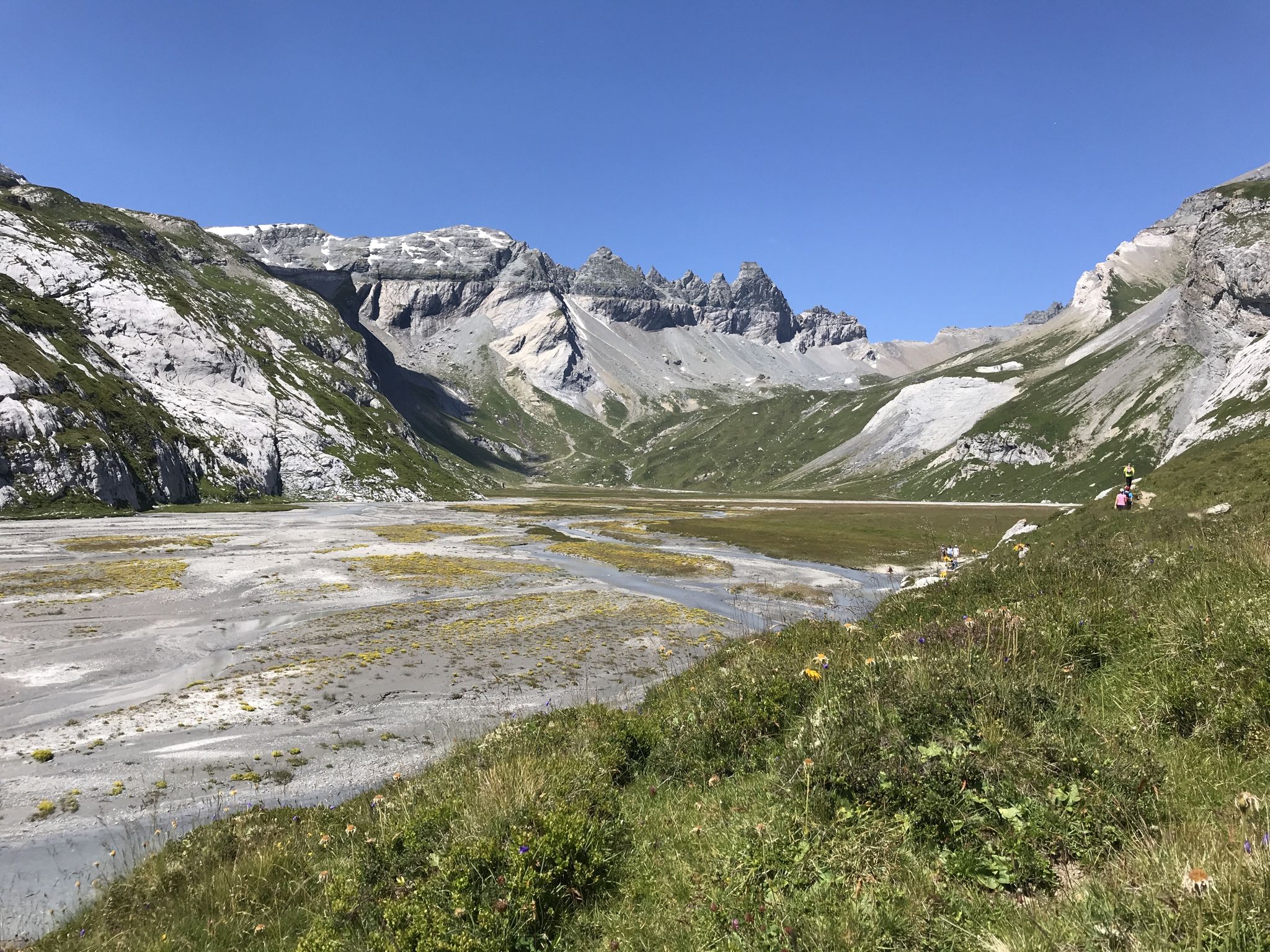
Sardona World Heritage Trail – Where the Alps once formed
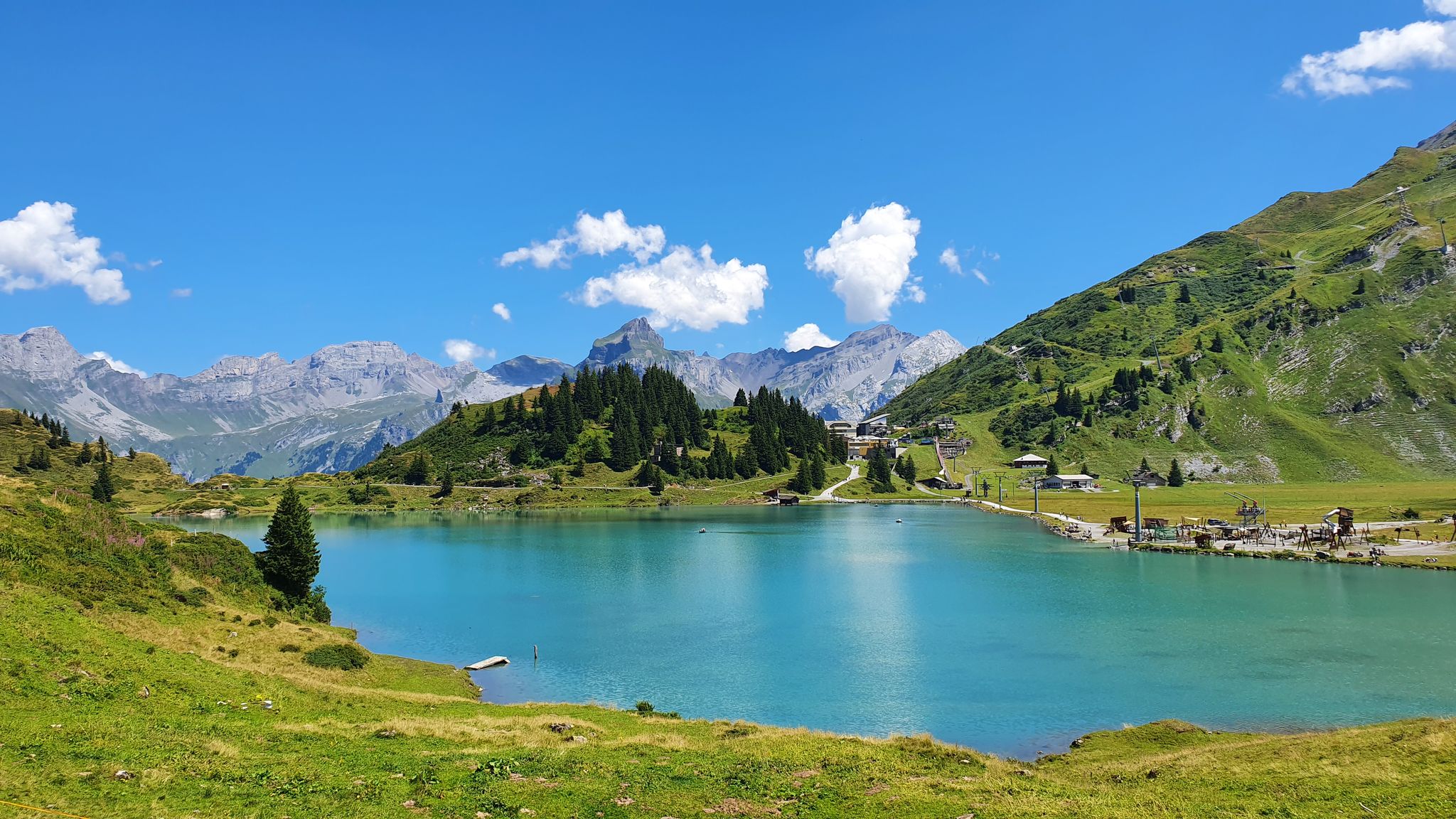
Via Alpina – The 15 stages of the Green Route
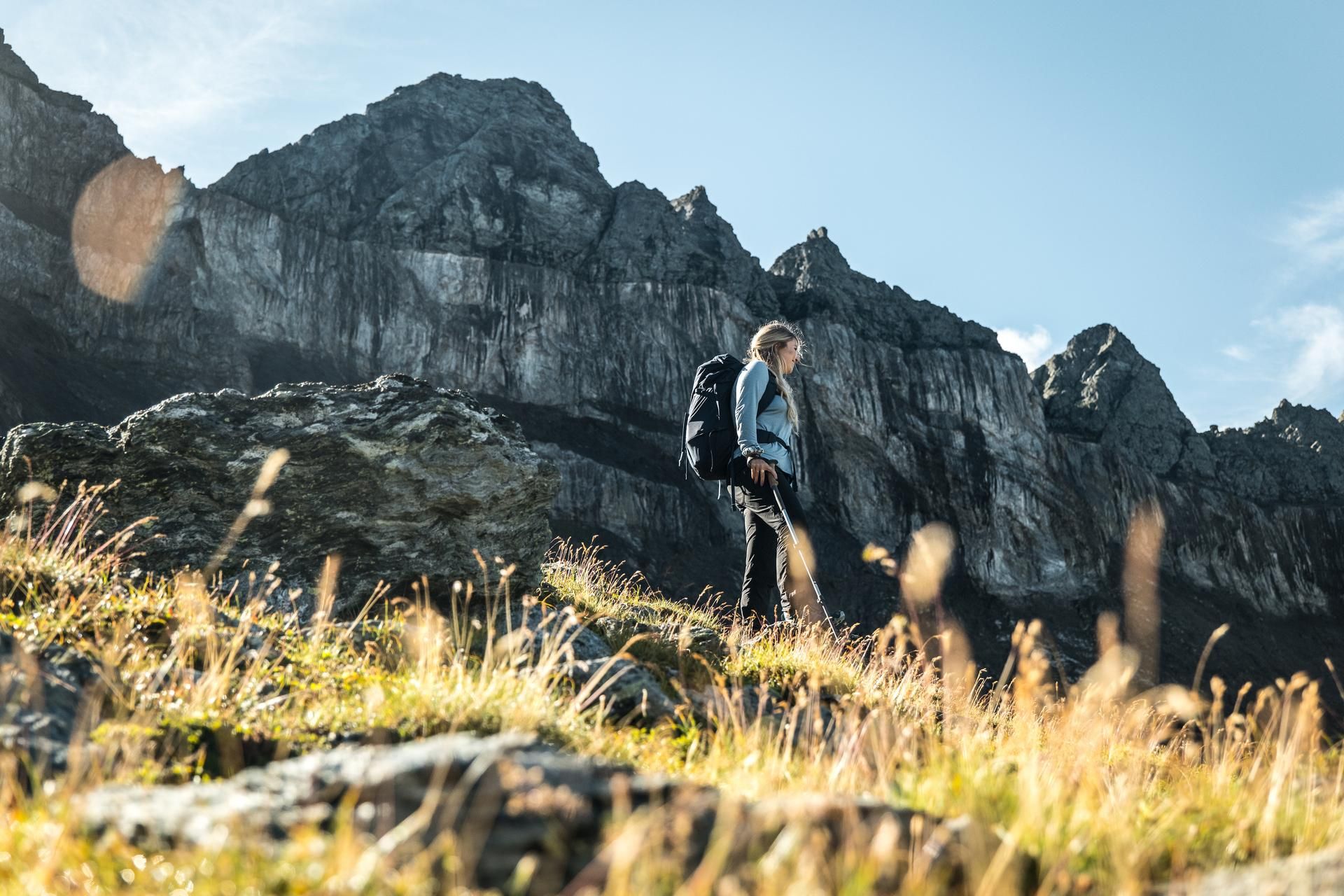
Hiking in the Swiss Tectonic Arena Sardona – Segnes Trek
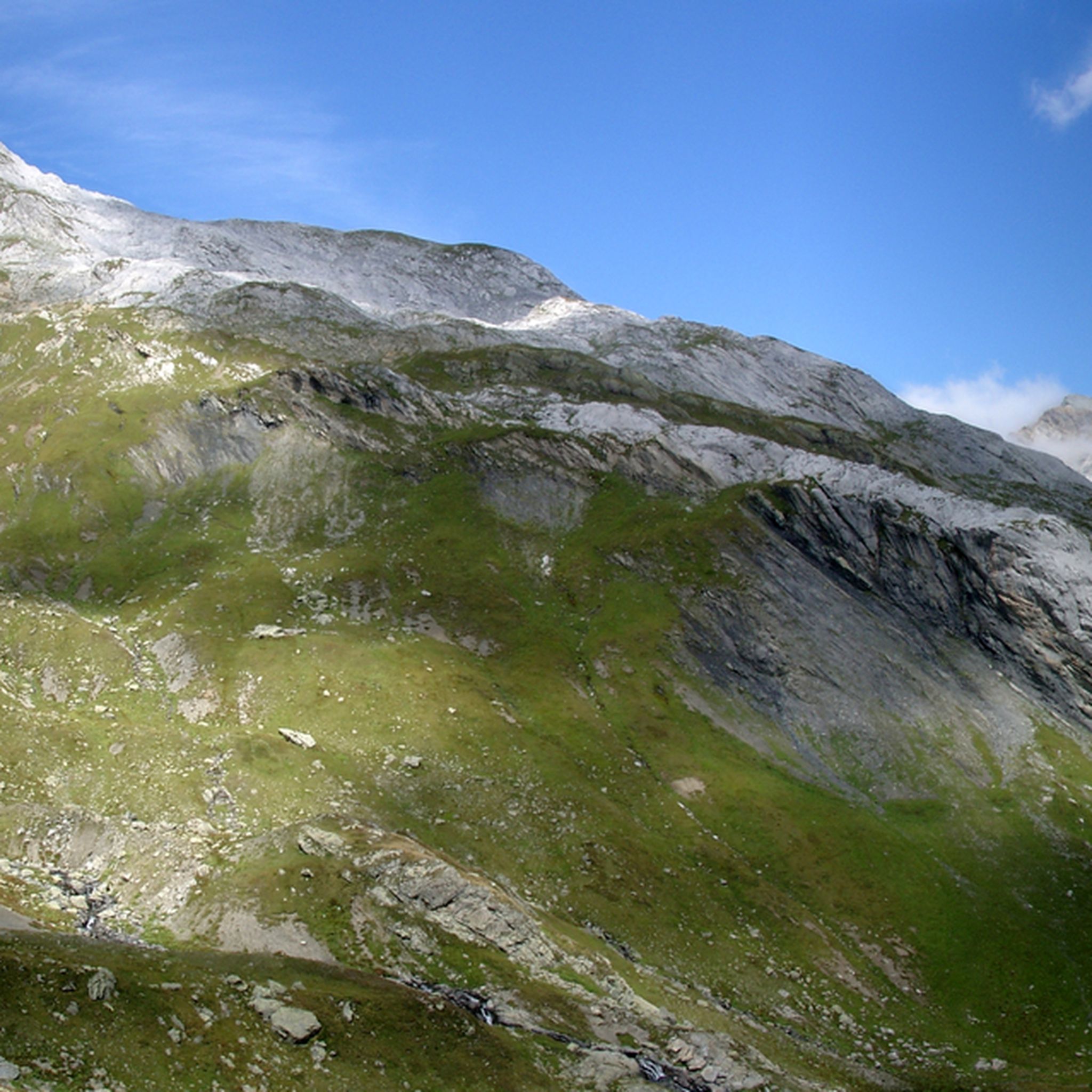
Hiking around Elm

Gravel biking around Elm
MTB Trails around Elm
Road Cycling Routes around Elm
Running Trails around Elm
Cycling around Elm
Mountain Hikes around Elm


Tips from the Community

The Richetli Pass is a wonderful pass between Linthal and Elm. The Linthal side is significantly steeper than the Elm side. Coming from Linthal, you'll have your first glimpse of the Glarus Thrust here, before admiring the entire spectacle from the Wichlenmatt.
0
0

The Richetli Pass (2,261 m above sea level) is a high mountain pass in the Glarus Alps and connects the towns of Linthal and Elm in the canton of Glarus. The pass lies between the valley of the Linth River and the valley of its tributary, the Sernf. The Richetli Pass is the lowest point between the Hausstock and Kärpf peaks. Source: https://share.google/5uPMLWragfRQhSfx8
1
0
Alp Foo is an alpine settlement in the municipality of Mels in the canton of St. Gallen, located approximately 2 km east of the Foo Pass, which forms the border between the cantons of Glarus and St. Gallen. It is a well-known landmark in the Glarus Alps region and is mentioned in connection with the Via Alpina hiking trail network, which runs over the Foo Pass. Source: Foo Pass - Wikipedia https://share.google/azdTqQUdEkStTrtoe
5
0

A really beautiful mountain pass that takes you from the canton of Graubünden to Glarus (Elm). The last part is up a steep metal staircase, otherwise it would be quite a climb! You can also sit very nicely on the rocks above the hut.
1
0

The trail that A. Villiger means is "Grenzstei S1 - S2 Trail" and is no more difficult than S2 :-)
1
0


The path is steep - but in dry weather the fine scree is surprisingly easy to grip. Upwards so exhausting, but not really dangerous. Poles are good for going downhill to take some pressure off your knees. The warning that it could be dangerous here clearly refers to bad weather conditions, in dry weather the route is only strenuous but not dangerous
0
0
The last few meters from the Graubünden side used to be a somewhat demanding scramble - but for some time now it has been possible without any problems thanks to a stable metal staircase
1
0
Frequently Asked Questions
What are some challenging mountain passes around Elm?
For those seeking a challenge, the Täli Pass is known for its steep path, with potential for snow early in the year on its north side. The Foopass also involves a challenging ascent, described as a tougher climb on the second day of the Alpine Pass Route from Weisstannen to Elm. The Richetli Pass, at 2,261 meters above sea level, is part of the Green Trail of the Via Alpina and offers amazing views as a reward for the effort.
What natural features and geological formations can I see around the mountain passes near Elm?
The region is rich in natural beauty and significant geological formations. From the Foopass, you can witness the impressive Glarner main thrust fault on Foostock and enjoy panoramic views of the Glarus mountains. The Richetli Pass offers glimpses of the Glarus Thrust and is part of the UNESCO World Heritage Swiss Tectonic Arena Sardona. You can also observe alpine flora and fauna, and potentially spot ibexes, chamois, red deer, marmots, and golden eagles, especially along the ascent to Foopass from Weisstannen.
Are there historical sites or paths to explore near Elm's mountain passes?
Yes, the region has a rich historical heritage. The Panixerpass is notably part of the ViaSuworow route, a historical path where Suvorov's troops faced significant challenges due to snow. This pass offers a journey through history, allowing you to trace the footsteps of past military movements. Additionally, the Glarus–Uri Boundary Stone marks a historical boundary and is associated with legends about how the border came about.
What is the best time to visit the mountain passes around Elm?
The mountain passes around Elm are best visited during the snow-free months, typically from late spring to early autumn, for hiking and cycling. Some passes, like the Täli Pass, can have snow early in the year, even on the north-facing slopes. For road cycling, the Klausen Pass is popular, but it's advisable to go early in the morning to avoid heavy traffic, especially from motorcycles.
Are there family-friendly options among the mountain passes near Elm?
While many mountain passes in the region involve challenging ascents, some sections or nearby trails can be suitable for families. For instance, the Glarus–Uri Boundary Stone is categorized as family-friendly. When planning a family outing, it's recommended to check the specific trail difficulty and elevation for each route, as some passes are quite demanding.
What outdoor activities can I do near the mountain passes around Elm?
Beyond exploring the passes themselves, the area around Elm offers a variety of outdoor activities. You can find numerous MTB Trails, including routes like the 'Obererbs–Hängstboden High Trail' or the 'Stäfeli Bridge and Valley – Vorderegg–Eggböden Trail'. For cyclists, there are Road Cycling Routes such as the 'Urnerboden Plateau – View of Stäubenfall loop' and Gravel biking options like 'Kunkels Pass from Flims'. Many passes are also integrated into long-distance hiking routes like the Via Alpina.
Can I bring my dog on trails around Elm's mountain passes?
While specific regulations for each pass may vary, many alpine trails in Switzerland are dog-friendly, provided dogs are kept on a leash, especially in areas with livestock or wildlife. It's always best to check local signage or specific route descriptions for any restrictions before heading out with your dog.
What do visitors enjoy most about the mountain passes around Elm?
Visitors frequently highlight the truly amazing views of the surrounding peaks from passes like the Richetli Pass. The unspoilt mountain landscapes, the impressive geological formations like the Glarner main thrust fault visible from Foopass, and the sense of accomplishment after a challenging climb are also highly appreciated. The region's integration into long-distance hiking routes like the Via Alpina makes it ideal for multi-day trekking experiences.
Are there any specific tips for hiking the Täli Pass?
The Täli Pass is known for its steep path. While strenuous, in dry weather, the fine scree is surprisingly easy to grip. It's recommended to use poles, especially for the descent, to reduce pressure on your knees. Be aware that the climb on the north side can be in the shade, and snow can be present early in the year. The warning about danger primarily refers to adverse weather conditions.
How does the Klausen Pass connect to the Elm region?
The Klausen Pass from Linthal is a significant mountain pass accessible from the broader region. It features countless hairpin bends and offers breathtaking views. Although the Urnerboden, the largest alp in Switzerland, geographically lies on the Glarner side, it officially belongs to the canton of Uri, with its boundary marked by the Glarus–Uri Boundary Stone. The Klausen Pass is a popular route for both road cyclists and those seeking scenic drives.
What is the significance of the Via Alpina in relation to Elm's mountain passes?
Several mountain passes around Elm are integral parts of the Via Alpina, a renowned long-distance hiking trail network. The Richetli Pass is part of the Green Trail of the Via Alpina, and the Foopass is also mentioned in connection with this network. These passes offer hikers the opportunity to experience multi-day trekking through the stunning Swiss Alps, connecting various valleys and cantons.
Most popular attractions around Elm

Get inspired with the komoot mobile app


Explore more
See even more epic mountain passes by checking out these guides around Elm:
