Top 18 Castles around Scharnitz
Best castles around Scharnitz are situated in a strategically important narrow valley passage, which has been a site of fortifications for centuries. This region, bordering Austria and Bavaria, features historical defensive structures that highlight its past significance. The landscape offers views of the Isartal valley, connecting historical sites with natural beauty. Visitors can explore remnants of ancient Roman outposts and 17th-century fortresses.
Best castles around Scharnitz
- The most popular castles is Schachenhaus and the King’s House (Königshaus am Schachen), a royal residence and hut that offers guided tours. It is known for its unique Turkish Hall and stunning mountain views.
- Another must-see spot is Kranzbach Castle, a historical castle. This impressive structure is now a luxury hotel, situated in a scenic mountain setting.
- Visitors also love Elmau Castle, a castle with a great view of the alpine pastures and mountains. This site, known for hosting international summits, also offers cultural events.
- Scharnitz is known for historical fortifications, Roman outposts, and 17th-century defensive structures. The area offers a variety of castles and castle ruins to see and explore, reflecting centuries of strategic importance.
- The castles around Scharnitz are appreciated by the komoot community, with more than 600 upvotes and over 390 photos shared.
Last updated: June 23, 2026
Schachenhaus and the King’s House (Königshaus am Schachen)
Highlight • Mountain Hut
Translated by Google •
Tip by

Elmau Castle
Highlight • Castle
Translated by Google •
Tip by

Sign up now to discover places like this
Get recommendations on the best single tracks, peaks, & plenty of other exciting outdoor places.
Sign up for free
Kranzbach Castle
Highlight • Castle
Translated by Google •
Tip by

Hofburg, Innsbruck (Imperial Palace)
Highlight • Castle
In 1500 the Hofburg Innsbruck was completed under Emperor Maximilian I (1459-1519). It already had the same dimensions as today and was captured by Albrecht Dürer as a watercolor. You can see a late Gothic inner courtyard with a covered staircase, the coat of arms tower and the women's chambers, called "Frauenzimmer". There was a large reception room, which was designed as a hall with columns and vaults and is now known as the "Gothic Cellar". A "Kürnstube" in which Maximilian's hunting trophies were housed, a "Silverkammer" (treasury) and a banquet hall (with depictions of Hercules) have also been preserved.
The "racing ground" in front of the Hofburg served as a tournament venue for the sports-loving emperor.
Almost 250 years later, Maria Theresa (1717-1780) visited the Imperial Hofburg Innsbruck and felt that it was no longer up to date. Since 1665 there were no more Tyrolean sovereigns and the governors, who now ruled Tyrol on behalf of the Emperor, lived on the first floor (Lieutenancy). The state rooms on the second floor, which were reserved for the Imperial Family, remained uninhabited. The ruler ordered a renovation in the Viennese late baroque style and sent her best artists to Innsbruck: Konstantin von Walter and Nicolaus Parcassi. Martin van Meytens and his school as well as Franz Anton Maulbertsch were commissioned to furnish the interior. The renovation work was interrupted by the Seven Years' War and lasted until the 1870s.
Text / Source: INNSBRUCK TOURISM
innsbruck.info/gehenswuerdigkeiten/sightseeing/historical-buildings/detail/infrastructure/kaiserliche-hofburg-innsbruck.html
Translated by Google •
Tip by

Elmau Alpine Panorama
Highlight • Viewpoint
Translated by Google •
Tip by

Sign up for free to discover even more castles around Scharnitz.
Sign up for free
Already have an account?
Start today with a free account
Your next adventure awaits.
Login or Signup
Popular around Scharnitz
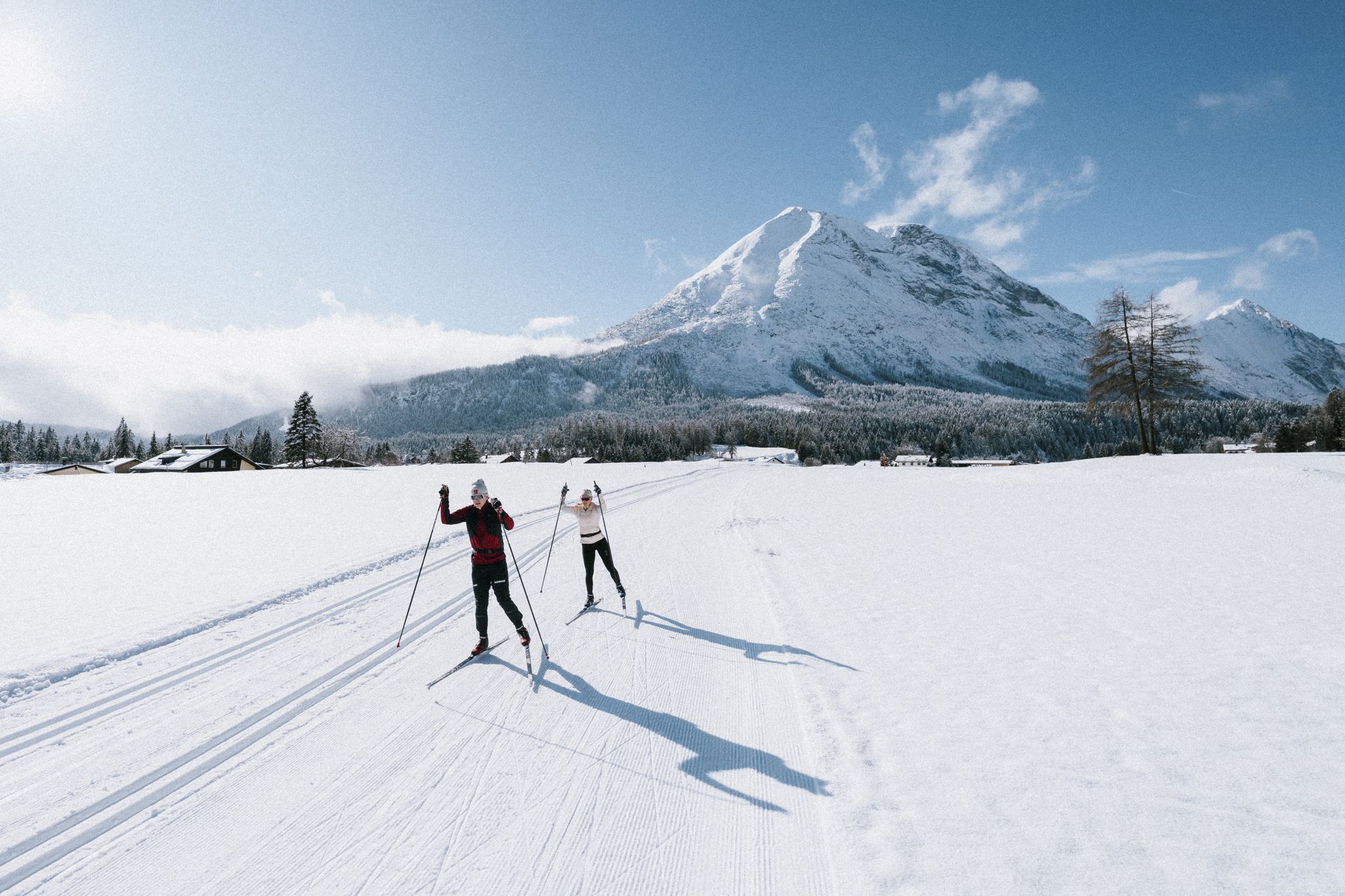
World class ski trails – cross-country winter in Austria’s Seefeld
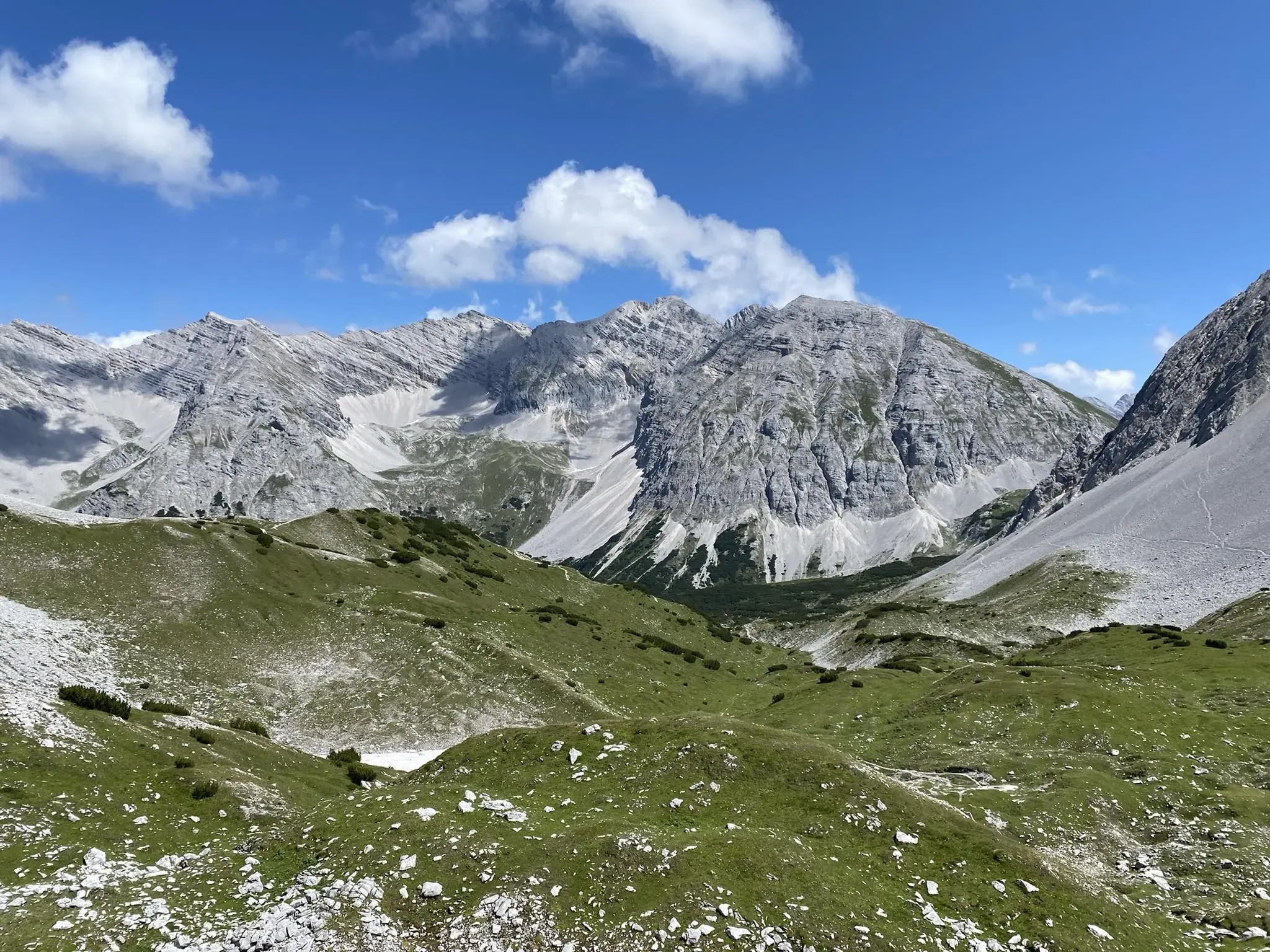
Karwendel crossing – Innsbruck to Sylvensteinspeicher
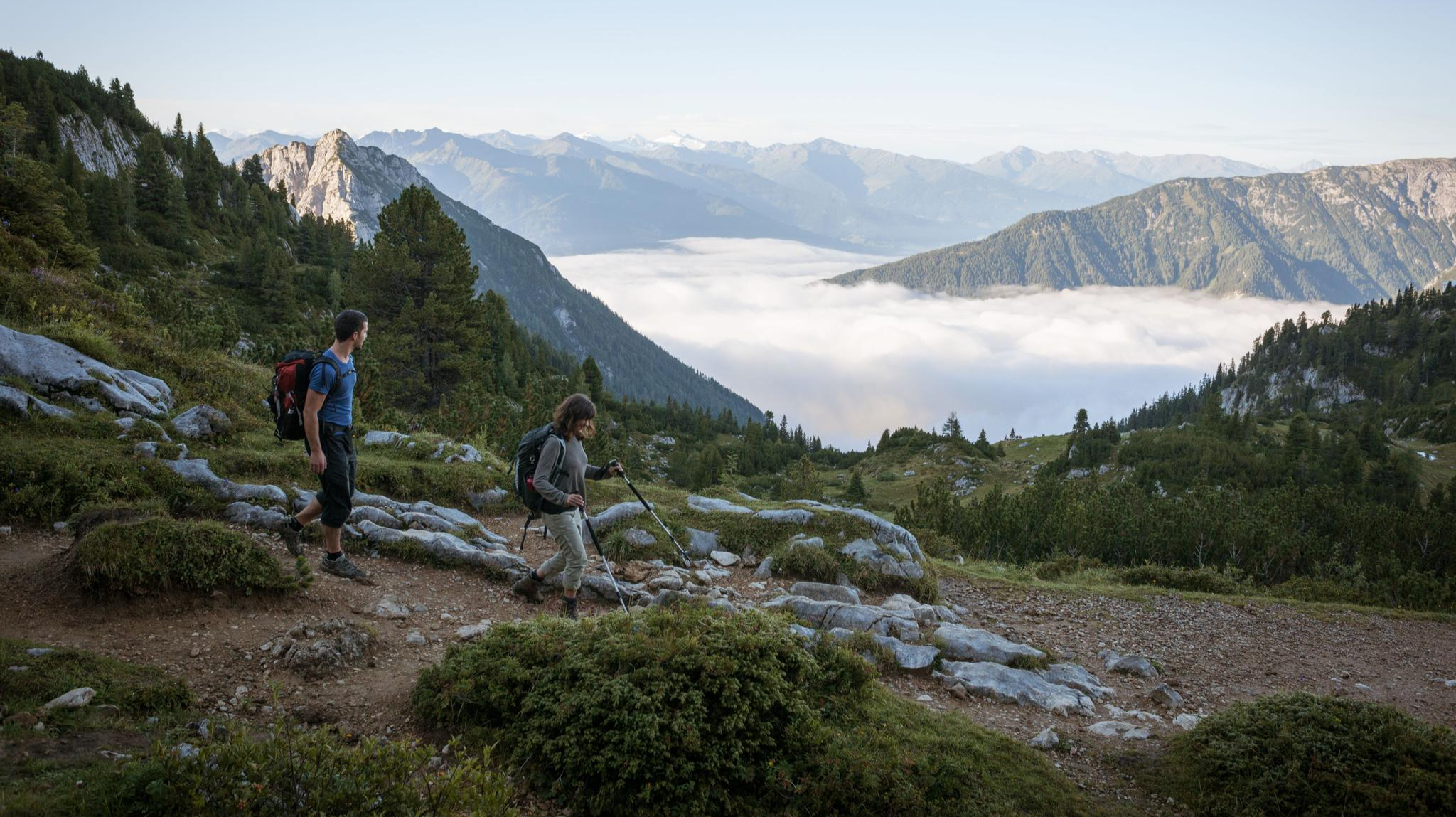
Eagle Walk – Majestic hiking along Tirol's trail
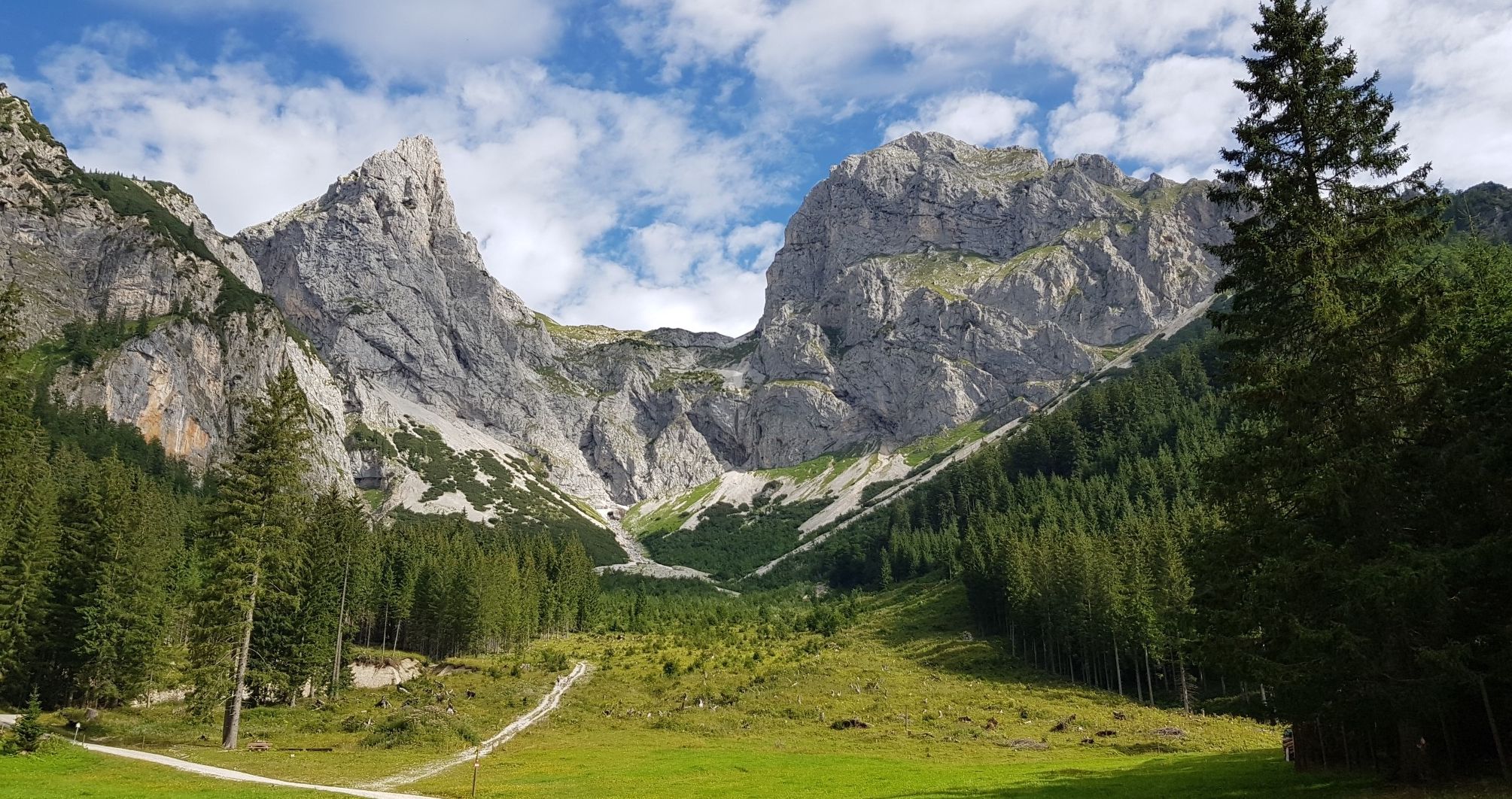
North Alpine Trail 01 – Hike across Austria in 49 days
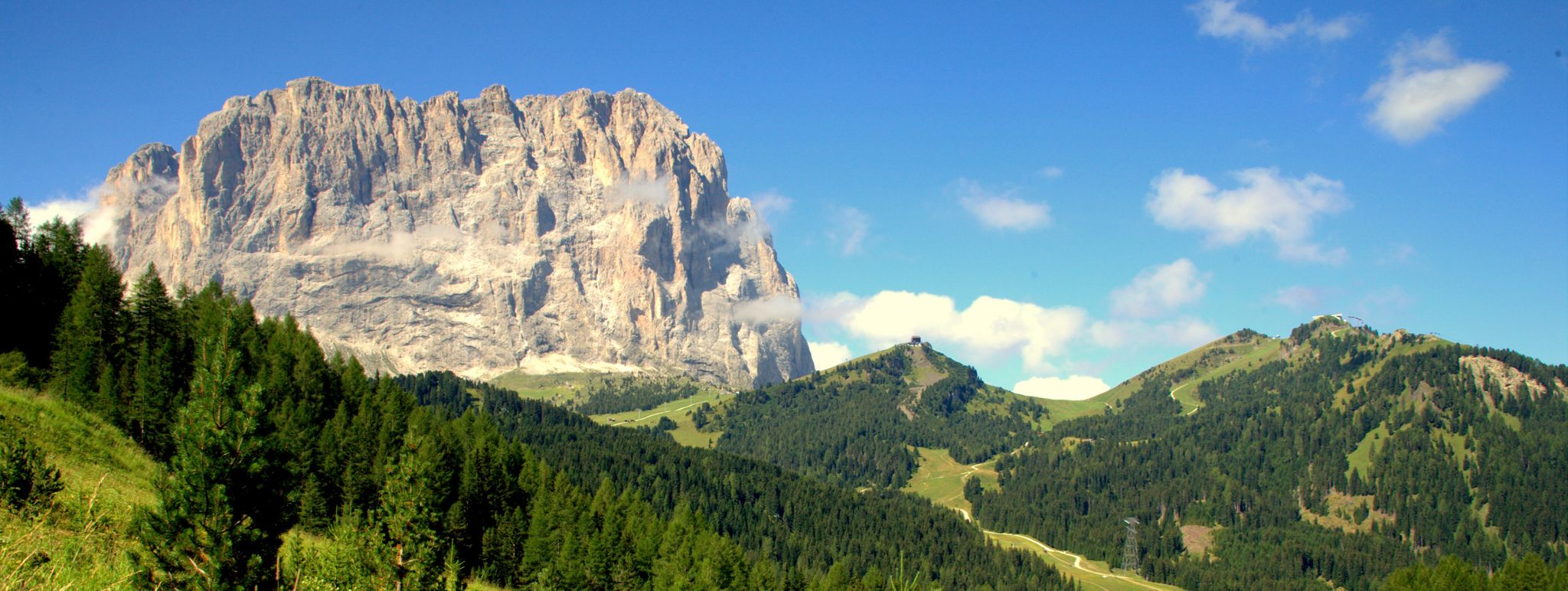
Via Venezia Alpina – hiking across the Alps to the Adriatic Sea
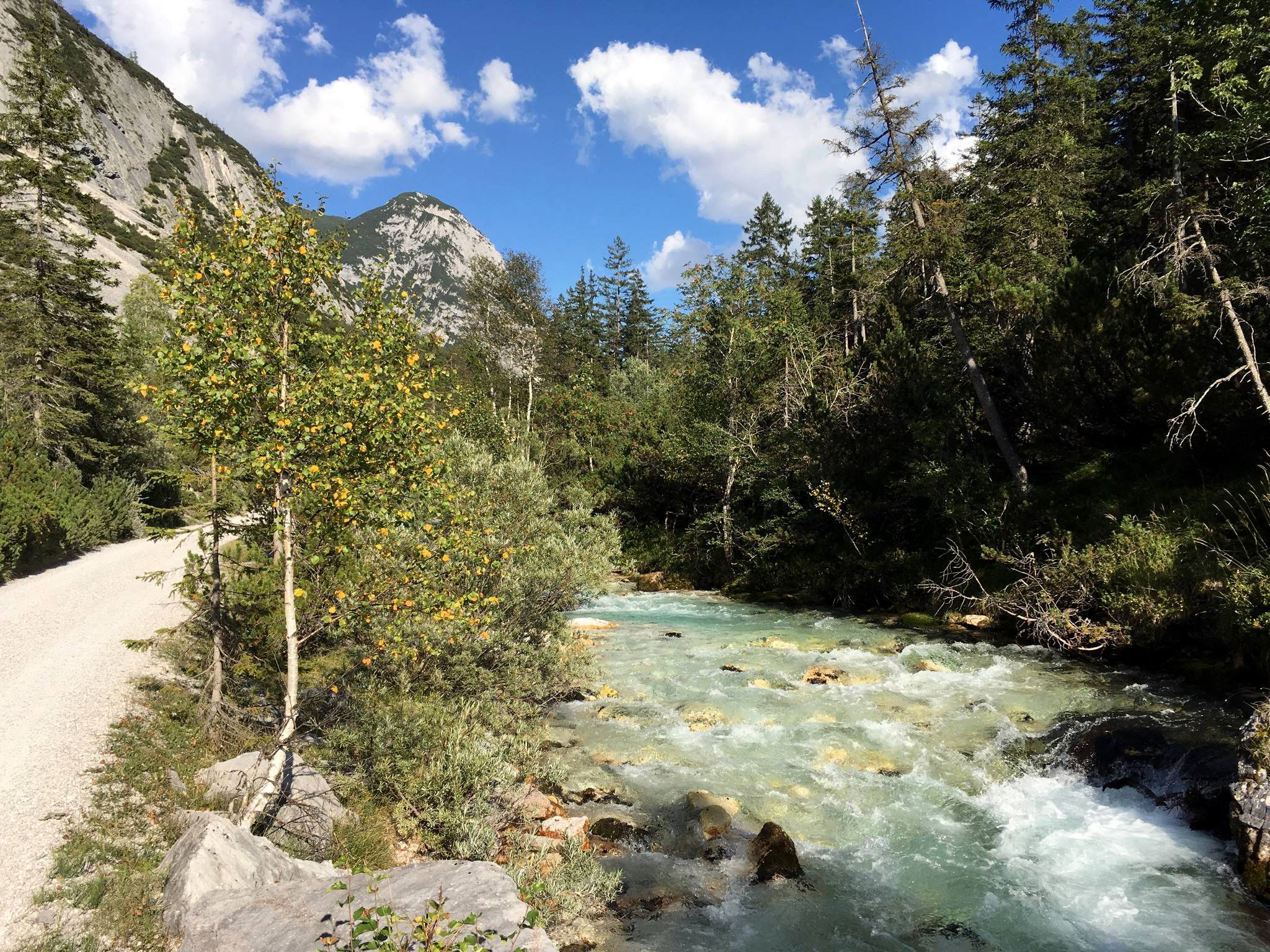
Isar cycle path — From Alpine peaks to the Auenwald (7 stages)
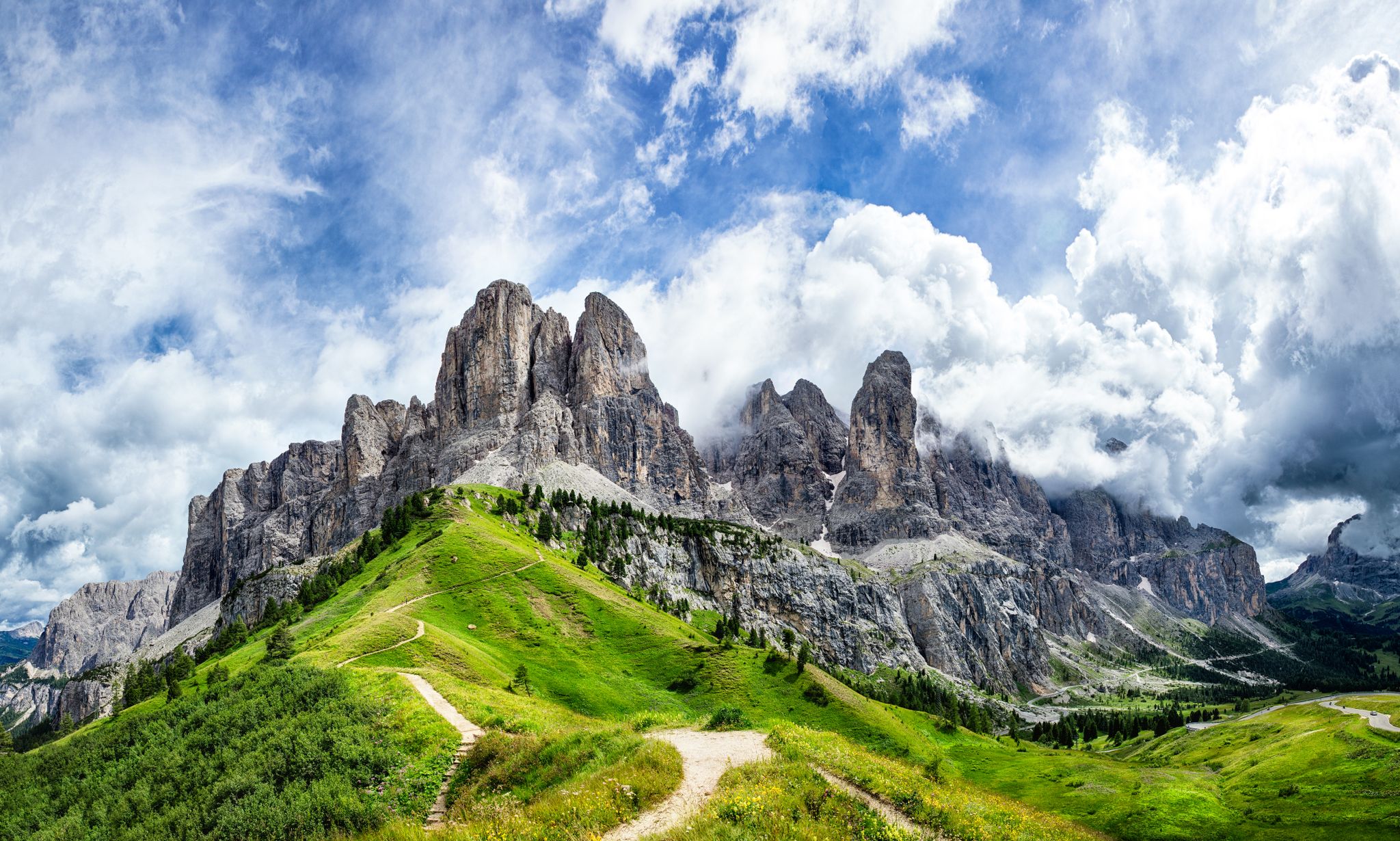
The "Dream Path" hiking trail – From Munich to Venice in 28 stages
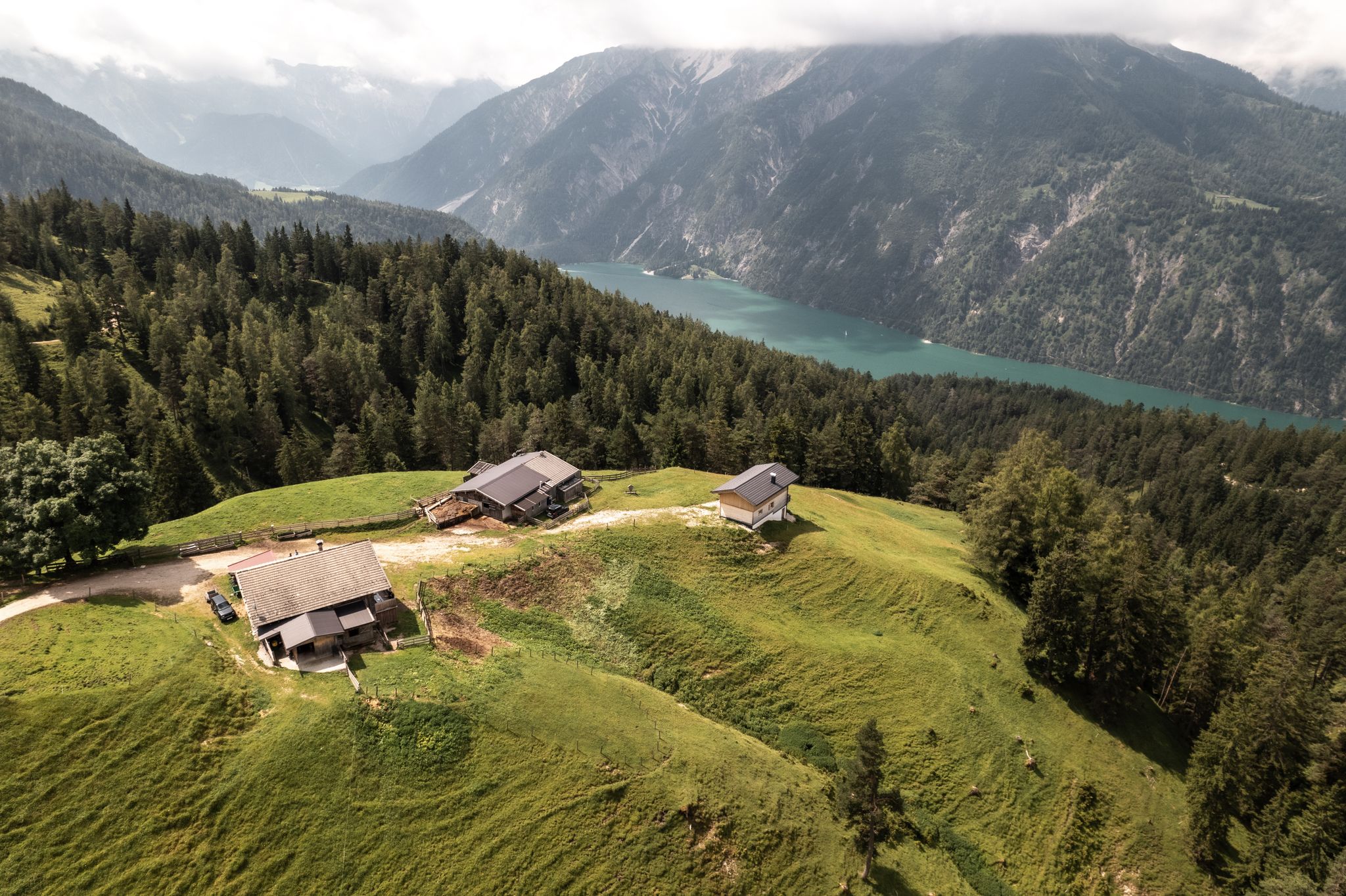
Lakes'n'Knödel – Bikepacking adventure with a taste of the Alps
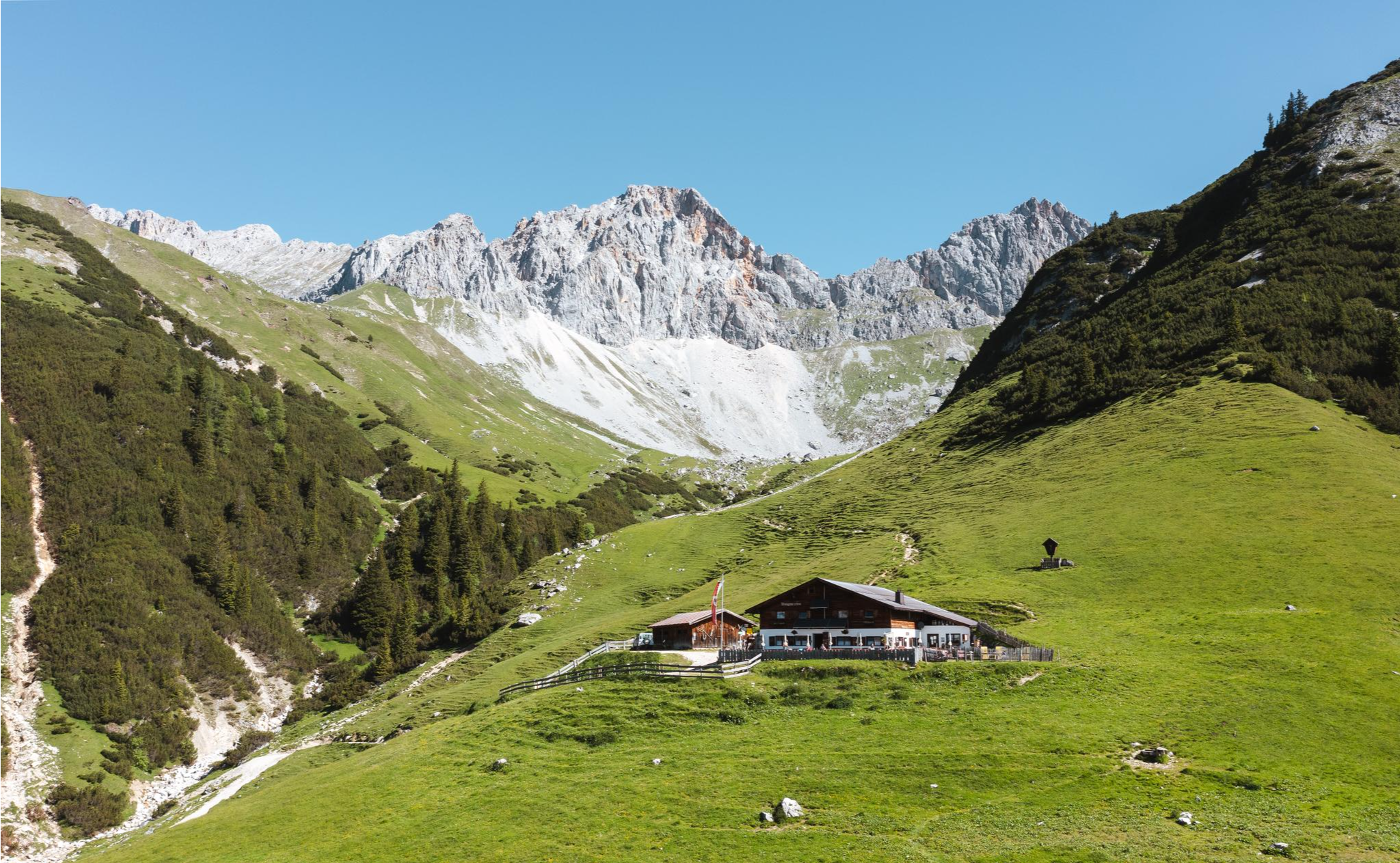
Alpine pasture hiking in the Seefeld region

Your e-bike summer of fun in the Seefeld region
Other adventures around Scharnitz


Tips from the Community

Innsbruck's Hofburg, often referred to as the Tyrolean sister of Vienna's magnificent House of Habsburg, is a fascinating piece of history. The era of Maria Theresa, in particular, left its mark here and should not be ignored by anyone interested. Those familiar with the history of the dynasty can better understand the significance of this place. Admittedly, there are palaces in Austria that exude more glamour. But the Hofburg has its own special charm. The magnificent halls, large-format paintings, and breathtaking frescoes tell stories from times long past and invite you to immerse yourself deeply in history. The private chambers of Empress Elisabeth and Emperor Franz Joseph are particularly fascinating. Although the Empress rarely stayed here, her name still attracts many visitors. And the Hofburg's location is simply impressive – located in the heart of Innsbruck, it blends harmoniously into the cityscape. The exhibition can be explored at a leisurely pace without a guided tour, offering the opportunity to linger in the historic setting and absorb the atmosphere. A visit that brings history to life!
5
1

Ellmau Castle, also known from various summit meetings of heads of state, is picturesquely situated in the middle of the mountains.
11
0

Unique landscape with 2 luxury hotels that do not disturb
3
0
The Hofburg in Innsbruck is a residence built and inhabited by the Habsburgs. Members of the imperial family used the castle until the end of the monarchy in 1918.
5
0

If you climb over Klais, you get a fantastic view from a hill🤩
6
0

IMPERIAL HOFBURG In 1500 the Hofburg Innsbruck was completed under Emperor Maximilian I (1459-1519). It already had the same dimensions as today and was captured by Albrecht Dürer as a watercolor. You can see a late Gothic inner courtyard with a covered staircase, the coat of arms tower and the women's chambers, called "Frauenzimmer". There was a large reception room, which was designed as a hall with columns and vaults and is now known as the "Gothic Cellar". A "Kürnstube" in which Maximilian's hunting trophies were housed, a "Silverkammer" (treasury) and a banquet hall (with depictions of Hercules) have also been preserved. The "racing ground" in front of the Hofburg served as a tournament venue for the sports-loving emperor. Almost 250 years later, Maria Theresa (1717-1780) visited the Imperial Hofburg Innsbruck and felt that it was no longer up to date. Since 1665 there were no more Tyrolean sovereigns and the governors, who now ruled Tyrol on behalf of the Emperor, lived on the first floor (Lieutenancy). The state rooms on the second floor, which were reserved for the Imperial Family, remained uninhabited. The ruler ordered a renovation in the Viennese late baroque style and sent her best artists to Innsbruck: Konstantin von Walter and Nicolaus Parcassi. Martin van Meytens and his school as well as Franz Anton Maulbertsch were commissioned to furnish the interior. The renovation work was interrupted by the Seven Years' War and lasted until the 1870s. Text / Source: INNSBRUCK TOURISM https://www.innsbruck.info/gehenswuerdigkeiten/sightseeing/historical-buildings/detail/infrastructure/kaiserliche-hofburg-innsbruck.html
21
0

Great hotel in an idyllic secluded alpine landscape. curious.
5
0
Frequently Asked Questions
What historical fortifications can I explore directly in Scharnitz?
Scharnitz is home to significant historical fortifications. The most prominent is the Porta Claudia, a 17th-century fortress crucial for border defense. You can explore its visible ruins, including remnants of the southern gate and a partially restored eastern wall. Another site of immense historical importance is Mansio Scarbia, a Roman military post located near house numbers 8 and 9 in Scharnitz, which highlights the region's strategic value over two millennia ago.
Are there any family-friendly castle excursions near Scharnitz?
Yes, the hike to the Porta Claudia is considered a manageable and rewarding excursion for families. It's an approximately 30-minute hike from the Scharnitz town center, offering historical exploration and scenic views. While the site itself has informational signs primarily in German, the experience of exploring the ruins is engaging for all ages.
What kind of views can I expect from the castles around Scharnitz?
The Porta Claudia offers cut-through views of the Isartal valley, stretching towards Wallgau and Scharnitz, which are particularly stunning on clear days. While other sites like Mansio Scarbia are more archaeological, the broader region, including highlights like Elmau Castle, provides great views of alpine pastures and mountains.
What is the historical significance of the Porta Claudia?
The Porta Claudia is a 17th-century fortress that played a vital role in defending the Tyrolean border against Bavarian and Swedish forces during the Thirty Years' War. It was strategically positioned at the border between Austria and Bavaria, with walls reaching six meters in height. Its construction and expansions spanned several decades, making it a key defensive structure in the region's history.
Can I visit any Roman-era castle sites in the Scharnitz area?
Yes, you can visit the site of Mansio Scarbia, a Roman military post and coaching inn dating back to Roman times. Located in the hamlet of Bühel, near house numbers 8 and 9 in Scharnitz, it served as quarters for troops and recognized the narrow valley's strategic importance for a Roman road. While significant above-ground ruins may not be prominent, its historical context is fascinating for those interested in the Roman Empire's influence in the Alps.
Are there hiking trails to castles near Scharnitz?
Yes, you can combine castle visits with hiking. For example, the Porta Claudia is easily accessible via an approximately 30-minute hike from Scharnitz town center. For more extensive outdoor activities, you can explore various hiking routes around Scharnitz. You can find options like the 'Circular hiking trail Karwendel Gorge and footbridge' or 'Round tour to the Gleirschklamm gorge from Scharnitz' in the Hiking around Scharnitz guide.
What other historical castle ruins are in the broader region?
Beyond Scharnitz, you can find Schlossberg Castle near Seefeld in Tirol. This was a ruined toll castle built before 1248, serving as an important border fortification. While largely a 'burgstall' (a site with no above-ground ruins) today, its historical context as a predecessor to the Porta Claudia makes it relevant for understanding the region's military history. More information can be found on Wikipedia.
What is the best time to visit the castles and fortifications around Scharnitz?
The region's castles and fortifications are generally best visited during the warmer months, from late spring to early autumn. This period offers pleasant weather for hiking to sites like the Porta Claudia and enjoying the scenic views. Winter visits are possible, but some paths might be snowy or icy, requiring appropriate gear.
Are there any luxury castle hotels near Scharnitz?
While not ancient historical castles in the traditional sense, the broader region features impressive establishments built in a castle style that now operate as luxury hotels. Examples include Elmau Castle and Kranzbach Castle, both known for their scenic mountain settings and high-end amenities. These are located in the Bavarian Alps, a short distance from Scharnitz.
What kind of cycling routes are available near the castles in Scharnitz?
The area around Scharnitz offers various cycling routes that can be combined with visits to historical sites. You can find options for both touring bikes and mountain bikes. For instance, the Cycling around Scharnitz guide includes routes like 'Upper Isar River – View towards the source of the Isar loop' and 'Riedboden Trail – View from the Isar Bridge'. For mountain biking, the MTB Trails around Scharnitz guide offers routes such as 'Isar River in Scharnitz – Isar headwaters loop'.
Is there a royal residence or palace I can visit in the wider region?
Yes, the King's House on Schachen (Königshaus am Schachen) is a royal residence of King Ludwig II, located in the Bavarian Alps near Garmisch-Partenkirchen. It's known for its unique Turkish Hall and stunning mountain views. While it requires a significant hike to access, guided tours are available. You can find more details about this highlight, also known as Schachenhaus and the King’s House, in our guides.
What do visitors appreciate most about the castles and historical sites near Scharnitz?
Visitors frequently appreciate the blend of historical significance and natural beauty. The strategic locations of fortifications like the Porta Claudia offer not only a glimpse into the past but also stunning panoramic views. The opportunity to explore these sites via hiking or cycling routes, combined with the peaceful alpine environment, is a major draw for many.
Most popular routes around Scharnitz
Most popular attractions around Scharnitz

Get inspired with the komoot mobile app


Explore more
Looking for the best castles somewhere else? Discover other guides around Scharnitz:
