Top 20 Waterfalls around Zams
Best waterfalls around Zams are a prominent natural feature in the Tyrolean landscape of Austria. The region is characterized by its mountainous terrain and numerous watercourses, which create diverse waterfall experiences. These natural attractions offer opportunities for exploration and observation of geological formations. The area provides a range of water-related natural sites for visitors.
Best waterfalls around Zams
- The most popular waterfalls is Rosengarten Gorge, a gorge that features crystal clear, roaring water and vertically rising rock walls. It…
Last updated: October 9, 2026
Rosengarten Gorge
Highlight (Segment) • Gorge
Translated by Google •
Tip by

Simms Waterfall Via Ferrata
Highlight • Climb
Translated by Google •
Tip by

Sign up now to discover places like this
Get recommendations on the best single tracks, peaks, & plenty of other exciting outdoor places.
Doser Waterfall
Highlight • Waterfall
Translated by Google •
Tip by

Schnanner Gorge
Highlight • Gorge
Translated by Google •
Tip by

Stuibenfall Waterfall
Highlight • Waterfall
Translated by Google •
Tip by

Sign up for free to discover even more waterfalls around Zams.
Already have an account?
Start today with a free account
Your next adventure awaits.
Popular around Zams

Road to Lisbon – bikepacking the Alps, Pyrenees and Picos de Europa
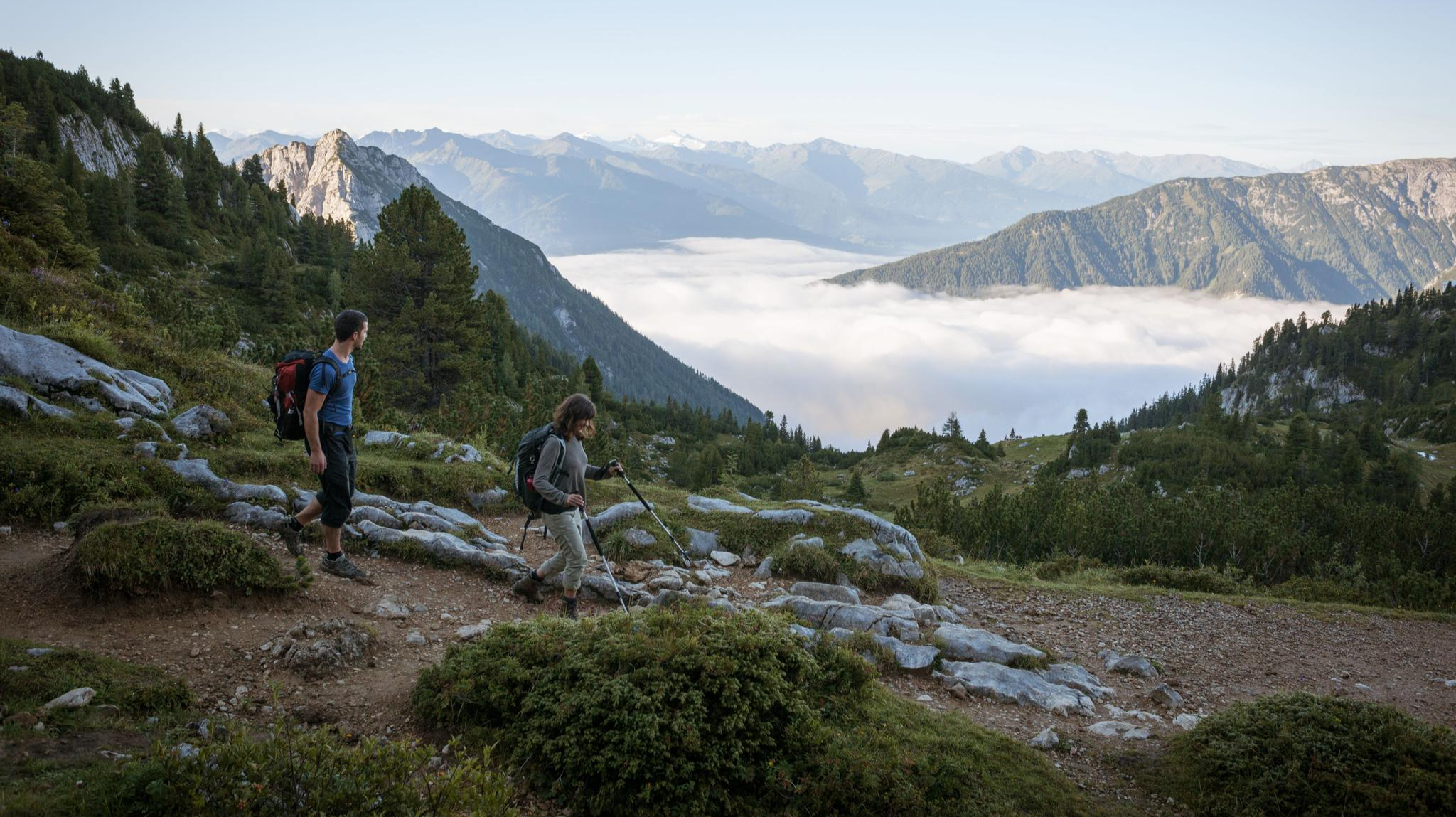
Eagle Walk – Majestic hiking along Tirol's trail
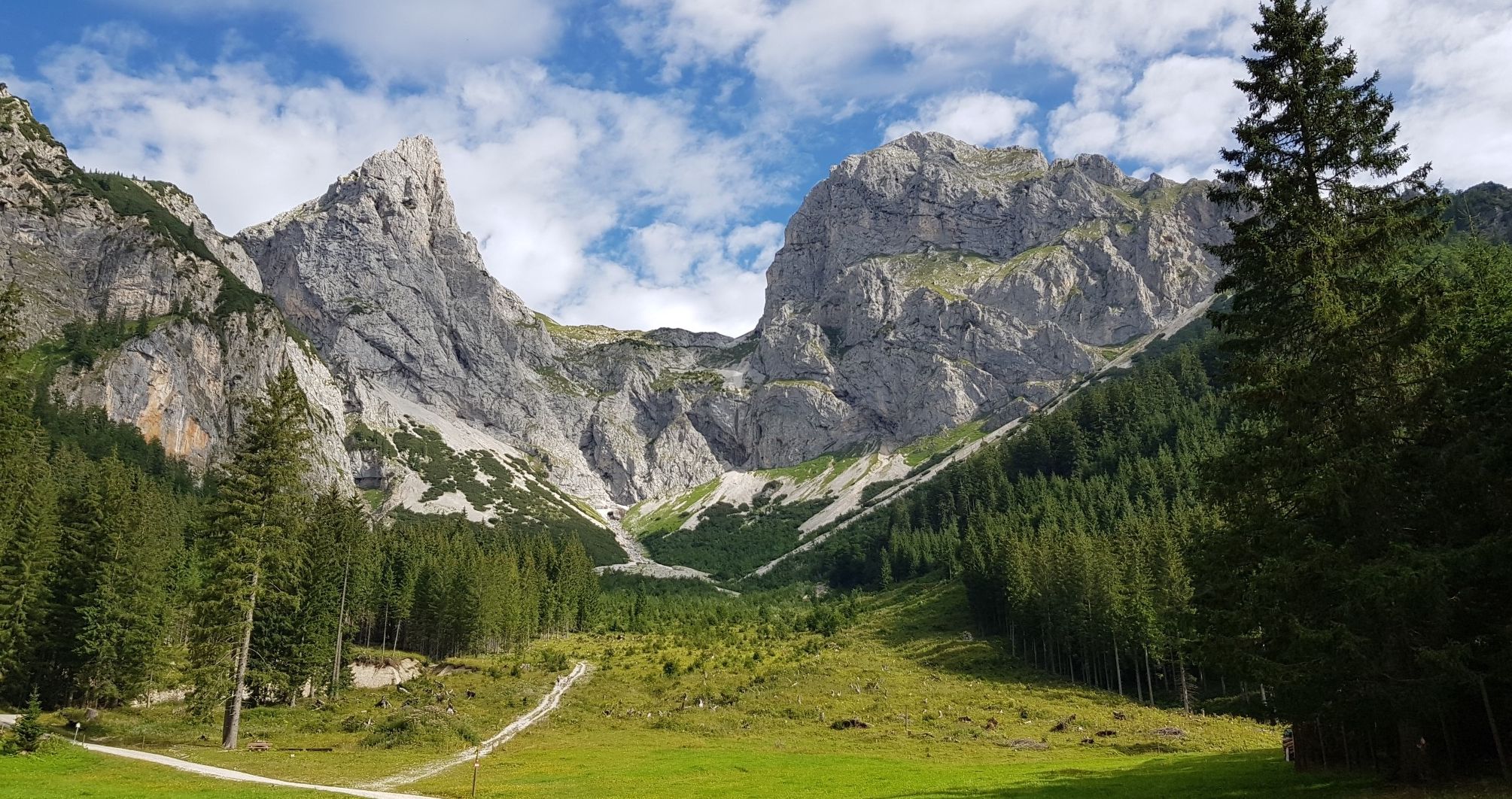
North Alpine Trail 01 – Hike across Austria in 49 days
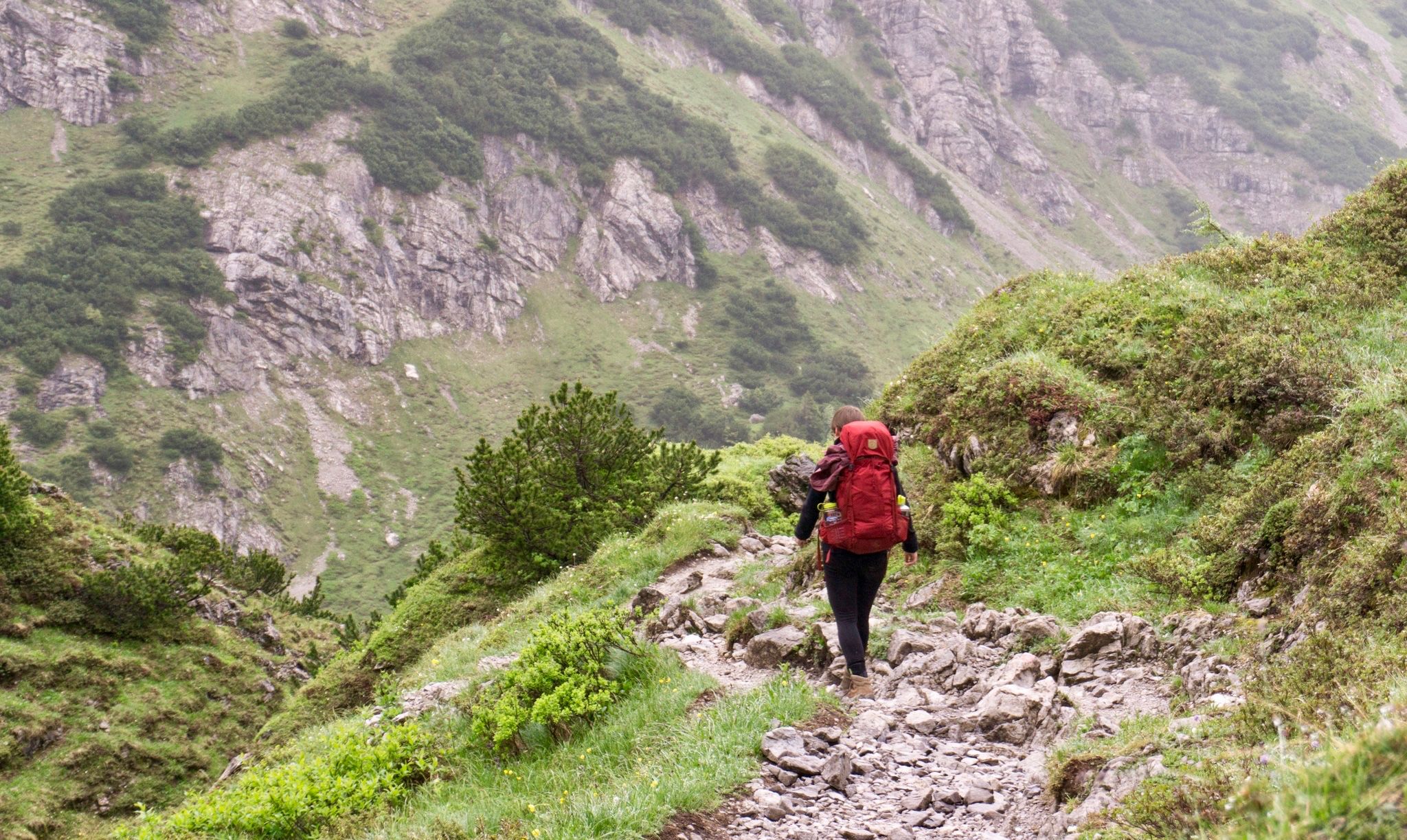
E5 – Hiking across the Alps
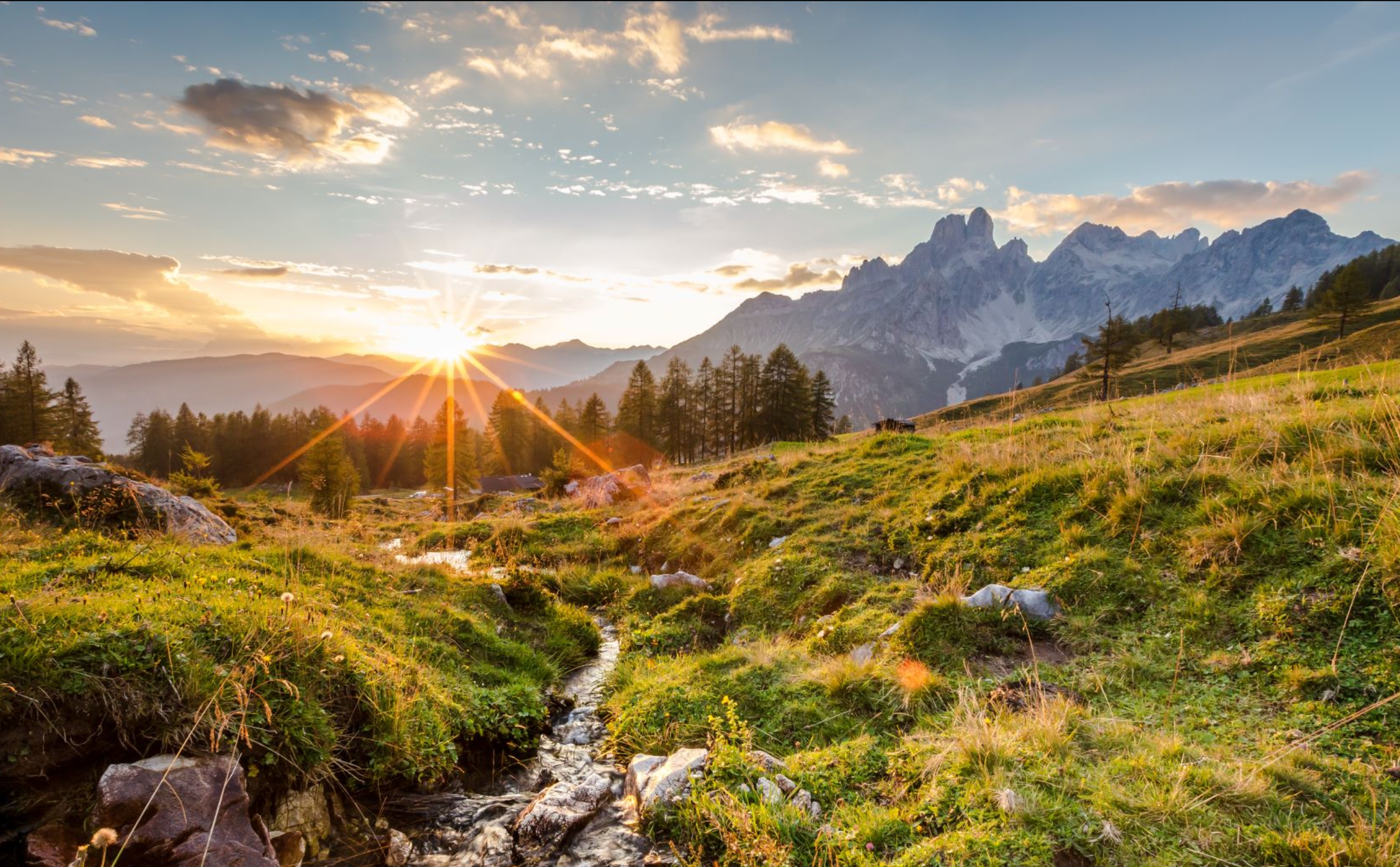
Let yourself be moved – ‘power places’ in Austria's Hiking Villages

Happy moments on long-distance hikes – hiking summer of your life
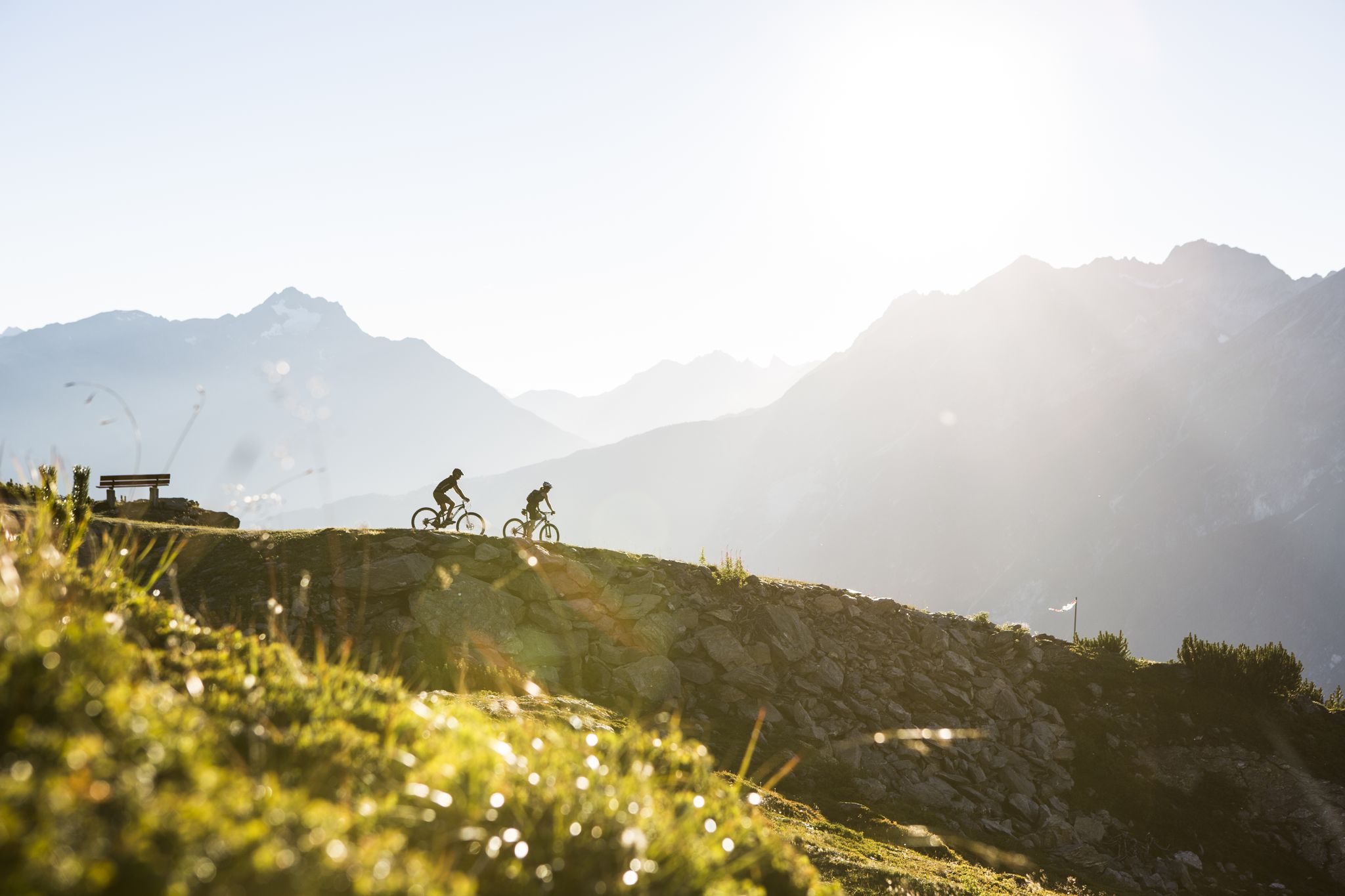
Discover the TirolWest Holiday Region by MTB
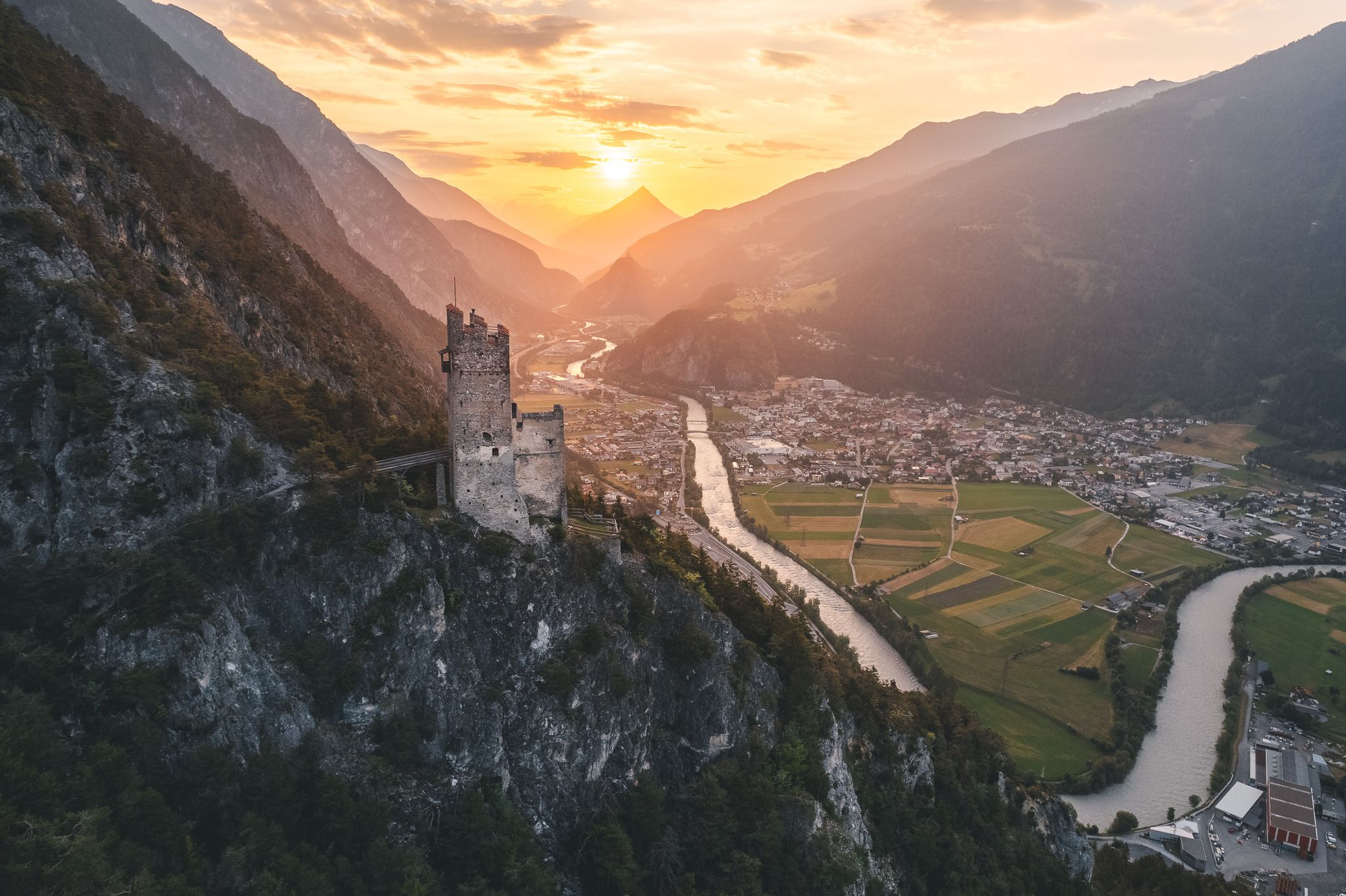
Tyrolean Castle Trail – a journey back to the Middle Ages
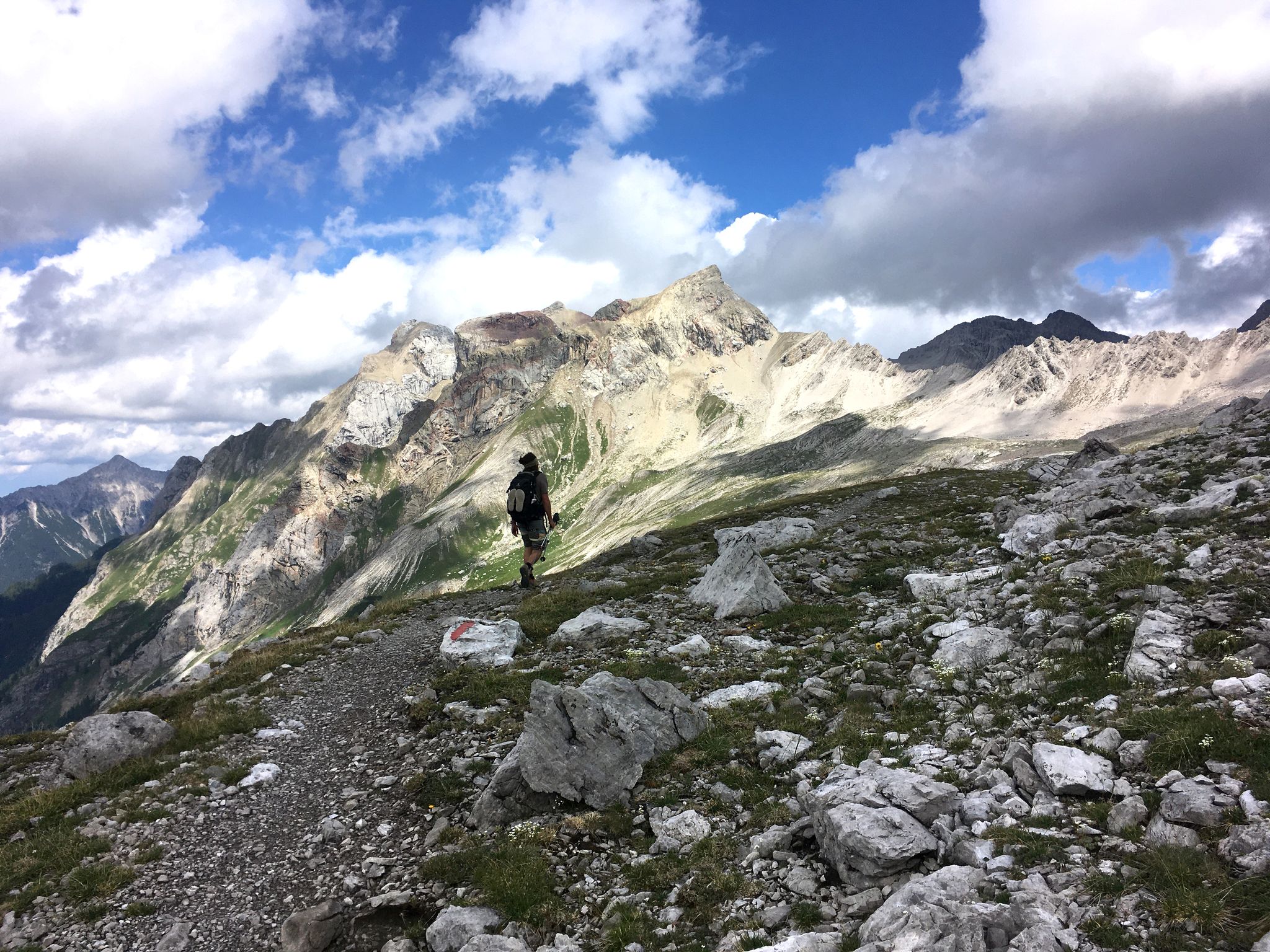
A little scree underfoot — Lechtaler High Trail in Austria
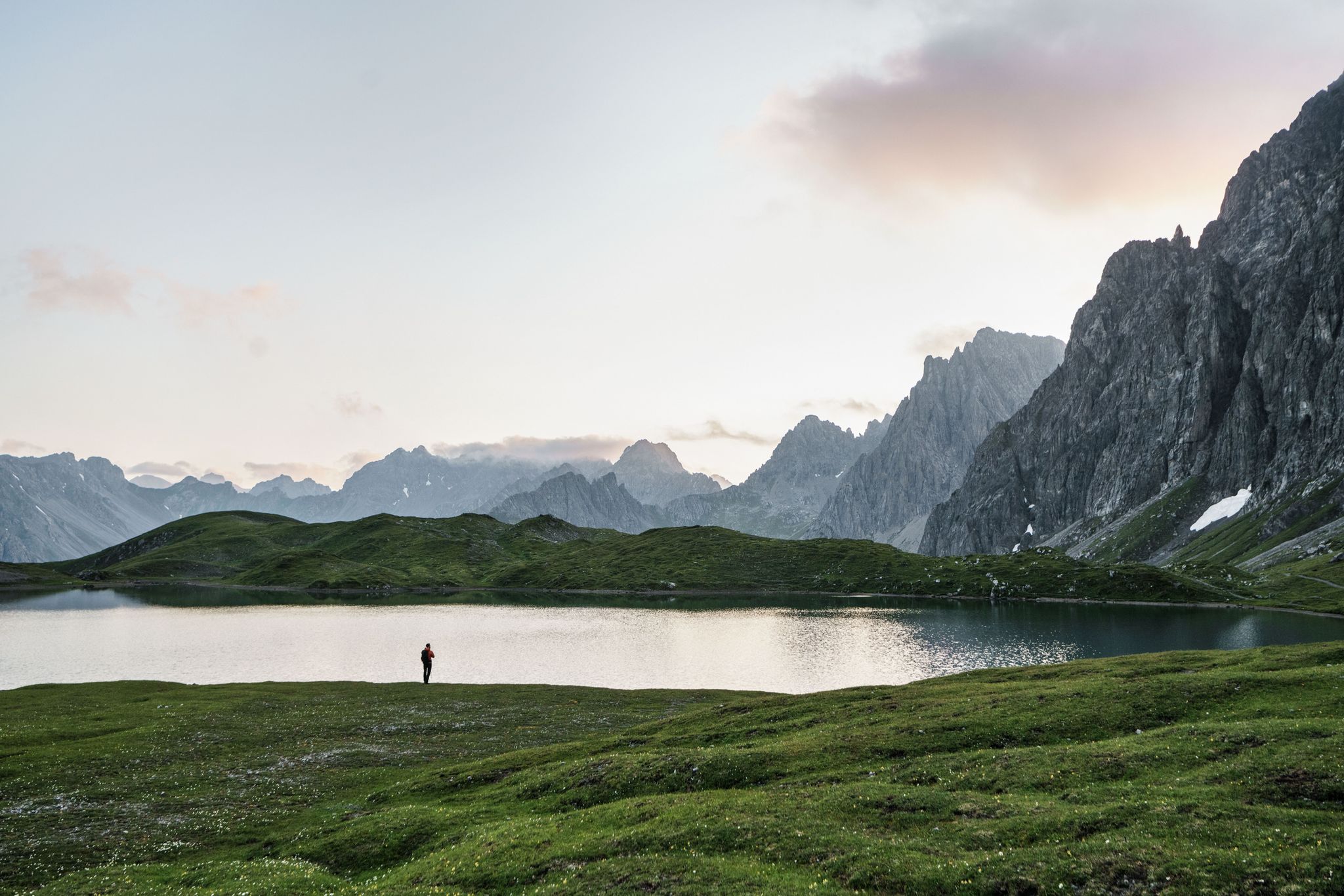
Hiking for human dynamos on the Lechtal Mountain Trail – Great Walks
Other adventures around Zams


Tips from the Community

An absolute highlight. Start at the parking lot in Schön
1
0

Winter activities at the Stuibenfall Even in winter, the Stuibenfall shapes the landscape of Umhausen and Niederthai. Embedded in the snowy landscape, Tyrol's largest waterfall seems almost mystical in the cold season. Curious? Hike to see the view of the Stuibenfall during the day or in the evening with lighting.
0
0
After a rockslide with fatal consequences, the original hiking route had to be closed to the public. After two years of construction, a steel structure with 728 steps and an 80-meter-long suspension bridge now leads to the viewing platforms and to Niederthai. The official opening took place on May 21, 2016. At least the upper information board still showed the old route in summer 2017 (as shown here).
0
0
The waterfall is well developed as a tourist attraction with hiking trails and restaurants, and since 2007 there has also been a suspension bridge at the top and five viewing platforms spread out. Some of the platforms are in such exposed places that the "Stuiben" (dusting) can be experienced directly. Since 2008 there has also been a 450-meter-long, family-friendly via ferrata that crosses the waterfall in the last section. During the summer months the waterfall is illuminated one evening a week.
0
0
When the mountain massif near Köfels collapsed around 7000 BC, the present-day Tauferberg was formed on the opposite side. This dammed the Horlachbach and a large lake was formed. The water ate away at the rock from which the current Stuibenfall falls; a small remnant of the eroded massif has been preserved as a natural bridge. The remains of the lake can also still be seen as shore terraces in Niederthai.
0
0
With a drop of 159 meters (in two stages), the Stuibenfall is the highest waterfall in Tyrol. On average, 610 liters of water per second, with a maximum of 2,000 liters per second, flow over the edge of the rock into the depths. As the stream is largely fed by meltwater from the Zwieselbach and Grastalferner, it has the highest water flow in summer.
0
0
The Stuiben Falls were created in 7,000 BC, when the kilometer-high glaciers of the Ice Age retreated from the valley and the permafrost thawed. This resulted in a massive landslide and blocked the mountain stream from the Horlachtal valley. As it searched for a new path into the valley, Tyrol's largest waterfall was created.
0
0
Stuibenfall at night Every Wednesday evening, the Stuibenfall shines in the new LED spotlights from 6:00 p.m. to 10:00 p.m. and offers a unique scenery for night and lantern hikes. Together with our hiking guides, the guided hikes go from the village center of Umhausen over the Steppsteig to the 1st platform. Or from Niederthai to the top platform.
1
0
Frequently Asked Questions
Are there family-friendly waterfalls around Zams?
Yes, several waterfalls and gorges in the region are suitable for families. The Rosengarten Gorge is generally suitable for children, though sturdy shoes and surefootedness are required. The Stuibenfall Waterfall also offers a panoramic platform that is family-friendly. Additionally, the Zammer Lochputz, while not listed in the highlights, is known for its engaging experience for all ages, including interactive elements.
What makes the Doser Waterfall unique?
The Doser Waterfall is a special natural phenomenon because it is fed by an underground lake and only flows after the snow has melted. It typically dries up completely in winter and spring, flowing only from St. George's Day to St. Martin's Day, making its seasonal appearance a captivating sight.
Can I experience a via ferrata near a waterfall in Zams?
Yes, the Simms Waterfall Via Ferrata offers three routes of varying difficulty (B/C to E/D). Route C notably crosses the waterfall via two rope bridges, providing an exhilarating way to experience the waterfall's power up close. It's a must-do for via ferrata enthusiasts.
What outdoor activities can I do near the waterfalls around Zams?
Beyond visiting the waterfalls, the Zams region offers a variety of outdoor activities. You can explore gravel biking routes, enjoy road cycling, or embark on challenging mountain hikes. These activities allow you to experience the diverse Tyrolean landscape surrounding the waterfalls.
What can I expect at the Rosengarten Gorge?
The Rosengarten Gorge is a 2 km long gorge featuring crystal clear, roaring water and vertically rising rock walls covered in mosses and ferns. It leads to the Blue Grotto, a small cave where silver-containing galena was once sought. It's considered one of the most beautiful gorges in Austria and a valuable biotope.
What is the Schnanner Gorge known for?
The Schnanner Gorge is known for its dramatic path with stone and metal steps. Visitors can experience the Schnanner brook squeezing through the narrow gorge, with towering rock walls on both sides, creating an impressive display of nature's power.
When is the best time to visit the waterfalls around Zams?
The best time to visit depends on the specific waterfall. The Doser Waterfall only flows from St. George's Day to St. Martin's Day (typically spring to autumn) as it dries up in winter and early spring. Generally, late spring through early autumn offers the most pleasant weather for exploring the region's waterfalls and gorges.
Are the waterfall hikes around Zams dog-friendly?
Some waterfall areas are dog-friendly. For instance, the Rosengarten Gorge is basically suitable for dogs, though sturdy shoes and surefootedness are required for all visitors. Always keep dogs on a leash and be mindful of other hikers and wildlife.
Is there an entry fee for the waterfalls around Zams?
Entry fees vary by location. The Rosengarten Gorge, for example, has free entry. However, attractions like the Zammer Lochputz (not listed in highlights) typically have an entrance fee due to their developed infrastructure and interactive experiences. It's advisable to check specific attraction websites for current pricing.
What is special about the Stuibenfall Waterfall?
The Stuibenfall Waterfall is celebrated for its gigantic size and the panoramic platform that offers stunning views. It provides a well-described story and an impressive natural spectacle for visitors.
What do visitors enjoy most about the waterfalls around Zams?
Visitors appreciate the diverse natural beauty and the variety of experiences offered by the waterfalls and gorges around Zams. The komoot community has shared over 1800 photos and given more than 1200 upvotes, highlighting the region's appeal for its impressive natural monuments, scenic trails, and opportunities for both leisurely walks and challenging adventures.
Are there easy waterfall hikes near Zams?
Yes, there are options for easier waterfall experiences. The Zammer Lochputz (not listed in highlights) is described as an easy and straightforward circular walk. While the Rosengarten Gorge requires sturdy shoes and surefootedness, it is generally accessible and offers a scenic walk through nature.
Most popular attractions around Zams

Get inspired with the komoot mobile app


Explore more
Happy to travel a little further afield? Then browse these guides for the best waterfalls around Zams:
