Attractions and Places To See around Sapulpa - Top 11
Best attractions and places to see around Sapulpa, Oklahoma, include a mix of historic Route 66 landmarks, cultural sites, and natural features. The city is known as the "Heart of Historic Route 66" and offers a glimpse into the past with its preserved architecture and museums. Visitors can explore a variety of landscapes, from lakes and nature preserves to urban trails. Sapulpa's history is deeply connected to Native American heritage, the railroad, and the oil boom era.
Best attractions and…
Last updated: October 1, 2026
Route 66 in Downtown Tulsa
Highlight • Historical Site
Translated by Google •
Tip by

Arkansas River
Highlight • River
Tip by

Sign up now to discover places like this
Get recommendations on the best single tracks, peaks, & plenty of other exciting outdoor places.
The Gathering Place
Highlight • Rest Area
Tip by

View of the Arkansas River
Highlight • Viewpoint
Tip by

Frisco 4500 Meteor Locomotive at Route 66 Historical Village
Highlight • Monument
When the Meteor was converted to diesel locomotives, …
Translated by Google •
Tip by
Sign up for free to discover even more attractions around Sapulpa.
Already have an account?
Start today with a free account
Your next adventure awaits.


Tips from the Community

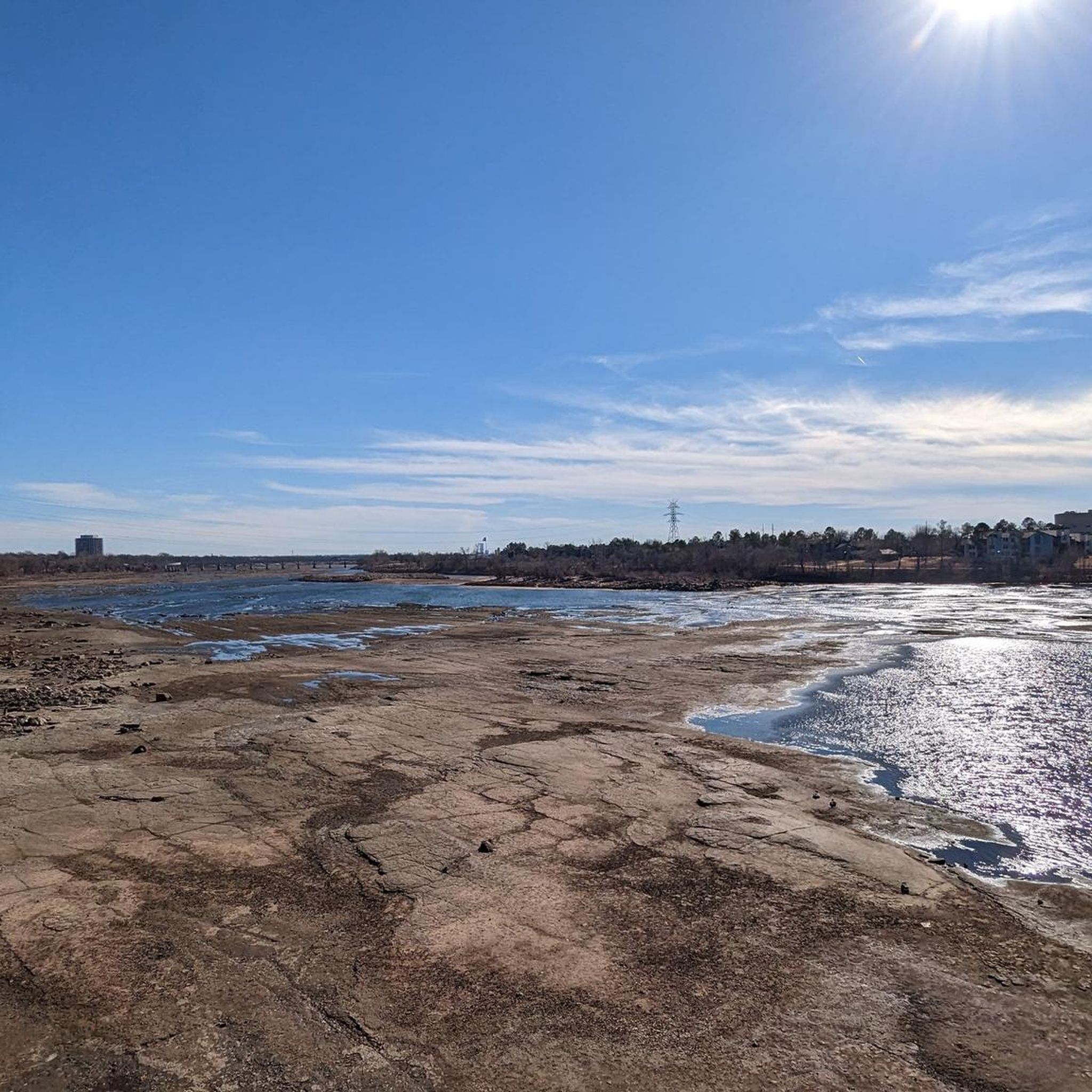
The Arkansas River winds its way through the heart of Oklahoma, offering a stunning backdrop to the vibrant city of Tulsa and its natural gem, Turkey Mountain. This stretch of the river is more than just a body of water – it's a place brimming with history, recreation, and breathtaking natural beauty.
0
0

Popular riverfront park with a variety of attractions for all ages. These include the Chapman Adventure Playground, the Williams Lodge, and ONEOK boathouse.
0
0

You can see the Arkansas river very well. It is a tributary of the Mississipi river starting in Colorado. In Tulsa, the river is deep and wide enough for boats, unlike its source in Colorado which quickly turns into a rushing torrent.
0
0

The Meteor was a named passenger train operated by the St. Louis-San Francisco Railway (also known as the SLSF or "The Frisco"). When the Meteor was converted to diesel locomotives, No. 4500 was repainted in Frisco's standard black with gold stripes and lettering. Cosmetically restored #4500, back in her Meteor livery, is now in the Route 66 Historical Village at 3770 Southwest Blvd. in Tulsa, Oklahoma. Meteor #4501, also in the Meteor livery, is housed at the American Railroad Museum in Frisco, Texas. The streamlined, diesel-equipped Meteor began westbound service on May 14, 1948. On May 15, his first eastbound train departed from Oklahoma City. At the end of its maiden voyage, the President of the Frisco gave an interview in his attached private railcar. The train pointed to a glass filled almost to the brim with water. "Not a drop has been spilled between St. Louis and Tulsa," he said proudly.
0
0
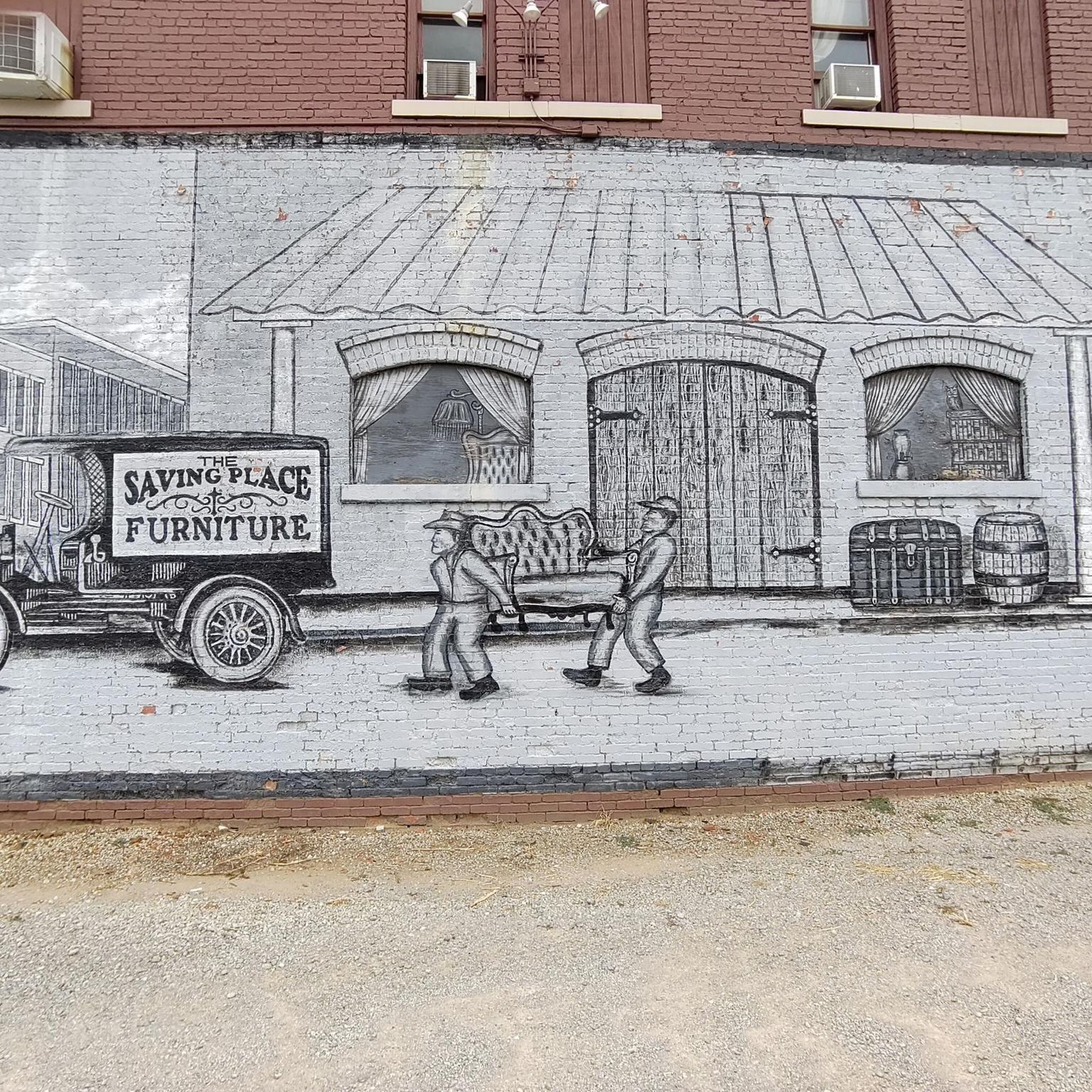
Tulsa, Oklahoma, in the middle of Indian Territory, was first settled by Native Americans in 1836 when they were forced to settle down the infamous Trail of Tears. The Creek, Seminole, Cherokee, Quapaw, Seneca, Shawnee, and other tribes were forced to relinquish their lands east of the Mississippi after the passage of the Indian Removal Act in 1830. By 1920, Tulsa was home to almost 100,000 people and 400 different oil companies. The booming city had two daily newspapers, four telegraph companies, more than 10,000 telephones, seven banks, 200 lawyers and more than 150 doctors, among numerous other businesses. Although the 1920s looked very promising for the burgeoning city, one of the most gruesome and devastating race riots in US history would soon ensue. If you're driving through Tulsa on the Mother Road, there are still many sights to see along the old route. Old motels line the streets of 10th, 11th and Southwest Boulevard. Downtown is full of Art Deco buildings, including the Warehouse Market at 925 South Elgin Avenue. The camp market was built in 1929. Colorful terracotta tiles attract people to the farmers' market. The Depression closed it but later reopened as Club Lido during the Big Band era. It served as a grocery store from 1938 until it was abandoned and boarded up in the late 1970s. In the mid-1990s, the property was sold and was slated for demolition until the Tulsa Preservation Commission stepped in and saved the original building's face and tower. Be sure to check out the Art Deco 11th Street Bridge and the magnificent new East Meets West statue nearby. In the city center, numerous Art Deco buildings date from the 1920s to 1930s. The first oil well in Tulsa County is behind Ollies' Restaurant at 4070 Southwest Boulevard. You can also see a variety of museums and dozens of other icons and attractions as you drive the Mother Street through this beautiful city.
0
0
Frequently Asked Questions
What historical Route 66 landmarks can I explore in Sapulpa?
Sapulpa is known as the "Heart of Historic Route 66." You can drive across the historic Rock Creek Bridge, an original 1926 segment with red-brick paving. Don't miss the Heart of Route 66 Auto Museum, which also features the world's tallest gas pump. The Waite Phillips Filling Station Museum is a restored 1923 station showcasing vintage cars. The Sapulpa Downtown Historic District also preserves architectural styles from the Route 66 era.
Where can I learn about Sapulpa's local history and heritage?
To delve into Sapulpa's past, visit the Sapulpa Historical Society Museum. It features exhibits on the city's history, including a turn-of-the-century kitchen, an 1894 general store, and dioramas of the Frisco Railroad and 1929 townsite. You can also find Native American and African-American photo histories there.
Are there any unique museums in Sapulpa?
Yes, Sapulpa offers a couple of unique museums. The Heart of Route 66 Auto Museum displays a collection of vintage automobiles and is home to the world's tallest gas pump. Additionally, the Sapulpa Fire Museum showcases vintage firetrucks and the history of firefighting in the city.
What natural attractions and outdoor spaces are available in Sapulpa?
Sapulpa offers several natural spaces for outdoor enjoyment. You can visit Pretty Water Lake for trout fishing and its half-mile Pretty Trail, or Lake Sahoma for camping, fishing, and boating. For rugged hiking and experiencing nature, explore Aaron's Angels Nature Preserve Park. There's also the Sapulpa City Golf Course for golf enthusiasts.
Are there any hiking or walking trails in Sapulpa?
Yes, Sapulpa has several trails for walking and hiking. The Rotary Trail at Kelly Lane Park is a 1-mile loop where you might spot deer and other wildlife. The Kiwanis Trail offers 0.3 miles along Rock Creek with gravel nature trail loops. For more extensive options, the Arkansas River area features over 26 miles of asphalt trails ideal for jogging, walking, bicycling, and rollerblading. You can find easy hikes around Sapulpa, such as the Grasshopper Trail or Blue Trail, by exploring the Easy hikes around Sapulpa guide.
Where can I go fishing or boating near Sapulpa?
For fishing and boating, you have a couple of options. Pretty Water Lake is known for trout fishing and also features a walking trail. Lake Sahoma is another popular spot where visitors can enjoy camping, fishing, and boating activities.
What are some family-friendly activities or parks in Sapulpa?
Families visiting Sapulpa can enjoy Liberty Park, a local family-friendly park. Just a short distance away, The Gathering Place offers a wide variety of attractions for all ages, including the Chapman Adventure Playground, Williams Lodge, and ONEOK boathouse. The trails along the Arkansas River are also great for family walks and bike rides.
What is the best time of year to visit Sapulpa's attractions?
Sapulpa's attractions can be enjoyed year-round, but spring and fall generally offer the most pleasant weather for outdoor activities and exploring historic sites. These seasons provide comfortable temperatures for walking trails, visiting museums, and enjoying the Route 66 landmarks without the extreme heat of summer or the chill of winter.
How much time should I allocate to visit attractions in Sapulpa?
The time needed varies depending on your interests. You could spend a full day exploring the Route 66 landmarks, including the auto museum and historic downtown. If you plan to enjoy outdoor activities like hiking or fishing at the lakes, you might want to dedicate a half-day or more to those. A comprehensive visit covering history, museums, and some outdoor time could easily fill a weekend.
Are there accessible attractions in Sapulpa?
While specific accessibility details for every attraction are not always listed, many public parks and museums strive to offer accessible pathways and facilities. For instance, the trails along the Arkansas River are asphalt and generally flat, making them suitable for various mobility levels. It's always recommended to contact specific venues like the Heart of Route 66 Auto Museum or the Sapulpa Historical Society Museum directly for their most current accessibility information.
What kind of outdoor activities can I do near Sapulpa?
Beyond the local parks and lakes, the area around Sapulpa offers various outdoor activities. You can find numerous routes for jogging, cycling, and hiking. For instance, there are several jogging routes around The Gathering Place and the Arkansas River, ranging from moderate to difficult, as detailed in the Running Trails around Sapulpa guide. Cycling enthusiasts can explore routes like the Arkansas River loop from Hope Valley, found in the Cycling around Sapulpa guide.
What do visitors enjoy most about Sapulpa?
Visitors often appreciate Sapulpa's rich connection to Historic Route 66, enjoying the nostalgic road trip experience and the preserved landmarks. The blend of historical sites, unique museums, and accessible natural spaces like lakes and trails also receives positive feedback. The community particularly enjoys the scenic views of the Arkansas River and the family-friendly amenities at places like The Gathering Place.

Get inspired with the komoot mobile app


