Top 6 Castles around Mondsee
Castles around Mondsee offer a journey through centuries of history in the Salzkammergut region. The area is characterized by its lakes and mountainous landscape, providing settings for both well-preserved structures and historic ruins. These sites reflect the region's past, from ancient monasteries to medieval fortresses. Visitors can explore various architectural styles and historical periods within a compact geographical area.
Best castles around Mondsee
- The most popular castles is View of Schloss Fuschl on Lake Fuschl, a viewpoint that features a listed, former hunting lodge from the 15th century. Today, it operates as a five-star hotel and is a popular photo motif on the shores of Lake Fuschl.
- Another must-see spot is Wartenfels Ruins, a castle ruin dating back to 1259. Restoration work in the 1980s allows visitors to explore the ruins and observe the surrounding landscape.
- Visitors also love Hüttenstein Castle, a castle enthroned over the Krotensee. Originally a medieval fortress, it was rebuilt in the neo-Gothic style in 1843, giving it its current shape.
- Mondsee is known for castle ruins, former hunting lodges, and reconstructed castles. The region offers a variety of historical sites to see and explore, from foundations of 12th-century structures to more complete architectural ensembles.
- The castles around Mondsee are appreciated by the komoot community, with 992 upvotes and 204 photos shared across the various highlights.
Last updated: September 26, 2026
View of Schloss Fuschl on Lake Fuschl
Highlight • Viewpoint
Translated by Google •
Tip by

Wartenfels Ruins
Highlight • Castle
Restoration work did not take place until the 1980s. Today you can visit the ruins and take a look over the wall to the surrounding landscape.
Translated by Google •
Tip by

Sign up now to discover places like this
Get recommendations on the best single tracks, peaks, & plenty of other exciting outdoor places.
Hüttenstein Castle
Highlight • Castle
Translated by Google •
Tip by

Wildenegg Castle
Highlight • Castle
Showing Translation
Tip by

Lichtentann Castle Ruins
Highlight • Castle
The ruins are very hidden and cannot be seen from a distance. You will also only find information signs shortly before them.
Note! Riding a bike is prohibited!!!
Translated by Google •
Tip by

Start today with a free account
Your next adventure awaits.
Popular around Mondsee
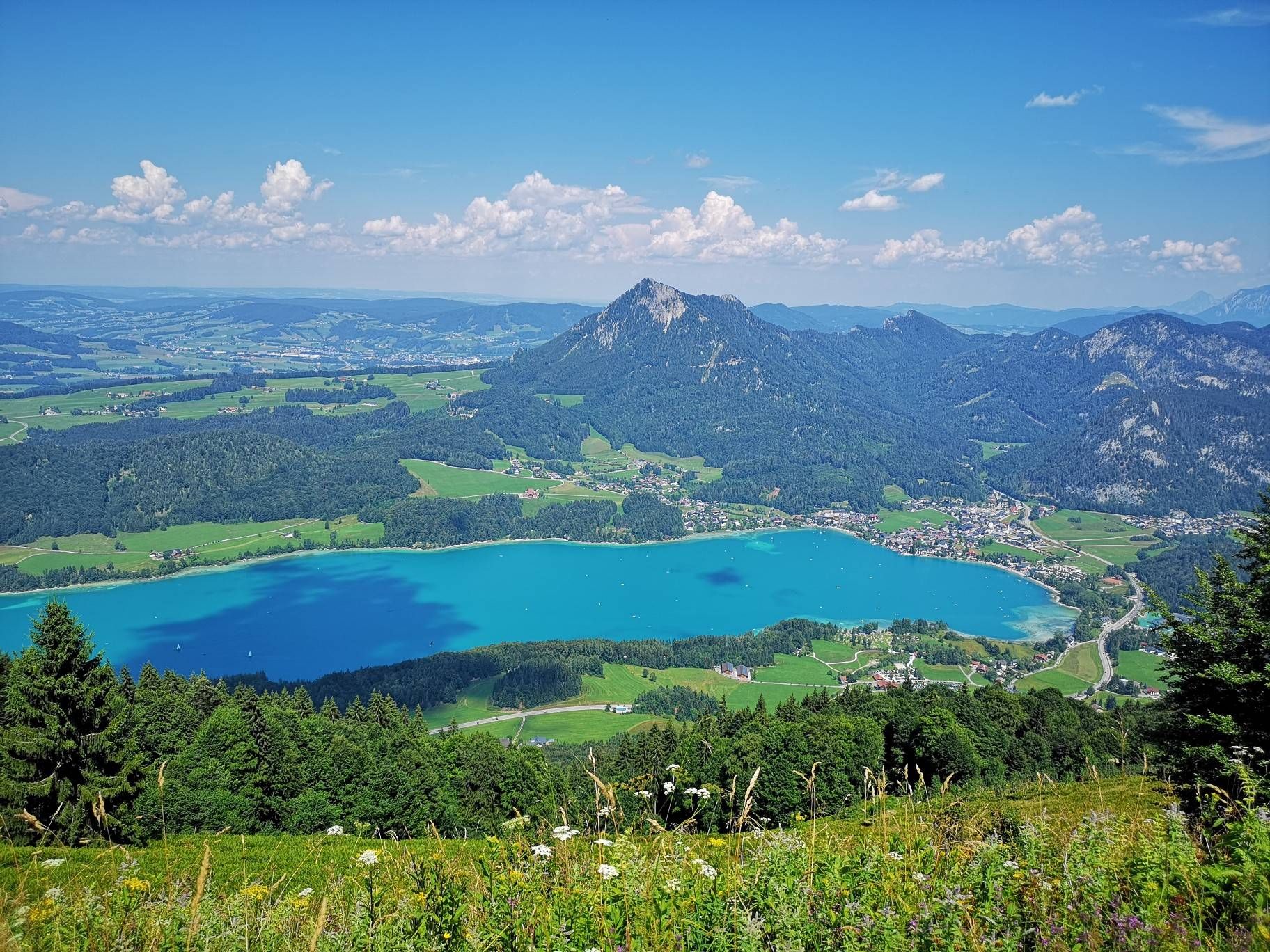
BergeSeen Trail – Long distance hiking in Austria's Salzkammergut with mountains and lakes galore
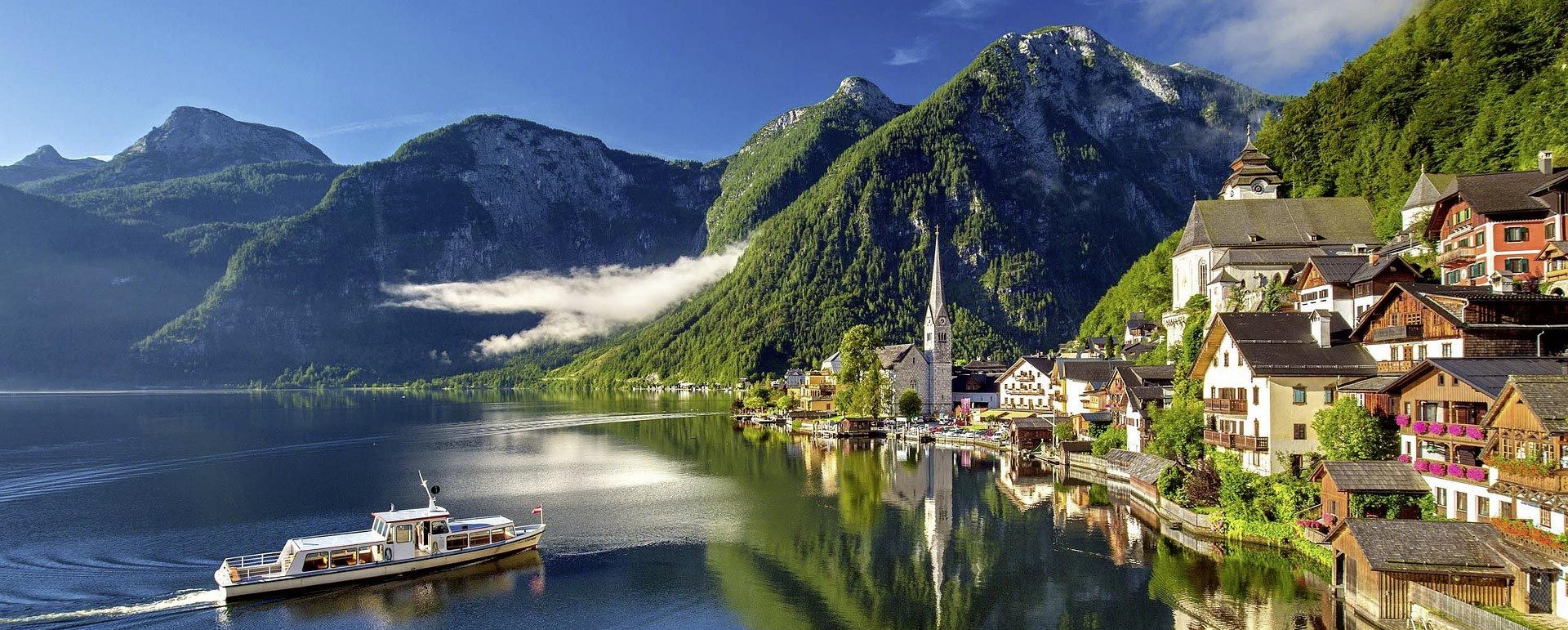
Cycling like a Kaiser – From lake to lake in Austria's Salzkammergut
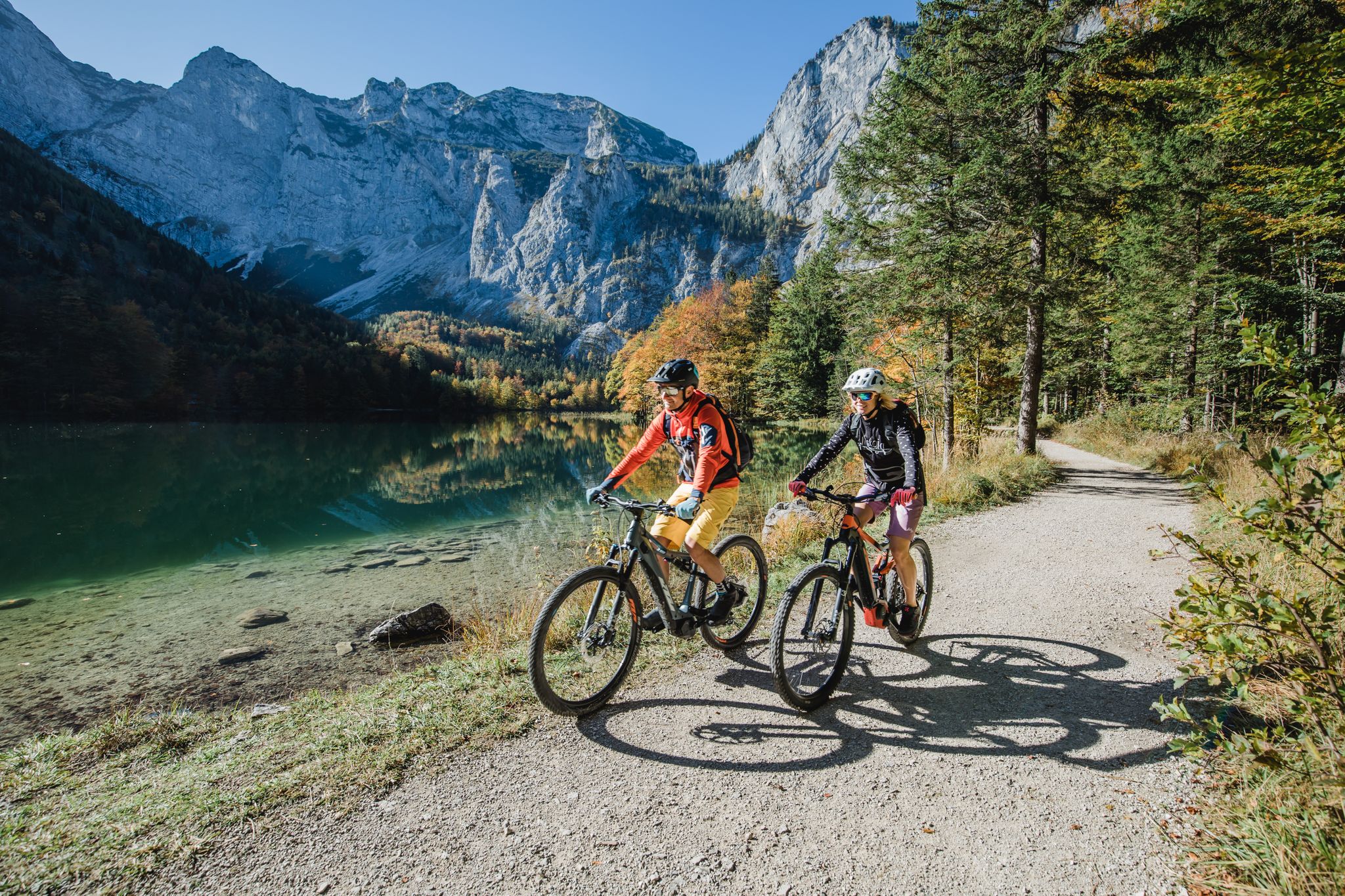
Between mountains and lakes – MTB in Salzkammergut
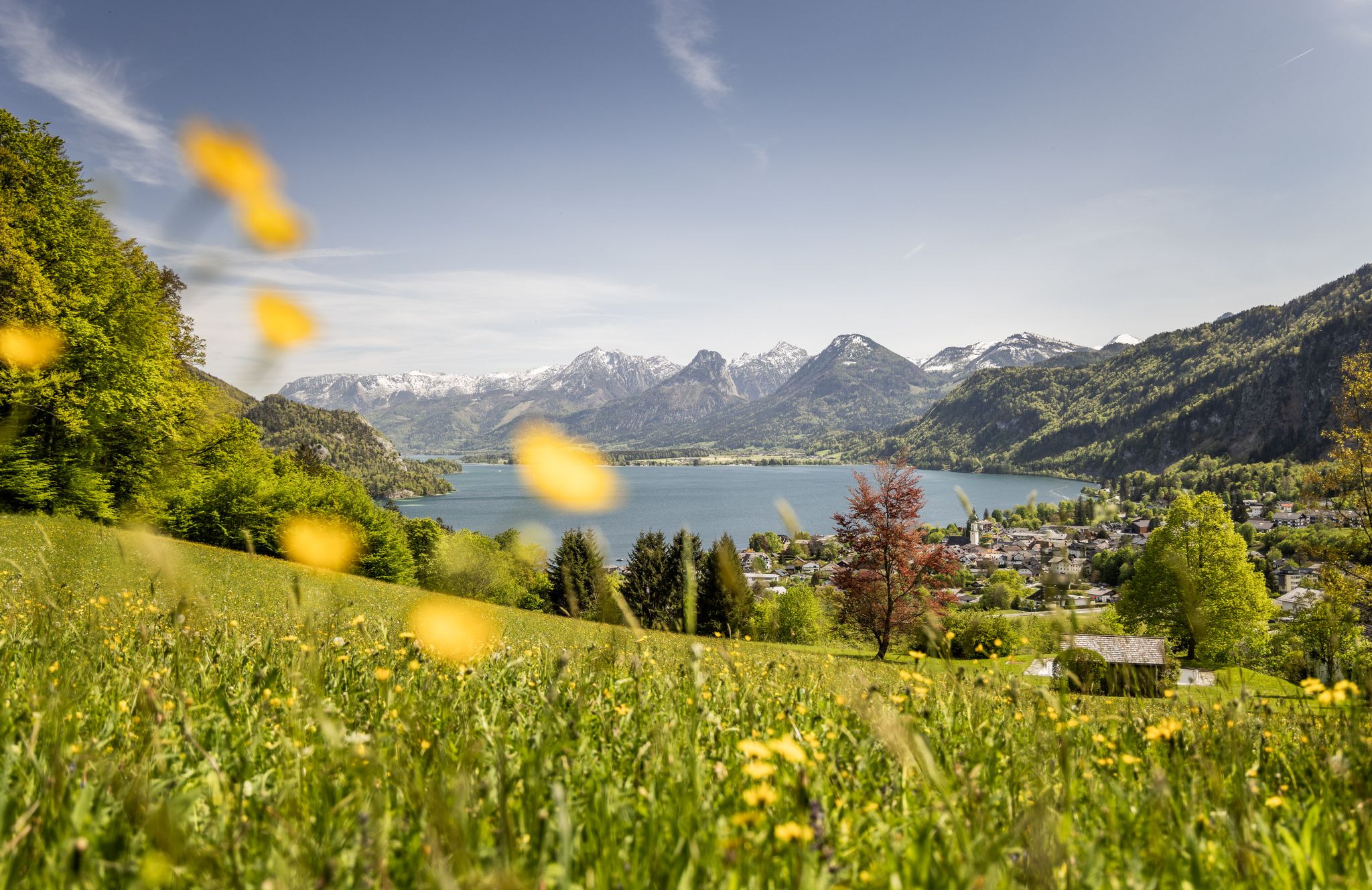
Between water and rock – hiking in Salzkammergut
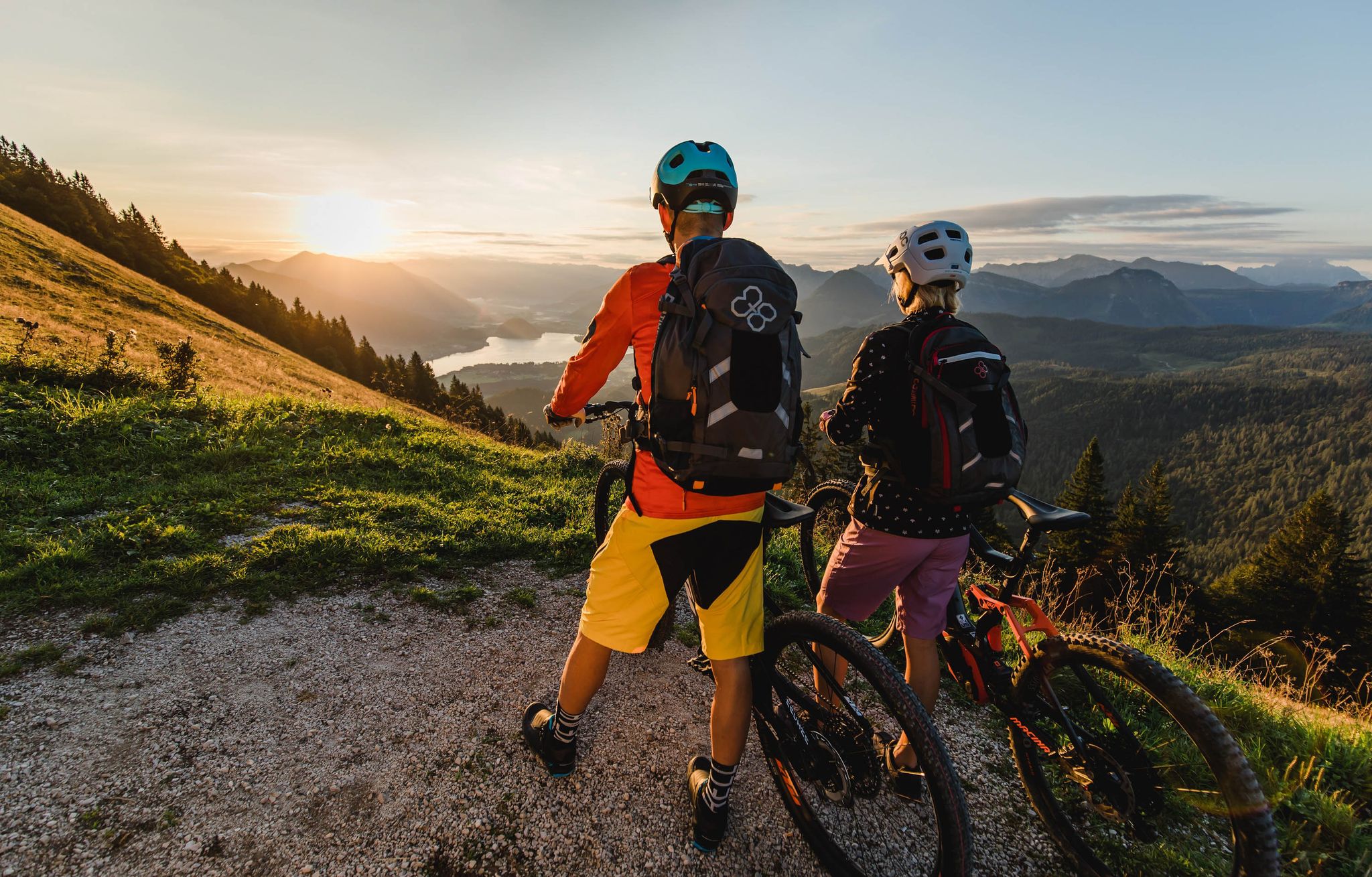
Fantastic MTB Tours between Wolfgangsee and Fuschlsee
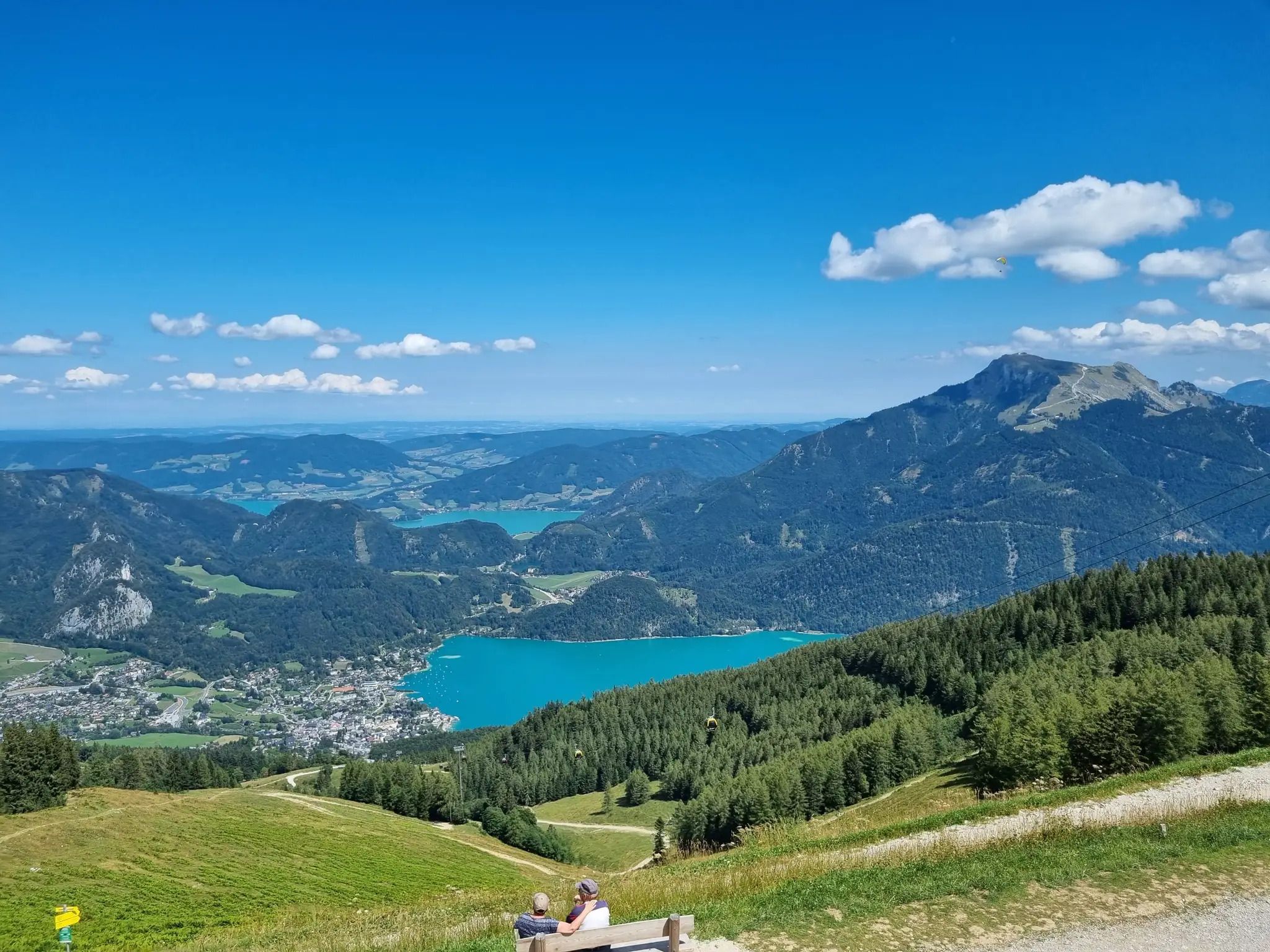
E-biking in the Salzkammergut in Austria on the BergeSeen eTrail
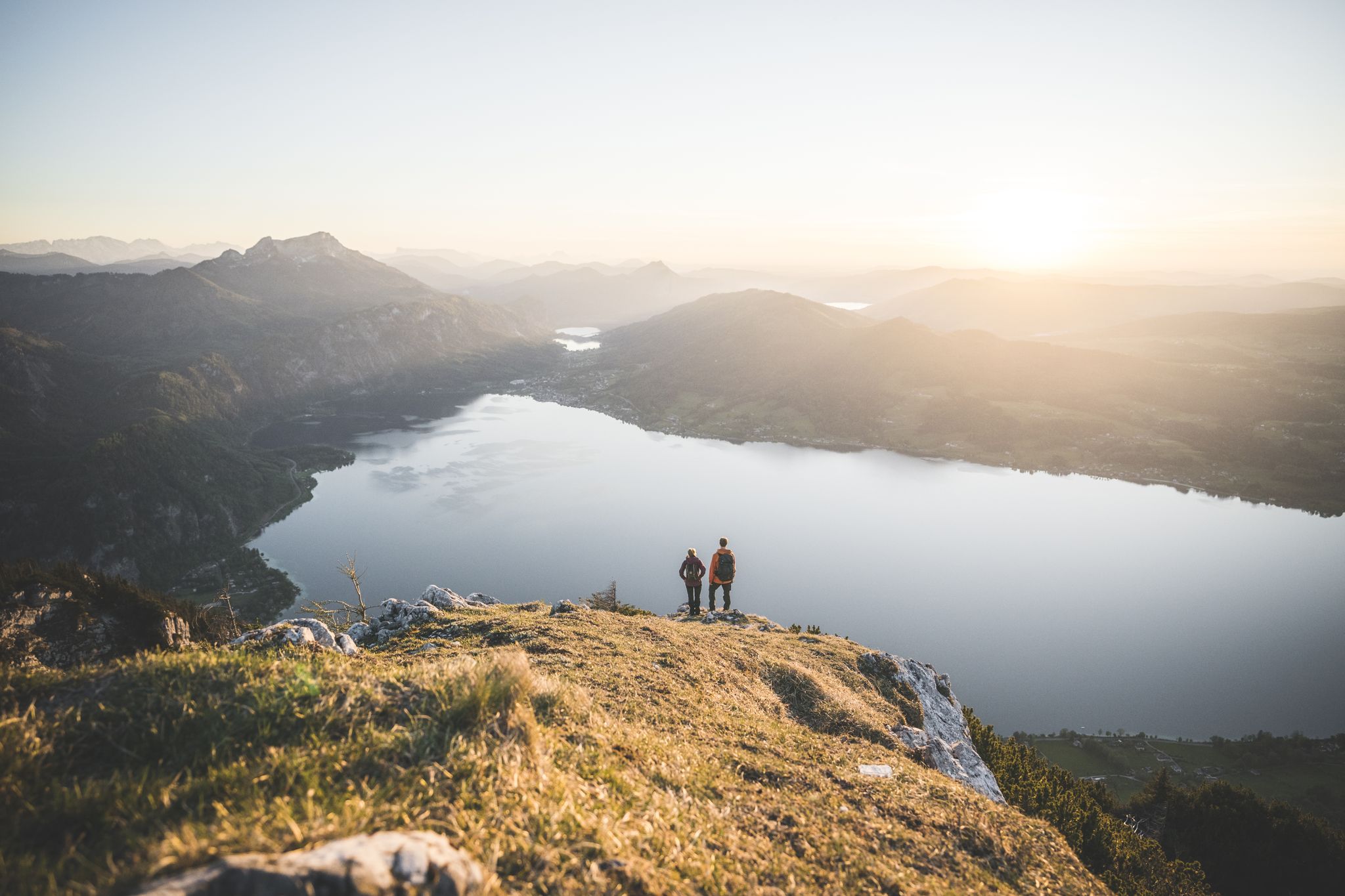
Explore the Salzkammergut on the BergeSeen Trail
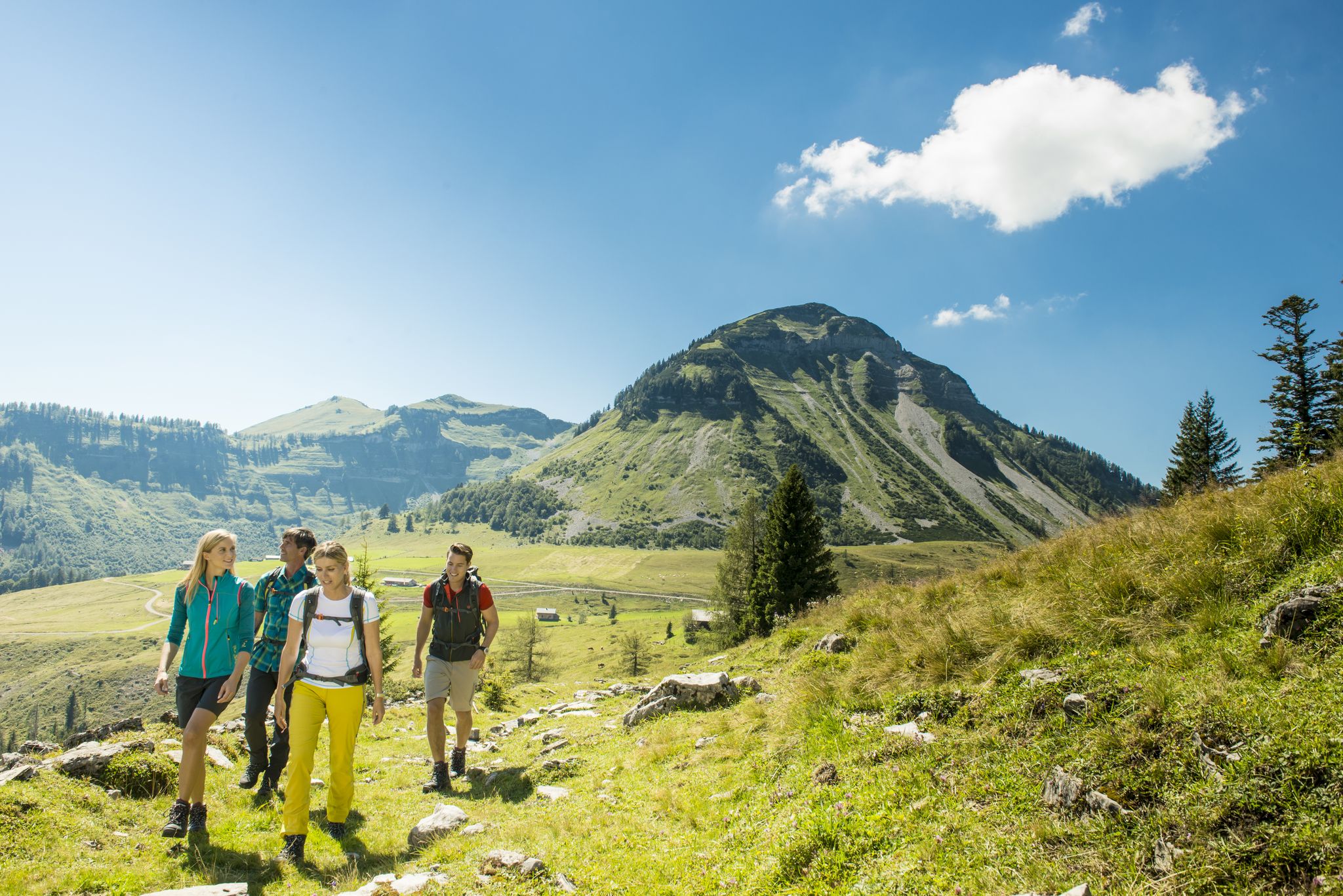
Weekend hikes around Lake Fuschl
Fantastic hiking trails between Mondsee and Irrsee
The road bike paradise Salzkammergut
Other adventures around Mondsee


Tips from the Community

Coming from Lengroid, the route towards Irrsee from the Wildenegg ruin is no longer suitable for riding with an MTB due to steps. Currently, the path is also made more difficult by a fallen tree (the bike has to be lifted over it - as of June 2026).
0
0


The castle's origins date back to a medieval fortress, first documented in 1323. Around 1565, it was converted into a court of law, but over time, its importance declined and it was already uninhabited by 1608. After the court's seat was relocated to St. Gilgen in 1703, the complex gradually fell into disrepair, and by 1811, large parts had been demolished or used as building material. In 1817, Field Marshal Carl Philipp von Wrede acquired the remains of the castle, and his son, Karl Theodor von Wrede, had a neo-Gothic palace built starting in 1843. Four octagonal towers, pointed arch windows, and a crenellated parapet were added, giving the current building its characteristic appearance. From 1880 onward, the castle changed hands several times, including Princess Franziska von Liechtenstein and later Demeter von Frank. Today, Hüttenstein Castle is owned by a private foundation and is not open to the public. The entire grounds, including the adjacent Krottensee lake, are used for private purposes. Visitors can only view the castle from the outside as part of cycling tours in the region.
0
0

A detour to the ruins is definitely worth it. :)
2
0

The ruins of the hilltop castle are located at 736 m above sea level east of Henndorf near the ascent to the "Heimkehrerkreuz" and the Große Plaike (1031 m). The path is part of the "Eiszeitrundweg" (Ice Age circular path). The ruins are very hidden and cannot be seen from a distance. You will also only find information signs shortly before them. Note! Riding a bike is prohibited!!!
1
0

The area originally belonged to the rule of Hüttenstein Castle, not far north on the Schaflingerhöhe. In the course of the 16th century, a separate nursing court was set up in Hüttenstein and in 1565 a separate building was built for the nursing judge. This nursing court included today's communities of St. Gilgen and Strobl, as well as Fuschl am See. As early as a report from 1577 it was mentioned that poorly installed eaves had caused damage and could endanger the roof. In 1608 it was said that the castle was uninhabited. In 1614, a cost estimate for repairing the damage was drawn up, which was then doubled when implemented. In 1657, too, damage had to be repaired after a severe flood. An archive was set up in 1672. The nurses lived here until 1703, when the nursing court was moved to St. Gilgen. In 1747 the castle was a brick house with four rooms, two chambers, a kitchen, a cellar and the prison. At that time the castle was inhabited by a woodworker. In 1747, Johann Elias Geyer suggested that the castle, which was useless for defensive purposes, be left to the court chamber, which is what happened. In 1794 the Court Chamber asked to be allowed to tear down the castle and use the stones for a new hammer mill in Abersee, which is what happened. The rest of the building was auctioned off in 1811 to the woodmaster Johann Radauer. In 1817, the Bavarian field marshal Prince Carl Philipp von Wrede (1767–1838) bought Hüttenstein, followed in 1838 by Karl Theodor von Wrede, who began remodeling and rebuilding Hüttenstein in the neo-Gothic style in 1843, giving it its current shape. In 1880, Princess Franziska Liechtenstein, née Chalupetzky, bought the castle. She was followed in 1884 by Demeter Ritter von Frank, general director of the Romanian National Bank. Other owners were Dr. Edmund von Frank (1908), Thea Urban-Emmerich, née Morawitz (1917), Huogo Carl and Hans Edgar Urban-Emmerich (1938), Hugo Carl Urban-Emmerich (1948), Katharina Wunschek-Dreher (1951) and Robert Wimmer ( 1982) (Wikipedia).
3
0

This little castle is enthroned very dominantly over the Krotensee.
3
0
Frequently Asked Questions
What types of castles can I find around Mondsee?
The Mondsee region offers a diverse range of historical sites, from well-preserved structures to atmospheric ruins. You'll find former Benedictine monasteries like Schloss Mondsee, medieval fortresses such as Wartenfels Ruins, and even reconstructed castles like Hüttenstein Castle. The area also features former hunting lodges, like the one at Schloss Fuschl, now a five-star hotel.
What is the history of Schloss Mondsee?
Schloss Mondsee, originally founded as Austria's oldest Benedictine monastery in 748 AD, boasts over a thousand years of history. It was a significant center for learning and book illumination. After secularization during the Napoleonic era, it transitioned from a monastery to what is now known as Schloss Mondsee, serving today as a hotel, event center, and museum. The adjacent Basilica St. Michael is famous as a filming location for 'The Sound of Music'.
Are there family-friendly castles to visit around Mondsee?
Yes, several sites are suitable for families. The Wartenfels Ruins offer an engaging exploration for older children, with restoration work allowing visitors to safely explore the remains. Schloss Fuschl, while a hotel, is a popular viewpoint that families can enjoy from the outside, offering picturesque photo opportunities.
What remains of Wildenegg Castle?
Of Wildenegg Castle, which dates back to the 12th century, only a few small foundations remain today. Despite this, the site offers a very atmospheric experience and provides a nice spot for a break, especially for those who enjoy discovering historical remnants in a natural setting.
When is the best time to visit the castles around Mondsee?
The castles around Mondsee can be visited throughout the year, but the spring, summer, and autumn months generally offer the most pleasant weather for exploring ruins and enjoying the surrounding landscapes. In autumn, the changing foliage adds a beautiful backdrop. Some indoor attractions, like parts of Schloss Mondsee, are accessible year-round, but outdoor ruins might be less comfortable in winter snow or ice.
Are there hiking or cycling routes that include castles?
Yes, the region is excellent for combining outdoor activities with castle visits. For hikers, the hiking guide for Mondsee features routes like the 'Hochalm loop' or 'Mondsee town center – Kulmspitze Lookout Tower loop' that can be combined with visits to nearby castle sites. Cyclists can find routes in the cycling guide for Mondsee, such as the 'Irrsee (Lake Zell) – Northwest Shore of Lake Irrsee loop', which might pass by historical points of interest.
Are there any hidden gem castles to discover in the Mondsee area?
For those seeking a sense of discovery, the Lichtentann Castle Ruins are considered a hidden gem. These hilltop ruins are quite hidden and not visible from a distance, requiring a bit of exploration to find. They are part of the 'Ice Age circular path' east of Henndorf, offering a unique experience for hikers.
What should I wear when visiting castles in autumn?
When visiting castles around Mondsee in autumn, it's advisable to dress in layers. The weather can be changeable, with cooler mornings and evenings. Comfortable walking shoes are essential, especially if you plan to explore ruins or walk on uneven terrain. A waterproof jacket is also recommended in case of rain.
How much time should I allocate for visiting castles around Mondsee?
The time needed varies greatly depending on the castle. For a site like Schloss Mondsee, you might spend 1-2 hours exploring the museum and basilica. For ruins like Wartenfels Ruins or Wildenegg Castle, the visit itself might be shorter (30-60 minutes), but you should factor in travel time and any associated hikes to reach them.
Are there good viewpoints at or near the castles?
Many of the castle sites offer excellent views of the surrounding Salzkammergut landscape. The Wartenfels Ruins provide a great vantage point over the area. Similarly, Hüttenstein Castle is 'enthroned' over the Krotensee, suggesting scenic views. The viewpoint of Schloss Fuschl on Lake Fuschl is particularly popular for its picturesque setting.
Are any castles accessible for strollers or wheelchairs around Mondsee?
Accessibility can vary significantly. Schloss Mondsee, as a functioning hotel and museum, likely offers some accessible areas, particularly within its main buildings. However, many of the castle ruins, such as Wartenfels Ruins or Wildenegg Castle, involve uneven terrain, steps, or uphill paths, making them less suitable for strollers or wheelchairs. It's best to check specific site details if accessibility is a primary concern.
What do visitors enjoy the most about the castles around Mondsee?
Visitors particularly appreciate the historical depth and the stunning natural settings of the castles. The opportunity to explore ancient ruins, imagine past eras, and enjoy panoramic views of the lakes and mountains is a major draw. The blend of history with beautiful landscapes, often accessible via scenic walks or bike rides, is highly valued by the komoot community.
Most popular routes around Mondsee
Most popular attractions around Mondsee

Get inspired with the komoot mobile app


Explore more
Looking for the best castles somewhere else? Discover other guides around Mondsee:
