Attractions and Places To See around Molln ( Mecklenburg ) - Top 20
Best attractions and places to see around Molln ( Mecklenburg ) highlight its historical and natural landscape within the Mecklenburg Lake District. This region in Mecklenburg-Vorpommern features a variety of landmarks, cultural sites, and natural features. Visitors can explore historical architecture, significant natural bodies of water, and sites reflecting the area's Slavic origins. The municipality offers a blend of historical interest and natural beauty for exploration.
Best attractions and places to see around Molln ( Mecklenburg )
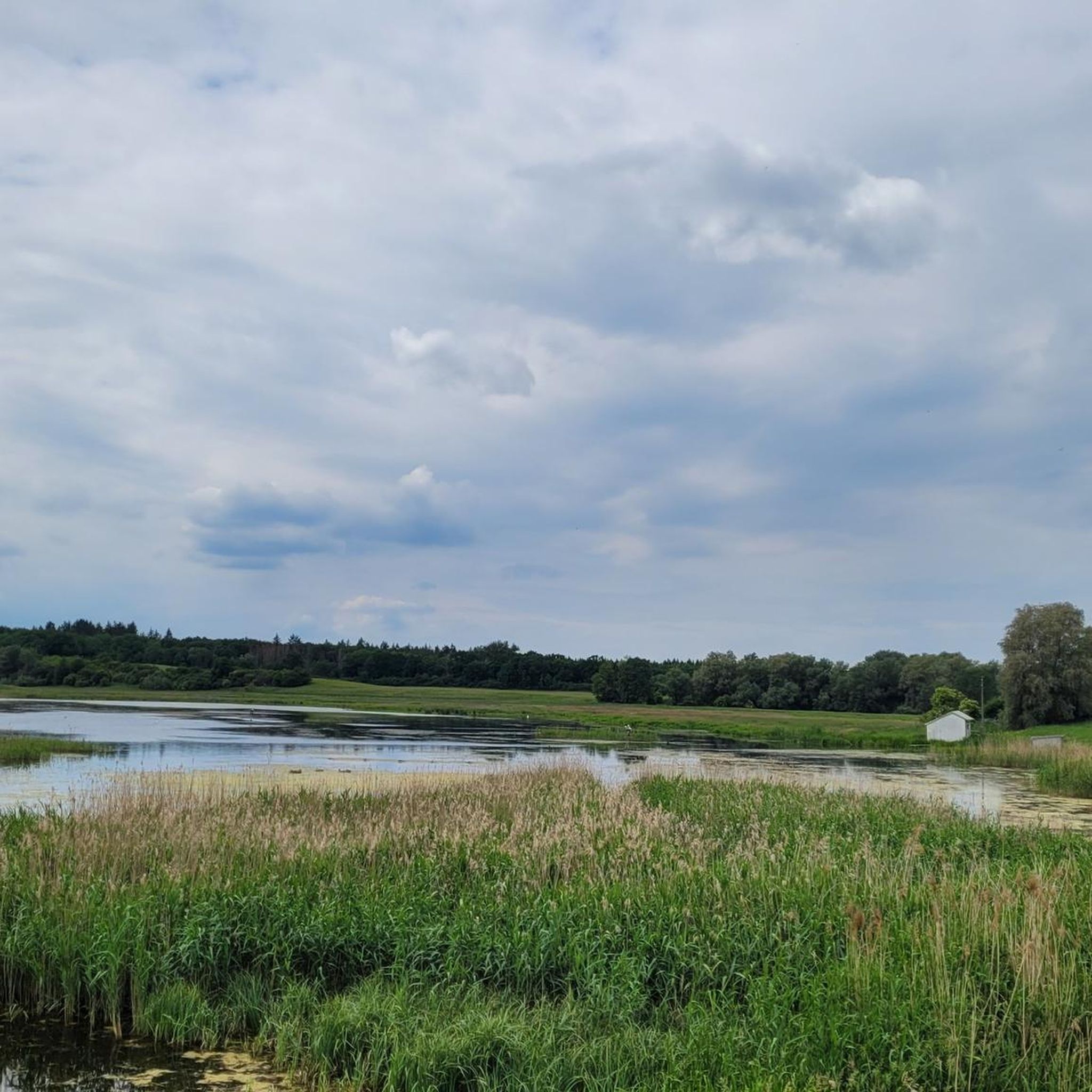
- The most popular attractions is Lake Tollens, a lake that offers a 35-kilometer circular route suitable for cycling. It features seven swimming areas, all with excellent water quality.
- Another must-see spot is Alt Rehse village ensemble, a settlement with a neo-Gothic hall church. This village ensemble is a rare example of rural architecture from the Nazi era, unique in Germany.
- Visitors also love Heinrich Schliemann Museum, Ankershagen, a historical site dedicated to Heinrich Schliemann, the excavator of Troy. The museum details his life and work through personal documents and exhibits.
- Mölln ( Mecklenburg ) is known for its historical sites, significant lakes, and unique architectural ensembles. The area offers a variety of attractions to see and explore, from museums to natural landscapes.
- The attractions around Molln ( Mecklenburg ) are appreciated by the komoot community, with over 1130 upvotes and 80 photos shared across 8 highlights.
Last updated: July 6, 2026
Lake Tollens
Highlight • Lake
Translated by Google •
Tip by

Alt Rehse village ensemble
Highlight • Settlement
The village itself is of Slavic origin. After the departure of the Germanic inhabitants during the Migration Period, the medieval tribes of the Redarii and Tollensi, from the tribal confederation of the Wilzi, who were later also united in the Liutizi confederation, lived here. The name "Rehse" could be derived from Old Slavic and mean "place by the water."
Translated by Google •
Tip by

Sign up now to discover places like this
Get recommendations on the best single tracks, peaks, & plenty of other exciting outdoor places.
Sign up for free
Heinrich Schliemann Museum, Ankershagen
Highlight • Historical Site
Translated by Google •
Tip by

Lake Tollense
Highlight • Lake
Translated by Google •
Tip by

Ankershagen Church
Highlight • Religious Site
The oldest part of the rectangular choir with a domed cross-ribbed vault and a group of two windows in the east wall, the wider, also rectangular nave was probably built immediately afterwards towards the end of the 13th century, but in the late Gothic period it was converted into a two-aisled, four-bay hall with cross-ribbed vaults by adding a row of central pillars easternmost pillar was placed directly in front of the triumphal arch,
Tower substructure a hundred years later made of brick with a baroque half-timbered tower and clapboard-roofed helmet (18th century), two bells also 18th century.
Window openings and portals as well as east gable in brick, gable between nave and choir decorated with staggered plaster panels, surrounding ornamental frieze on the nave, north sacristy made of brick on a field stone foundation, interior furnishings renewed in the 19th century.
Wood baptism with flat fittings carving (1618), neo-Gothic altarpiece on the south wall "Resurrection of Lazarus", neo-Gothic pulpit, brick altar table, choir separated as a winter church, valuable frescoes from the time of construction, triumphal cross,
Lütkemüller organ 1874.
There is a war memorial in the churchyard, which was laid out as a cemetery; outside in the east there is also a modern mourning hall.
Source: dorfkirchen-in-mv.de/content/Version_1/detail_sum.php?Reg_Nr=616
Translated by Google •
Tip by

Sign up for free to discover even more attractions around Molln ( Mecklenburg ).
Sign up for free
Already have an account?
Start today with a free account
Your next adventure awaits.
Login or Signup

Tips from the Community

In the 12th century, work began on building a church in Ankershagen in the Romanesque style that was common at the time. This is why one of the oldest surviving fieldstone churches in Mecklenburg can be found in Ankershagen today. The church was renovated in the middle of the 13th century. It was given its current form through a reconstruction that probably also led to an extension. It was renovated in the Gothic style, but Romanesque elements were retained. http://www.ankershagen.de/kirche.html
2
0
The Heinrich Schliemann Museum was established in 1980. It is dedicated to the most famous son of Ankershagen, Heinrich Schliemann, the world-famous excavator of the ancient cities of Troy, Mycenae and Tiryns. The Schliemann Museum is one of the most important museums in Mecklenburg-Western Pomerania. After Berlin, it has the most extensive material and scientific collection on the famous archaeologist. In his autobiography, Schliemann writes that he had already made the decision to search for and excavate Troy at the age of eight. His childhood experiences in Ankershagen must have had a great influence on his later life. Ankershagen can point to a long history, a rich world of legends, a knight's castle and many witnesses from ancient times. They obviously permanently inspired the imagination of the young Heinrich Schliemann. ankershagen.de/heinrich-schliemann.html
3
0
The Heinrich Schliemann Museum was established in 1980. It is dedicated to the most famous son of Ankershagen, Heinrich Schliemann, the world-famous excavator of the ancient cities of Troy, Mycenae and Tiryns. The Schliemann Museum is one of the most important museums in Mecklenburg-Western Pomerania. After Berlin, it has the most extensive material and scientific collection on the famous archaeologist. In his autobiography, Schliemann writes that he had already made the decision to search for and excavate Troy at the age of eight. His childhood experiences in Ankershagen must have had a great influence on his later life. Ankershagen can point to a long history, a rich world of legends, a knight's castle and many witnesses from ancient times. They obviously permanently inspired the imagination of the young Heinrich Schliemann. http://www.ankershagen.de/heinrich-schliemann.html
4
0

The church is one of the oldest surviving fieldstone churches in Mecklenburg-Western Pomerania (consecrated in 1266, the choir may date from this period). It stands in the middle of a cemetery surrounded by a fieldstone wall, opposite the Heinrich Schliemann Museum.
1
0

The stop is actually worth it. The church is said to be open almost all the time. The tower had sunk considerably. At the time, the whole village collected money for the reconstruction work.
2
0

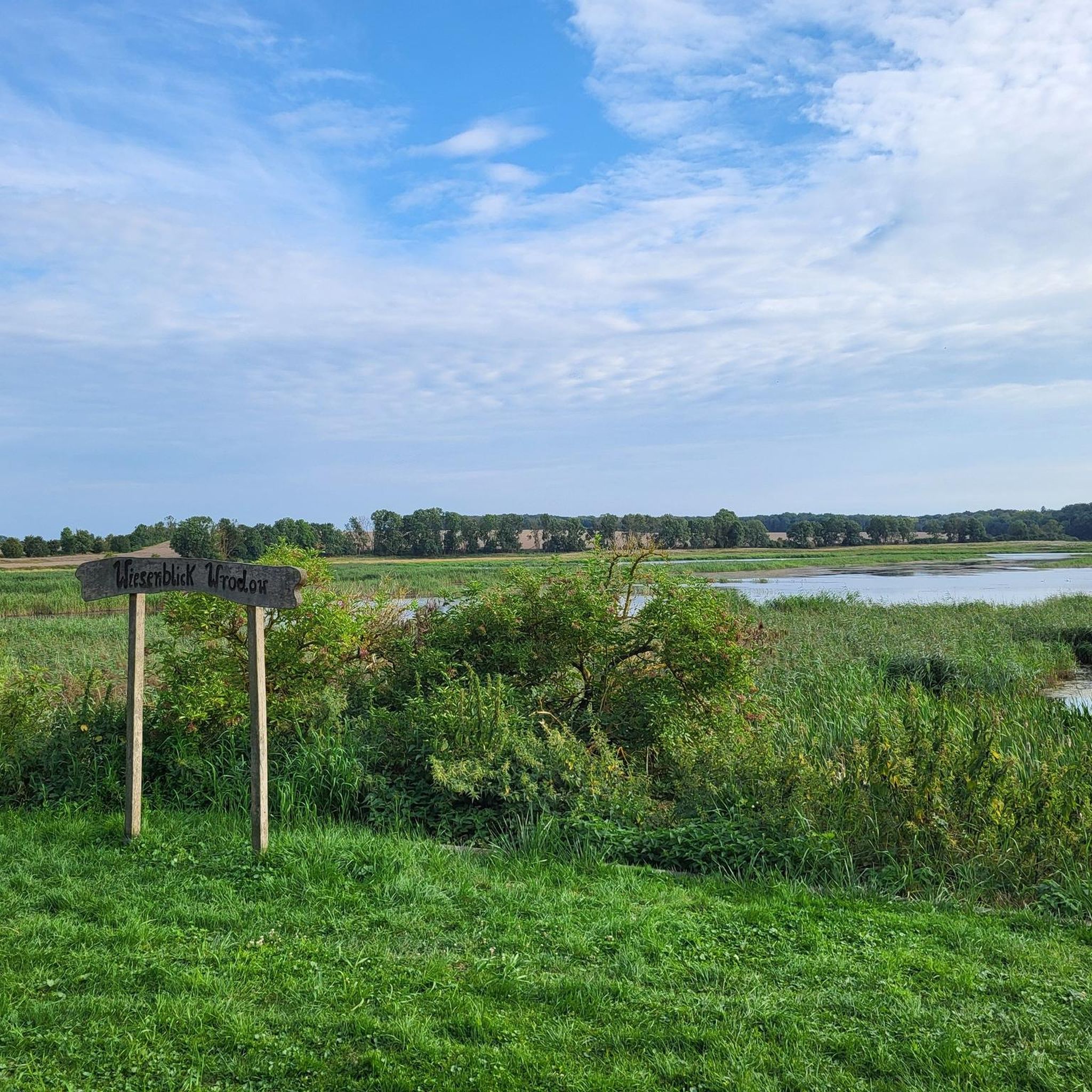
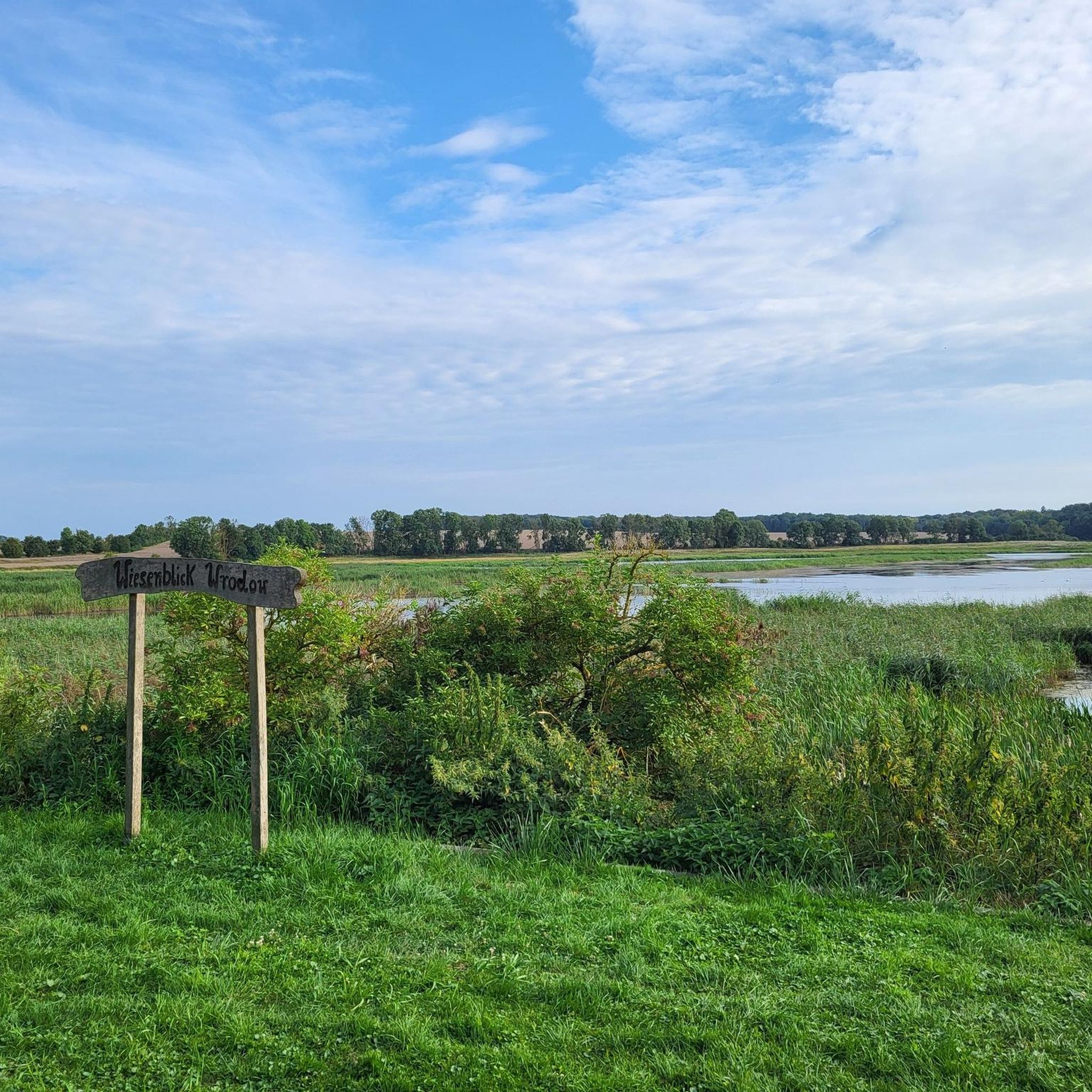
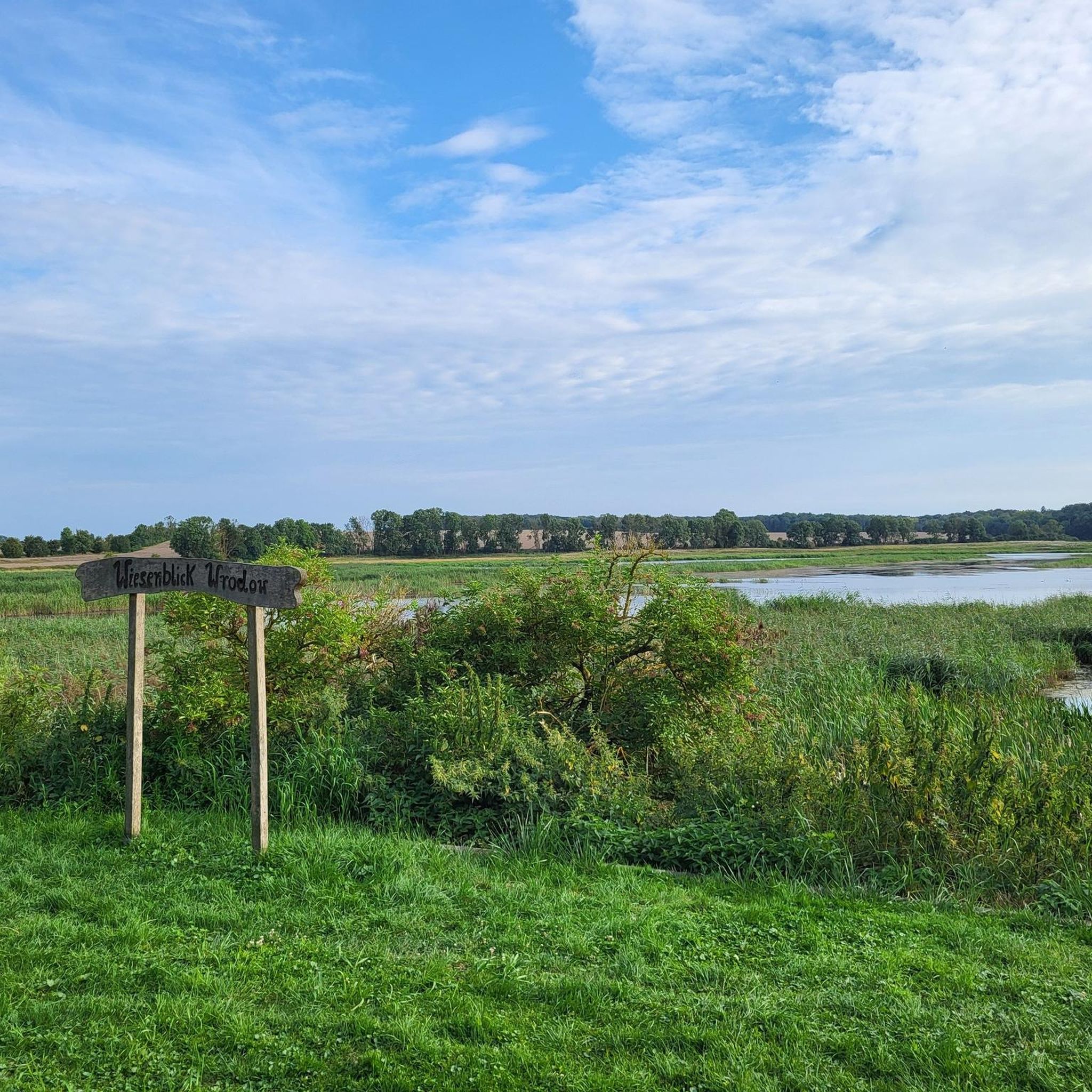
Great circular route around the lake that can be ridden easily, without any problems and without any further difficulty. A great tour through a beautiful (lake) landscape, a very varied circuit variant.
3
0
The neo-Gothic hall church has a rectangular floor plan and was built from hewn field stones and bricks. The church was probably built between 1883 and 1893; another source states that it was built between 1889 and 1893. The building also includes a heated winter church
8
0
There are only a few places where there is “open” access to the shore. The view of the lake from the shore is awesome. Very nice place. Just stop briefly and capture the beautiful perspectives of the lake.
4
0
Frequently Asked Questions
What natural attractions can I explore around Mölln (Mecklenburg)?
The region is rich in natural beauty, particularly within the Mecklenburg Lake District. A prominent feature is Lake Tollens, which offers a 35-kilometer circular route ideal for cycling and features seven swimming areas with excellent water quality. The wider district is renowned for its numerous lakes, forests, and diverse countryside, providing extensive cycling and walking trails.
Are there any historical sites or cultural landmarks to visit?
Yes, Mölln (Mecklenburg) has several historical and cultural sites. You can visit the Heinrich Schliemann Museum, Ankershagen, dedicated to the excavator of Troy, which details his life and work through personal documents and exhibits. Another unique site is the Alt Rehse village ensemble, featuring a neo-Gothic hall church and rural architecture with historical significance. The municipality also includes Schloss Wrodow, which now functions as an art gallery and hotel, and the remains of a former Slavic island castle dating back to the 7th to 13th centuries.
What kind of outdoor activities can I do near these attractions?
The area around Mölln (Mecklenburg) is perfect for various outdoor activities. You can enjoy road cycling on routes like the 'Malliner Bachtal Scenic Road – Old Railway Embankment Path loop' or explore hiking trails such as the 'Old Manor House – Schwandter Lake loop'. For gravel biking, there are routes like the 'Lake Tollens – View of Lake Tollense loop'. You can find more details and routes on the Road Cycling Routes around Mölln (Mecklenburg), Hiking around Mölln (Mecklenburg), and Gravel biking around Mölln (Mecklenburg) guide pages.
Are there family-friendly attractions in the area?
Many attractions are suitable for families. Lake Tollens is a great option with its swimming areas and easy cycling path. The Heinrich Schliemann Museum, Ankershagen, can also be an engaging educational experience for older children interested in history. The natural landscapes of the Mecklenburg Lake District offer plenty of space for outdoor family adventures.
What do visitors enjoy most about the attractions around Mölln (Mecklenburg)?
Visitors particularly appreciate the well-maintained trails around Lake Tollens, noting its suitability for cycling and the excellent water quality for swimming. The Heinrich Schliemann Museum, Ankershagen, is praised for its detailed and engaging exhibits about Schliemann's life and work. The overall blend of historical interest and natural beauty, especially the serene lake district, is highly valued.
Can I find easy walking trails near the attractions?
Yes, there are several easy walking trails. For instance, the 'Old Manor House – Schwandter Lake loop' is an easy hiking route. The circular path around Lake Tollens is also very well-maintained and suitable for leisurely walks or cycling. You can explore more options on the Hiking around Mölln (Mecklenburg) guide page.
What is the significance of the Alt Rehse village ensemble?
The Alt Rehse village ensemble is historically significant as a rare example of rural architecture built during the Nazi era, making it architecturally and historically unique in Germany. The village itself has Slavic origins, with its name possibly meaning 'place by the water'. It features a neo-Gothic hall church built from field stones and bricks, which is a listed building.
Are there any unique architectural landmarks besides the village ensemble?
Beyond the Alt Rehse village ensemble, Mölln (Mecklenburg) features other notable architectural sites. Schloss Wrodow, a castle that now houses an art gallery and hotel, is a significant landmark. The village also has its own historical church and Gutshaus Klein Helle with its nearby mausoleum, contributing to the area's rich architectural heritage. The Old Railway Station, built in 1864, along with its signal boxes, are also listed historical monuments.
What is the Oberbach Bridge and its historical context?
The Oberbach Bridge, Neubrandenburg, spans the Oberbach, which is the outflow of Lake Tollens. Historically, the Oberbach and an earth dam were constructed in the 13th century to raise the lake's water level, providing energy for mills, improving the town's defense, and even flooding ancient Slavic settlements. This bridge and the surrounding water system are integral to the region's historical engineering and landscape.
Is Mölln (Mecklenburg) part of a larger natural area?
Yes, Mölln (Mecklenburg) is situated within the renowned Mecklenburg Lake District. This region is famous for its extensive network of lakes, dense forests, and diverse countryside, making it a prime destination for nature lovers and outdoor enthusiasts. The district offers a wide array of opportunities for cycling, hiking, and enjoying the serene natural environment.
Are there opportunities for cycling around the lakes?
Absolutely. Lake Tollens, for example, boasts an approximately 35-kilometer circular route that is easily navigable by bike. The broader Mecklenburg Lake District is well-known for its extensive cycling trails, offering scenic rides through forests and along numerous other lakes. You can find specific routes on the Road Cycling Routes around Mölln (Mecklenburg) and Gravel biking around Mölln (Mecklenburg) guide pages.
Most popular routes around Molln ( Mecklenburg )
Most popular attractions around Molln ( Mecklenburg )

Get inspired with the komoot mobile app


Explore more
Still not found the Highlight you’re looking for? See guides of the top attractions in other regions:
