Top 20 Castles around Waldenburg
Castles around Waldenburg present a diverse historical landscape, featuring more than 20 castles to discover. This area is characterized by a mix of medieval fortresses, moated castles, and former noble residences. Many of these structures are positioned on elevated sites, offering expansive views of the surrounding valleys and countryside. These historical landmarks often played significant roles as defensive strongholds or aristocratic estates.
Best castles around Waldenburg
- The most popular castles is Großcomburg Monastery, a religious building and historical site…
Last updated: October 9, 2026
Neuenstein Castle
Highlight • Castle
Translated by Google •
Tip by

Bartenau Castle
Highlight • Castle
Showing Translation
Tip by

Sign up now to discover places like this
Get recommendations on the best single tracks, peaks, & plenty of other exciting outdoor places.
Großcomburg Monastery
Highlight • Religious Site
Showing Translation
Tip by

Maienfels Castle
Highlight • Castle
Translated by Google •
Tip by

Pfedelbach Castle
Highlight • Castle
Translated by Google •
Tip by
Sign up for free to discover even more castles around Waldenburg.
Already have an account?
Start today with a free account
Your next adventure awaits.
Popular around Waldenburg
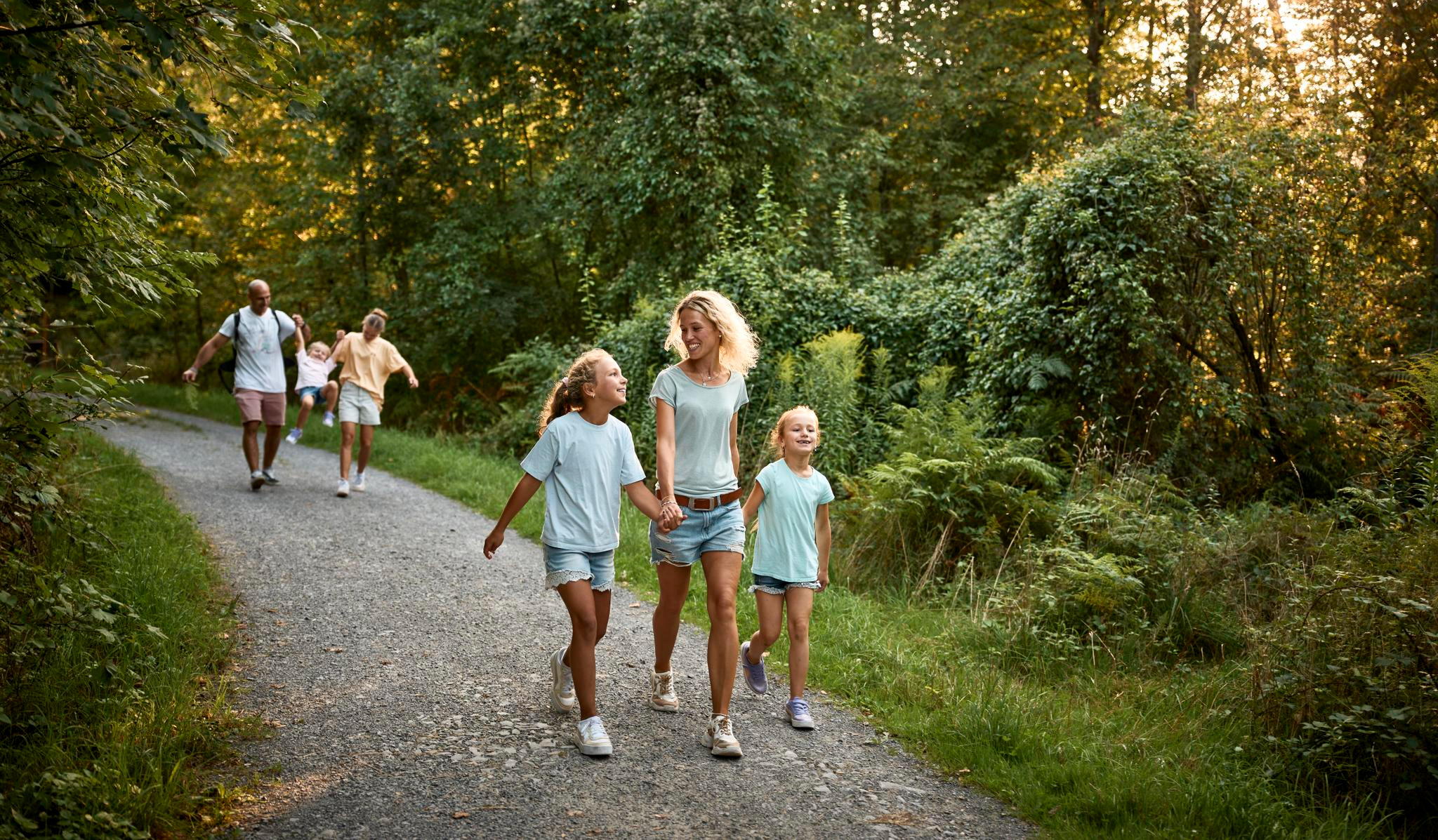
Family hiking with the adventure factor in the 'Süden ganz oben'
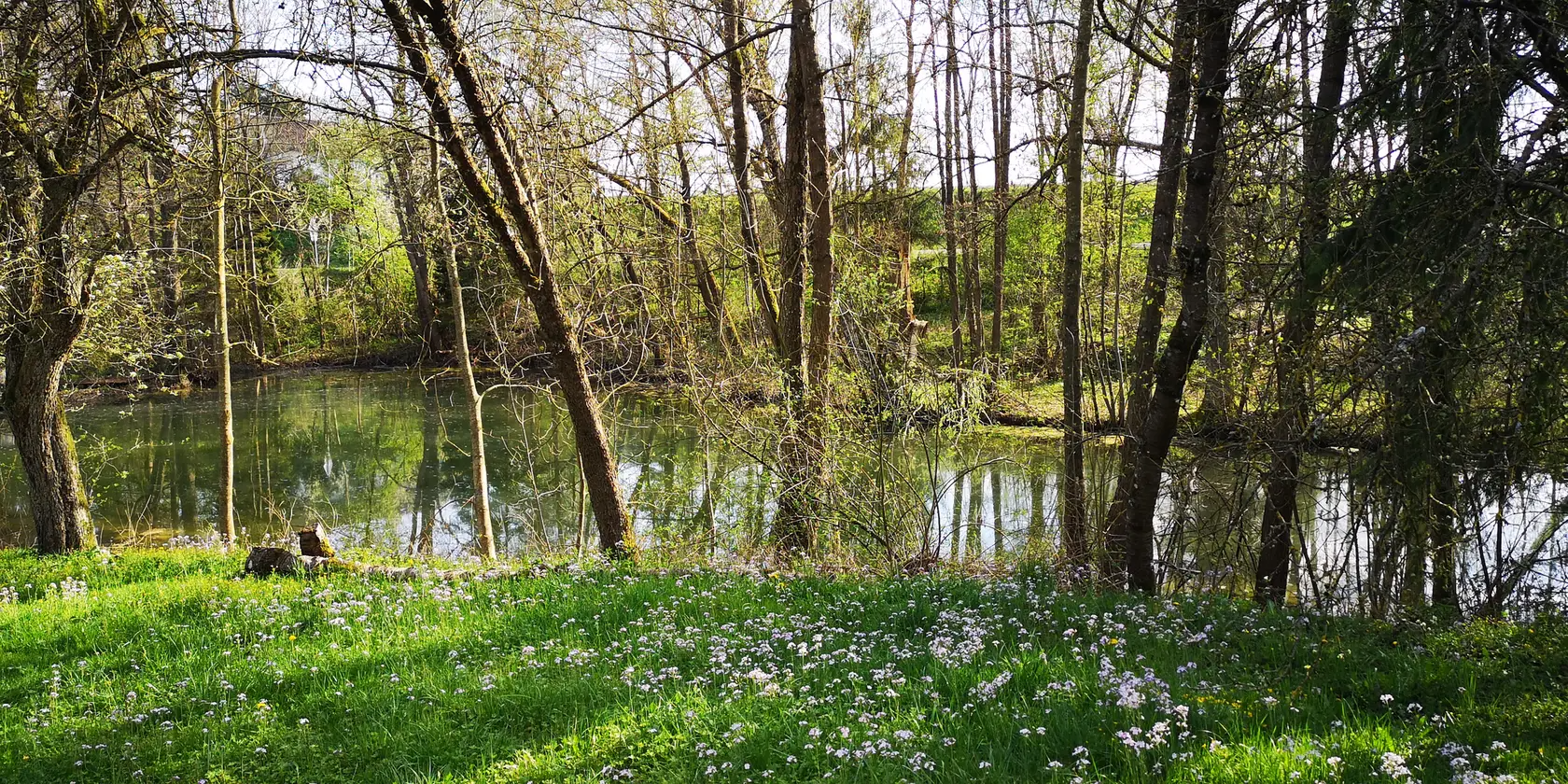
Aktiv in die längeren Tage – Frühlingsradeln im Norden Baden-Württembergs
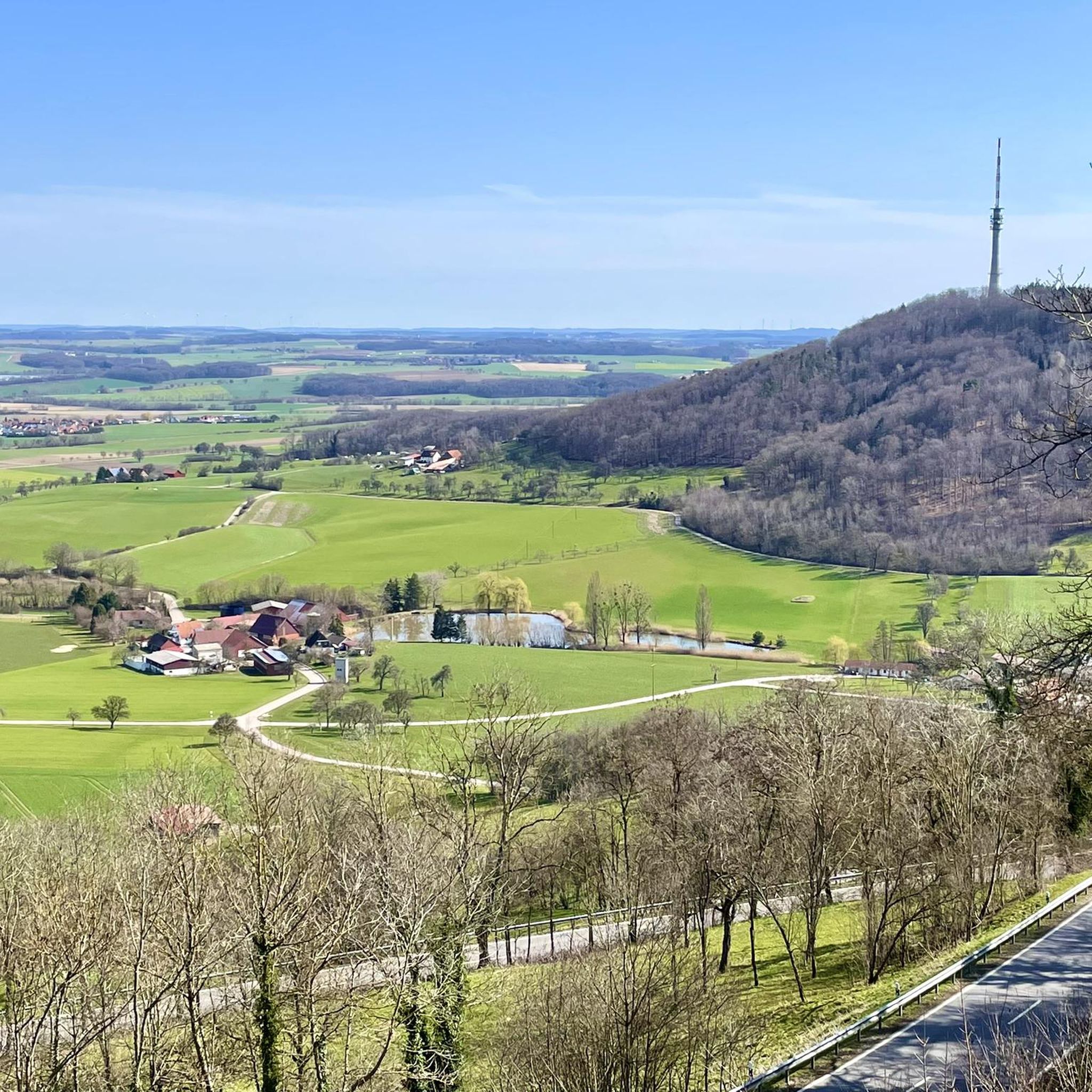
Cycling around Waldenburg
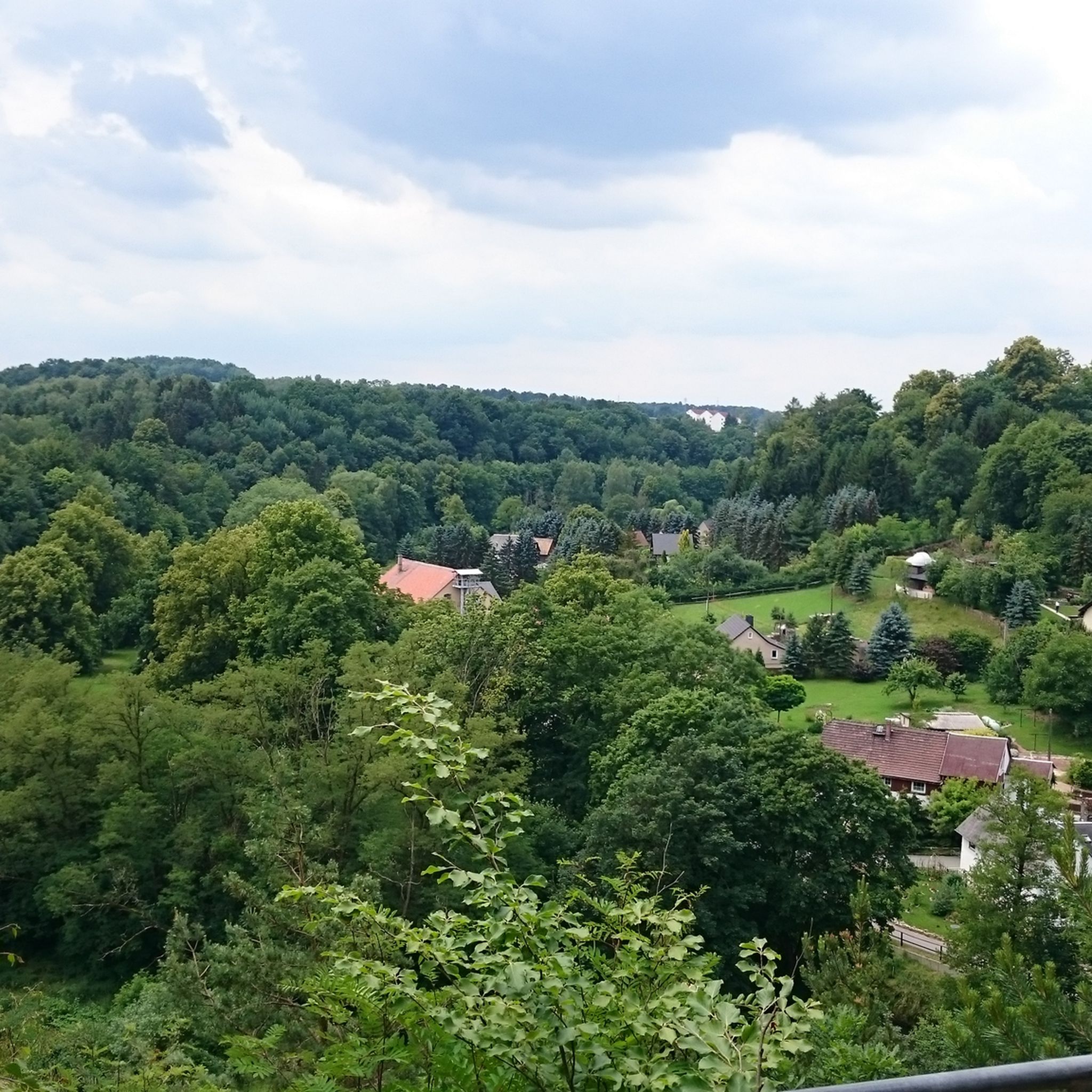
Hiking around Waldenburg
Running Trails around Waldenburg
Road Cycling Routes around Waldenburg
MTB Trails around Waldenburg

Gravel biking around Waldenburg


Tips from the Community

The castle was built between 1679 and 1691 on the site of a medieval moated castle as a four-wing complex by Count Johann Ludwig von Hohenlohe-Künzelsau. From 1679 to 1868 it was a residence of the House of Hohenlohe and from 1873 to 1934 a teachers' seminary. From 1937 to 1939 the building was completely rebuilt and today houses a state gymnasium with a boarding school.
4
0

Directly below Maienfels Castle lies the Protestant Castle Church – a Gothic-influenced religious building dating back to 1433. In 1613, the former castle chapel was converted into a church and is still connected to the castle today via a path through the castle wall. The church impresses with its horseshoe gallery, tracery windows, and Art Nouveau furnishings. Particularly noteworthy are the late Impressionist altarpiece "Jesus and the Samaritan Woman at Jacob's Well" by Ernst H. Graeser and the small bell tower with its Italian-style cap.
5
0
Maienfels Castle towers high above the Brettach Valley – a medieval hilltop castle dating back to the 13th century, which is still largely intact today. The impressive half-timbered structure of the Gemming Palace is visible from afar and lends the town a fairytale feel. The castle is privately owned but can be visited in the courtyard when the gate is open.
5
0

Situated on a hill, up the Bildersteig, a monastery complex awaits you, parts of which can only be visited with a guide
10
0
In 1553, Pfedelbach fell to Count Eberhard, founder of the main Hohenlohe-Waldenburg line. Due to Pfedelbach's mild climate, he planned to build a second residence here as a winter residence in addition to his Waldenburg main residence. Between 1568 and 1572, he commissioned the Heilbronn master builder Sebastian Mayer to build a square moated castle with a square courtyard in the Renaissance style in place of the old moated castle. When Eberhard died in 1570 from the injuries he sustained during the "Waldenburg Carnival," his widow, Agathe, Countess of Tübingen, devoted herself to completing the castle and designated it as her widow's residence. With Ludwig Gottfried, the Hohenlohe-Waldenburg-Pfedelbach line became extinct in 1728, and the property passed to the Hohenlohe-Waldenburg-Bartenstein line. The planned extensive Baroque renovation of the building was only partially realized with the new construction of Bartenstein Castle. The magnificent court chapel was built between 1731 and 1732 under Count Ferdinand of Hohenlohe-Bartenstein. After the mediatization, the Württemberg district court was located in Pfedelbach Castle from 1806 to 1840. After the Second World War, the castle served as a poorhouse and fell into rapid disrepair until the municipality acquired the dilapidated building from Princess Clara of Hohenlohe-Bartenstein in 1962 and undertook a comprehensive renovation.
6
0
The moated castle in the heart of the town of Neuenstein, dating back to the Staufer period in the 12th century, was once a residence of the Princes of Hohenlohe-Öhringen. Around 1550 it was expanded into an impressive Renaissance residence. Since around 1700 the castle has no longer served as the residence of the House of Hohenlohe, but was used for various other purposes until the Hohenlohe Museum was opened there in 1878.
5
0

The pretty Pfedelbach Castle dominates the townscape. You can cycle right past it. The best way to stop off is to have an ice cream or coffee from the bakery right next door.
2
0

Bartenau Castle is a castle in Künzelsau in the north-east of Baden-Württemberg. The noble family of Stein is documented in Künzelsau from the 11th century. After they died out, their relatives, such as the Lords of Künzelsau and the Lords of Bartenau, inherited the estate of the Stein family. The von Künzelsau family built their Kunzelsawe Castle around 1248. After the Künzelsau family died out in 1341, their residence became Bartenau Castle. When the Lords of Bartenau also died out, the Lords of Stetten inherited the castle in 1390, which they sold in part to the Archbishopric of Mainz in 1484. Bartenau Castle passed to the House of Hohenlohe through inheritance. Count Johann Ludwig von Hohenlohe-Langenburg-Gleichen had Bartenau Castle demolished in 1679 and built a three-storey castle in the late Renaissance style with four round towers in its place. From 1873 onwards, the building served as a teacher training college, then as an educational institution, and today it houses a state secondary school with boarding school. Source: https://de.wikipedia.org/wiki/Schloss_Bartenau
4
1
Frequently Asked Questions
What types of historical castles can I expect to find around Waldenburg?
The region around Waldenburg features a diverse array of historical castles, including medieval fortresses, moated castles, and former noble residences. You'll find structures ranging from 12th and 13th-century origins, often situated on elevated sites offering expansive views, to impressive Renaissance expansions. Examples include the 12th-century moated Neuenstein Castle and the 13th-century Maienfels Castle.
Which castles offer the best panoramic views?
For breathtaking panoramic views, Großcomburg Monastery is highly recommended. It towers impressively on a ridge high above the Kochertal, and its parapet walk offers unforgettable vistas both inwards towards the monastery and outwards. Additionally, the historical Waldenburg Castle in Baden-Württemberg, though not listed as a highlight in the provided data, is known for its panoramic view spanning approximately 160 kilometers over the valley.
Are there any castles with unique historical collections or museums?
Yes, Neuenstein Castle, a former residence of the Princes of Hohenlohe-Öhringen, now houses the Hohenlohe Museum. The historical Waldenburg Castle in Baden-Württemberg also features the 'Siegel aus Tausend Jahren' (Seals from a Thousand Years) museum, with a collection of about 800 seals, coins, and medallions from the House of Hohenlohe.
What outdoor activities can I do near these castles?
The area around Waldenburg offers numerous opportunities for outdoor activities, particularly hiking and mountain biking. You can find many trails, including easy hikes like the Waldenburg Höhenrandweg and Höhenerlebnispark, or more moderate options like the Waldenburg Ridge Trail – Lake Neumühl loop. For mountain biking, explore routes such as the Neumühlsee – Goldbachsee loop.
Are there family-friendly castles to visit near Waldenburg?
Several castles in the region are considered family-friendly. Neuenstein Castle, Großcomburg Monastery, Künzelsau Castle and Town Hall, Maienfels Castle, and Pfedelbach Castle are all categorized as family-friendly. Many offer open courtyards or grounds suitable for exploration.
What do visitors enjoy most about the castles around Waldenburg?
Visitors frequently appreciate the rich history and architectural diversity of the castles, from medieval structures to Renaissance expansions. The impressive views from elevated sites, such as Großcomburg Monastery, are a major draw. The opportunity to explore preserved historical rooms, like those at the historical Waldenburg Castle in Saxony, and the unique cultural events held at places like Maienfels Castle, are also highly valued.
Are there hiking trails directly connected to the castles?
Yes, many castles are integrated into or are close to hiking trails. For instance, the Waldenburg Ridge Trail – Waldenburg Castle loop is an easy 2.3 km route that takes you directly to the castle. The parapet walk around Großcomburg Monastery is also fully accessible and offers great views.
What is the best time of year to visit the castles around Waldenburg?
While specific seasonal events vary, the spring and autumn months generally offer pleasant weather for exploring the castles and their surrounding landscapes. These seasons provide comfortable temperatures for hiking and enjoying the outdoor areas, often with beautiful foliage in autumn or blooming nature in spring. Summer can also be a good time, though it might be busier.
Can I access the castle courtyards freely?
Access policies vary by castle. For example, the courtyard of the historical Waldenburg Castle in Baden-Württemberg is freely accessible. At Maienfels Castle, you can enter the courtyard at your own risk if the gate is open. For other castles, like Neuenstein Castle, visits to the interior might require a guided tour.
Are there options for food and accommodation near the castles?
Yes, many towns and villages near the castles offer cafes, pubs, and accommodation. For instance, Großcomburg Monastery has a small café, and Künzelsau Castle and Town Hall is located in a city center with various coffee shops. For specific recommendations, it's best to check local listings for the town you plan to visit.
What is the historical significance of Pfedelbach Castle?
Pfedelbach Castle, originally a moated castle, became a significant residence for the Hohenlohe-Waldenburg line in the 16th century. It was transformed into an impressive Renaissance-style castle between 1568 and 1572. After the Hohenlohe-Waldenburg-Pfedelbach line died out, it passed to the Hohenlohe-Waldenburg-Bartenstein line. The castle has served various purposes throughout its history, including a district court and a poorhouse, before being extensively renovated by the municipality.
What is unique about Maienfels Castle?
Maienfels Castle, built between 1230 and 1250, is notable for its largely preserved main castle and uniformly surrounded curtain wall. Today, its special backdrop is used for cultural events like concerts and theater performances. It also offers the unique option of hosting civil weddings in its Marstall, followed by a reception in the courtyard.
Most popular routes around Waldenburg
Most popular attractions around Waldenburg

Get inspired with the komoot mobile app


Explore more
Looking for the best castles somewhere else? Discover other guides around Waldenburg:
