Top 19 Castles around Wörth an der Donau
Best castles around Wörth an der Donau include historical sites that offer insights into the region's past. Wörth an der Donau is known for its prominent Schloss Wörth an der Donau, a Renaissance-style castle overlooking the town from a hill. This castle, built on medieval foundations, features a fortified appearance with round towers and inner courtyards. It served as a summer residence and administrative center, providing views over the Danube plains towards the Bavarian Forest.
Best castles around Wörth an…
Last updated: August 25, 2026
Brennberg Castle
Highlight • Castle
You should climb the steps to the watch tower, from there you have a magnificent view of Brennberg and the surrounding area
Translated by Google •
Tip by

Heilsberg Castle Ruins
Highlight • Castle
Translated by Google •
Tip by
Sign up now to discover places like this
Get recommendations on the best single tracks, peaks, & plenty of other exciting outdoor places.
Sign up for free
Sengersberg Castle Ruins
Highlight • Castle
Translated by Google •
Tip by

Wörth an der Donau Castle
Highlight • Castle
Translated by Google •
Tip by

Falkenstein – Castle Park, Ruins, and Knight’s Feast
Highlight • Castle
Translated by Google •
Tip by

Sign up for free to discover even more castles around Wörth an der Donau.
Sign up for free
Already have an account?
Start today with a free account
Your next adventure awaits.
Login or Signup
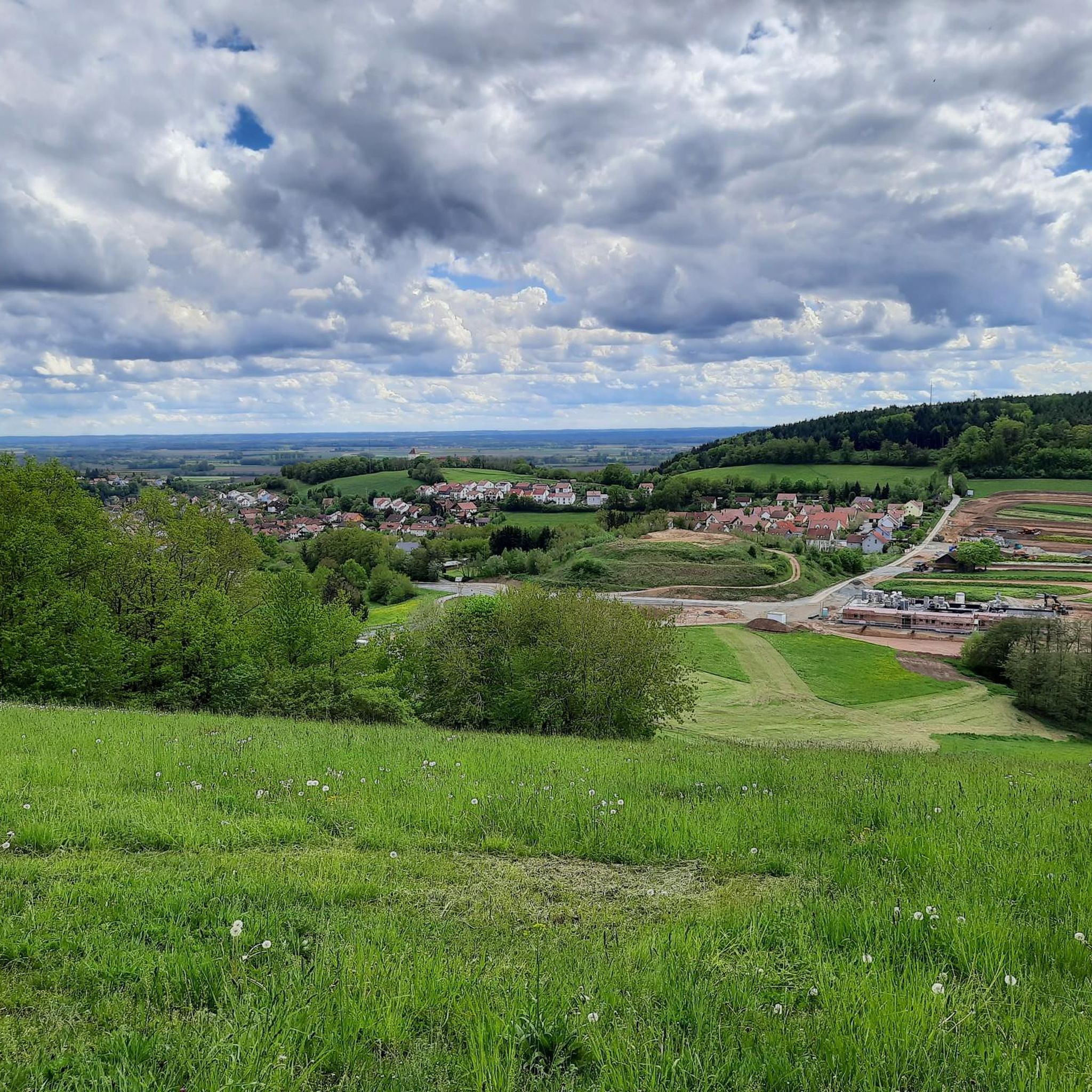
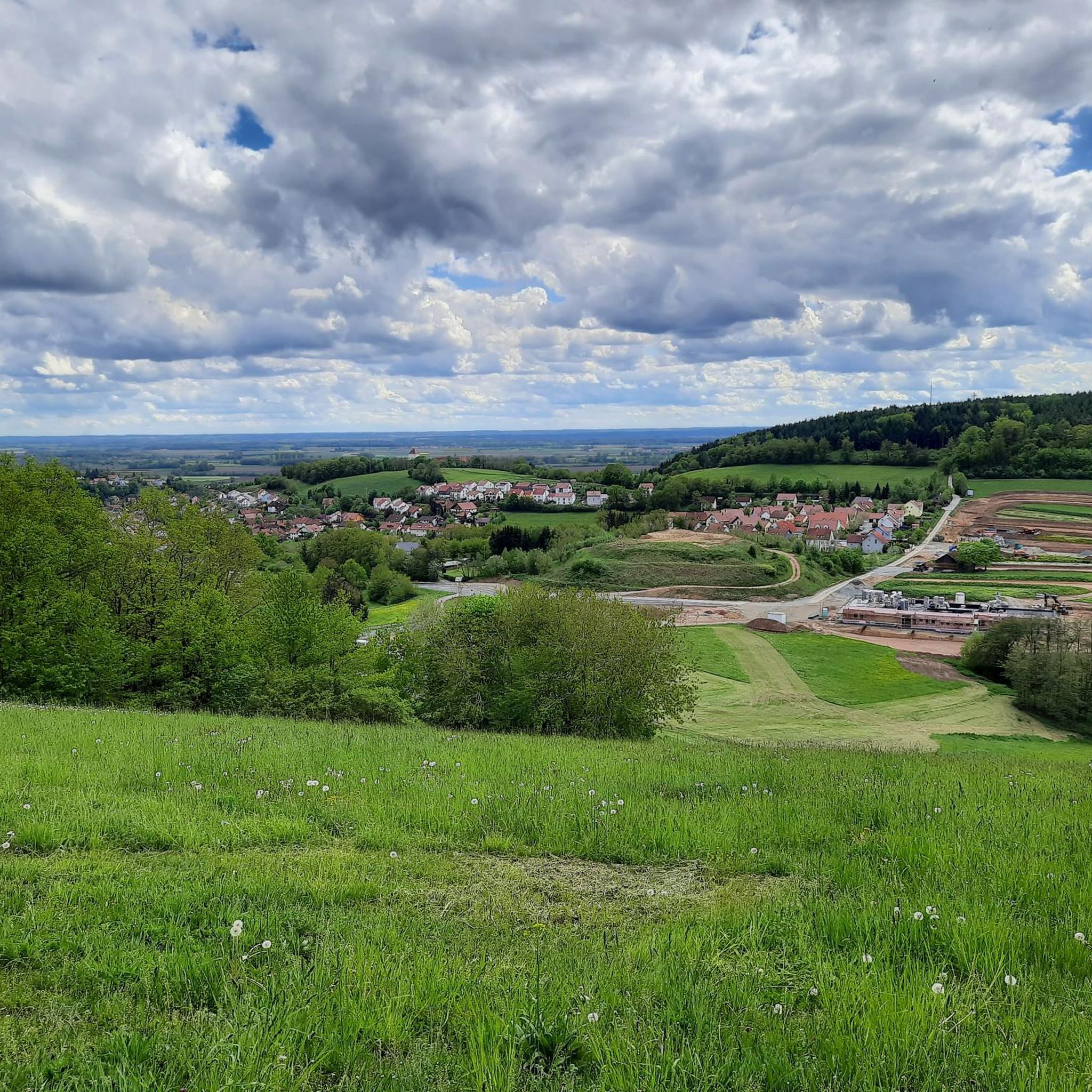
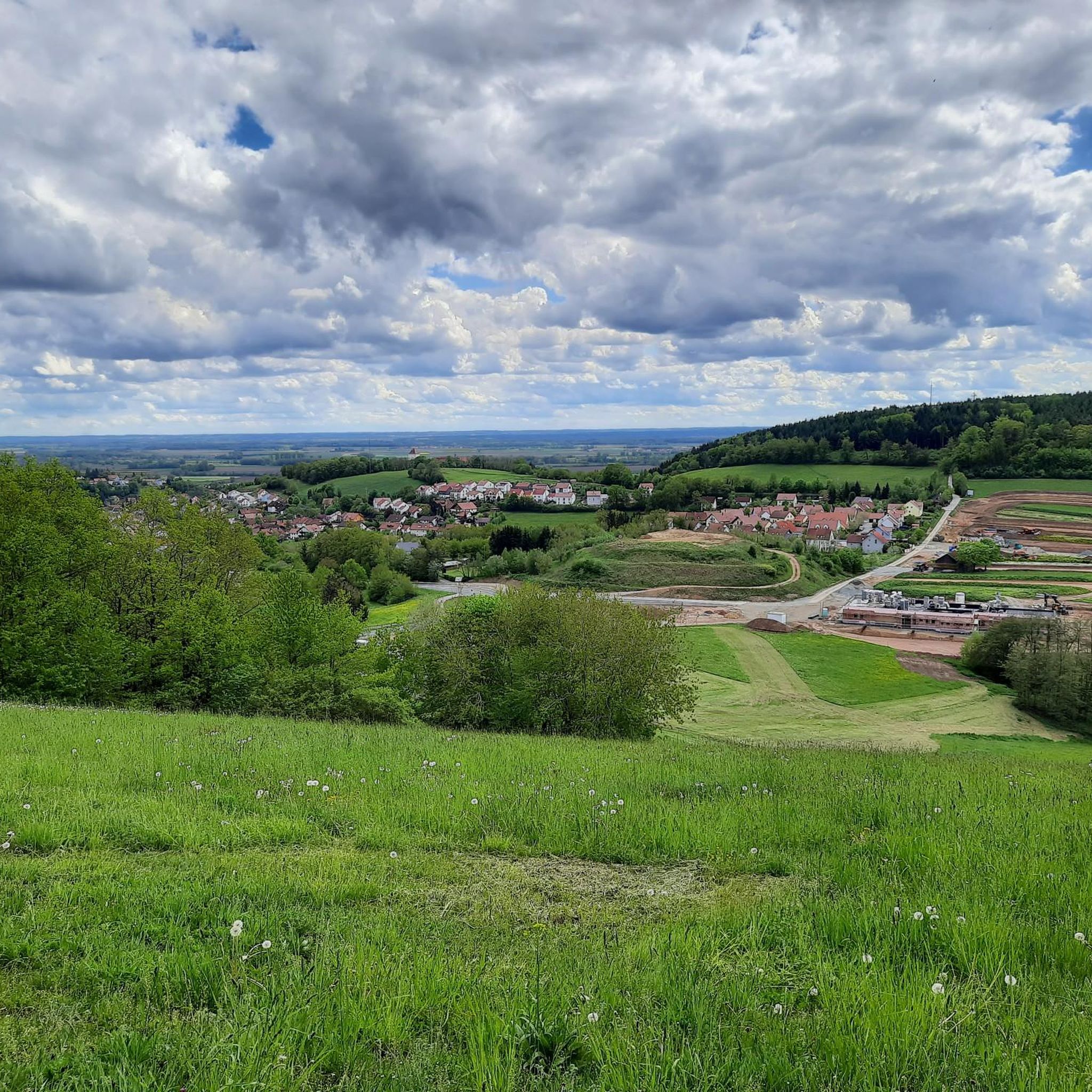
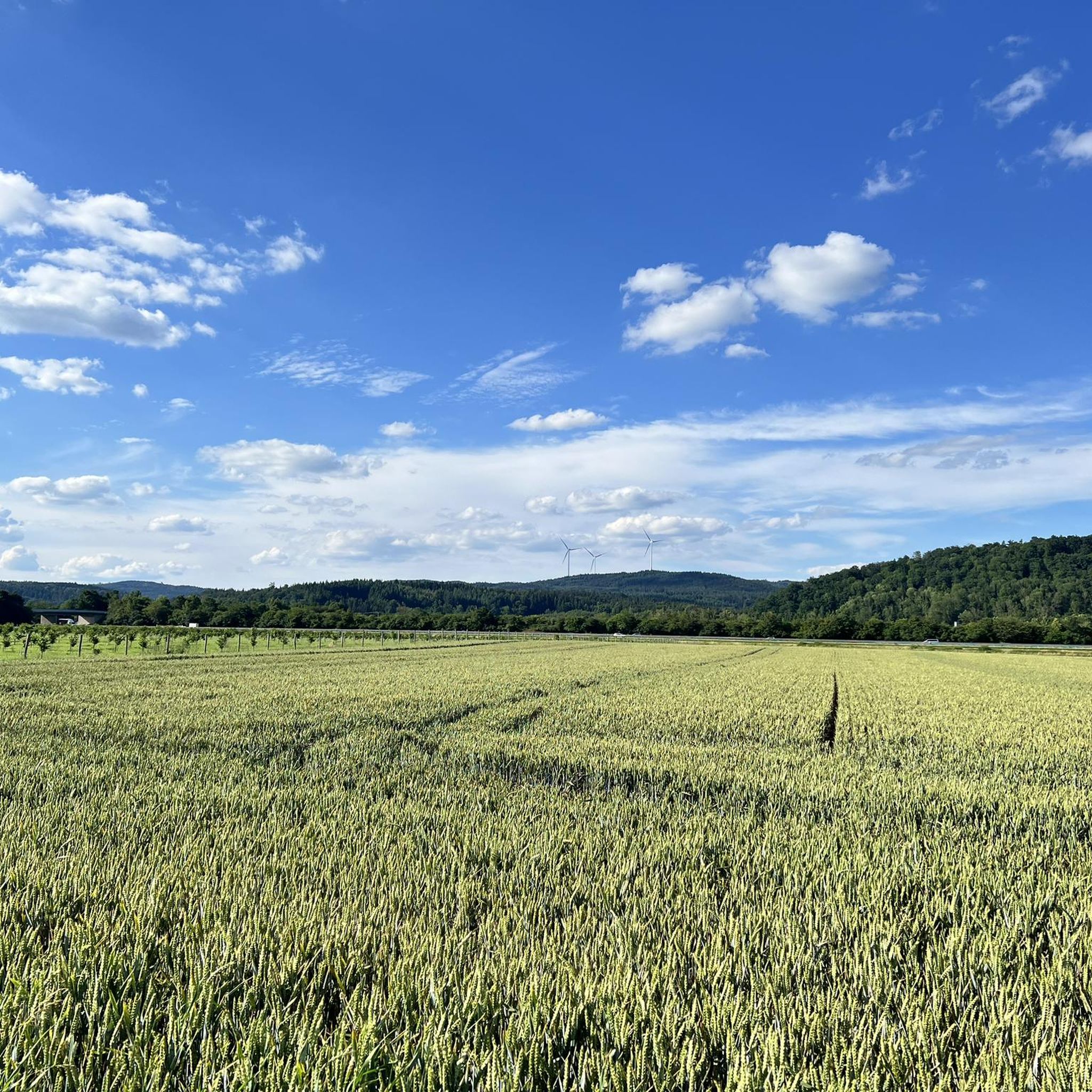
Tips from the Community


Great place, in some places you can still see castle walls.
0
0


Few remains of the ruins, but very beautiful and photogenic.
0
0

Super beautiful, but also very strenuous uphill
0
0

Beautiful place with a summit cross, the climb is not entirely without danger, there is a fall protection secured with a chain. The ruins are very overgrown and can hardly be really seen anymore.
0
1

Heilsberg Castle Ruins In the last third of the 12th century, Ulrich and Wernhardus from Heilsberg appeared in documents for the first time. Since Ulrich's successor Ekbert, they were also vassals of Eggmühl and fiefs of the Bavarian duke. They were thus in the middle of the power struggle between the Wittelsbach dukes and the Regensburg bishops. In a contract, Duke Ludwig of Kelheim had to give up a castle that was already under construction near Heilsberg, which the Heilsbergers were obviously supposed to receive as a fief. Over the course of the 13th century, Ekbert and his son Ulrich repeatedly tried to use their bailiwick rights to alienate property from the bishop. The bishop accused them of forcing their subjects to perform unjust feudal labor in order to illegally expand their castle. In addition, the Heilsbergers had bloody feuds with the Paulsdorfers and with Konrad von Hohenfels. In the first third of the 14th century, the male line of Heilsberg died out, followed by a series of owners, including the powerful Upper Palatinate knightly family of Notthafft. It was not until around 1500 that the Wittelsbachs were finally able to take over the Heilsberg domain, and in 1505 it was assigned to the Palatinate-Neuburg line. The castle was probably already abandoned in the 16th century, and on Apian's map of 1568 it is already marked as a ruin. A local support group has recently been working to save the ruins. The most striking remains of the castle are the keep, which dates from around 1200 and has a side length of 7.5 meters with 2.5 m thick walls. This is evidenced by its masonry, which consists of smooth blocks and humped blocks with 5 to 10 centimetre wide edges; the ring wall fragment with the archway is so deep in the ground that it is almost impossible to date it. Among the later extensions to the castle that are known to have been made, there is also a new gate in 1498. In 1474, a new bridge and a new gate were built. In 1498, the castle was repaired after a fire, and work on the bower, the new parlor and the stables is known to have been carried out. Recently, the keep has been secured and renovated at great expense, and the buried interior of the tower has also been uncovered. The extremely deep, almost circumferential moat separates the castle grounds from the Heilsberg plateau on two sides. Source: Extracts from www.burgenseite.de / www./burgen/detail/burgruine-heilsberg/178
4
0

Somehow a mystical-looking place
0
0
Frequently Asked Questions
What is the main castle in Wörth an der Donau?
The most prominent castle directly in Wörth an der Donau is Wörth an der Donau Castle. It's a striking Renaissance-style palace built on medieval foundations, overlooking the town from a hill. While the main residential areas now function as a senior residence, its courtyards and the beautiful Schlosskirche St. Martin are generally accessible to the public. Guided tours can be arranged for groups in advance.
Are there any castle ruins to explore in the region?
Yes, the area around Wörth an der Donau offers several captivating castle ruins. You can visit Brennberg Castle, a ruin where you can climb a watchtower for panoramic views. Another option is Heilsberg Castle Ruins, an enchanted site with notable remains like its keep, which a local group is actively working to preserve. Also, the Sengersberg Castle Ruins offer a challenging ascent to a summit cross with some remaining walls.
What kind of historical significance do the castles in this region hold?
The castles around Wörth an der Donau are rich in history, reflecting centuries of regional power struggles and architectural evolution. Wörth an der Donau Castle, for instance, served as a summer residence and administrative center for the Bishops of Regensburg and later belonged to the Princes of Thurn und Taxis. Many castles, like Falkenfels Castle, have endured sieges, fires, and rebuilding efforts, showcasing a blend of medieval origins, Renaissance elegance, and Baroque transformations.
Are there family-friendly castles to visit?
Yes, Brennberg Castle is considered family-friendly. It's a castle ruin that can be visited free of charge at any time, and climbing the steps to the watchtower offers a fun activity with rewarding views for all ages.
Can I get good views from the castles in the Wörth an der Donau area?
Absolutely. Many castles in the region offer excellent viewpoints. From Wörth an der Donau Castle, you can enjoy beautiful views overlooking the Danube plains towards the Bavarian Forest. Brennberg Castle's watchtower provides magnificent views of Brennberg and the surrounding area. Even from the ruins of Heilsberg Castle and Sengersberg Castle, you can find scenic vistas.
What outdoor activities can I do near these castles?
The area around Wörth an der Donau is excellent for various outdoor activities. You can find numerous hiking routes, including moderate trails like the 'Inn by the Lake – Forest Stream loop'. For cyclists, there are road cycling routes such as the 'View of Walhalla loop' and MTB trails like the 'Brennberg Castle – Fairy Tale Forest Laumertal loop'. Wörth an der Donau Castle itself is a noteworthy stop along the Donauradweg (Danube Cycle Path).
Are there cafes or restaurants near the castles?
Yes, Falkenfels Castle operates as a hotel and restaurant, offering coffee and cake. While Wörth an der Donau Castle's church is beautiful, there is no catering directly on site. You'll find additional cafes, pubs, and restaurants in the town centers near the castles.
What can I expect when visiting Falkenfels Castle?
Falkenfels Castle is a historic site that now functions as a hotel and restaurant. Its outer areas, including the beautiful baroque castle chapel of St. Joseph, are freely accessible. The castle has a rich history, having been rebuilt multiple times after fires and sieges. You can enjoy the architecture, explore the accessible parts, and even have coffee and cake at the castle's restaurant.
What is the best time of year to visit the castles around Wörth an der Donau?
The best time to visit the castles around Wörth an der Donau is generally during the spring (April-May) and autumn (September-October) months. During these seasons, the weather is pleasant for exploring, hiking, and cycling, and the natural scenery is particularly beautiful. Summer (June-August) is also popular, though it can be warmer. Winter visits are possible, but some outdoor areas or access might be limited due to weather conditions.
Are the castles around Wörth an der Donau accessible by public transport?
While specific public transport routes directly to each castle are not detailed, Wörth an der Donau itself is generally accessible. For detailed public transport information to individual castles, it's advisable to check local transport schedules or the official websites of the specific castles you plan to visit, as access can vary.
Are there any hidden gem castles or lesser-known sites worth visiting?
Beyond the more prominent sites, the region is dotted with historical remnants. While not a 'hidden gem' in the sense of being unknown, the Sengersberg Castle Ruins offer a more challenging and secluded experience, with only a few walls remaining and a summit cross accessible via chains, providing a unique adventure for those seeking a less-traveled path.
Most popular routes around Wörth an der Donau
Most popular attractions around Wörth an der Donau

Get inspired with the komoot mobile app


Explore more
Looking for the best castles somewhere else? Discover other guides around Wörth an der Donau:
