Top 7 Castles around Sankt Andreasberg
Castles around Sankt Andreasberg are located in the Harz Mountains, a region recognized for its rich mining history and natural landscapes. Sankt Andreasberg itself is historically significant for silver and lead extraction, with sites like the Grube Samson. While the town is not primarily known for prominent castles, the surrounding area features several historical castle ruins. This guide highlights these historical sites for exploration.
Best castles around Sankt Andreasberg
- The most popular castles is Scharzfels Castle Ruins (HWN 151),…
Last updated: May 9, 2026
Scharzfels Castle Ruins (HWN 151)
Highlight • Castle
Translated by Google •
Tip by

Loop around the Scharzfels Ruins
Highlight • Trail
Translated by Google •
Tip by

Sign up now to discover places like this
Get recommendations on the best single tracks, peaks, & plenty of other exciting outdoor places.
Sign up for free
Frauenstein Rock and Medieval Cellar Vaults
Highlight • Historical Site
Translated by Google •
Tip by

Staufenburg ruins
Highlight • Castle
Translated by Google •
Tip by

Information board: The New Palace on the Königsberg
Highlight • Historical Site
Translated by Google •
Tip by

Sign up for free to discover even more castles around Sankt Andreasberg.
Sign up for free
Already have an account?
Start today with a free account
Your next adventure awaits.
Login or Signup
Popular around Sankt Andreasberg
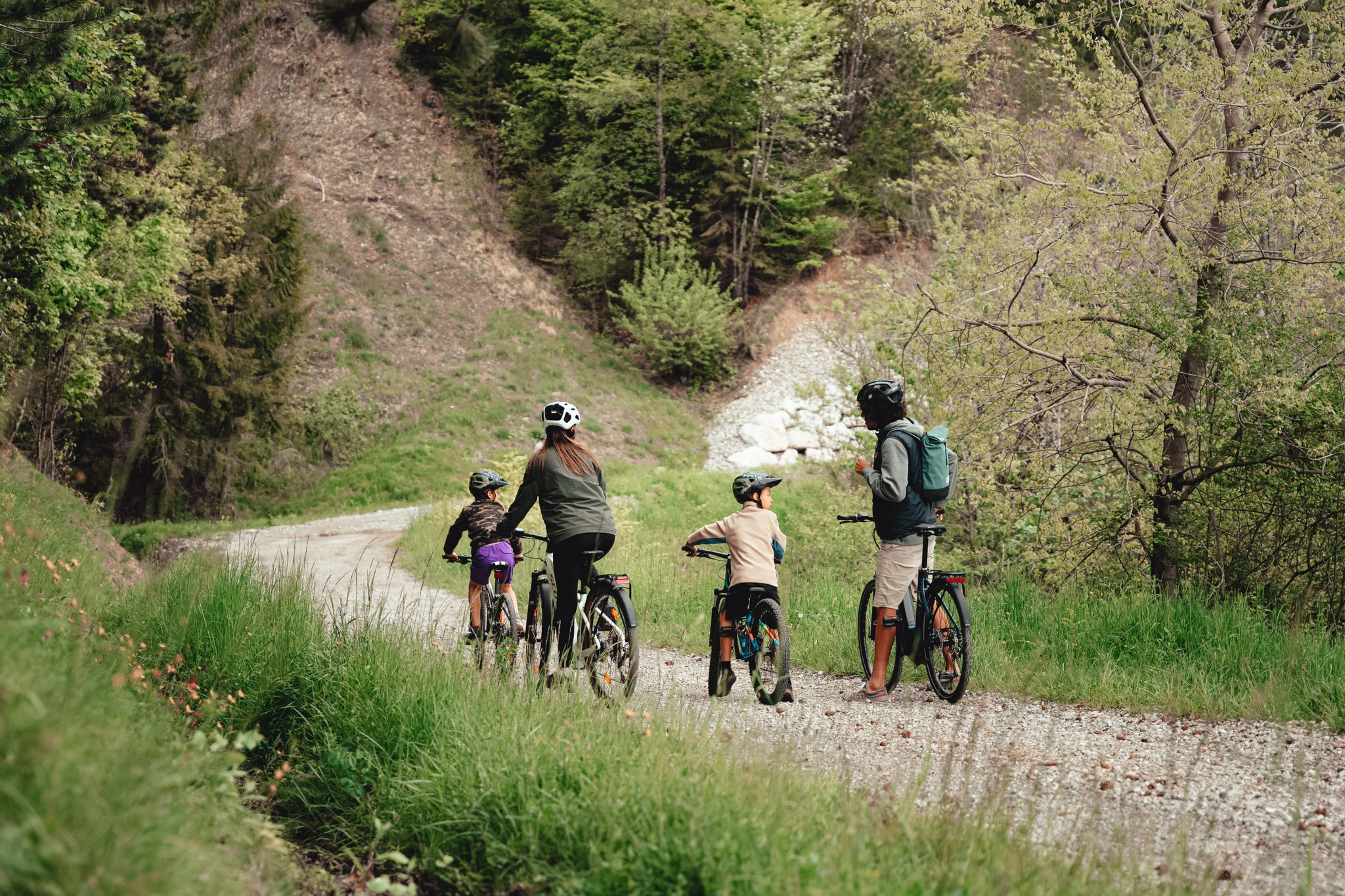
Family-friendly Mountainbiketouren in Nationalpark Harz
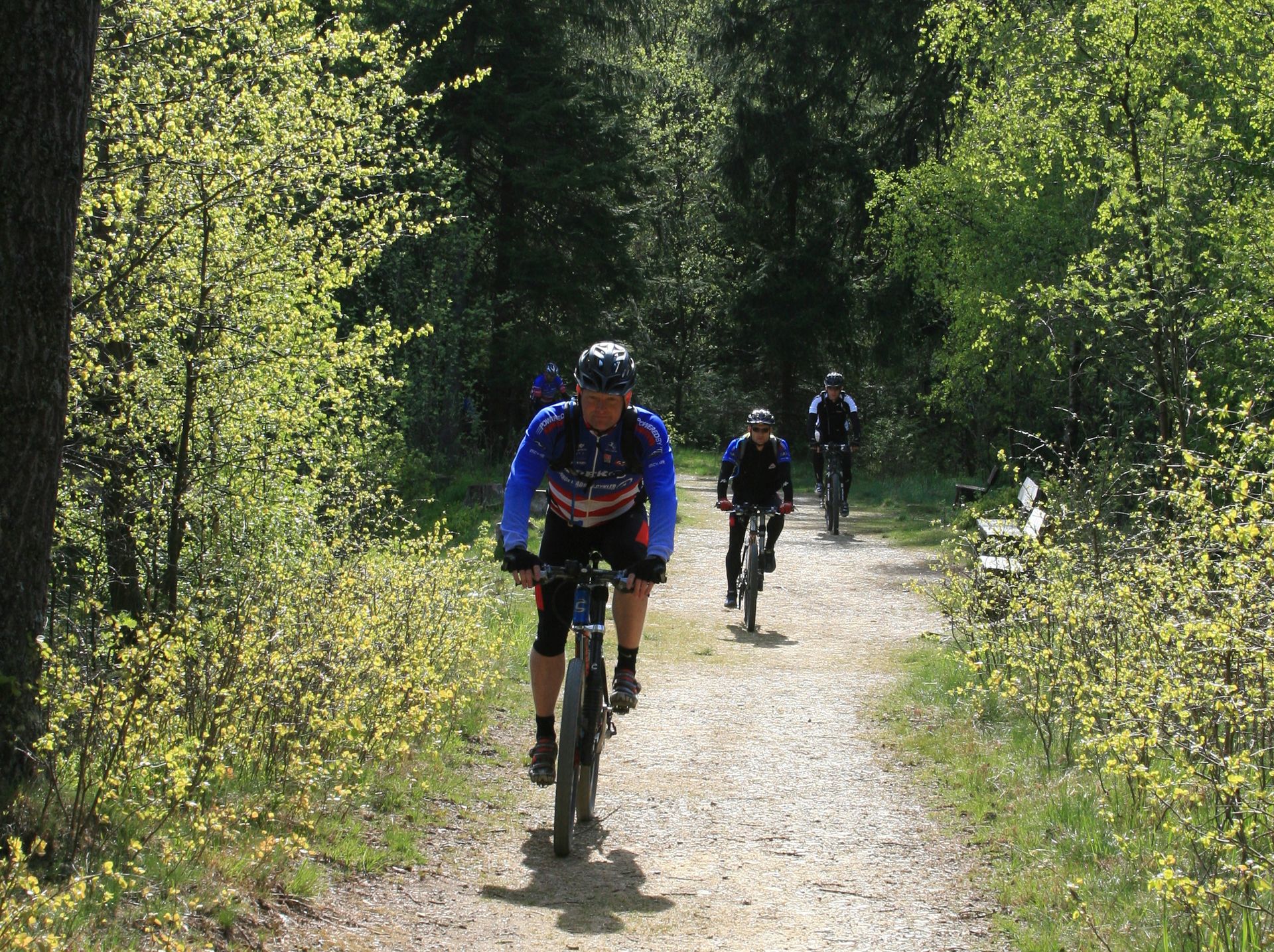
Mountainbike Routes in Nationalpark Harz
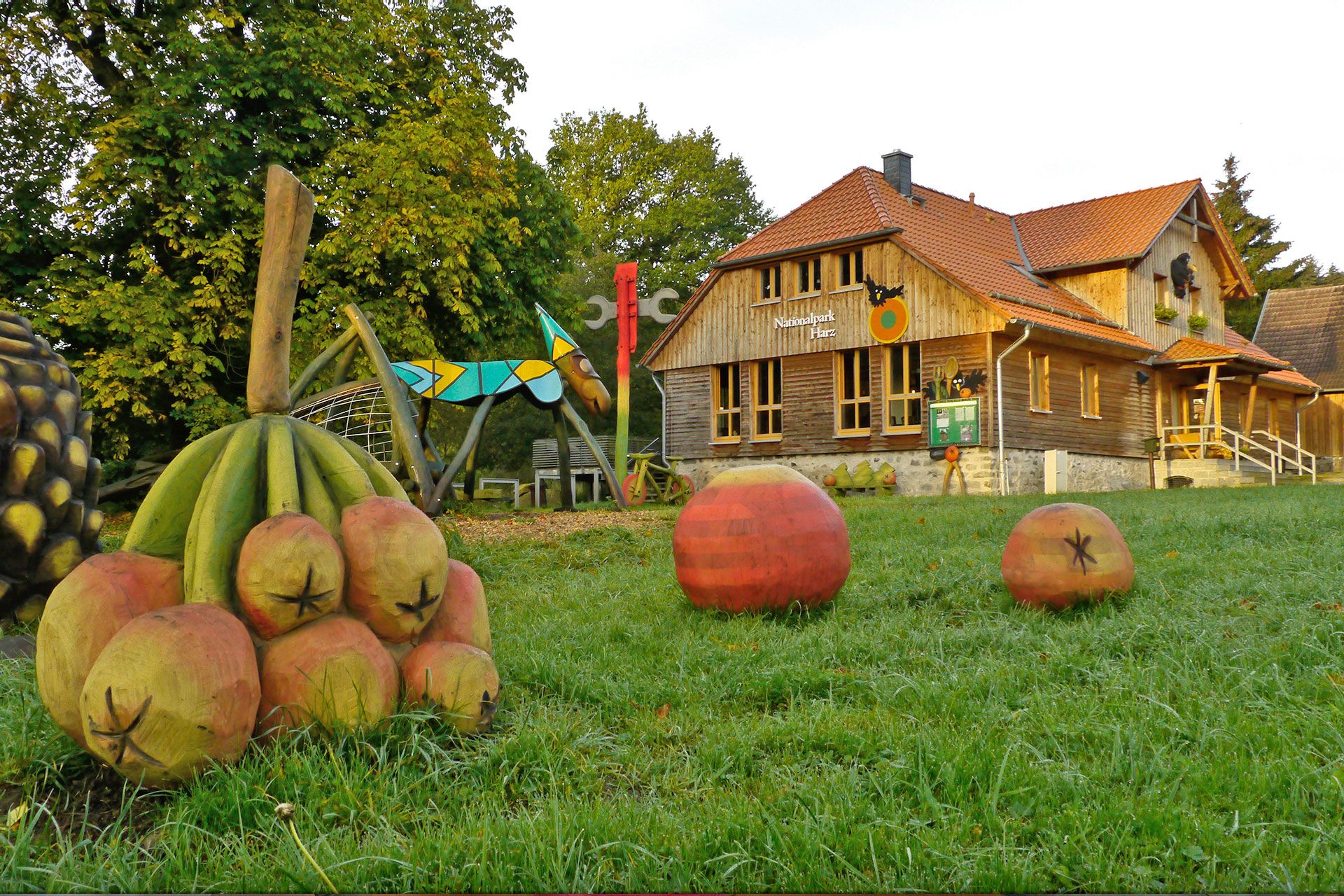
National park facilities in Harz National Park
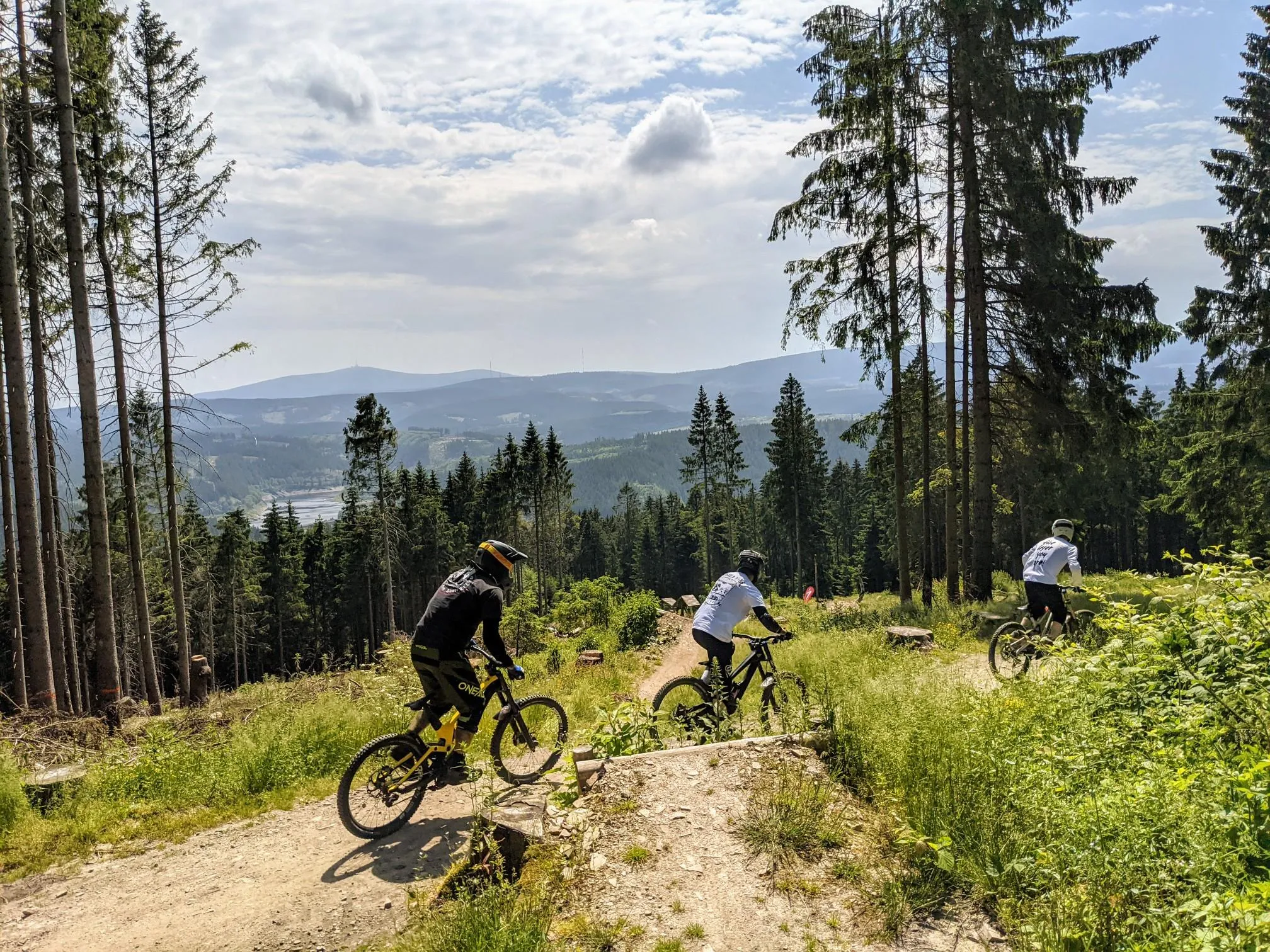
Finest trails, pure nature — the best of the Harz Mountains
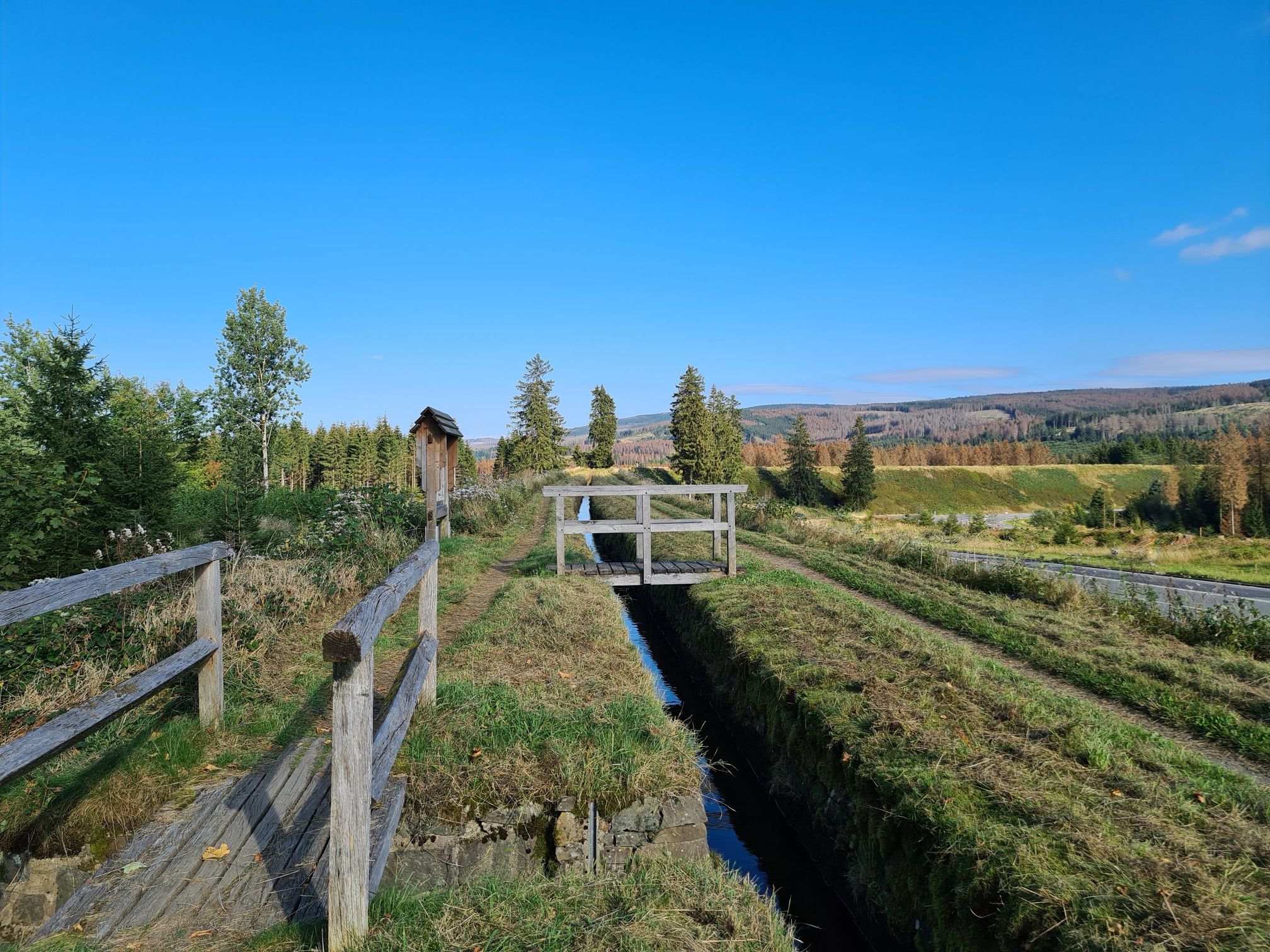
Explore Germany’s mining history — explore the Harz Mountains

Bike parks in the heart of Germany
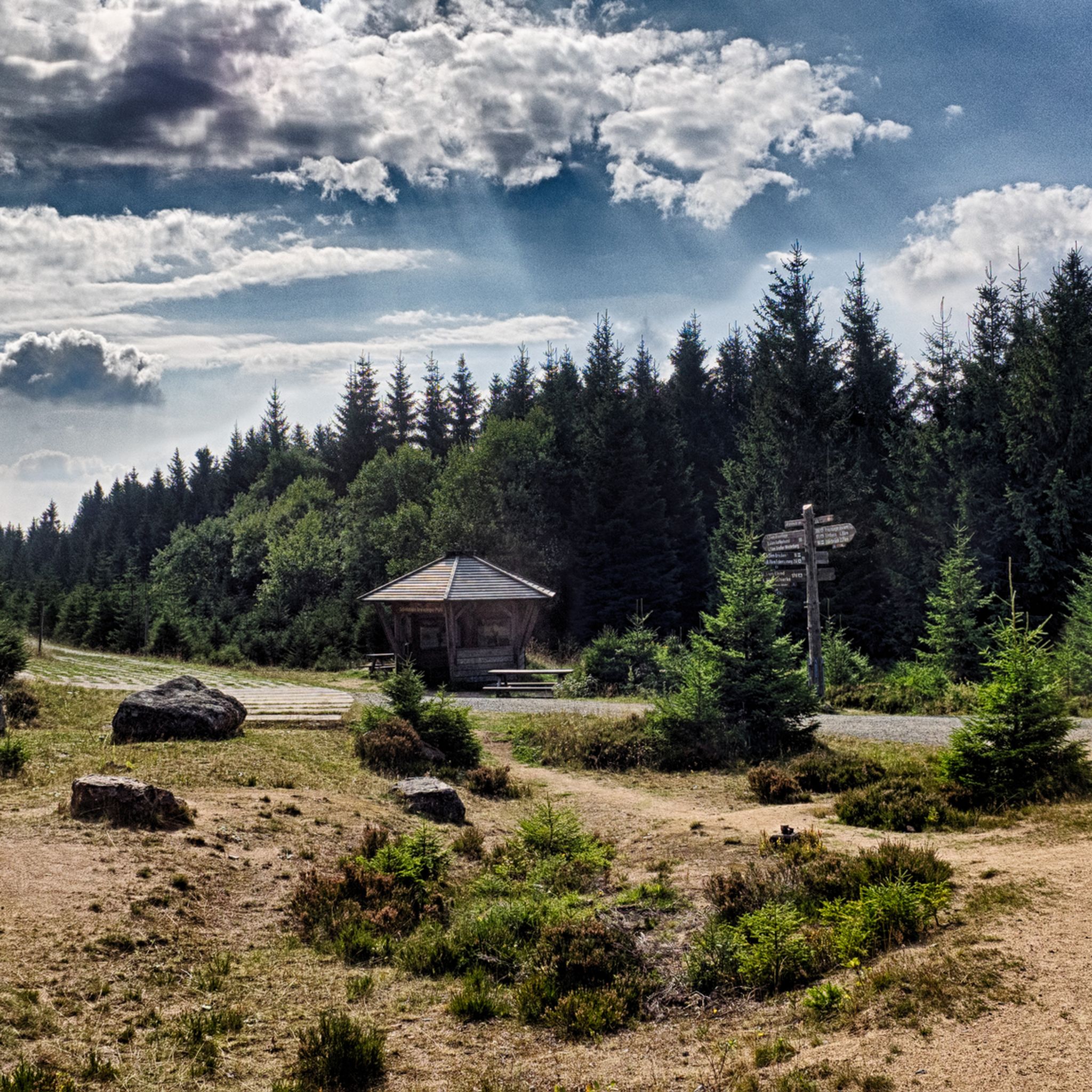
Hiking around Sankt Andreasberg
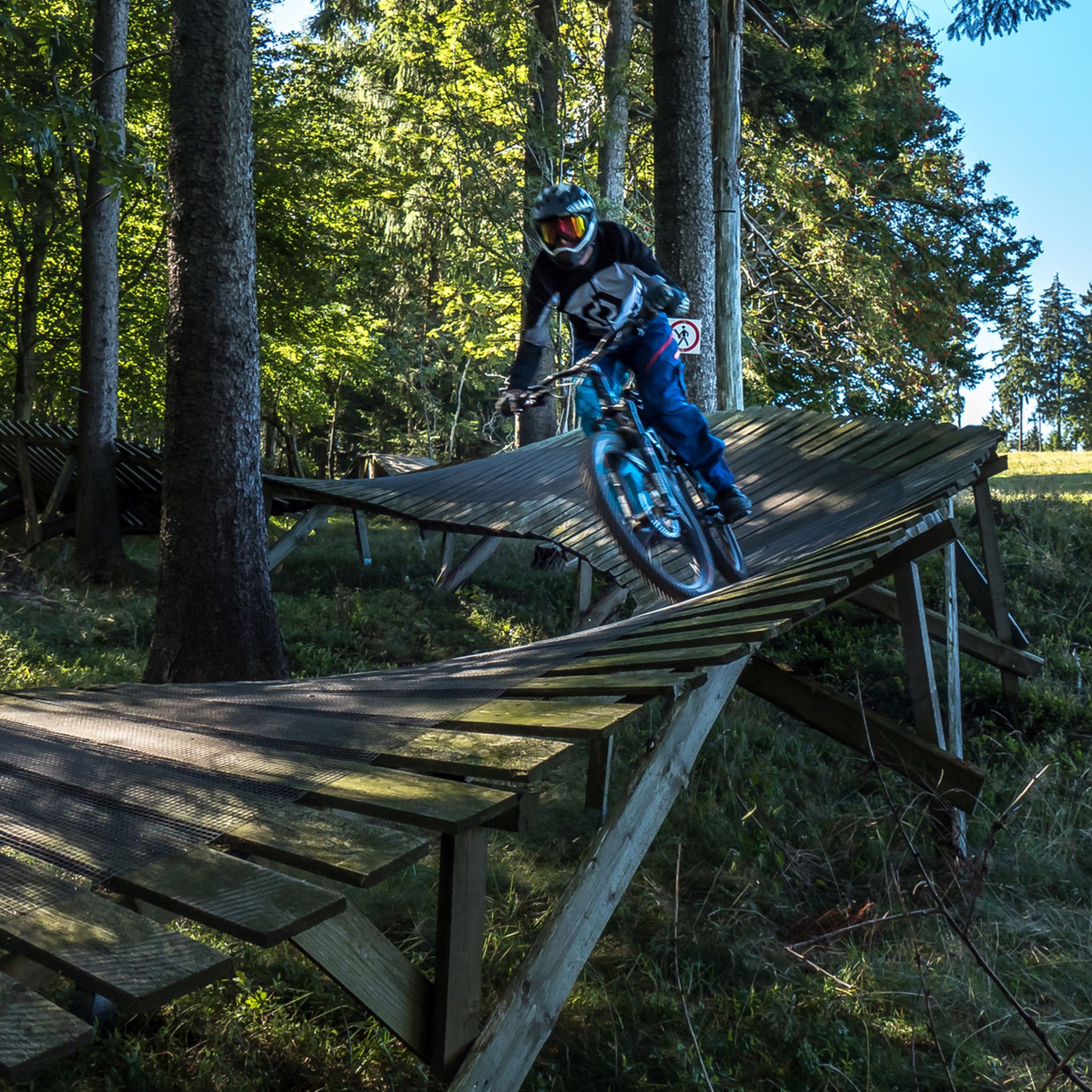
MTB Trails around Sankt Andreasberg
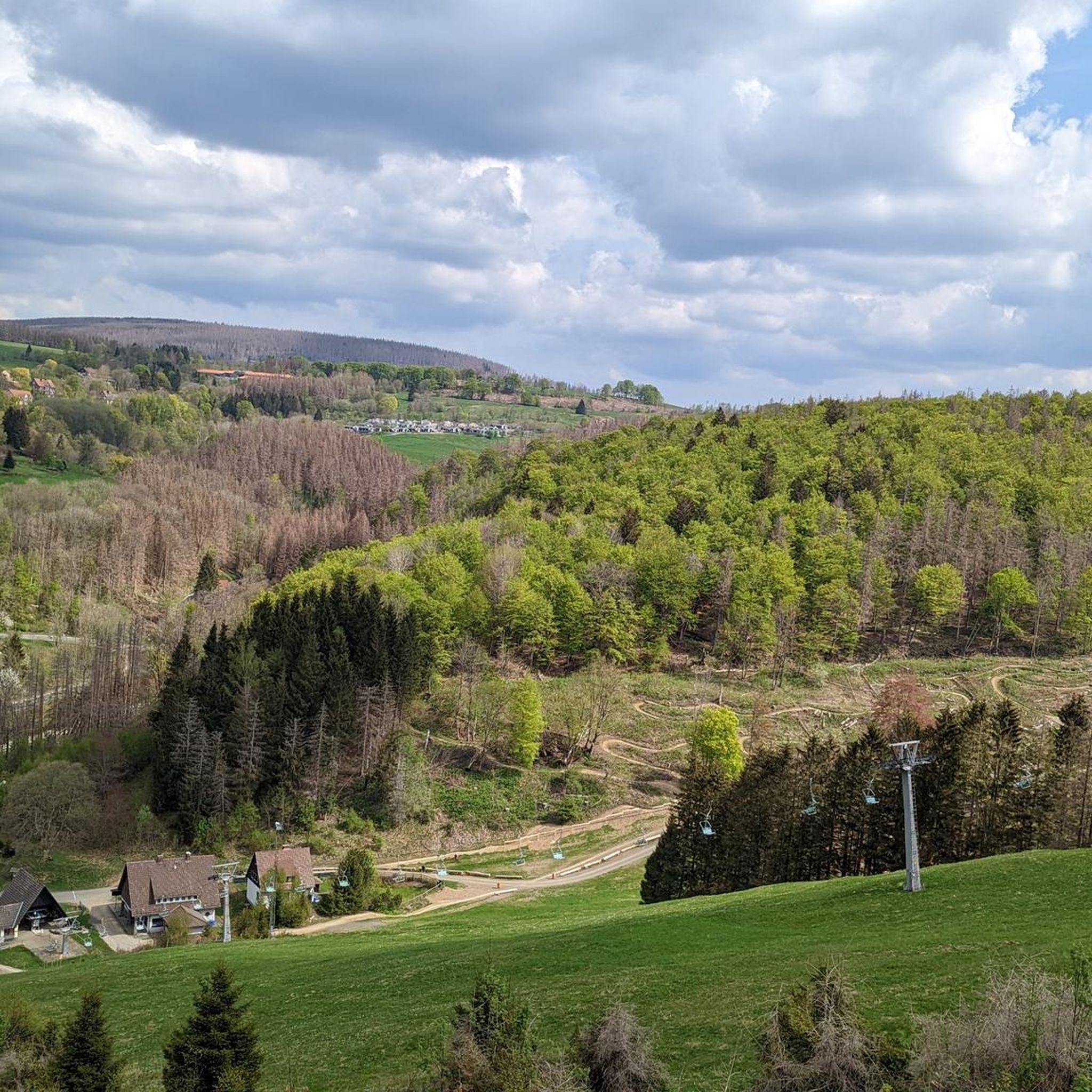
Road Cycling Routes around Sankt Andreasberg
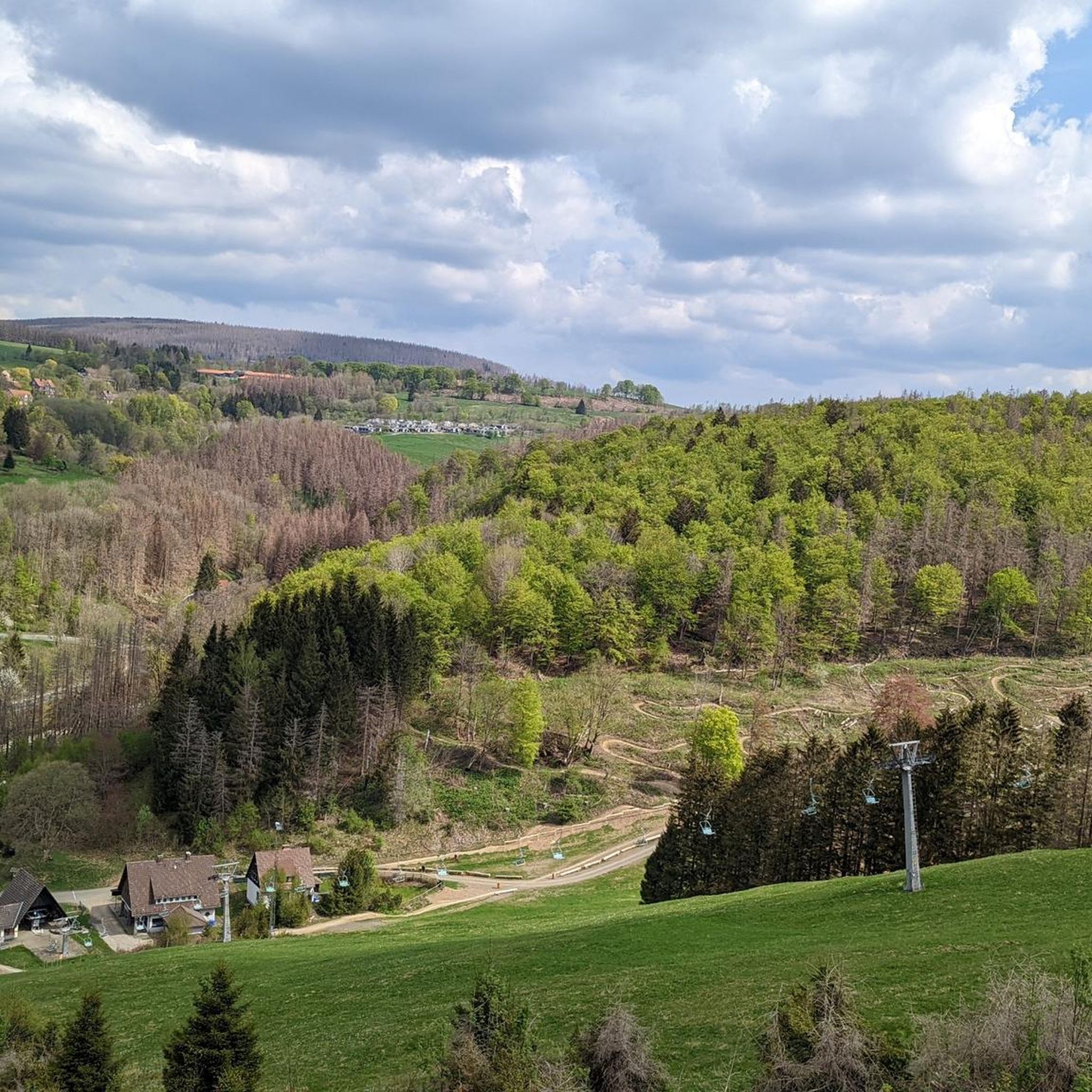
Cycling around Sankt Andreasberg
Other adventures around Sankt Andreasberg


Tips from the Community

Many visitors have probably walked past this information panel without noticing it. However, it's worth taking a closer look, as it presents interesting historical information about this place.
0
0

A very beautiful and adventurous path to the secluded spot of the castle. Unfortunately, there are neither views nor information about the former site to enjoy. I either couldn't find the information board for the latter, or it has been removed. The former is not visible due to the very dense forest growth. Nevertheless, it's a worthwhile spot.
0
0

There isn't much left to see - but it's still a nice place to take a break.
0
0

The Frauenstein is right on the path. An impressive dolomite rock that was part of the castle complex.
2
0

The Staufenburg, located in the town of Zorge, was built as early as 1243. Count Dietrich von Hohnstein is considered to have built this castle on the Kleiner Staufenberg, and he probably built it as a means of exerting power against his opponents, the Counts of Clettenberg. The castle was initially founded illegally on the land of the Walkenried monastery. But in 1243 the Hohnsteiners were able to legalize the construction - in return for compensation payments. Ten years later the Hohnsteiner counts had won the feud with the Clettenbergers and taken possession of their castle. The Staufenburg had thus lost its strategic importance. The Hohnsteiners therefore had no further use for it and Count Heinrich von Hohnstein began negotiations again with the Walkenried monastery - for the purpose of buying back the Kleiner Staufenberg. The monks were interested and bought back the castle hill and castle in 1253 for 200 silver marks. The monastery was also allowed to demolish the castle. The Staufenburg, which was located on the eastern bank of the Zorge, about 0.5 km south of the southern end of the town, was not a particularly large complex. The inner castle had the dimensions of about 25 x 50 m with an elongated oval/polygonal shape. The inner castle, of whose buildings no structural remains remain, was probably surrounded by a simple ring wall, of which there are still remains on the southeast side. The ascent to the Staufenberg, which is now a nature reserve, can be made from Zorge. There is a kindergarten on the left-hand side of Staufenberg Street. About 30 m north of this, a narrow path branches off to the right at an acute angle uphill. This path later takes a zigzag course to the mountain saddle, from where it goes slightly uphill to the right. Source: https://www.burgen.ausflugsziele-harz.de/ausflugsziele-sehenswertes/burg-schloss/staufenburg-zorge.htm
1
0

Apart from the trenches, there is not much left to see of the former fortifications.
11
0

This circular route is definitely worth taking. You should wear sturdy shoes and be sure-footed. 🔝
3
0

Beautiful cliff, and there is information about the former castle on a board.
2
0
Frequently Asked Questions
What kind of historical sites and castle ruins can I explore near Sankt Andreasberg?
While Sankt Andreasberg is primarily known for its mining history and the UNESCO World Heritage Upper Harz Water Management System, the surrounding area features several interesting castle ruins. These sites offer insights into the region's past, often with remnants of fortifications and historical structures rather than fully preserved castles. You can explore places like Scharzfels Castle Ruins (HWN 151), Frauenstein Rock and Medieval Cellar Vaults, and Staufenburg ruins.
Are there any family-friendly castle ruins to visit around Sankt Andreasberg?
Yes, Scharzfels Castle Ruins (HWN 151) is categorized as family-friendly. It offers an engaging experience with its unique design, having grown together with the rock, and features passages that can be fun for families to explore. Informative panels also help bring the history to life.
Which castle ruins offer the best views of the Harz foothills?
Scharzfels Castle Ruins (HWN 151) provides rewarding views of the southern Harz foothills and even the Thuringian mountains on clear days. The site's elevated position makes it an excellent spot for panoramic vistas.
Can I bring my dog to the castle ruins near Sankt Andreasberg?
Yes, Scharzfels Castle Ruins (HWN 151) is listed as dog-friendly, making it a great option for exploring with your canine companion. Always ensure your dog is on a leash and you clean up after them.
What is unique about the Scharzfels Castle Ruins?
Scharzfels Castle Ruins (HWN 151) is notable for its rare design, as the castle literally grew together with the rock formation. It was considered impregnable until its destruction in 1761 during the Seven Years' War. Visitors can explore passages within the rocks and learn about its history from informative panels.
What can I expect to see at Frauenstein Rock and Medieval Cellar Vaults?
At Frauenstein Rock and Medieval Cellar Vaults, you'll find the remnants of former fortifications. While not much of the ruin itself remains visible apart from trenches, the site offers a special atmosphere where you can imagine the layout of a small castle. It's a place to appreciate the historical footprint rather than extensive structures.
What historical information is available at Staufenburg ruins?
At Staufenburg ruins, you can still see the former curtain wall and two ring walls. An information board on site provides interesting historical facts about this 13th-century structure, which was reportedly 'razed' after only about ten years of existence.
Are there any cafes or restaurants near the castle ruins?
Yes, Scharzfels Castle Ruins (HWN 151) has gastronomy available on site, offering a convenient option for refreshments while enjoying the views.
What outdoor activities can I combine with a visit to the castle ruins?
The region around Sankt Andreasberg offers various outdoor activities. You can find numerous MTB Trails, Running Trails, and Cycling routes. Many of these routes pass through historical landscapes or offer access to viewpoints near the castle ruins, allowing you to combine historical exploration with active outdoor pursuits.
What is the best time of year to visit the castle ruins around Sankt Andreasberg?
The castle ruins can be visited year-round. Spring brings blooming flowers, while summer offers pleasant weather for exploration. Autumn provides beautiful foliage, and winter can offer a unique, serene experience, though some paths might be challenging with snow. Always check local conditions before your visit, especially in winter.
Are there any circular walks that include the castle ruins?
While specific circular walks directly linking multiple ruins aren't detailed, the nature of these sites often allows for integration into longer hikes. For instance, Frauenstein Rock and Medieval Cellar Vaults is described as part of a small, beautiful circular route. You can also find various running and MTB trails in the area that could be adapted to include visits to these historical sites.
What other historical attractions are there in Sankt Andreasberg besides castle ruins?
Sankt Andreasberg itself is rich in mining history. A significant attraction is the Grube Samson, a historical mine that offers impressive insights into silver and lead extraction. This site is part of the UNESCO World Heritage Upper Harz Water Management System, which includes an intricate network of ditches, ponds, and tunnels.
Most popular routes around Sankt Andreasberg
Most popular attractions around Sankt Andreasberg

Get inspired with the komoot mobile app


Explore more
Looking for the best castles somewhere else? Discover other guides around Sankt Andreasberg:
