Top 20 Natural Monuments around Ronneburg
Best natural monuments around Ronneburg include ancient trees and unique geological formations within the Main-Kinzig district of Hesse, Germany. The region features a diverse landscape, offering insights into both natural history and cultural heritage. Visitors can explore sites like the historic Wartbaum, a linden tree with centuries of documented history. The area provides opportunities to experience natural beauty combined with historical significance.
Best natural monuments around Ronneburg
- The most popular natural monuments is Wartbaum and Wooden Soldier Sculptures on the…
Last updated: May 13, 2026
Wartbaum and Wooden Soldier Sculptures on the Hohe Straße
Highlight • Natural Monument
Translated by Google •
Tip by

Celtic World at the Glauberg
Highlight • Historical Site
Translated by Google •
Tip by

Sign up now to discover places like this
Get recommendations on the best single tracks, peaks, & plenty of other exciting outdoor places.
Sign up for free
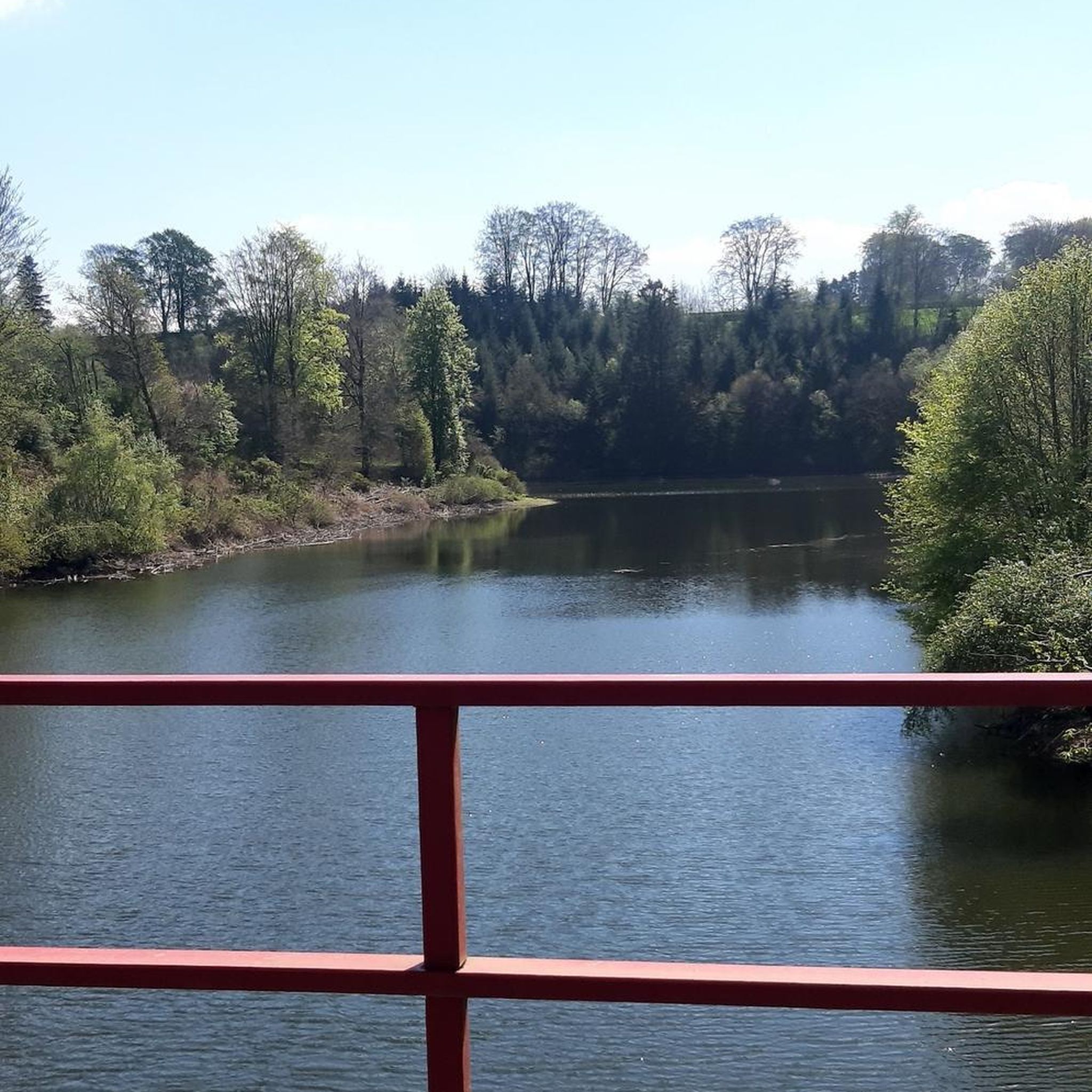
Barbarossa Spring
Highlight • Natural Monument
Translated by Google •
Tip by

Drusus Oak
Highlight • Natural Monument
According to the plaque it is only 400 years old. Looks pretty battered.
Translated by Google •
Tip by

Hanau-Wolfgang Forestry Office and Giant Sequoia
Highlight • Historical Site
Translated by Google •
Tip by

Sign up for free to discover even more natural monuments around Ronneburg.
Sign up for free
Already have an account?
Start today with a free account
Your next adventure awaits.
Login or Signup
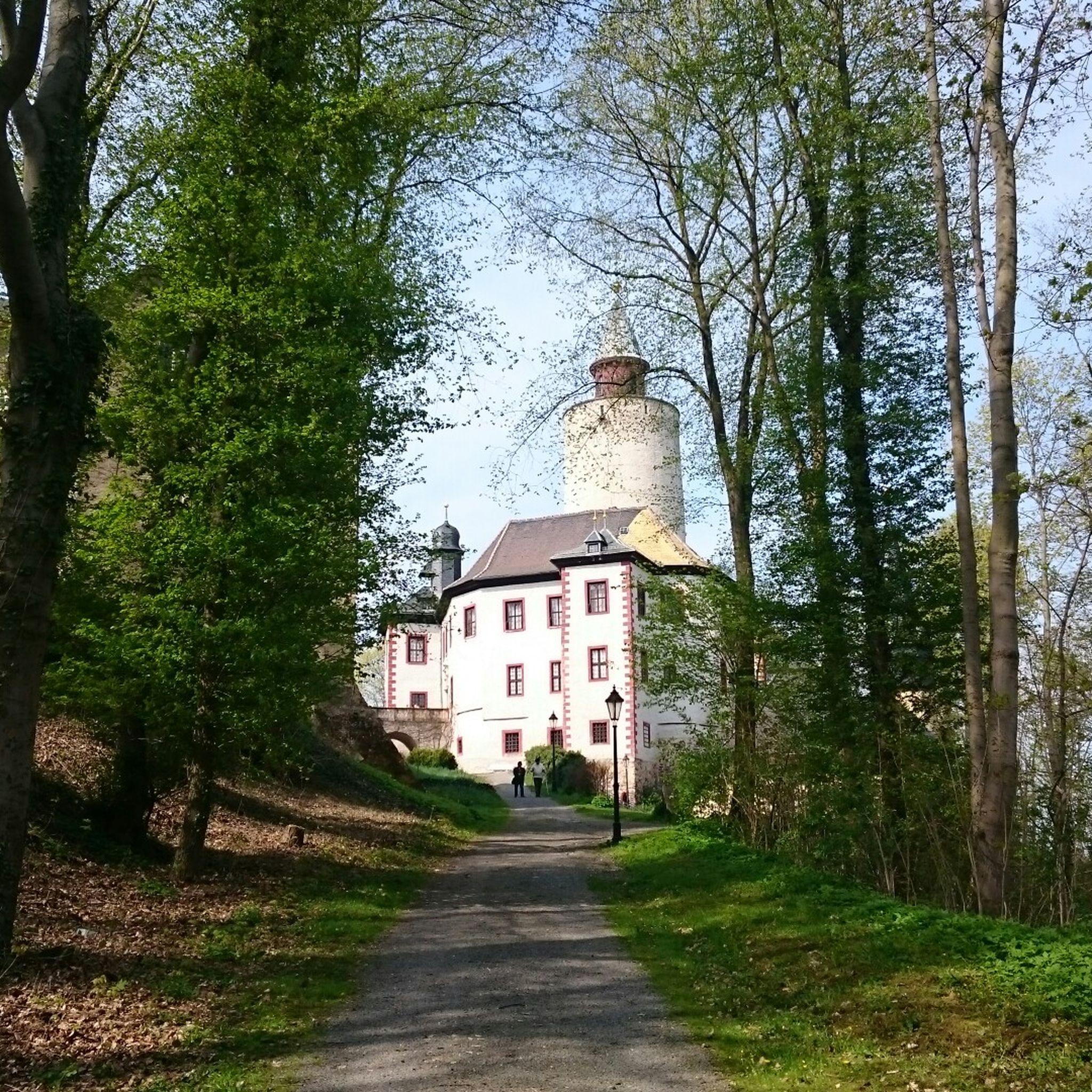
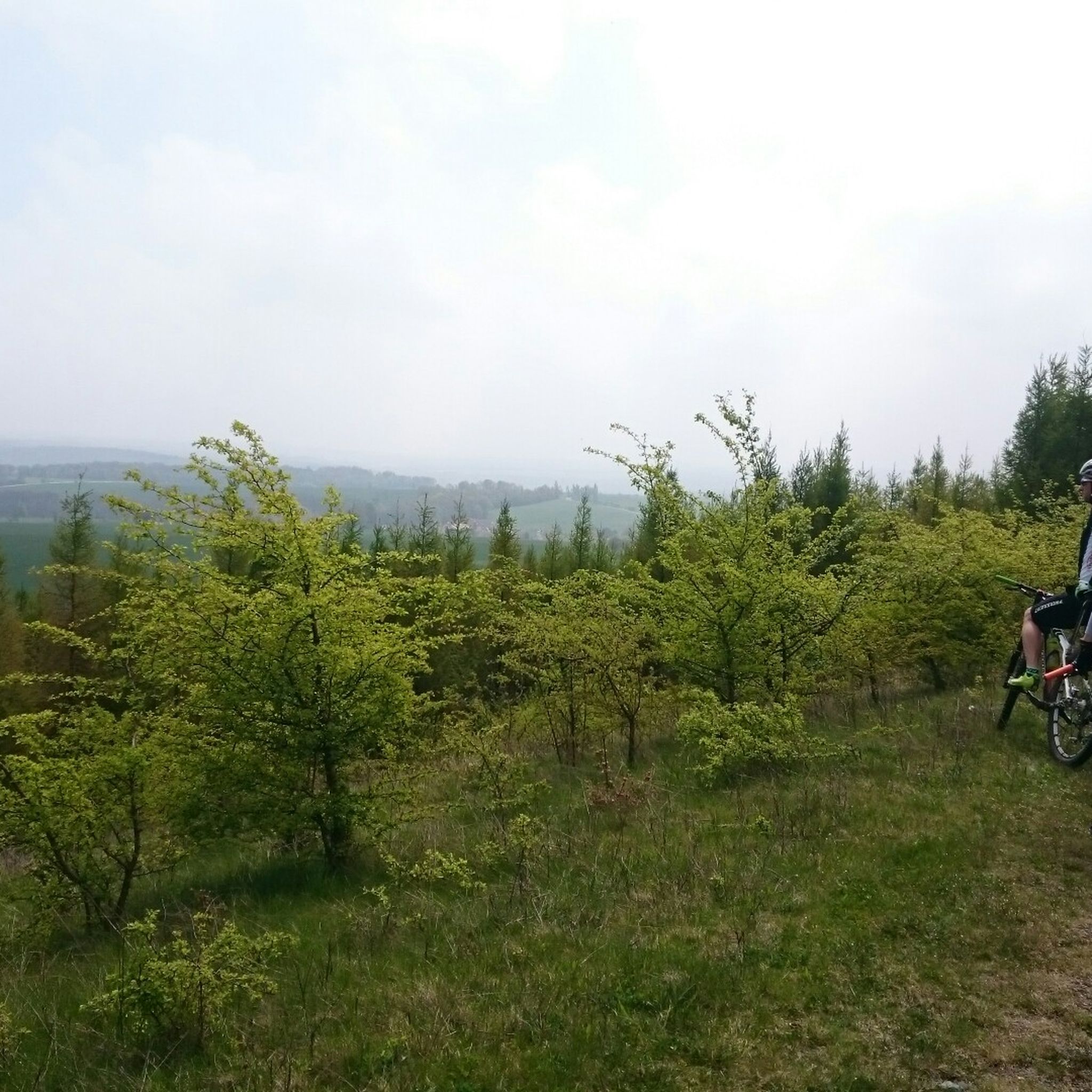
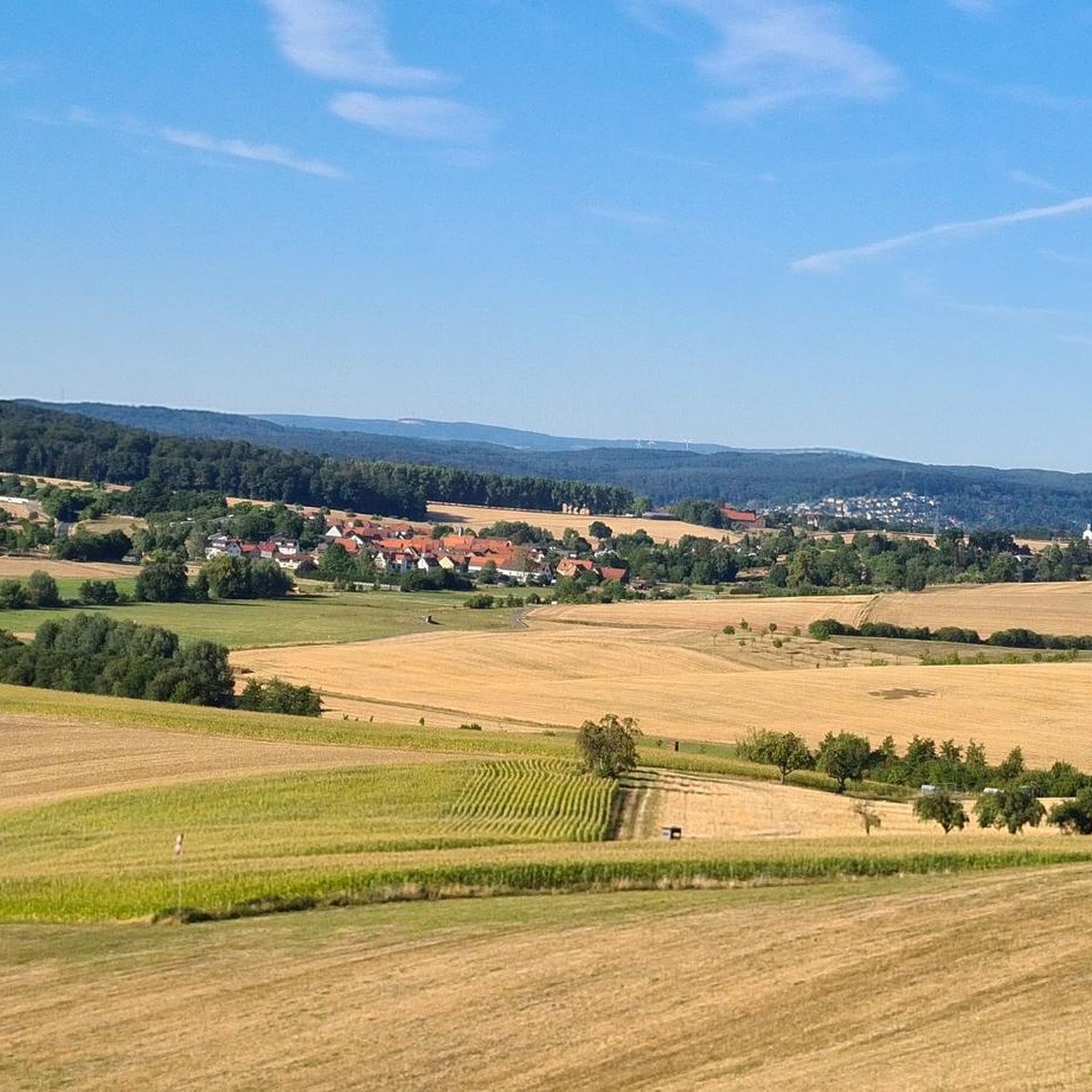
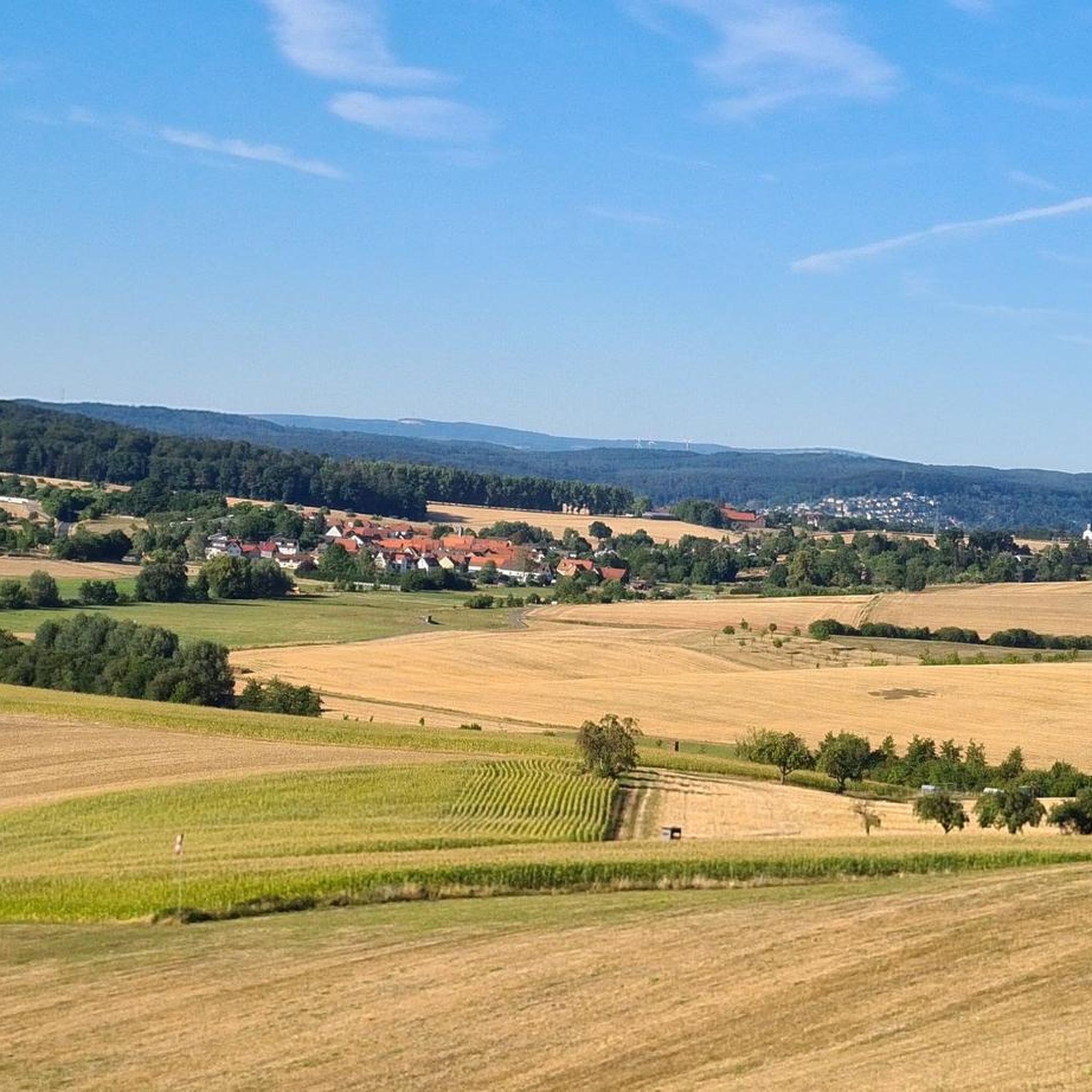
Tips from the Community

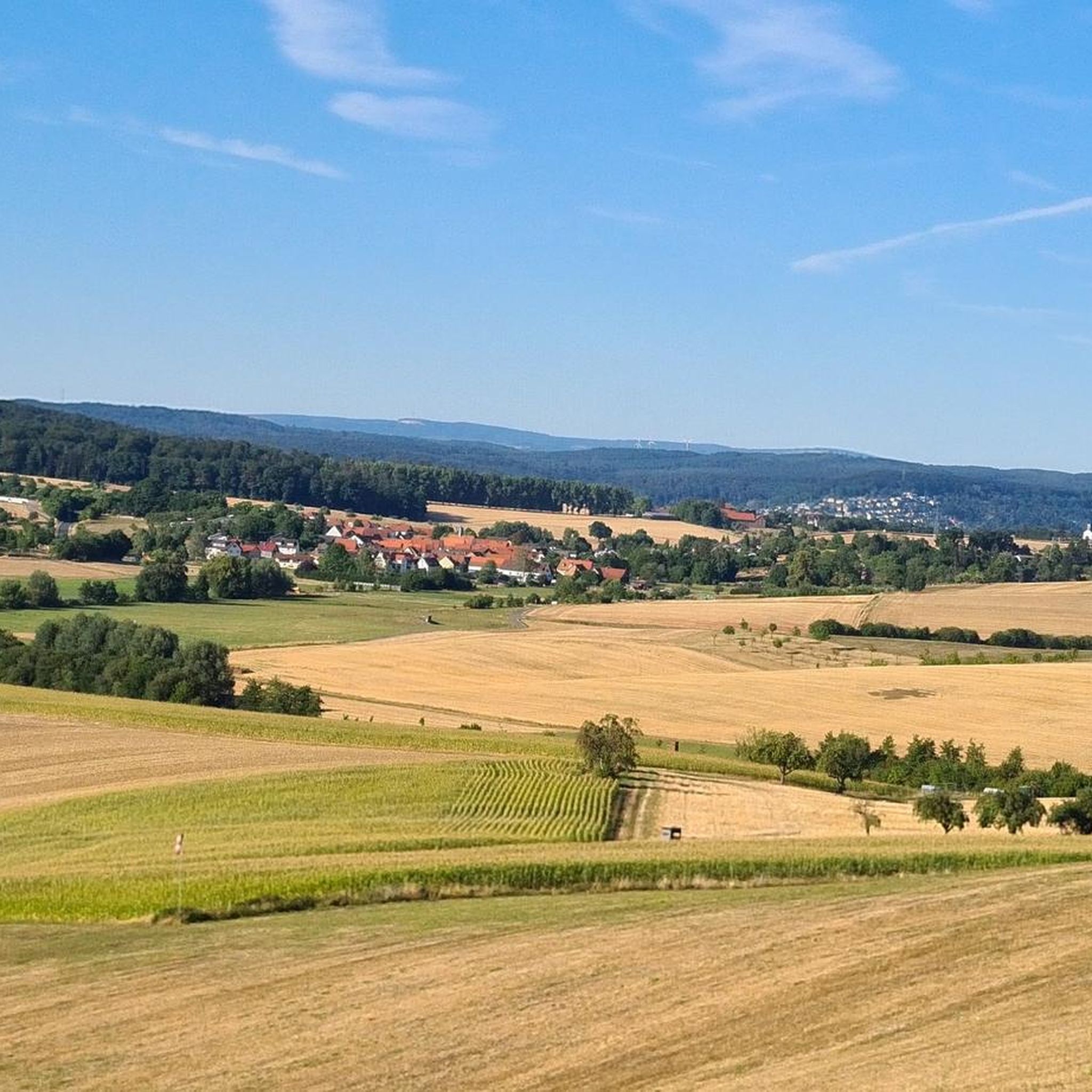
Beautiful buildings from the old days in public ownership combined with contemporary farm buildings
14
0

Here the “location” was carried out incorrectly. The “soldiers” are installed on the waiting tree near Windecken.
8
0
In memory of the fact that a long time ago (1897) an “imperial maneuver” took place here, the “guard soldiers” were set up. In the summer, various events are also held at the “Wartbaum”:
9
0
The Wartbaum is one of 18 stations on the Hohe Straße regional park route.
7
0

Mighty Tree. According to the plaque it is only 400 years old. Looks pretty battered.
34
0

The sequoia is an imposing witness of prehistoric times and belongs to the conifers of the cypress family.
10
0

According to the sign of Hanau's highest tree (37m in 2016)
8
0

Frequently Asked Questions
What are some unique natural monuments around Ronneburg?
The region around Ronneburg features several unique natural monuments. One notable example is the Wartbaum and Wooden Soldier Sculptures on the Hohe Straße, an ancient linden tree planted around 1600, surrounded by artistic wooden sculptures depicting historical events. Another is the Barbarossa Spring, a small spring nestled in a basin on the edge of a forest lake within the Bulau forest area. You can also find the Drusus Oak, a mighty tree estimated to be 300 to 400 years old.
What historical significance do the natural monuments in Ronneburg hold?
Many natural monuments in the Ronneburg area are deeply intertwined with history. The Wartbaum, for instance, has a documented history dating back to the 16th century, having served as a place of execution and burial. It stands on the historic Hohe Straße, an ancient trade route. The wooden soldier sculptures at the site commemorate historical events like the 'Kaiser maneuvers' of 1897. The Barbarossa Spring is named after Friedrich I, Barbarossa, who reportedly stopped there during his hunting expeditions. Even the Drusus Oak carries a name linked to Roman history, though its direct connection to Drusus is uncertain.
Are there any natural monuments that offer great views?
Yes, several natural monuments in the Ronneburg area provide excellent panoramic views. The Wartbaum and Wooden Soldier Sculptures on the Hohe Straße is situated on an elevated position, offering beautiful vistas of the surrounding landscape. The site also features 'landscape windows' made of Corten steel that direct views to distant low mountain ranges. Additionally, the Celtic World at the Glauberg, while primarily a historical site, is also categorized as a natural monument and offers wonderful views from its location and café.
Are there family-friendly natural monuments around Ronneburg?
Absolutely. Many natural monuments in the region are suitable for families. The Wartbaum and Wooden Soldier Sculptures on the Hohe Straße is part of a regional park route, making it accessible for walks and picnics. The Barbarossa Spring is located in a forest area with great trails, perfect for a family outing. The Drusus Oak and the Hanau-Wolfgang Forestry Office and Giant Sequoia also offer natural settings for families to explore.
Are any natural monuments around Ronneburg accessible for wheelchairs?
The Hanau-Wolfgang Forestry Office and Giant Sequoia is noted as being wheelchair accessible, offering an opportunity to experience this impressive natural monument. For other sites, it's advisable to check specific trail conditions, as many natural monuments are located in forested or elevated areas.
What kind of natural features can I expect to see?
The natural monuments around Ronneburg showcase a variety of features. You'll encounter ancient and mighty trees like the Wartbaum (a linden tree), the Drusus Oak, and the impressive Giant Sequoia. There are also natural springs, such as the Barbarossa Spring, often found near forest lakes. The landscape also includes forests and elevated viewpoints offering scenic vistas.
What outdoor activities can I do near the natural monuments around Ronneburg?
The natural monuments are often integrated into regional park routes, providing excellent opportunities for outdoor activities. You can enjoy hiking, cycling, and mountain biking in the area. For instance, the Wartbaum is part of the Hohe Straße Regional Park route, which is suitable for both walking and cycling. You can find numerous routes for these activities in the guides for Hiking around Ronneburg, Cycling around Ronneburg, and MTB Trails around Ronneburg.
Are there hiking trails near these natural monuments?
Yes, there are many hiking trails that pass by or are close to the natural monuments. The area around the Wartbaum is part of a regional park route, offering walking paths. The Barbarossa Spring is surrounded by great trails within the Bulau forest. For more detailed hiking options, explore the Hiking around Ronneburg guide, which includes routes like 'View of Ronneburg Castle – Ronneburg Castle loop from Neuwiedermuß' and 'Ronneburg Castle – View of Ronneburg Castle loop from Altwiedermus'.
What do visitors particularly enjoy about the natural monuments in the Ronneburg area?
Visitors frequently appreciate the combination of natural beauty and historical depth. For example, the Wartbaum is loved not just for its ancient tree but also for the wonderful views and the artistic sculptures that tell a story. The Celtic World at the Glauberg is praised for its modern museum design and the panoramic views from its café. The sheer impressiveness of ancient trees like the Drusus Oak and the Giant Sequoia also leaves a lasting impression.
What is the best time of year to visit the natural monuments around Ronneburg?
While specific seasonal tips for each monument are not detailed, the region's natural monuments, especially those integrated into walking and cycling routes like the Wartbaum, are generally best enjoyed during spring, summer, and autumn. These seasons offer pleasant weather for outdoor activities and allow the natural beauty of the trees and landscapes to be fully appreciated. Winter visits might be possible, but some paths could be less accessible, and the scenery would be different.
Are there cycling routes that pass by natural monuments?
Yes, the region offers cycling routes that incorporate natural monuments. The Wartbaum is part of the Hohe Straße Regional Park route, which is also a cycling path. You can find various cycling routes in the Cycling around Ronneburg guide, such as 'View of Ronneburg – Kinzig Loop loop from Museum auf der Ronneburg' or 'View of Ronneburg – Kinzigsee and Ruhlsee loop from Museum auf der Ronneburg', which allow you to explore the natural surroundings by bike.
Are there any facilities like cafes or parking near the natural monuments?
Some natural monuments and nearby sites offer facilities. For instance, the Celtic World at the Glauberg has a café and museum facilities. The Hanau-Wolfgang Forestry Office and Giant Sequoia includes parking and a forest shop. For other natural monuments, especially those in more remote forest areas, facilities might be limited, so it's advisable to plan accordingly.
Most popular routes around Ronneburg
Most popular attractions around Ronneburg

Get inspired with the komoot mobile app


Explore more
Extend your search for the best caves by checking out these guides of the top ones around Ronneburg:
