Top 20 Caves around Nothweiler
Best caves around Nothweiler are found in the Rhineland-Palatinate region, offering a mix of natural rock formations and historical underground experiences. The area is characterized by its unique geological features, including Buntsandstein formations, and a rich mining heritage. Nothweiler is home to the St. Anna Stollen, a former iron ore mine that provides an underground tour showcasing historical mining activities and geological formations. This region offers insights into both natural rock formations and the industrial history of the Palatinate.
Best…
Last updated: October 11, 2026
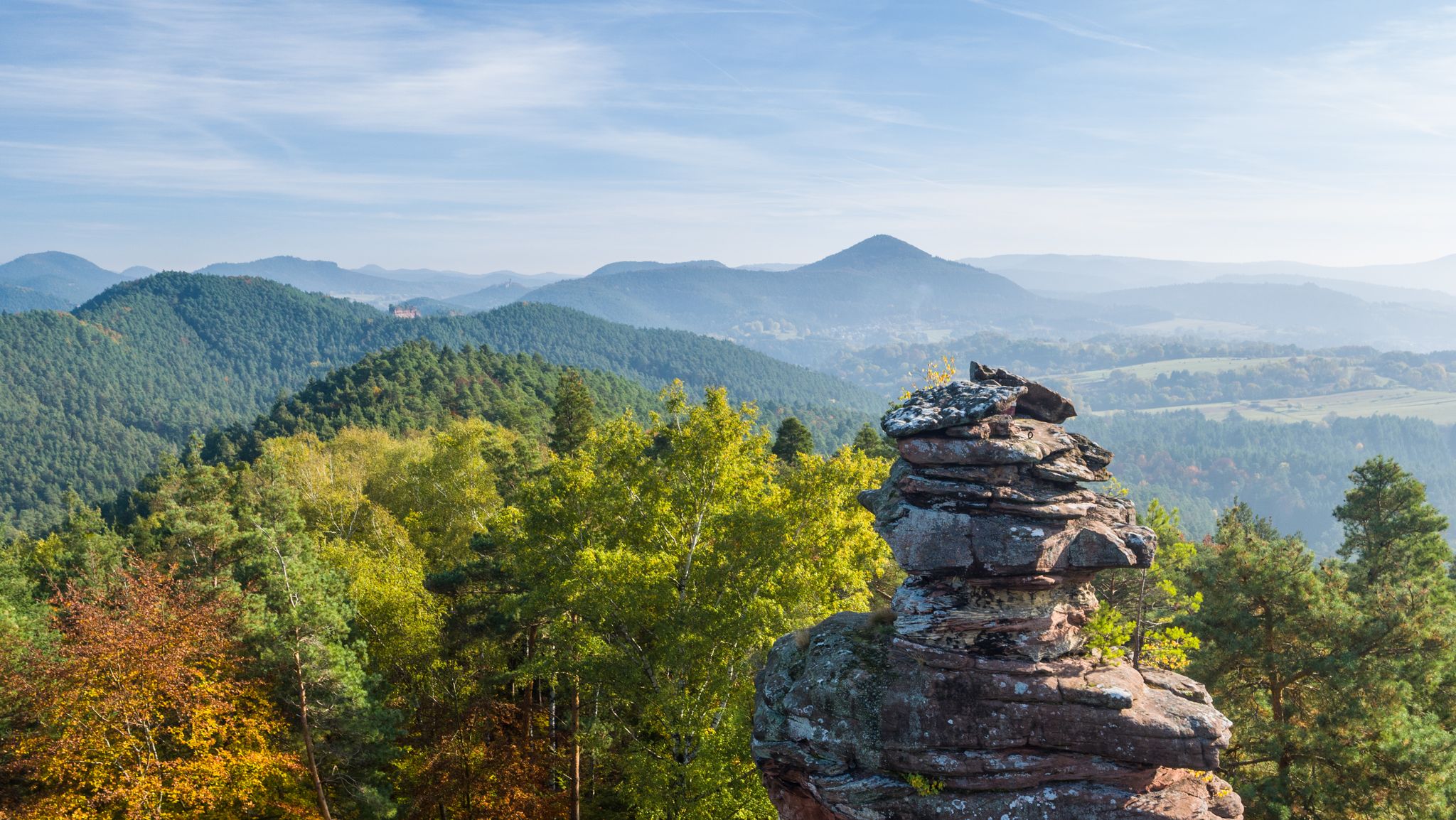
Rosskegel Rock
Highlight • Natural Monument
Translated by Google •
Tip by

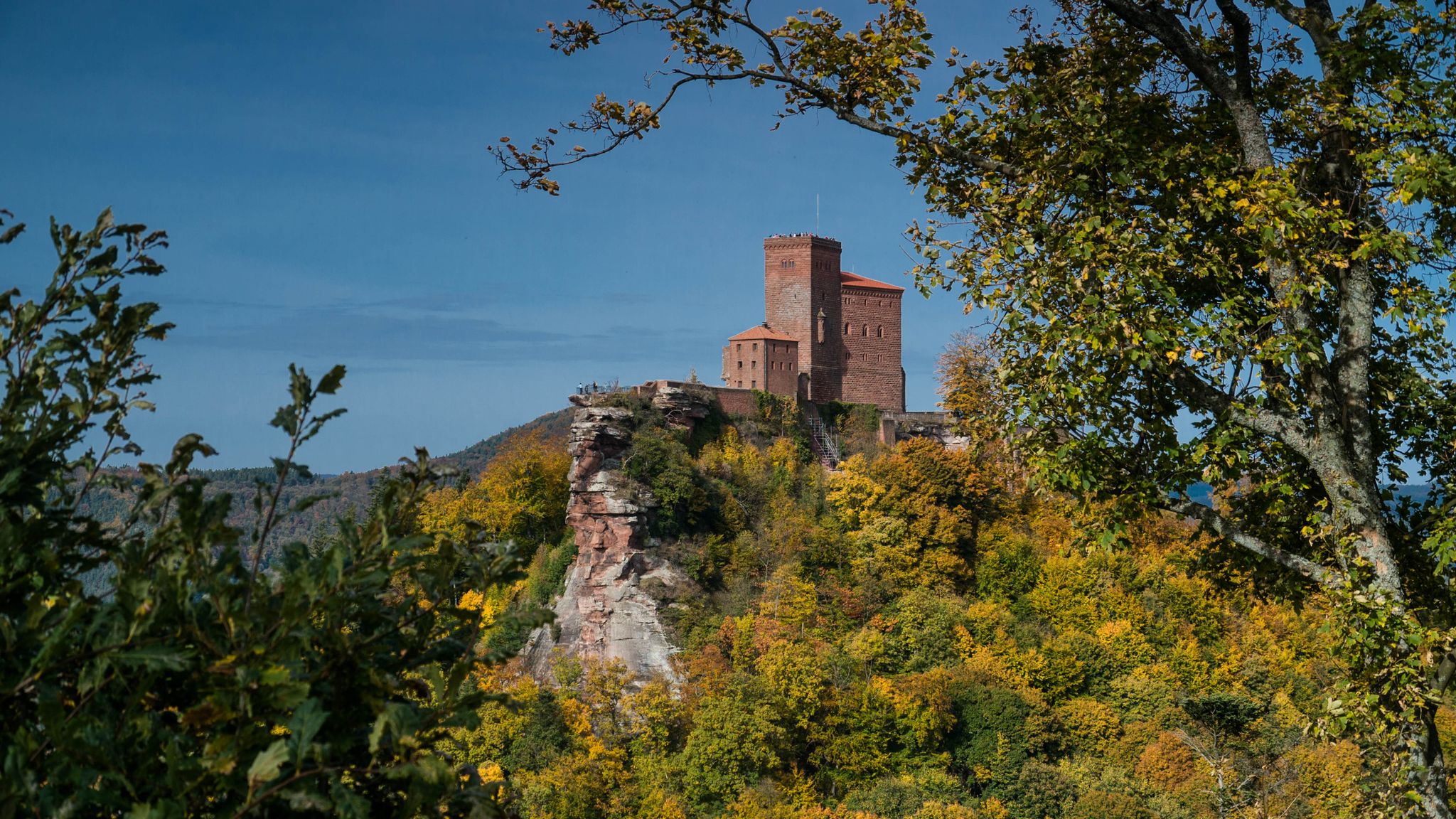
Viewing chamber on the Büttelfels (viewpoint)
Highlight • Viewpoint
To reach via a climbing ladder.
Translated by Google •
Tip by

Sign up now to discover places like this
Get recommendations on the best single tracks, peaks, & plenty of other exciting outdoor places.
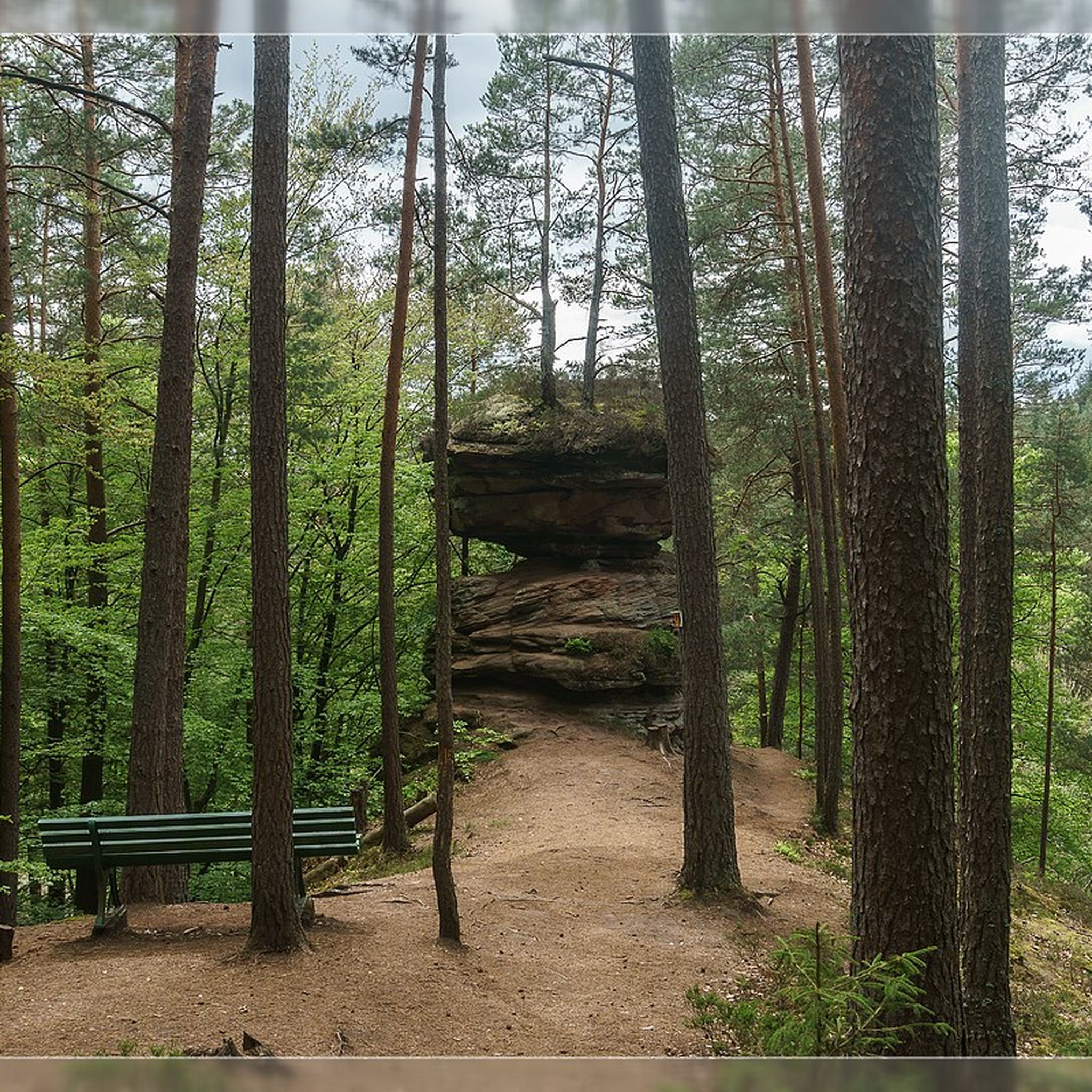
Book chambers at Heidenberg
Highlight • Cave
Translated by Google •
Tip by

Soldiers' Hut
Highlight • Cave
Translated by Google •
Tip by

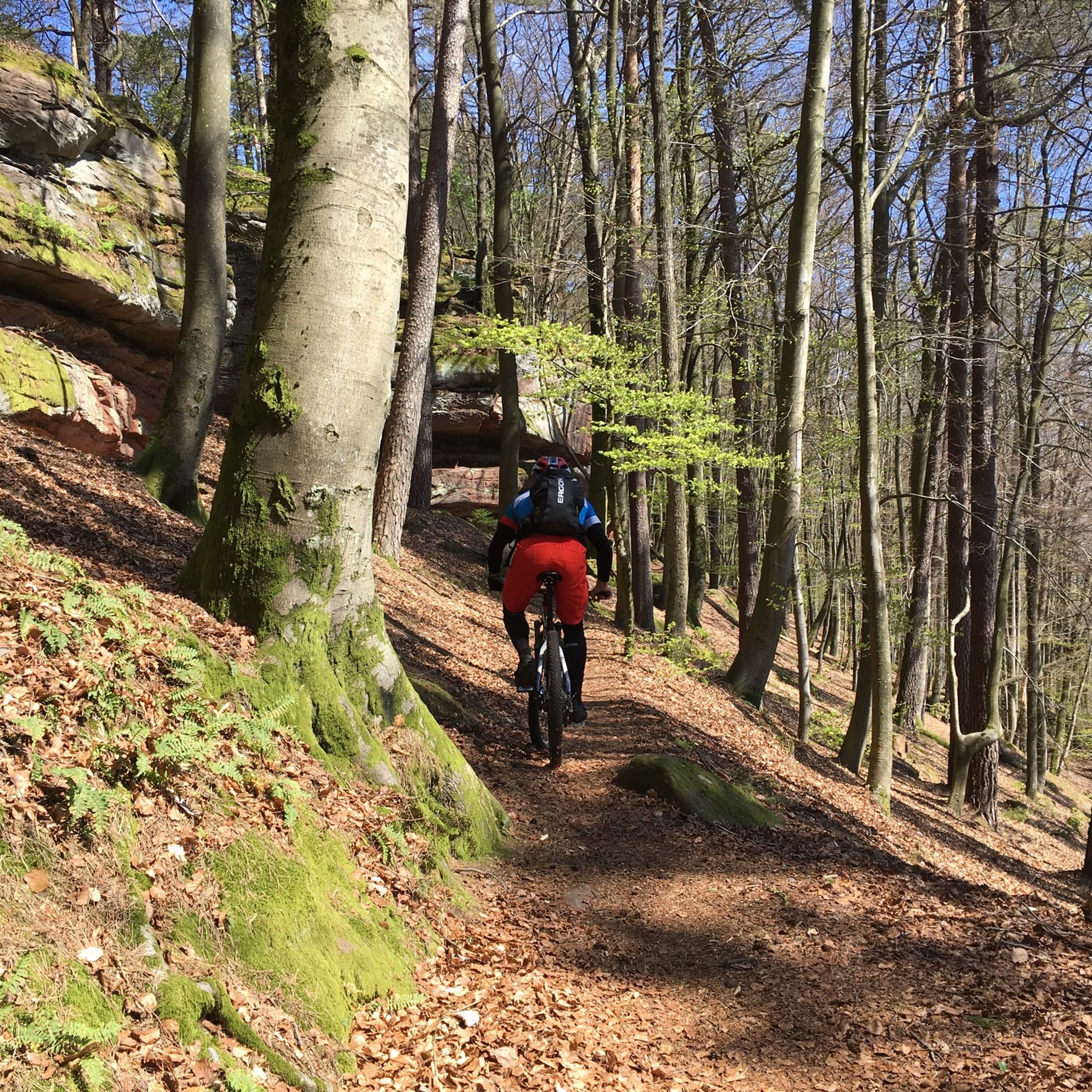
Hollow Rocks
Highlight • Natural Monument
Translated by Google •
Tip by

Sign up for free to discover even more caves around Nothweiler.
Already have an account?
Other adventures around Nothweiler


Tips from the Community

The Buchkammerfels is located in the foothills of the Heidenberg, south of the Drachenfels castle ruins and southeast of the municipality of Busenberg. It is a special cultural monument, also known as the Heidenkammern (Heathen Chambers). The origin and function of the three artificially created, inaccessible rock chambers are still not fully understood. However, it is assumed that they were either outposts or guard posts for Drachenfels Castle, or that the chambers served as a prison for the castle.
5
0

Beautiful cave with a view… quite well secured
10
0

Very impressive heavily overhanging rocks with some small caves and shelters with fire pits
3
0

It looks dangerous, but it isn't. Great tour!
13
1

You get up close and personal with the rocks.
15
2

A large rocky landscape with huge storage facilities. In case the weather changes, you are well protected. ☔
1
0

Beautiful and assured paths in the Dahn Rock Country.
11
0

The Buchkammerfels is accessible from the mountain. After crossing a crevice, you can walk almost to the very top, from where you have a beautiful view, including views of Drachenfels Castle. The entrance to the eponymous chambers is located eight meters above the ground on a small ledge on the almost vertical north face of the rock. With a little practice, you can also climb up here without safety equipment. However, this is not without danger, especially the descent. If in doubt, take a look at my photos. There are four chambers and a few peepholes, three of which face the south side.
16
1
Frequently Asked Questions
What kind of underground experiences can I find around Nothweiler?
Nothweiler offers a diverse range of underground experiences, from historical iron ore mines to natural rock formations and mysterious rock chambers. The region is known for its unique geological features, including Buntsandstein formations, and a rich mining heritage. You can explore a former mine, climb to natural windows in cliffs, and discover ancient rock-hewn chambers.
What is unique about the St. Anna Stollen iron ore mine?
The St. Anna Stollen iron ore mine offers a captivating 420-meter ground-level circular tour, showcasing historical hand-powered ore extraction, technical installations like a 40-meter-deep drop shaft, and an autonomous underground water supply. Visitors can admire impressive domes and vibrantly colored iron ore veins embedded in 400-million-year-old Buntsandstein. It also serves as a vital wintering habitat for approximately 500 bats annually.
Are there any natural rock formations or viewpoints with cave-like features?
Yes, Nothweiler is home to several impressive natural rock formations. You can visit Hollow Rocks, a large sandstone rock massif located deep in the forest. Another notable spot is the Viewing chamber on the Büttelfels, where you can reach a natural window high in the cliff via a climbing ladder, offering great views of the Lämmerfels group. The Löchelfelsen is another typical sandstone rock in the Palatinate, easily accessible on a narrow path with views over Erfweiler.
What is the historical significance of the Buchkammerfels Rock Chambers?
The Buchkammerfels Rock Chambers are a unique historical site with an intriguing past. Historians are still researching the age and function of these four rock chambers, which are hewn out of the rock at a height of eight meters. While the year 1678 is carved into one, theories suggest they existed much earlier, possibly serving as hiding places during conflicts or even as prisons for the Drachenfels dynasty. They remain a mystery, as no archaeological finds have yet revealed their true purpose or age.
Is the St. Anna Stollen mine accessible for all visitors?
The St. Anna Stollen is designed to be accessible and comfortable. The underground tour is brightly lit, dry, and ground-level, making it suitable for a wide range of visitors. It's considered a family-friendly attraction, providing an educational experience for all ages.
When is the best time to visit the St. Anna Stollen mine?
The St. Anna Stollen is open to visitors from late March to late October. It is closed from late October to late March to ensure the undisturbed hibernation of the approximately 500 bats that use the mine as a vital wintering habitat. Guided tours are available from April to September.
Are there family-friendly options for exploring caves in the Nothweiler area?
Yes, the St. Anna Stollen iron ore mine is a great family-friendly option. Its ground-level, brightly lit, and dry tour provides an educational and comfortable experience for all ages, teaching about historical mining and geological formations. While some natural rock formations may involve climbing, the mine offers an accessible underground adventure.
What should I expect regarding difficulty when exploring the rock formations?
The difficulty varies depending on the specific rock formation. While some, like Hollow Rocks and Löchelfelsen, are generally accessible via paths, others require more effort. For instance, reaching the natural window at the Viewing chamber on the Büttelfels involves a climbing ladder. The Buchkammerfels Rock Chambers also require a climb to access, which can be challenging and potentially dangerous without proper caution.
What outdoor activities can I do near the caves around Nothweiler?
The area around Nothweiler offers numerous outdoor activities. You can explore a variety of MTB trails, including routes like the 'Bundenthal Tour 14' or the 'Berwartstein Castle – Fladensteine Rock Formation loop'. There are also many cycling routes, such as the 'Wieslauter Riverside Trail – Lauter Cycle Path loop'. For runners, running trails like the 'Wegelnburg Castle Ruins – Hohenbourg Castle loop' provide challenging options.
What historical insights can I gain from visiting the caves and mines in Nothweiler?
Visiting the caves and mines in Nothweiler offers a deep dive into the region's history. The St. Anna Stollen iron ore mine provides a unique opportunity to walk in the footsteps of ancient ore miners, with evidence suggesting Celts may have extracted iron here. The mine highlights the thriving mining and smelting industry that existed until 1883. The mysterious Buchkammerfels Rock Chambers also offer a glimpse into past human activity, though their exact purpose remains a subject of historical debate.
Are there any specific geological features to look out for in the Nothweiler caves?
Absolutely. The Nothweiler region is characterized by its unique Buntsandstein (New Red Sandstone) formations. In the St. Anna Stollen mine, you can see vibrantly colored iron ore veins embedded in this 400-million-year-old sandstone, formed over 30 million years ago by hot, iron-rich waters. Natural formations like Hollow Rocks and Löchelfelsen also showcase the impressive sandstone geology of the Palatinate.
What do visitors enjoy most about the caves and rock formations around Nothweiler?
Visitors particularly enjoy the blend of historical insight and natural beauty. The educational aspect of the St. Anna Stollen mine, learning about historical ore mining and geological formations, is highly appreciated. The visual appeal of the vividly colored iron ore formations and the unique experience of exploring underground passages are also highlights. For natural rock formations, the impressive views from spots like the Viewing chamber on the Büttelfels and the magical atmosphere of places like Hollow Rocks are frequently mentioned.
Most popular routes around Nothweiler
Most popular attractions around Nothweiler

Get inspired with the komoot mobile app


Explore more
Extend your search for the best caves by checking out these guides of the top ones around Nothweiler:
