Top 20 Caves around Pfullingen
Best caves around Pfullingen are found in a region at the foot of the Swabian Alb, known for its numerous subterranean formations. This area is characterized by a karst landscape, making it one of the most cave-rich regions globally. The vicinity offers diverse cave experiences, from accessible show caves to active water caves. These natural features provide insights into geological history and unique underground environments.
Best caves around Pfullingen
- The most popular caves is Sonnenbühl fog cave, a cave…
Last updated: November 21, 2026
Hohenurach Castle Ruins
Highlight • Castle
Showing Translation
Tip by

Hell Holes Dettingen
Highlight • Gorge
Showing Translation
Tip by

Sign up now to discover places like this
Get recommendations on the best single tracks, peaks, & plenty of other exciting outdoor places.
Sonnenbühl Fog Cave
Highlight • Cave
Showing Translation
Tip by

View of the Elefantenhöhlen (Elephant Caves)
Highlight • Cave
Translated by Google •
Tip by

Cave Inn at the Nebelhöhle (formerly Maultaschen Inn)
Highlight • Restaurant
Translated by Google •
Tip by

Sign up for free to discover even more caves around Pfullingen.
Already have an account?
Start today with a free account
Your next adventure awaits.
Popular around Pfullingen
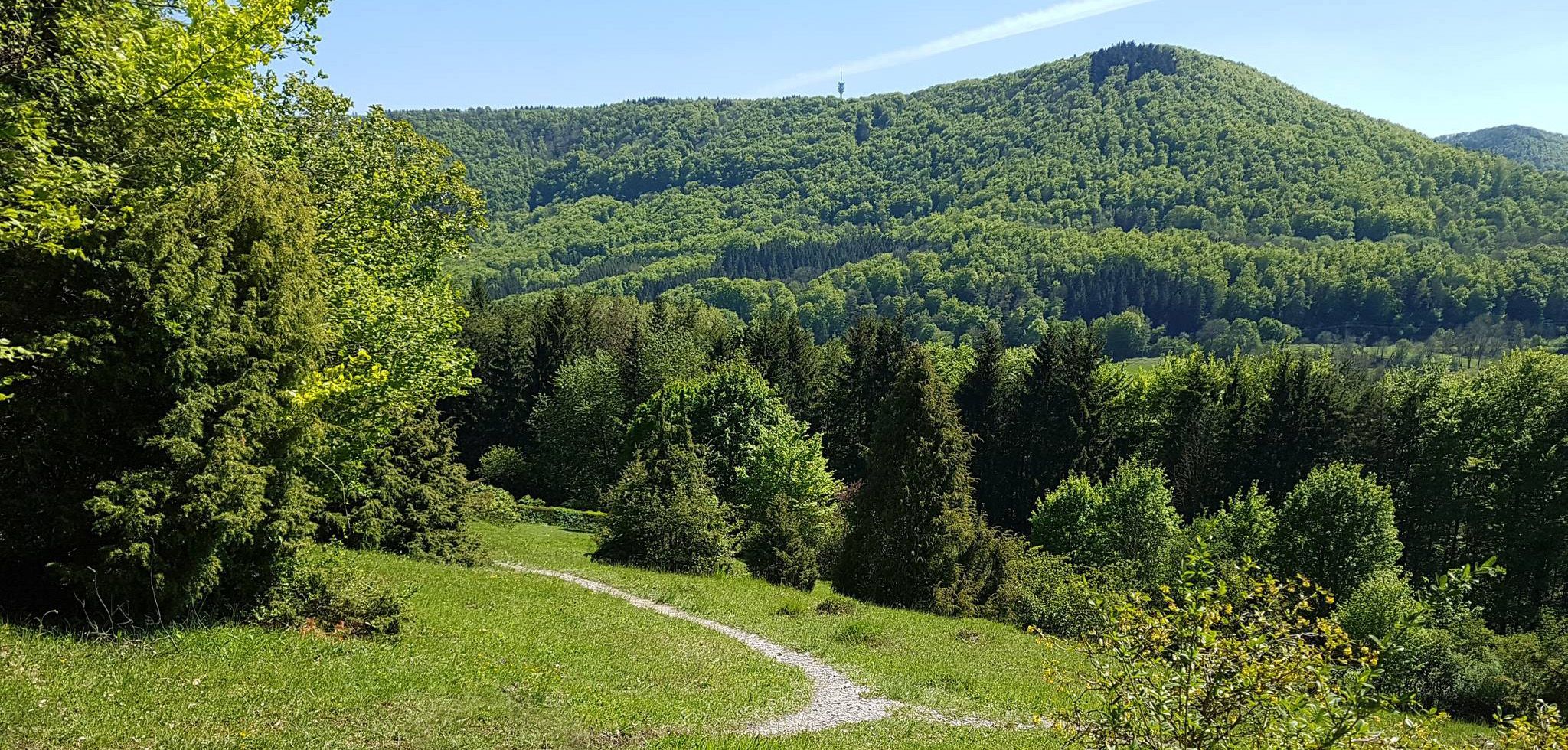
Spätzle Cross — 7 days on the Swabian Alb
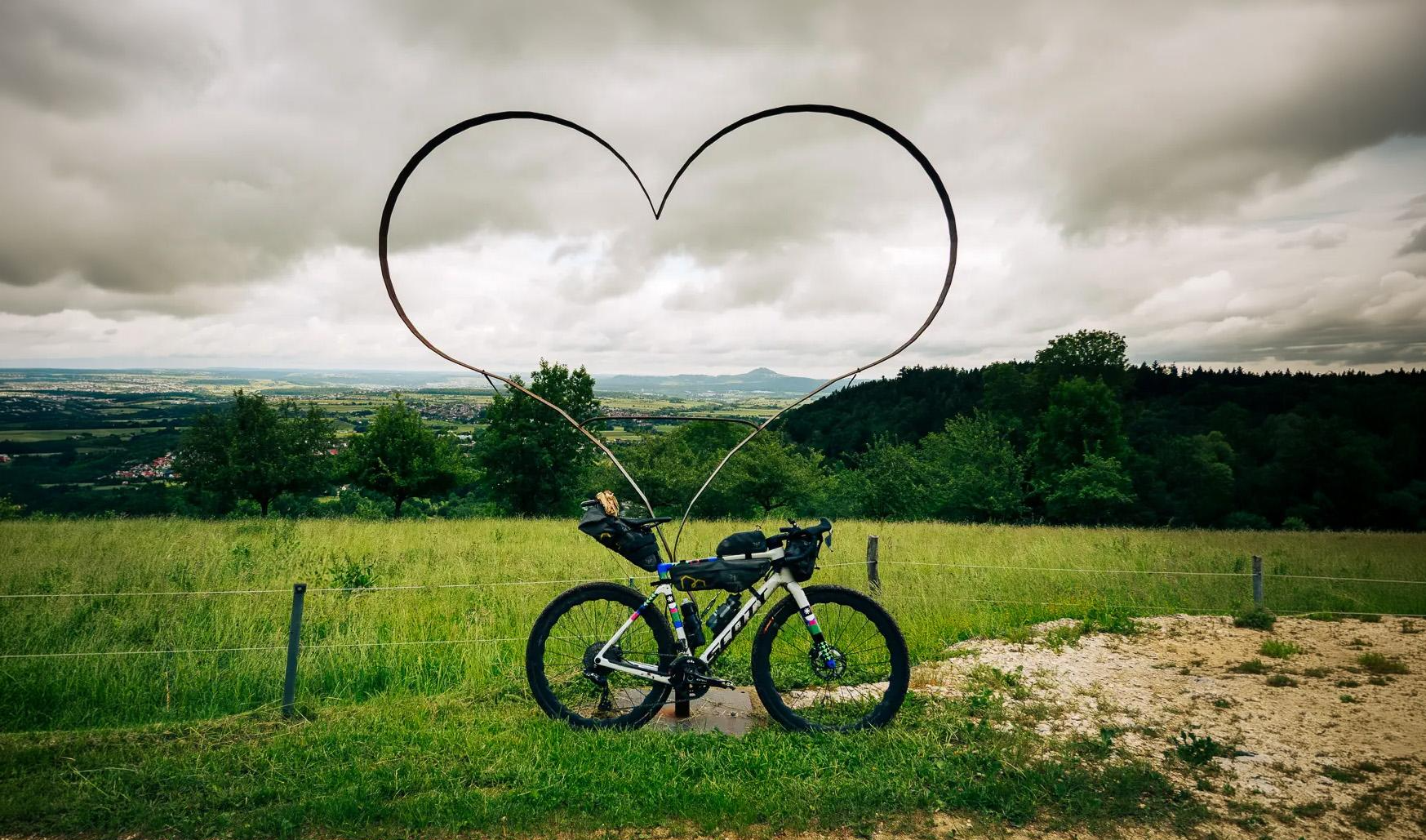
Alb-Crossing – through the quiet expanse of the Swabian Jura
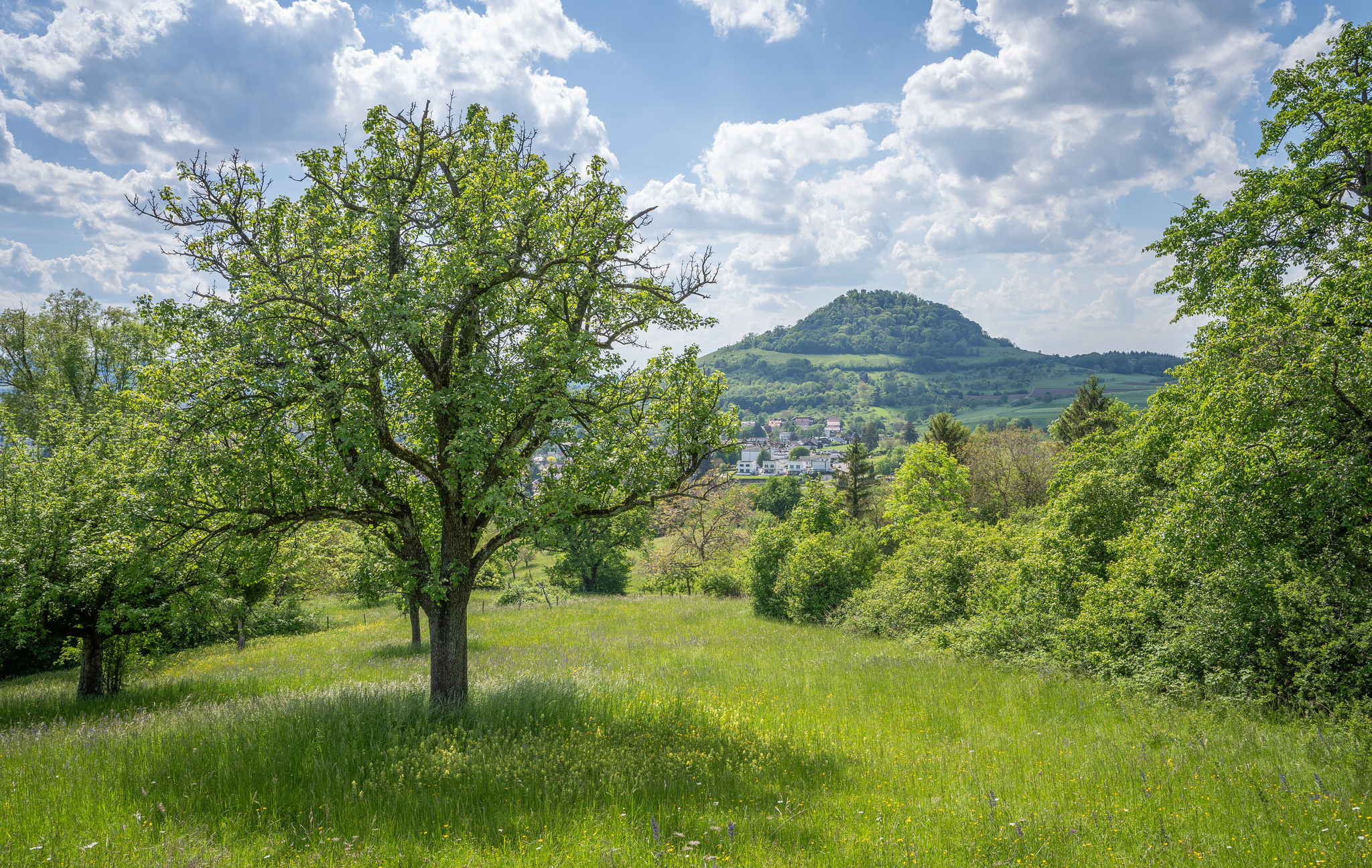
Natural splendour on the Hochgehbergen
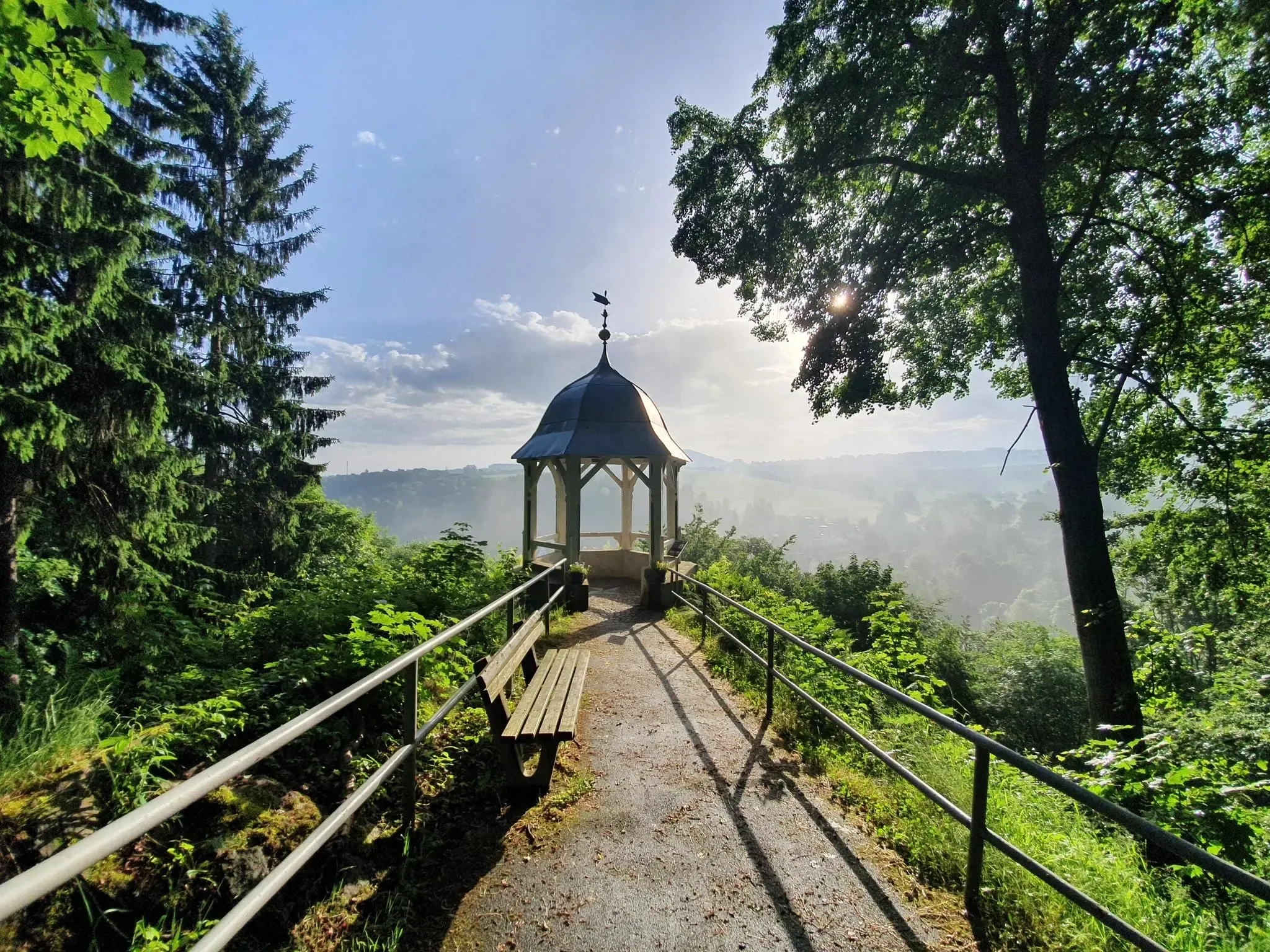
#GoFurther – discover the views of Germany!
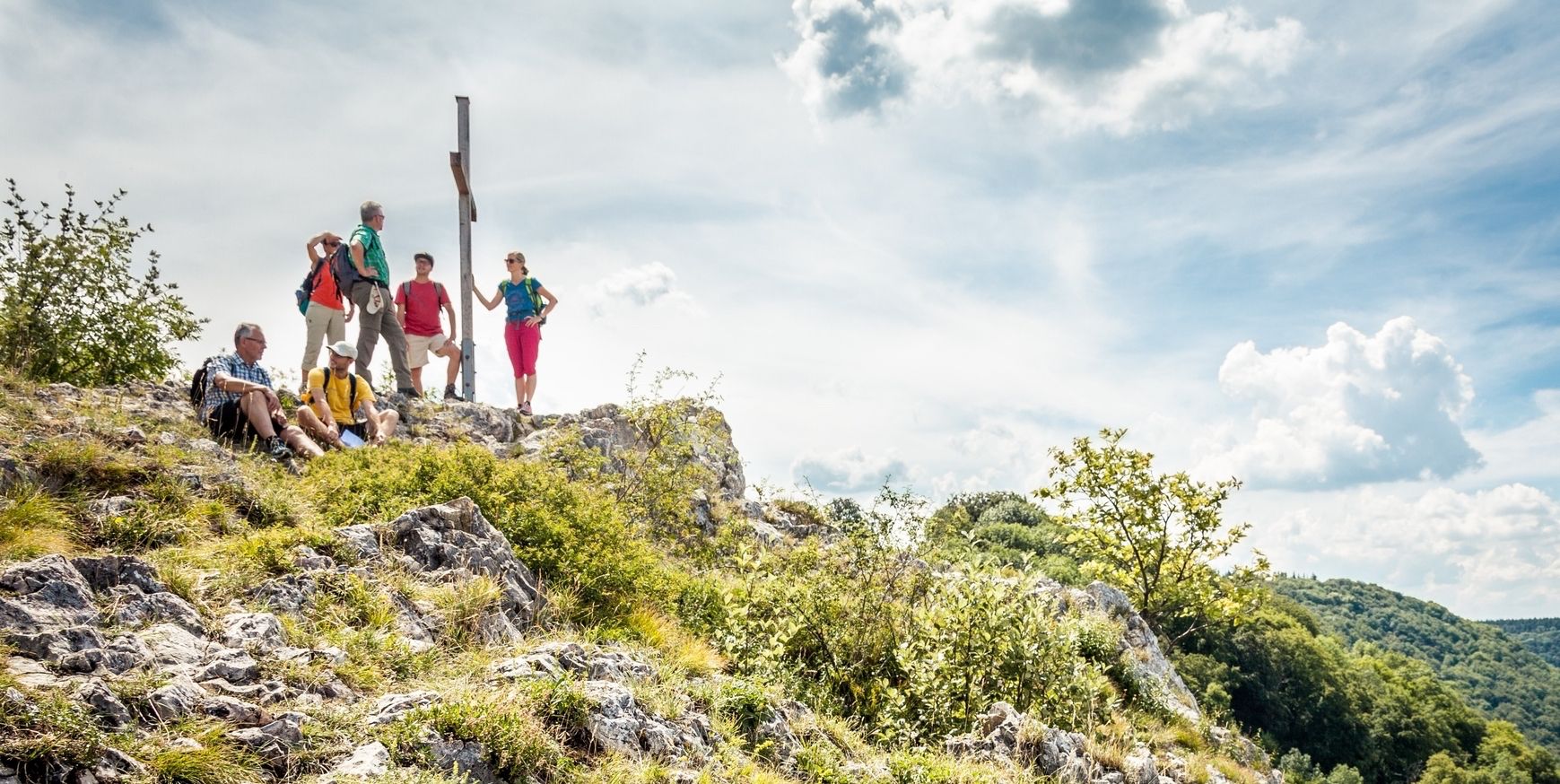
22 high mountain walks — hiking in the Swabian Alb
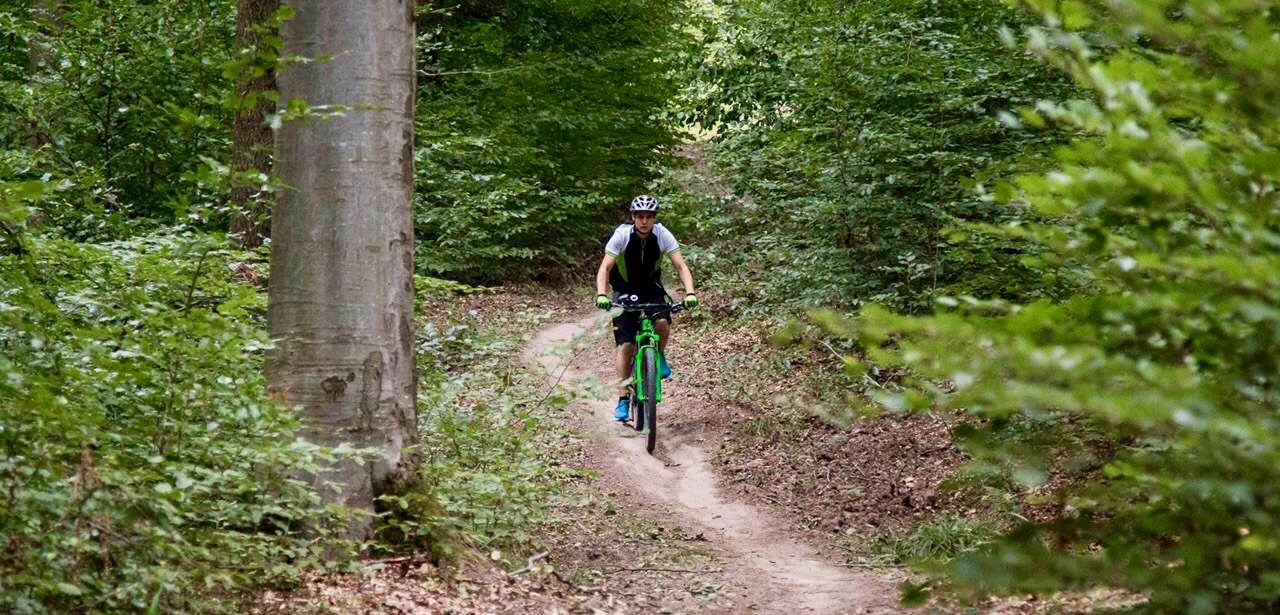
33 MTB trails through German forests
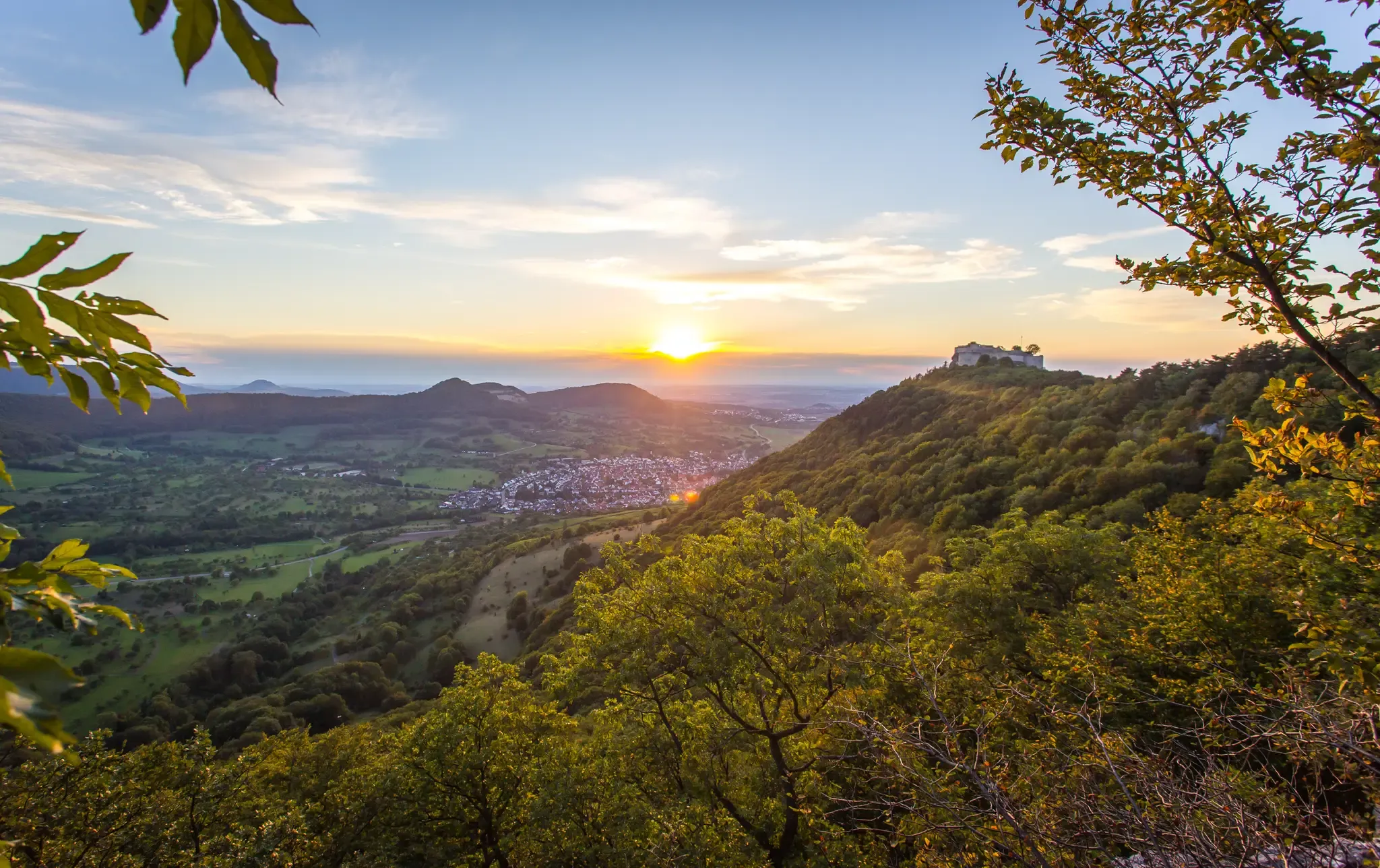
Beautiful fall hikes around Stuttgart
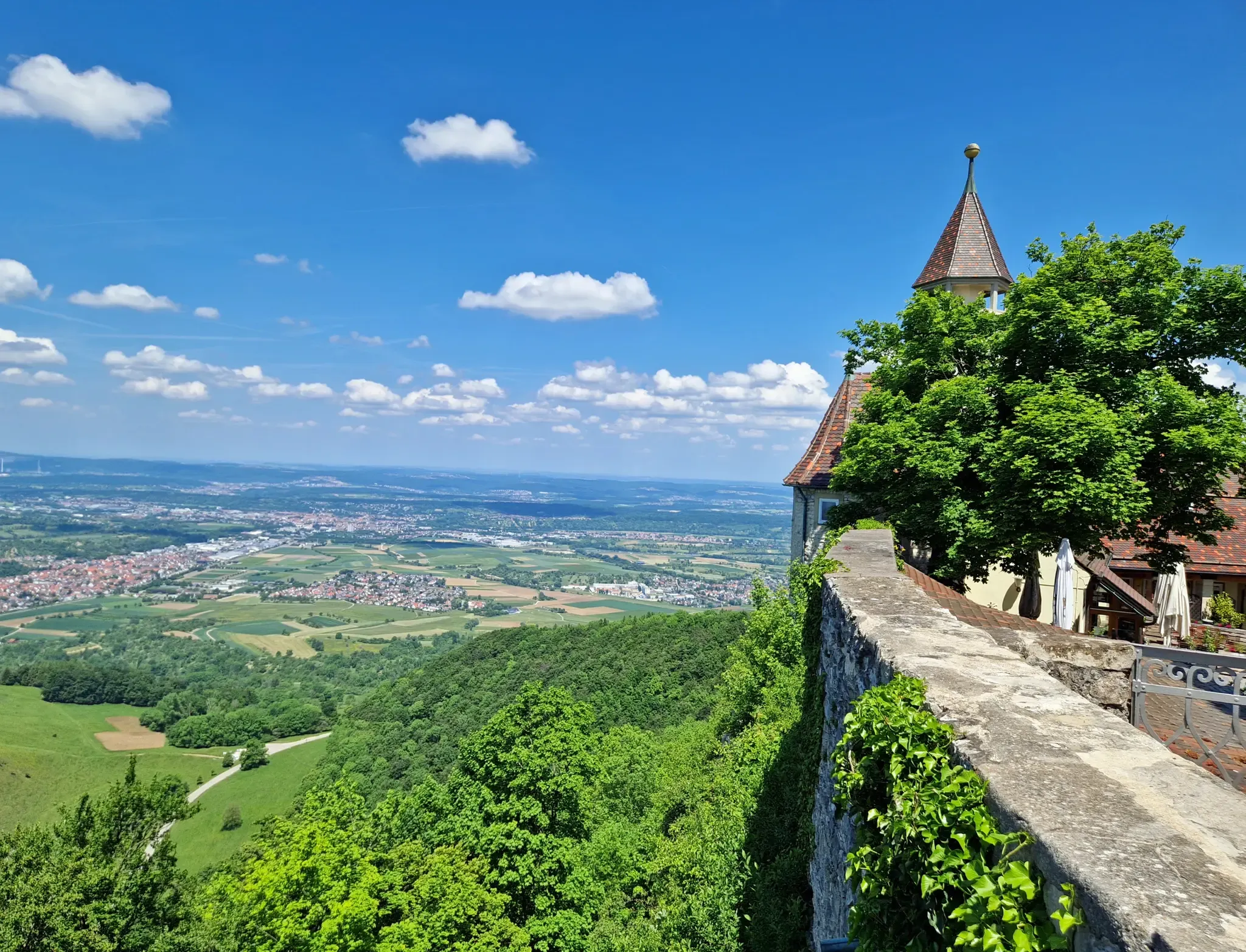
The Swabian Jura — castles, caves and trails
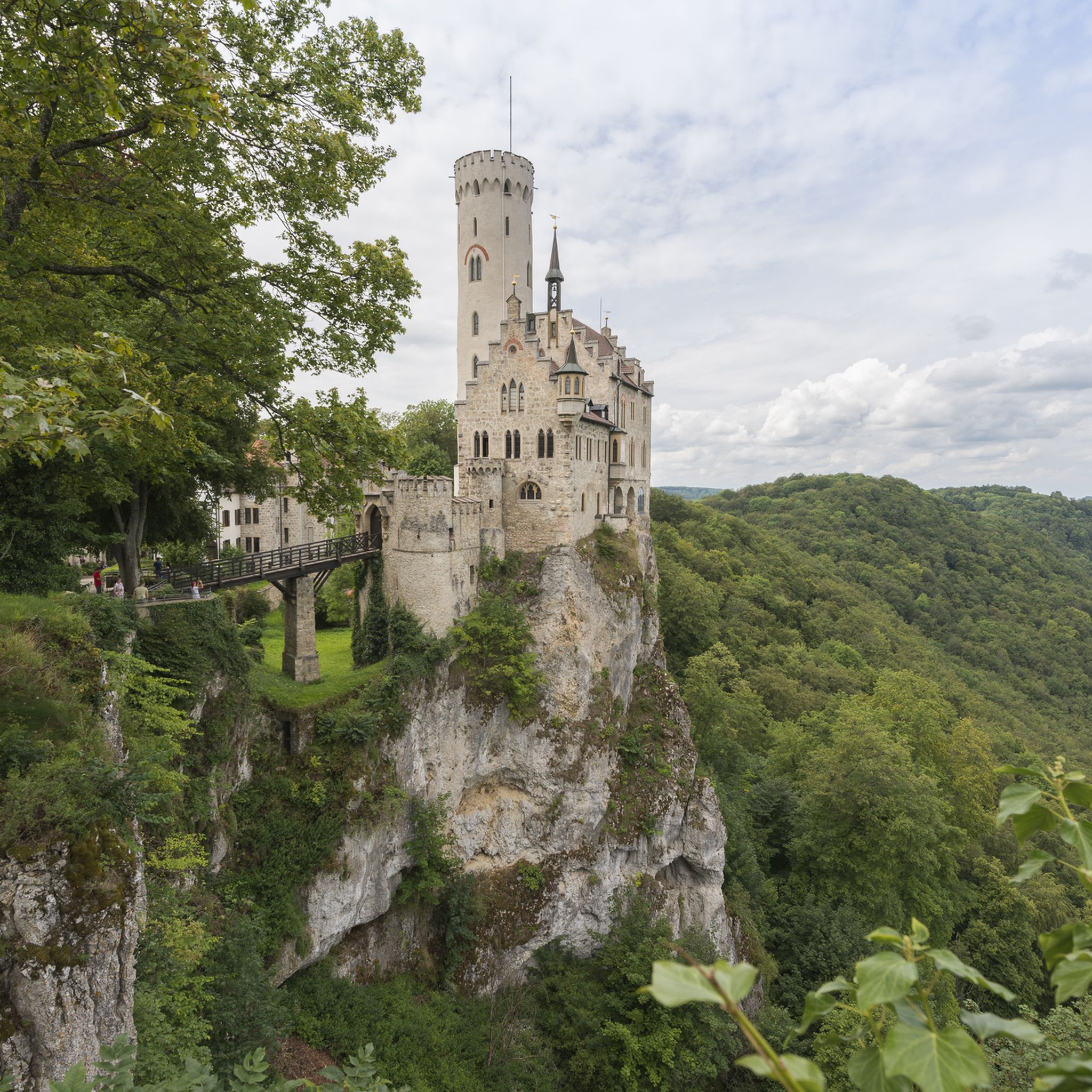
Hiking around Pfullingen
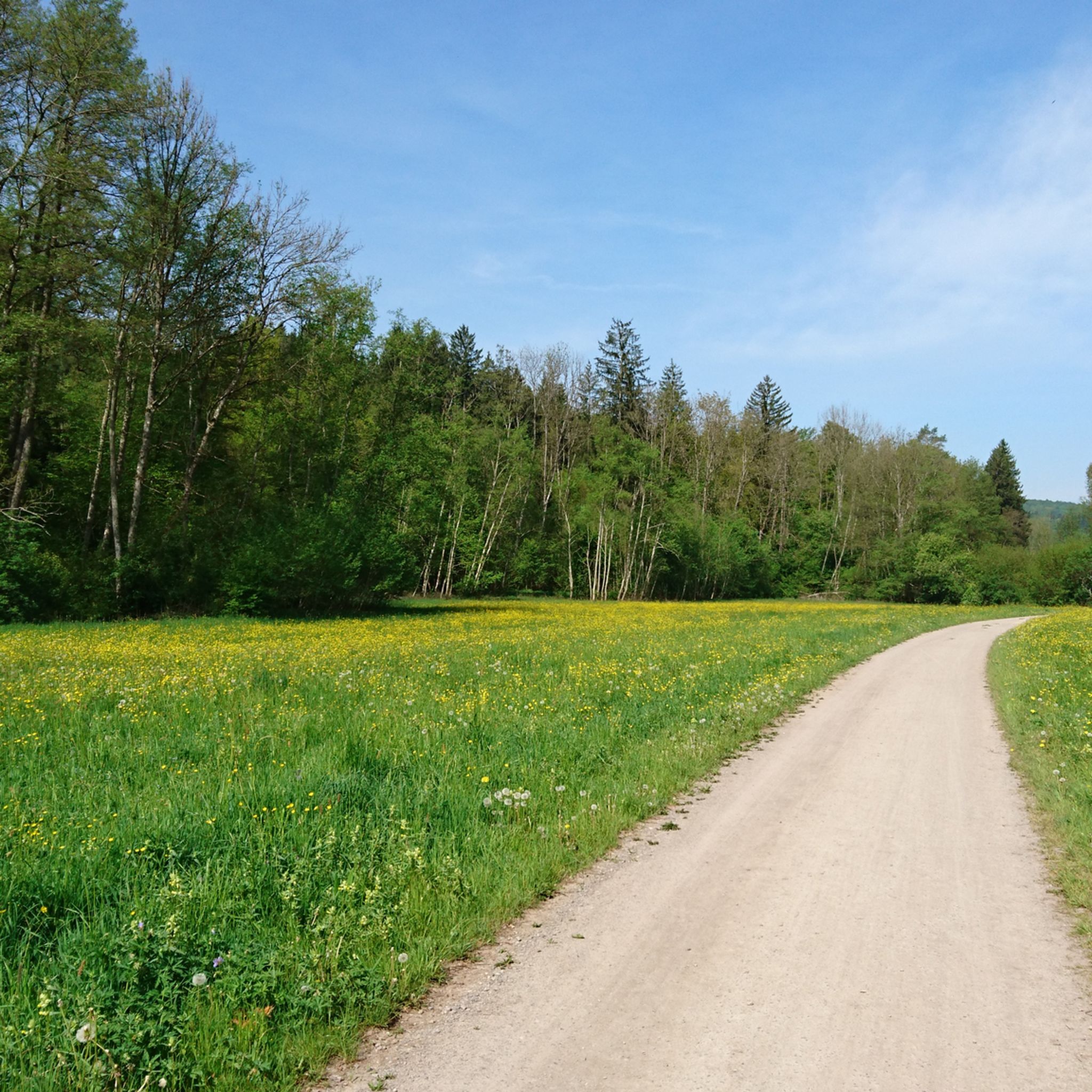
Cycling around Pfullingen
Other adventures around Pfullingen


Tips from the Community

The Maultaschenwirt is located in the large square in front of the cave. Right next to it is a nice children's playground.
12
0

Walter Röhm, author of the Bad Urach hiking book, explains how the hell holes came about so - actually they are cracks in the rocks of the Weißjura delta lying on top in this area of the Alb - so that the underlying marl layers of the Weißjura gamma are to be regarded as impermeable to water. As a result, water that has penetrated into the upper layers, hitting the marl, must come out and flow down the slope and cannot seep away. During this process, according to Röhm, the layers of marl soften and become slippery, so that they no longer offer proper support to the rocks above. This process continues until individual clods tear out and go to the valley. The dizzyingly narrow rocks lying down the valley – if not already hanging – are floes that are doomed to fall but have not yet gone down into the valley, and which have already become detached from the Alb body as a result of the process described above. It will be difficult to predict when they will follow other crash candidates that have preceded them.
16
0

An absolute highlight. Be sure to walk through it and use the two short steel ladders. The canyon is very impressive!
18
3

Here you should already know where to put your feet ;) Two ladders and a rocky climb out of the hell hole... It can be very slippery there and as an unsafe occasional hiker you should think twice. At least not go alone. But when you do it, it's an unforgettable experience. The history of the earth is presented very intensively right here. We were very impressed down there ;)
13
1

The "Hell Holes" are an imposing rock formation. You can either hike through it or go around the outside. When I wander through the hellholes, it always has a somewhat mystical aftertaste. But always fascinating and interesting.
10
0

Steps flooded by the waterfall. It is best to walk with sturdy shoes.
5
1

Maultaschenwirt at the Nebelhöhle Dear visitors, Welcome to the Maultaschenwirt at the Nebelhöhle. Due to the Corona-related restrictions, we have temporarily reduced our menu. We still offer additional daily deals. You can also find our current events here. Thank you for your understanding - stay healthy! Our Maultaschen are also available to take home! 6 pieces cost €6.90 New opening hours: Saturday, Sunday open from 11.30 a.m with food and drinks TO GO – no more winter break!!!!
9
0

Waterfall view halfway up
7
2
Frequently Asked Questions
What makes the caves around Pfullingen unique?
The region around Pfullingen, at the foot of the Swabian Alb, is renowned for its diverse and numerous subterranean formations. It's considered one of the most cave-rich areas globally due to its karst landscape. You can find everything from accessible show caves to active water caves, offering unique insights into geological history and underground environments.
Are there any active water caves in the region?
Yes, the region features notable active water caves. The Falkensteiner Cave is unique in Germany for offering guided tours through a river-bearing cave. Another is the Wimsener Cave (Friedrichshöhle), which is the only active water cave in Germany that can be explored by boat, with a ferryman taking visitors 70 meters into its mystical interior.
Which caves are known for their historical or archaeological significance?
The Bärenhöhle (Charles and Bears Cave) is famous for significant archaeological finds, including human and animal bones, ancient jewelry, and stalactites. The Sonnenbühl fog cave also has historical ties, with Duke Ulrich von Württemberg said to have hidden there in 1519, as depicted in Wilhelm Hauff's novel 'Lichtenstein'.
Can I explore any caves without a guide?
Yes, the Sonnenbühl fog cave is a beautiful cave that can be visited without a guide. It offers several smaller side paths for exploration, and it is accessible for about 450 meters. Sturdy footwear is recommended as some paths can be slippery, and the ceiling height is low in certain areas.
What kind of geological formations can I expect to see?
The caves showcase diverse geological features. You can see impressive shafts, erosion formations, fossils, and pearl sinter at the Laichinger Tiefenhöhle, which provides a glimpse into a petrified reef from the Jurassic period. The Tufa cave at Upper Gönninger Lake features interesting rock landscapes with 'cauliflower' tufa remains.
Are there family-friendly caves to visit near Pfullingen?
The Sonnenbühl fog cave is considered family-friendly, offering a sense of discovery without the need for a guided tour. The Bärenhöhle is also a show cave with guided tours, making it suitable for families, though it's closed in winter to protect bats.
What are the seasonal considerations for visiting the caves?
Seasonal closures and conditions vary. The Bärenhöhle is closed from November to March to protect hibernating bats. The Falkensteiner Cave is typically accessible for guided tours from April 1st to September 30th and should not be entered during heavy rain or thunderstorms. The Sonnenbühl fog cave is open daily from late March to October, with limited weekend hours in November and March, and a winter break from December to February.
Are there places to eat or stay near the caves?
Yes, for example, directly at the Sonnenbühl fog cave, you'll find the Maultaschenwirt, an excellent restaurant known for its delicious Maultaschen dishes and a great beer garden. The broader Swabian Alb region offers various accommodation and dining options.
Are there hiking opportunities near the caves?
Absolutely. The natural landscape around the Wimsener Cave is ideal for hiking. You can also find a very nice hike leading to the View of the Elefantenhöhlen (Elephant Caves), which are located directly at the Urach waterfall. For more hiking ideas, explore the Running Trails around Pfullingen guide, which includes routes like the 'Honau Train Station loop' and 'Schönberg Tower – Wackerstein loop'.
What other outdoor activities can I do near the caves around Pfullingen?
Beyond exploring caves, the area offers a variety of outdoor activities. You can find numerous cycling routes, such as those in the Cycling around Pfullingen guide, including the 'View of Lichtenstein Castle – Kalkofensteige Climb loop'. For gravel biking enthusiasts, the Gravel biking around Pfullingen guide features routes like the 'Göllesberg Trail – Lichtenstein Castle loop'.
What do visitors particularly enjoy about the caves in this region?
Visitors appreciate the sense of discovery and the diverse experiences offered by the caves. The Sonnenbühl fog cave is loved for its smaller side paths that allow for unguided exploration. The region's caves are highly regarded by the komoot community, with over 2900 upvotes and more than 3800 photos shared by users, highlighting their visual appeal and unique geological features.
Most popular routes around Pfullingen
Most popular attractions around Pfullingen

Get inspired with the komoot mobile app


Explore more
Extend your search for the best caves by checking out these guides of the top ones around Pfullingen:
