Top 20 Castles around Mörsdorf
Best castles around Mörsdorf are found in the surrounding Hunsrück region and Moselle valley, offering a rich historical and cultural experience. While Mörsdorf itself does not host castles, its proximity to these historical sites makes it a strategic starting point for exploration. The area is characterized by its river valleys and forested hills, providing scenic backdrops for these ancient structures. Visitors can explore a variety of castles, from well-preserved medieval fortresses to dramatic ruins.
Best castles around Mörsdorf
- The most…
Last updated: November 20, 2026
Eltz Castle
Highlight • Castle
Translated by Google •
Tip by

View of Beilstein and Metternich Castle
Highlight • Viewpoint
Franconian grave finds show Beilstein's settlement around 800 AD. The place had been a feudal possession of the Lords of Braunshorn since 1268. …
Translated by Google •
Tip by

Sign up now to discover places like this
Get recommendations on the best single tracks, peaks, & plenty of other exciting outdoor places.
Stone Bridge over the Elzbach
Highlight • Bridge
Translated by Google •
Tip by

Metternich Castle Ruins
Highlight • Castle
Translated by Google •
Tip by

Balduinseck Castle Ruin
Highlight • Castle
Translated by Google •
Tip by

Sign up for free to discover even more castles around Mörsdorf.
Already have an account?
Start today with a free account
Your next adventure awaits.
Popular around Mörsdorf
Saar-Hunsrück Climb – Hike in Germany where culture and nature meet
Run Wild – trail running routes throughout Germany
Spectacular suspension bridges
Hiking around Mörsdorf
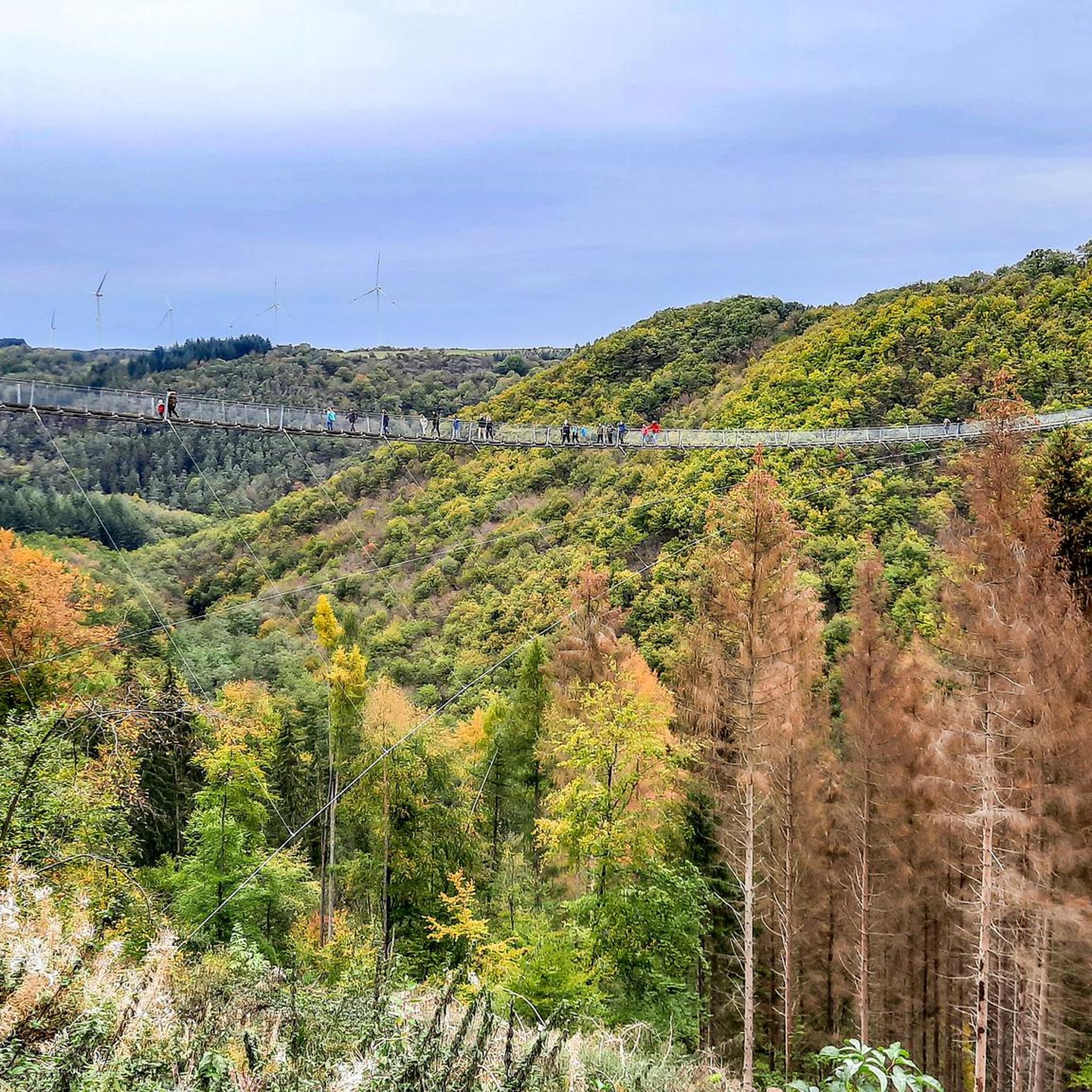
Cycling around Mörsdorf
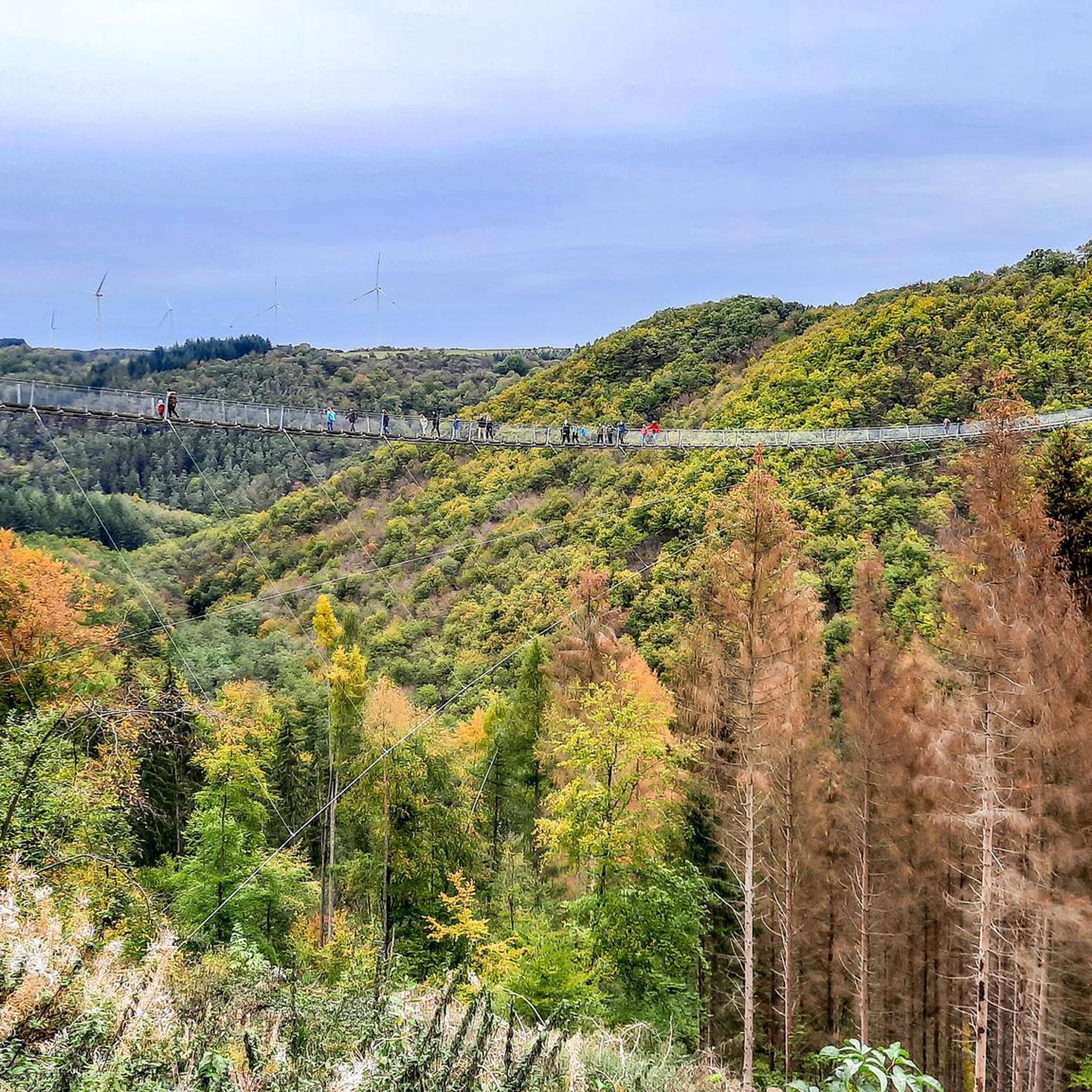
Road Cycling Routes around Mörsdorf
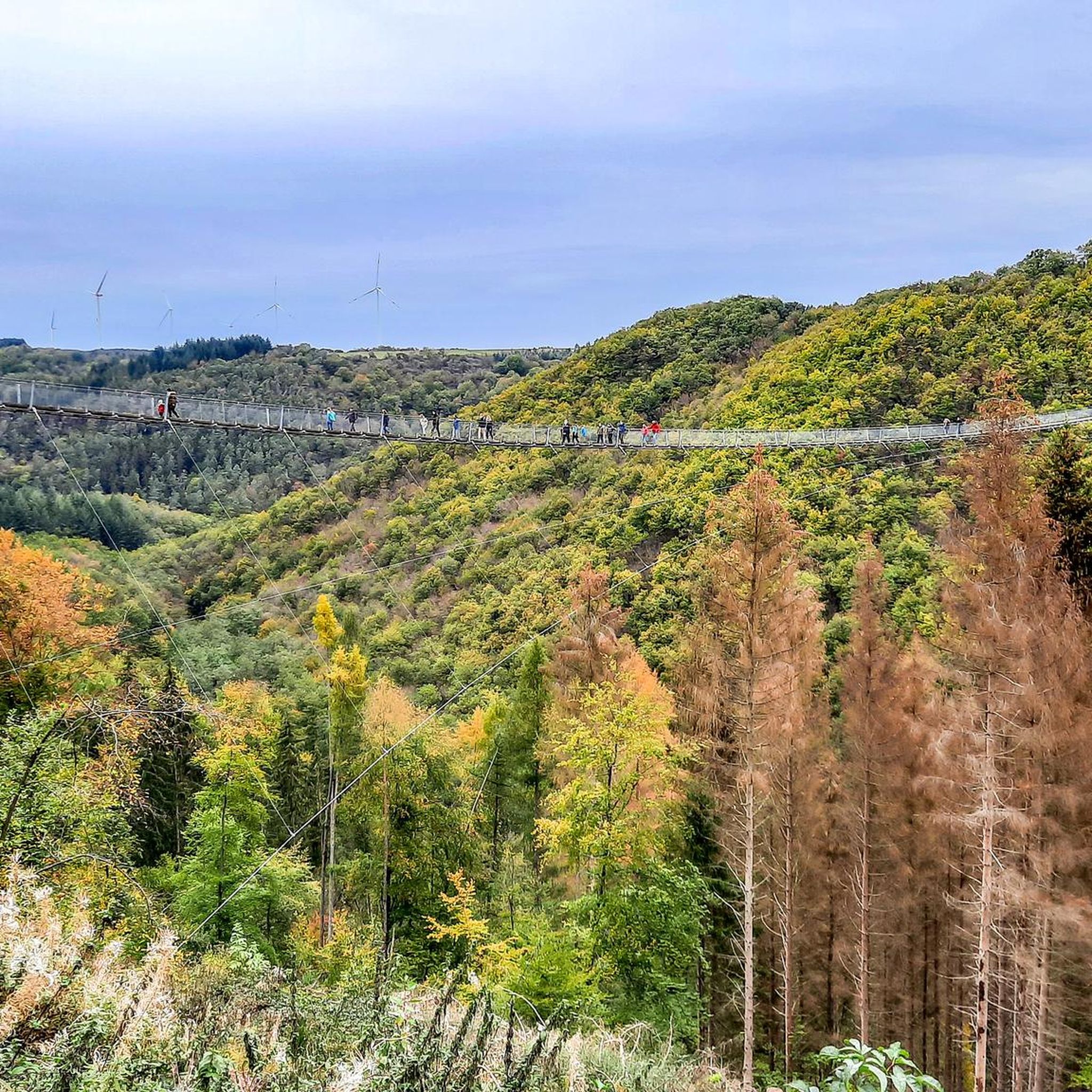
MTB Trails around Mörsdorf
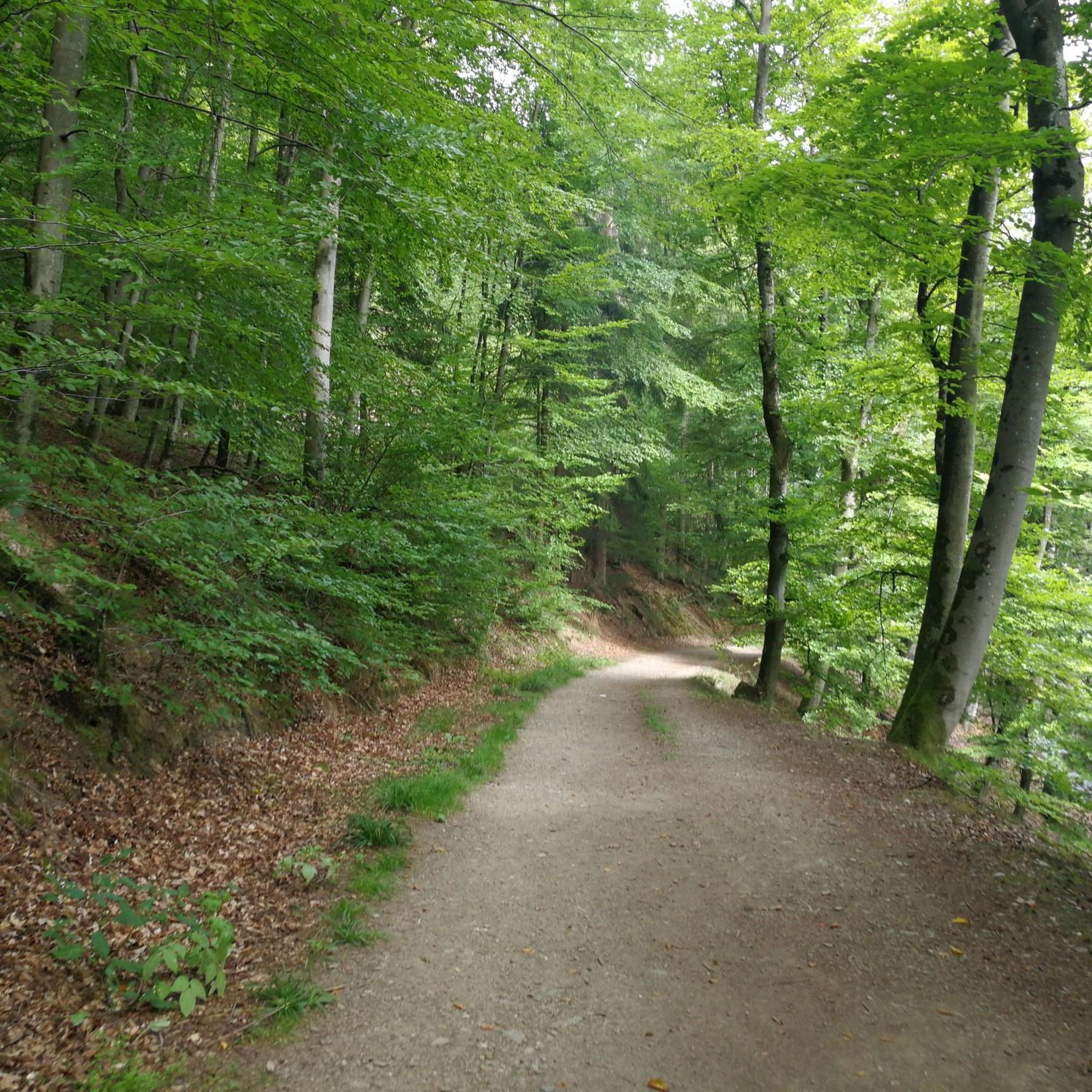
Running Trails around Mörsdorf
Gravel biking around Mörsdorf


Tips from the Community

History (for those who are interested :-) Franconian grave finds show Beilstein's settlement around 800 AD. The place had been a feudal possession of the Lords of Braunshorn since 1268. Under Johann von Braunshorn (1299–1346), Beilstein received city privileges from King Henry VII in 1309 and was fortified. A Jewish community has been documented since 1309, and its Jewish cemetery above the castle still exists today. The former parish church was founded in 1310. After the von Braunshorn family died out, the fief passed to the von Winneburg family in 1360. After Kurtrier took possession of Beilstein in 1488, the Imperial Counts of Metternich enfeoffed the rule of Winneburg and Beilstein in 1652. In 1689, Metternich Castle (“The Proud Walls”) was destroyed by French troops. A Carmelite monastery was founded in 1636 (abolished in 1803), and the foundation stone of the Carmelite monastery church was laid in 1691, which was completed in 1783. The townscape was created in the 17th and 18th centuries and has largely been preserved to this day. The rule of the Imperial Counts of Metternich ended in 1794 with the occupation by French revolutionary troops. From 1798 to 1814 the place belonged to the canton of Zell in the Rhine-Moselle department and was the main town of a Mairie. In 1815 the place was assigned to the Kingdom of Prussia at the Congress of Vienna and belonged to the Senheim mayor's office in the Zell district. It has been part of the state of Rhineland-Palatinate since 1946. Source: wikipedia
17
1

The reputation of the castle precedes it - it is worth seeing.
56
2
From the castle or the stairs to the castle you have a valley view of the bridge over the Elzbach.
42
2
Truly one of the most beautiful castles in Germany. Admission price: €12.
47
4

A bit of beach below the castle, the bridge over the Elz is a popular photo spot
29
2

Considered one of the most beautiful views in Germany
11
0

Burg Balduinseck Die Ruine gehört zum illustren Kreis jener Burgen, deren Namensgebung auf den berühmten Trierer Erzbischof Balduin von Luxemburg verweist. Errichtet ab 1325 war die Burg Sitz des gleichnamigen Amtsbezirks. Im 17. Jahrhundert verlor sie rasch an Bedeutung, diente aber in Kriegswirren der Bevölkerung als nie zerstörtes Refugium. Nur noch notdürftig unterhalten, wurde Balduinseck bald nach 1812 verlassen. Quelle: Text Achim Wendt, BDK Heidelberg Bauherr und Namenspatron Balduin von Luxemburg (1285-1354) entstammte einer führenden Dynastie des Reiches. 1307 zum Erzbischof von Trier gewählt, stieg Balduin 1328 mit der umstrittenen Erhebung zum Mainzer Erzbischof zu einem der mächtigsten Kirchenfürsten seiner Zeit auf. Seinen Bruder Heinrich und Großneffen Karl IV. unterstützte er bei der Wahl zum römisch deutschen König. Quelle: Text Achim Wendt, BDK Heidelberg Zeugnis mittelalterlicher Burgenpolitik von landesgeschichtlichem Rang Als Landesherr schuf Balduin durch vorausschauende Machtpolitik und Organisationstalent die Grundlagen zum Trierer Kurstaat, und damit auch des heutigen Bundeslandes Rheinland-Pfalz. Burgen dienten ihm zur Durchsetzung der Landeshoheit gegen territoriale Konkurrenten. Mit dem Bau von Balduinseck erhob er einen sichtbaren Rechtsanspruch gegen die benachbarten Grafen von Sponheim, den die auf ihn verweisende Namensgebung verewigen sollte. Quelle: Text Achim Wendt, BDK Heidelberg Gründung und Bau der Burg 1325 kündigte Balduin die Anlage eines „Burgfriedens” an, um darin eine „Veste” zu errichten. Sechs Jahre später war der Bau des mächtigen Turmhauses mit Ringmauer, Bergfried und Torburg weitgehend vollendet. Teil der Konzeption war auch eine befestigte Talsiedlung, für die der Erzbischof 1332 ein kaiserliches Stadtrechtsprivileg erwirkte. Sie wurde wohl nach dem Dreißigjährigen Krieg (1618-48) verlassen. Quelle: Text Achim Wendt, BDK Heidelberg Herrschaft, Land und Leute Zum Erwerb von Grund und Boden, sowie zur Bauorganisation bediente sich der Erzbischof seiner lokalen Vasallen, den Rittern von Buch. Sie durften sich dafür einen befestigten Burgsitz in der Talsiedlung errichten und wurden als landesherrliche Verwalter eingesetzt. Balduinseck wurde zum Mittelpunkt eines kurtrierer Amtes, dem „Land und Leute” aus 15 Dörfern unterstanden. Auf der Burg ging man zu Gericht, lieferte Abgaben, fand aber in Kriegszeiten auch „Schutz und Schirm”. Quelle: Text Achim Wendt, BDK Heidelberg
13
2

The Elz is a creek about 60 kilometers long on which the fantastic castle is located. You can hike the Elzbach from its source to its confluence with the Moselle.
27
3
Frequently Asked Questions
Which castles are most popular around Mörsdorf?
The most popular castle is Eltz Castle, known for its fairytale appearance and continuous family ownership for over 800 years. Another highly regarded site is Metternich Castle Ruins, which offers a panoramic view of the Moselle valley and even has a restaurant within its walls.
Are there family-friendly castles to visit near Mörsdorf?
Yes, both Eltz Castle and the area around Beilstein (which includes the Metternich Castle Ruins) are considered family-friendly. Eltz Castle offers a captivating historical experience, while Beilstein provides a charming village atmosphere with historical sites and views that can be enjoyed by all ages.
What kind of historical sites can I expect to see besides castles?
Beyond the castles, the region offers a rich tapestry of historical sites. The village of Beilstein, often called the 'Sleeping Beauty of the Moselle,' is a well-preserved historic settlement with half-timbered houses, an old market square, and remnants of its city fortifications. You can also find historical bridges like the Stone Bridge over the Elzbach, which offers views of Eltz Castle.
What are the best viewpoints to see castles or historical landscapes?
For stunning views, the View of Beilstein and Metternich Castle offers a picturesque perspective of the historic village and the castle ruins above it. From Metternich Castle Ruins itself, you get a wonderful panoramic view of the Moselle valley. The approach to Eltz Castle through the Elz forest also provides iconic views, including the famous '500-DM-Blick'.
Are there hiking trails near the castles around Mörsdorf?
Yes, the region is excellent for hiking. The walk to Eltz Castle often involves a scenic hike through the beautiful Elz forest. For more extensive hiking options, you can explore various trails in the area. For example, the 'Running Trails around Mörsdorf' guide offers routes like the 'Geierlay suspension rope bridge – Mörsdorfer Bach Bridge Crossing loop from Mörsdorf'. You can find more details in the Running Trails around Mörsdorf guide.
What outdoor activities can I do near these castles?
Besides visiting castles, the area around Mörsdorf offers diverse outdoor activities. You can enjoy gravel biking with routes like 'The Schinderhannes Cycle Path – Horner Castle (Old Ring Wall) loop from Kastellaun' or road cycling with options such as 'View of Cochem Castle (Reichsburg Cochem) – Maria Engelport Monastery loop from Altstrimmig'. There are also numerous running trails. Explore these activities further in the Gravel biking around Mörsdorf and Road Cycling Routes around Mörsdorf guides.
What do visitors enjoy most about the castles and region?
Visitors frequently praise the well-preserved architecture and rich history of Eltz Castle, often describing it as a 'fairytale castle'. The dramatic ruins and commanding views from Metternich Castle Ruins are also highly appreciated. The overall charm of historical settlements like Beilstein, with its narrow streets and picturesque setting, is a common highlight.
Is there a castle that is particularly well-preserved?
Eltz Castle is exceptionally well-preserved. It has been continuously owned by the same family for over 800 years and was never conquered, allowing for meticulous maintenance and restoration throughout its history. It offers a genuine glimpse into the Middle Ages.
Can I find food and drink options near the castles?
Yes, you can. Metternich Castle Ruins notably features a restaurant within its walls, allowing visitors to dine amidst historical ambiance. The nearby village of Beilstein also offers a variety of cafes, pubs, and restaurants.
What is the best time to visit the castles around Mörsdorf?
The summer months are ideal for visiting Eltz Castle, as its interior and treasury are open for tours. Generally, spring and autumn offer pleasant weather for exploring the outdoor areas and hiking trails around the castles, with fewer crowds than peak summer.
Are there any castles that are ruins but still worth visiting?
Absolutely. Metternich Castle Ruins, despite being largely destroyed in 1689, is highly recommended. Its impressive size is still evident, and it offers a fantastic panoramic view of the Moselle valley. It has also undergone partial renovation to make it accessible to visitors.
How accessible are the castles for visitors?
Access to Eltz Castle requires a walk, often through the Elz forest, as you cannot drive directly up to it. Metternich Castle Ruins has undergone partial renovation to improve visitor access, and the village of Beilstein is generally walkable, though it features narrow alleys and stairs.
Most popular routes around Mörsdorf
Most popular attractions around Mörsdorf

Get inspired with the komoot mobile app


Explore more
Looking for the best castles somewhere else? Discover other guides around Mörsdorf:
