The 20 Most Amazing Peaks around Müglitztal
Best mountain peaks around Müglitztal offer diverse natural features and scenic views for hikers. The Müglitztal region, situated in the Sächsische Schweiz-Osterzgebirge district, is characterized by its picturesque landscape. This area provides numerous trails that allow exploration of its natural beauty, including rock formations and varied flora. The region is well-regarded for its hiking opportunities, making it a popular destination for outdoor activities.
Best mountain peaks around Müglitztal
- The most popular mountain peaks is View from Rysselkuppe, a viewpoint…
Last updated: September 27, 2026
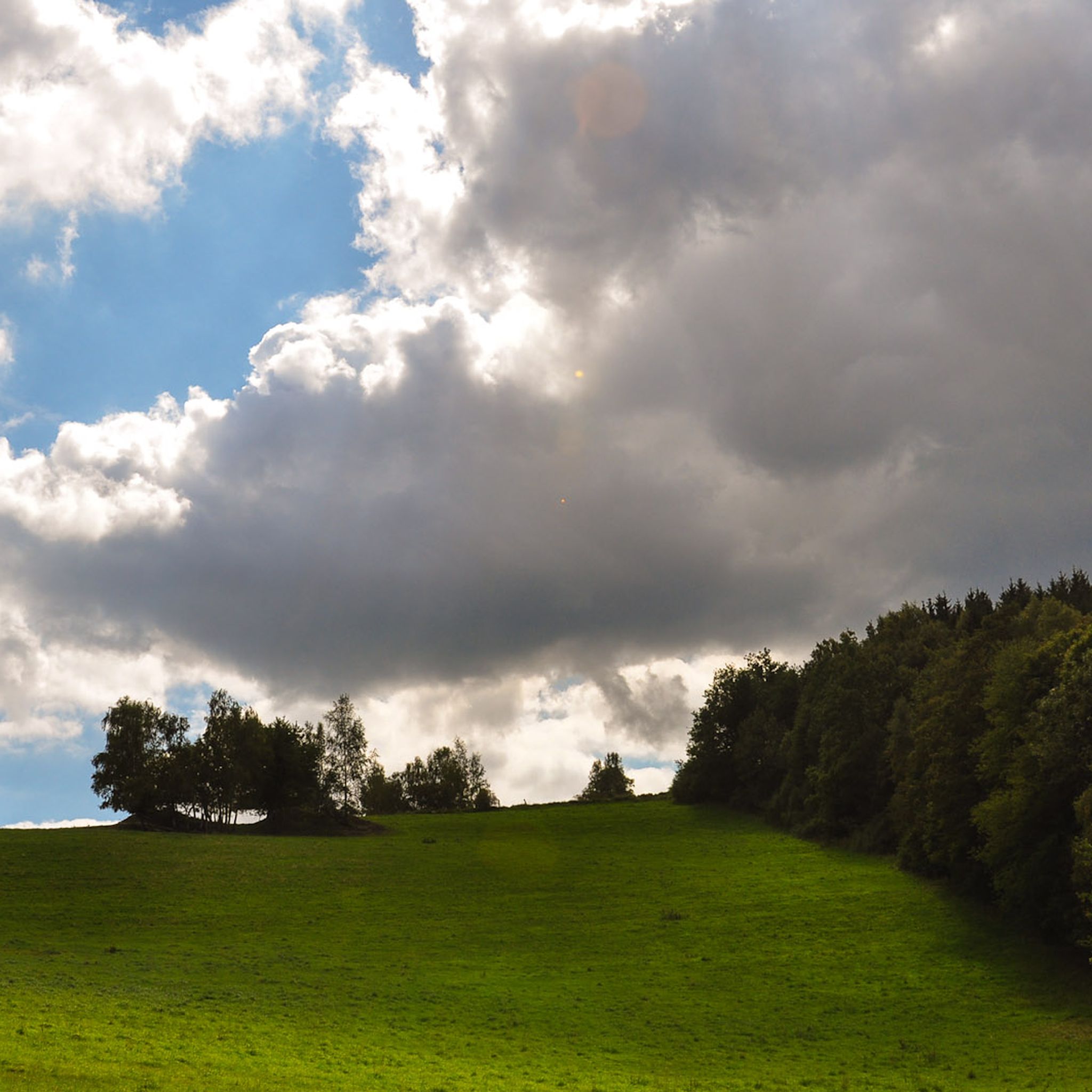
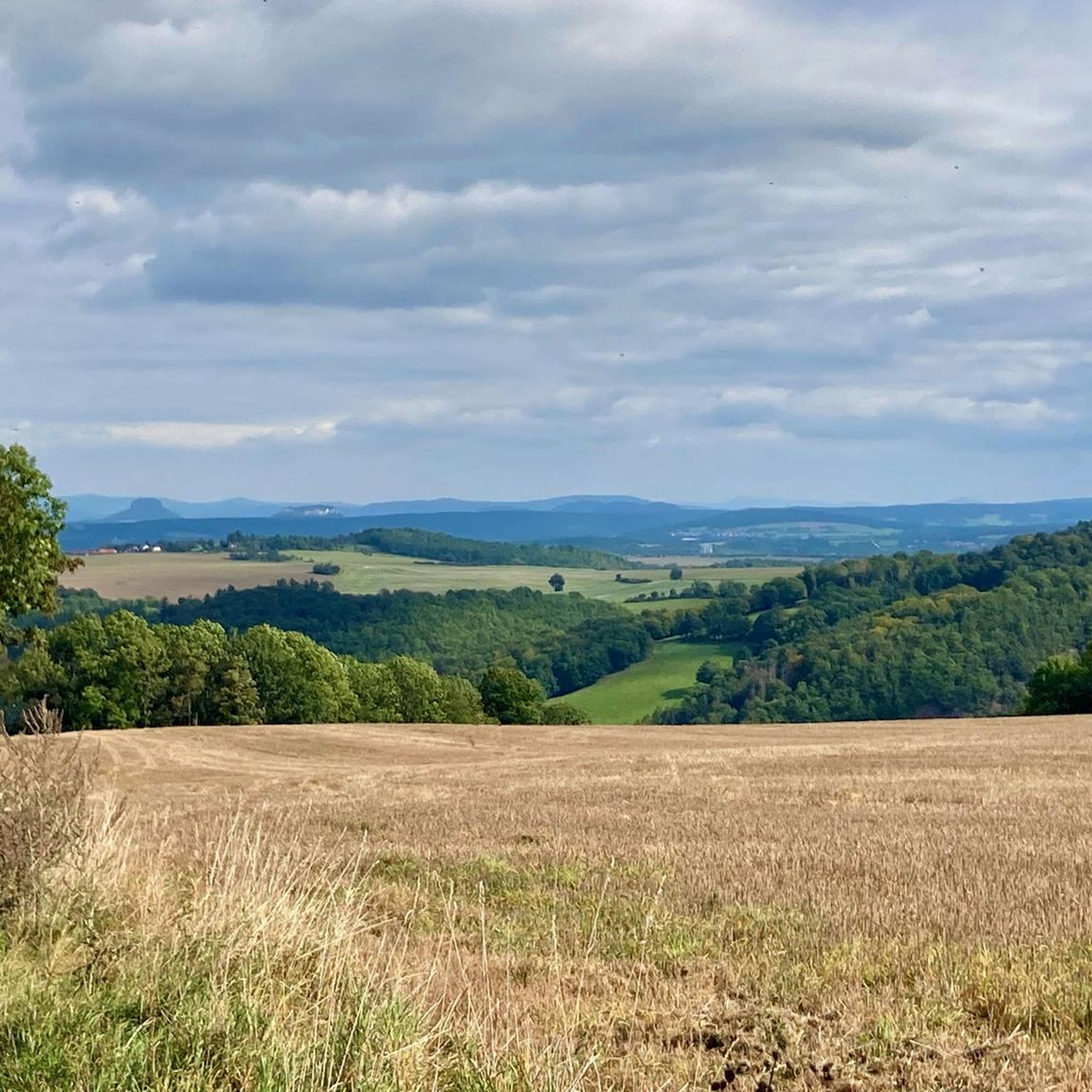
View from Rysselkuppe
Highlight • Viewpoint
Translated by Google •
Tip by

Wilisch Summit Triangulation Pillar and World War I Memorial
Highlight • Summit
Translated by Google •
Tip by

Sign up now to discover places like this
Get recommendations on the best single tracks, peaks, & plenty of other exciting outdoor places.
Babisnauer Poplar and Observation Tower
Highlight • Natural Monument
Translated by Google •
Tip by
Borsberg
Highlight • Monument
Translated by Google •
Tip by

Triangulation Pillar on Cottaer Spitzberg
Highlight • Monument
Translated by Google •
Tip by

Sign up for free to discover even more peaks around Müglitztal.
Already have an account?
Start today with a free account
Your next adventure awaits.

Other adventures around Müglitztal

Tips from the Community

The 476 meter high Wilisch consists mainly of basalt, which is due to its volcanic origin. The last volcanic activity that led to the formation of the Wilisch dates back to the Tertiary, more precisely the Oligocene to Miocene. The region around the Wilisch is also geologically interesting because it is rich in basalt, which in the past led to the intensive extraction and use of this rock. The view from the Wilisch and the triangulation column are also really very impressive.
4
0

The view towards Dresden is simply magnificent. SINCE the hike is easy to manage even for those with no experience, everyone who is in the vicinity should treat themselves to this hay ride. The view is not obstructed by anything with a 360 degree panoramic view. I come up here from Pirna and a special feeling of home comes over me again and again, and the words "here I am human, here I can be" take on a special meaning. When I see these pictures now from afar - I have moved away from Pirna - I am overcome by a painful longing for home. If I come back again, a hike to the beloved "COTTAER Spitzberg" is definitely on the agenda! Rolf Haufe, now from Hameln
4
1

Very nice place to take a break, you have a wonderful view.
4
0

Beautiful view with two benches
4
0

"The Royal Saxon Triangulation (here with its historical name) is a land survey carried out in the territory of the Kingdom of Saxony between 1862 and 1890, with the simultaneous creation of a trigonometric network. The aim was to record the territory of the state in a scientifically and geodetically precise manner and to create the basis for the production of precise maps by establishing permanently marked reference points." - https://de.wikipedia.org/wiki/K%C3%B6niglich-S%C3%A4chsische_Triangulirung From the Cottaer Spitzberg one could observe the castle tower (Dresden) and Borsberg (N), Lilienstein and Zschirnstein (O), Schneeberg and Sattelberg (S), Dittershöhe, Wilisch and Gohlig (W)
5
1

A small highlight on a tour in the area, e.g. from Pirna via Goes and Cotta. The mountain accompanies the hiker all around. Above you get the column with the Hoher Schneeberg in the background together in one photo.
3
2

This board contains all the important information about the survey column that was erected on the summit in 1865.
1
3
Brief description: Triangulation column; station of the Royal Saxon Triangulation, 2nd order network The station was built in October 1865 on the summit of the Cotta Spitzberg. A building permit for an area of 37 m² at the location of the column was acquired from the property owner, landowner J. F. Mitzscherlich in Grosscotta, by contract dated January 31, 1867. This cost a total of 25 marks. In addition, bushes in the area around the column had to be removed. Measurements were often taken on the pillar, which included many other points on well-known mountain peaks, such as the Kleiner Bärenstein, the Finckenfang, the Panoramahöhe or the Gohrisch. But towers were also taken into account in Weesenstein, on the Sonnenstein or in Wehlen. Below the summit, next to a hut, there is a board with information about the column. In the period from 1862 to 1890, the King...
4
4
Frequently Asked Questions
What are some of the most popular mountain peaks to visit in the Müglitztal region?
The Müglitztal region offers several notable peaks. Among the most popular are the View from Rysselkuppe, known for its unique vineyard appearance and views towards Saxon Switzerland, and the Wilisch Summit Triangulation Pillar and World War I Memorial, which provides impressive views from its 476-meter height.
Are there any mountain peaks in Müglitztal with historical significance?
Yes, several peaks in the Müglitztal area have historical importance. The Wilisch Summit features a World War I Memorial and a triangulation pillar, indicating its role in historical land surveys. Similarly, the Triangulation Pillar on Cottaer Spitzberg is another site linked to historical surveying, offering views of surrounding peaks.
What kind of natural features can I expect to see on the mountain peaks around Müglitztal?
The peaks around Müglitztal showcase diverse natural features. The Wilisch Summit is primarily composed of basalt, highlighting its volcanic origins from the Oligocene to Miocene epochs. The Rysselkuppe is a south-facing vineyard visually reminiscent of a step pyramid, offering unique natural scenery.
Are there family-friendly mountain peaks or viewpoints in the Müglitztal area?
Yes, the Kaitzer Heights is considered family-friendly. This renatured area offers well-developed paths and a great viewpoint of south Dresden, the Elbe slopes, and the Elbe Sandstone Mountains, making it accessible for families.
What do visitors enjoy most about the mountain peaks in Müglitztal?
Visitors frequently praise the wonderful and impressive views from the peaks, often extending as far as Saxon Switzerland. The varied paths, including some rocky sections, are also appreciated for making the hikes interesting. The unique geological features, like the basalt formations of Wilisch, and historical elements such as triangulation pillars, also add to the appeal.
Are there opportunities for mountain biking near the Müglitztal peaks?
Yes, the Müglitztal region is excellent for mountain biking. You can find various routes, including challenging ones like the 'Einsiedlerstein rock formation – Malter Dam loop'. For more options and detailed routes, explore the MTB Trails around Müglitztal guide.
Can I go running on trails near the mountain peaks in Müglitztal?
Absolutely. The area around Müglitztal offers several running trails. Options range from moderate to difficult, such as the 'Wilisch Viewpoint – Röhrsdorf Castle loop'. For a comprehensive list of routes, check out the Running Trails around Müglitztal guide.
Are there road cycling routes available in the Müglitztal region?
Yes, road cyclists will find suitable routes around Müglitztal. You can enjoy scenic rides like the 'View of Weesenstein Castle – Weesenstein Castle loop'. Discover more routes and plan your ride with the Road Cycling Routes around Müglitztal guide.
What is the highest peak mentioned in the Müglitztal area?
The Wilisch Summit stands at 476 meters, making it a significant elevation in the Müglitztal area. It's known for its impressive views and volcanic basalt composition.
Is there a peak that offers views of Saxon Switzerland?
Yes, the View from Rysselkuppe is particularly noted for offering beautiful views that extend as far as Saxon Switzerland. While the path can be a little rocky, the effort is considered worthwhile for the panoramic scenery.
Are there any peaks that were part of historical land surveys?
Yes, both the Wilisch Summit and the Triangulation Pillar on Cottaer Spitzberg feature triangulation pillars. These pillars are remnants of the Royal Saxon Triangulation, a comprehensive land survey conducted in the Kingdom of Saxony between 1862 and 1890 to create precise maps.
What is unique about the Borsberg peak?
The Borsberg, at 361 meters, is the second highest elevation in Dresden. It features a historic sandstone surveying column from 1865, ruins of an 18th-century hermitage, and a former mountain inn. While the summit itself no longer offers a direct view, nearby detours provide wonderful vistas towards Saxon Switzerland.
Most popular routes around Müglitztal
Most popular attractions around Müglitztal

Get inspired with the komoot mobile app


Explore more
See even more amazing summits around Müglitztal with these guides:
