The best walks and hikes around Sandia Park
4.8
(35)
569
hikers
43
hikes
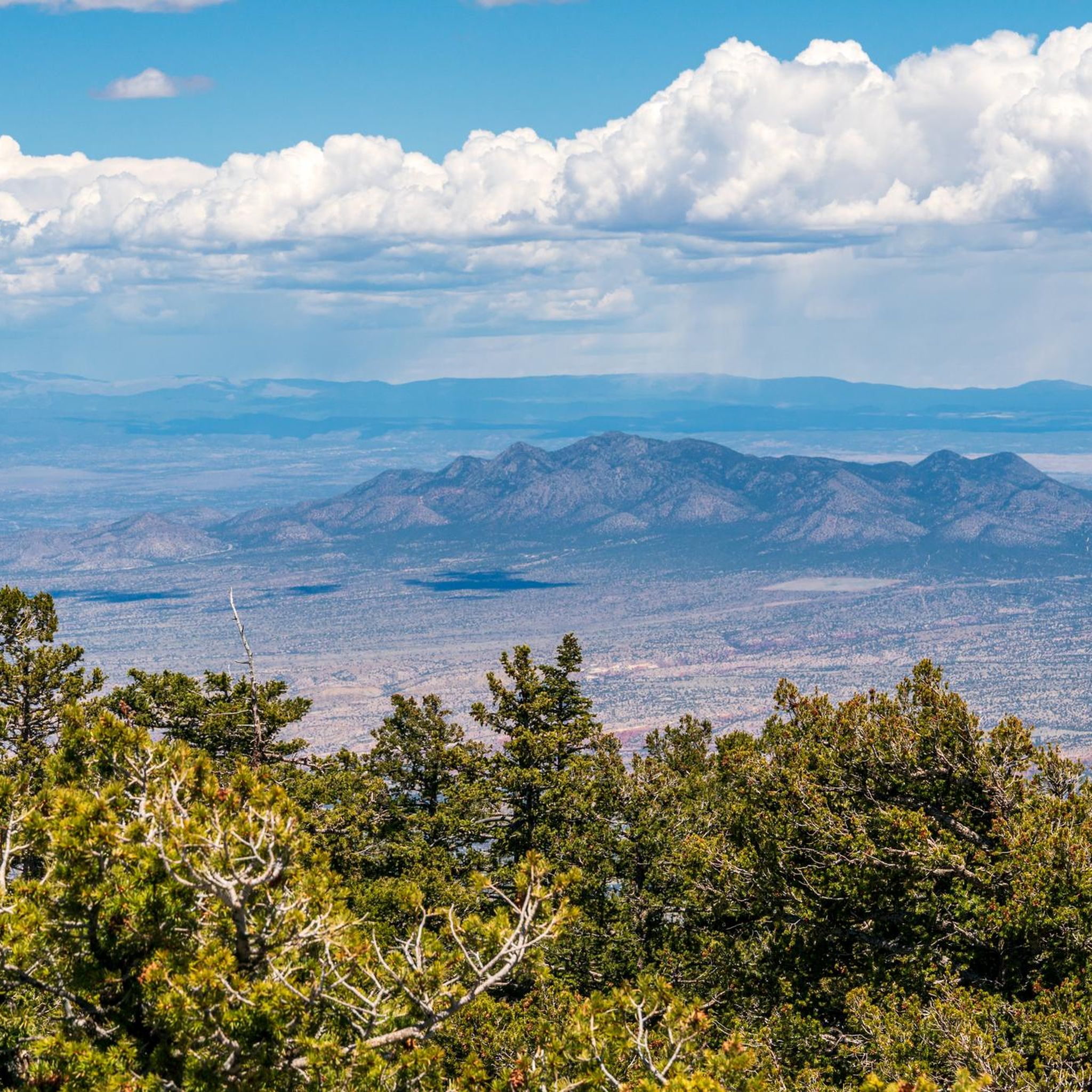
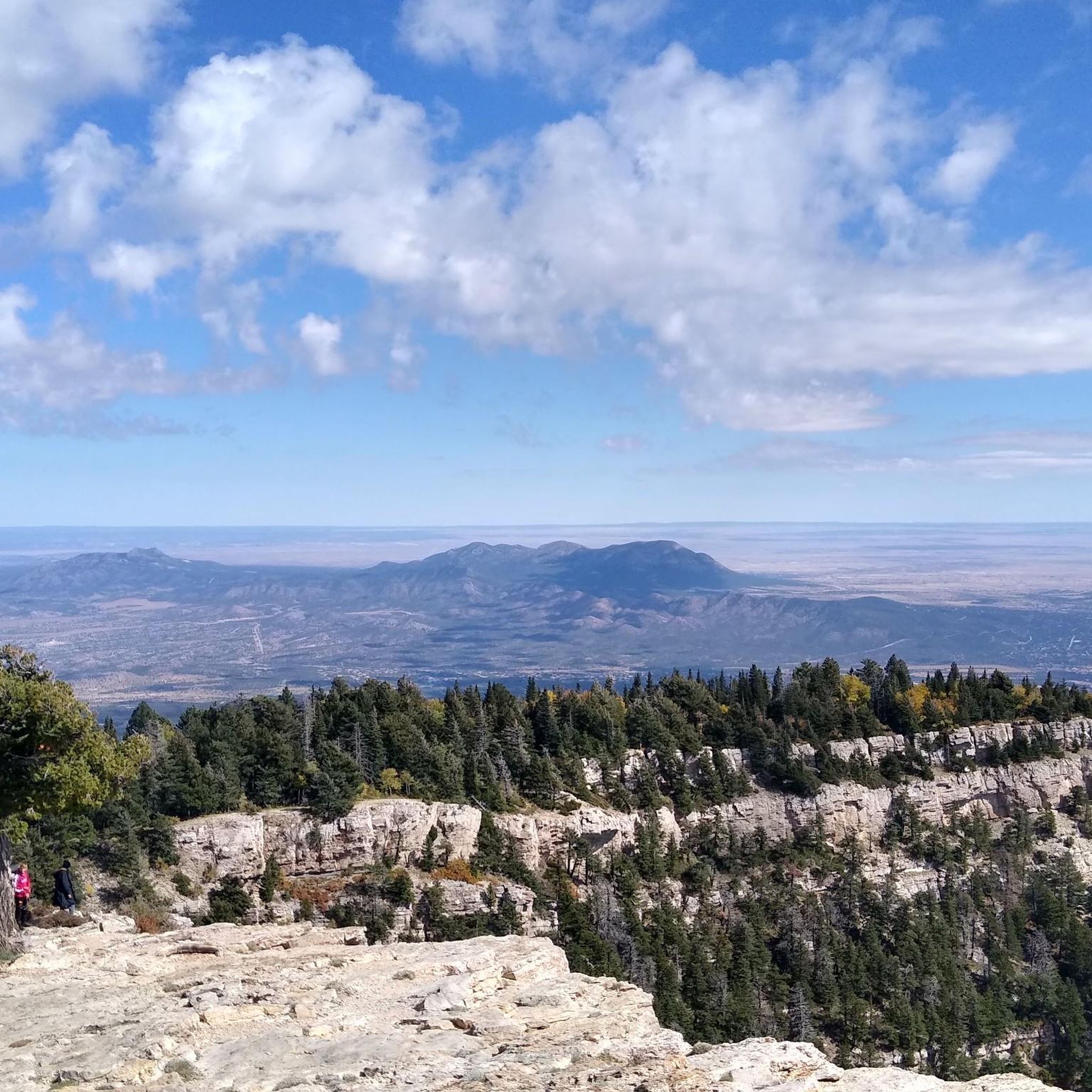
Hiking around Sandia Park explores the terrain of the Sandia Mountains and the adjacent Cibola National Forest in New Mexico. The region is characterized by significant elevation changes, transitioning from high desert scrub in the foothills to dense pine forests and high-altitude spruce-fir forests at higher elevations. The trail network provides access to steep hills, gravelly drainages, and forested canyons, offering diverse ecosystems for hikers. These landscapes feature rugged ridgelines and expansive meadows, with the Sandia Mountains providing a prominent…
Last updated: May 3, 2026
10
hikers
7.60km
02:25
240m
240m
Moderate hike. Good fitness required. Mostly accessible paths. Sure-footedness required.
10
hikers
5.73km
01:57
200m
210m
Moderate hike. Great for any fitness level. Mostly accessible paths. Sure-footedness required.

Sign up for free
4
hikers
8.67km
02:29
190m
190m
Moderate hike. Good fitness required. Mostly accessible paths. Sure-footedness required.
2
hikers
16.1km
06:28
680m
650m
Hard hike. Very good fitness required. Mostly accessible paths. Sure-footedness required.
19.3km
07:08
590m
590m
Hard hike. Very good fitness required. Mostly accessible paths. Sure-footedness required.
Get access to more routes and recommendations from other explorers.
Sign up for free
Already have an account?
Our route recommendations are based on thousands of hikes, rides, and runs completed by other people on komoot.
Start today with a free account
Your next adventure awaits.
Login or Signup
Popular around Sandia Park

Frequently Asked Questions
Are there any easy, family-friendly hikes in Sandia Park?
Yes, the Sandia Park area offers several options suitable for families. While many trails involve some climbing, the Sandia Peak Aerial Tramway – Kiwanis Cabin loop is a relatively short, moderate walk. For a very easy and interesting outing, consider the Sandia Man Cave Trail, which leads to a historical point of interest and is great for a quick family adventure.
Can I bring my dog on the trails around Sandia Park?
Many trails in the Sandia Mountains and Cibola National Forest are dog-friendly, but they must be kept on a leash. A popular choice among dog owners is Carlito Springs, a highly-regarded trail known for its scenery. Always check specific trail regulations before you go and be sure to bring enough water for your furry companion.
What are some popular places to start a hike in the Sandia Mountains?
There are several well-regarded trailheads providing access to the area's extensive network.
The 10k Trailhead, located along the Sandia Crest Scenic Highway, is a popular starting point for high-elevation hikes. For access to the foothills, many hikers start within the Sandia Mountain Wilderness area. Another option is to take the Sandia Peak Tramway to the top and access trails from the summit.
Are there any circular or loop hikes available?
Yes, there are several loop trails that allow you to enjoy a varied hike without backtracking. The Sandia Peak loop is a fantastic moderate option that offers a steady ascent through the wilderness. Another great choice is the Del Agua Overlook loop, which provides excellent views from the foothills.
How difficult are the hiking trails in Sandia Park?
The trails range from easy to difficult, with the majority being moderately challenging. There are over 25 trails in the area, including 2 easy routes, 18 moderate ones, and 5 rated as difficult. The terrain varies from gentle foothills to steep mountain ascents, so there's a trail for nearly every fitness level.
What do other hikers think of the trails around Sandia Park?
The hiking routes in this region are highly rated by the komoot community, with an average score of 4.8 out of 5 stars. Hikers often praise the stunning views, the transition from desert to forest landscapes, and the well-maintained trail network.
Are there any waterfalls on the hiking trails?
Yes, you can hike to Travertine Falls. The trail to the falls is a relatively easy and quick hike that leads to interesting rock formations and a seasonal waterfall. It's a popular spot and the trailhead provides connections to other routes if you're looking for a longer day out.
What is the best time of year to hike in the Sandia Mountains?
Hiking is possible year-round, but spring and fall offer the most pleasant temperatures. Summer can be very hot, especially on exposed trails in the foothills, so it's best to start early in the morning. Winter hikes are possible, but higher elevation trails like those near Sandia Crest will likely have snow and ice, requiring appropriate gear like microspikes.
How can I get to the top of Sandia Peak?
There are two main ways to reach the summit. For a scenic, non-strenuous journey, you can take the Sandia Peak Tramway, which offers incredible panoramic views on its 2.7-mile ascent. For a challenging physical test, you can hike up demanding trails like the famous La Luz Trail or the Pino Trail from the base of the mountain.
What should I pack for a day hike in Sandia Park?
Essentials include plenty of water, especially in summer, as the high desert climate is very dry. Wear sturdy hiking shoes, as trails can be rocky and uneven. Layered clothing is recommended because temperatures can change significantly with elevation. Sun protection, such as a hat, sunglasses, and sunscreen, is crucial year-round.
Are there any fees or passes required for hiking?
Some recreation sites and trailheads within the Cibola National Forest and Sandia Mountains require a day-use fee. It's best to check the specific trailhead information before you go. The Sandia Foothills Open Space, managed by the City of Albuquerque, is generally free to access. For the most current information on fees, you can check the official Sandia Foothills Open Space website.
What kind of scenery can I expect on a moderate hike?
A moderate hike like the Tecolote Peak Trail will take you through classic high desert scrub terrain, featuring plants like chamisa and apache plume with open views of the surrounding landscape. Other moderate trails climb higher into forested canyons, offering more shade and a different ecosystem.
Most popular routes around Sandia Park
Most popular attractions around Sandia Park

Get inspired with the komoot mobile app


Explore more
Browse the best Hikes in other regions.
