Top 20 Castles around Kronach
Best castles around Kronach are found in Upper Franconia, Germany, a historic region known for its defensive structures and strategic location. The town of Kronach is situated at the confluence of the Kronach, Haßlach, and Rodach rivers, a position that historically protected important trade routes. This area features a blend of medieval, Renaissance, and Baroque architectural styles in its fortifications. The landscape is characterized by hills and river valleys, providing natural defensive advantages for its numerous castles.
Best castles around…
Last updated: June 22, 2026
Mitwitz moated castle
Highlight • Castle
Translated by Google •
Tip by

⚔️ Festung Rosenberg
Highlight • Castle
Translated by Google •
Tip by

Sign up now to discover places like this
Get recommendations on the best single tracks, peaks, & plenty of other exciting outdoor places.
Sign up for free
Lauenstein Castle
Highlight • Castle
Translated by Google •
Tip by

Oberlangenstadt Castle
Highlight • Castle
Translated by Google •
Tip by

Schmölz Castle
Highlight • Castle
Translated by Google •
Tip by

Schloßberg Nordhalben Summit and Mushroom Sculpture
Highlight • Summit
Translated by Google •
Tip by

🏛️ Heunischenburg
Highlight • Castle
The Urnfield-time Heunischenburg is due to the archaeological research of the years 1983 to 1987 as the oldest …
Translated by Google •
Tip by

Haig Castle
Highlight • Castle
Translated by Google •
Tip by

Upper Mitwitz Castle
Highlight • Castle
Translated by Google •
Tip by

Heunischenburg — Bronze Age Fortification
Highlight • Historical Site
landschaftsmuseum.de/Seiten/Ausgrab/Aus-Heunbg.htm
Translated by Google •
Tip by

Sign up for free to discover even more castles around Kronach.
Sign up for free
Already have an account?
Start today with a free account
Your next adventure awaits.
Login or Signup
Popular around Kronach
The Rennsteig — Thuringia's most beautiful hiking route
Nature, the outdoors and adventure – hiking through the VGN's nature parks
Long distance hiking trails in the Thuringian Forest
Discover the Green Belt in Germany’s Thuringian Slate Mountains with BUND
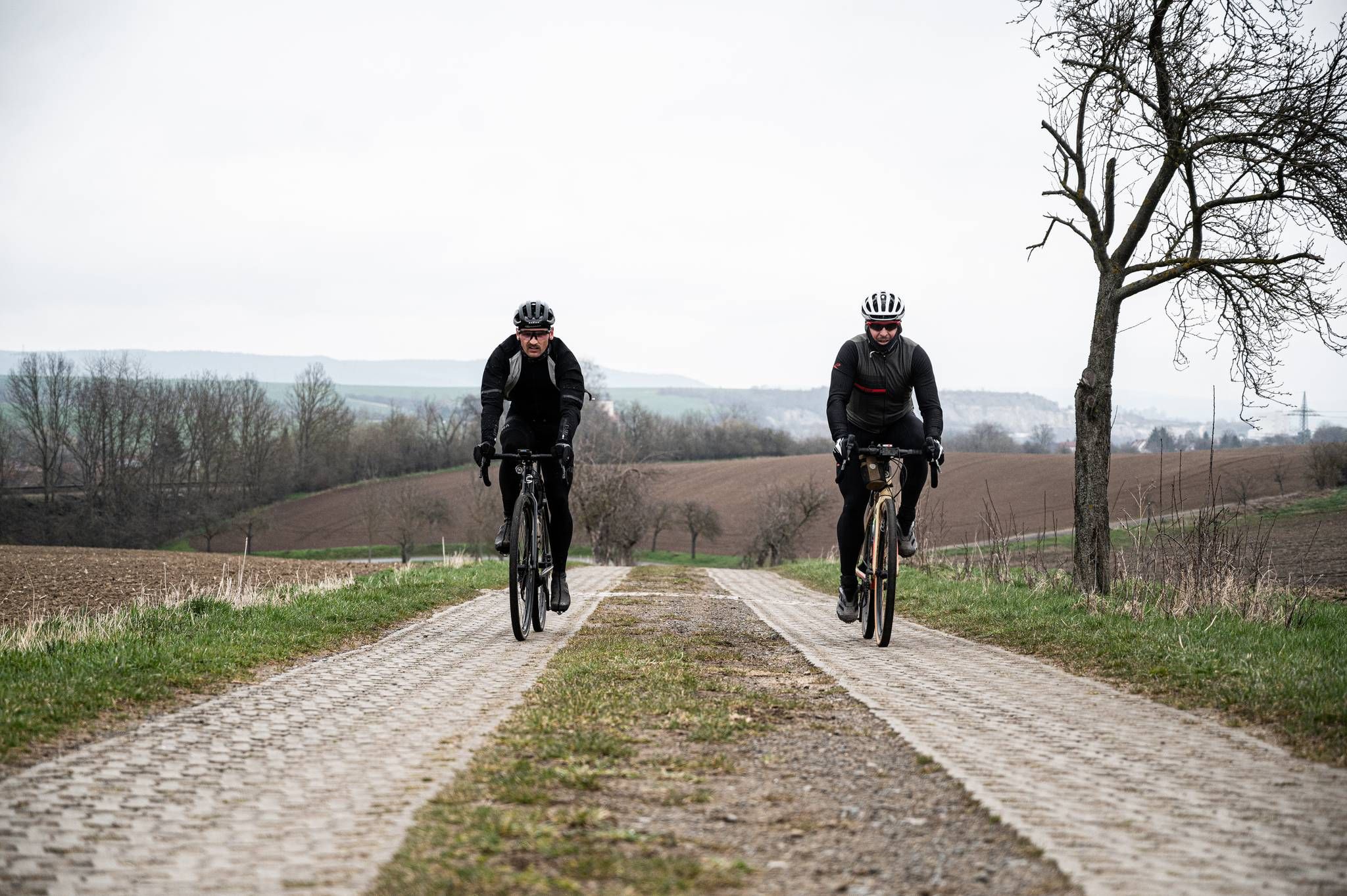
Cycling across Germany – my journey to the southernmost point of Germany
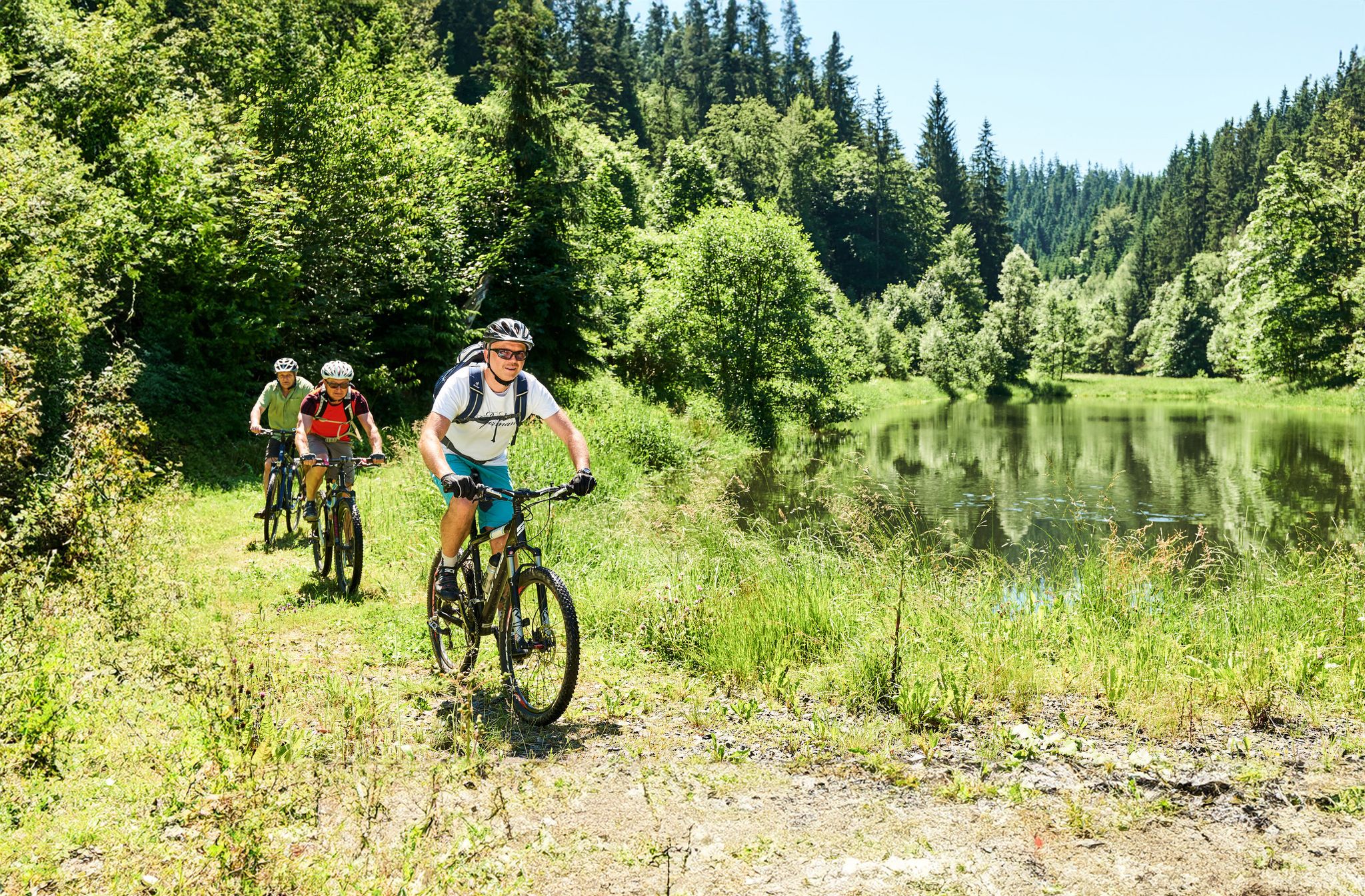
Magical woodland & trails – cycling in Germany’s Franconian Forest
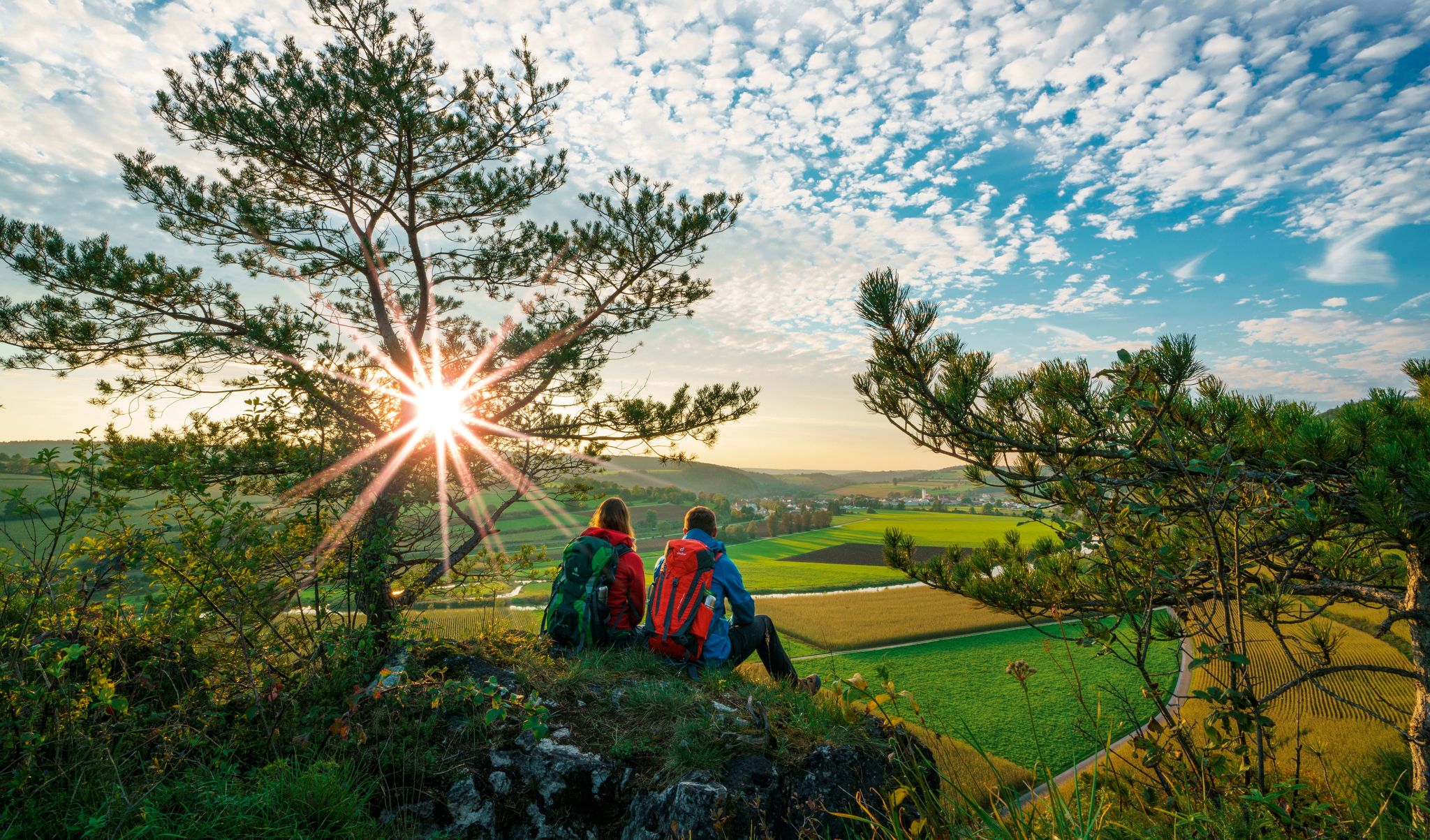
The Franconian Trail – A Diverse Hiking Dream Across 24 Stages
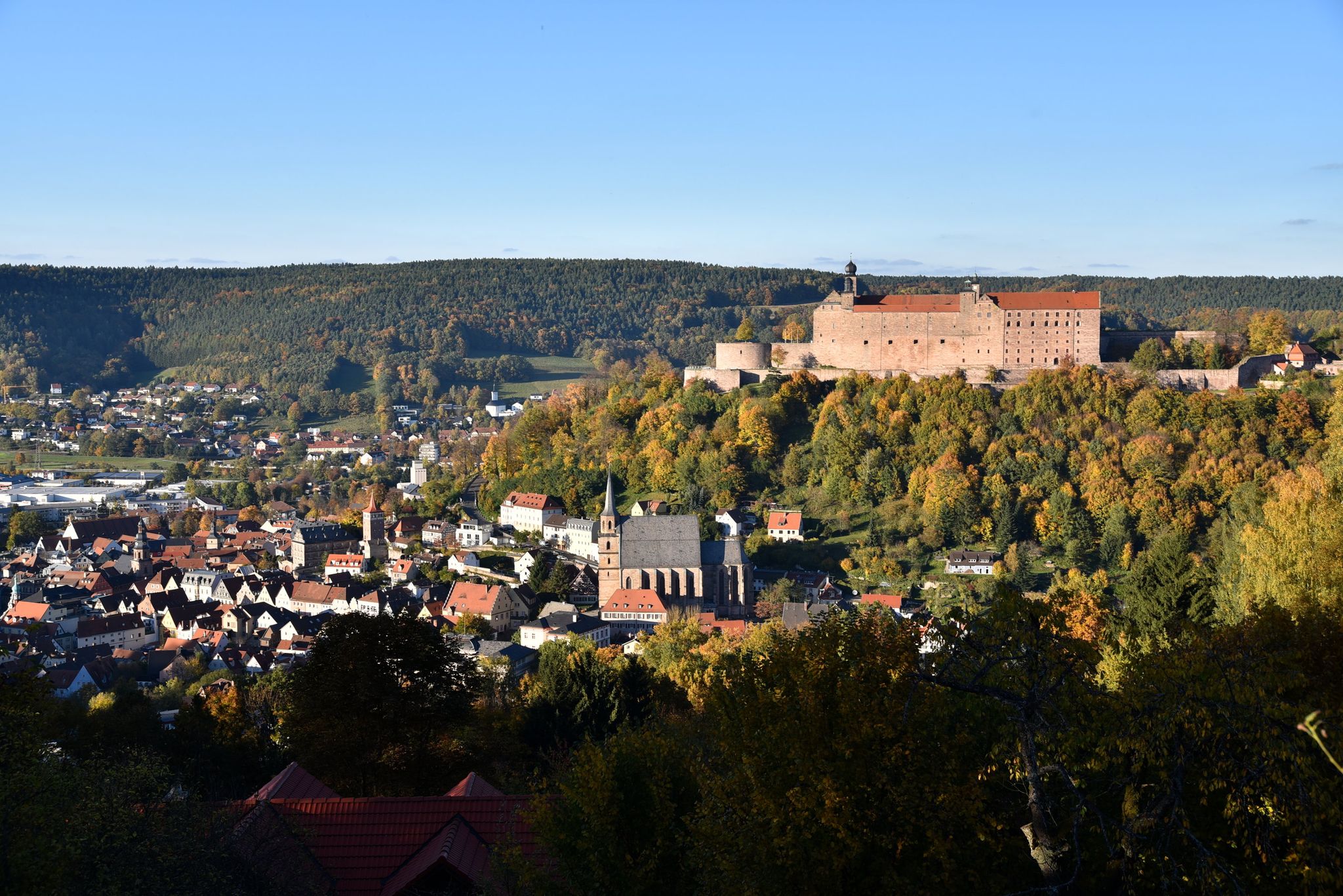
Stop by at the Margraves – hiking around Kulmbach in Bavaria
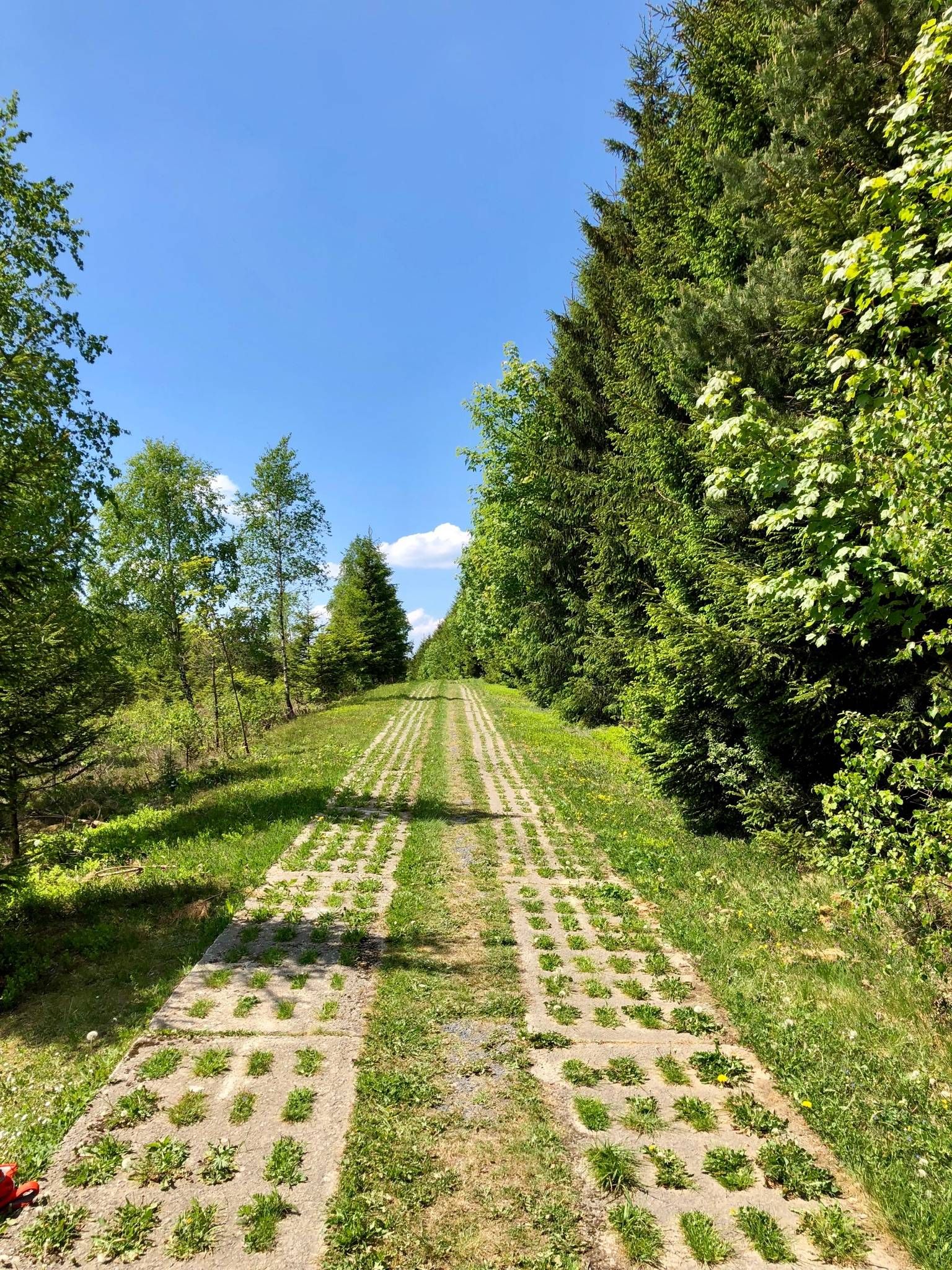
Experience history – day Tours at the Green Belt in Thuringia
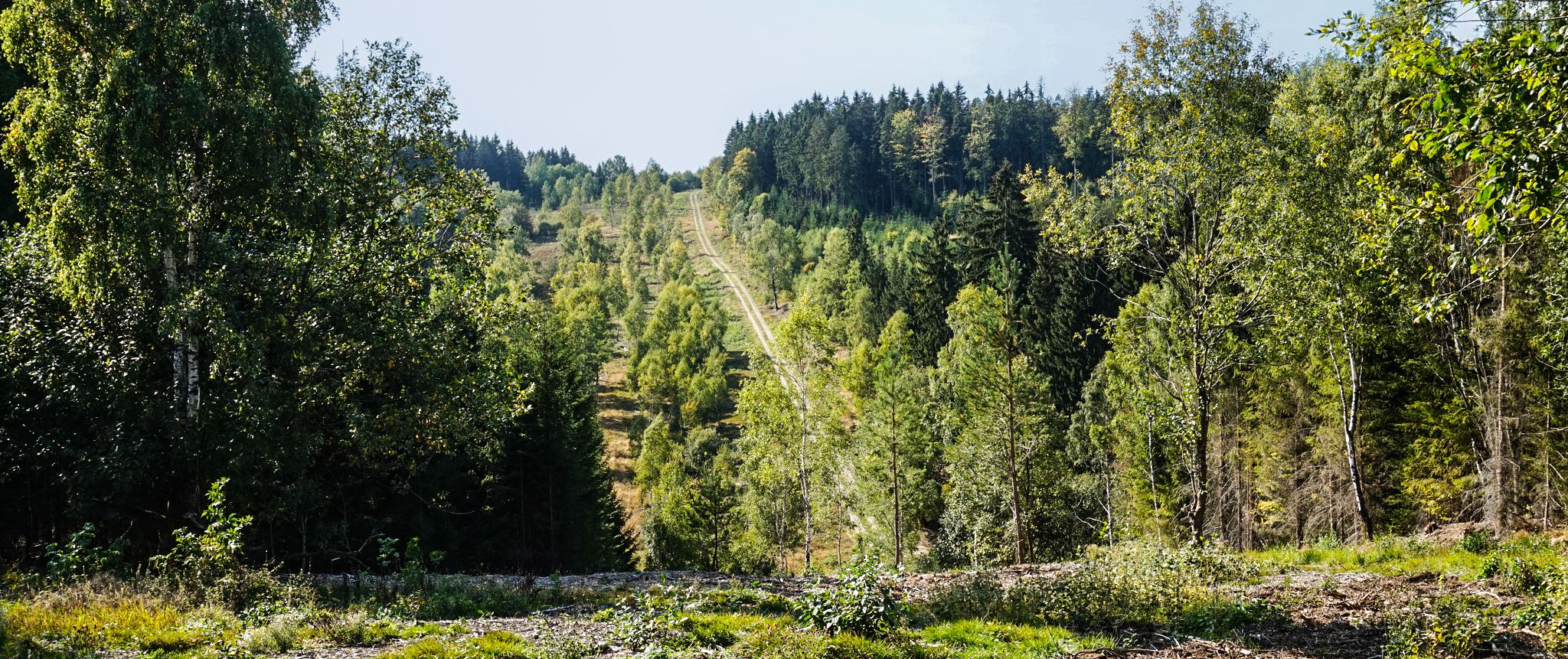
Discover the nature along the “Greenbelt” together with the BUND
Other adventures around Kronach


Tips from the Community

Haig Castle, also known as Haiger Castle or Haig Manor, is located in the Haig district of Stockheim in the Upper Franconian district of Kronach. It is considered an art-historical gem of the region, as it has a direct connection to one of the most renowned Baroque architects. For a long time, the authorship of the castle's design remained unclear. It wasn't until the 1980s that a plan was discovered in the archives of Mitwitz Water Castle, definitively proving that Balthasar Neumann, the famous architect of the Würzburg Residence and the Basilica of the Fourteen Holy Helpers, was the creator of the design. The foundation stone was laid in 1731, and the building's completion is dated to around 1733. Johann Veit Freiherr von Würtzburg, an influential cathedral dean, commissioned the construction after the original manor house was destroyed in the Thirty Years' War.
0
0

The upper castle was built around 1300. Like the moated castle, it was owned by the von Schaumburg family until 1425 and by the von Rosenau family until 1575.
0
0

Viewpoint on the Schlossberg with a mushroom as a seat with weather protection
1
1

This hilltop castle, originally part of the Orlagau region, was built over a thousand years ago in the midst of a clearing on the upper reaches of the Saale River and its tributary, the Loquitz. It was first mentioned in a document from 1222. Via the Counts of Orlamünde (1250) and the Knights of Ghüna (1506), the castle finally passed to the Margraves of Brandenburg-Kulmbach and Bayreuth in 1622, falling to Prussia in 1791 and Bavaria in 1803. In 1896, the castle romanticist Dr. Erhard Messmer from Halle an der Saale acquired the completely neglected castle complex, had it renovated, and refurbished. Katharina von Orlamünde was born at Lauenstein Castle in the 14th century. She is said to haunt the castle to this day as the restless ghost known as the "White Lady."
16
0
After the castle romanticist Dr. Ehrhard Messmer from Halle an der Saale purchased the dilapidated Lauenstein Castle in 1896, he had the building renovated in the historicist style. This included the restoration of the bridge over the moat leading up to the historic castle gate.
13
0

There is a warning about dogs running loose 😭
3
0
The beer garden opposite is highly recommended; everything just fits together there.
5
1

A late Bronze Age fortification that served to monitor a copper and tin trade route in the 9th century.
0
0
Frequently Asked Questions
What makes Rosenberg Fortress a significant historical site?
Rosenberg Fortress, located above Kronach's old town, is considered one of Germany's largest and best-preserved defensive fortresses. Its history dates back to 1249, and it uniquely boasts of never having been captured by force. The fortress showcases a fascinating blend of medieval, Renaissance, and Baroque architectural styles, with contributions from renowned architects like Balthasar Neumann. It also houses the Franconian Gallery, a branch of the Bavarian National Museum, displaying art from the late Gothic and Renaissance periods.
Are there other notable castles to visit in the Kronach district besides Rosenberg Fortress?
Yes, beyond Rosenberg Fortress, the Kronach district offers other interesting castles. You can visit Mitwitz moated castle, known for its original furnishings from the 16th to 20th centuries. Another must-see is Lauenstein Castle, a hilltop castle first mentioned in 1222, notable for its historicist renovation. Schmölz Castle, rebuilt in 1536 after being destroyed in the Peasants' War, is now privately owned by artists.
What kind of architectural styles can be seen in the castles around Kronach?
The castles around Kronach, particularly Rosenberg Fortress, display a rich blend of architectural styles. You'll find elements of medieval construction, such as keeps and early defensive walls, alongside Renaissance and Baroque additions. This evolution reflects centuries of defensive construction, from medieval fortifications to the powerful wall and tower structures of the 15th and 16th centuries, and later Baroque expansions like the pentagonal layout of Rosenberg Fortress.
How long does it typically take to explore Rosenberg Fortress?
Exploring Rosenberg Fortress can take several hours, depending on your interest. The extensive 23-hectare complex offers multimedia and interactive guided tours, including the system of underground corridors. If you plan to visit the Franconian Gallery within the fortress, allow additional time. Many visitors spend half a day or more to fully appreciate its history, architecture, and panoramic views.
What is the Heunischenburg, and why is it important?
The Heunischenburg is an ancient fortification near Kronach, recognized as the oldest scientifically researched stone castle in Europe north of the Alps. Archaeological research indicates it dates back to the 9th century BC, serving to monitor a copper and tin trade route during the Urnfield period. It's a significant site for understanding pre-Celtic history in the region.
Are the castles around Kronach suitable for families with children?
Yes, many castles in the Kronach region are family-friendly. Rosenberg Fortress offers interactive tours and hosts cultural events suitable for various ages. Mitwitz moated castle is also a great option. The Heunischenburg, with its ancient history, can be an interesting short walk for families, encouraging children to look for historical remains.
What outdoor activities can I do near the castles in Kronach?
The Kronach region, with its diverse landscape, offers various outdoor activities near its castles. You can find numerous running trails, such as the 'War memorial – View of Rosenberg Fortress loop from Blumau' or the 'Rosenturm Kronach – Kronach City Tower loop from Kronach'. For cycling enthusiasts, there's the 'Burgen- und Schlösser-Tour' (Castles and Palaces Tour) or routes like 'Vom Rennsteig nach Kronach'. If you prefer hiking, explore options like the 'Pfersag Waterfall' routes. You can find more details on these activities in the Running Trails around Kronach, Cycling around Kronach, and Waterfall hikes around Kronach guides.
What is the best season to visit the castles in Kronach?
The best season to visit the castles in Kronach is generally from spring to autumn (May to September). During these months, the weather is typically pleasant for exploring the outdoor grounds of the fortresses and castles, enjoying panoramic views, and participating in cultural events like the Kronach Festival at Rosenberg Fortress. Castle tours, such as those at Mitwitz Moated Castle, are also regularly held during this period.
How can I get to Rosenberg Fortress by public transport?
Rosenberg Fortress is located above the old town of Kronach. While specific public transport routes directly to the fortress entrance might vary, you can typically reach Kronach town center by train or bus. From there, it's a walk up to the fortress. It's advisable to check local bus schedules or taxi services from Kronach train station for the most convenient access to the fortress entrance.
Are there dining options or cafes near Rosenberg Fortress?
Yes, there are dining options available. Within the historic walls of Rosenberg Fortress, a JUFA Hotel offers accommodation and likely dining facilities. Additionally, the old town of Kronach, located directly below the fortress, provides various cafes, pubs, and restaurants where visitors can enjoy local Franconian cuisine and refreshments after exploring the fortress.
Is there parking available at Rosenberg Fortress?
Yes, parking facilities are available for visitors to Rosenberg Fortress. There are designated parking areas near the fortress, allowing convenient access for those traveling by car. Follow the signs for 'Festung Rosenberg' upon arrival in Kronach to locate the parking.
Can I bring my dog to the castles or on nearby trails?
While policies for bringing dogs inside castle buildings can vary and are often restricted, many outdoor areas and nearby hiking trails in the Kronach region are dog-friendly. For instance, the natural trails around Lauenstein Castle or the various routes mentioned in the Running Trails around Kronach guide are suitable for walks with your dog. Always keep your dog on a leash and check specific castle regulations beforehand.
What kind of views can I expect from the castles in Kronach?
The castles in the Kronach region offer impressive views, especially from their elevated positions. From Rosenberg Fortress, you can enjoy unique panoramic views over the roofs of Kronach's late-medieval old town and the surrounding landscape, including the confluence of the Kronach, Haßlach, and Rodach rivers. Lauenstein Castle, a hilltop castle, also provides scenic vistas of the surrounding area.
Most popular routes around Kronach
Most popular attractions around Kronach

Get inspired with the komoot mobile app


Didn’t find what you were looking for?
Explore Kronach’s best castles region by region:
Explore more
Looking for the best castles somewhere else? Discover other guides around Kronach:
