Top 20 Waterfalls around Hohnstein
Best waterfalls around Hohnstein are found in a region bordering the Saxon Switzerland National Park, known for its castle and extensive hiking trails. The area features a variety of natural water formations and historical sites that utilize water. These locations offer diverse experiences, from picturesque gorges to impressive rock formations shaped by water. The landscape provides opportunities for exploration and connection with both nature and local history.
Best waterfalls around Hohnstein
- The most popular highlight is Historic Hydroelectric Power Plant…
Last updated: June 24, 2026
Gautsch Grotto
Highlight • Cave
Translated by Google •
Tip by

Amselfall
Highlight • Waterfall
Translated by Google •
Tip by

Sign up now to discover places like this
Get recommendations on the best single tracks, peaks, & plenty of other exciting outdoor places.
Sign up for free
Historic Hydroelectric Power Plant in the Lohmener Klamm
Highlight • Monument
Translated by Google •
Tip by

Wesenitz Waterfall at the Lochmühle
Highlight • Waterfall
Translated by Google •
Tip by

Dorfbachklamm Gorge
Highlight • Gorge
Translated by Google •
Tip by

Sign up for free to discover even more waterfalls around Hohnstein.
Sign up for free
Already have an account?
Start today with a free account
Your next adventure awaits.
Login or Signup
Popular around Hohnstein
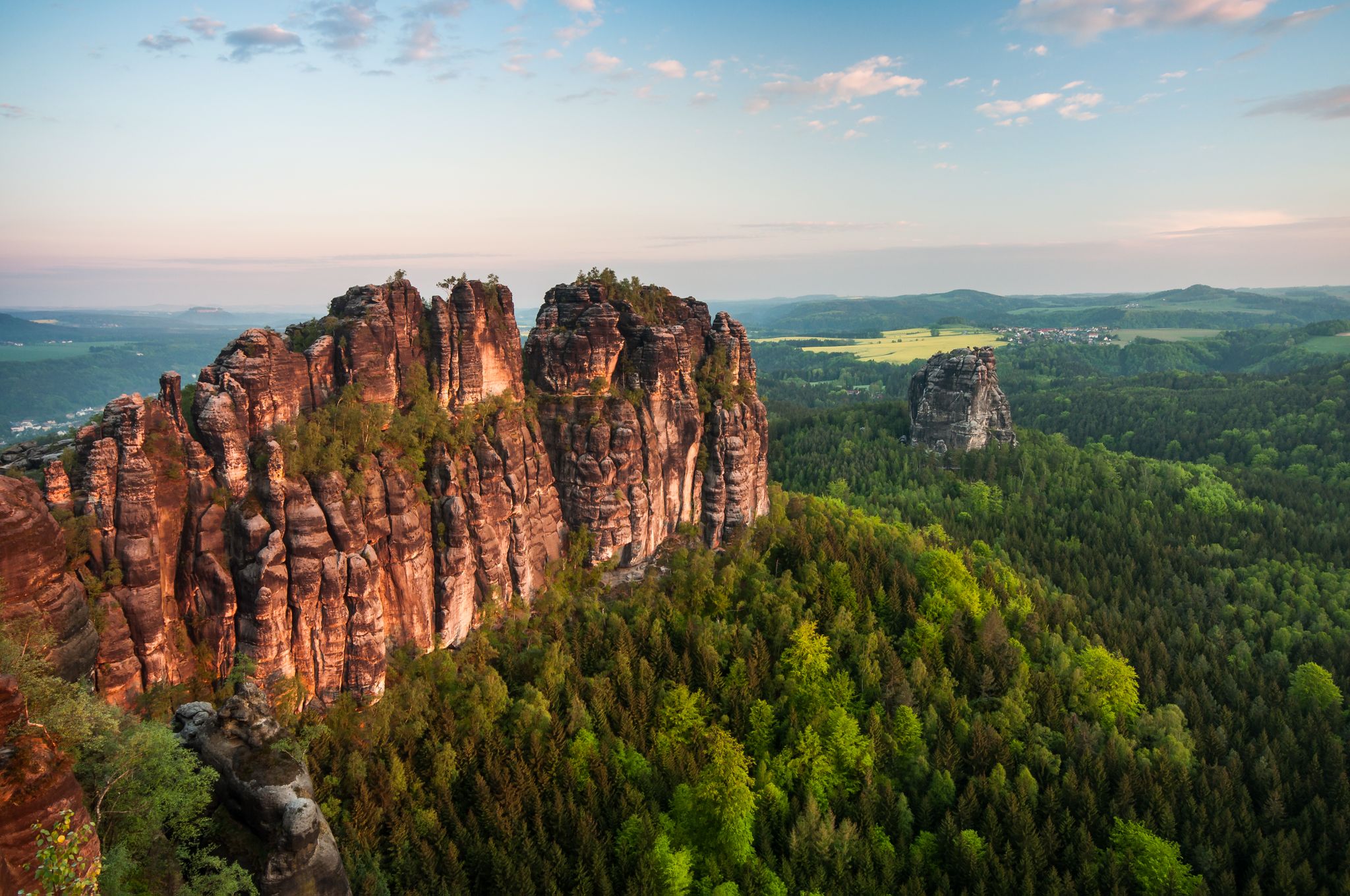
Malerweg — following the trails of the artists in Saxon Switzerland
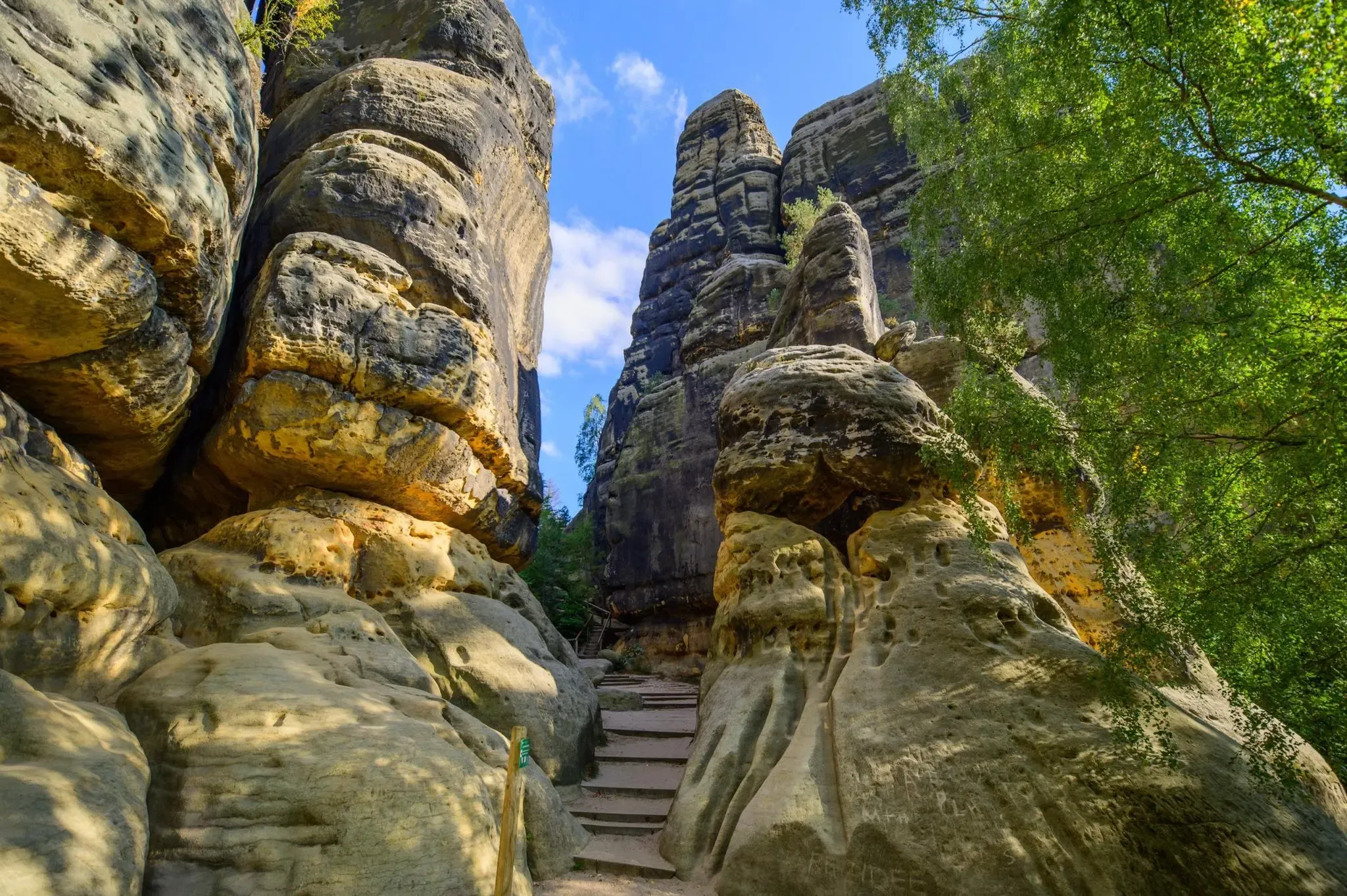
Malerweg – Trail running in Germany's dramatic Saxon Switzerland area
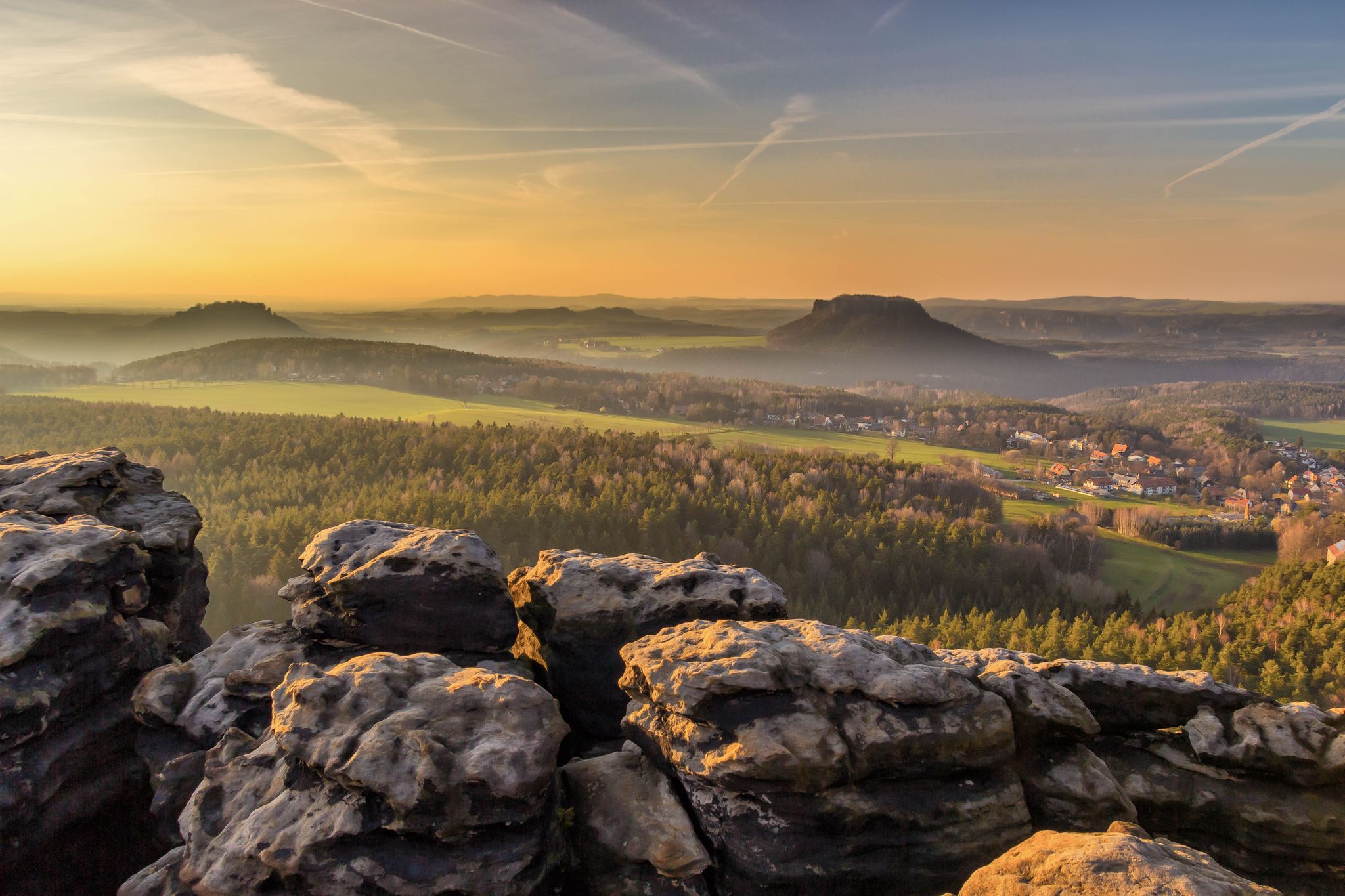
National Park Region Saxon Switzerland: Hiking Recommendations 2023
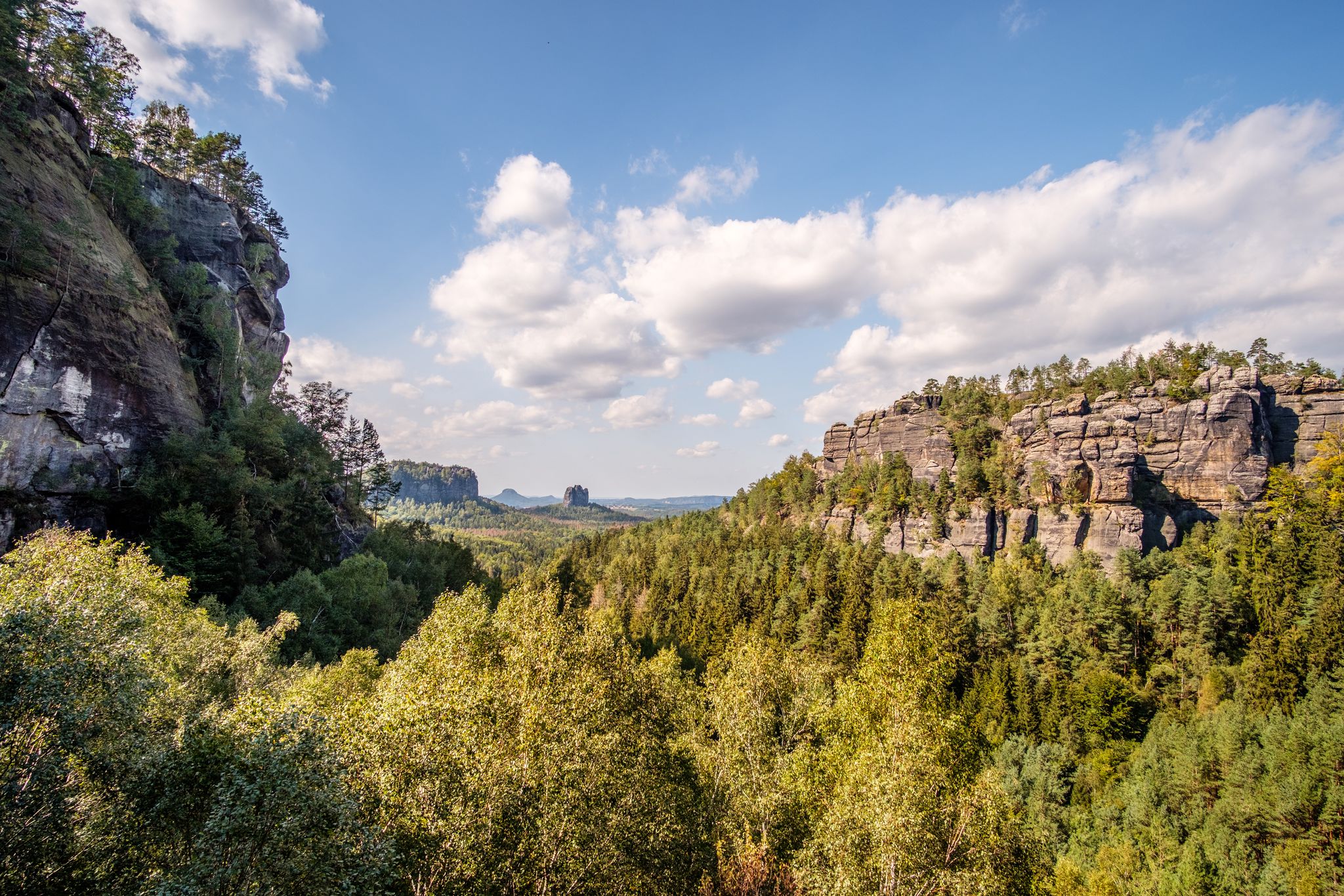
Most beautiful paths through the Elbe Sandstone Mountains
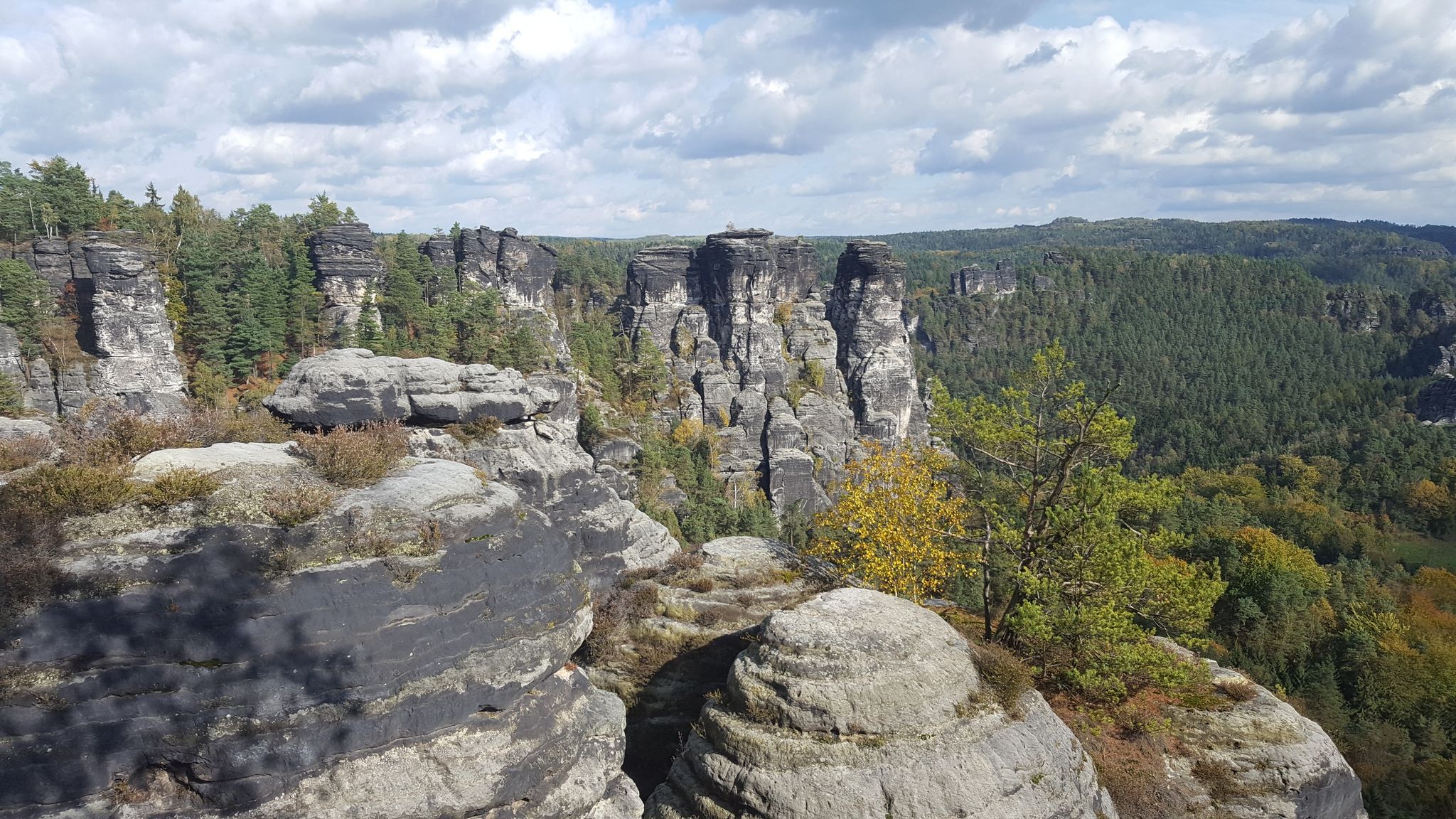
Saxon Switzerland - Adventures for Everyone
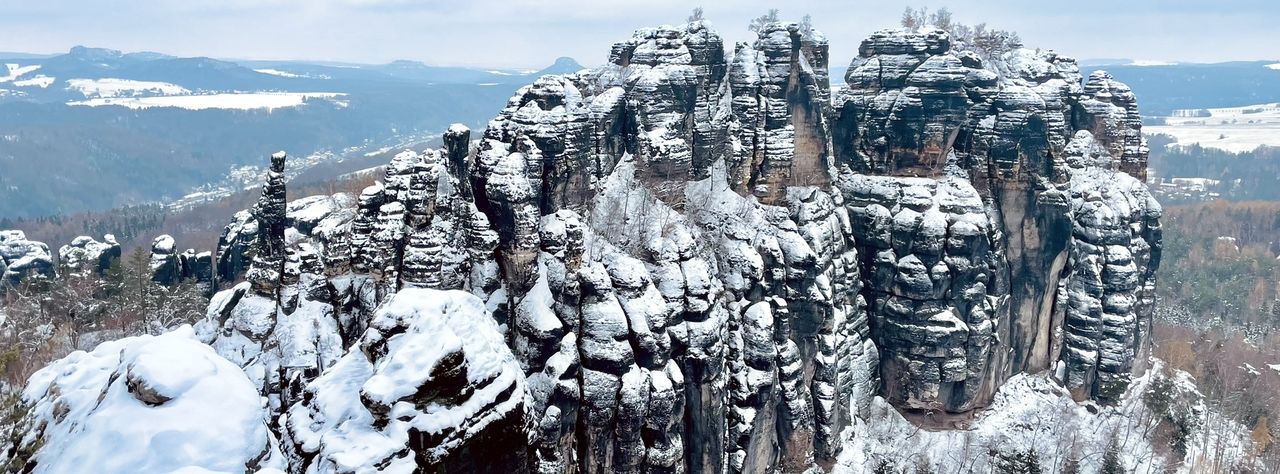
Winterwanderungen in der Sächsischen Schweiz
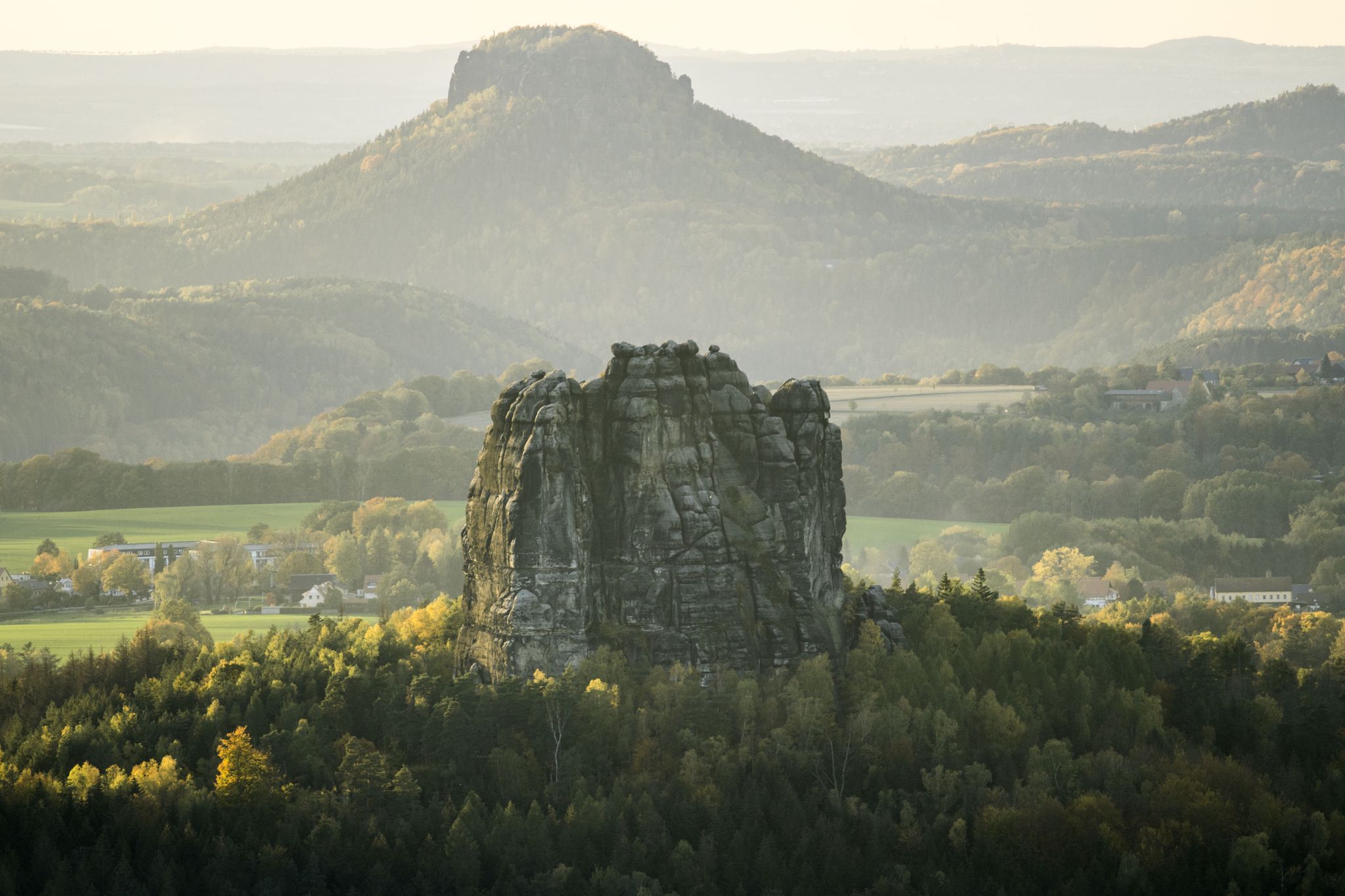
Wanderempfehlungen Nationalparkregion Sächsische Schweiz
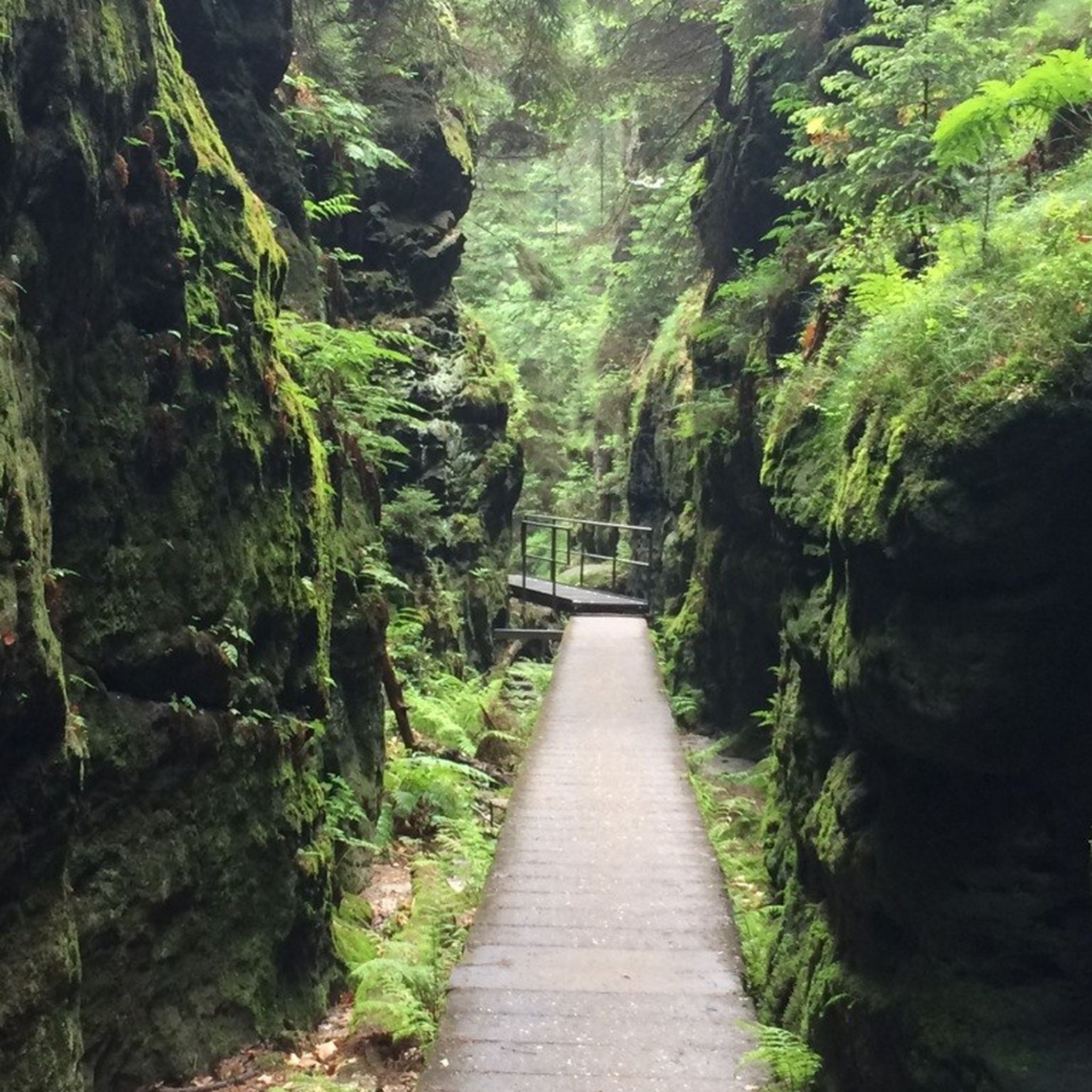
Hiking around Hohnstein
Gravel biking around Hohnstein
Cycling around Hohnstein
Other adventures around Hohnstein


Tips from the Community

The power plant is based on a weir system built in 1877, which initially powered neighboring machines in the Weber & Niezel wood grinding and cardboard factory via transmission. In 1910, a Francis turbine and electric generator with an installed capacity of 180 kW were commissioned to generate electrical energy. This was followed in 1932 by the addition of a second turbine with 80 kW. After the Second World War, the weir system was partially repaired in 1963. In 1969, the power plant was shut down due to uneconomical operation, and the facility was left to decay.
5
1
There is an impressive lost place by the rushing stream!
6
1
A very idyllic atmosphere. The hotel project seems to have been dying since 2016. There is no visible activity in or around the property.
6
1
A very idyllic landscape that is very impressive. Plenty of water rushing past.
7
1
The power plant is based on a weir built in 1877, which initially used transmission to drive neighboring machines in the Weber & Niezel wood grinding and cardboard factory. In 1910, a Francis turbine and electric generator with an installed capacity of 180 kW were put into operation to generate electrical energy. This was followed in 1932 by the addition of a second turbine with 80 kW. After the Second World War, the weir was partially repaired in 1963. In 1969, the power plant was shut down due to uneconomical operation and the plant was left to decay. After reunification, it was restarted in 2000 with a Kaplan turbine. The head is 10.4 m and has an installed capacity of 215 kW with a flow rate of up to 2.6 m³/s.
5
1

Closed from 16 June until 27 July 2025 due to repair work on the path and embankment. We saw the signs with this notice yesterday, 12 June.
5
2

Simply amazing and a very mystical place, take your time if you're nearby, a great tip.
22
2
Frequently Asked Questions
What unique water features can I explore around Hohnstein?
Beyond traditional waterfalls, you can discover impressive natural formations like the Gautsch Grotto, a large rock overhang with an 18-meter-high trickling stream. The Wesenitz Waterfall at the Lochmühle offers a picturesque mini-waterfall, and the Dorfbachklamm Gorge features metal steps along a steep stream, showcasing impressive sandstone cliffs.
Are there any historical sites related to water power in the region?
Yes, the Historic Hydroelectric Power Plant in the Lohmener Klamm is a remarkable monument. It showcases how water flow was harnessed for electricity, offering a blend of industrial history and natural beauty. Visitors describe it as a 'mystical place' with an almost romantic effect.
What is the current status of the Amselfall?
The Amselfall is currently inaccessible due to scaffolding for rockfall protection, and the associated inn (Amselfallbaude) is permanently closed. Historically, access was typically from April to October, but visitors should check for current information before planning a trip.
Is the Gautsch Grotto suitable for families?
Yes, the Gautsch Grotto is easily accessible and suitable for children. The path from Hohnstein market is about a 10-15 minute walk, making it a great option for a family outing to see its impressive rock formations and trickling stream.
What kind of hiking trails can I find near the waterfalls?
The area around Hohnstein offers a variety of hiking trails, many of which pass by these water features. For instance, the Gautsch Grotto is a significant geological feature along the Malerweg (Painter's Way) hiking trail. You can find numerous routes, including those with moderate difficulty, that combine natural beauty with historical sites. Explore more options on the Hiking around Hohnstein guide.
When is the best time to visit the waterfalls around Hohnstein?
The region's water features offer different experiences throughout the year. Spring and autumn provide lush greenery and vibrant colors, while summer is ideal for enjoying the cool retreats of grottos. In colder winters, the dripping water at the Gautsch Grotto can form gigantic ice columns, creating a stunning spectacle.
Are there easy walks to waterfalls around Hohnstein?
Yes, there are easy walks available. The path to the Gautsch Grotto from Hohnstein is an easy 10-15 minute walk suitable for most visitors. Many sections of the trails leading to the Historic Hydroelectric Power Plant in the Lohmener Klamm are also easily accessible.
Are there any dog-friendly trails near the waterfalls?
While specific dog-friendly designations for each waterfall trail are not always noted, many hiking trails in the Saxon Switzerland National Park area are generally dog-friendly. It's always advisable to keep dogs on a leash and check local regulations for specific areas. You can explore various routes on the Hiking around Hohnstein guide.
What other outdoor activities are available near Hohnstein's waterfalls?
Besides exploring waterfalls, the Hohnstein area offers a wide range of outdoor activities. You can find numerous running trails, including challenging loops through gorges and viewpoints. There are also extensive hiking routes, such as the Malerweg, and gravel biking routes that take you through the scenic Saxon Switzerland National Park.
Where can I find refreshments or accommodation near the waterfalls?
Hohnstein itself offers various options for cafes, pubs, and accommodation. While the Amselfallbaude is currently closed, you'll find places to eat and stay within the town and surrounding villages, especially those catering to hikers exploring the Saxon Switzerland National Park. It's recommended to check local listings for current availability.
What makes the Dorfbachklamm Gorge worth visiting?
The Dorfbachklamm Gorge offers a unique hiking experience where you follow the course of a steep village stream on metal steps. It's known for its impressive sandstone cliffs and lush greenery, forming part of the Saxon Switzerland National Park's network of paths and the famous Malerweg. Note that it may be subject to temporary closures for maintenance, so check for current access information.
What do visitors particularly enjoy about the water features in Hohnstein?
Visitors are often captivated by the mystical atmosphere and impressive natural formations. The sheer size of the Gautsch Grotto makes one feel small in the face of nature, while the Historic Hydroelectric Power Plant is praised for its blend of history and natural beauty. The idyllic landscapes, like those around the Wesenitz Waterfall, also provide serene spots for hikers.
Most popular routes around Hohnstein
Most popular attractions around Hohnstein

Get inspired with the komoot mobile app


Explore more
Happy to travel a little further afield? Then browse these guides for the best waterfalls around Hohnstein:
