The 6 Most Amazing Peaks around Ihringen
Mountain peaks around Ihringen offer diverse landscapes within the Kaiserstuhl region, known for its volcanic origin and fertile loess soils. This area features elevations that provide panoramic views of the surrounding vineyards and distant mountain ranges. The unique geological composition supports viticulture and a variety of natural habitats. Visitors can explore a range of trails leading to these peaks, which are characterized by their distinct natural features.
Best mountain peaks around Ihringen
- The most popular mountain peaks is Neunlinden Tower…
Last updated: July 1, 2026
Neunlinden Tower
Highlight • Viewpoint
Translated by Google •
Tip by

Eichelspitz Tower
Highlight • Viewpoint
Translated by Google •
Tip by

Sign up now to discover places like this
Get recommendations on the best single tracks, peaks, & plenty of other exciting outdoor places.
Sign up for free
Mondhalde Pavilion and Viewpoint
Highlight • Viewpoint
Translated by Google •
Tip by

Schlossberg Pavilion and the Höhingen Castle Ruins
Highlight • Castle
Translated by Google •
Tip by

Vineyard Steps to Seepark Tower
Highlight • Trail
Translated by Google •
Tip by

Sign up for free to discover even more peaks around Ihringen.
Sign up for free
Already have an account?
Start today with a free account
Your next adventure awaits.
Login or Signup
Popular around Ihringen
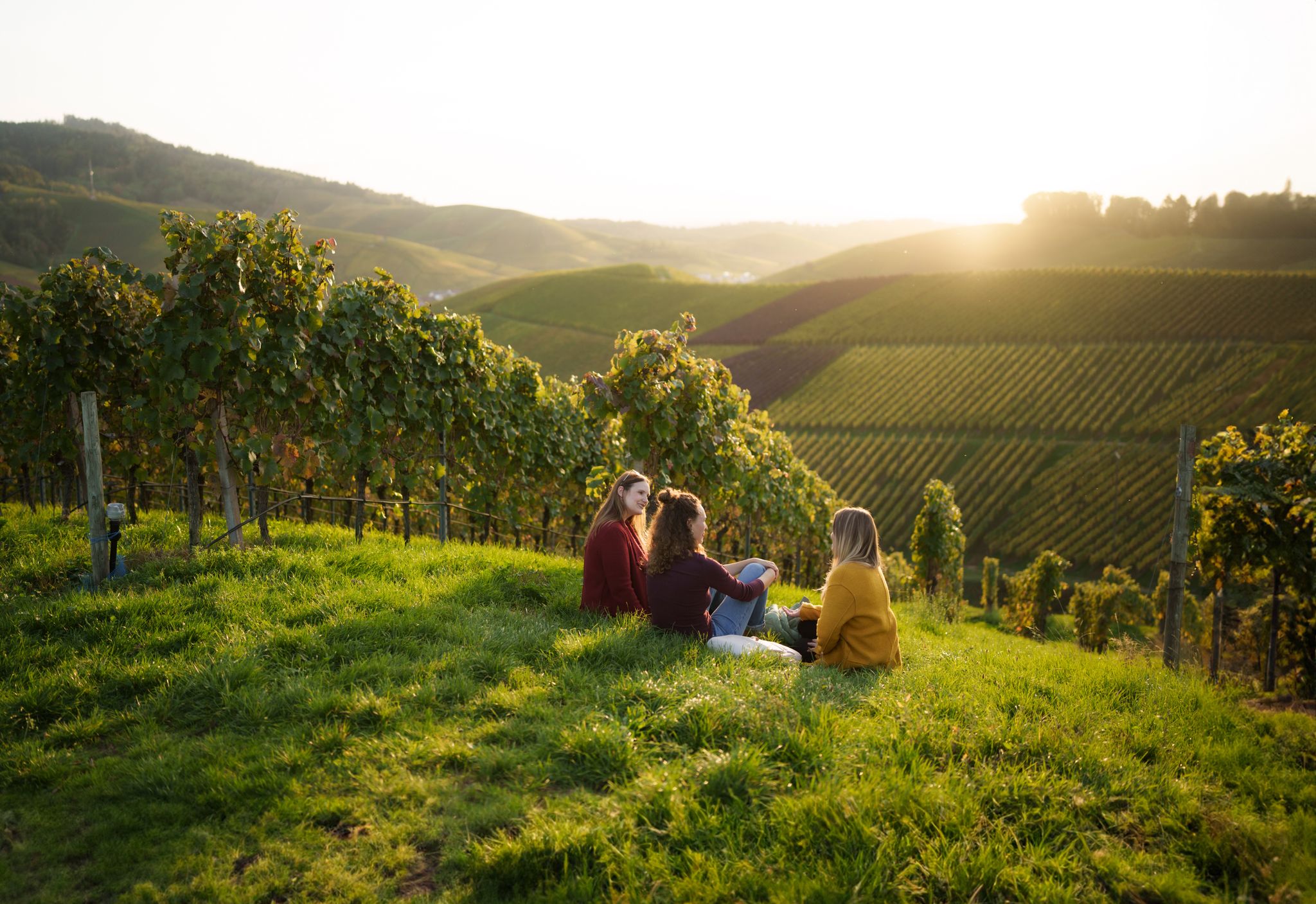
Picnics, wine and wide views – along the Baden Wine Route
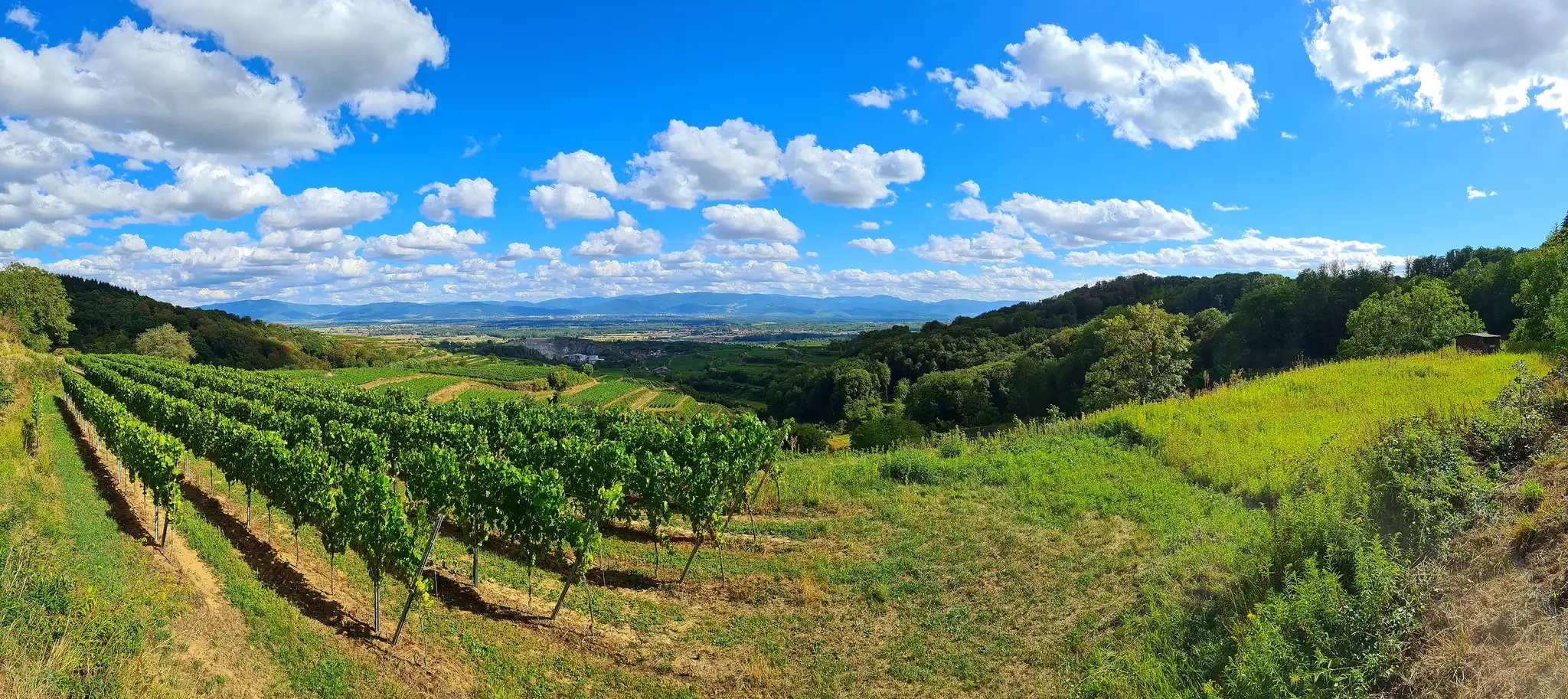
On the Kaiserstuhlpfad – between vineyards and panoramic views
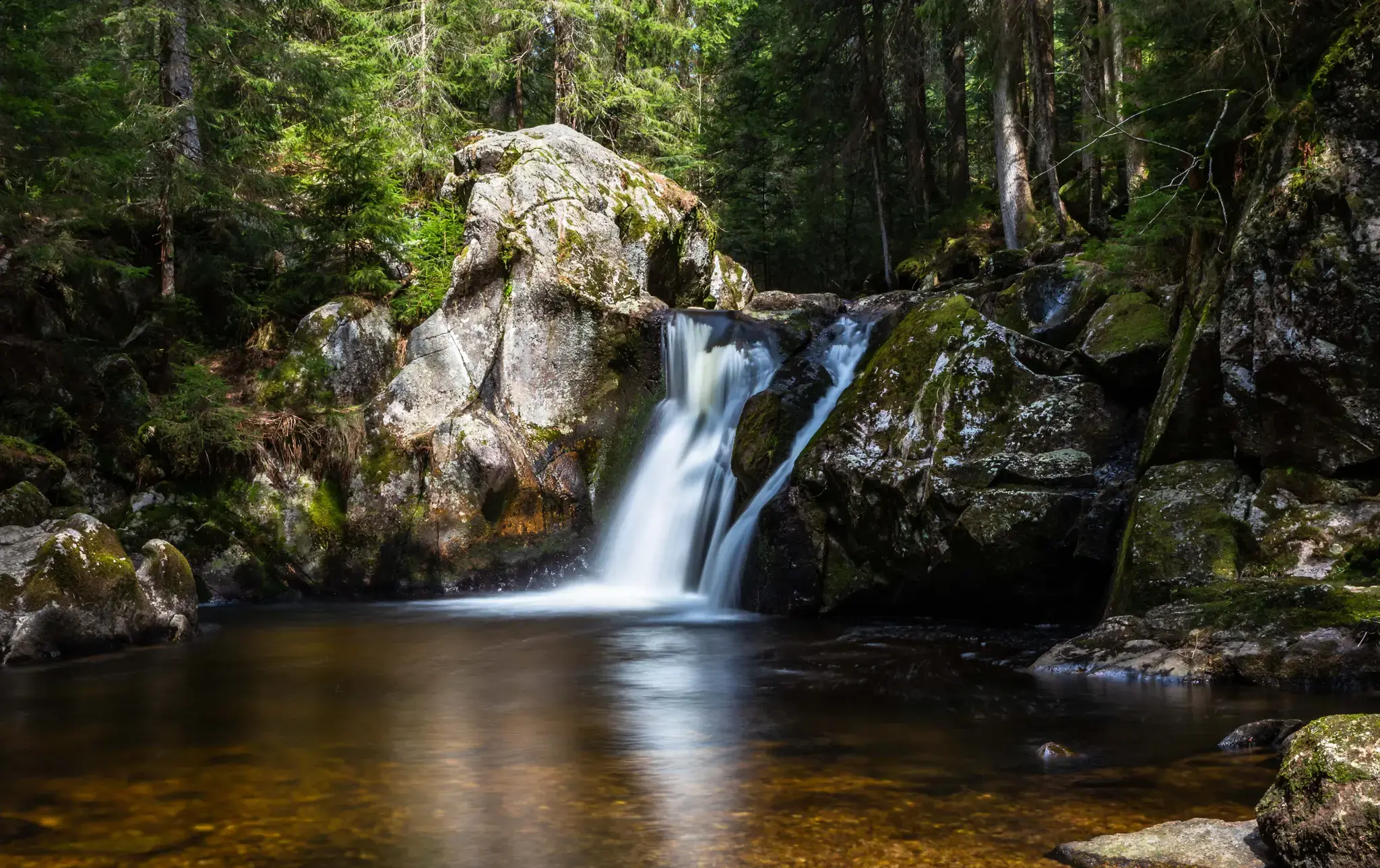
Wandern, Weiher und Wasserfälle – Herrliche Badeplätze im Schwarzwald
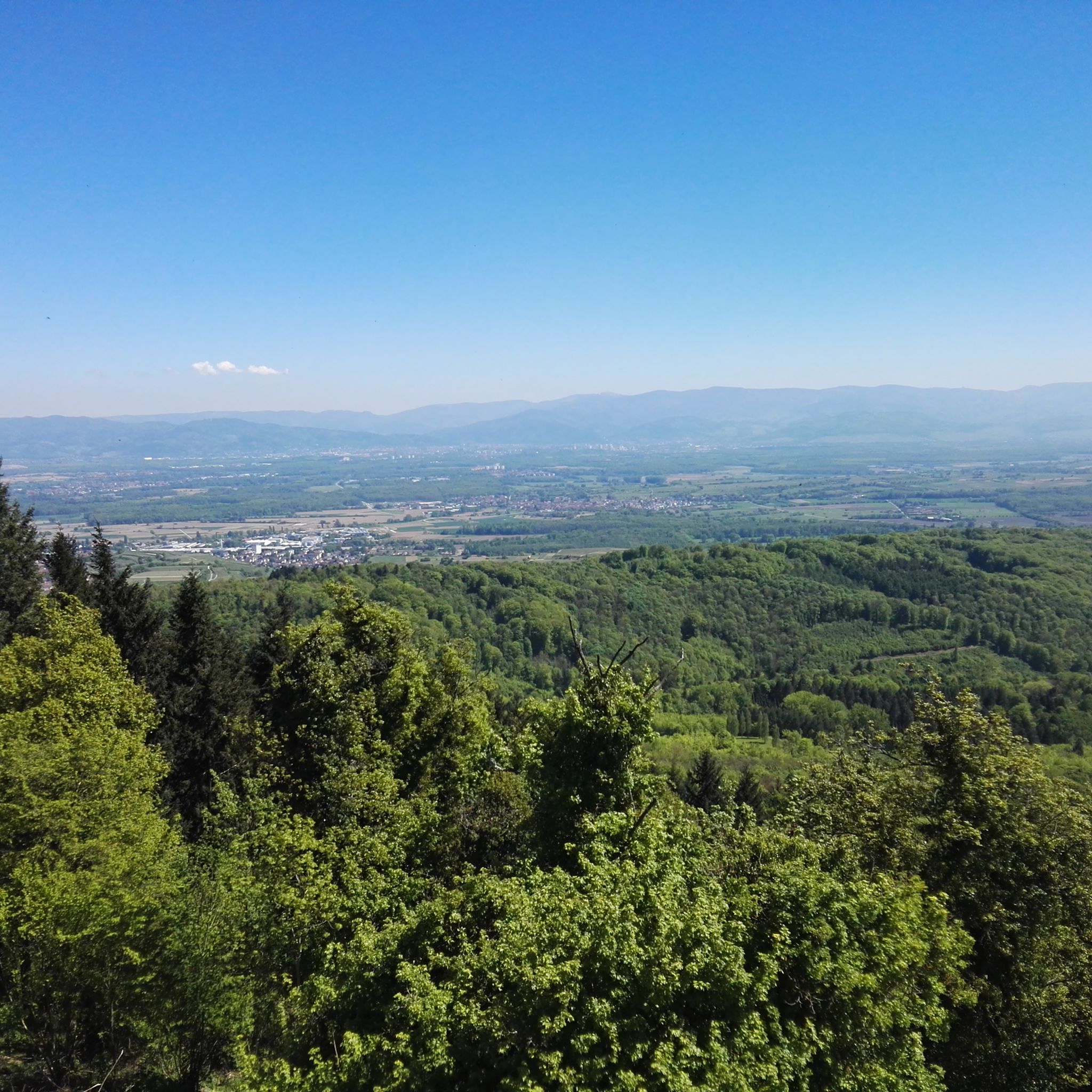
Hiking around Ihringen
Cycling around Ihringen
Road Cycling Routes around Ihringen
MTB Trails around Ihringen
Running Trails around Ihringen

Gravel biking around Ihringen
Mountain Hikes around Ihringen
Other adventures around Ihringen


Tips from the Community

It is very nice to climb the steps of the 15m high tower and enjoy the wonderful view over Lake Flückinger and the surrounding landscape.
6
0

Nice rest area, nice view. Well attended.
0
0

Insect hotel
0
0

You just have to climb up and enjoy the view
6
0

Castle type: hilltop castle, hilltop location Today: only remains of ruins Date of origin: before 1064, first documented mention in 1259 Not much is known for sure about the beginning of the castle complex on the Schlossberg. However, castles are said to have existed as early as 1064 when Achkarren was first mentioned in writing on the occasion of the transfer to the Ottmarsheim monastery by King Heinrich IV. These were then expanded several times in the following centuries. After the family castle of the Lords of Üsenberg, Üsenberg Castle on the Üsenberg near Breisach, was probably destroyed by the Breisach family in the 1240s, they are said to have made Höhingen Castle available to the Üsenbergers as a replacement. It was first explicitly mentioned in writing in 1259. Around 1353 the castle was briefly pledged to the Schnewlin im Hof. In 1392, Margrave Hesso von Hachberg bought Werner von Hornberg's share in Höhingen Castle, and he already owned the other part. In 1415 the castle, together with the Margraviate of Baden-Hachberg, came to Margrave Bernhard I of Baden, who bought it from Margrave Otto II of Hachberg, the last of this branch of Baden. Otto was allowed to use Höhingen Castle until the end of his life in 1418. ... After centuries of existence, the castle itself was burned down for the first time in May 1525 during the peasant uprising with the participation of Achkarr farmers. This made Höhingen Castle one of only two margravial castles destroyed by the peasants, although a number of them had been occupied by the peasants. Long-standing disputes between the village of Achkarren and the Margraves over the use of the forest are suspected to be the motive. The farmers later had to compensate Margrave Ernst I of Baden-Durlach for the damage. ... In 1620, Margrave Georg Friedrich von Baden-Durlach rebuilt the castle as a defensive structure and put it into a state of defense, since the events of the war in the Rhine Valley and the Breisach Fortress could be observed well from here. In a contemporary report from the mayor of Breisach to the imperial governor of the Austrian provinces in Waldshut, Höhingen Castle, often referred to as a castle, is described as follows: “Its position was excellent, as it stood in the middle of the mountain's crest on hard rock, which because of its height had difficult access, and could not be commanded from any of the surrounding places. The building was surrounded by strong masonry, on the one hand with a deep ditch, on the other hand it encountered an inaccessible praecipitium [= abyss], which is used from below for a stone pit. The castle had a good cistern.” In 1633 there was an attack from Breisach. The Imperial Catholic troops captured and sacked the castle currently held by the Swedes and supported by the Protestants of Ihring. According to records at the time, the spoils included around 15,000 liters of wine. Property of Ihringen citizens stored in the castle was also lost. There are even reports of the loss of 200 horses and 300 head of cattle, which allows conclusions to be drawn about the dimensions of the facility. After several subsequent disputes about the castle, it was finally set on fire by the now imperial garrison in 1638, when it could no longer be held militarily. (Excerpt from Wikipedia)
0
0
Beautiful all-round view
10
0

The Seeparkturm is located in an easily accessible place, from where an ingenious view is offered. The tower is accessible all year round, there are no opening times.
7
0

The Seeparkturm is a 15 meter high wooden observation tower in the Seepark in Freiburg im Breisgau. It offers a good overview of the entire park area, the city of Freiburg with the Black Forest in the background and west to the Kaiserstuhl and the Vosges. It was built in 1986 on the occasion of the state garden show on a small elevation on the northern shore of the lake according to plans by the architects Heinz Hilmer and Christoph Sattler. The construction costs at the time were 100,000 DM. On June 14, 2003, the tower burned down as a result of arson, and the perpetrator was caught that same night. It was rebuilt using the old ring foundation by the architect Richard Kramer and the carpentry Gampp from Schluchsee. The original plans had been destroyed half a year before the fire, but there were still old structural plans for the tower. With photos and his own memories, the architect succeeded in reconstructing it true to the original. The Badische Gemeinde-Versicherungs-Verband as the fire insurer of the city administration bore the costs of €200,000. The tower reopened on June 29, 2004. Source: https://de.wikipedia.org/wiki/Seeparkturm
7
0
Frequently Asked Questions
What are the most prominent mountain peaks and viewpoints in the Ihringen area?
The Kaiserstuhl region around Ihringen features several notable peaks and viewpoints. The highest point is the Totenkopf, offering expansive views. Other significant spots include the Neunlinden Tower, built on the Neunlinden-Totenkopf summit, and the Eichelspitz Tower, which provides a magnificent view of the Kaiserstuhl surroundings from its 28-meter high platform. The Lenzenberg also offers panoramic views, including the Black Forest, Vosges, and sometimes the Alps.
What kind of views can I expect from the mountain peaks around Ihringen?
From the various peaks and viewpoints, you can expect diverse and stunning vistas. For instance, the Neunlinden Tower offers beautiful views of Freiburg and the Black Forest, with parts of the Markgräflerland and the Rhine visible on clear days. The Mondhalde Pavilion and Viewpoint provides wonderful views of the Rhine valley and the Vosges mountains. Many peaks also offer panoramic outlooks over the unique vineyard landscapes of the Kaiserstuhl.
Are there family-friendly hiking options among the mountain peaks near Ihringen?
Yes, the region offers various hiking experiences suitable for families. While specific peaks might involve steeper climbs, many trails leading to viewpoints are accessible. For example, the Vineyard Steps to Seepark Tower is noted as family-friendly and offers beautiful all-round views. The diverse trails allow for choosing routes that match different family activity levels.
What unique natural features characterize the mountain peaks in the Kaiserstuhl region?
The mountain peaks in the Kaiserstuhl region are characterized by their unique volcanic origin and thick layers of loess soil, which can be 30 to 60 meters deep. These fertile loess soils contribute to the region's renowned viticulture and fruit-growing. The area also features historical loess hollow paths, which are protected natural monuments and provide habitats for warmth-loving animals like the bee-eater.
What historical sites or landmarks can be found near the mountain peaks?
Beyond the natural beauty, you can find historical elements. The Schlossberg Pavilion and the Höhingen Castle Ruins, while offering great views, also provide a glimpse into the region's past with the remains of a castle that dates back before 1064. The Neunlinden Tower itself stands on a site with historical significance, where a Pauline monastery once stood.
What is the best time of year to visit the mountain peaks around Ihringen?
The Kaiserstuhl region, including its mountain peaks, benefits from a Mediterranean-like climate with warm summers and mild winters. This makes it an appealing destination for outdoor activities for much of the year. Spring and autumn are particularly pleasant for hiking, with comfortable temperatures and beautiful scenery, including blooming vineyards or vibrant fall colors. Even mild winter days can offer clear views.
Are there hiking trails that connect multiple mountain peaks or viewpoints?
Yes, many trails in the Kaiserstuhl region are designed to connect various peaks and viewpoints. The Neunlindenpfad, for example, is a popular hiking trail that includes the Totenkopf and the Neunlinden Tower. Other trails like the Bienenfresserpfad (Bee-eater trail) also lead through picturesque areas and offer access to different vantage points like the Lenzenberg.
Where can I find parking when visiting the mountain peaks?
Parking options are available at various access points to the trails leading to the peaks. For instance, the Mondhalde Pavilion and Viewpoint is noted to have parking facilities. It is advisable to check specific trailheads or visitor information for detailed parking locations before your visit.
What outdoor activities can I do near the mountain peaks around Ihringen?
Besides exploring the mountain peaks themselves, the region offers a variety of outdoor activities. You can find numerous hiking opportunities, including mountain hikes, as well as extensive MTB trails. For detailed routes and guides, you can explore options like Mountain Hikes around Ihringen, MTB Trails around Ihringen, and Hiking around Ihringen.
Are there challenging hiking routes for experienced climbers in the area?
While the Kaiserstuhl peaks are generally more about scenic hikes than technical climbs, there are routes that offer a more challenging experience due to their length or elevation gain. For example, the 'Neunlinden Tower – Totenkopf Observation Tower loop from Ohrberg' is listed as a difficult mountain hike, covering over 17 kilometers. You can find more options in the Mountain Hikes around Ihringen guide.
What do visitors enjoy most about the mountain peaks around Ihringen?
Visitors frequently highlight the stunning panoramic views, especially those of the Rhine valley, the Black Forest, and the Vosges mountains. The unique volcanic landscape, combined with the extensive vineyards, creates a picturesque setting. The well-maintained hiking trails and the opportunity to discover both natural beauty and historical sites, such as the Neunlinden Tower or the Höhingen Castle Ruins, are also highly appreciated.
Can I find places to rest or have a picnic along the trails?
Yes, many trails and viewpoints are equipped with facilities for resting. The Mondhalde Pavilion and Viewpoint, for instance, features a covered resting place with seating. Other spots, like the Schlossberg Pavilion, offer 'forest sofas' that are very inviting for a break, allowing you to enjoy the views comfortably.
Most popular routes around Ihringen
Most popular attractions around Ihringen

Get inspired with the komoot mobile app


Explore more
See even more amazing summits around Ihringen with these guides:
