Top 20 Natural Monuments around Heppenheim
Best natural monuments around Heppenheim are found in the Bergstraße region, situated at the edge of the Odenwald mountains. This area is part of the UNESCO Global Geopark Bergstraße-Odenwald, highlighting its geological significance. The region offers insights into the Earth's history and diverse flora. Its hilly landscape, vineyards, and surrounding Odenwald mountains provide a backdrop for these natural attractions.
Best natural monuments around Heppenheim
- The most popular natural monuments is Felsenmeer (Felsberg near Reichenbach), a natural monument consisting of…
Last updated: June 26, 2026
Felsenmeer (Felsberg near Reichenbach)
Highlight • Natural Monument
Translated by Google •
Tip by

Fürstenlager State Park
Highlight • Historical Site
Translated by Google •
Tip by

Sign up now to discover places like this
Get recommendations on the best single tracks, peaks, & plenty of other exciting outdoor places.
Sign up for free
Fallbach Waterfall
Highlight • Waterfall
Translated by Google •
Tip by

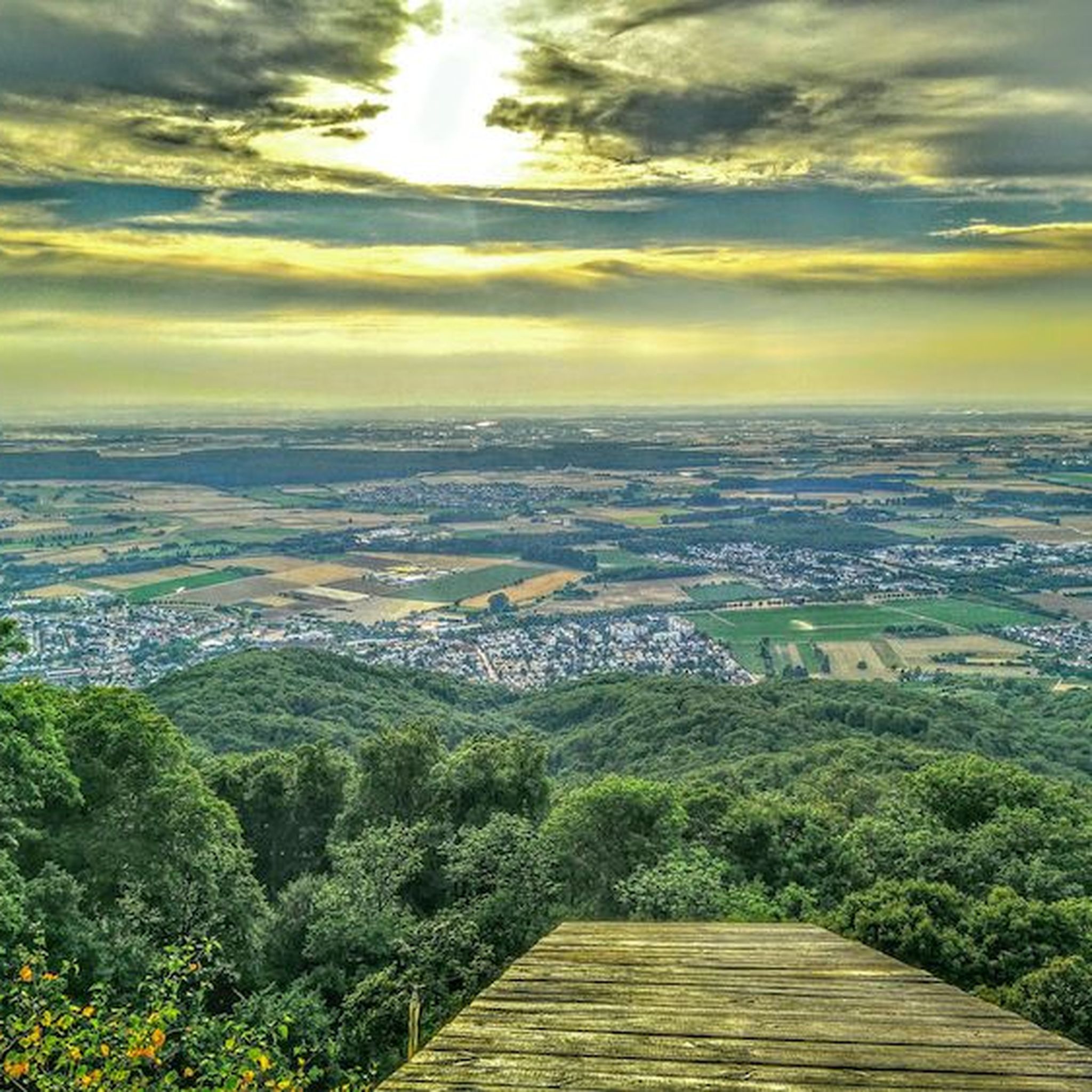
View over the Rhine Plain from Melibokus
Highlight • Viewpoint
In clear weather, the view in the west to …
Translated by Google •
Tip by

Orchard Meadow at Fürstenlager State Park
Highlight • Natural
Translated by Google •
Tip by

Sign up for free to discover even more natural monuments around Heppenheim.
Sign up for free
Already have an account?
Start today with a free account
Your next adventure awaits.
Login or Signup
Popular around Heppenheim
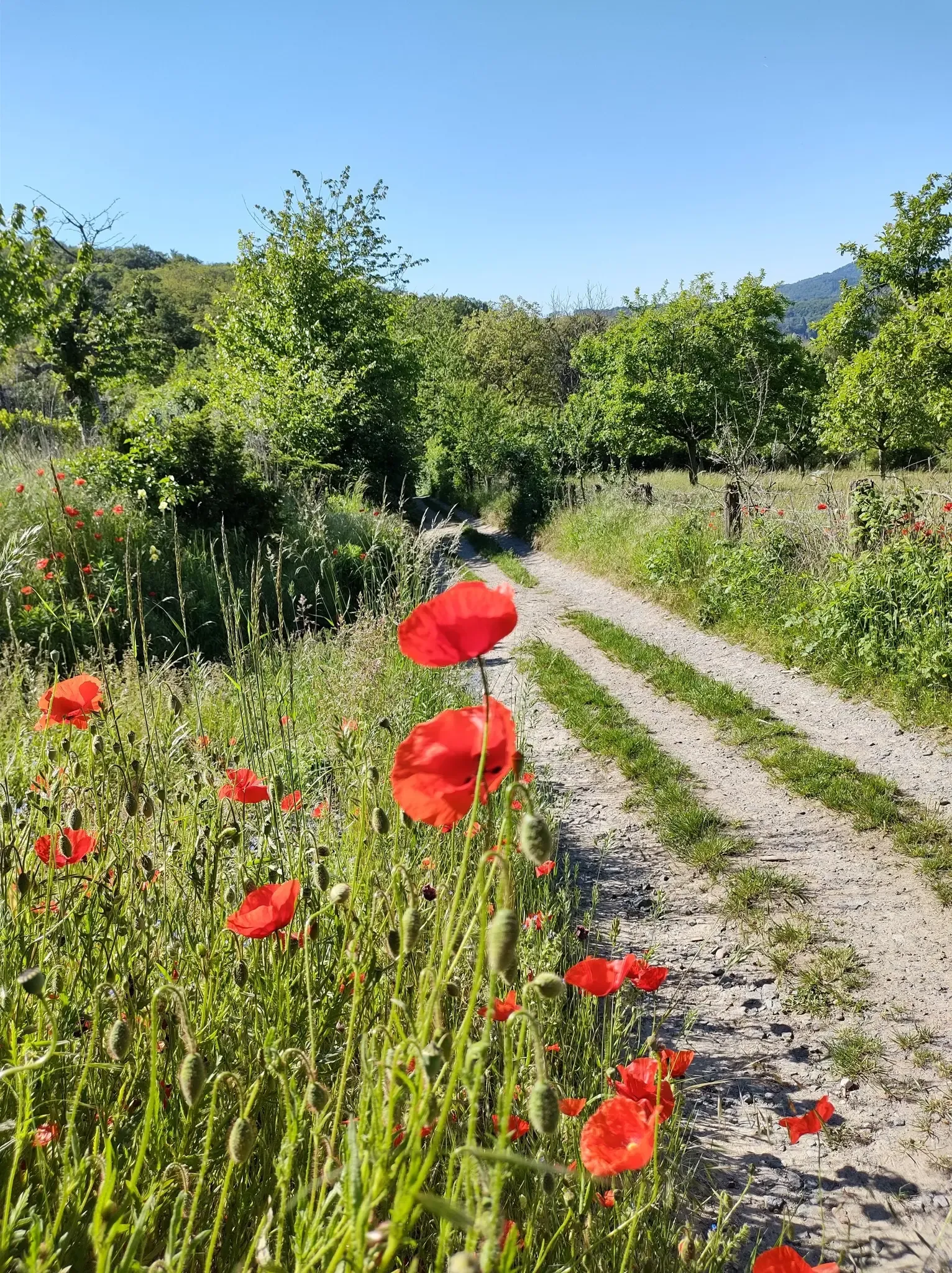
Bergsträßer Blütenweg – Between vines and flowers
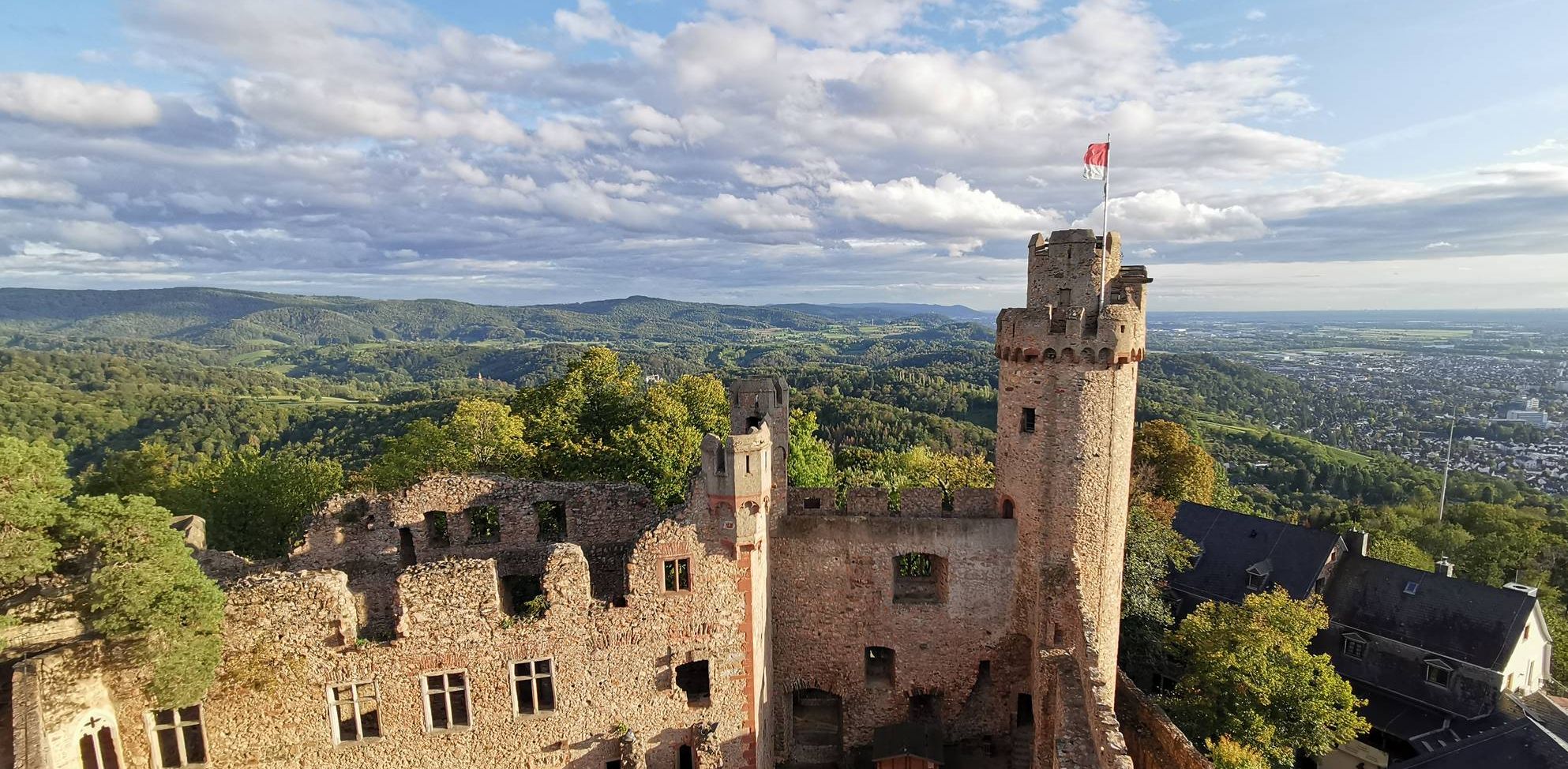
Burgensteig Bergstraße – In the footsteps of knights, hiking in 9 stages
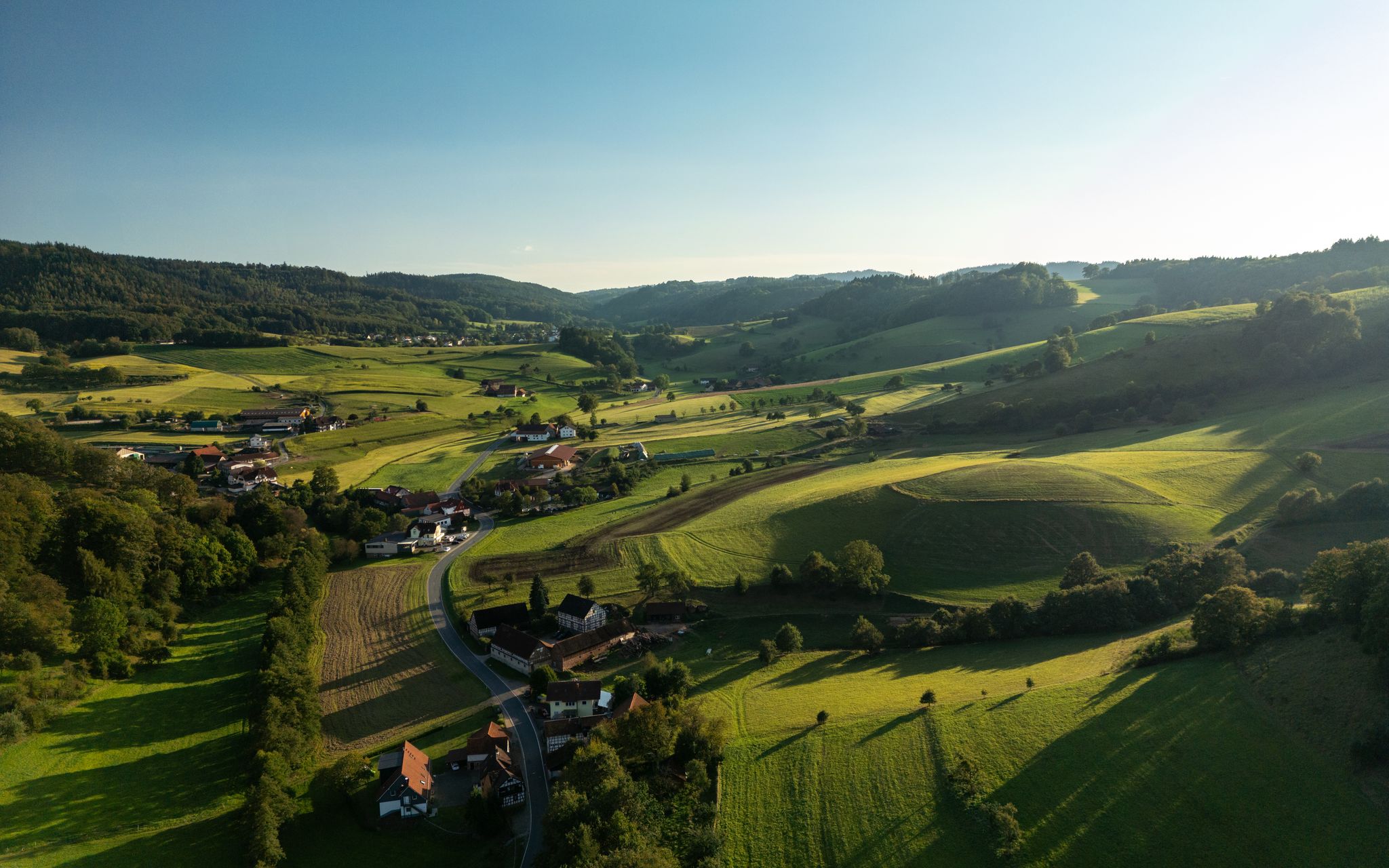
Hiking fun in the Vordere Odenwald – nature and history
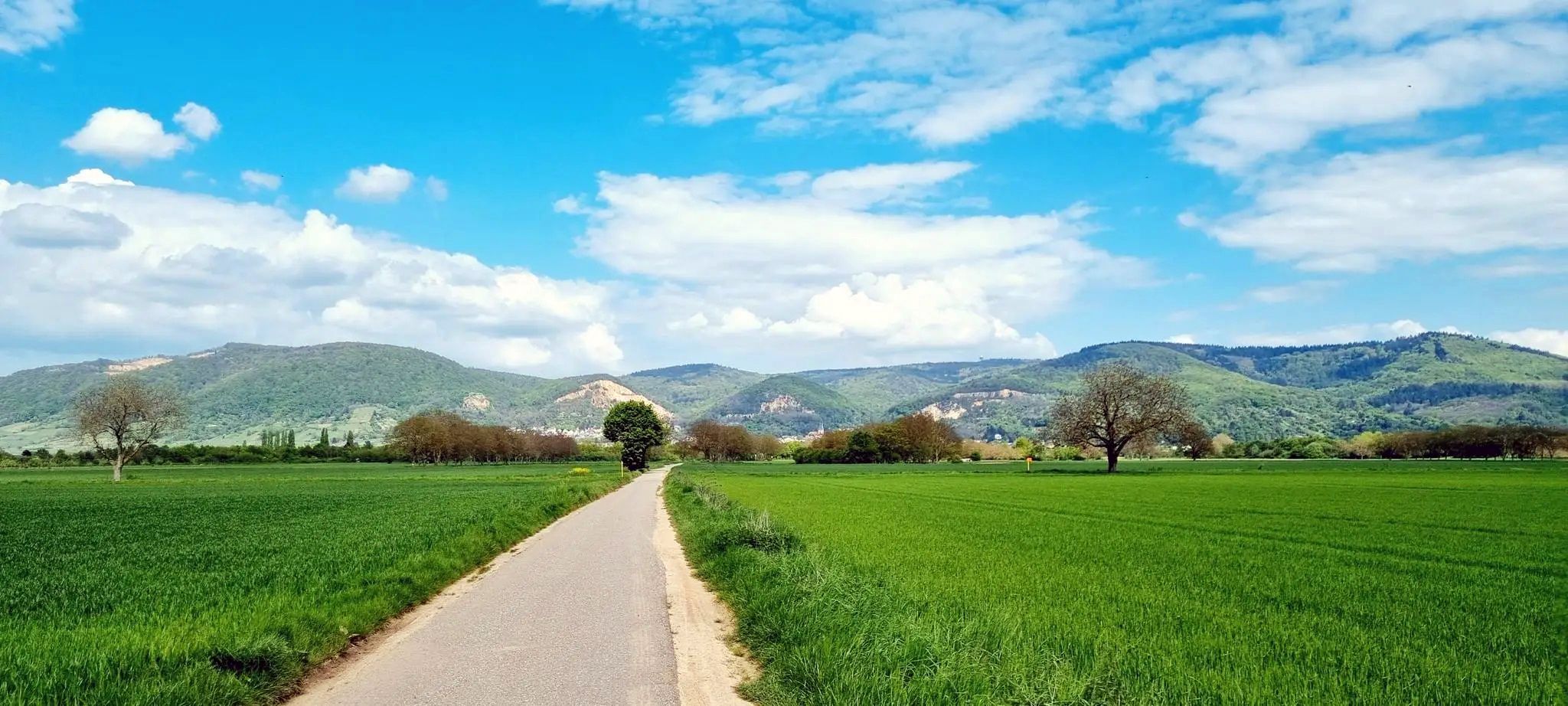
Ride from Darmstadt to Heidelberg – Germany's Bergstraße cycle path
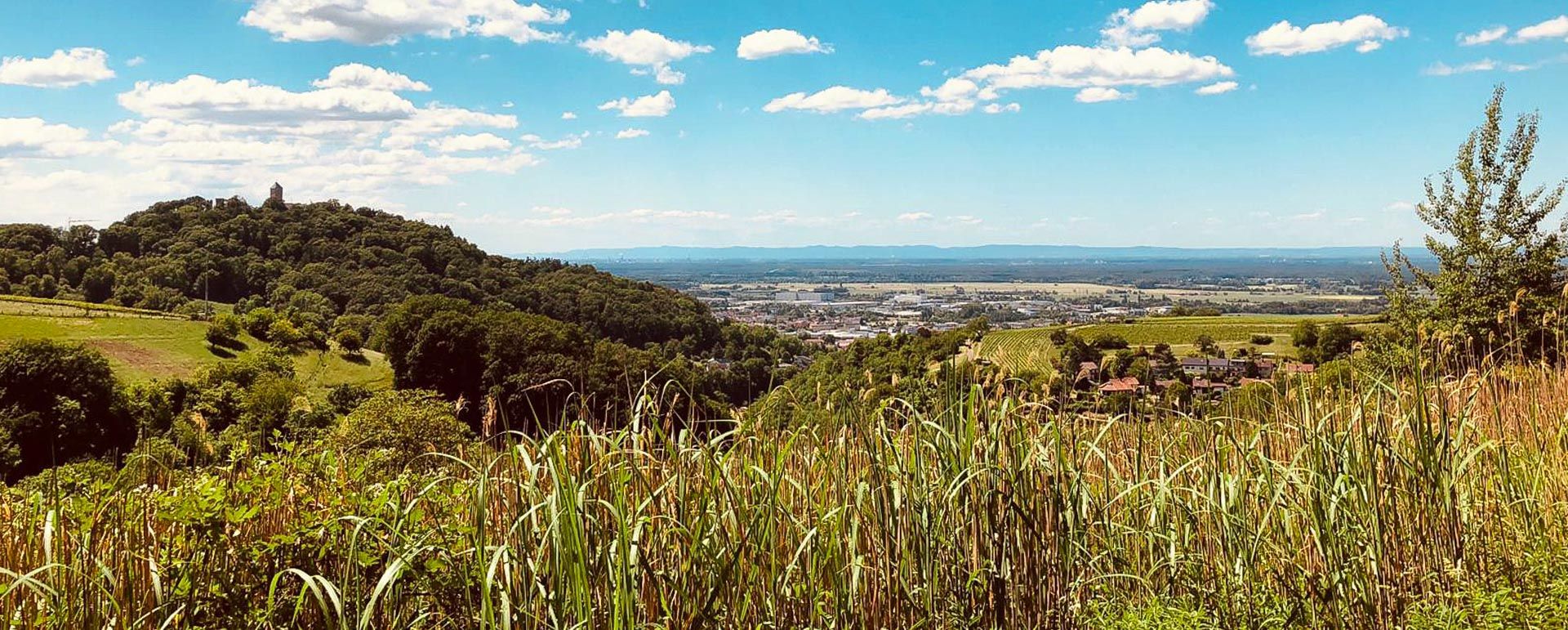
From the River Rhine to the Main – R9 Cycle Route in Hesse
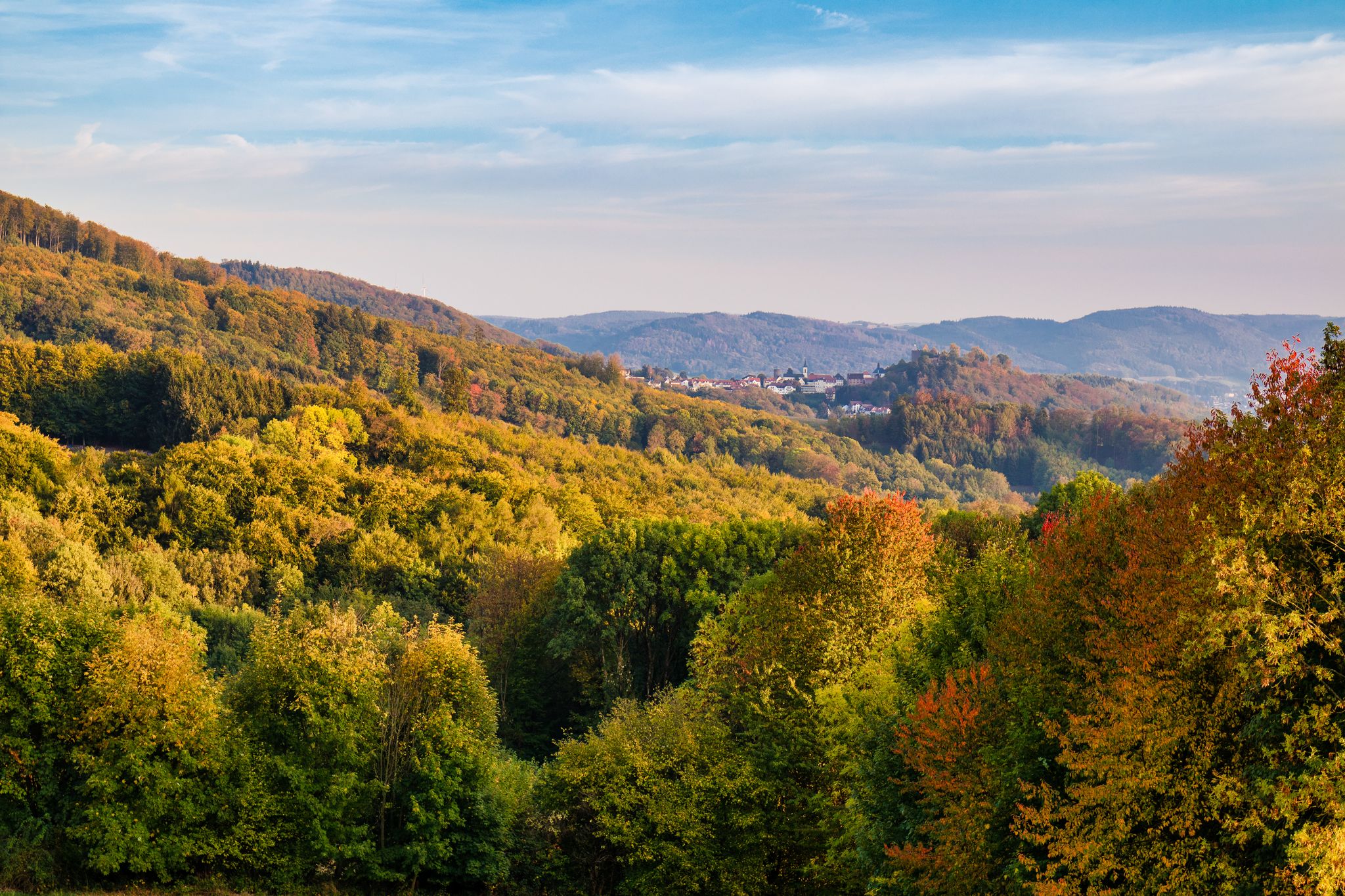
Wine, views, and world heritage – hiking in the Odenwald on the Bergstraße
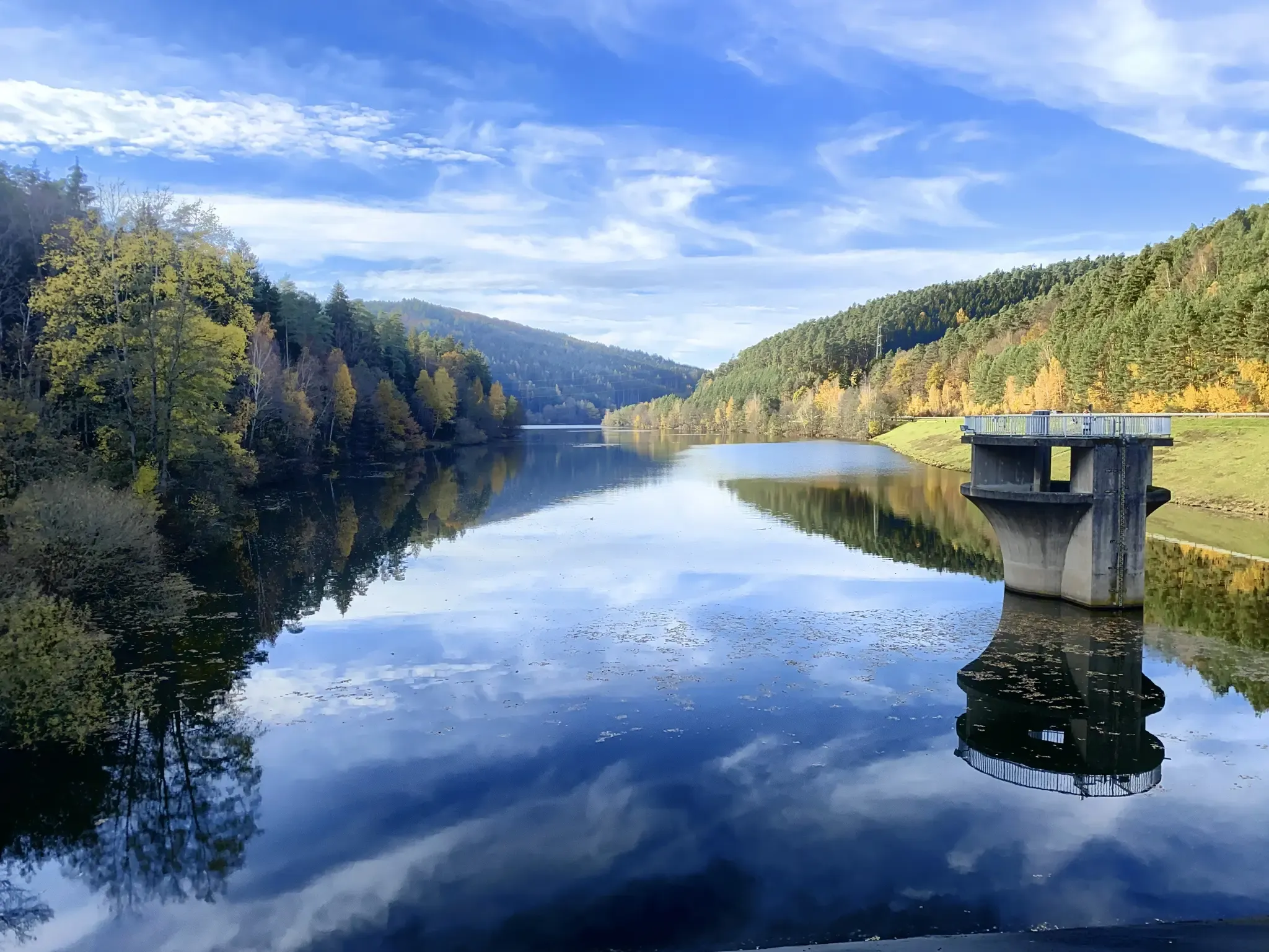
Mit Rosbacher auf Tour im Rhein-Main-Gebiet
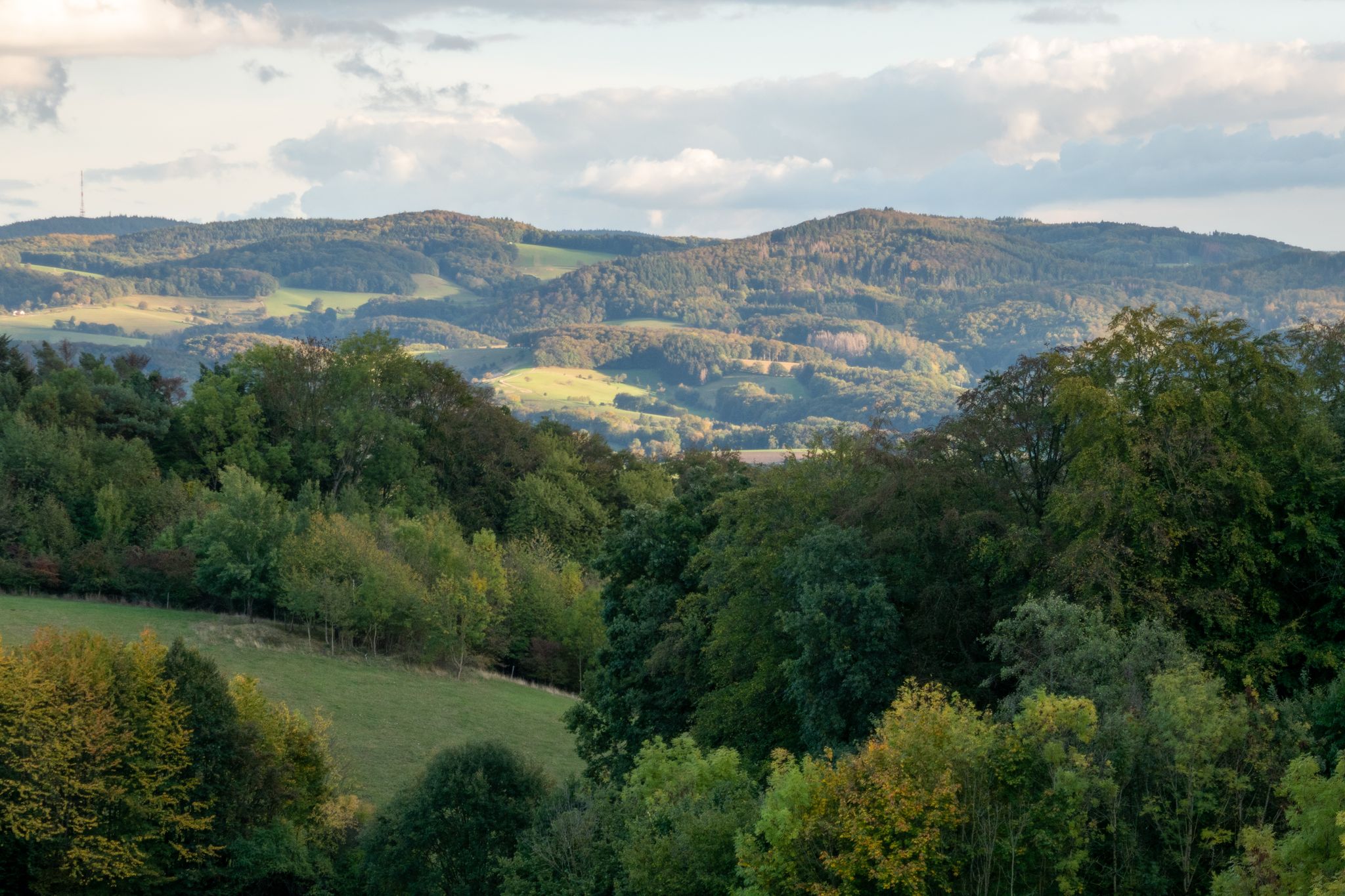
Fahrrad-Camper-Touren von Naturpark-Partner Erich Zeller
Hiking around Heppenheim
Cycling around Heppenheim
Other adventures around Heppenheim


Tips from the Community

The Fürstenlager city park is worth a visit at any time of the year. There are different hiking trails for big and small people.
27
1

The state park was built around 1790. It is a great facility for a short or a long walk with a variety of sights.
12
1
The Fürstenlager State Park is the former summer residence of the landgraves and grand dukes of Hesse-Darmstadt in Bensheim-Auerbach on the Bergstraße, built around 1790.
10
1

Nice when a bit of water falls down.
18
0

The facility was given the name Fürstenlager by the local population. Since the park was not closed off and was also accessible during stays of the grand ducal family, locals could observe the princes and their guests "lying in the meadows".
8
0
In the approximately 46 hectare park, which is laid out around a mineral well, there are stately homes, monuments and garden temples, as well as a number of courtyard buildings arranged in the shape of a traditional village. The park itself is one of the early English gardens in Germany. It is embedded in the hilly landscape and is home to 50 exotic trees and shrubs, including one of the oldest giant sequoias in Germany. The garden art ensemble has largely been preserved in its original form and is now used by the population of the Rhine-Main area as a local recreation area.
8
0

Fascinating, the last ice age left a few rocks here. Absolutely worth seeing, the best thing to do is hike up from below over the rocks, which is not without danger, hold on to children. Unfortunately very crowded on Sundays and public holidays when the weather is nice. There is a rest stop at the top. With the MTB you cross the Felsenmeer on the way in a few places.
16
0

The kiosk is usually open from April to the end of October. In bad weather, the kiosk remains closed. Friday is rest day.
12
0
Frequently Asked Questions
What are the most popular natural monuments around Heppenheim?
The most popular natural monument is the Felsenmeer (Felsberg near Reichenbach), known for its massive granite boulders and geological significance. Another highly appreciated spot is Fürstenlager State Park, an early English garden with diverse plant life and historical features. Visitors also frequently enjoy the View over the Rhine Plain from Melibokus, offering extensive panoramic views.
Are there family-friendly natural monuments in the Heppenheim area?
Yes, several natural monuments are suitable for families. Fürstenlager State Park is a great option, offering a serene environment with diverse plant life and historical elements, perfect for a leisurely stroll. The View over the Rhine Plain from Melibokus is also considered family-friendly, providing rewarding views after a hike. The Felsenmeer can be an exciting adventure for older children, though caution is advised when climbing the rocks.
What kind of natural features can I expect to see around Heppenheim?
The region around Heppenheim, part of the UNESCO Global Geopark Bergstraße-Odenwald, offers a variety of natural features. You can explore impressive rock formations like the granite boulders at Felsenmeer, scenic viewpoints such as the View over the Rhine Plain from Melibokus, and diverse tree species, including one of Germany's oldest giant sequoias at Fürstenlager State Park. There's also the Fallbach Waterfall, which is best visited outside of dry summer months.
What is the best time to visit the natural monuments around Heppenheim?
Spring and autumn are generally the best times to visit the natural monuments around Heppenheim. During these seasons, the weather is pleasant for hiking and exploring. Specifically, the Fallbach Waterfall is best experienced in spring or autumn as it tends to dry up during the summer months. While the Felsenmeer is impressive year-round, it can get very crowded on Sundays and public holidays with good weather.
Are there hiking routes near these natural monuments?
Yes, the Heppenheim region offers numerous hiking opportunities. You can find a variety of trails, including easy hikes, that allow you to explore the natural beauty of the area. For detailed routes and options, you can check out the dedicated guide for easy hikes around Heppenheim.
What other outdoor activities can I do near the natural monuments?
Beyond hiking, the area around Heppenheim provides excellent opportunities for cycling and mountain biking. You can find various routes that traverse the scenic landscapes, vineyards, and Odenwald mountains. Explore options in the cycling guide for Heppenheim or the MTB trails guide for Heppenheim.
What makes the Felsenmeer a unique natural monument?
The Felsenmeer is unique due to its massive, rounded granite boulders, often called 'wool sacks,' which were formed over millions of years by weathering processes. Recognized as 'Geotope of the Year' in 2002, it provides a tangible connection to the Earth's geological history, including remnants from a continental collision 340 million years ago. It also has archaeological significance, with evidence of Roman use.
Are there any historical or cultural sites integrated with the natural monuments?
Yes, the region beautifully blends natural beauty with historical significance. Fürstenlager State Park, for instance, is not only an early English garden with exotic trees but also a former summer residence of the Landgraves and Grand Dukes of Hesse-Darmstadt, featuring stately houses, grottos, and pavilions. The Felsenmeer also has archaeological importance, with Roman findings and an info center detailing its history.
What do visitors enjoy most about the natural monuments in Heppenheim?
Visitors frequently praise the unique geological formations, especially at the Felsenmeer, which is described as a 'real highlight' and 'fascinating.' The panoramic views from spots like the Melibokus are also highly appreciated. Many enjoy the blend of nature and history found at places like Fürstenlager State Park, finding it 'very very nice' and a great recreational area.
Is there parking available near the natural monuments?
Yes, parking facilities are available near some of the natural monuments. For example, Fürstenlager State Park offers parking. For the Felsenmeer, there is a tough driveway, but parking is available, and a rest stop is at the top. It's advisable to check specific locations for detailed parking information, especially on busy days.
Are there any viewpoints offering scenic vistas of the region?
Absolutely. The View over the Rhine Plain from Melibokus is the highest elevation in the Vorderer Odenwald and provides an ultimate viewing point with extensive panoramic views across the Rhine plain to the Palatinate Forest and Taunus. From the Felsenmeer, you can also get a beautiful view towards Mainhatten (Frankfurt).
Most popular routes around Heppenheim
Most popular attractions around Heppenheim

Get inspired with the komoot mobile app


Explore more
Extend your search for the best caves by checking out these guides of the top ones around Heppenheim:
