The best cycling routes around National Park
4.8
(88)
834
riders
29
rides
Touring cycling routes around National Park feature diverse terrain, including paved riverfront trails and urban paths. The area offers routes that connect historical landmarks with scenic waterways. Cyclists can explore a mix of cityscapes and natural riverine environments, with varied elevation profiles.
Best touring cycling routes around National Park
- The most popular touring cycling route is Falls Bridge – Schuylkill Banks Boardwalk loop from Ellsworth-Federal, a 18.8 miles (30.3 km) trail that takes 1 hour 47 minutes to complete.…
Last updated: October 1, 2026
4.7
(47)
283
riders
Easy bike ride. Great for any fitness level. Mostly paved surfaces. Suitable for all skill levels.
39
riders
41.5km
02:31
280m
280m
Moderate bike ride. Good fitness required. Mostly paved surfaces. Suitable for all skill levels.

5.0
(1)
34
riders
18.4km
01:06
50m
50m
Easy bike ride. Great for any fitness level. Mostly paved surfaces. Suitable for all skill levels.
5.0
(2)
6
riders
10.8km
00:37
10m
10m
Easy bike ride. Great for any fitness level. Mostly paved surfaces. Suitable for all skill levels.
5.0
(6)
9
riders
Easy bike ride. Great for any fitness level. Mostly paved surfaces. Suitable for all skill levels.
Get access to more routes and recommendations from other explorers.
Already have an account?
Our route recommendations are based on thousands of hikes, rides, and runs completed by other people on komoot.
Start today with a free account
Your next adventure awaits.
Popular around National Park

Tips from the Community

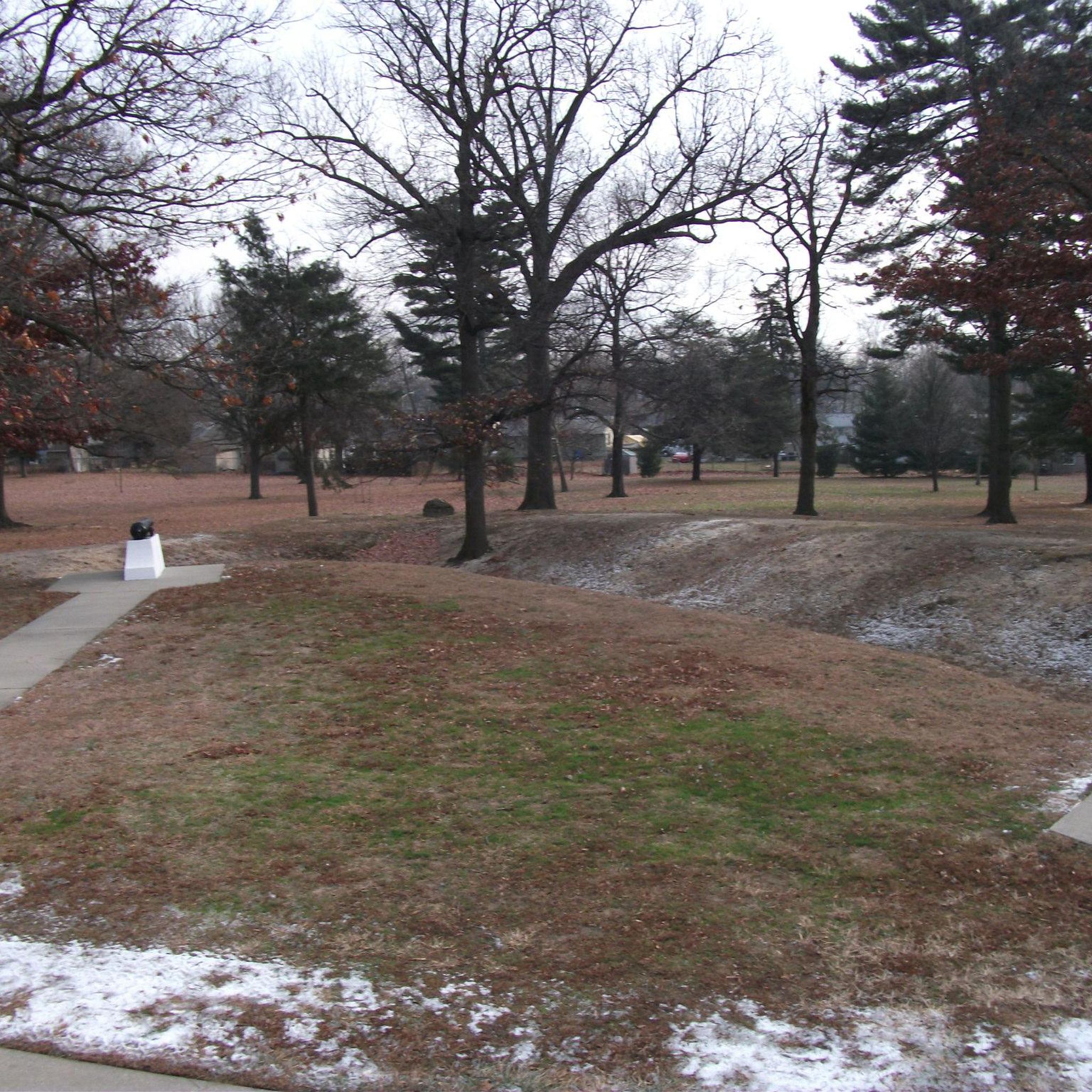
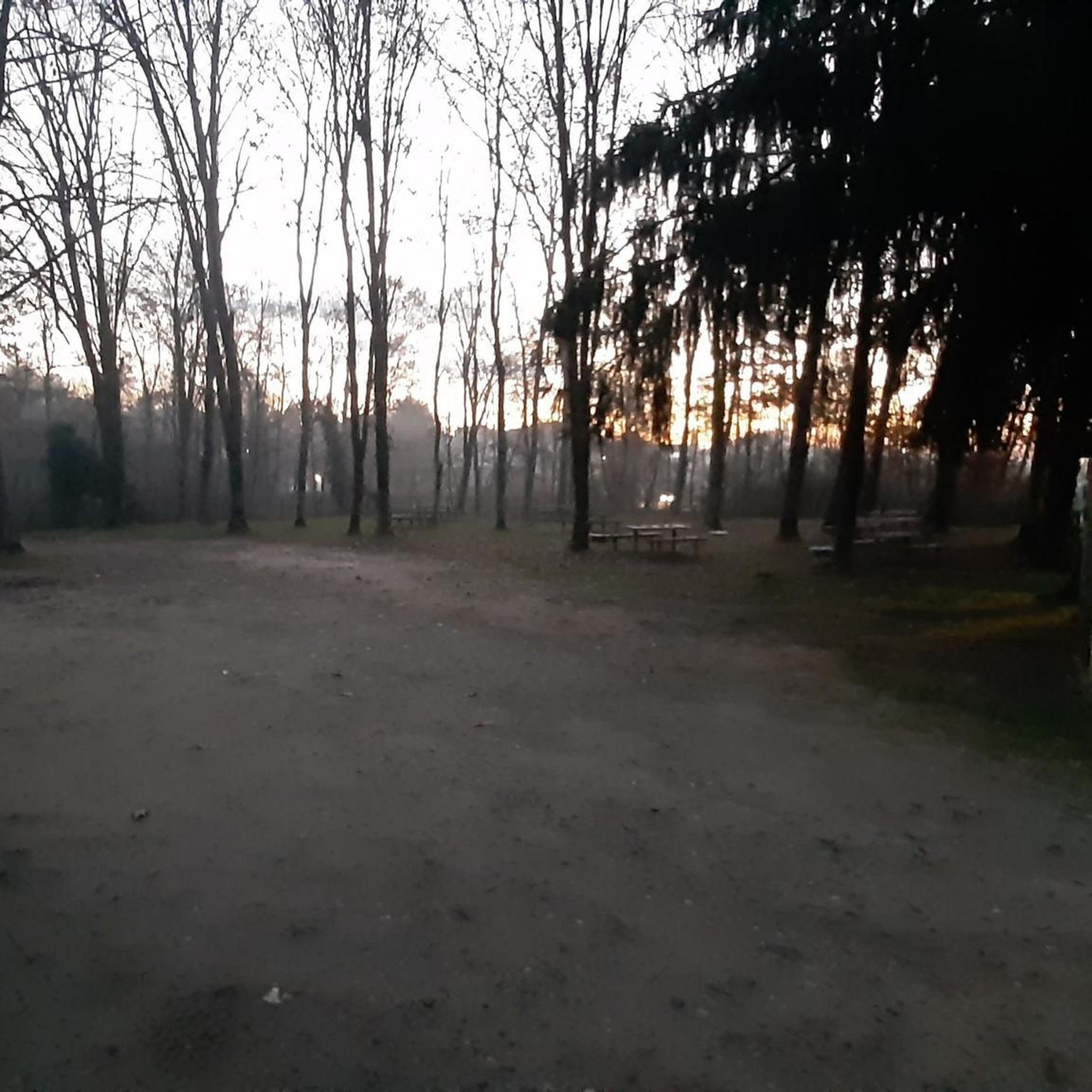
The Fairmount Water Works South Garden is a quiet green space tucked along the Schuylkill River, just below the historic Water Works buildings. Shaded paths, stone walls, and ornamental plantings create a peaceful retreat with views of Boathouse Row and the river. It’s a lovely spot to take a break while riding or walking the Schuylkill River Trail to enjoy a perfect blend of history, nature, and city scenery.
0
0

This location treats you to expansive views of the Delaware River and the Benjamin Franklin Bridge. There's ample room for a picnic or simply to bask in the scenery.
0
0


Eagle enthusiasts flock to John Heinz National Wildlife Refuge Impoundment for optimal eagle-watching opportunities. Traverse the impoundment loop counterclockwise, ensuring the impoundment is on your left, for the best view of these majestic birds and their nests. The observation platform and cross-dike road offer prime locations for eagle sightings.
0
0

This side of John Heinz National Wildlife Refuge tends to be quieter. There are some singletrack hiking trails and some packed gravel trails that are great on the bike. The I-95 Trail will take you northeast to the central loop of the park, or you can take the Fishing Point Trail out to the middle of Darby Creek.
0
0

The Falls Bridge is a 556-foot steel bridge that crosses the Schuylkill River through Fairmount Park. It was built in 1894.
0
0
Frequently Asked Questions
How many touring cycling routes are available in National Park?
There are over 30 touring cycling routes available in National Park, catering to various skill levels. You'll find a good mix, with 23 easy routes, 4 moderate, and 3 difficult options to explore.
What kind of terrain can I expect when touring cycling in National Park?
The touring cycling routes in National Park feature diverse terrain, including paved riverfront trails and urban paths. You'll experience a mix of cityscapes and natural riverine environments, often connecting historical landmarks with scenic waterways. While some routes are relatively flat, others offer varied elevation profiles, providing a good challenge.
Are there any easy or family-friendly touring cycling routes in National Park?
Yes, National Park offers many easy touring cycling routes perfect for families or those seeking a relaxed ride. For instance, the Falls Bridge – Schuylkill Banks Boardwalk loop from Ellsworth-Federal is an easy 18.8-mile (30.3 km) trail that follows the scenic Schuylkill River, offering pleasant views. Another great option is the Race Street Pier – Construction Area loop from Ellsworth-Federal, an 11.3-mile (18.2 km) easy route through urban waterfront areas.
What are some challenging touring cycling routes for experienced riders?
For experienced touring cyclists looking for a challenge, the National Memorial Arch – Schuylkill River Trail loop from Tasker-Morris is a difficult 54.0-mile (86.9 km) path. This extensive route combines historical sites with long stretches along the Schuylkill River Trail, offering a significant distance and varied terrain.
What do other touring cyclists say about the routes in National Park?
The touring cycling routes in National Park are highly rated by the komoot community, with an average score of 4.6 stars from over 77 reviews. More than 600 touring cyclists have used komoot to explore the area, often praising the scenic riverfront paths, urban landscapes, and historical sites.
Are there any circular touring cycling routes in National Park?
Yes, many of the touring cycling routes in National Park are designed as loops, allowing you to start and finish at the same point. Examples include the popular Falls Bridge – Schuylkill Banks Boardwalk loop from Ellsworth-Federal and the longer National Memorial Arch – Schuylkill River Trail loop from Tasker-Morris.
What interesting landmarks or attractions can I see along the touring cycling routes?
National Park's touring cycling routes often pass by significant landmarks and attractions. You can cycle past the historic Masonic Temple, Philadelphia, or experience the iconic Philadelphia Museum of Art Steps (Rocky Steps) and the Rocky Statue. The Bike loop from Independence Hall World Heritage Site will take you near the famous Liberty Bell, offering a blend of natural beauty and historical exploration.
What is the best time of year for touring cycling in National Park?
The best time for touring cycling in National Park generally aligns with milder weather conditions, typically spring and fall. These seasons offer comfortable temperatures and beautiful scenery, avoiding the peak heat of summer or the colder conditions of winter. However, many routes, especially the paved riverfront and urban paths, can be enjoyed year-round depending on local weather.
Are there any routes that offer scenic views of the river or city skyline?
Absolutely. Many routes in National Park are designed to showcase the scenic Schuylkill River and the city skyline. The Schuylkill Banks Boardwalk – Turtle Rock Light loop from Ellsworth-Federal, for example, offers continuous views along the river, providing a picturesque backdrop for your ride.
Can I access touring cycling routes in National Park using public transport?
Given the urban and riverine nature of the routes in National Park, many starting points are often accessible via public transport. While specific public transport details vary, the integration of urban paths means that many routes are well-connected to city infrastructure, making it convenient to reach trailheads without a car.
Are there opportunities to see wildlife while cycling in National Park?
While National Park's routes are close to urban areas, the riverine environments and green spaces along the trails can offer opportunities for wildlife viewing, particularly birds and smaller mammals. Cycling at a relaxed pace increases your chances of spotting local fauna in their natural habitats along the riverbanks and park areas.
Most popular routes around National Park
Most popular attractions around National Park

Get inspired with the komoot mobile app


