The 7 Most Amazing Peaks around Lincoln
Best mountain peaks around Lincoln are primarily found within the White Mountains of New Hampshire, a region known for its rugged terrain and extensive trail networks. This area features prominent peaks like Mount Lincoln and Mount Pemigewasset, offering diverse hiking experiences. The landscape is characterized by high-altitude summits, deep valleys, and dense forests, providing a range of natural features for outdoor enthusiasts. Many trails lead to viewpoints with expansive vistas of the surrounding mountain ranges.
Best mountain peaks around Lincoln
…Last updated: September 28, 2026
Old Bridle Path
Highlight • Trail
Tip by

Mount Lincoln
Highlight • Summit
Views are stunning as hikers ascend to Little Haystack and traverse the ridge between the two peaks.
Tip by

Sign up now to discover places like this
Get recommendations on the best single tracks, peaks, & plenty of other exciting outdoor places.
Mount Pemigewasset/Indian Head Summit
Highlight • Summit
Tip by

View of Cannon Mountain
Highlight • Viewpoint
Tip by

Whaleback Mountain
Highlight • Summit
Tip by

Start today with a free account
Your next adventure awaits.
Tips from the Community

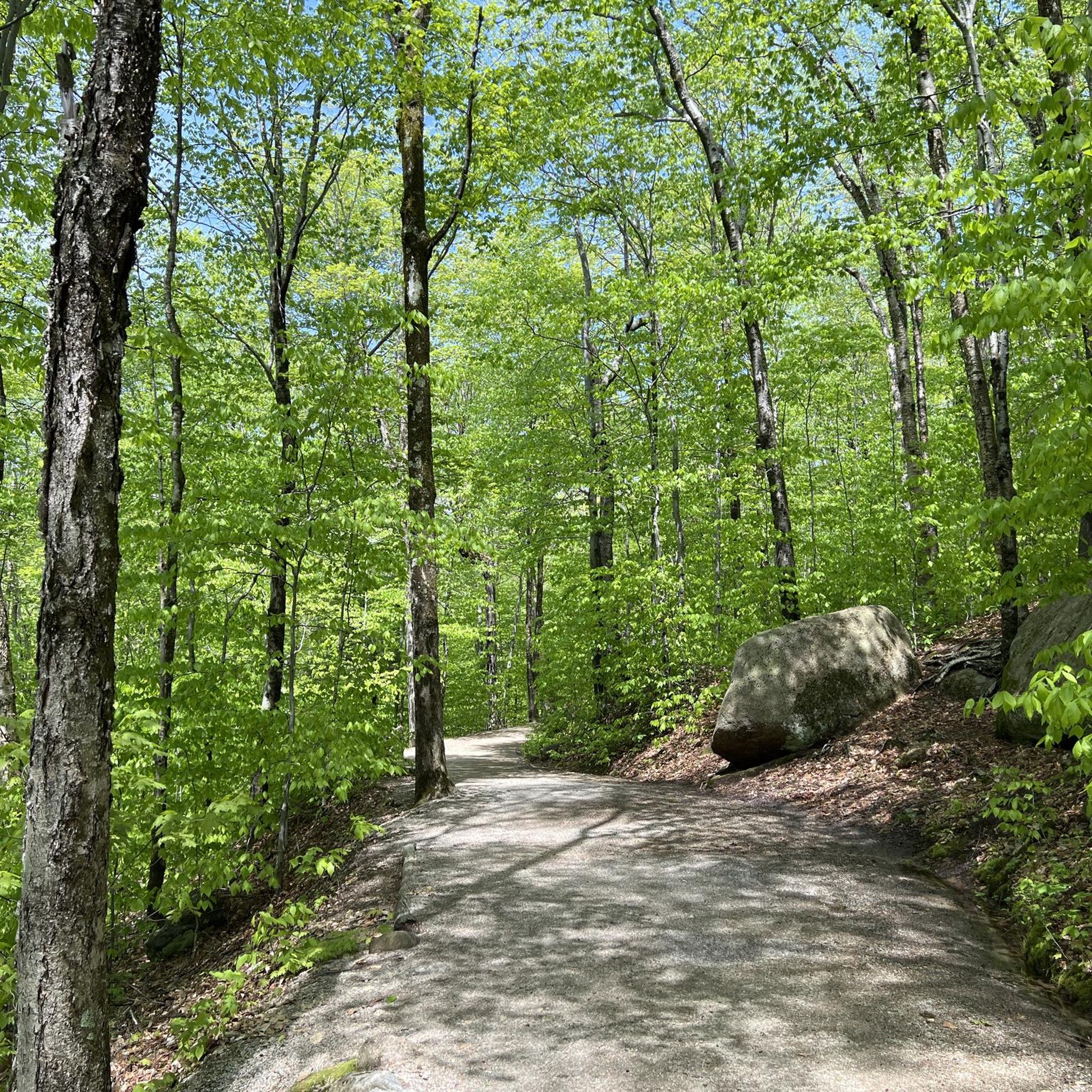
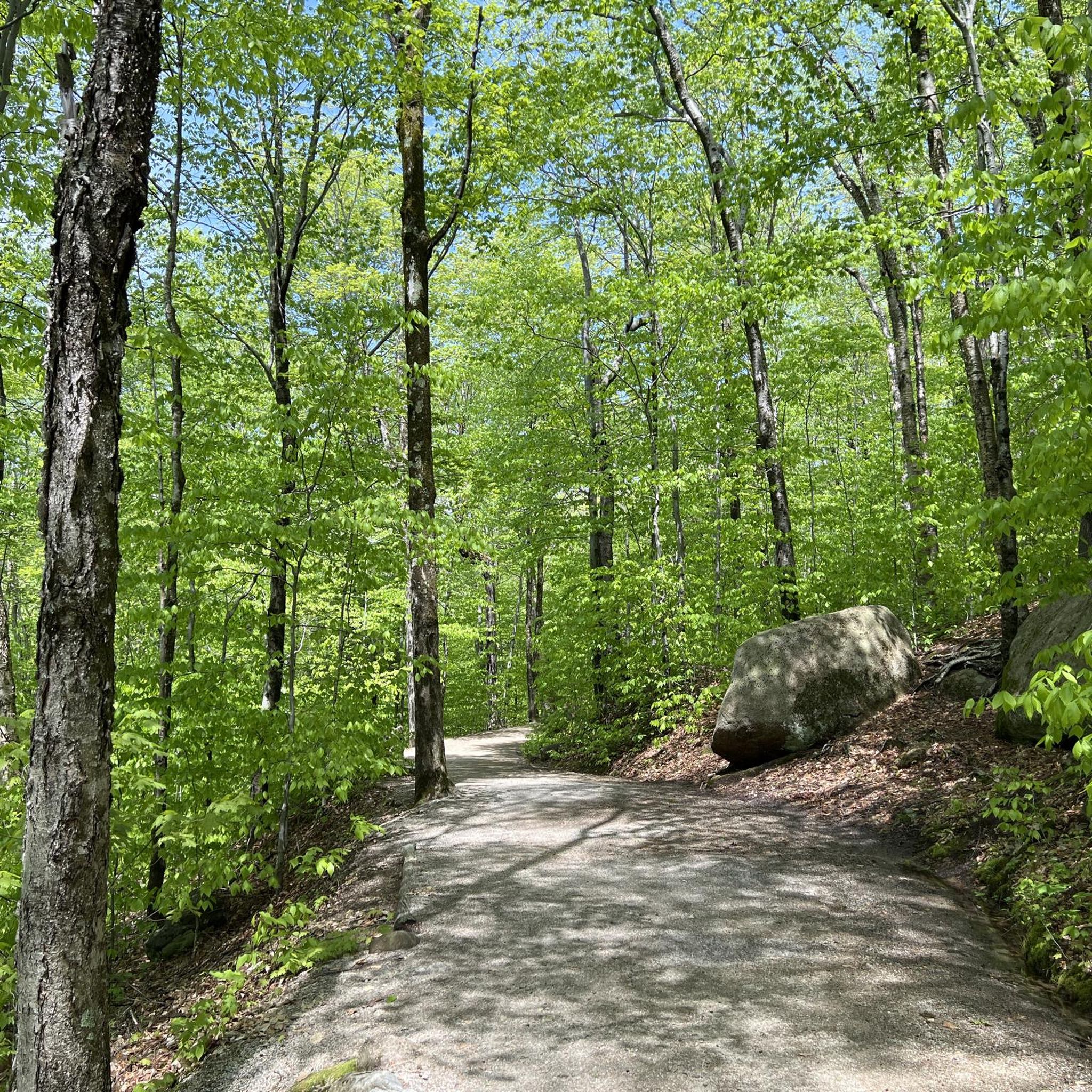
The Old Bridle path is one of the more famous trails in Franconia Notch in the White Mountains of New Hampshire. This steep, strenuous trail is the most popular route to the summit of Mount Lafayette, and also leads to the AMC Greenleaf Hut. It is also often completed as part of a large, but amazing loop that includes the Falling Waters Trail up to the ridge where you summit Little Haystack, Mount Lincoln, and Lafayette, before heading down the Old Bridle Path.
0
0

At 4,080 feet, Cannon Mountain (previously called Profile Mountain) is the high point of the only state-owned ski area in New Hampshire. The summit features a viewing platform that offers panoramic views of the ski area and surrounding summits.
0
0
At 4,080 feet, Cannon Mountain (previously called Profile Mountain) is the high point of the only state-owned ski area in New Hampshire. The summit features a viewing platform that offers panoramic views of the ski area and surrounding summits.
0
0


Incredible views from this 1800 ft (550m) summit. During the winter, it is part of a ski area, but in the off-season is a great place to explore with its stunning views of the surrounding mountains.
0
0

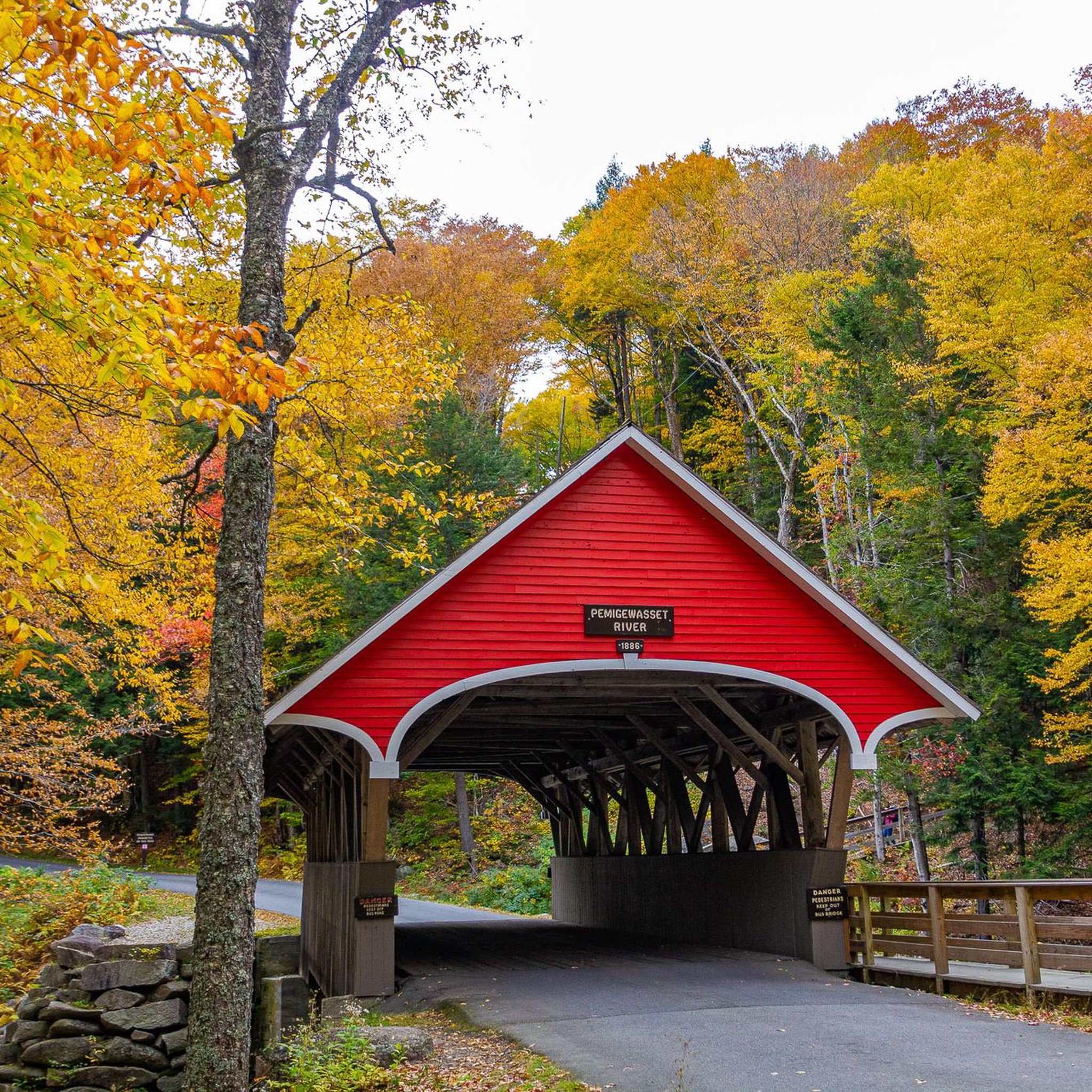
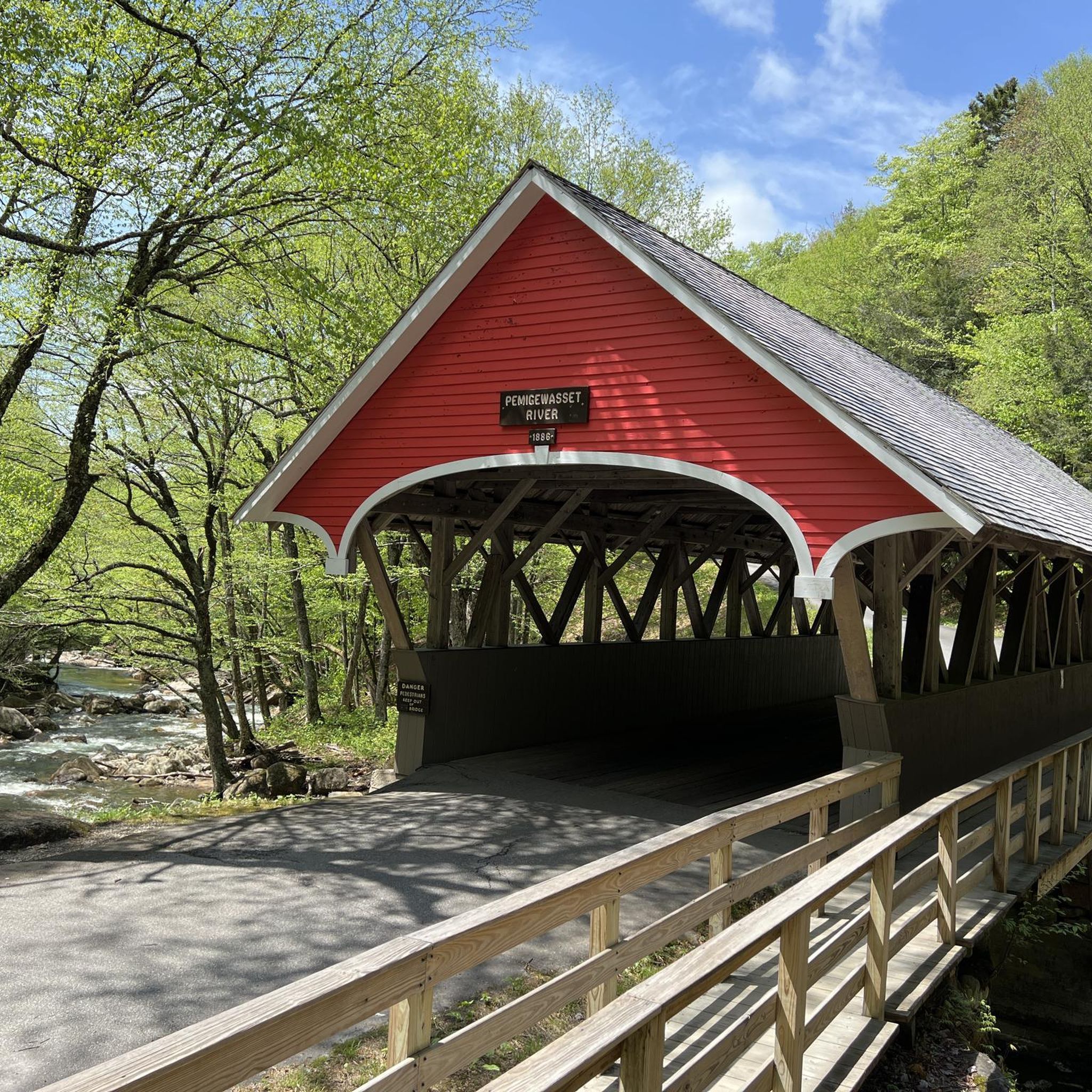
The peak of Mount Pemigewasset, also known as Indian Head provides breathtaking vistas and is definitely worth the hike. Also, a nearby vantage point offers stunning southern panoramas, while the summit itself grants beautiful views of Mount Liberty and the Flume Gorge in the east.
1
0

Mount Lincoln sits 7 miles from the summit of Little Haystack. Views are stunning as hikers ascend to Little Haystack and traverse the ridge between the two peaks.
2
0

Long hike through the forest until it finally becomes alpine and you get to the Franconia Ridge Trail. Super around in view.
0
0
Frequently Asked Questions
What are the most popular mountain peaks to visit around Lincoln, New Hampshire?
The most popular mountain peaks and viewpoints around Lincoln, New Hampshire, include Mount Pemigewasset/Indian Head Summit, known for its stunning southern panoramas and views of Mount Liberty and the Flume Gorge. Another highly regarded spot is the View of Cannon Mountain, which offers panoramic vistas from its summit viewing platform. Whaleback Mountain also provides incredible views, especially in the off-season.
Are there challenging hiking trails near Lincoln, New Hampshire?
Yes, the region offers several challenging trails. The Old Bridle Path is a steep and strenuous route, popular for reaching the summit of Mount Lafayette. It's often part of a larger loop that includes Mount Lincoln and Little Haystack, traversing the scenic Franconia Ridge. This area is known for its high-altitude summits and demanding routes.
What kind of natural features can I expect to see on mountain peaks around Lincoln?
The mountain peaks around Lincoln, particularly in the White Mountains of New Hampshire, are characterized by rugged terrain, high-altitude summits, deep valleys, and dense forests. You'll find expansive vistas from viewpoints, and trails often lead above the tree line, offering unique alpine environments. The Franconia Range, which includes Mount Lincoln, is famous for its dramatic ridge lines and spectacular views.
What outdoor activities can I do near the mountain peaks around Lincoln?
Beyond hiking, the area around Lincoln offers diverse outdoor activities. You can explore various cycling routes, such as the scenic Kancamagus Highway or the Franconia Notch Bike Path. For runners, trails like the Lincoln Woods Trail or the Lonesome Lake Trailhead provide excellent options. Find more details on these activities in the Cycling around Lincoln and Running Trails around Lincoln guides.
Is Mount Lincoln in New Hampshire part of a larger hiking loop?
Yes, Mount Lincoln in New Hampshire is a significant part of the Franconia Ridge Traverse, a highly sought-after hiking destination. It is situated between Mount Lafayette and Little Haystack Mountain. Hikers often tackle it as part of a loop that includes the Falling Waters Trail and the Old Bridle Path, offering spectacular views along the Appalachian Trail.
Are there any family-friendly mountain walks or viewpoints near Lincoln?
While many trails in the region can be challenging, some areas offer more accessible experiences or viewpoints that can be enjoyed by families. For instance, the summit of Mount Pemigewasset/Indian Head Summit is known for its accessible summit views. Additionally, the viewing platform at the summit of Cannon Mountain provides panoramic views without requiring a strenuous hike to reach the very top, as it's accessible via a tram.
What is the elevation of Mount Lincoln in New Hampshire?
Mount Lincoln in New Hampshire stands at an elevation of 5,089 feet (1,551 meters). It is a prominent peak within the Franconia Range of the White Mountains.
What is the best time of year to hike the mountain peaks around Lincoln?
The best time to hike the mountain peaks around Lincoln generally depends on your preference for weather and trail conditions. Late spring through early fall (May to October) offers the most favorable conditions, with warmer temperatures and less snow. Fall foliage in late September to mid-October is particularly stunning. Winter hiking is possible but requires specialized gear and experience due to snow, ice, and colder temperatures.
Are there any specific landmarks or notable features near the mountain peaks in Lincoln, New Hampshire?
Yes, the region is rich with landmarks. Franconia Notch is a prominent feature, a mountain pass that separates the Franconia Range from the Kinsman Range. The Flume Gorge is another natural wonder nearby. For hikers, the Appalachian Trail traverses Mount Lincoln, making it a significant point for long-distance trekkers. Cannon Mountain also features a viewing platform at its summit.
What do visitors enjoy most about the mountain peaks around Lincoln?
Visitors consistently praise the breathtaking vistas and panoramic views from the summits and viewpoints. The challenging yet rewarding hiking experiences, especially along the Franconia Ridge, are a major draw. The diverse natural landscape, from high-altitude peaks to dense forests, and the opportunity to spot wildlife also contribute to a memorable experience.
Where can I find information about Mount Lincoln in Colorado?
While this guide focuses on peaks around Lincoln, New Hampshire, there is indeed a prominent Mount Lincoln in Colorado's Pike National Forest. It stands at 14,286 feet and is often hiked as part of the 'Decalibron' loop, which includes three other '14ers'. This Class 2 hike is known for stunning views and the possibility of spotting mountain goats.
Is Lincoln Peak in Vermont related to the peaks in New Hampshire?
Lincoln Peak in Vermont is a distinct mountain located in the Green Mountains, home to Sugarbush Resort. While it shares the 'Lincoln' name, it is geographically separate from the peaks around Lincoln, New Hampshire, which are part of the White Mountains. The Long Trail traverses the summit ridge of Lincoln Peak in Vermont.
Are there any pubs or cafes near the mountain trails around Lincoln, New Hampshire?
Yes, the town of Lincoln, New Hampshire, and surrounding areas offer various amenities for hikers and visitors. You'll find a selection of pubs, cafes, and restaurants where you can refuel and relax after a day on the trails. Specific establishments can be found within the town center and along major routes.
Most popular attractions around Lincoln

Get inspired with the komoot mobile app


Explore more
See even more amazing summits around Lincoln with these guides:
