Top 20 Castles around Haibach
Castles around Haibach offer a journey through medieval history in the Lower Franconian region of Bavaria, Germany. This area is characterized by its forested hills and river valleys, providing scenic backdrops for historical sites. The castles here range from well-preserved palaces to archaeological ruins, reflecting centuries of regional development. Visitors can explore various architectural styles and historical periods within a compact geographical area.
Best castles around Haibach
- The most popular castles is Mespelbrunn Castle, a castle that has never…
Last updated: September 26, 2026
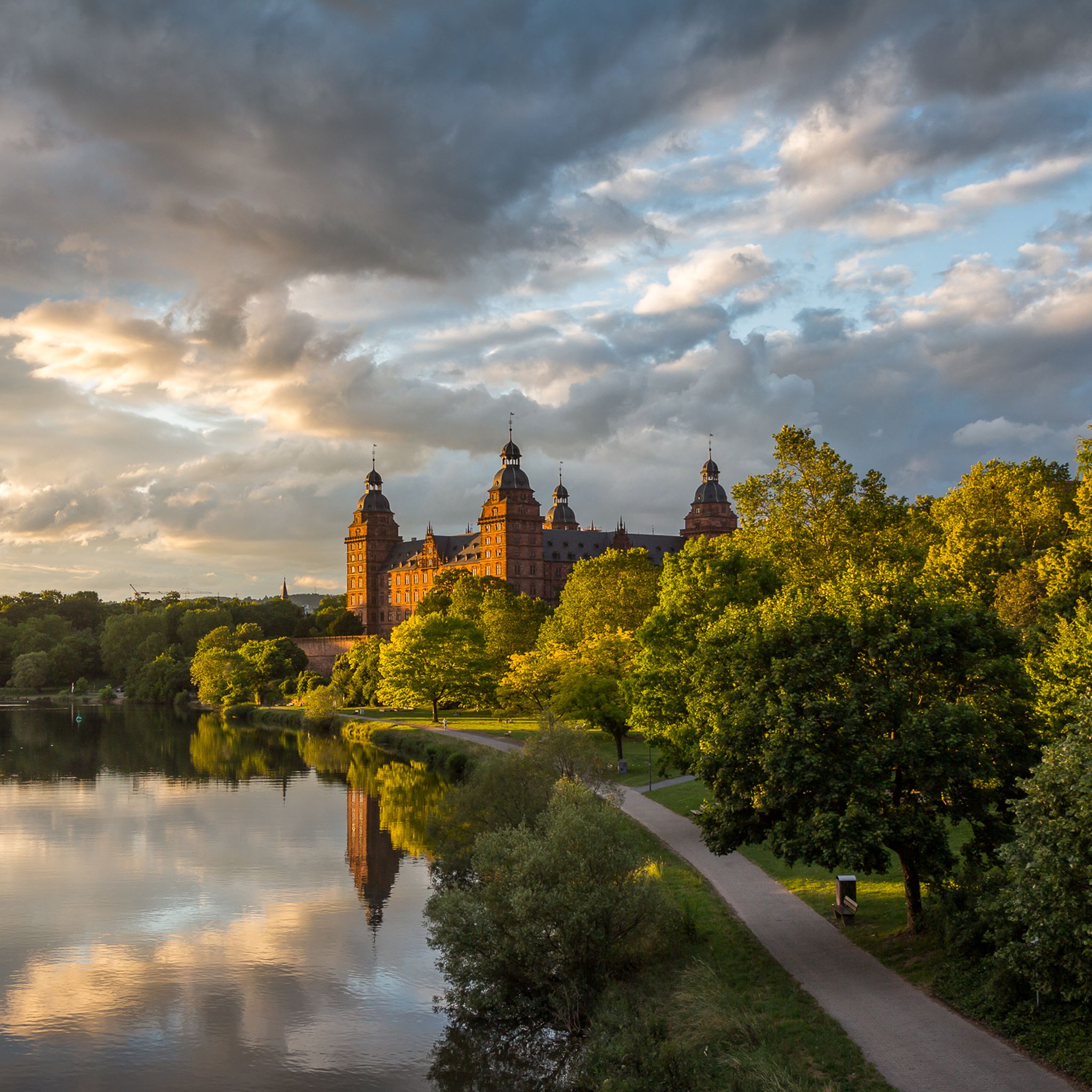
View of Johannisburg Castle
Highlight • Viewpoint
Translated by Google •
Tip by

Mespelbrunn Castle
Highlight • Castle
Translated by Google •
Tip by

Sign up now to discover places like this
Get recommendations on the best single tracks, peaks, & plenty of other exciting outdoor places.
View of Schloss Johannisburg from Willigis Bridge
Highlight • Viewpoint
Translated by Google •
Tip by

View of Johannisburg Castle from the Main River
Highlight (Segment) • Viewpoint
Translated by Google •
Tip by

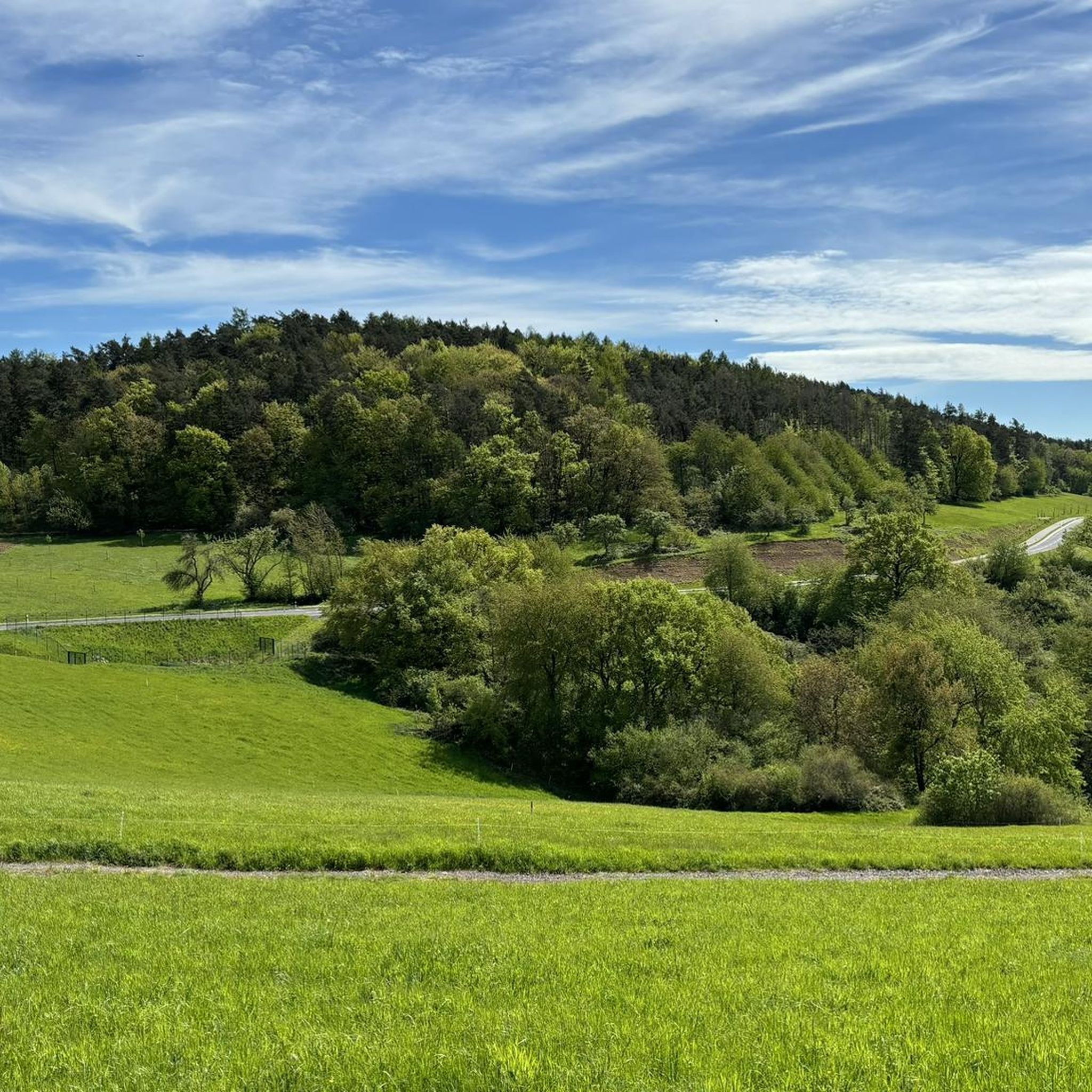
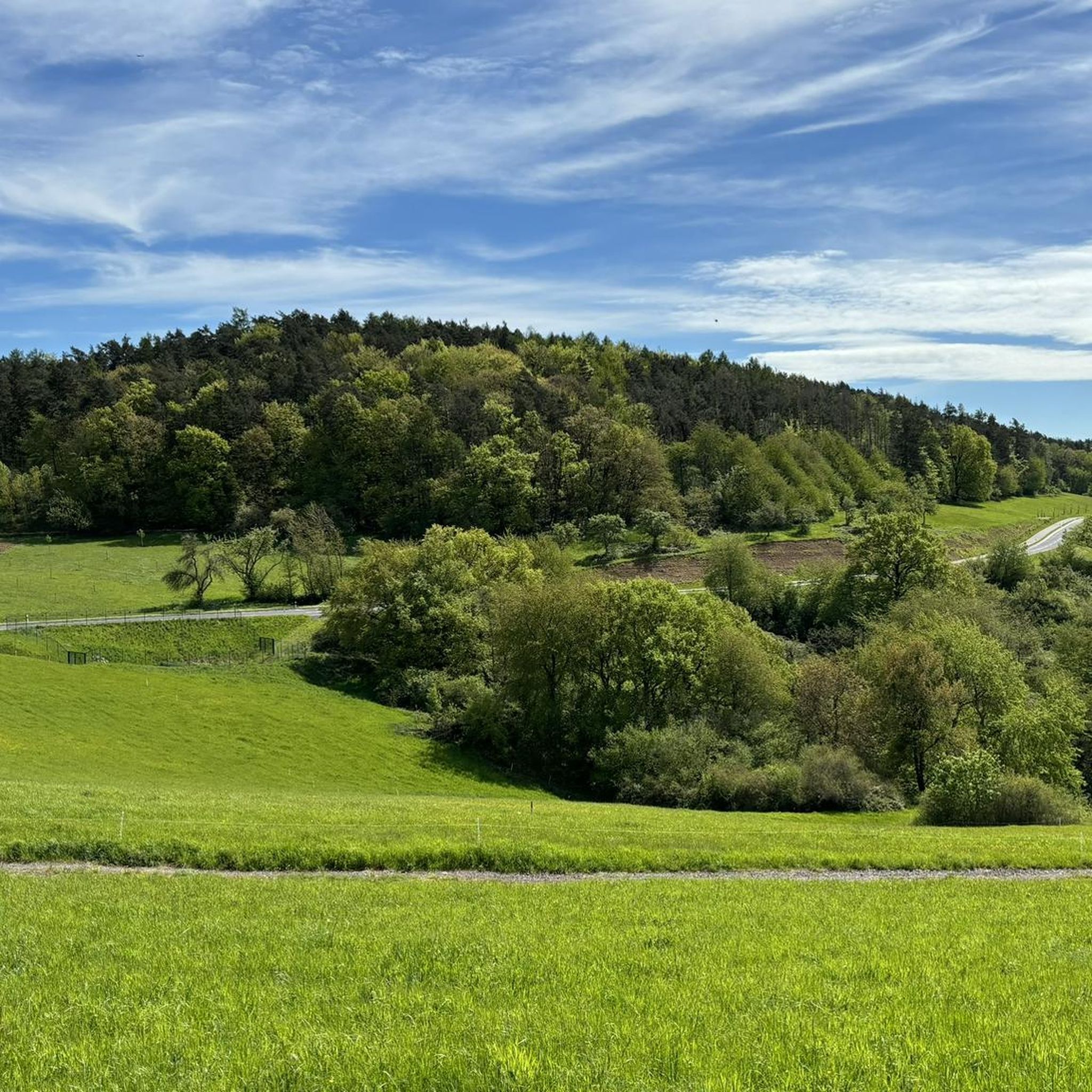
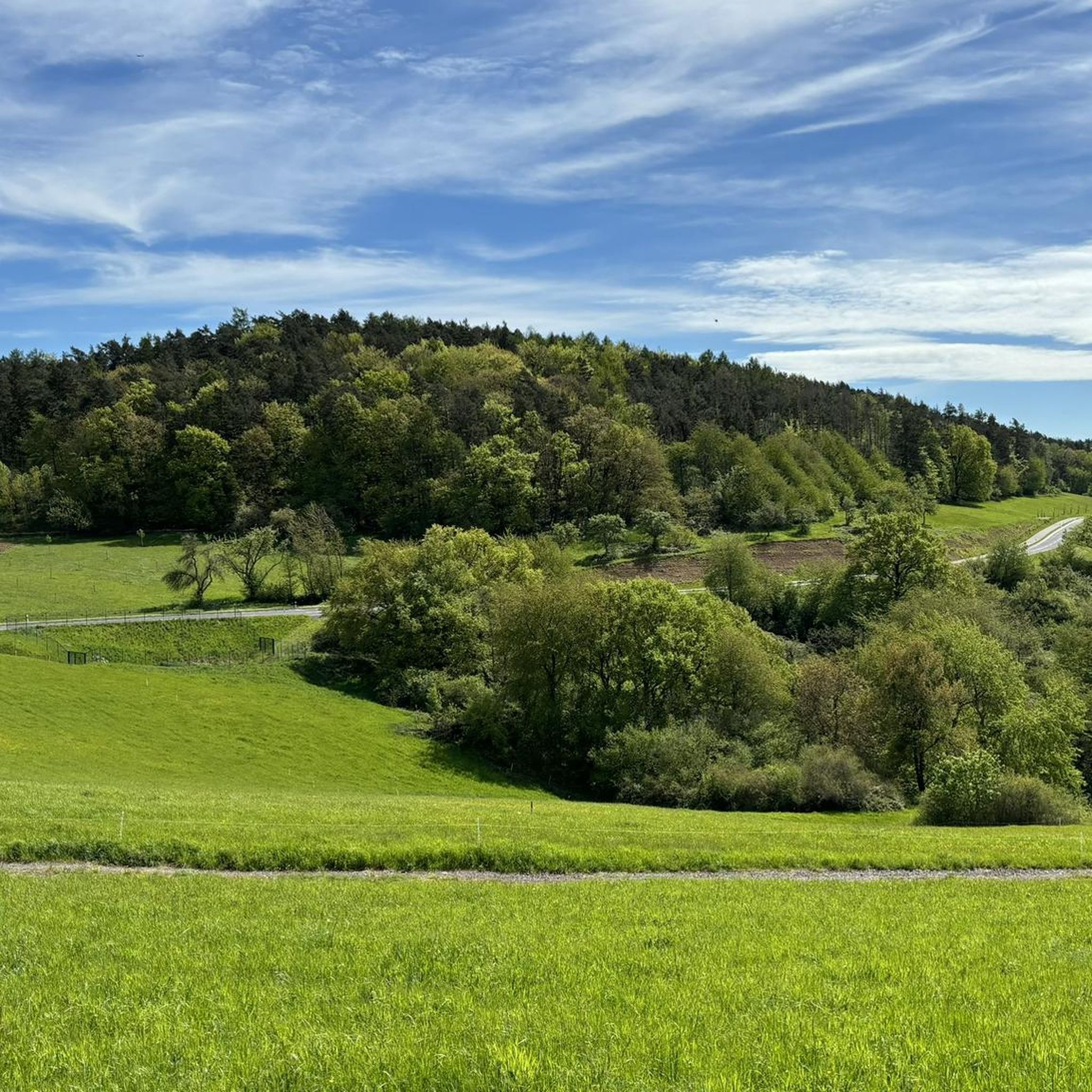
Ketzelburg Ruins
Highlight • Castle
Translated by Google •
Tip by

Sign up for free to discover even more castles around Haibach.
Already have an account?
Start today with a free account
Your next adventure awaits.
Tips from the Community

Extended stretch with repeated views of the castle from the water's edge - great if you want a longer look rather than a quick glance.
0
0

It's impossible to miss from afar. The castle towers over the Main River. Once you reach it, you can relax either by the Main River or in the castle grounds.
0
0

Very nice bike tour. The paths are also great.
0
0

It is a great cycle path right on the Main. There are always some very beautiful views.
4
0

Beautiful cycle path along the Main.
2
0

Everywhere and always beautiful!
3
1

If you drive along the Main, the castle is always present. Great.
23
0
Very nice castle, to see from afar.
13
0
Frequently Asked Questions
What types of castles can I explore around Haibach?
The Haibach region offers a diverse range of historical fortifications. You can discover well-preserved moated castles like Mespelbrunn Castle, significant Renaissance palaces such as Schloss Johannisburg (viewable from View of Johannisburg Castle), and archaeological ruins like Ketzelburg Ruins, which provide insights into early medieval structures.
Are there any family-friendly castles or sites near Haibach?
Yes, several sites are great for families. Mespelbrunn Castle is family-friendly, offering a unique moated castle experience. The Ketzelburg Ruins are also suitable for families, with information boards that help bring history to life. Additionally, the area around Johannisburg Castle, including its gardens, provides a pleasant outing for all ages.
What historical insights can I gain from visiting the castles in this region?
The castles around Haibach offer a deep dive into regional history. For instance, Ketzelburg Ruins is an archaeological site of a 12th-century 'motte' castle, providing a glimpse into early medieval fortifications. Schloss Johannisburg, near Haibach, is a significant Renaissance palace built for a Prince Bishop of Mainz, showcasing 17th-century architecture and housing various museums. Mespelbrunn Castle, a 600-year-old moated castle, has never been destroyed and remains inhabited, offering a continuous historical narrative.
Are there hiking opportunities near the castles around Haibach?
Absolutely. The region offers numerous hiking trails that incorporate historical sites. For example, you can find routes like the 'Ketzelburg Ruins – Haibach Wildlife Park loop' or the 'Ketzelburg Ruins – Haibach Boulder Field loop' which allow you to explore the natural surroundings while visiting the Ketzelburg Ruins. You can find more hiking options on the Hiking around Haibach guide page.
Can I visit Burgruine Haibach, and what makes it special?
Yes, Burgruine Haibach, located on the Hofberg, is freely accessible. This impressive hilltop castle ruin, first mentioned around 1100, features remnants of medieval walls and offers excellent long-distance views. The former stable building now houses a small agricultural museum, and the site occasionally hosts cultural events, making it a blend of history and local culture.
What is the best time of year to visit the castles around Haibach?
The castles are generally enjoyable year-round. Spring and autumn offer pleasant weather for exploring the ruins and surrounding nature, with vibrant foliage or blooming landscapes. Summer allows for longer days and outdoor events. Even in winter, some sites like Ketzelburg Ruins are freely accessible, offering a different, often quieter, experience.
Are there any cafes or restaurants near the castles?
Yes, you can find amenities near some of the castles. Mespelbrunn Castle has a café, 'Café Pferdestall,' where you can refresh yourself. The city of Aschaffenburg, home to Schloss Johannisburg, also offers a variety of restaurants, cafes, and bars in its old town.
What cycling routes are available near the castles?
The region provides various cycling opportunities. You can find routes that pass through scenic areas near the castles, such as the 'Main floodplain near Sulzbach – Main River Near Obernau loop' or the 'View of the Vorspessart – Lady of the Mountains Chapel loop.' For more detailed routes, explore the Cycling around Haibach guide page.
What is unique about Schloss Johannisburg near Haibach?
Schloss Johannisburg in nearby Aschaffenburg is a prominent Renaissance palace built from distinctive red sandstone. It's considered one of the most important buildings of the German Renaissance. It houses several museums, including the Staatsgalerie Aschaffenburg and the world's largest collection of cork architectural models, alongside beautiful palace gardens. You can get a great perspective from the View of Johannisburg Castle.
Can I bring my dog on walks around the castles?
While specific rules for each castle vary, many outdoor areas and walking trails around the castle ruins, such as those near Ketzelburg Ruins and Burgruine Haibach, are generally dog-friendly. It's always advisable to keep dogs on a leash and check local signage for any restrictions, especially within castle interiors or specific museum areas.
What do visitors particularly enjoy about the castles around Haibach?
Visitors appreciate the blend of history and natural beauty. The unique preservation of Mespelbrunn Castle, the historical insights provided by the reconstructed Ketzelburg Ruins, and the impressive architecture of Schloss Johannisburg are frequently highlighted. The scenic views and opportunities for outdoor activities like hiking and cycling in the surrounding forested hills also contribute to a memorable experience.
Is there public transport available to reach the castles?
While Haibach itself is well-connected, reaching some of the more secluded castle ruins might require a combination of public transport and walking. Schloss Johannisburg in Aschaffenburg is easily accessible by public transport within the city. For specific ruins like Burgruine Haibach or Ketzelburg Ruins, it's best to check local bus schedules to the nearest village and plan for a walk or short drive from there.
Most popular routes around Haibach
Most popular attractions around Haibach

Get inspired with the komoot mobile app


Explore more
Looking for the best castles somewhere else? Discover other guides around Haibach:
