Top 20 Caves around Gerolstein
Best caves around Gerolstein are located in the Vulkaneifel region, characterized by its volcanic origins and diverse geological features. This area offers insights into both natural cave formations and historical human activity, particularly millstone mining. The landscape provides a unique setting for exploring underground environments. Many caves in the region showcase ancient geological processes and medieval industrial practices.
Best caves around Gerolstein
- The most popular caves is Buchenloch Cave, a cave that was formed by groundwater and used by…
Last updated: June 23, 2026
Buchenloch Cave
Highlight • Cave
Translated by Google •
Tip by

Millstone Cave at Nerother Kopf
Highlight • Cave
The millstone cave consists of lava boards and is an artificial cave in the Vulkaneifel, Rhineland-Palatinate. It was created by the production of …
Translated by Google •
Tip by

Sign up now to discover places like this
Get recommendations on the best single tracks, peaks, & plenty of other exciting outdoor places.
Sign up for free
Millstone Cave at Rother Kopf
Highlight • Cave
Translated by Google •
Tip by

Birresborn Ice Caves (Birresborner Ice Caves)
Highlight • Cave
Translated by Google •
Tip by

Arnulphus Chapel (Heiligenhäuschen) near Walsdorf and Zilsdorf
Highlight • Religious Site
Translated by Google •
Tip by

Sign up for free to discover even more caves around Gerolstein.
Sign up for free
Already have an account?
Start today with a free account
Your next adventure awaits.
Login or Signup
Popular around Gerolstein
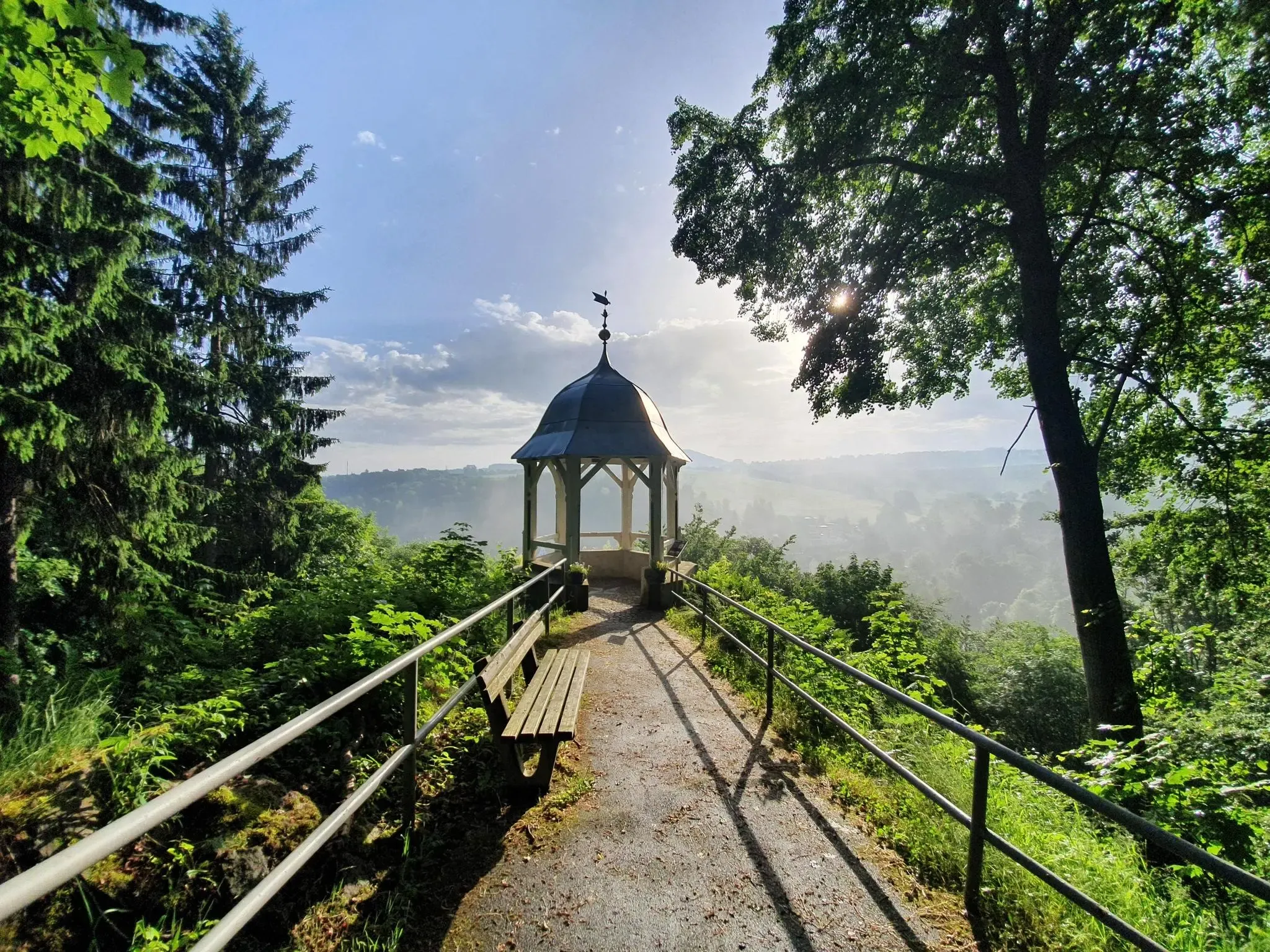
#GoFurther – discover the views of Germany!
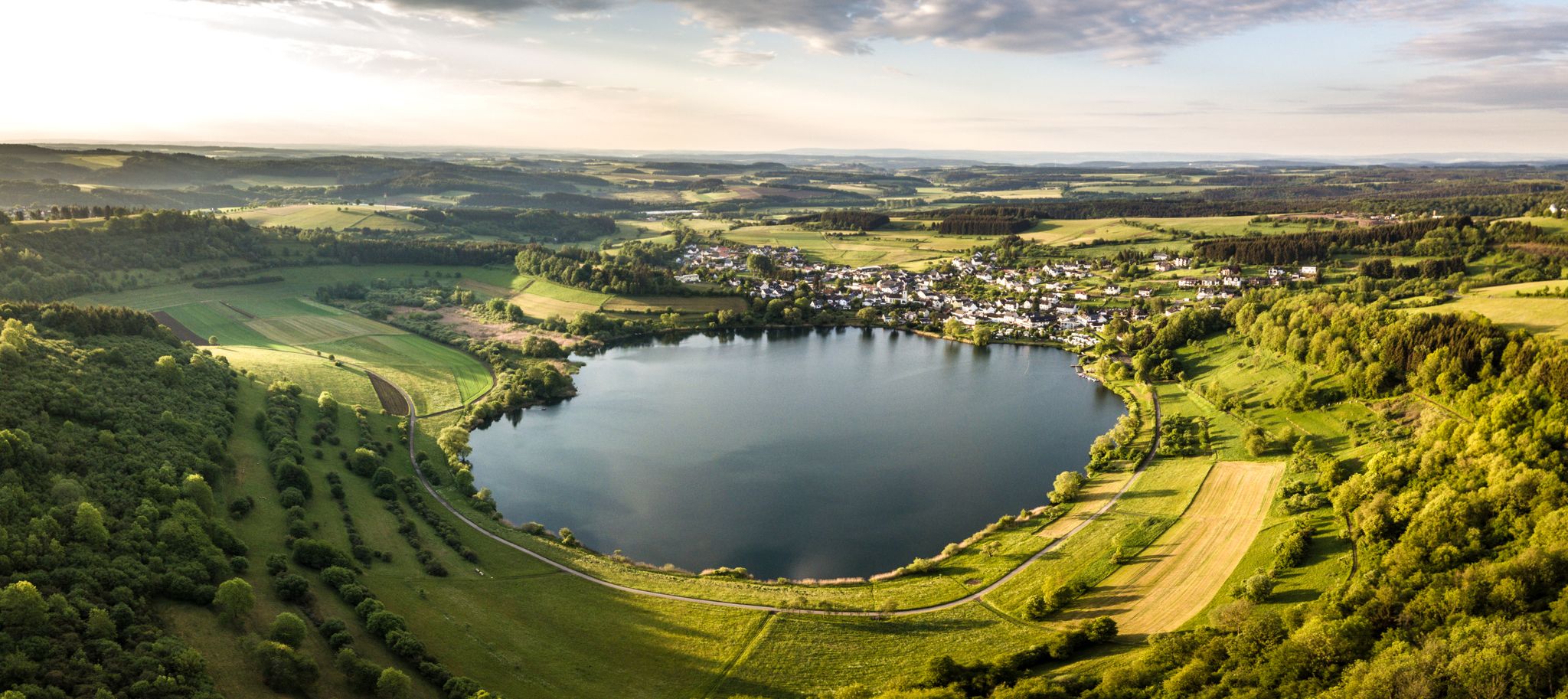
Volcanoes, water, forest – the partner trails of the Eifelsteig
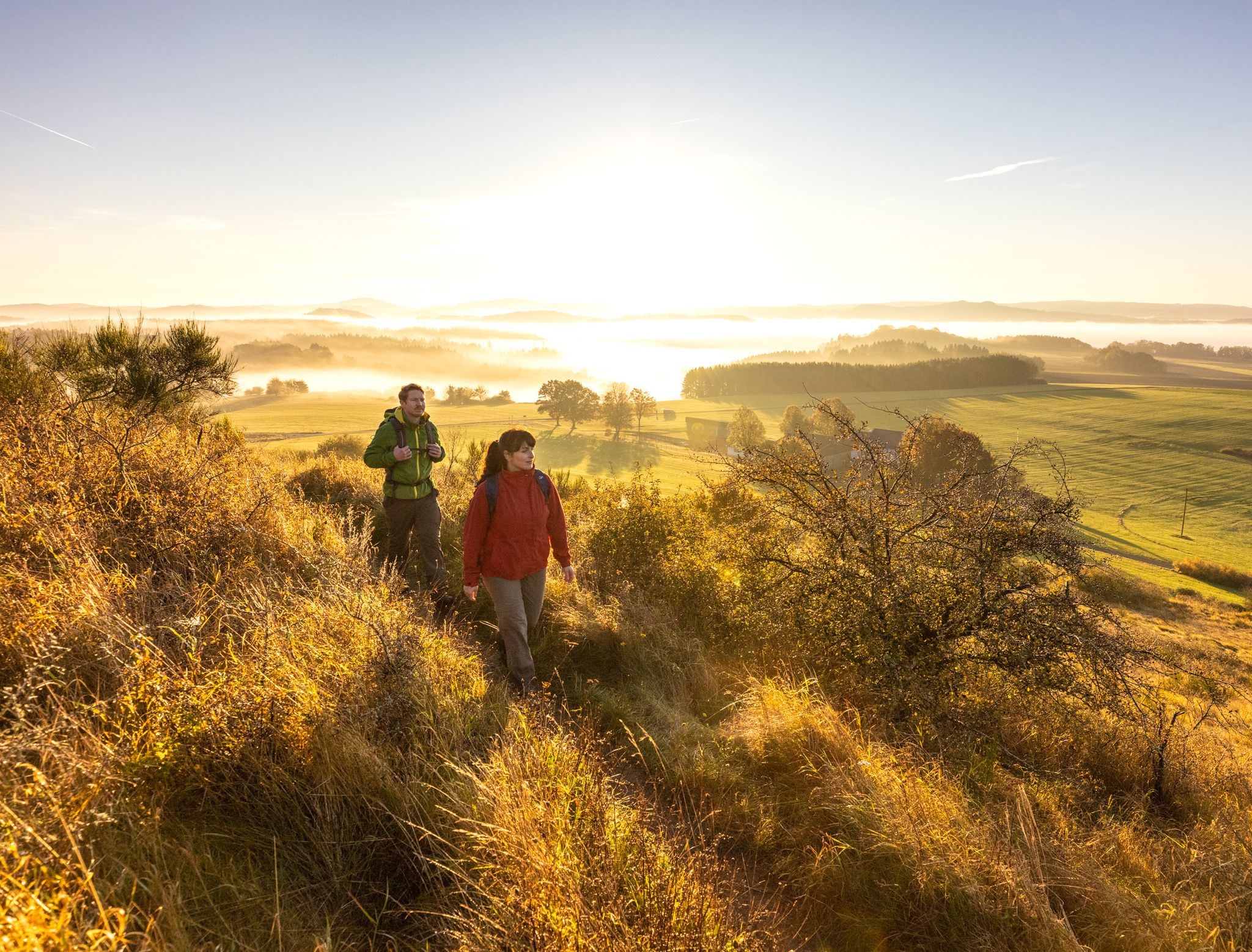
The 15 stages of the Eifelsteig Trail — Between rocks and water
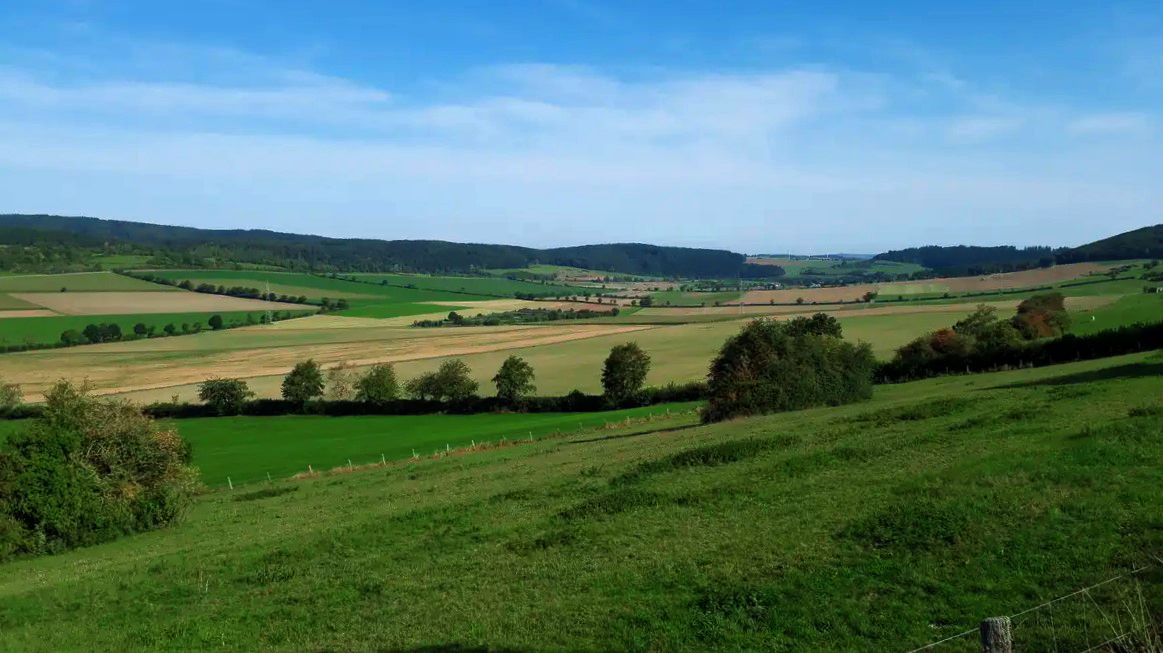
Volcanic landscapes between Germany and Belgium – Eifel-Ardennes Cycle Route
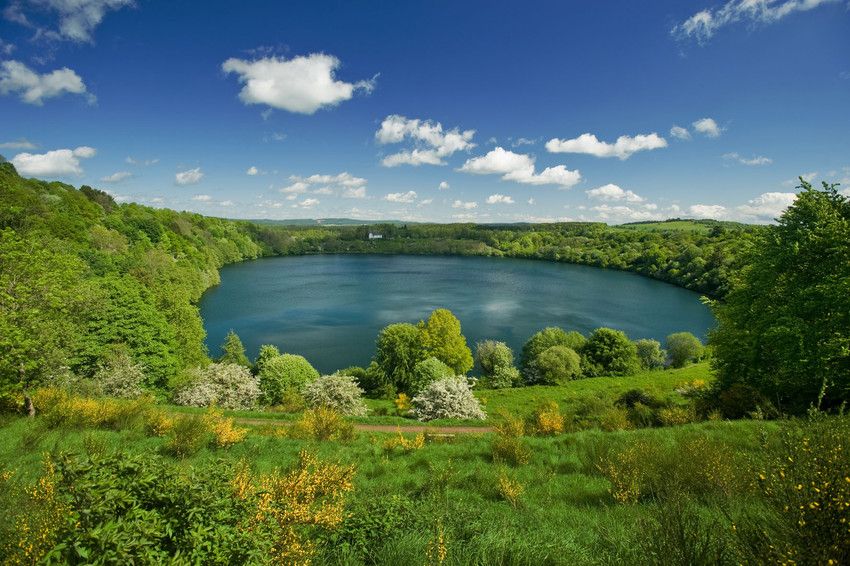
Vulkan Eifel — bike and hike
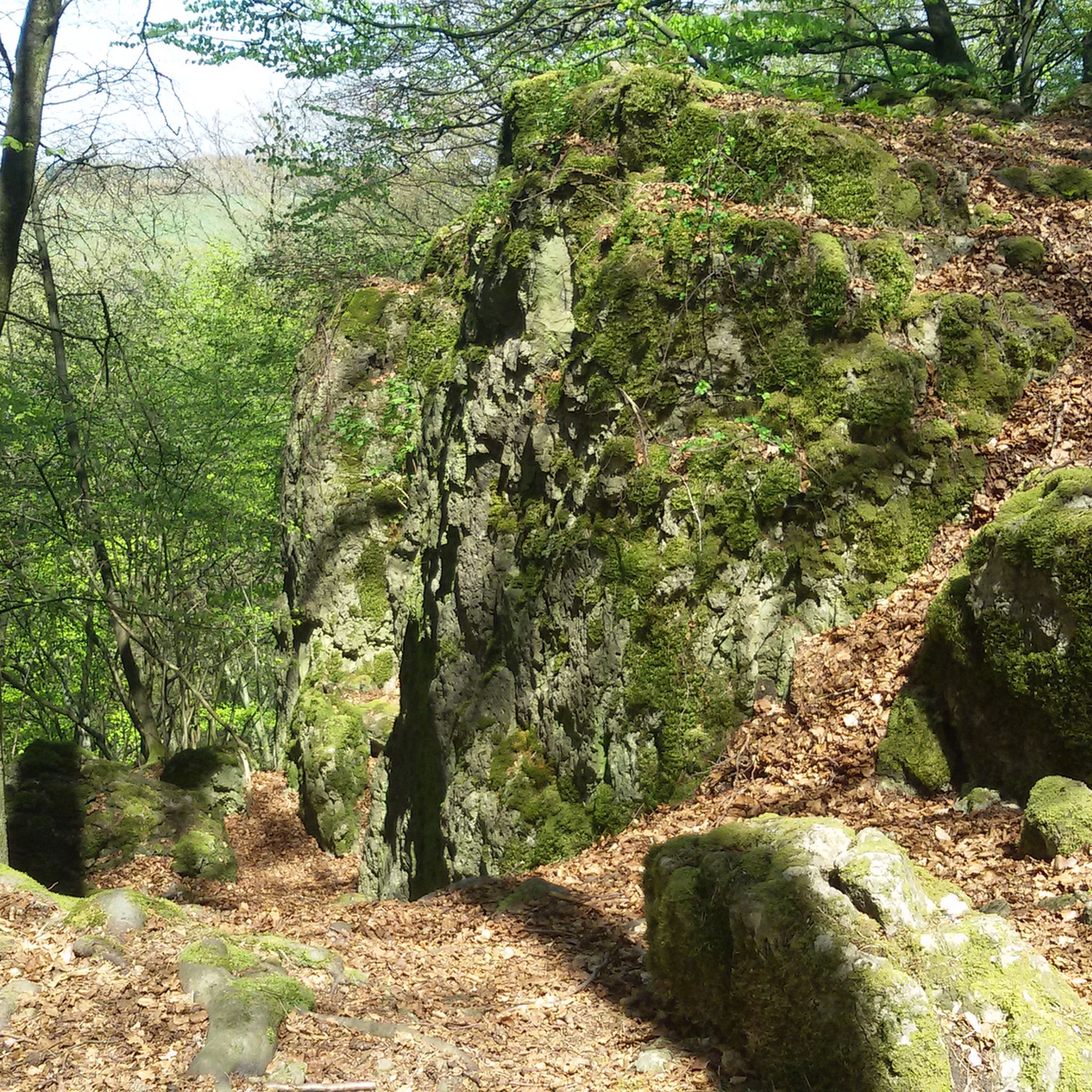
Hiking around Gerolstein
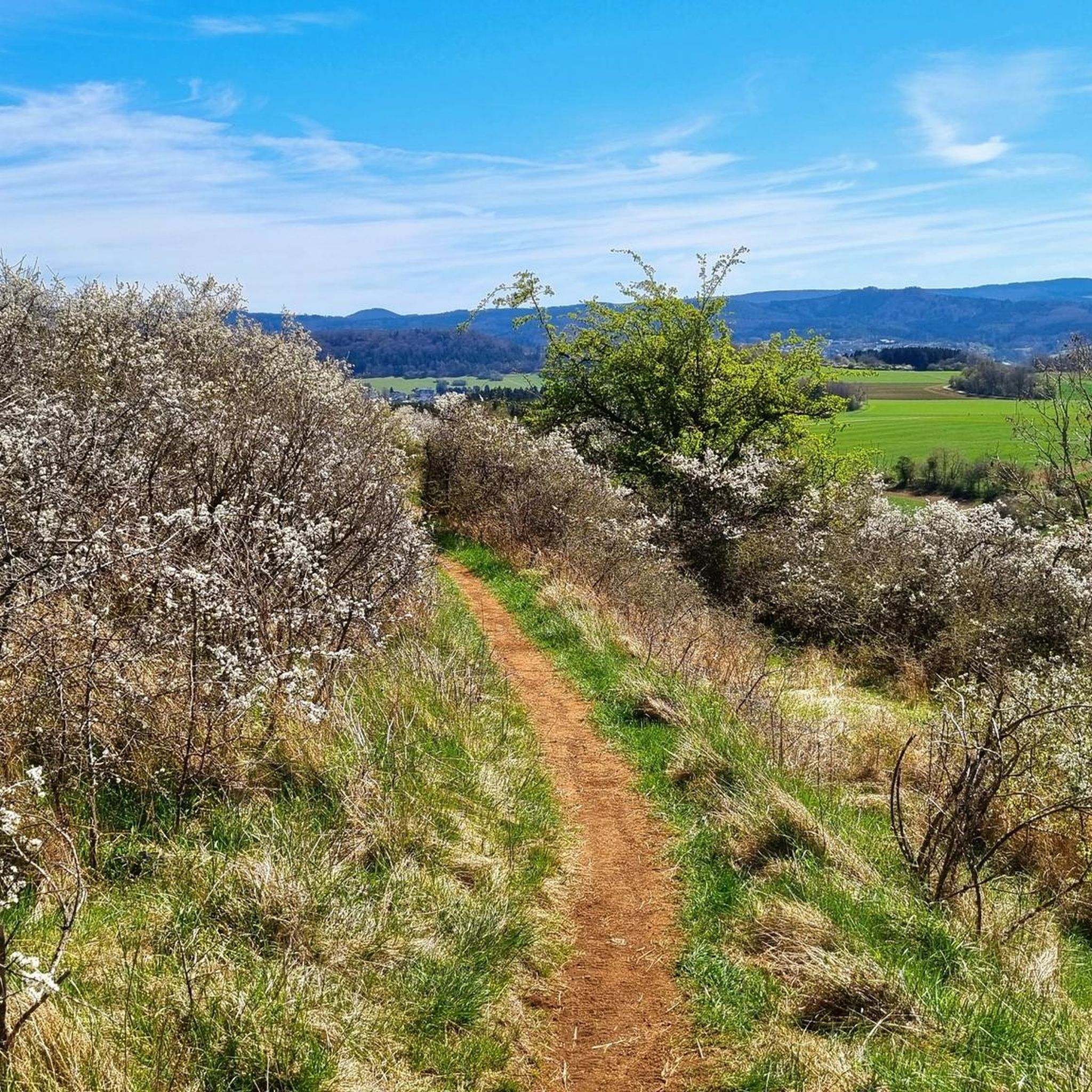
Cycling around Gerolstein
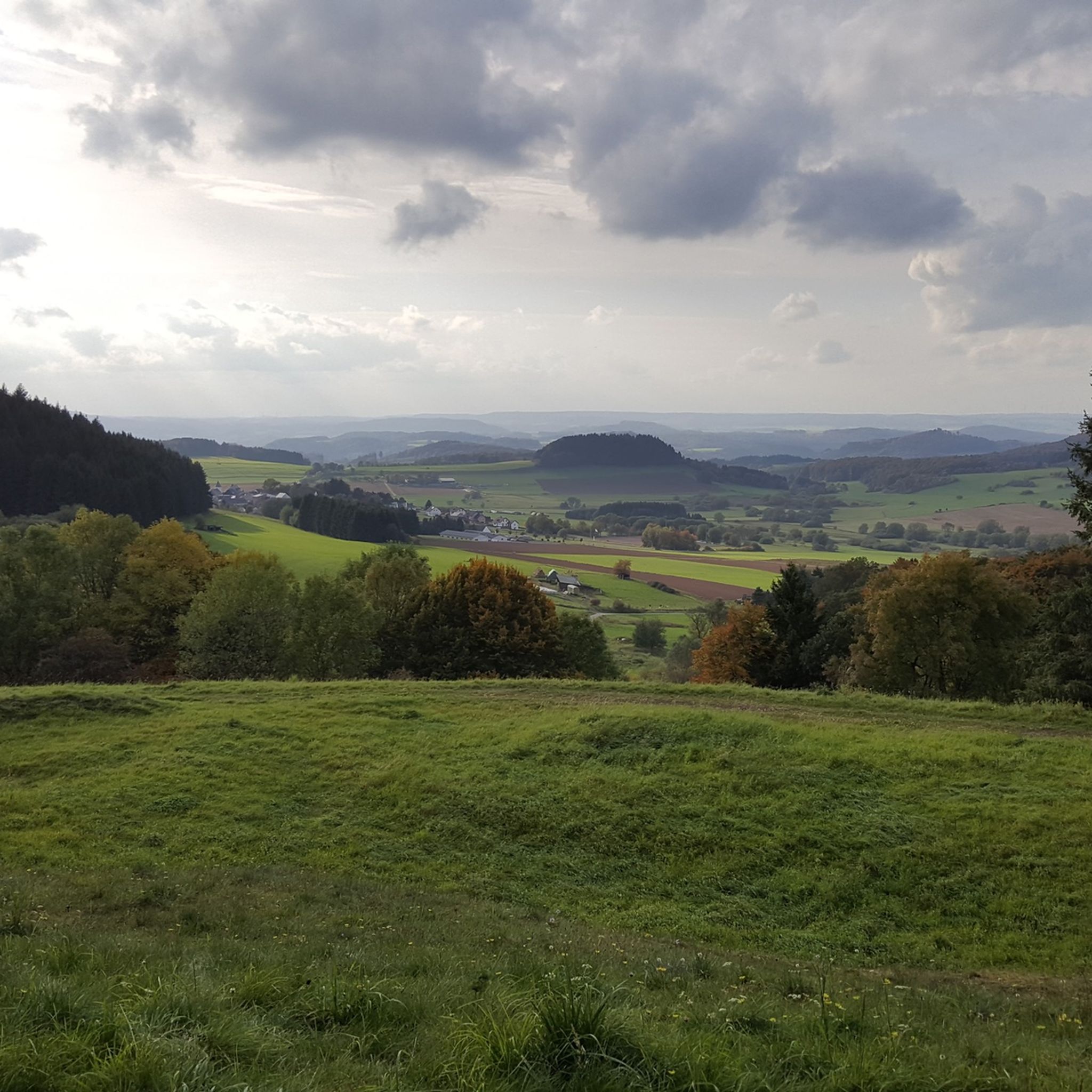
MTB Trails around Gerolstein
Road Cycling Routes around Gerolstein
Running Trails around Gerolstein
Other adventures around Gerolstein


Tips from the Community

Well accessible cave. It is very good to see how the millstones were worked out. A good headlamp is recommended so that your hands are free to take pictures. I personally found the cell phone camera too dark
6
0

The trail leads to the 'Buchenloch Cave' which lies at the far edge of the Munterley Plateau. This was created 1.8 million years ago from a millimeter-wide crack in the rock massif and was used by people in the Neolithic Age 300,000 years ago.
11
1

The Nerother Kopf is an extinct volcano of recent date. It was formed about 15,000 years ago when the earth broke up here and glowing magma welled up from the depths of the earth. At that time, a fracture zone formed in the earth rock, which formed the origin of the volcanic chain "West Eifel". https://www.neroth.de/tourismus/nerother-kopf
6
0
The Millstone Cave is located at the summit of the Neroth Head, a wooded hill of volcanic origin east of Neroth. The entrance is just below the Freudenkoppe castle ruins at an altitude of about 640 m and can be reached via a hiking trail. The cave is 18 meters deep and its vault up to 10 meters high. It is walkable, but unlit (torch required). Wikipedia
5
0
Very well maintained little chapel. You can clearly see that not only hikers and tourists are guests here. Many burning candles indicate that private requests and wishes are often expressed here.
2
0

Millstones were mined in the 18 meter deep cave at the top of the Nerother Kopf until the 18th century. The lava stone was not only mined for the production of millstones, but was also used to build the immediately adjacent Freudenkoppe Castle.
5
0

Well done! The cave is made accessible by a wooden staircase. At the bottom of the stairs there is a nice bench. Worth seeing cave. A display board offers explanations.
12
1

Great cave in the "Gerolsteiner Dolomites"! Take your headlamp with you!
9
0
Frequently Asked Questions
What types of caves can I explore around Gerolstein?
The Gerolstein region features a diverse range of caves, including naturally formed rock caves, artificial millstone caves created by historical mining, and unique ice caves known for their consistently low temperatures.
Which caves are suitable for families or beginners?
The Buchenloch Cave is freely accessible and has a large interior, making it a good starting point. For an easy hike that includes a cave, consider the "Papenkaule Volcanic Crater – Buchenloch Cave loop from Gerolstein" route, which is part of the easy hikes around Gerolstein guide.
What historical insights do the caves offer?
Many caves, especially the millstone caves, showcase the region's industrial past. For example, the Millstone Cave at Nerother Kopf and the Millstone Cave at Rother Kopf reveal how millstones were extracted from volcanic rock, with unfinished blanks still visible on the walls, dating back to the 13th century.
Are there any caves with unique natural features or geological significance?
Yes, the Buchenloch Cave is a prehistoric rock cave formed by groundwater, once used by Neanderthals. The Birresborn Ice Caves are notable for their consistently low temperatures, allowing ice formations to persist well into summer, despite being man-made.
What is the best time of year to visit the caves?
Many caves are accessible year-round. However, the Birresborn Ice Caves are typically closed from October 1st to March 31st to protect hibernating bat populations. Always check local information for specific opening times, especially during winter.
What equipment should I bring when exploring the caves?
A flashlight or headlamp is essential for most caves, as they are unlit. Sturdy shoes are highly recommended for navigating uneven terrain. For some guided tours, a helmet might be provided or required.
Can I combine a cave visit with other outdoor activities?
Absolutely. The region offers numerous outdoor activities. You can find MTB trails, running trails, and hiking routes that often pass by or include cave highlights. For instance, the "Millstone Cave at Rother Kopf – Unfinished Millstone loop from Kalenborn-Scheuern" is an easy hike that incorporates a cave.
Are there any guided tours available for the caves?
Guided tours are available for some caves, such as the Birresborn Ice Caves, offering a deeper insight into their history and unique features. It's advisable to check with local tourism offices for tour schedules and booking information.
What should I know about parking and public transport for cave access?
Specific parking information varies by cave. Many caves are accessible via hiking trails from nearby towns or designated parking areas. For public transport, check regional bus or train schedules to the closest villages, then plan your walk from there. Some caves, like the Millstone Cave at Nerother Kopf, are accessible via hiking trails from the summit area of Nerother Kopf.
How long does it typically take to explore a cave?
Exploration times vary. For smaller, freely accessible caves like the Buchenloch Cave, a visit might take 30 minutes to an hour. Larger cave systems or those with guided tours could require 1-2 hours or more. Consider the overall length of any associated hiking trails if you plan a combined trip.
Are there any caves that serve as important wildlife habitats?
Yes, the Birresborn Ice Caves are a significant winter habitat for numerous bats. This is why they are closed during the bat hibernation period from October 1st to March 31st, to ensure the protection of these animals.
What geological processes formed the caves in the Gerolstein region?
The region's volcanic origins and diverse geological features have played a key role. Natural caves like the Buchenloch Cave were formed by the dissolving power of groundwater over millions of years. Many other 'caves' are actually man-made, resulting from the extraction of volcanic rock for millstones.
Most popular routes around Gerolstein
Most popular attractions around Gerolstein

Get inspired with the komoot mobile app


Explore more
Extend your search for the best caves by checking out these guides of the top ones around Gerolstein:
