Top 20 Castles around Erkelenz
Best castles around Erkelenz are found in this town in North Rhine-Westphalia, Germany, which features a rich history. Architectural landmarks like Burg Erkelenz and Haus Spiess offer insights into the town's past. The region provides a blend of historical structures and natural landscapes. Visitors can explore medieval fortifications and elegant 19th-century architecture.
Best castles around Erkelenz
- The most popular castles is Tüschenbroich Castle, a castle that was first mentioned in 1172 as Thuschinbroc. The ensemble of castle, restaurant, pond, medieval motte, and oil mill is unique in the local area.
- Another must-see spot is Wickrath Castle Fountain and Gardens, a castle feature with a large park. The castle was thoroughly renovated for the 2002 State Horticultural Show.
- Visitors also love Wickrath Castle Pond, a lake that is part of a beautiful moated castle on the Niers. This moated castle features an attractive baroque park.
- Erkelenz is known for moated castles, medieval fortifications, and historic manor houses. The area offers a variety of castles to see and explore, from ancient keeps to elegant 19th-century residences.
- The castles around Erkelenz are appreciated by the komoot community, with more than 1900 upvotes and over 700 photos shared across the highlights.
Last updated: August 16, 2026
Tüschenbroich Castle
Highlight • Castle
Translated by Google •
Tip by

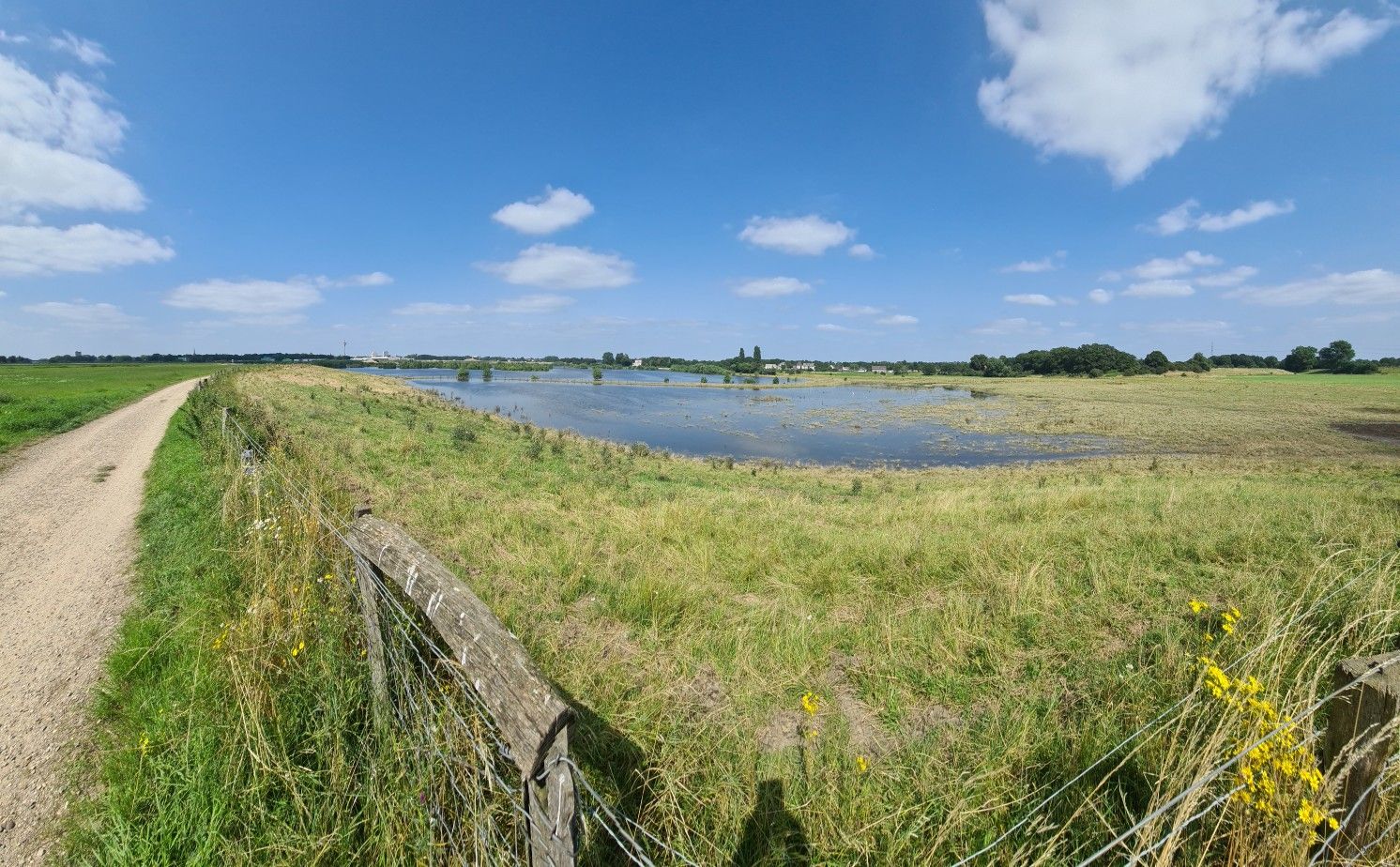
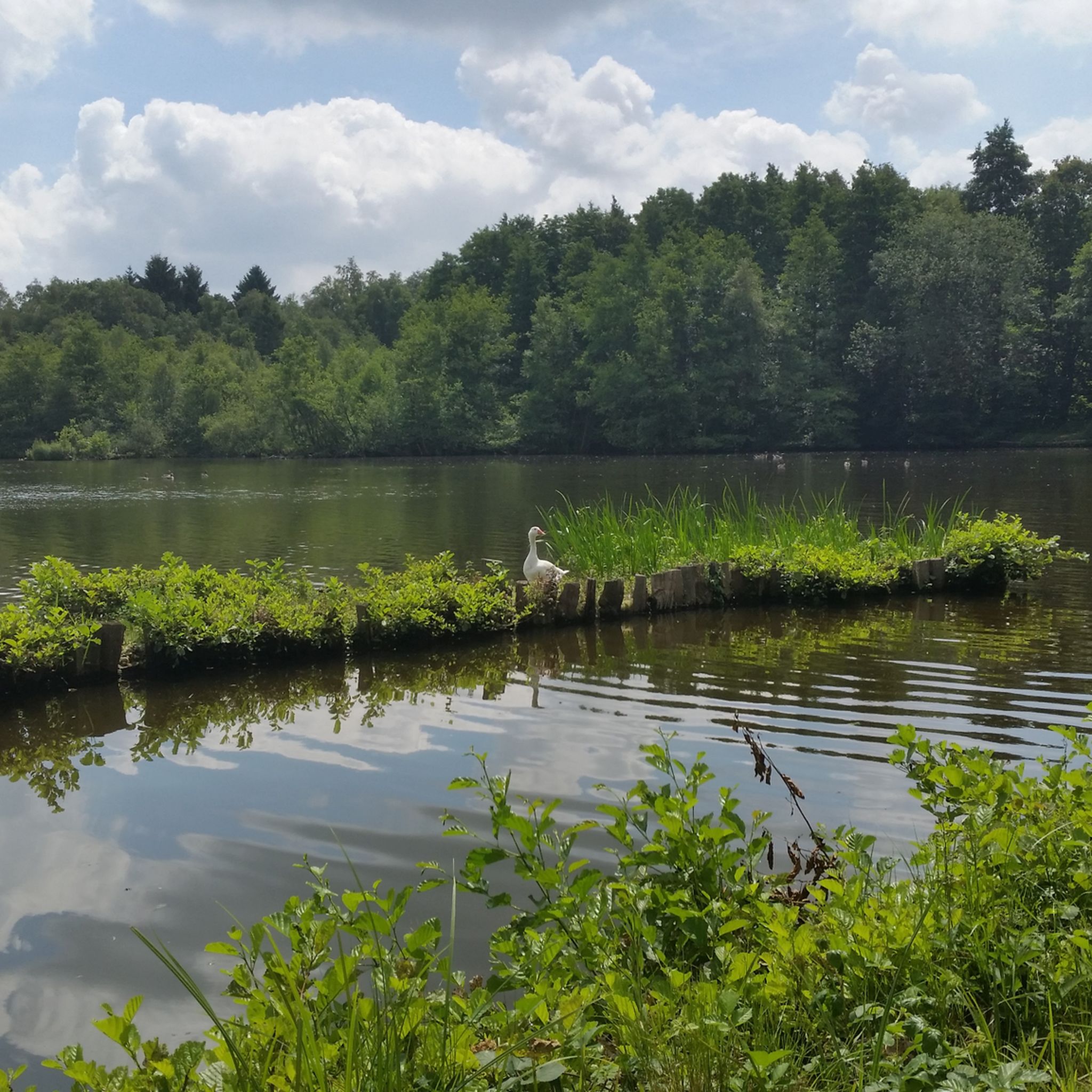
Wickrath Castle Pond
Highlight • Lake
Translated by Google •
Tip by

Sign up now to discover places like this
Get recommendations on the best single tracks, peaks, & plenty of other exciting outdoor places.
Sign up for free
Dyck Castle
Highlight • Castle
Translated by Google •
Tip by

Alt-Kaster Old Town
Highlight • Historical Site
Translated by Google •
Tip by

Wickrath Castle Fountain and Gardens
Highlight • Castle
Translated by Google •
Tip by

Sign up for free to discover even more castles around Erkelenz.
Sign up for free
Already have an account?
Start today with a free account
Your next adventure awaits.
Login or Signup
Other adventures around Erkelenz

Tips from the Community

CYCLE TOUR WICKRATHER SCHLOSSTEICH The journey is the destination, and so 17 cyclists enjoyed a lovely day in Mönchengladbach's surroundings in what was at times a strong wind. The start was at 10:00 a.m. from the car park at Rheydt Castle. The route leads through the Volksgarten, the Neersbroicher Busch and the Hoppbruch to Haus Horst, from there past Steinhausen, Liedberg and Dyck Castle to Aldenhoven. Past the Jüchener Bach, we then went via Gierath and Jüchen to the edge of the open-cast lignite mine with a view into the big hole. Here we were showered heavily by the sprinklers that are supposed to bind the dust to protect the motorway. Shortly afterwards we reached the Wildenrath manor in Wanlo for a rest and refreshment. The route then went back along the Niers via Wickrath Castle, Beller Park and Zoppenbroich to Rheydt Castle.
9
0

There was no room available today
6
0

The castle pond and the castle park are worth seeing.
7
0
A beautiful park with a cafe is worth a visit
8
0

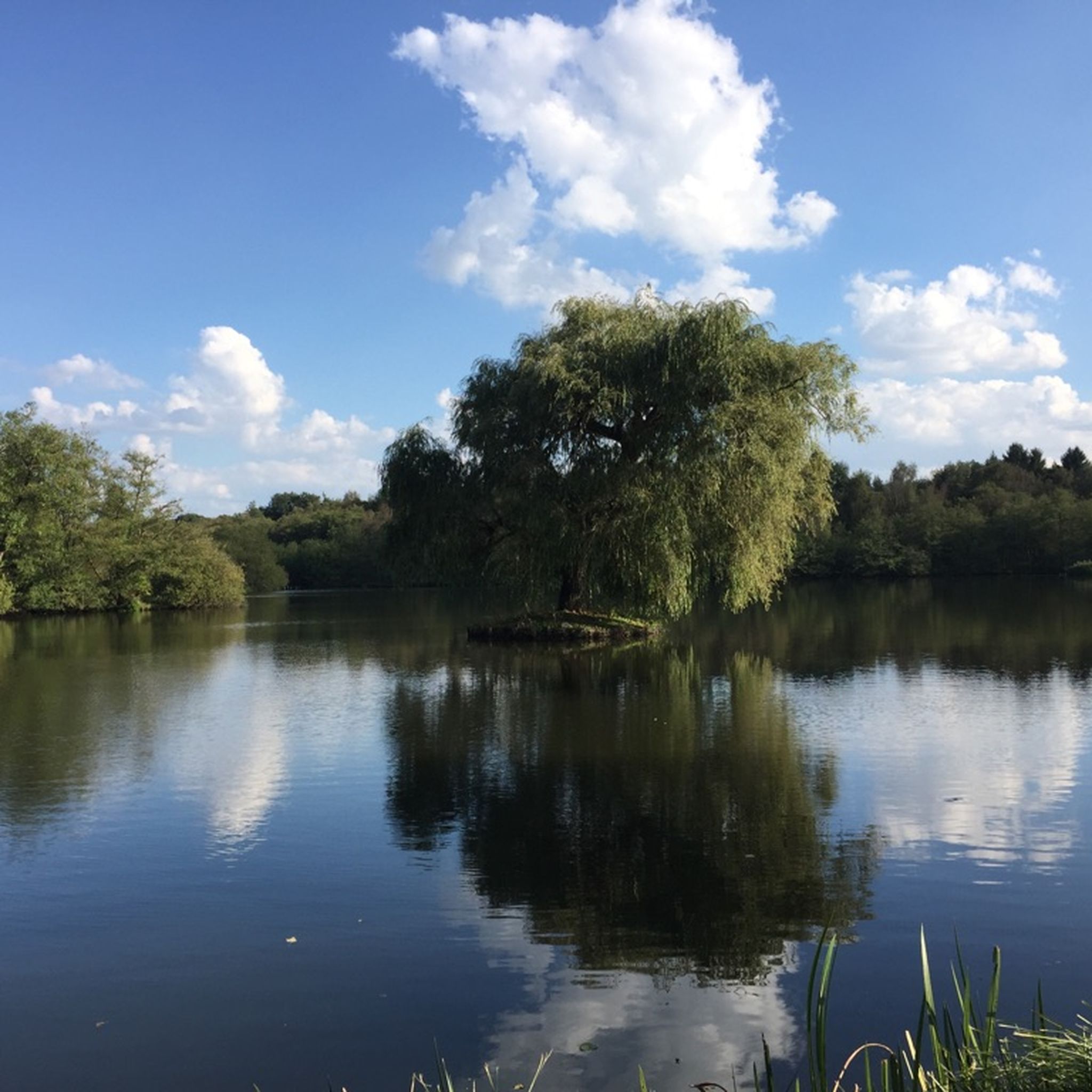
The historical nucleus was the motte, now overgrown with trees, located in the middle of the mill pond. This motte, Tüschenbroich (an archaeological site on an island in the middle of the castle pond, probably separated from the mainland by a moat), was built as a moated castle and first mentioned in documents in 1172 as Thuschinbroc. The buildings burned down during the Thirty Years' War. Tüschenbroich belonged to Wassenberg and later to the Duchy of Jülich. In 1624, Franz von Spiering bought the war-damaged Tüschenbroich for 24,200 Reichstalers. He had the complex rebuilt as a baroque palace complex made of brick. The "Codex Welser," an illustrated inventory of all knightly fiefdoms in the Duchy of Jülich, shows both the main castle island and the outer bailey, parts of which are still preserved today, which later (after being destroyed) became the main castle. Tüschenbroich Castle seen from the motte. The castle was repaired in 1876 after being severely damaged in a storm. Tüschenbroich Castle is now privately owned.
7
0

The Tüschenbroicher Castle is located on the site of a former medieval fortification, a so-called moth. Tüschenbroich Castle in its current form dates from the 17th and 18th centuries. After the property was acquired by Franz Freiherr von Spiering, he had the former outer bailey converted into a palace according to his plans, which is now privately owned and can only be visited by appointment. The castle complex also includes a historic oil mill from the 18th century and a former grain mill, which is located on the opposite bank of the castle pond and now houses a restaurant. Also worth seeing is the baroque Ulrichskapelle, which is located in the Tüschenbroicher Forest and was built in the 17th century. The area around the castle with the local recreation area Tüschenbroicher Wald is a popular destination today. Whether cyclists, hikers or families in summer, everyone will find relaxation from the hustle and bustle of the big city. Source: https://kuhpfad.de/niederrhein-historische-bauwerke/burgen-schloesser-herrenhaeuser/wegberg-schloss-tueschenbroich/
8
1
The historical nucleus was the Motte, which is now overgrown by trees and located in the middle of the Mühlweiher. This motte Tüschenbroich (ground monument on an island in the middle of the castle pond, probably separated from the mainland by a ditch) was built as a moated castle and was first mentioned in documents in 1172 as Thuschinbroc. The buildings burned down during the Thirty Years' War. Tüschenbroich belonged to Wassenberg and later to the Duchy of Jülich. In 1624, Franz von Spiering bought Tüschenbroich, which had been destroyed in the war, for 24,200 Reichstaler. He had the complex rebuilt as a baroque palace complex in brick construction. The "Codex Welser", an illustrated inventory of all knightly fiefdoms in the Duchy of Jülich, from 1720 shows both the main castle island and the outer bailey complex, which is still partially preserved today and later mutated into the main castle after being destroyed.
8
1

This parking lot can serve as a starting point for beautiful hikes and bike rides. A fishing park is also nearby.
12
0
Frequently Asked Questions
What historical castles can I visit within Erkelenz?
In Erkelenz, you can explore the historic Burg Erkelenz, considered the town's oldest building with origins over 600 years ago. It features a 26-meter high castle tower and restored city wall sections. Another significant site is Haus Spiess, an elegant 1806 building in the Couven style, now serving as the city's registry office. You can find more information about Haus Spiess on Niederrhein Tourismus.
Are there any moated castles near Erkelenz?
Yes, the region around Erkelenz is known for its moated castles. A notable example is Wickrath Castle Pond, which is part of a beautiful moated castle on the Niers, featuring an attractive baroque park. Another is Dyck Castle, one of the most beautiful moated castles in the Rhineland, known for its extensive gardens and role as a center for garden art.
What kind of outdoor activities can I do near the castles around Erkelenz?
The area offers various outdoor activities. You can find numerous hiking routes, such as the easy 'Tüschenbroich Forest – Tüschenbroich Castle loop from Geneiken' or the moderate 'Doverener Pond – Rest area with a view loop from Matzerath'. For cycling, options include the 'Tüschenbroich Castle – Tüschenbroich Oil Mill loop from Erkelenz'. Mountain biking enthusiasts can explore routes like the 'Myhler Bruch Pond – Birgelen Primeval Forest Trail loop from Erkelenz'. You can find more details on these and other routes in the hiking guide, cycling guide, and MTB trails guide for Erkelenz.
Are there family-friendly castles or activities in the Erkelenz area?
Many castles and nearby attractions are family-friendly. For instance, Tüschenbroich Castle is part of an ensemble with a restaurant and a fishing park nearby, making it suitable for families. The castle parks, like those at Wickrath Castle, often provide open spaces for children to explore. Additionally, the Alt-Kaster Old Town, with its historic walls and cozy restaurants, has a very nice playground on its outskirts.
What are the best times to visit the castles around Erkelenz?
The castles and their surrounding parks can be enjoyed throughout the year. Spring and summer offer pleasant weather for exploring the extensive gardens and outdoor areas, such as those at Wickrath Castle. Autumn provides beautiful scenery with changing foliage, while winter visits can offer a unique, quieter experience, especially during events like the Nicholas Market in Alt-Kaster, which takes place in the historic houses and courtyards.
Can I find places to eat or stay near the castles?
Yes, several castles and nearby towns offer refreshment options. Tüschenbroich Castle has a restaurant on-site. Wickrath Castle Fountain and Gardens also features a cafe/restaurant. The Alt-Kaster Old Town is known for its many places to stop for refreshments, including nice cafés and cozy restaurants. For accommodation, you'll find options in Erkelenz and the surrounding towns.
What makes Tüschenbroich Castle unique?
Tüschenbroich Castle is unique for its ensemble of castle, restaurant, pond, medieval motte, and oil mill, along with the opposite fishing park. The historic nucleus was a motte, first mentioned in 1172. The oil mill also houses a recommended studio of an internationally renowned glass artist.
Are there any cultural events held at the castles?
Yes, castles in the region often host cultural events. Burg Erkelenz serves as a venue for various cultural events, exhibitions, and concerts, including medieval markets and the Lambertusmarkt. Haus Spiess, while primarily a registry office, also hosts exhibitions and receptions. Wickrath Castle hosts the 'Fest am See' on the last weekend in July, featuring stalls, music, horses, and a culinary mile.
What are the parking options for visiting castles near Erkelenz?
Many castle sites offer parking facilities. For example, the parking lot near Tüschenbroich Castle can serve as a starting point for exploring the area. Wickrath Castle Pond also has parking available, making it convenient for visitors.
What can I expect to see at Wickrath Castle?
Wickrath Castle is known for its beautiful moated castle and large park. The castle was thoroughly renovated for the 2002 State Horticultural Show, and its facade was repainted in oxblood red. The park features several bridges over the castle ponds and the Niers, offering scenic views and pleasant walks.
Are there any less crowded castles to visit in the Erkelenz region?
While popular castles like Tüschenbroich and Wickrath attract visitors, exploring the smaller, historically significant sites like Burg Erkelenz or the architectural gem Haus Spiess within Erkelenz itself might offer a more intimate experience, especially outside of major event days. The restored sections of the city wall at Burg Erkelenz provide a quiet glimpse into medieval history.
What kind of historical insights can I gain from visiting Burg Erkelenz?
Visiting Burg Erkelenz offers a tangible connection to the town's medieval past. You can see the 26-meter high castle tower, dating from 1423, and the Wolfsturm, which served as the castle dungeon. The 'Freunde der Burg' association has also set up a museum room on the first floor of the tower, providing insights into medieval life and the castle's history.
Most popular routes around Erkelenz
Most popular attractions around Erkelenz

Get inspired with the komoot mobile app


Explore more
Looking for the best castles somewhere else? Discover other guides around Erkelenz:
